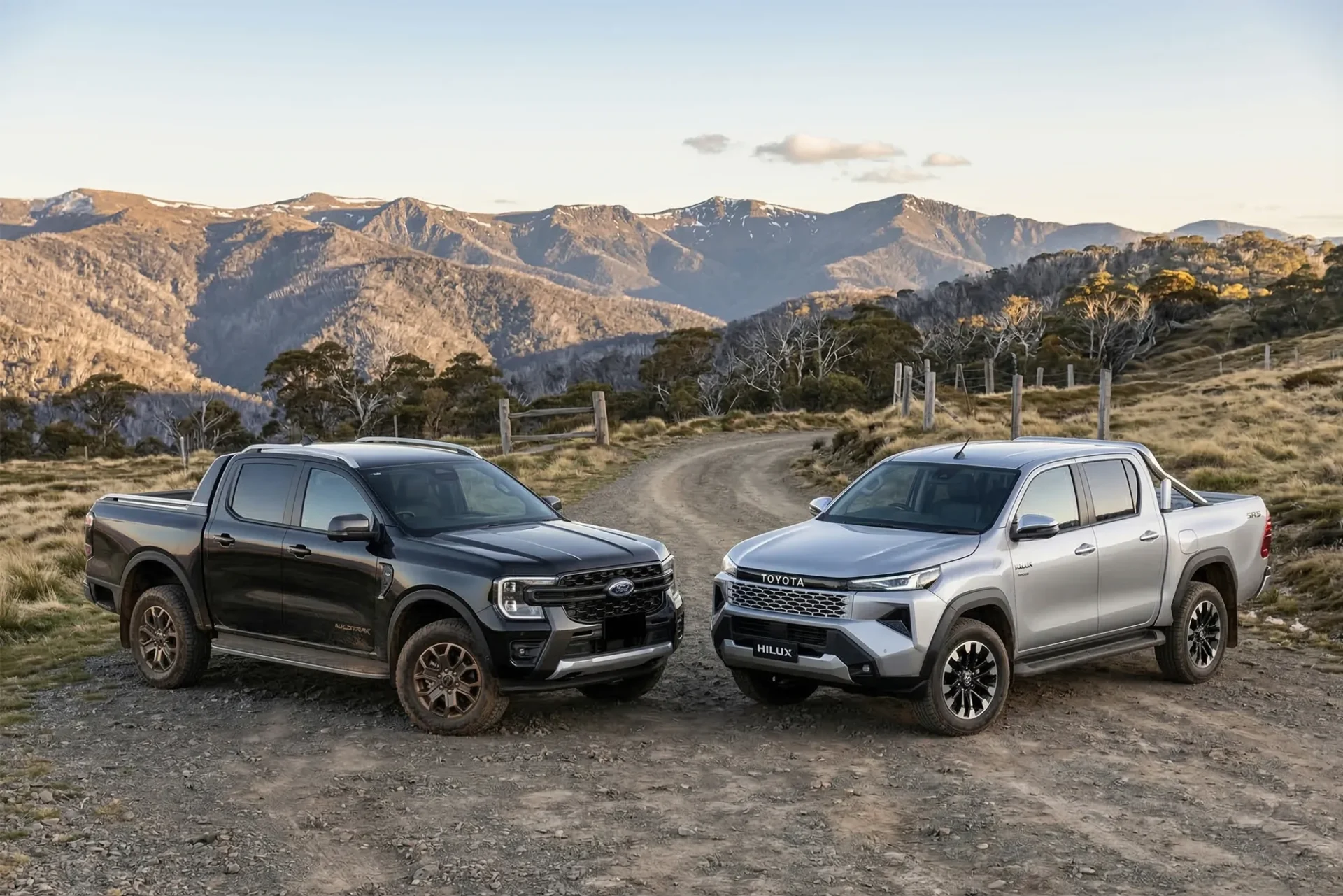

The battle for Australia’s top-selling ute is legendary. For years, the Ford Ranger has chipped away at the Toyota HiLux’s dominance, especially with its powerful V6 engine and advanced tech. Now, the 2026 HiLux arrives with a significant 48V mild-hybrid system and a much-needed interior overhaul. The question isn’t just who sells more, but which ute truly offers the better package for Aussie tradies and families.
Quick Verdict
The 2026 HiLux SR5 with 48V V-Active brings improved fuel economy and crucial tech upgrades, finally addressing some long-standing criticisms. However, the Ranger XLT still holds a power advantage with its V6 diesel and offers a more sophisticated full-time 4WD system. The HiLux closes the tech gap, but the Ranger maintains its performance edge for heavy-duty work.
HiLux Pros: Improved fuel economy (7.2L/100km), significant tech upgrade (12.3-inch screen), renowned Toyota reliability, smoother idle-stop.
HiLux Cons: Less power (150kW/500Nm) than Ranger V6, remains part-time 4WD, shorter wheelbase impacts ride.
Ranger Pros: Strong V6 power (184kW/600Nm), full-time 4WD (4A) on V6 models, longer wheelbase for better ride, advanced infotainment.
Ranger Cons: Higher fuel consumption (8.4L/100km V6), slightly higher purchase price, 2.0L Bi-Turbo can feel strained.
Spec-to-Spec: Digging into the Numbers
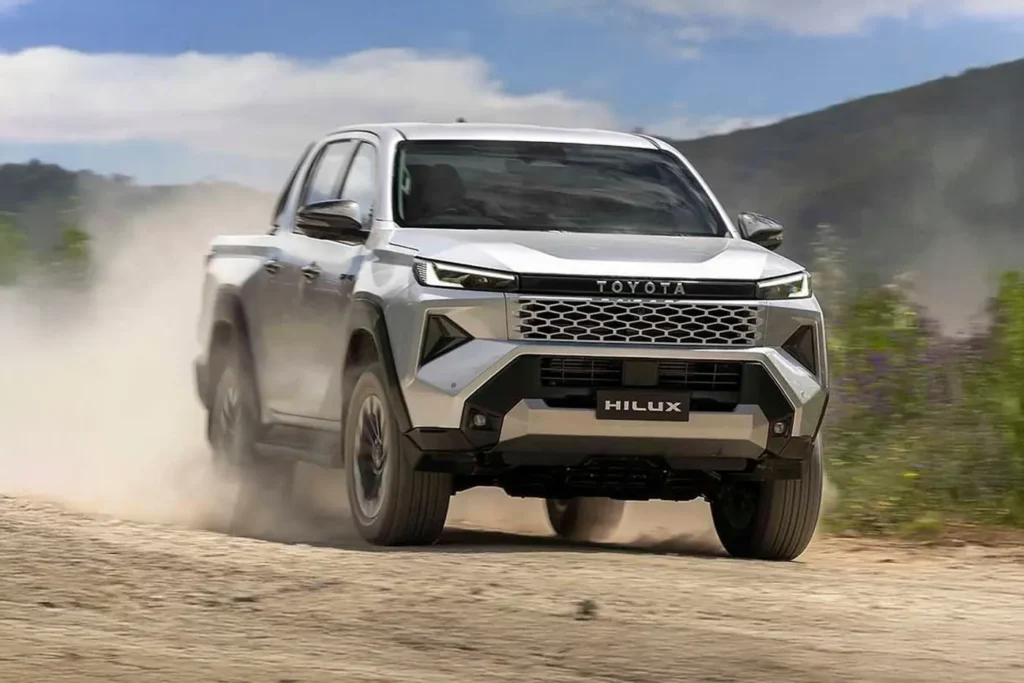
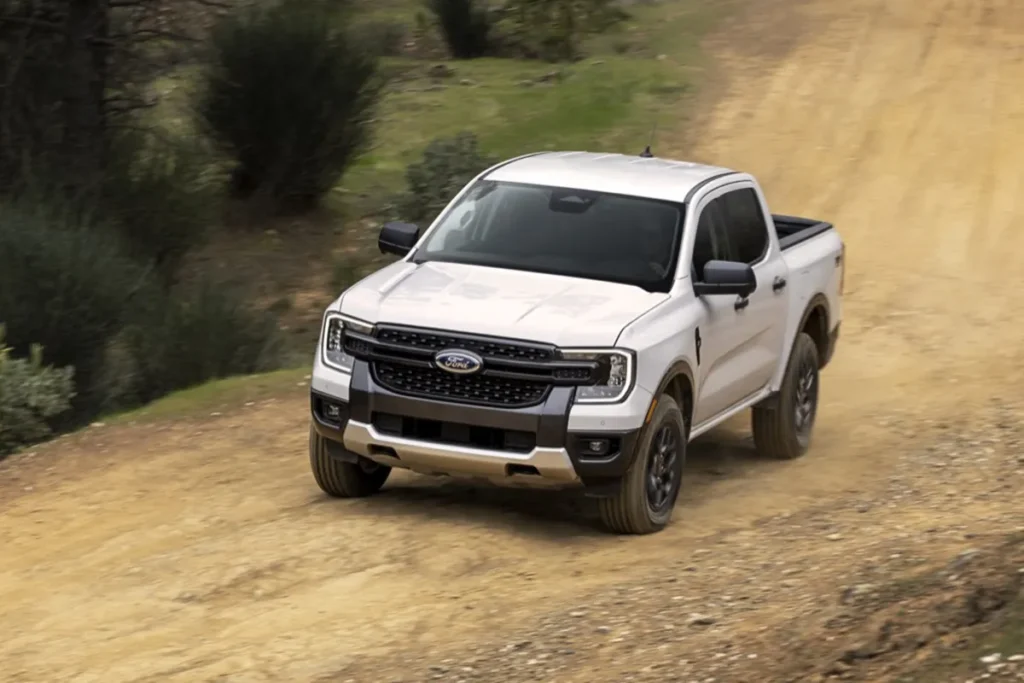
The 2026 HiLux SR5 with 48V V-Active offers a refreshed package with a new 12.3-inch screen and improved efficiency, while the Ranger XLT counters with a more powerful V6 diesel option and full-time 4WD, despite a slightly higher price tag.
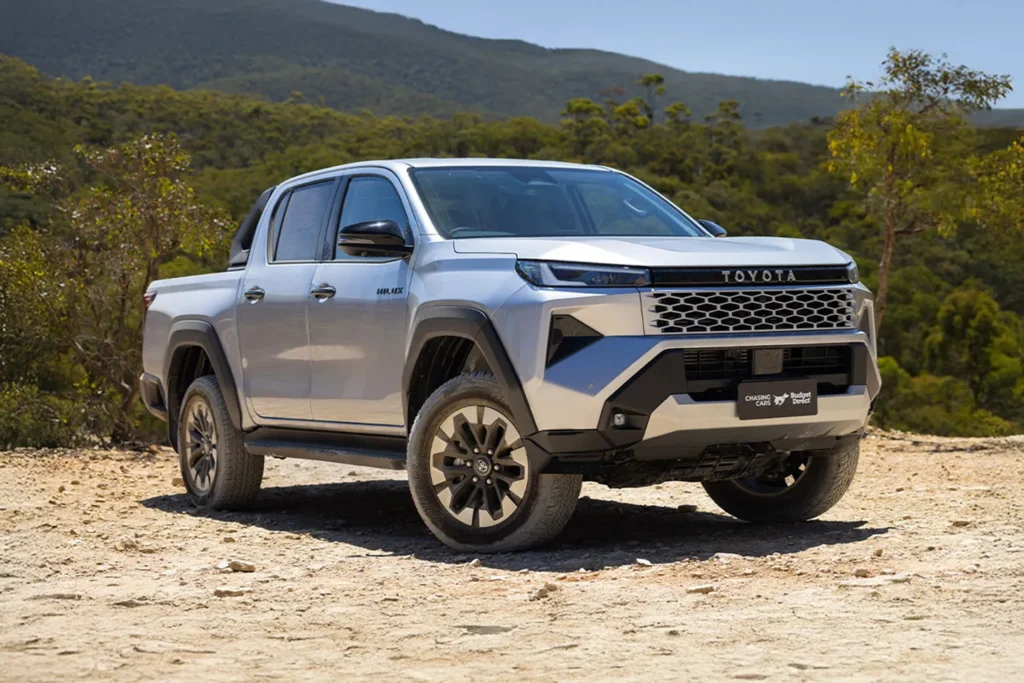
On paper, both the 2026 Toyota HiLux SR5 and Ford Ranger XLT present compelling arguments. The HiLux SR5 (48V V-Active) is priced around $65,990. It features a 2.8L diesel engine, now assisted by a 48V mild-hybrid system, producing 150kW and 500Nm of torque. A major interior upgrade brings a new 12.3-inch infotainment screen. Its wheelbase measures 3085mm.
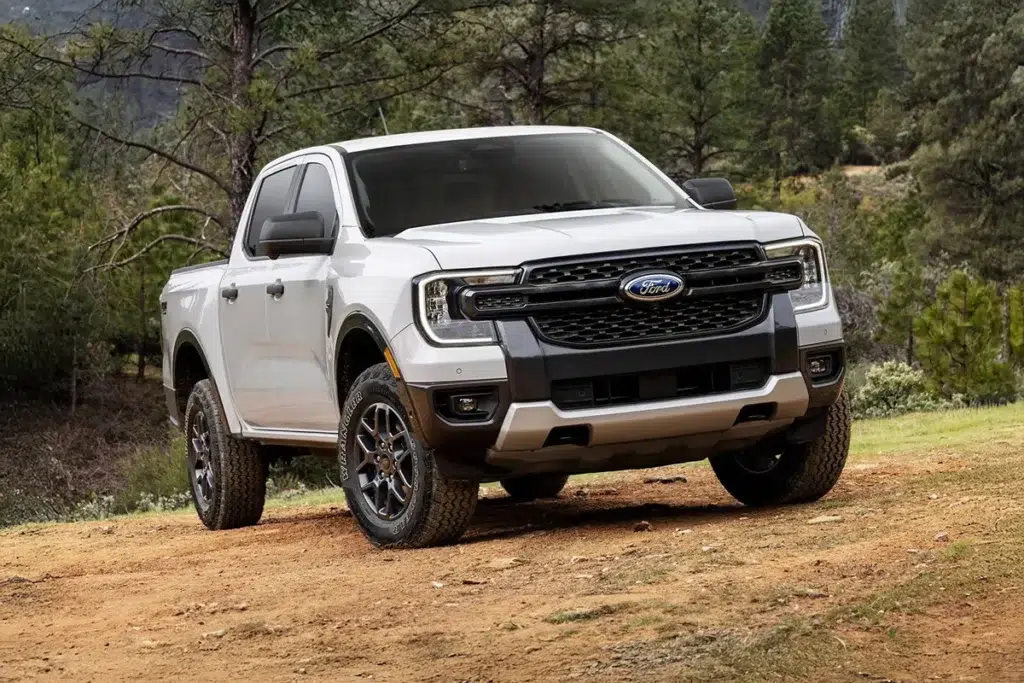
The Ranger XLT starts around $67,990. Buyers can choose between the robust 3.0L V6 diesel (184kW/600Nm) or the 2.0L Bi-Turbo diesel. It boasts a 12-inch portrait-oriented screen. The Ranger’s wheelbase is significantly longer at 3270mm. Both vehicles claim an impressive 3500kg towing capacity, a non-negotiable for many Aussie buyers.
Engine vs Engine: Power vs Efficiency
The HiLux’s 48V V-Active system prioritises fuel economy and refinement, delivering 150kW/500Nm and 7.2L/100km. The Ranger’s optional 3.0L V6 diesel offers superior grunt at 184kW/600Nm but consumes more fuel at 8.4L/100km.
Toyota’s 2.8L diesel, now with 48V V-Active, offers a more refined experience. The mild-hybrid setup primarily smooths out the idle-stop system and provides a slight assist during acceleration. Output remains at 150kW and 500Nm. This system helps the HiLux achieve a claimed 7.2L/100km fuel economy, a significant advantage for those M1 commuting or doing long regional drives.
Ford’s Ranger XLT offers two strong engine choices. The 2.0L Bi-Turbo provides ample power, but the 3.0L V6 diesel is the standout. Pumping out 184kW and 600Nm, it offers noticeably more grunt. This extra power is felt when overtaking or climbing steep gradients, particularly with a load. However, the V6’s claimed fuel consumption is higher at 8.4L/100km. For tradies hauling heavy tools or families on weekend adventures, the Ranger V6’s effortless performance can be a real draw.
Interior vs Interior: Tech and Comfort
The HiLux finally catches up with a modern 12.3-inch infotainment screen, while the Ranger maintains its lead with a large 12-inch portrait display and a more car-like cabin feel, offering superior rear passenger space due to its longer wheelbase.
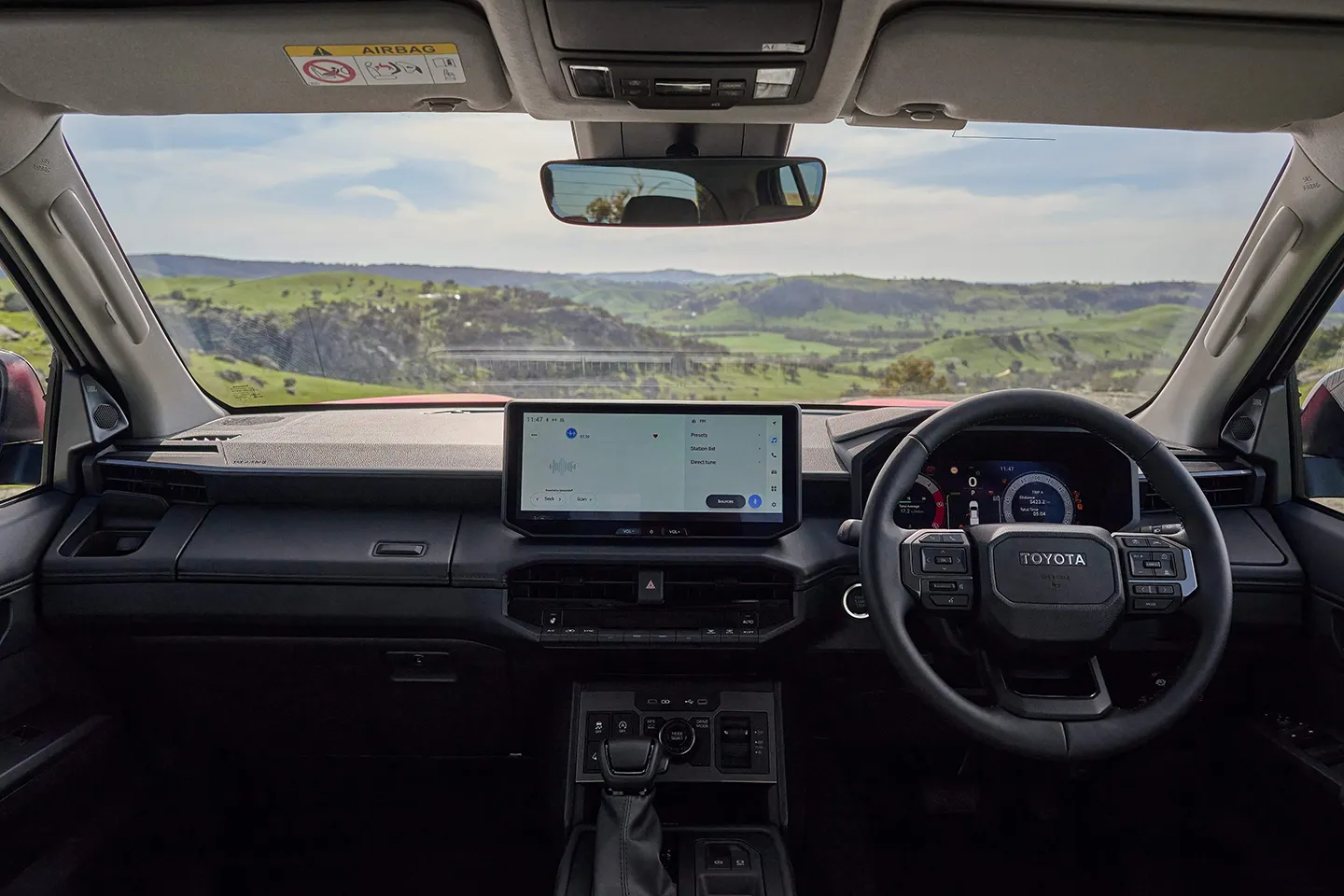
Toyota has responded to criticisms of its dated interior. The 2026 HiLux SR5 now features a crisp 12.3-inch central touchscreen. This brings modern connectivity and a much-improved user experience. Physical buttons for climate control remain, which is a practical touch for adjusting settings without distraction on bumpy Aussie roads. The cabin materials are durable, typical of HiLux.
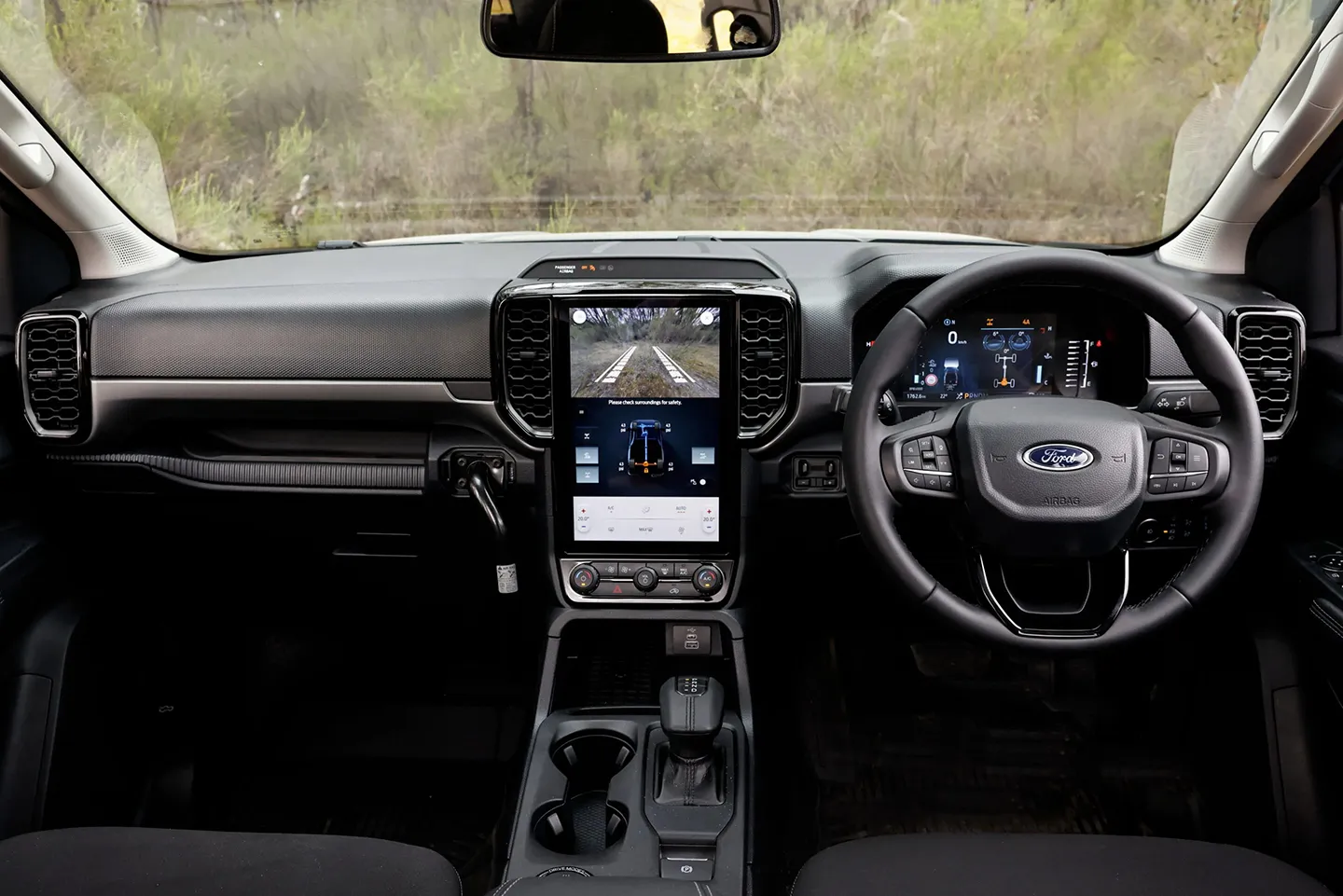
The Ranger XLT’s interior feels a generation ahead. Its 12-inch portrait screen dominates the dashboard, offering excellent visibility for navigation. Ford’s SYNC 4 system is intuitive and responsive. Crucially, the Ranger’s longer 3270mm wheelbase translates into better rear-seat legroom. This is a significant factor for families with growing kids or tradies carpooling on a job site. The Ranger also offers a more car-like driving position and slightly better material finishes in key areas.
The Towing Debate: Hauling Heavy Loads
Both the HiLux and Ranger boast a 3500kg towing capacity, but the Ranger’s V6 engine provides a more relaxed towing experience due to its higher torque, and its full-time 4WD offers greater stability on varied surfaces.
When it comes to towing, both the 2026 HiLux SR5 and Ford Ranger XLT are rated to pull 3500kg. This matches segment leaders like the Isuzu D-MAX. However, the experience of towing differs. The Ranger’s 3.0L V6, with its 600Nm of torque, handles heavy trailers with greater ease. On long hauls through the outback or up steep inclines, the V6 feels less strained.
The HiLux’s 48V system provides a smoother take-off, which is beneficial for precise reversing with a caravan. However, its 500Nm might require more gear changes when tackling serious loads. A key differentiator is the 4WD system. The Ranger V6 offers full-time 4WD (4A mode). This allows it to run in 4WD on sealed roads, providing enhanced grip and stability, especially when towing on wet boat ramps or gravel roads. The HiLux remains a part-time 4WD system, meaning 4WD is for off-road use only.
Value Proposition: Where Your Money Goes
While the Ranger XLT has a slightly higher purchase price, its V6 power and full-time 4WD offer compelling value for performance-focused buyers. The HiLux counters with better fuel economy and Toyota’s reputation for long-term reliability and strong resale.
The price difference between the 2026 HiLux SR5 ($65,990) and Ranger XLT ($67,990) is minimal. Over the lifespan of the vehicle, the HiLux’s superior fuel economy (7.2L/100km vs 8.4L/100km for Ranger V6) could offset the initial cost difference. For someone covering high kilometres around Sydney or Perth, this adds up.
Toyota’s reputation for reliability and strong resale value is well-established in Australia. This often means lower long-term ownership costs. However, Ford has significantly improved its service network and offers competitive warranties. The Ranger’s full-time 4WD system and powerful V6 are premium features that justify its slightly higher entry price for many. Ultimately, the value proposition depends on whether you prioritise raw grunt and sophisticated drivetrain technology or long-term efficiency and bulletproof reliability.
Conclusion: The Verdict
The 2026 Toyota HiLux SR5 is a vastly improved vehicle. Its 48V V-Active system and modern 12.3-inch screen address key criticisms. For buyers prioritising fuel efficiency, a slightly lower price point, and Toyota’s legendary reliability, the HiLux is now a more compelling choice than ever. It has certainly closed the tech gap significantly.
However, the Ford Ranger XLT, particularly with the 3.0L V6 diesel, still holds the performance crown. Its higher power and torque, combined with the versatility of full-time 4WD, make it a superior option for heavy towing and demanding off-road conditions like traversing the Simpson Desert. The longer wheelbase also contributes to a more comfortable ride, especially on corrugated roads.
Has the HiLux closed the gap? Yes, on technology and efficiency. But the Ranger still maintains an edge in sheer grunt and drivetrain sophistication. The choice boils down to your priorities: refined efficiency and reliability (HiLux) or raw power and advanced capability (Ranger). Both are excellent dual-cabs ready for Australian conditions, but they cater to slightly different buyer needs.