Quick Verdict: Official fuel economy stickers are largely unreliable, with 76% of vehicles failing to match lab claims in real-world Australian conditions. Popular models like the GWM Tank 300 and Honda HR-V burn significantly more fuel, costing owners hundreds extra annually. However, the Kia Tasman and Ford Mustang stand out for their honest, or even better, real-world performance. This data from the AAA highlights a critical disconnect for budget-conscious buyers and fleet managers.
The official fuel economy sticker on a new car can be misleading. While mandated by ADR 81/02 standards, these lab-generated figures often bear little resemblance to what you’ll experience on Australian roads. The Australian Automobile Association (AAA) has rigorously tested 141 vehicles, revealing a stark truth: 76% of them failed to meet their claimed fuel consumption figures. This isn’t just about small discrepancies; some popular models are burning 20% or even 30% more fuel than advertised, hitting your wallet hard.
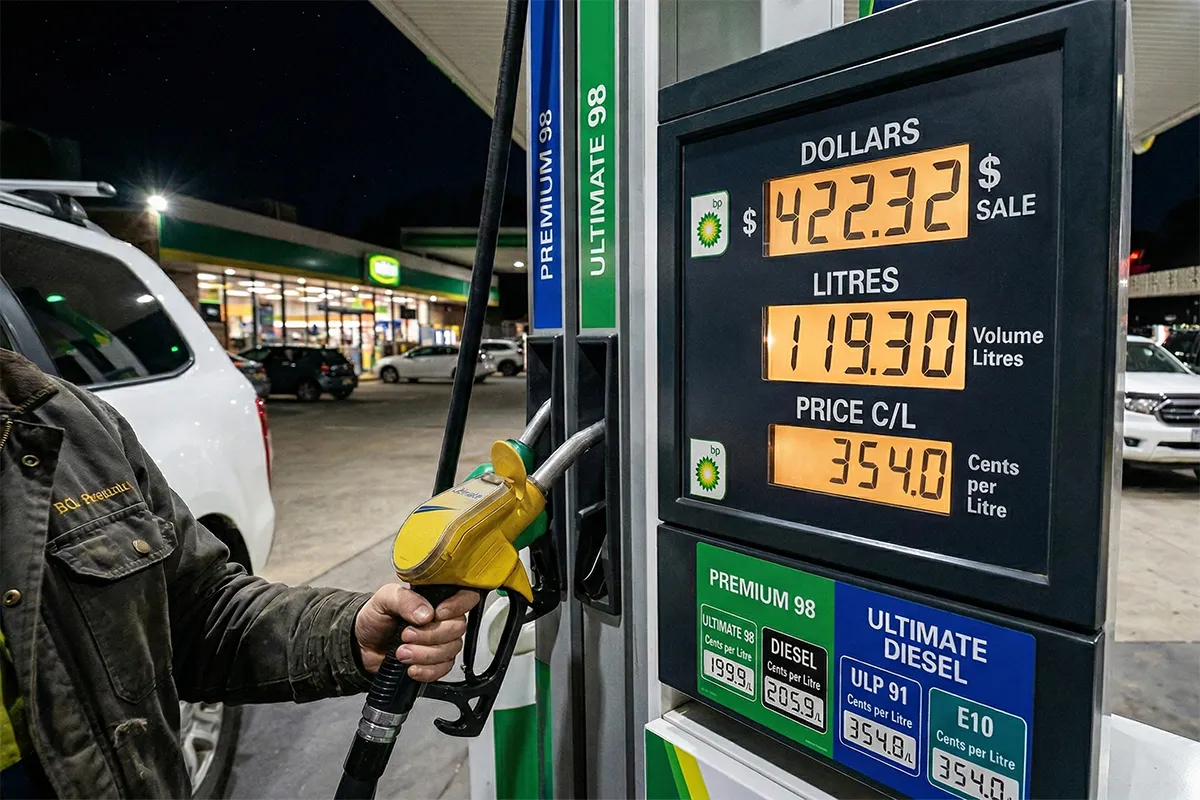
The Real-World Fuel / EV Range Result
The AAA’s testing reveals 76% of vehicles consume more fuel than their official lab claims, translating to significant unexpected costs for owners. EVs also disappoint, with the BYD Seal falling 25% short of its advertised 650km range.
The numbers are clear. The GWM Tank 300, a popular off-roader, consumed a staggering 25% more fuel than its ADR 81/02 sticker claimed. For a Honda HR-V, the variance was 19%. Even hybrids, often touted for efficiency, underperformed; the Hyundai Kona Hybrid showed a 33% increase in previous test rounds. These discrepancies mean an average driver could be spending an extra $500 a year on fuel, money that budget-conscious families and fleet managers simply haven’t accounted for. This is not a minor adjustment; it’s a substantial budget blow.
Why the Numbers Don’t Match
The core issue lies in testing conditions. ADR 81/02 tests are conducted in a controlled laboratory environment. They use dynamometers and specific drive cycles. This smooth, predictable setting doesn’t replicate real-world variables. Think of it: a lab in Europe is not a highway in Hay. It ignores traffic jams, varied terrain, air conditioning use, and fluctuating speeds common on the M1 or during school runs.
How Australian Conditions Impact Consumption
Australian driving conditions, including extreme temperatures, varied terrain, and typical commuting patterns, drastically increase fuel consumption compared to controlled lab tests. This impacts both petrol/diesel vehicles and EV range.
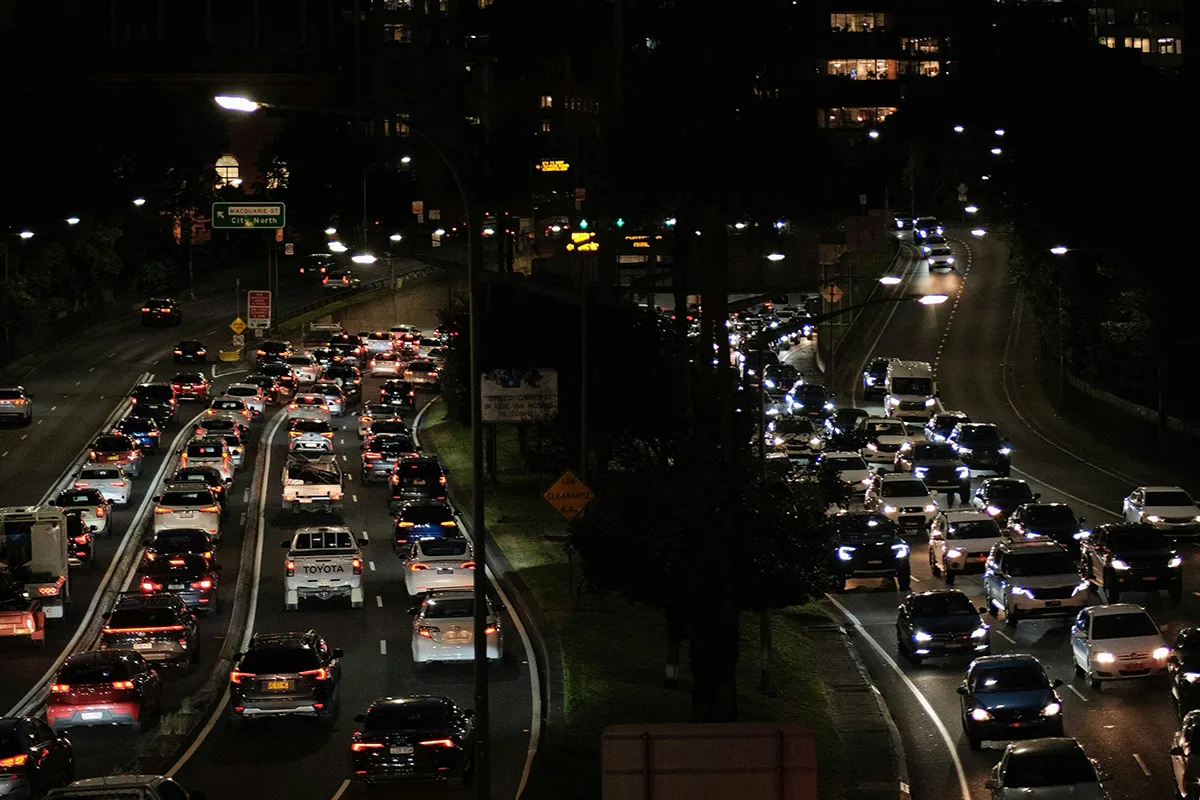
Consider the average Australian commute. Stop-start traffic in Sydney or Melbourne, followed by high-speed highway stretches. Add in the need for air conditioning during our scorching summers, or heating in winter. These factors demand more from an engine. Lab tests don’t account for a fully loaded family SUV heading to the coast, or a tradie’s ute carrying tools. The Simpson Desert is not a flat, climate-controlled test cell. These real-world demands force engines to work harder, directly increasing fuel burn.
The Cost to Your Wallet
An extra $500 per year on fuel significantly impacts household budgets. Over a five-year ownership period, that’s $2,500. For fleet managers, these discrepancies multiply across multiple vehicles, leading to thousands of dollars in unbudgeted operational costs. This can make a seemingly cost-effective purchase much more expensive in reality. It shifts the financial goalposts without warning.
The Honest Performers: Vehicles That Deliver
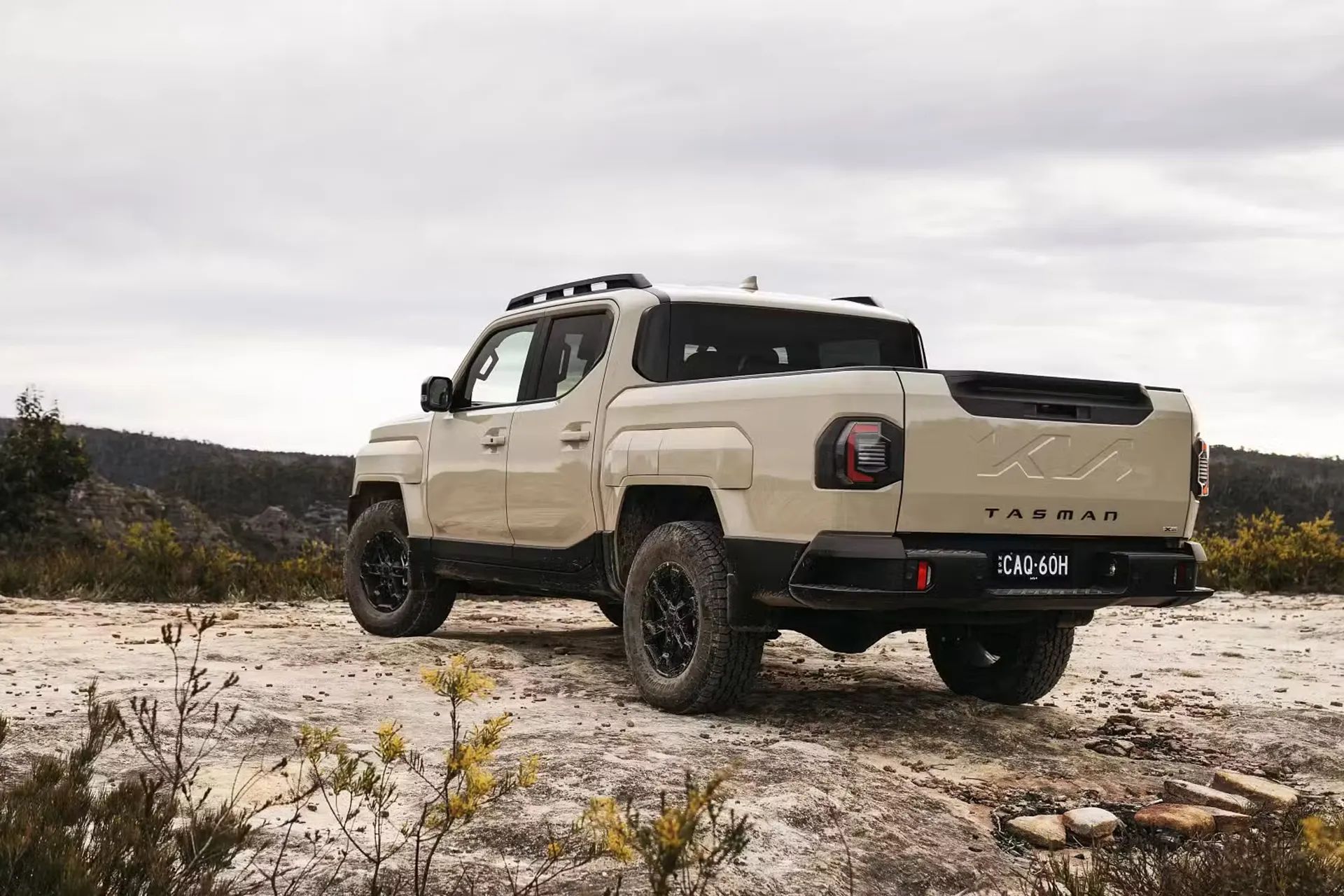
While many vehicles disappoint, the Kia Tasman showed only a 4% variance in fuel economy, and the Ford Mustang actually used 6% less fuel than claimed, setting a benchmark for accurate manufacturer data.
It’s not all bad news. Some manufacturers are delivering on their promises. The upcoming Kia Tasman, a direct competitor to the Ford Ranger and Toyota HiLux, performed exceptionally well. It showed only a 4% variance from its claimed fuel consumption. This means buyers can trust its sticker almost precisely. Even more impressively, the Ford Mustang actually consumed 6% less fuel than its official claim. These results prove that accurate real-world figures are achievable. They offer a refreshing dose of transparency.
Making Informed Decisions
For new car buyers, budget-conscious families, and fleet managers, relying solely on the ADR 81/02 sticker is a gamble. Instead, look for real-world reviews and independent testing data. The AAA’s ongoing efforts provide invaluable insights. Before committing to a purchase, research how a vehicle performs under conditions similar to your own. Ask about specific owner experiences. This proactive approach can save you hundreds, if not thousands, over the vehicle’s lifespan.
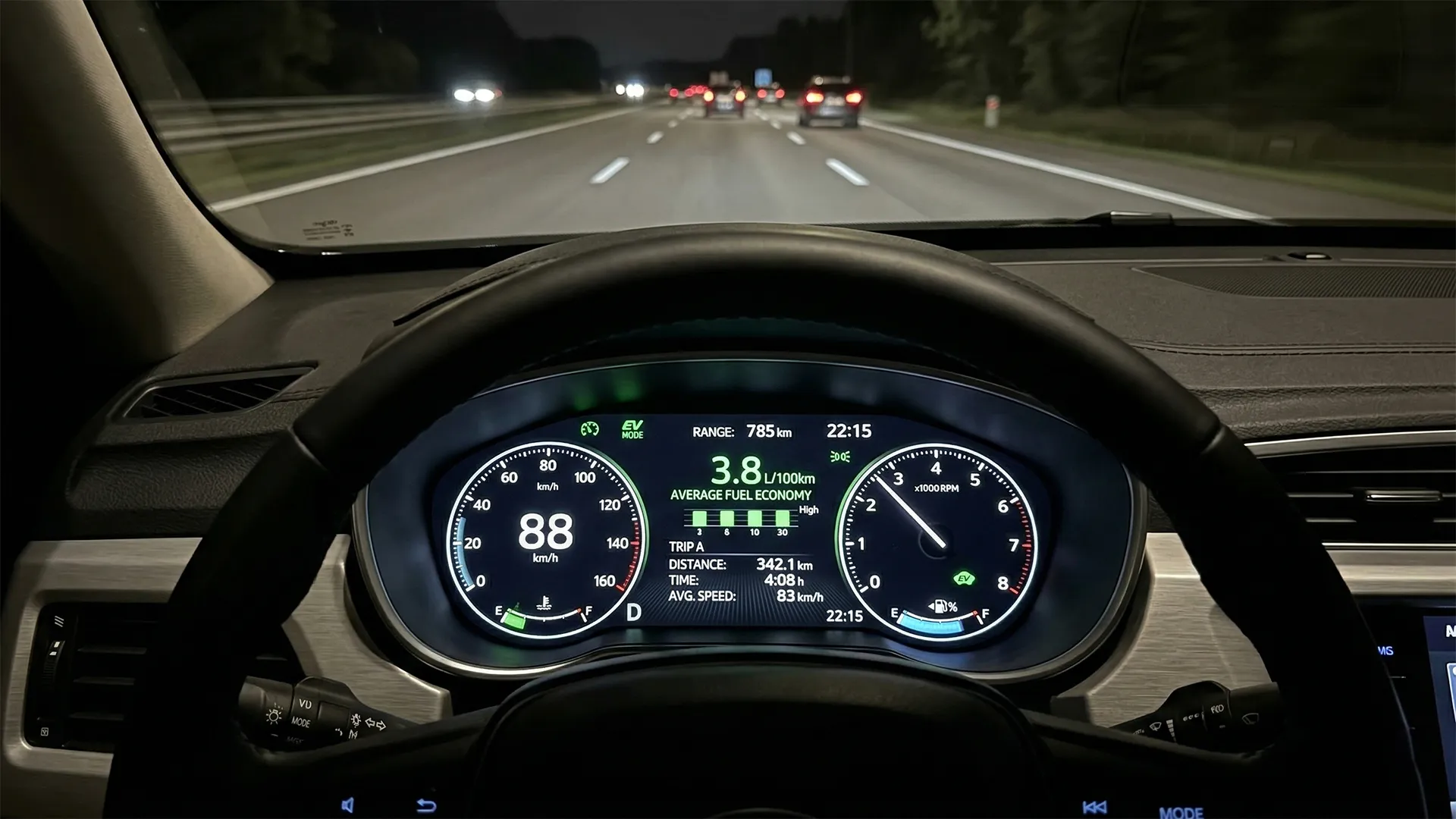
The bottom line is clear: official fuel economy figures are often a fairy tale. The AAA’s real-world testing exposes a significant financial hidden cost for many popular SUVs and even EVs. While models like the GWM Tank 300 and Honda HR-V disappoint, the Kia Tasman and Ford Mustang offer a beacon of honesty. For Australian buyers, it’s time to look beyond the sticker and demand genuine data that reflects our unique driving environment. Your wallet will thank you.