Your car knows more about you than you think. It tracks where you go, how fast you drive, and even how much you weigh. This isn’t just about convenience; it’s about data. Australia’s privacy watchdog is now investigating over 60 entities, including major car brands, for “over-collecting” your personal information. The looming 2026 Privacy Act reforms will reshape how car data is handled, giving Aussie drivers new rights, including the “Right to be Forgotten.” This is a significant shift for every connected car on our roads.

The Data Trap: What Your Car Collects
Australia’s privacy commissioner is investigating major car brands for excessive data collection, impacting driver privacy and potentially influencing insurance premiums.
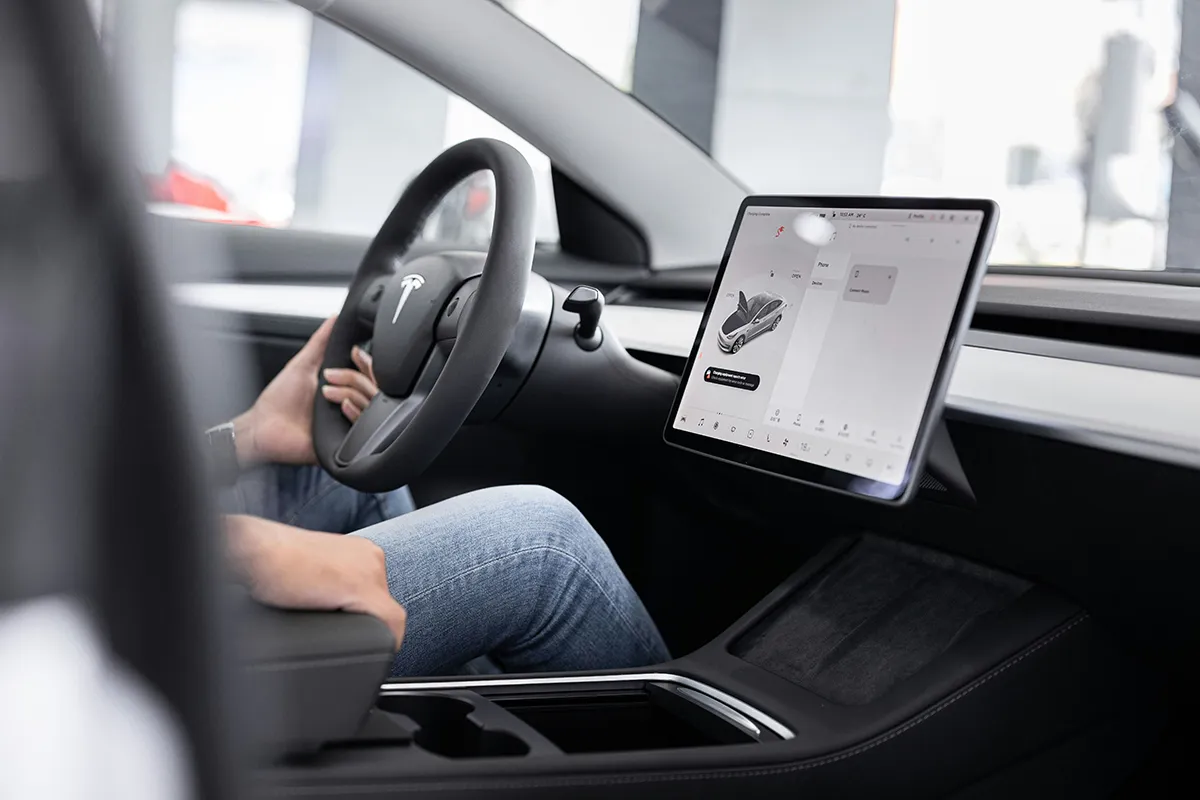
Modern vehicles are data hubs. They gather vast amounts of personal information. This includes precise location data, biometric details like driver weight or seat position, and even driving style metrics. Think acceleration, braking patterns, and speed. This collection often happens without clear, explicit consent from the owner. For many, the extent of this data capture remains a mystery.
Beyond Telematics: The Hidden Data Streams
It goes beyond basic telematics. In-car sensors monitor everything. Infotainment systems track your media preferences and phone usage. Integrated apps connect your car to your digital life. Companies like Tesla, MG, Hyundai, and Ford utilise these systems extensively. This creates a detailed digital profile of you, the driver. This profile is valuable.
What This Means for Aussie Buyers
Your driving data is a commodity. Car brands can sell this information, potentially affecting your insurance costs and personal privacy.
The data collected isn’t just for vehicle diagnostics. It’s often monetised. Car manufacturers can sell aggregated “driver behaviour” data. Insurance companies are keen buyers of this information. Your driving habits, once private, could directly influence your premiums. This creates a system where transparency is lacking. Drivers often don’t know who has their data. They don’t know how it’s being used.
The Insurance Link: Driving Style for Dollars
Imagine your insurer knows every hard brake or sudden acceleration. They know your routes, your speeds on the M1, or how often you visit specific locations. This detailed information allows them to assess risk differently. It could lead to personalised, and potentially higher, insurance quotes. This practice raises serious questions about consumer fairness and data ethics. Your car, in effect, becomes a silent witness against you.
The OAIC Investigation: A Turning Point
The OAIC’s 2026 compliance sweep targets over 60 entities, including car brands, under new Privacy Act reforms, giving Australians more control over their car data.
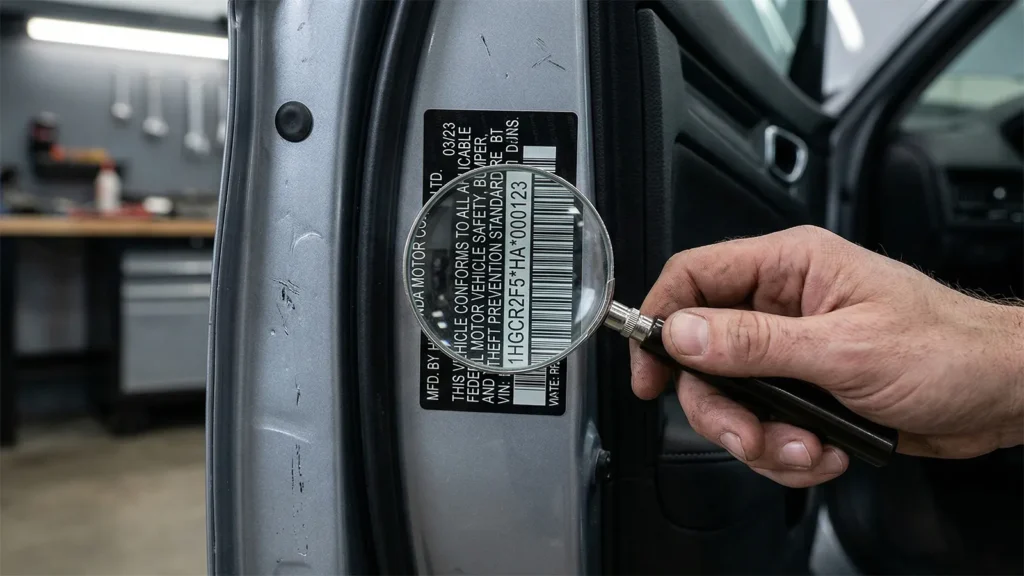
The Office of the Australian Information Commissioner (OAIC) has stepped in. They launched a significant compliance sweep. Over 60 entities are under investigation. Many are major automotive players. The focus is on “over-collection” of biometric and location data. This signals a serious intent to enforce privacy. The Privacy Act 1988 reforms are the backbone of this action. These reforms aim to modernise Australia’s data protection landscape.
Privacy Act 1988 Reforms: Your New Rights
The upcoming 2026 Privacy Act reforms are a game-changer. They introduce stronger protections for personal information. Crucially, they enshrine the “Right to be Forgotten.” This means you can request companies to delete your data. This applies to data collected by your car, too. It empowers Aussie drivers. They can demand transparency. They can control their digital footprint. This right extends to past driving data. It puts the power back with the individual.
Availability & Timeline
New Car Data Privacy Laws Australia 2026 will bring significant changes. Consumers should prepare for new data transparency and control features.
The OAIC’s investigation is ongoing. However, the Privacy Act 1988 reforms are scheduled for full implementation by 2026. This timeline provides car manufacturers time to adapt. They must update their data collection and privacy policies. Consumers will see new consent mechanisms. They will gain easier access to their data. The “Right to be Forgotten” will become legally enforceable. This is not a distant future. It is happening soon.
Future Proofing Your Privacy
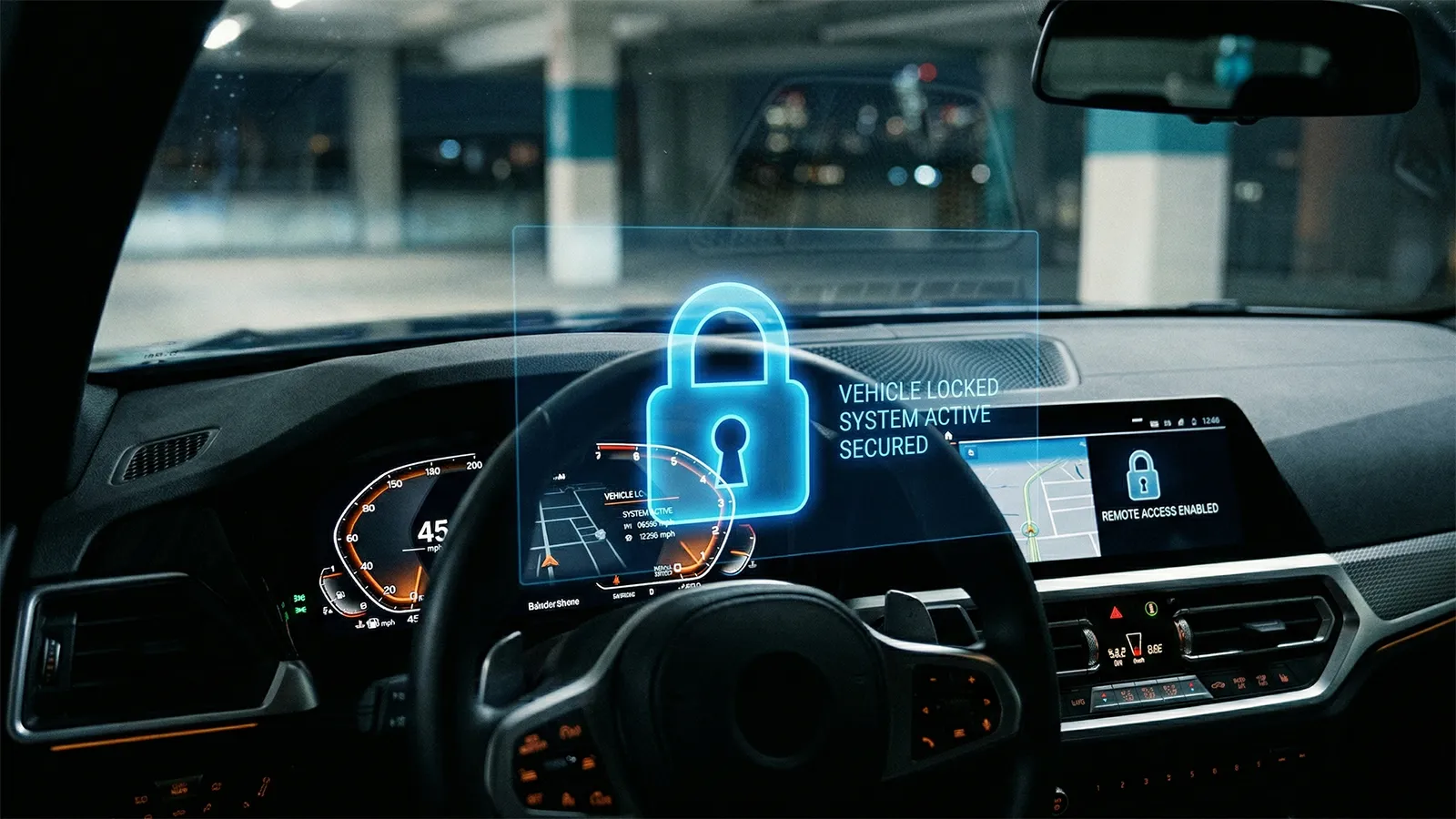
What can car owners do now? Be vigilant. Read privacy policies when buying a new vehicle. Ask dealers about data collection practices. Understand how your car’s apps share information. In 2026, demand your rights. Request data deletion if you sell your car. Ensure your personal information isn’t lingering. This protects you from future data exploitation. It secures your digital identity on Australian roads. This applies to all connected vehicles, from a new Tesla to a used MG.
The data trap is real. But new Car Data Privacy Laws Australia 2026 offer a way out. Australian drivers will soon have unprecedented control over their automotive data. This is a crucial step towards digital privacy in the connected car era.