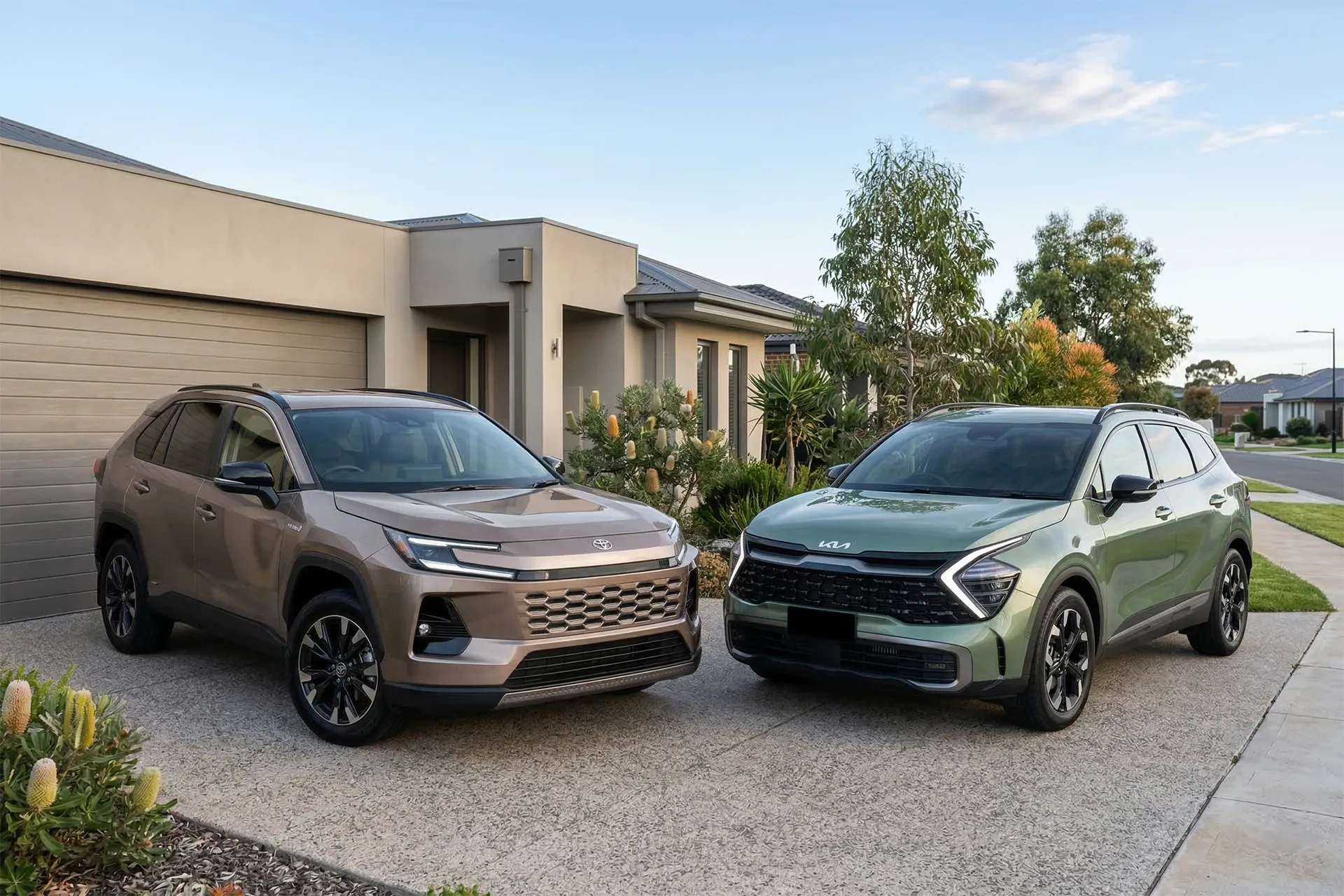

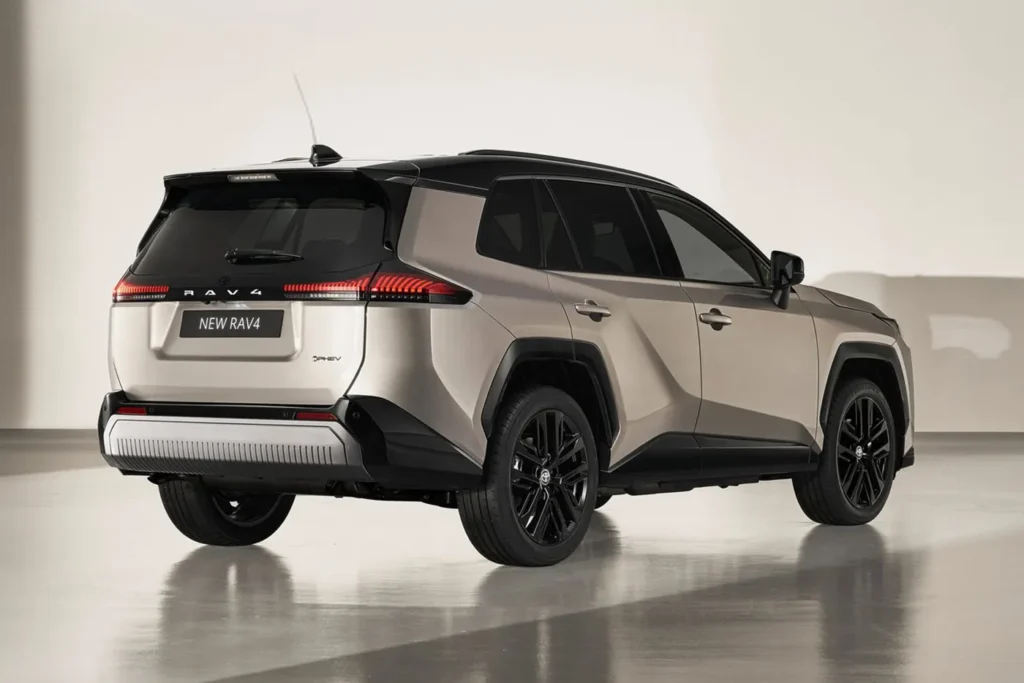
The battle for Australia’s suburban driveways is heating up. For years, the Toyota RAV4 Hybrid has been the undisputed champion, a default choice for families and fuel-conscious buyers navigating school runs and weekend escapes. However, for 2026, Toyota has introduced a new generation with significant price hikes.
Enter the refreshed 2026 Kia Sportage Hybrid. It arrives with a compelling new base model, undercutting the RAV4 by a noticeable margin. This isn’t just a price war; it’s a clash of philosophies. Does Toyota’s legendary reliability and new ‘Hammerhead’ design justify its premium? Or does Kia’s superior warranty and punchier turbo hybrid offer a better value proposition for Aussie families?
Quick Verdict: 2026 RAV4 Hybrid
Pros: Renowned resale value, new 100km range PHEV option, established reliability, refined 2.5L hybrid system.
Cons: Higher asking price (up to $6,000 increase), less power in HEV variants, 1500kg towing capacity.
Quick Verdict: 2026 Sportage Hybrid
Pros: Lower entry price for S Hybrid, more powerful 1.6L turbo hybrid engine, class-leading 7-year/unlimited km warranty, 1650kg towing capacity.
Cons: Resale value typically trails Toyota, no PHEV option, newer to the hybrid market.
This comparison isn’t about a clear winner. It’s about the trade-offs, and which vehicle best aligns with your family’s priorities and budget. Both offer compelling packages for the modern Australian household.
Spec-to-Spec: The Trade-off Begins
The 2026 Toyota RAV4 Hybrid and Kia Sportage Hybrid present distinct value propositions. The Sportage S Hybrid undercuts the RAV4’s entry price, offering more power and a longer warranty. The RAV4 counters with an optional, higher-priced PHEV variant and Toyota’s renowned resale value, forcing buyers to weigh immediate savings against long-term ownership benefits.
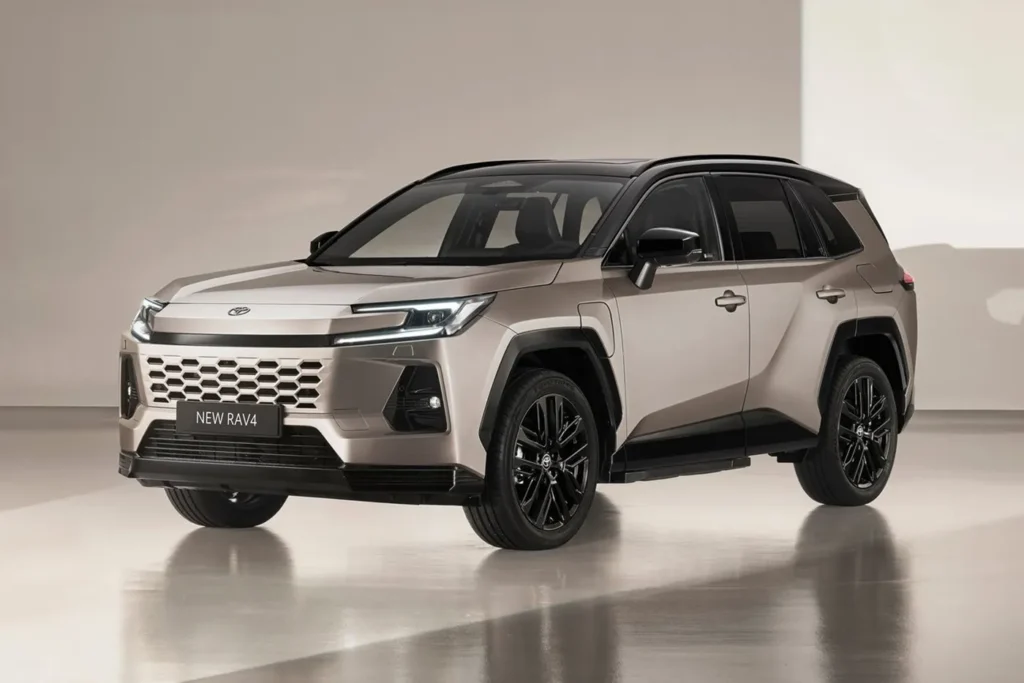
The 2026 RAV4 Hybrid, now in its 6th generation, starts its Hybrid 2WD journey from $45,990. The top-tier Cruiser AWD variant hits $60,340. These figures represent a noticeable price increase, up to $6,000 in some grades. Toyota has also introduced a new Plug-in Hybrid Electric Vehicle (PHEV) option, boasting 227kW and a 100km electric range.
In contrast, the facelifted 2026 Kia Sportage Hybrid offers a new S Hybrid base grade from $44,450. This immediately puts it $1,540 below the entry-level RAV4 Hybrid. Kia has also made AWD available across its hybrid range, a welcome addition for those needing extra traction for weekend adventures or challenging Aussie conditions.
Price Point & Value Proposition
The pricing strategy of both manufacturers highlights their core strengths. Toyota leverages its established market position. Its price hikes reflect ongoing demand and the brand’s perceived premium. This might be a tough pill for some buyers to swallow, especially when competitors offer more for less.
Kia, however, is aggressively targeting the value segment. The Sportage S Hybrid’s starting price is a strong statement. It aims to capture buyers who might have previously defaulted to a RAV4. This aggressive pricing, combined with a robust warranty, makes the Sportage a compelling proposition for budget-conscious families.
Engine vs Engine: Power and Efficiency
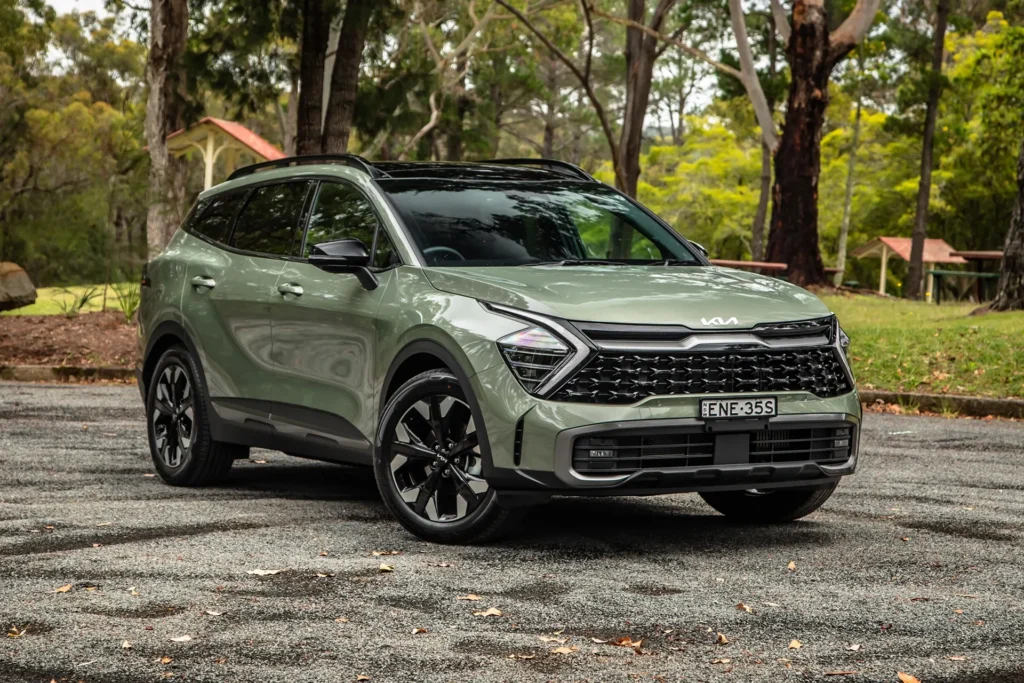
The Sportage Hybrid’s 1.6L turbo engine delivers a punchier 173kW and 367Nm, offering more immediate performance than the RAV4 HEV’s 143kW 2.5L system. However, the RAV4 introduces a potent 227kW PHEV option with a substantial 100km EV range, catering to different driving needs and preferences for power delivery.
Under the bonnet, these two hybrids take different approaches. The 2026 RAV4 Hybrid (HEV) continues with a refined 5th-generation 2.5L naturally aspirated hybrid system, producing 143kW. It’s known for its smooth, linear power delivery. This setup is a proven workhorse for daily commuting and long-distance cruising on the M1.
The 2026 Sportage Hybrid, on the other hand, uses a 1.6L turbocharged hybrid powertrain. This setup generates a more robust 173kW and 367Nm of torque. The turbocharger provides a noticeable surge of power, making overtaking on country roads or merging into busy Sydney traffic feel more effortless. It also pairs with a conventional 6-speed automatic transmission, which some drivers prefer over Toyota’s E-CVT.
The PHEV Advantage
Toyota’s significant addition for 2026 is the Plug-in Hybrid Electric Vehicle (PHEV) option. This variant elevates power to 227kW. Crucially, it offers an impressive 100km of pure electric range. For families in urban centres like Melbourne or Brisbane, this means many daily school runs, grocery trips, and even some commutes could be done without using a drop of petrol.
The PHEV’s larger battery and electric motor contribute to its higher price. However, the potential for significant fuel savings and reduced emissions might justify the investment for some. It presents a unique selling point that the Sportage, at least for now, cannot match. This option truly broadens the RAV4’s appeal beyond traditional hybrid buyers.
Interior vs Interior: Tech and Family Comfort
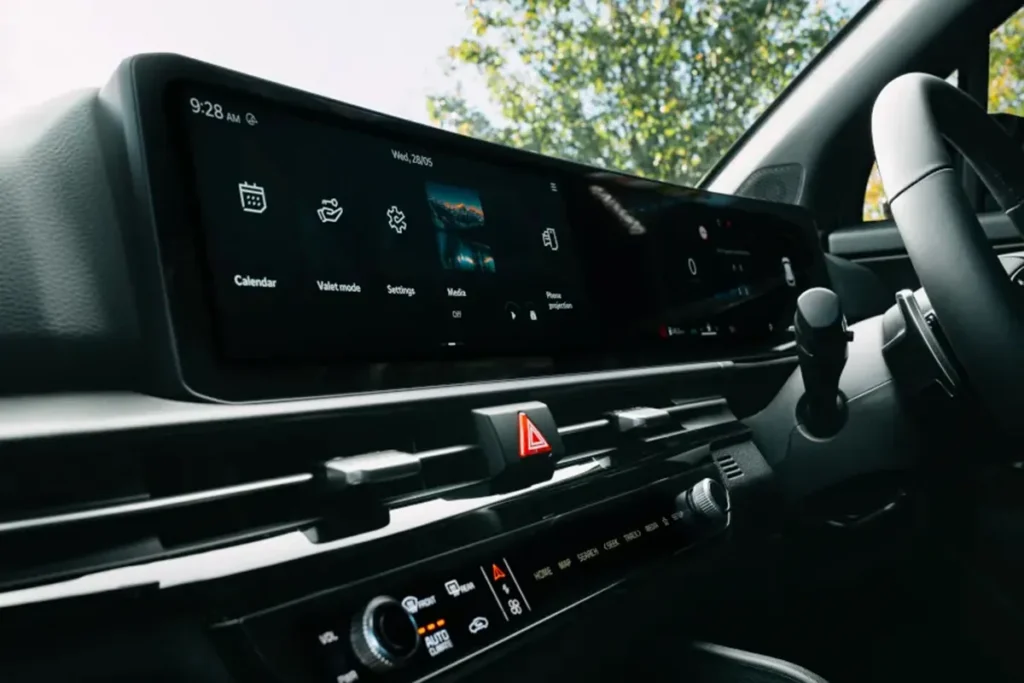
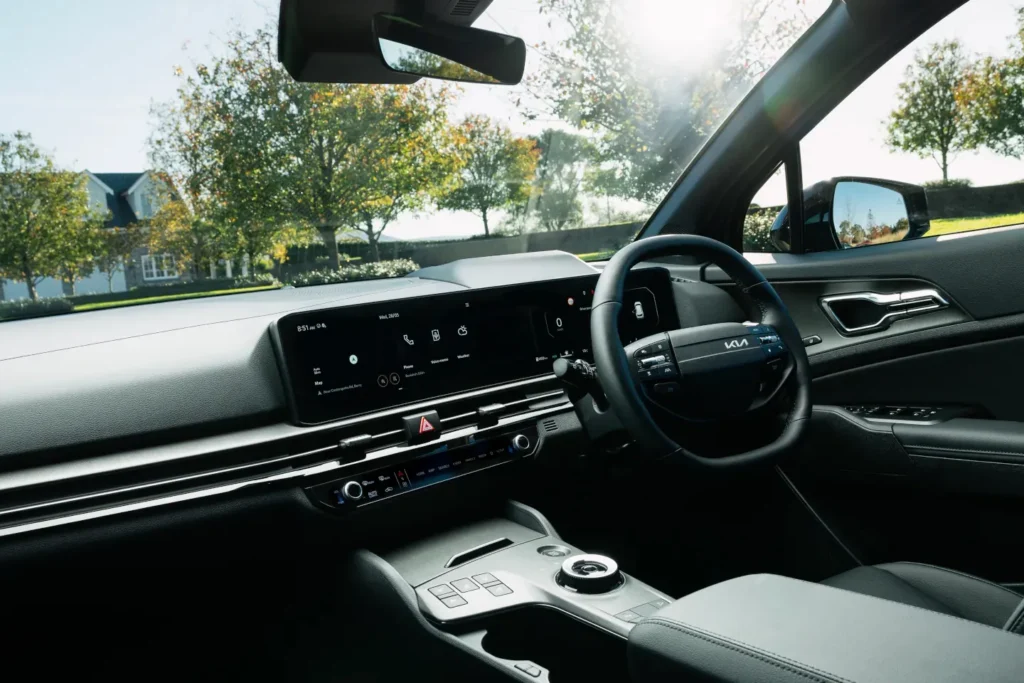
Both SUVs offer impressive digital cockpits, with the RAV4 featuring a 12.3-inch digital dash and 12.9-inch main screen, while the Sportage boasts dual 12.3-inch curved displays. The choice comes down to aesthetic preference and specific ergonomic feel, but both provide modern connectivity and comfort for Australian families.
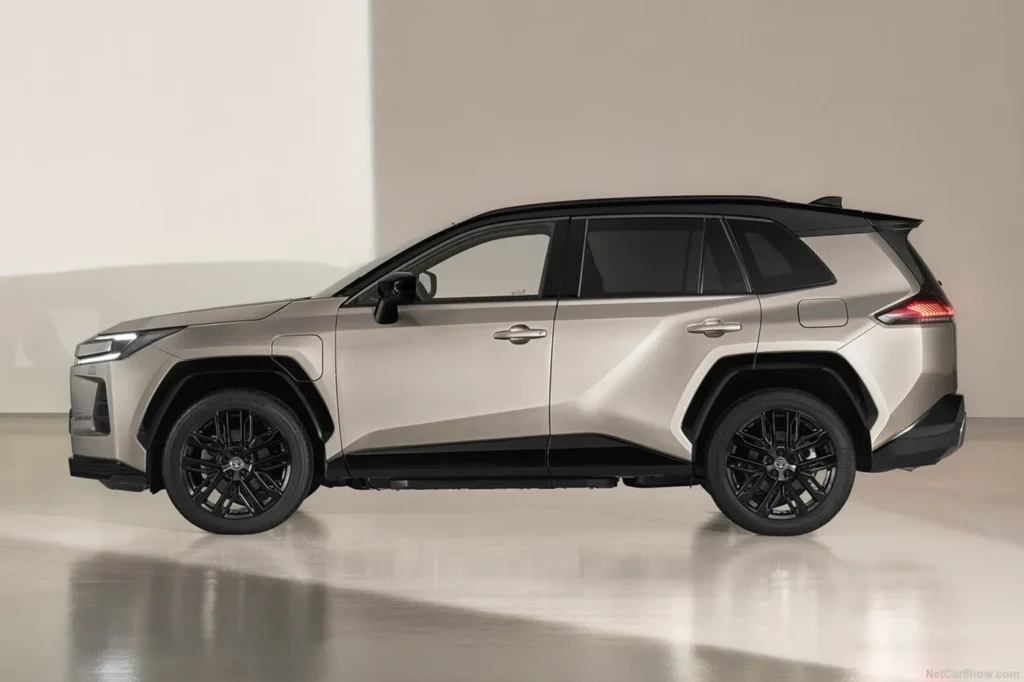
Inside the cabin, both vehicles bring their A-game in terms of technology and design. The 2026 RAV4 Hybrid (Edge/Cruiser grades) features a new 12.3-inch digital instrument cluster. It also includes a larger 12.9-inch central touchscreen. Toyota’s new ‘Hammerhead’ design language extends to the interior, promising a fresh, modern aesthetic.
The 2026 Sportage Hybrid counters with its distinctive dual 12.3-inch curved screens. These screens integrate seamlessly into the dashboard. They create a wide, panoramic display for both driver information and infotainment. The layout feels contemporary and offers a premium user experience.
Cabin Ergonomics and Features
For families, practical considerations are key. Both vehicles offer ample space for passengers and cargo. While specific dimensions weren’t provided, both are well-regarded for their interior room. Storage solutions for kids’ toys, school bags, and daily essentials are important. Both SUVs are expected to deliver on this front.
Connectivity is crucial in modern family cars. Expect wireless Apple CarPlay and Android Auto in both. USB-C ports throughout the cabin are also a given. The quality of materials and seat comfort will be subjective. However, both brands have made significant strides in interior refinement, catering to the demands of discerning Australian buyers.
The Towing Debate: Hauling the Weekend Gear
The Kia Sportage Hybrid offers a slightly higher towing capacity of 1650kg compared to the RAV4 Hybrid’s 1500kg (AWD). This small difference could matter for buyers towing small camper trailers, jet skis, or utility trailers for weekend trips.
For many suburban Australian families, towing capability supports lifestyle activities, from hauling camping gear to weekend hardware store runs. While both SUVs handle light towing comfortably, the Sportage Hybrid holds a small edge on paper.
That said, Toyota’s hybrid system is known for its smooth torque delivery, which can make towing feel controlled and predictable at lower speeds. In practical terms, either SUV will handle most recreational towing duties without issue.
Ownership & Reliability
Toyota’s biggest strength remains long-term reputation and resale value. The RAV4 has consistently ranked among Australia’s most trusted SUVs, and hybrid versions have proven especially durable.
Kia counters with one of the strongest ownership packages available: a 7-year/unlimited kilometre warranty, compared to Toyota’s 5-year coverage.
In short:
- Toyota: Strong resale value and proven reliability
- Kia: Longer warranty and stronger upfront value
Final Verdict
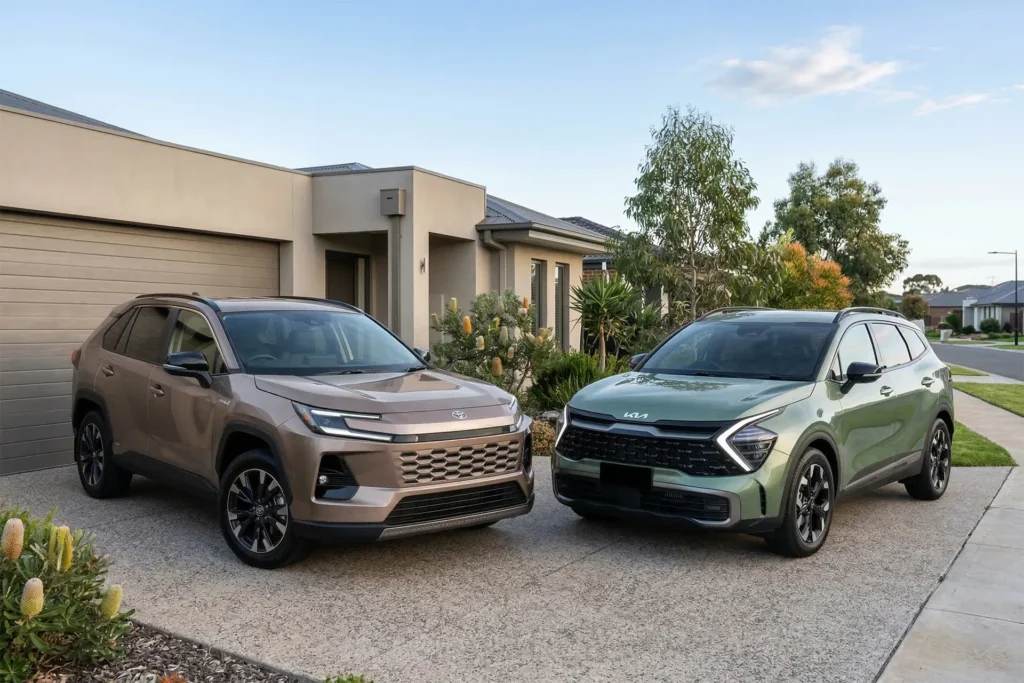
The 2026 Toyota RAV4 Hybrid and Kia Sportage Hybrid approach the family SUV formula differently.
Toyota leans on proven hybrid technology, efficiency, and strong resale value, while introducing a new plug-in hybrid option with up to 100km of electric range.
Kia focuses on value, performance, and warranty coverage, offering more power and a lower entry price.
For buyers prioritising long-term ownership and fuel efficiency, the RAV4 still makes a compelling case.
For families looking for strong performance, better warranty coverage, and sharper pricing, the Sportage Hybrid may be the smarter buy.
Either way, the competition between these two hybrid SUVs means Australian buyers now have two excellent options for the suburban driveway.