
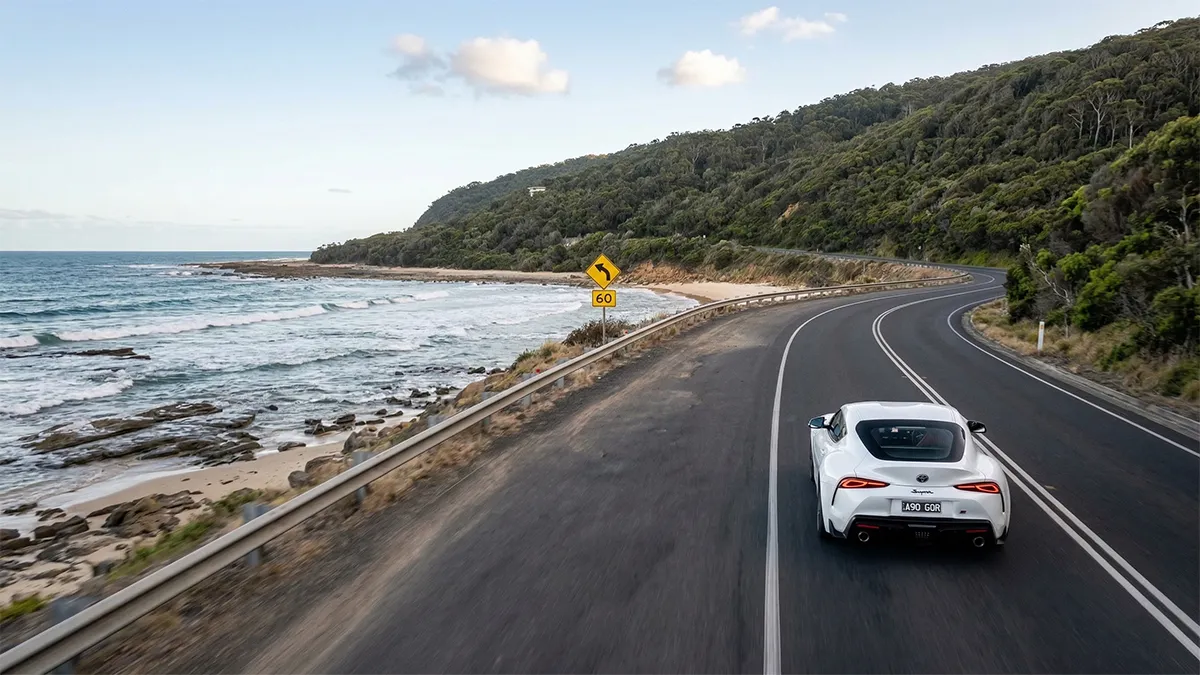

The Great Ocean Road gets the tourists, the international postcards, and the bumper-to-bumper holiday traffic. The Great Alpine Road gets the drivers. Both of Victoria’s most famous tarmac ribbons offer incredible scenery, but they serve entirely different masters.
One is a scenic cruise best enjoyed at 60km/h with the windows down, while the other is a gruelling, 339-kilometre dynamic test that will expose every mechanical flaw in your vehicle. If you are chasing the ultimate weekend drive, picking between the coast and the high country comes down to what you want to extract from the journey.
Route Difficulty & Terrain
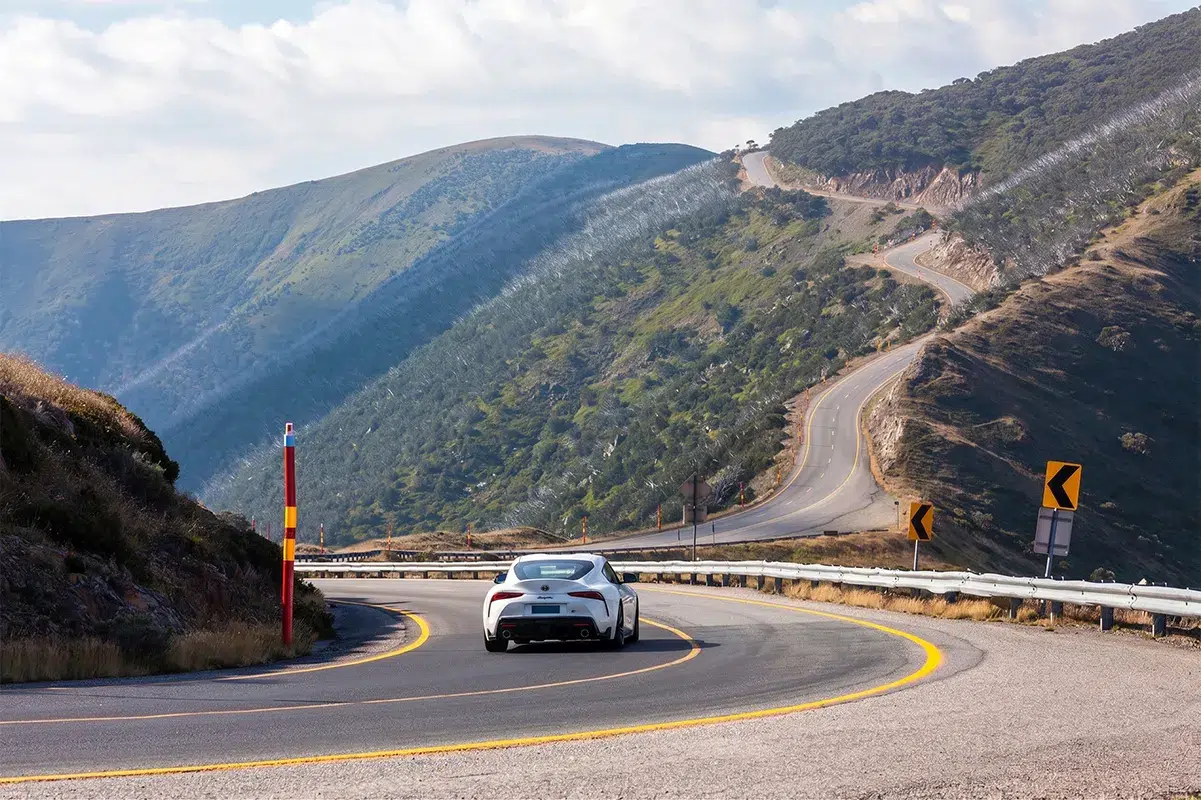
The Great Ocean Road delivers 243 kilometres of sweeping, cliff-hugging tarmac heavily congested by slow-moving tourist traffic, whereas the Great Alpine Road offers 339 kilometres of aggressive elevation changes, tight hairpins, and punishing winter conditions suited for genuine driving enthusiasts.
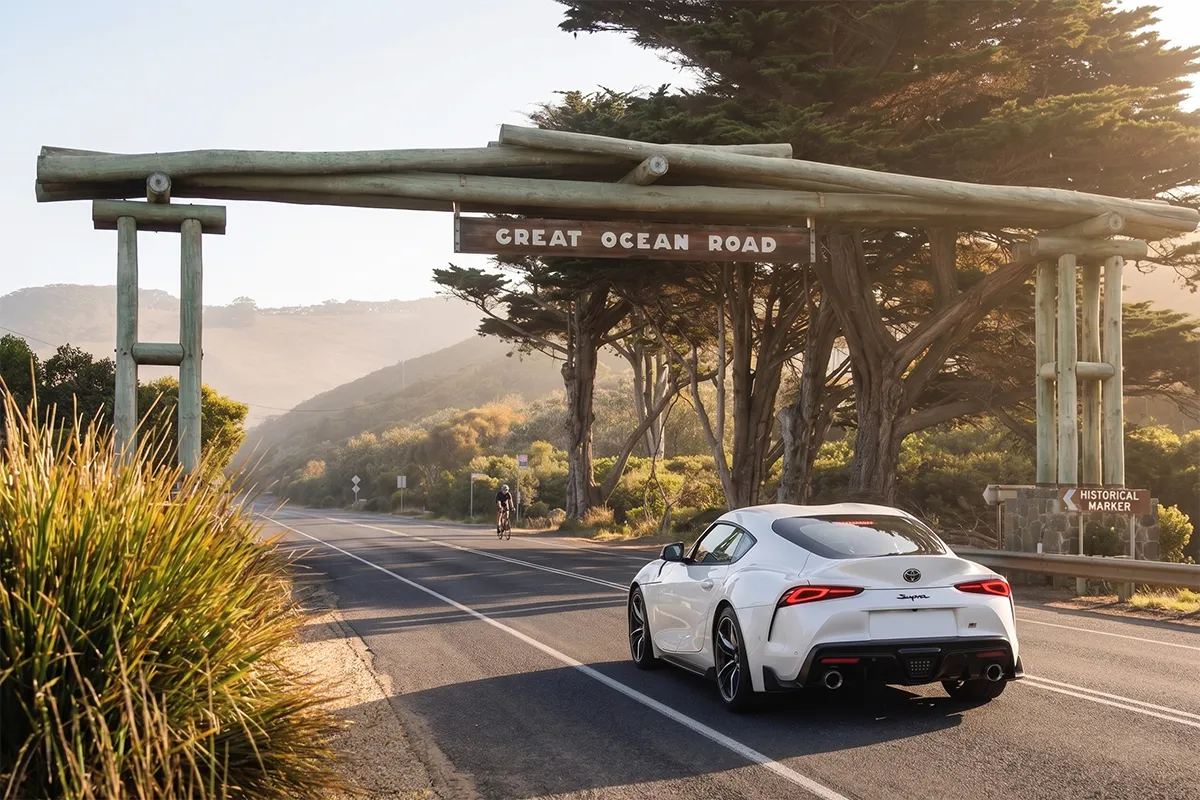
Navigating the B100 along the southern coast is a visual masterclass, but driving it is often an exercise in sheer frustration. You will spend hours trapped behind rented motorhomes braking on every mild apex between Torquay and Apollo Bay. The road surface is generally well-maintained, but the endless convoy forces a sedate pace that neutralises any dynamic enjoyment. The terrain is relatively flat, meaning your powertrain and brakes rarely face sustained stress.
Turn your nose toward the B500, and the script flips entirely. The Great Alpine Road drags you over Mount Hotham at an elevation of 1,862 metres, throwing endless switchbacks and off-camber corners at your chassis. This is the road equivalent of a final exam for your suspension setup. You will encounter unpredictable weather, sudden fog banks, and black ice if you push into the shoulder seasons. The sheer verticality of the route means your engine is working hard on the ascent, and your brakes are fighting gravity on the way down.
Campsites & Stops
On the coast, you’re paying a premium for cramped caravan parks near Torquay or Apollo Bay, while the Alpine route provides expansive, remote high-country camping at spots like JB Plain, demanding absolute self-sufficiency and proper cold-weather preparation.
Stopovers dictate the rhythm of any road trip, and the coastal route caters entirely to commercial convenience. You will find endless cafes, designated lookouts, and powered sites perfectly tailored for family holidays. If you’re lugging an $20,000 camera rig to capture that golden-hour light on a pristine 85mm lens, the Twelve Apostles provides the effortless backdrop. It is accessible, easy, and highly curated for the masses.
The high country operates on a different wavelength entirely. Pulling up at JB Plain or the nearby alpine huts means embracing the isolation and relying on the gear you packed. There are no convenience stores at the summit, and firewood is a strictly BYO affair. The scenery up here isn’t just viewed; it is endured and earned. For those pushing further off the blacktop, you will want to study up on the Blue Rag Range Track Guide before pointing your nose down a dirt fire trail.
The True Enthusiast Stops
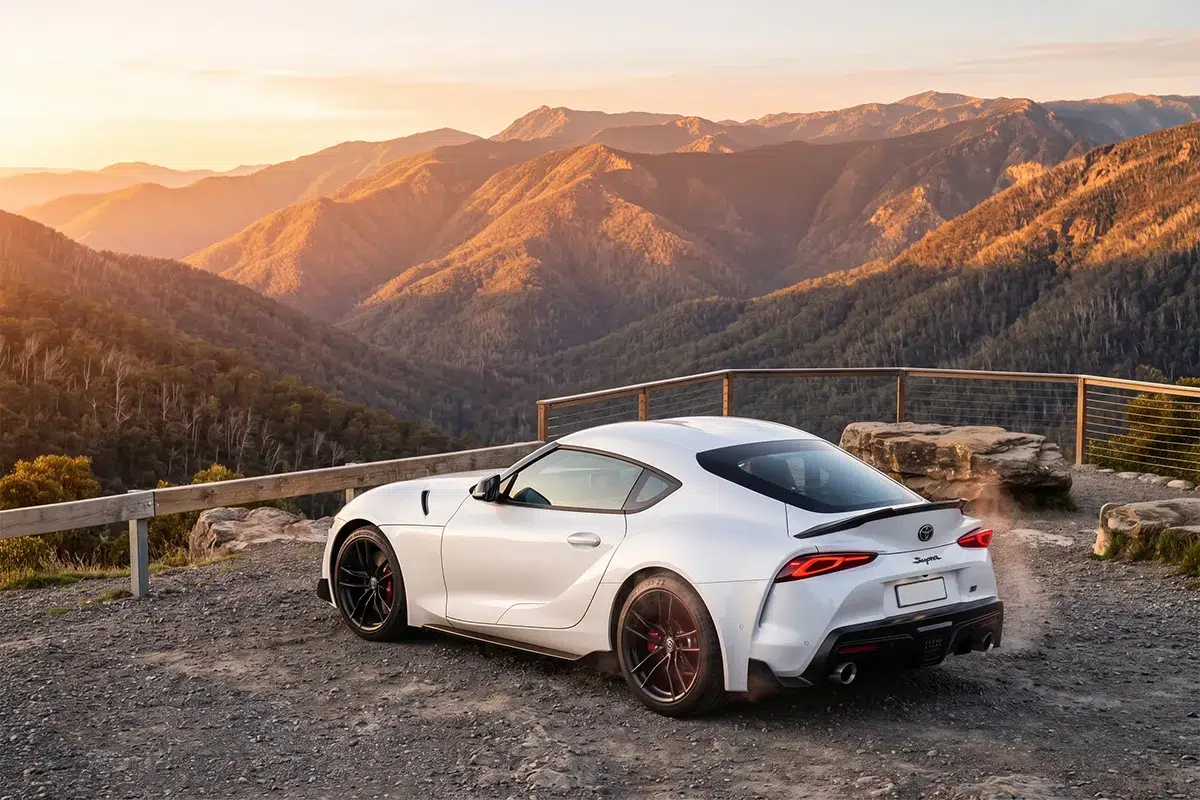
Finding a quiet corner on the Ocean Road requires timing your run for a Tuesday morning in mid-winter. In contrast, the Alpine route naturally thins out the crowds, leaving you alone with the geography. The roadside pull-offs near Harrietville or Omeo offer unbroken silence and the distinct smell of cooling brake pads. It is a completely different atmosphere that rewards the antisocial road tripper.
Vehicle Preparation
Coastal cruising requires basic preventative maintenance and patience, but tackling the Alpine route demands high-temperature brake fluid, verified cooling systems, and winter-rated tyres if you plan on traversing Mount Hotham between June and October.
Cruising past Lorne does not require a highly tuned machine. Provided your radiator isn’t leaking and your wiper blades function, any well-maintained hatchback will handle the coastal sweepers without breaking a sweat. The biggest threat to your vehicle down south is a rogue seagull or a minor car park scrape. You can run standard highway terrain tyres and budget brake pads without ever discovering their thermal limits.
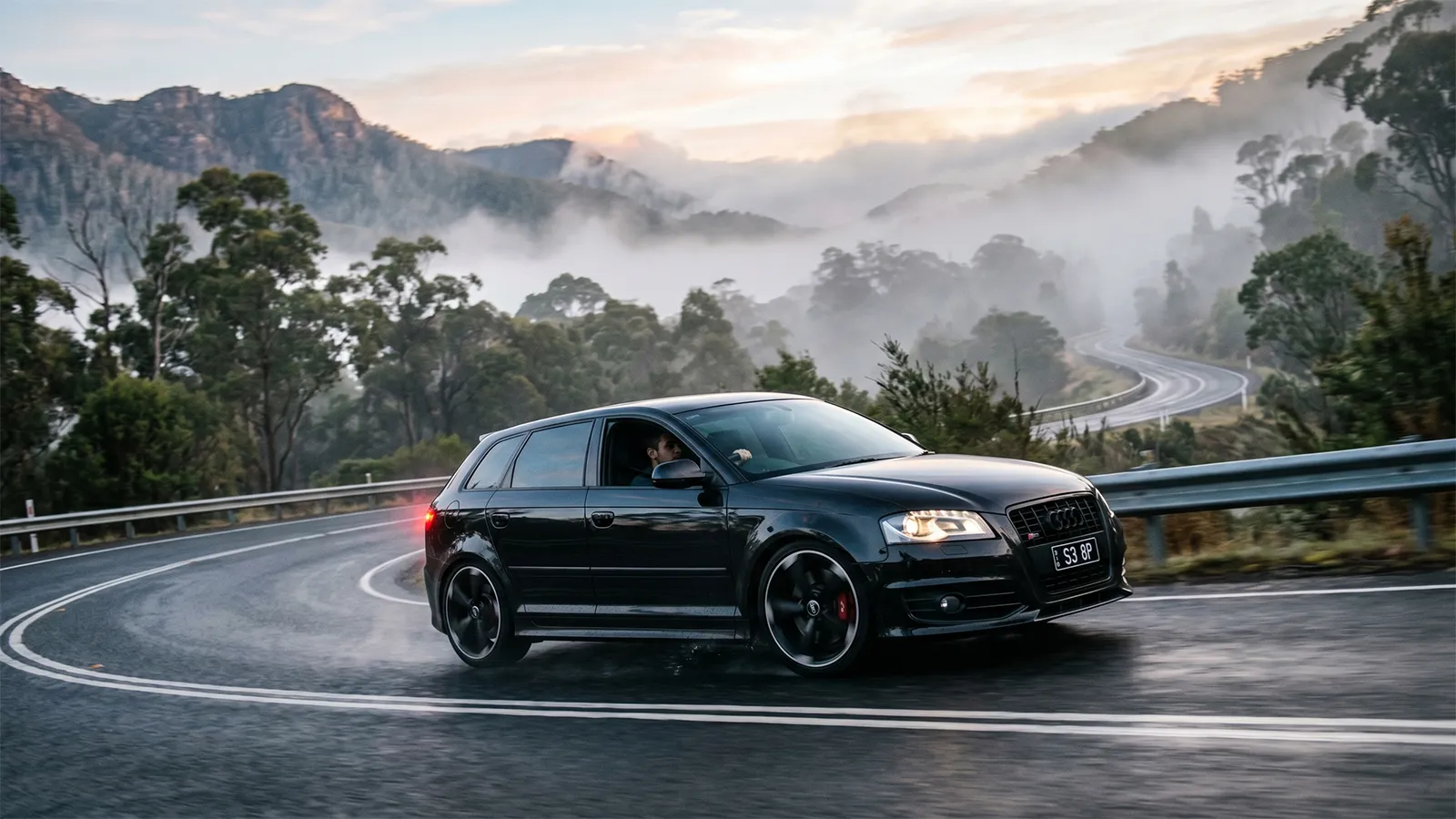
The Great Alpine Road is entirely unforgiving of deferred maintenance. If you are dialling in the steering angle on an Audi S3 8P, you want absolute confidence that your mechanicals are sorted. Don’t tackle Mount Hotham if your European hot hatch has a suspect ignition barrel, an untracked clock spring fault, or an immobiliser throwing codes, the recovery bill will ruin your year. You need fresh, high-temperature brake fluid and premium friction materials to survive the endless downhill hairpins without suffering catastrophic brake fade.
Tyres and Tarmac
Rubber choice dictates your survival rate in the high country. When ambient temperatures plummet near the snowline, hard compound eco-tyres turn into plastic, instantly snapping away your traction. You need genuine grip and predictable breakaway characteristics. If your current set is looking thin, review the best performance tyres in Australia before attempting the ascent. A coastal drive forgives cheap tyres; the Victorian Alps will actively punish them.
The Final Verdict
For effortless views and family-friendly stops, the coastal route wins, but for pure driving engagement, mechanical challenge, and isolation, the Great Alpine Road remains the undisputed king of Victorian tarmac.
If you drive an overloaded, wallowing dual-cab with tired suspension, stay off the Great Alpine Road, full stop. You will be a rolling roadblock and a danger to yourself on the descents. The Great Ocean Road is the right choice for sightseers, casual weekenders, and anyone who prefers their scenery served with a flat white. It is undeniably beautiful, but it is a passenger’s journey, not a driver’s pursuit.
For those who actively enjoy the mechanical communication between tyre and tarmac, the choice is obvious. The Alpine route demands your attention, tests your preparation, and delivers a visceral reward that no coastal traffic jam can match. Skip the tourist traps, check your fluid levels, and point your headlights toward the high country.


