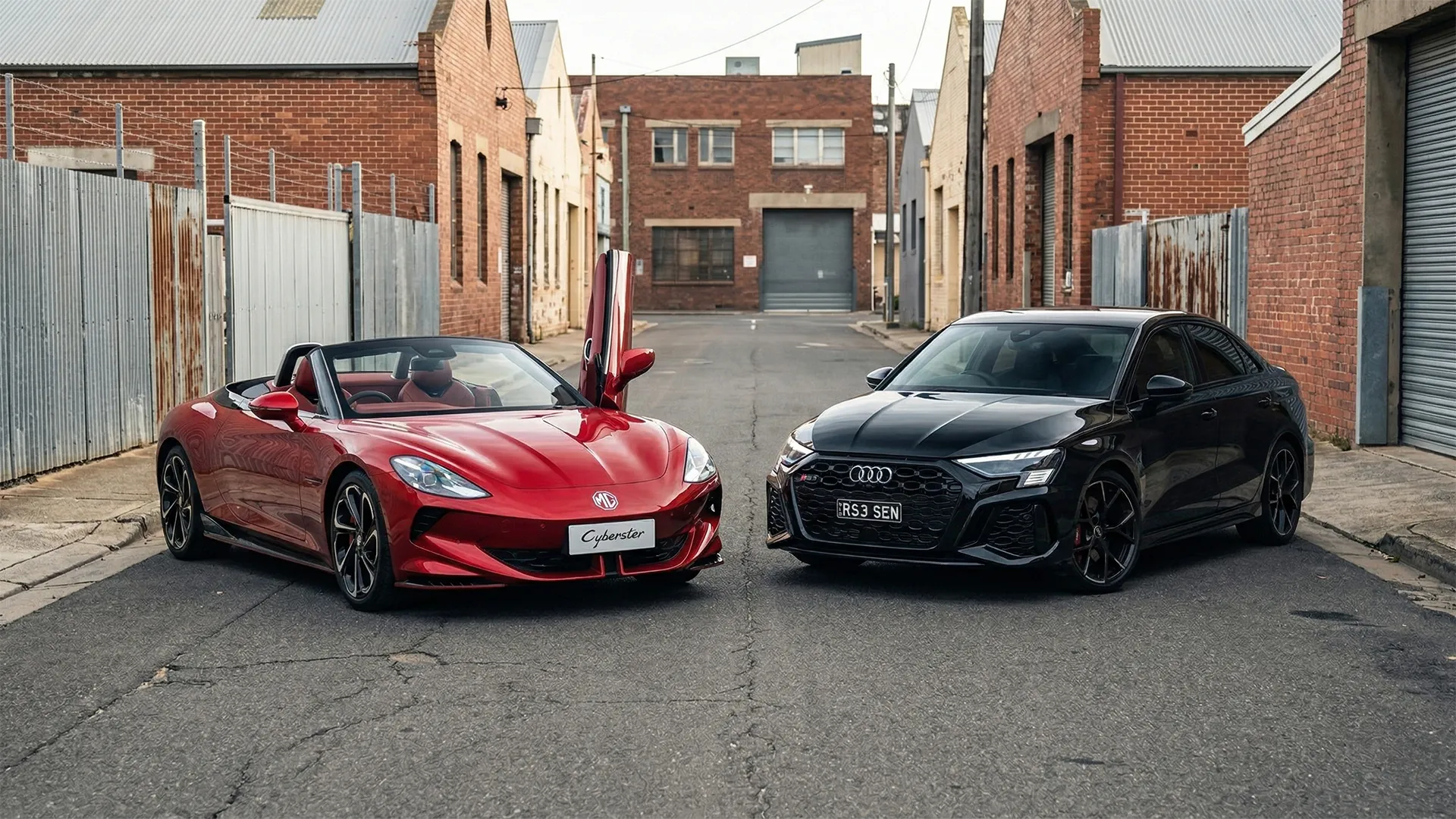

Australia’s performance car market is heating up, and two very different contenders are vying for attention in the $110k bracket. On one side, the all-electric MG Cyberster GT, a futuristic roadster promising blistering speed and head-turning looks. On the other, the Audi RS3 Sedan, a compact four-door powerhouse with a legendary five-cylinder engine and a rich motorsport heritage. This isn’t just a choice between petrol and electric; it’s a battle between visceral emotion and silent, instant thrust.
Cyberster GT vs Audi RS3
- Jaw-dropping acceleration
- Unique scissor-door entry
- Cutting-edge modern EV tech
- Striking, futuristic design
- Unproven brand in performance luxury
- Potential range anxiety for touring
- Less immersive synthetic sound
- Iconic 5-cylinder engine note
- Established luxury pedigree
- Engaging, raw driving dynamics
- Practical 4-door performance
- Noticeably slower acceleration
- Higher long-term fuel costs
- Interior feels less “next-gen”
Spec-to-Spec: Power and Pace
The MG Cyberster GT offers brutal, instant EV acceleration with 375kW, while the Audi RS3 counters with a revered 294kW five-cylinder engine, delivering a more traditional, auditory performance experience.
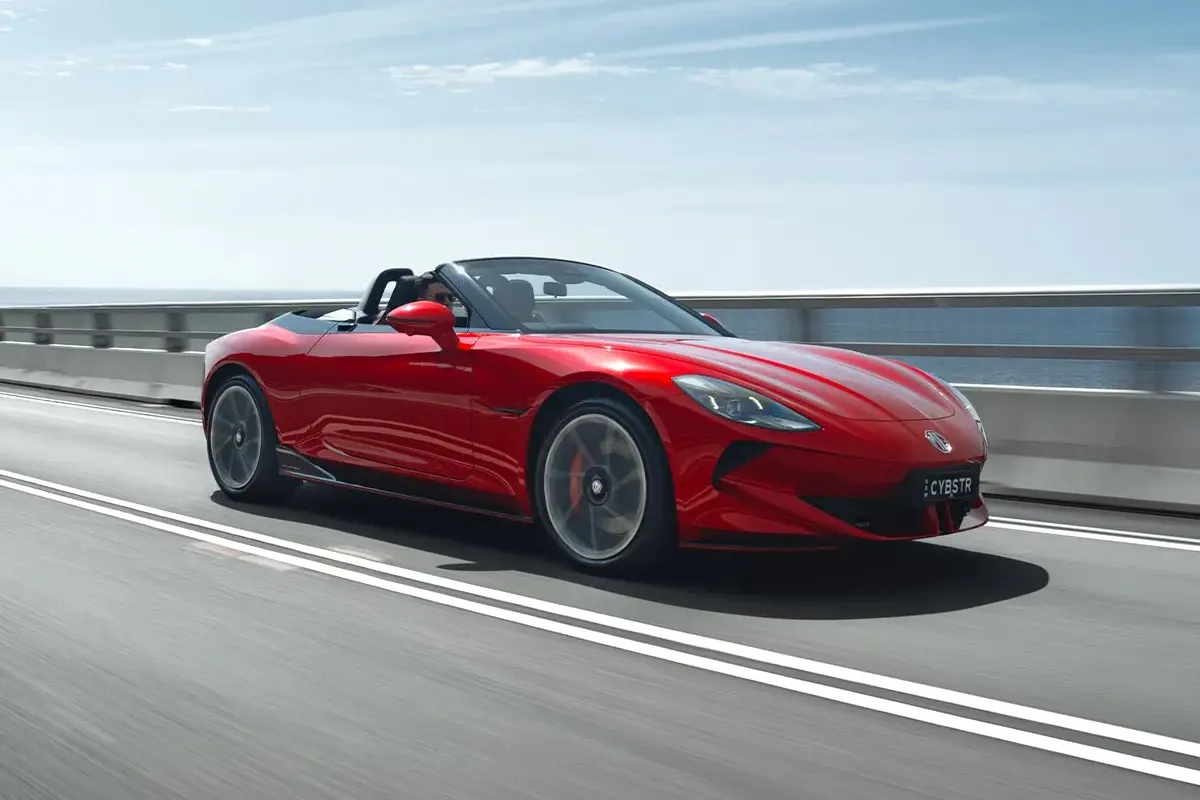
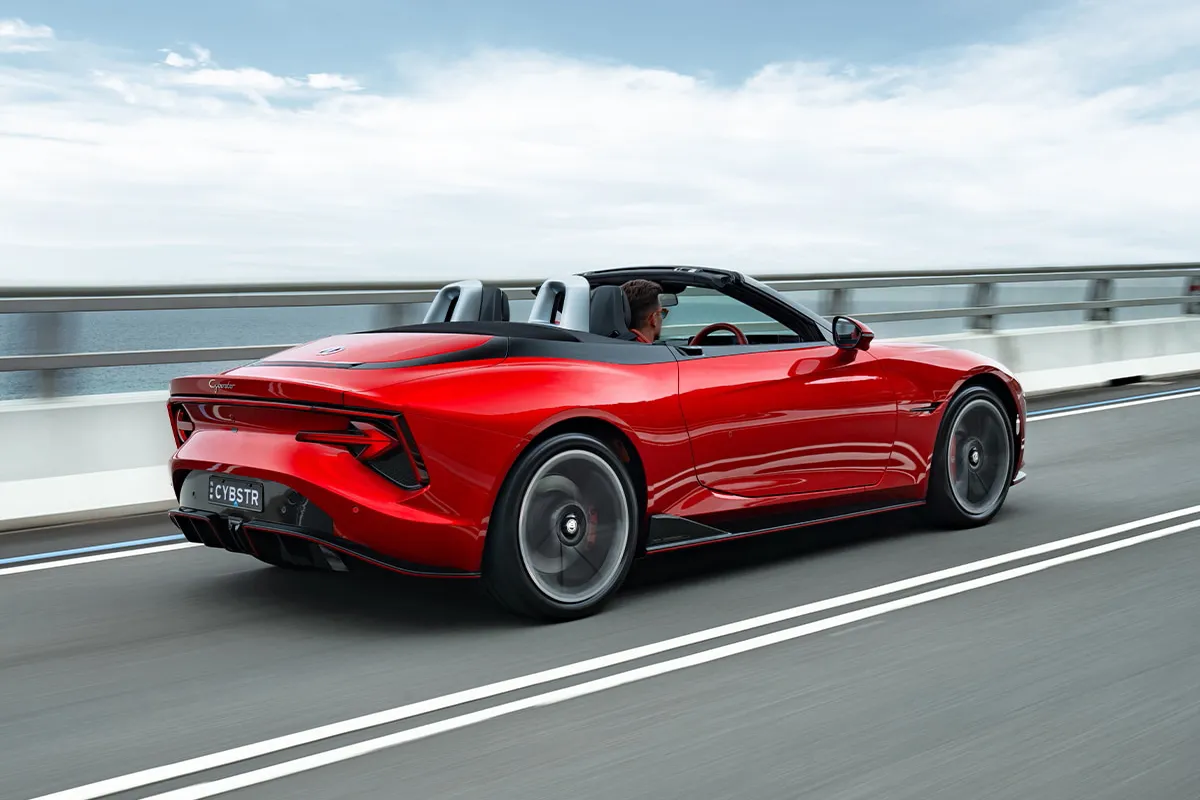
At face value, the MG Cyberster GT appears to dominate the spec sheet. Its dual electric motors produce a combined 375kW of power and a colossal 725Nm of torque. This translates to a staggering 0-100km/h sprint in just 3.2 seconds. This figure places it firmly in supercar territory, leaving many established performance machines in its dust off the line.
The Audi RS3 Sedan, meanwhile, relies on its celebrated 2.5-litre turbocharged five-cylinder engine. It generates 294kW and 500Nm. While these numbers are impressive for a compact sedan, they don’t quite match the Cyberster’s raw output. The RS3 completes the 0-100km/h dash in 3.8 seconds. This is still incredibly fast, but it highlights the EV’s inherent advantage in instantaneous torque delivery.
Engine vs Engine
The Cyberster provides silent, neck-snapping torque from its electric powertrain, whereas the RS3 delivers a unique, characterful soundtrack and traditional rev-happy performance from its five-cylinder turbo.
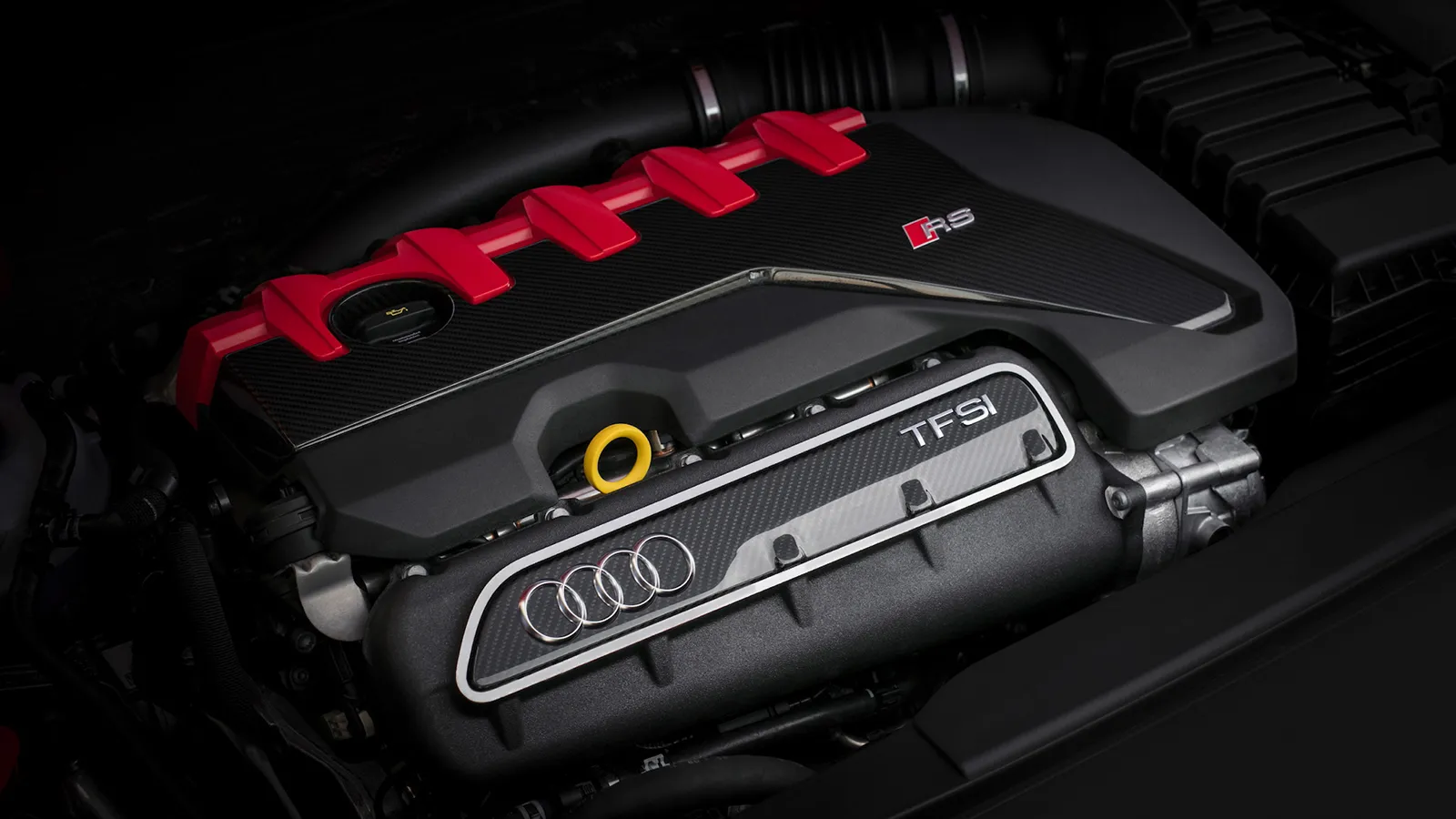
The heart of the matter lies beneath the bonnet, or rather, where the engine would be. The Cyberster’s electric powertrain offers an entirely different driving sensation. Power delivery is linear and relentless, without gear changes or turbo lag. It’s a silent, rapid surge that pushes you back into your seat with incredible force. On a drag strip or during spirited overtaking on the M1, this instant response is a significant advantage.
The Audi RS3’s 2.5 TFSI engine is a legend for a reason. Its distinctive, off-beat five-cylinder thrum is unmistakable. It’s a sound that evokes motorsport heritage and adds a layer of drama to every drive. The power delivery is more traditional, building through the rev range, accompanied by satisfying turbo whooshes and exhaust crackles. For enthusiasts, this auditory and tactile feedback is a crucial part of the performance experience, something the silent Cyberster cannot replicate.
Interior vs Interior
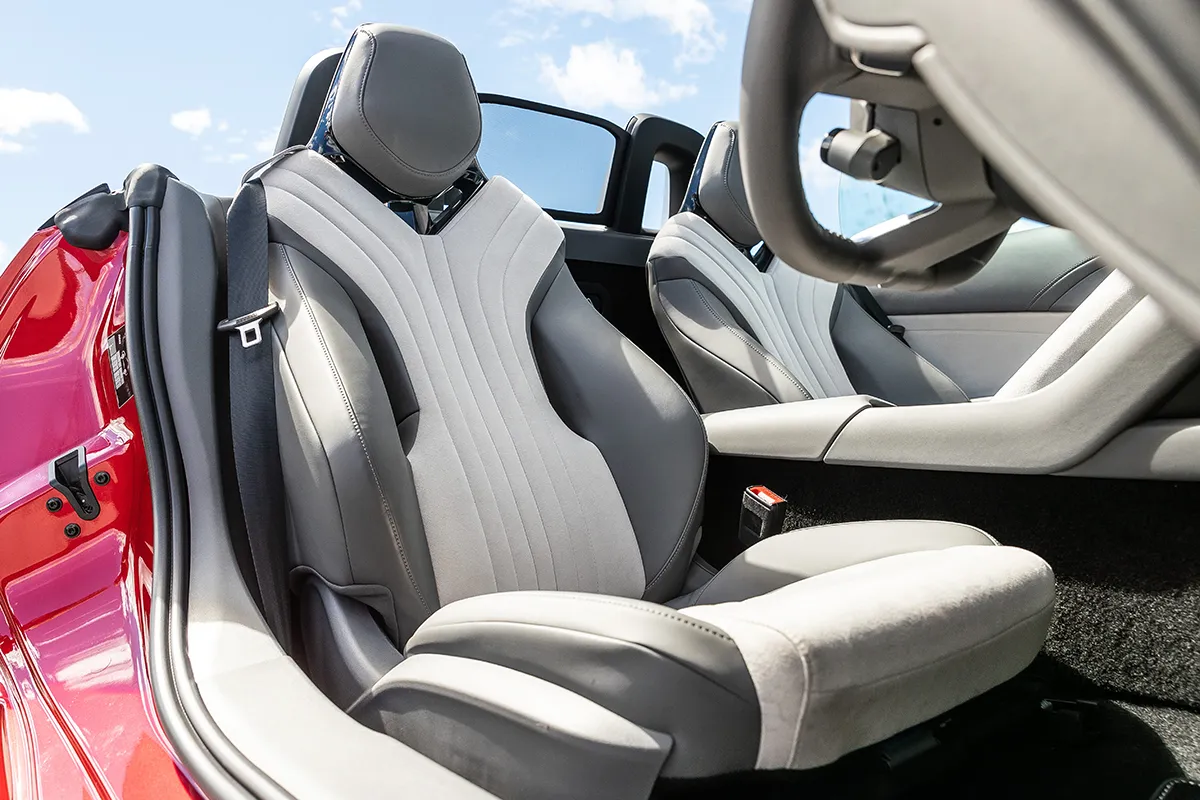
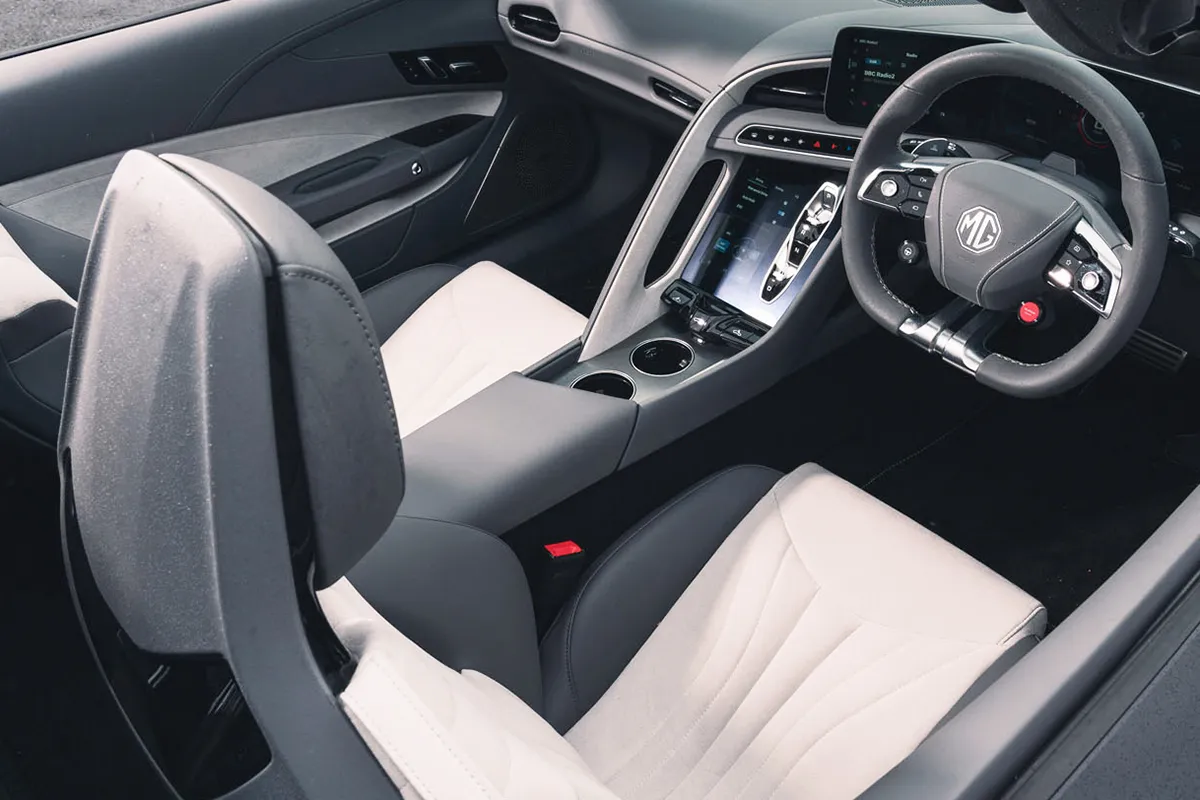
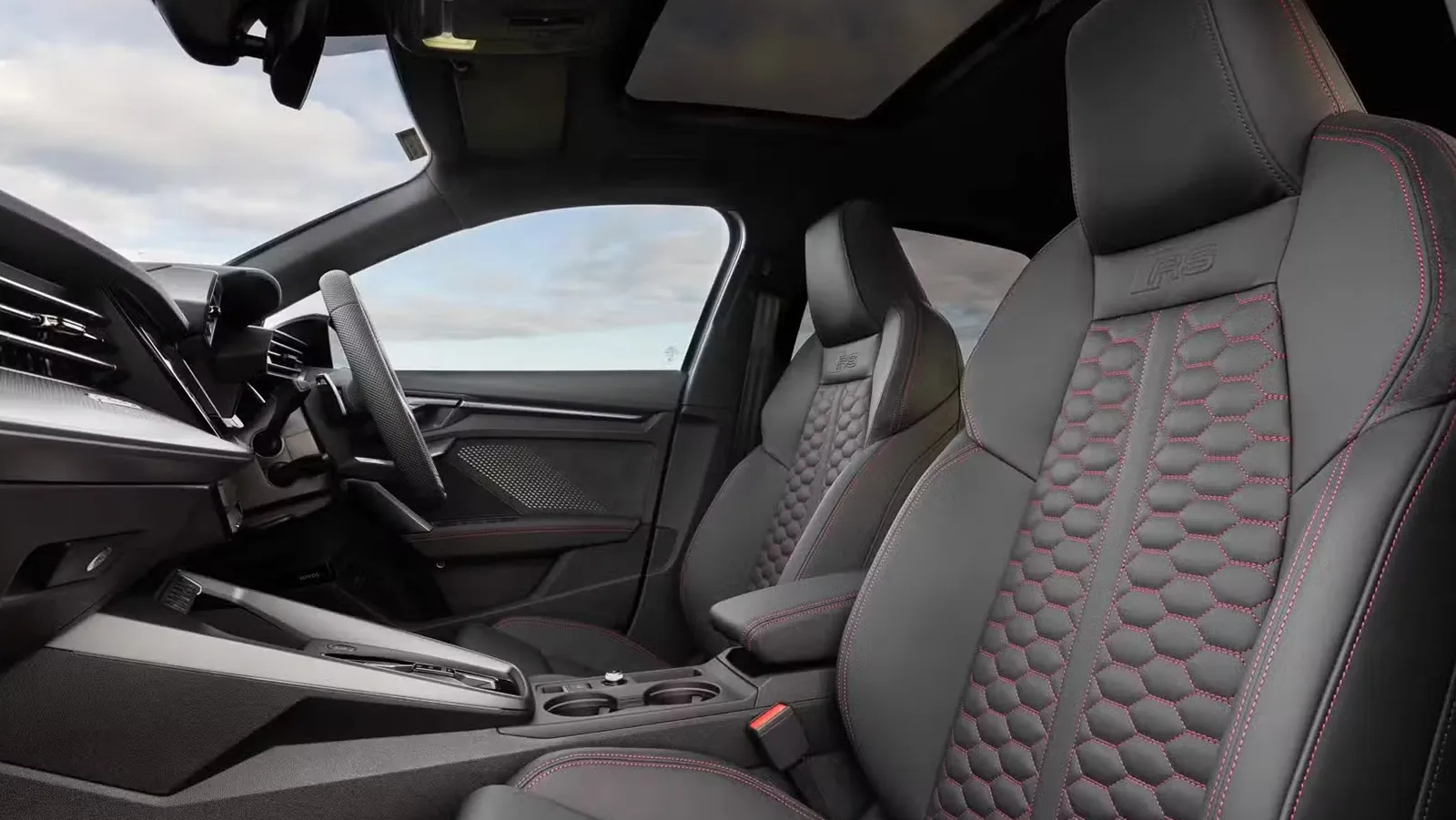
The Cyberster presents a futuristic, driver-focused cockpit with digital displays and unique design elements, while the RS3 offers a blend of premium Audi luxury, high-quality materials, and ergonomic familiarity.
Stepping inside the MG Cyberster GT is an experience in itself. The interior leans heavily into its futuristic aesthetic. Expect multiple digital screens, ambient lighting, and potentially a yoke-style steering wheel. The unique scissor doors are a major talking point. Seating will be low-slung, designed for a sporty feel. The cabin aims to feel cutting-edge, prioritising a digital and minimalist approach.
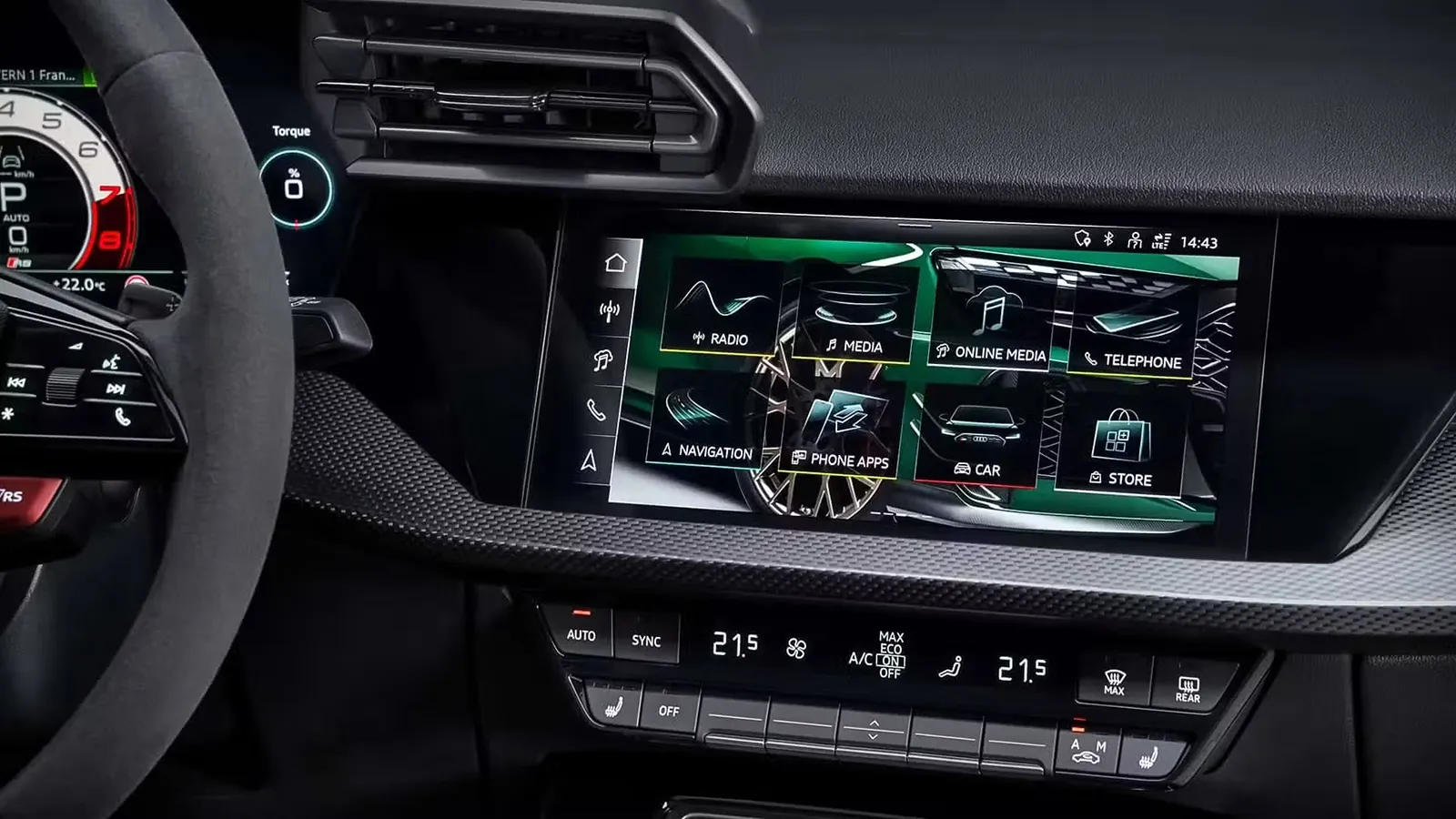
The Audi RS3’s cabin is a masterclass in German automotive design. It combines high-quality materials like Nappa leather, Alcantara, and carbon fibre accents. Audi’s MMI infotainment system is intuitive and responsive. The Virtual Cockpit provides crisp, configurable displays. While not as overtly futuristic as the Cyberster, the RS3’s interior offers a sense of premium solidity and ergonomic excellence that has been honed over decades. It’s a space that feels both luxurious and driver-centric, perfect for long drives across regional Australia.
Everyday Usability vs Pure Performance
Neither the MG Cyberster GT nor the Audi RS3 Sedan are designed for towing; both prioritise performance and agility, making their towing capacities negligible for practical use.
When comparing the MG Cyberster GT and Audi RS3, the more relevant question is how each car fits into daily life rather than anything like towing. Both are built for performance, but they deliver very different levels of usability. The Cyberster GT focuses on style, theatre and open-top excitement, while the RS3 blends serious pace with the practicality of a compact sedan.
The MG Cyberster GT is all about the experience. Its low driving position, dramatic doors and convertible layout make every trip feel special, but there are compromises. Cabin space is tight, storage is limited and longer trips require planning around charging. It suits weekend drives, city cruising and making a statement, rather than handling everyday duties with ease.
The Audi RS3 takes a more balanced approach. It delivers strong performance while remaining easy to live with, thanks to four doors, usable rear seats and a proper boot. Inside, the centre dash and infotainment system are clean, intuitive and built around the driver, giving it a more traditional but highly functional feel. It is a car you can drive every day without compromise, while still enjoying its performance when the road opens up.
Safety & Value
Both vehicles offer advanced safety features typical of their price point, but their ‘value’ proposition diverges, with the Cyberster offering novelty and EV tech, while the RS3 delivers proven performance and luxury.
In terms of safety, both the MG Cyberster GT and the Audi RS3 Sedan are expected to meet high standards. The RS3 comes equipped with a comprehensive suite of Audi’s driver assistance systems, including adaptive cruise control, lane-keeping assist, and multiple airbags. MG is also committed to safety, and the Cyberster will feature modern active and passive safety technologies. Expect things like autonomous emergency braking and blind-spot monitoring to be standard.
The value proposition is where the dilemma truly sharpens. The MG Cyberster GT, priced from $115k+, offers a unique, cutting-edge electric roadster experience. It’s a statement car, pushing boundaries with its design and technology. Its rapid acceleration and silent operation are its key selling points. For early adopters and those wanting to stand out, the Cyberster presents a compelling, if unproven, package.
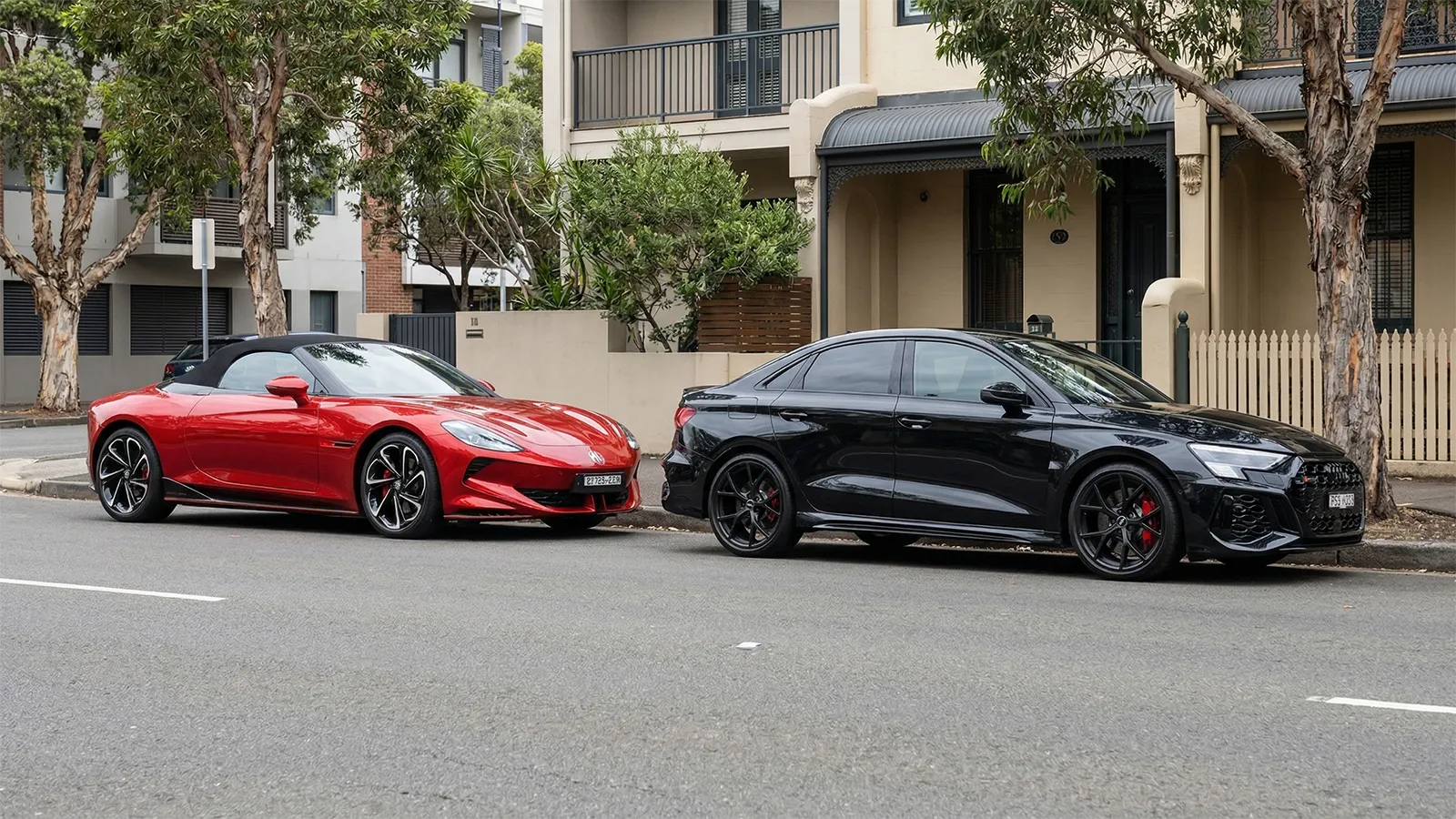
The Audi RS3 Sedan, starting from $107k+, offers a different kind of value. It’s a proven performer from a premium brand. The legendary five-cylinder engine, Quattro all-wheel drive, and sophisticated interior all contribute to its established luxury performance status. While slightly slower, its engaging driving dynamics and rich auditory experience provide a different form of driver satisfaction. For buyers who appreciate heritage, brand prestige, and a more traditional, visceral driving feel, the RS3 remains a strong contender. The choice ultimately comes down to whether you prioritise the thrill of silent, instant EV speed or the soulful roar of a multi-award-winning petrol engine.
So… which side are you on?