HomeThe True Cost of Owning a Car in Australia (2026 Guide)
Show all photos

The True Cost of Owning a Car in Australia (2026 Guide)

/
/
/

For most Australians, buying a car is only the beginning. The real financial commitment comes from the ongoing cost of ownership โ€” and it can be far higher than many buyers expect.

Between registration, insurance, servicing, fuel and depreciation, the true cost of owning a car in Australia can easily reach $8,000 to $15,000 per year, depending on the vehicle type and how much you drive.

Understanding these costs is essential whether you’re buying your first car, upgrading to a new model, or considering alternatives like hybrids or electric vehicles.

This guide breaks down the real cost of car ownership in Australia, using practical examples to show where the money actually goes.


The Main Costs of Owning a Car in Australia

Car ownership expenses generally fall into seven major categories:

  • Purchase price and depreciation
  • Registration and compulsory insurance
  • Comprehensive insurance
  • Fuel or electricity
  • Servicing and maintenance
  • Tyres and wear items
  • Financing costs (if the car is financed)

While some costs are fixed, others vary significantly depending on the car you choose and how you drive it.


1. Depreciation: The Biggest Hidden Cost

Depreciation is the largest ownership cost for most vehicles, even though many drivers overlook it. It’s the loss in value a car experiences over time.
Typical depreciation in Australia:

  • Year 1: 15โ€“25%
  • Years 1โ€“3: 35โ€“50%
  • After 5 years: 50โ€“60%

Example:

If you buy a new $45,000 SUV, it may be worth around $25,000โ€“$30,000 after five years.

That means youโ€™ve effectively spent $15,000โ€“$20,000 in depreciation alone, or roughly $3,000โ€“$4,000 per year.

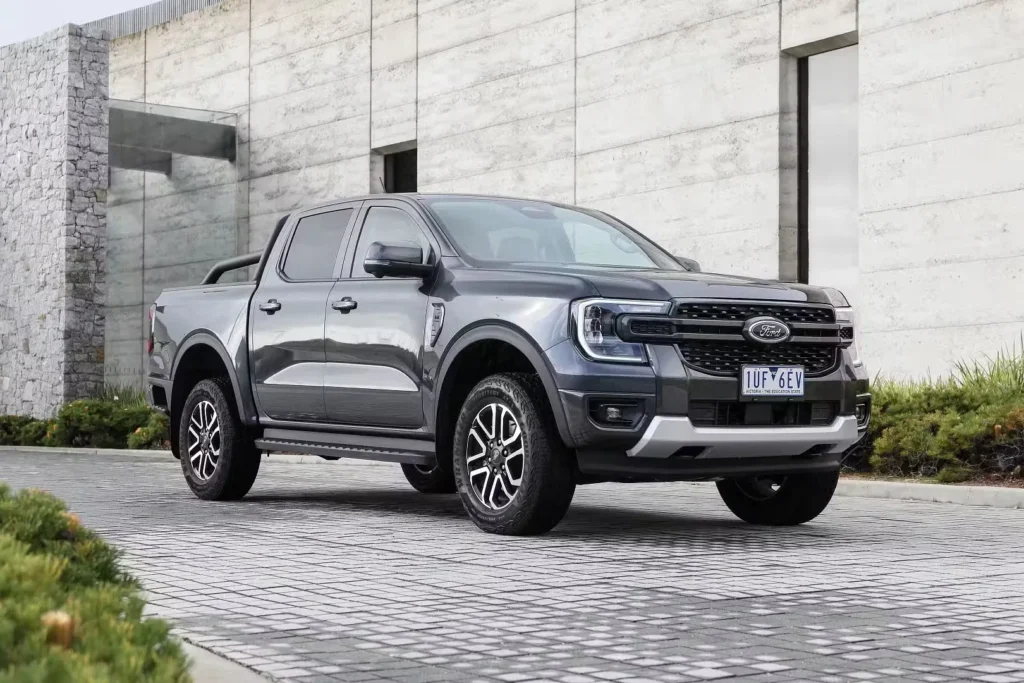
Some brands hold value better than others, particularly reliable mainstream models and popular dual-cab utes.


2. Registration and Compulsory Third Party (CTP)

Registration costs vary between states, but they are unavoidable for every car owner.

Typical annual registration costs in Australia:

  • Victoria: $850โ€“$950
  • New South Wales: $900โ€“$1,100
  • Queensland: $850โ€“$1,050

These fees usually include Compulsory Third Party (CTP) insurance, which covers injury liability in accidents.

Registration costs may also include charges based on vehicle weight or emissions.


3. Comprehensive Insurance

Comprehensive insurance protects your vehicle from theft, accidents and damage.

Annual premiums depend on several factors:

  • Driver age
  • Location
  • Driving history
  • Vehicle value
  • Repair costs

Typical annual premiums:

  • Small hatchback: $900โ€“$1,200
  • Mid-size SUV: $1,200โ€“$1,800
  • Performance or luxury car: $2,000+

Younger drivers or drivers in high-risk areas may pay significantly more.


4. Fuel Costs

Fuel is one of the most visible ongoing expenses.

The average Australian driver travels around 13,000โ€“15,000 kilometres per year.

Fuel cost example (petrol vehicle):

  • Fuel consumption: 8L/100km
  • Annual distance: 14,000km
  • Fuel price: $1.90/L

Annual fuel cost:

~$2,128 per year

Larger SUVs or performance vehicles can easily push fuel costs beyond $3,000 per year.


5. Servicing and Maintenance

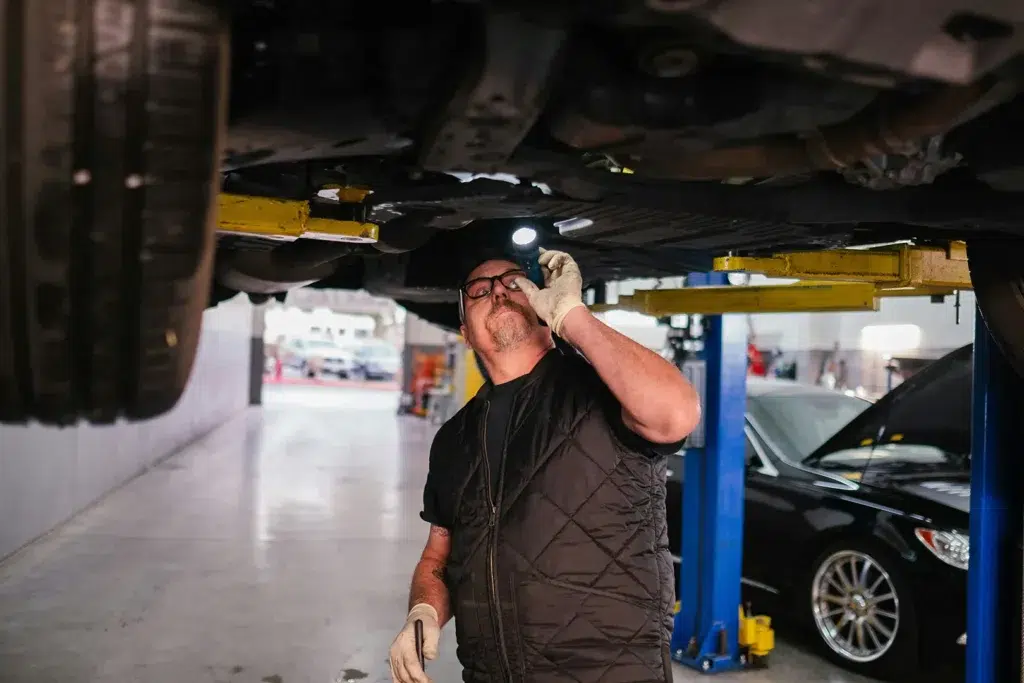
Regular servicing keeps your car reliable and maintains warranty coverage.
Typical servicing costs in Australia:

  • Small car: $250โ€“$400 per service
  • Mid-size car/SUV: $350โ€“$600
  • European or luxury car: $700โ€“$1,200+

Most cars require servicing every 10,000โ€“15,000 km or once per year.

Over time, additional maintenance costs appear, including:

  • Brake pads
  • Battery replacement
  • Filters and fluids

A realistic annual maintenance budget for many vehicles is $400โ€“$900.


6. Tyres and Wear Items

Tyres typically last 40,000โ€“60,000 kilometres, depending on driving style and road conditions.
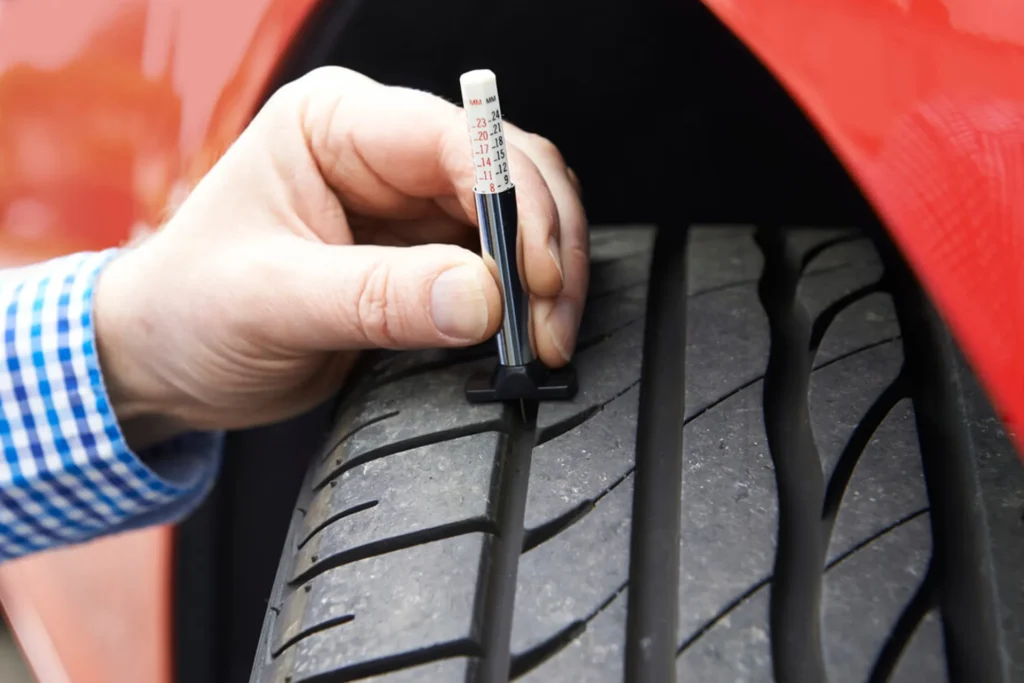
Typical tyre replacement costs:

  • Small car tyres: $450โ€“$700 per set
  • SUV tyres: $700โ€“$1,200
  • Performance tyres: $1,200+

Spread across several years, tyres usually add around $150โ€“$300 per year to ownership costs.


7. Financing Costs (If You Borrow)

Many Australians finance their vehicles through car loans or novated leases.

Example loan:

  • Vehicle price: $40,000
  • Loan term: 5 years
  • Interest rate: 7%

Total interest paid over the loan could exceed $7,000, adding roughly $1,400 per year to ownership costs.

Interest rates and loan terms vary widely, so financing can significantly increase the true cost of a car.


Real-World Example: Cost of Owning a Typical SUV

Annual SUV Ownership Cost

Based on a $45,000 vehicle driven 14,000 km per year in Australia.
Depreciation $3,500
Fuel $2,100
Insurance $1,400
Registration $900
Servicing $600
Tyres & Wear $200
Estimated Total Annual Cost

$8,700

Letโ€™s estimate the yearly ownership cost of a $45,000 SUV driven 14,000 km per year.

Annual cost breakdown:

Depreciation: $3,500
Registration: $900
Insurance: $1,400
Fuel: $2,100
Servicing and maintenance: $600
Tyres and wear items: $200

Total yearly cost:

~$8,700 per year

If financed, this could exceed $10,000 per year.


Petrol vs Hybrid vs Electric Ownership Costs

Vehicle type also affects running costs.
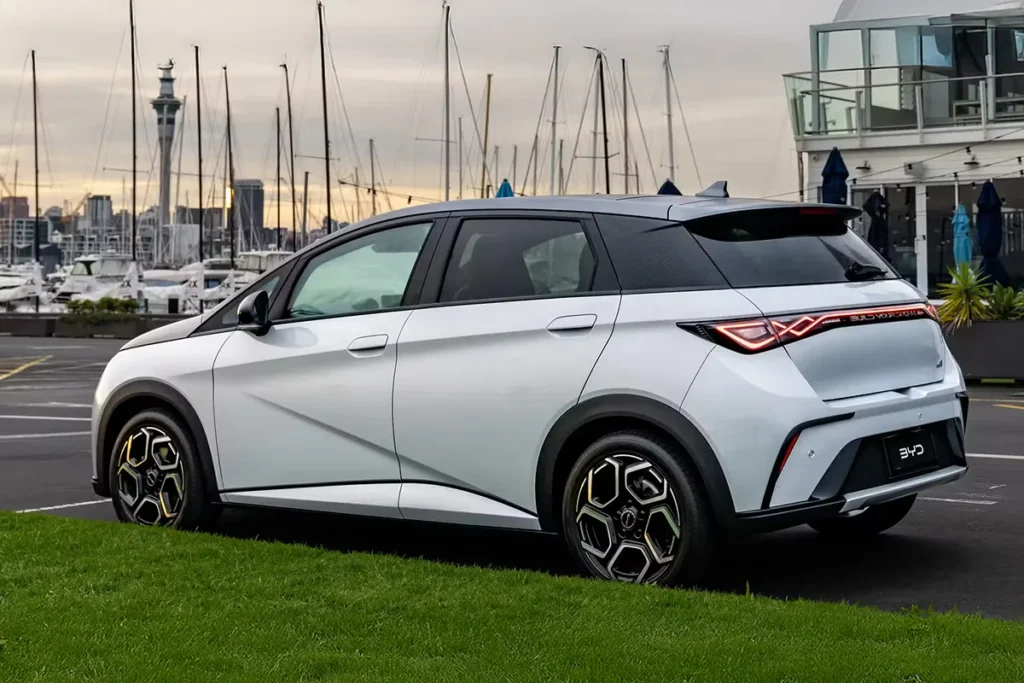
Petrol vehicles usually have:

  • Higher fuel costs
  • Lower purchase price

Hybrids often offer:

  • Lower fuel consumption
  • Slightly higher purchase price

Electric vehicles typically have:

  • Lower running and servicing costs
  • Higher upfront purchase price

Charging an EV at home can cost 70โ€“80% less per kilometre than petrol, although purchase price and insurance may be higher.


How to Reduce Car Ownership Costs

There are several ways Australian drivers can reduce their total ownership costs.

Choose cars with strong resale value
Avoid unnecessary upgrades
Compare insurance providers annually
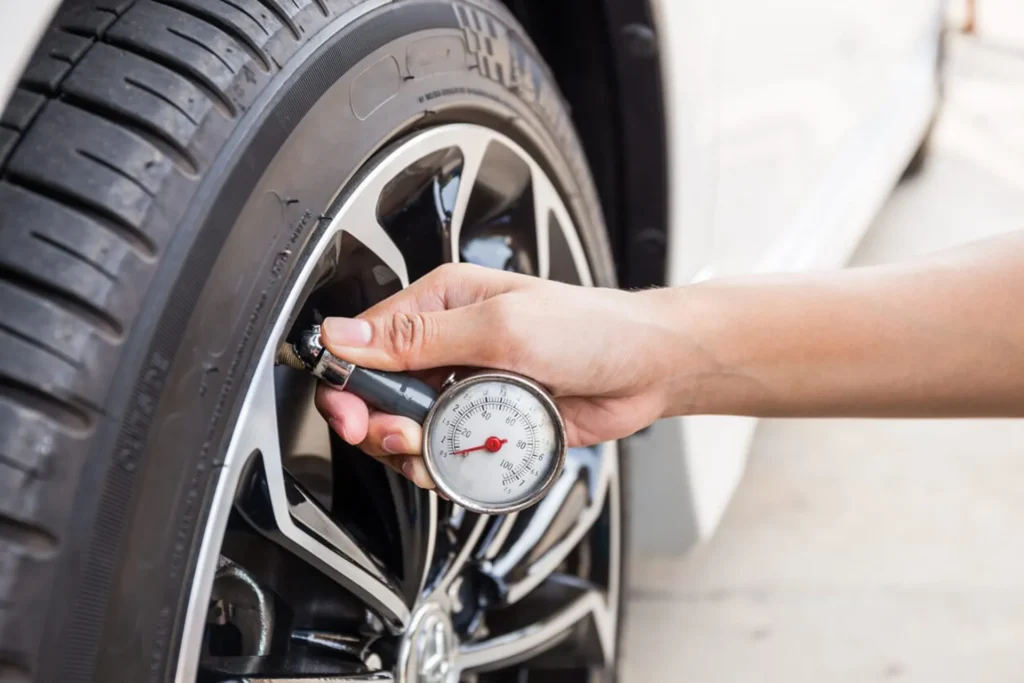
Maintain correct tyre pressure for better fuel economy
Follow the recommended service schedule

Buying a car with good reliability and strong resale value often saves the most money over time.


The Bottom Line

Owning a car in Australia involves far more than the purchase price.

For most drivers, the true annual cost falls somewhere between $8,000 and $15,000, once depreciation, fuel, insurance and maintenance are included.

Understanding these expenses before buying can help you choose a car that fits not only your lifestyle, but also your long-term budget.

For many Australians, the smartest ownership decision isnโ€™t just about the price of the car โ€” itโ€™s about the total cost of owning it over time.

For most Australians, buying a car is only the beginning. The real financial commitment comes from the ongoing cost of ownership โ€” and it can be far higher than many buyers expect.

Between registration, insurance, servicing, fuel and depreciation, the true cost of owning a car in Australia can easily reach $8,000 to $15,000 per year, depending on the vehicle type and how much you drive.

Understanding these costs is essential whether you’re buying your first car, upgrading to a new model, or considering alternatives like hybrids or electric vehicles.

This guide breaks down the real cost of car ownership in Australia, using practical examples to show where the money actually goes.


The Main Costs of Owning a Car in Australia

Car ownership expenses generally fall into seven major categories:

  • Purchase price and depreciation
  • Registration and compulsory insurance
  • Comprehensive insurance
  • Fuel or electricity
  • Servicing and maintenance
  • Tyres and wear items
  • Financing costs (if the car is financed)

While some costs are fixed, others vary significantly depending on the car you choose and how you drive it.


1. Depreciation: The Biggest Hidden Cost

Depreciation is the largest ownership cost for most vehicles, even though many drivers overlook it. It’s the loss in value a car experiences over time.

Typical depreciation in Australia:

  • Year 1: 15โ€“25%
  • Years 1โ€“3: 35โ€“50%
  • After 5 years: 50โ€“60%

Example:

If you buy a new $45,000 SUV, it may be worth around $25,000โ€“$30,000 after five years.

That means youโ€™ve effectively spent $15,000โ€“$20,000 in depreciation alone, or roughly $3,000โ€“$4,000 per year.

Some brands hold value better than others, particularly reliable mainstream models and popular dual-cab utes.


2. Registration and Compulsory Third Party (CTP)

Registration costs vary between states, but they are unavoidable for every car owner.

Typical annual registration costs in Australia:

  • Victoria: $850โ€“$950
  • New South Wales: $900โ€“$1,100
  • Queensland: $850โ€“$1,050

These fees usually include Compulsory Third Party (CTP) insurance, which covers injury liability in accidents.

Registration costs may also include charges based on vehicle weight or emissions.


3. Comprehensive Insurance

Comprehensive insurance protects your vehicle from theft, accidents and damage.

Annual premiums depend on several factors:

  • Driver age
  • Location
  • Driving history
  • Vehicle value
  • Repair costs

Typical annual premiums:

  • Small hatchback: $900โ€“$1,200
  • Mid-size SUV: $1,200โ€“$1,800
  • Performance or luxury car: $2,000+

Younger drivers or drivers in high-risk areas may pay significantly more.


4. Fuel Costs

Fuel is one of the most visible ongoing expenses.

The average Australian driver travels around 13,000โ€“15,000 kilometres per year.

Fuel cost example (petrol vehicle):

  • Fuel consumption: 8L/100km
  • Annual distance: 14,000km
  • Fuel price: $1.90/L

Annual fuel cost:

~$2,128 per year

Larger SUVs or performance vehicles can easily push fuel costs beyond $3,000 per year.


5. Servicing and Maintenance

Regular servicing keeps your car reliable and maintains warranty coverage.

Typical servicing costs in Australia:

  • Small car: $250โ€“$400 per service
  • Mid-size car/SUV: $350โ€“$600
  • European or luxury car: $700โ€“$1,200+

Most cars require servicing every 10,000โ€“15,000 km or once per year.

Over time, additional maintenance costs appear, including:

  • Brake pads
  • Battery replacement
  • Filters and fluids

A realistic annual maintenance budget for many vehicles is $400โ€“$900.


6. Tyres and Wear Items

Tyres typically last 40,000โ€“60,000 kilometres, depending on driving style and road conditions.

Typical tyre replacement costs:

  • Small car tyres: $450โ€“$700 per set
  • SUV tyres: $700โ€“$1,200
  • Performance tyres: $1,200+

Spread across several years, tyres usually add around $150โ€“$300 per year to ownership costs.


7. Financing Costs (If You Borrow)

Many Australians finance their vehicles through car loans or novated leases.

Example loan:

  • Vehicle price: $40,000
  • Loan term: 5 years
  • Interest rate: 7%

Total interest paid over the loan could exceed $7,000, adding roughly $1,400 per year to ownership costs.

Interest rates and loan terms vary widely, so financing can significantly increase the true cost of a car.


Real-World Example: Cost of Owning a Typical SUV

Annual SUV Ownership Cost

Based on a $45,000 vehicle driven 14,000 km per year in Australia.
Depreciation $3,500
Fuel $2,100
Insurance $1,400
Registration $900
Servicing $600
Tyres & Wear $200
Estimated Total Annual Cost

$8,700

Letโ€™s estimate the yearly ownership cost of a $45,000 SUV driven 14,000 km per year.

Annual cost breakdown:

Depreciation: $3,500
Registration: $900
Insurance: $1,400
Fuel: $2,100
Servicing and maintenance: $600
Tyres and wear items: $200

Total yearly cost:

~$8,700 per year

If financed, this could exceed $10,000 per year.


Petrol vs Hybrid vs Electric Ownership Costs

Vehicle type also affects running costs.

Petrol vehicles usually have:

  • Higher fuel costs
  • Lower purchase price

Hybrids often offer:

  • Lower fuel consumption
  • Slightly higher purchase price

Electric vehicles typically have:

  • Lower running and servicing costs
  • Higher upfront purchase price

Charging an EV at home can cost 70โ€“80% less per kilometre than petrol, although purchase price and insurance may be higher.


How to Reduce Car Ownership Costs

There are several ways Australian drivers can reduce their total ownership costs.

Choose cars with strong resale value
Avoid unnecessary upgrades
Compare insurance providers annually
Maintain correct tyre pressure for better fuel economy
Follow the recommended service schedule

Buying a car with good reliability and strong resale value often saves the most money over time.


The Bottom Line

Owning a car in Australia involves far more than the purchase price.

For most drivers, the true annual cost falls somewhere between $8,000 and $15,000, once depreciation, fuel, insurance and maintenance are included.

Understanding these expenses before buying can help you choose a car that fits not only your lifestyle, but also your long-term budget.

For many Australians, the smartest ownership decision isnโ€™t just about the price of the car โ€” itโ€™s about the total cost of owning it over time.

Join the Discussion

Have you dealt with this issue or owned this vehicle or product long-term?

Share your experience in the comments. Real ownership insights can help other drivers make better decisions.

0 0 votes
Article Rating
Subscribe
Notify of
guest
0 Comments
Oldest
Newest Most Voted
Inline Feedbacks
View all comments

Disclaimer: TorquePress reviews are independent. Product supply or sponsorship never affects our conclusions. Sponsored content is labelled. See our Editorial Guidelines.

More Ownership Advice

Continue to the category

The First-Time Ownerโ€™s Checklist: 5 Essentials to Keep Your Car Running (and Looking) New

Buying your first car is a huge milestone. The excitement is real, whether itโ€™s a shiny new Mazda 3 or a reliable pre-loved Toyota...