

Buying your first car is a huge milestone. The excitement is real, whether it’s a shiny new Mazda 3 or a reliable pre-loved Toyota Corolla. Many new owners, especially P-Platers, focus on driving. They often overlook the simple, regular maintenance that saves thousands down the track. Waiting for a dashboard warning light means the problem is already there, and likely expensive.
This guide breaks down the “Sunday Morning 10-Minute Walkaround.” It is a quick routine that keeps your car healthy. This proactive approach ensures your vehicle remains reliable. It also boosts its resale value when you eventually upgrade. A well-maintained car sells for top dollar. A neglected one ends up in the “fire sale” bin.
Quick Verdict:
Pros: Significantly extends vehicle lifespan, reduces unexpected repair costs, maximises resale value, ensures safer driving, builds good ownership habits.
Cons: Requires consistent effort and a small time commitment, initial learning curve for checks, demands attention to detail.
The “Sunday Morning Walkaround” Explained
Proactive maintenance keeps your car in top condition, directly boosting its resale value and slowing depreciation. Regular checks prevent minor issues from becoming expensive repairs. This simple routine ensures your investment pays off, avoiding costly breakdowns and maintaining aesthetic appeal.
A car is a significant investment. Protecting that investment starts with routine checks. Think of it as preventative medicine for your vehicle. Neglecting basic maintenance will accelerate wear and tear. This leads to higher running costs and a lower trade-in price. A well-cared-for car, like a Ford Ranger or a Hyundai i30, always fetches more.
1. The “Once-a-Month” Fluid Check
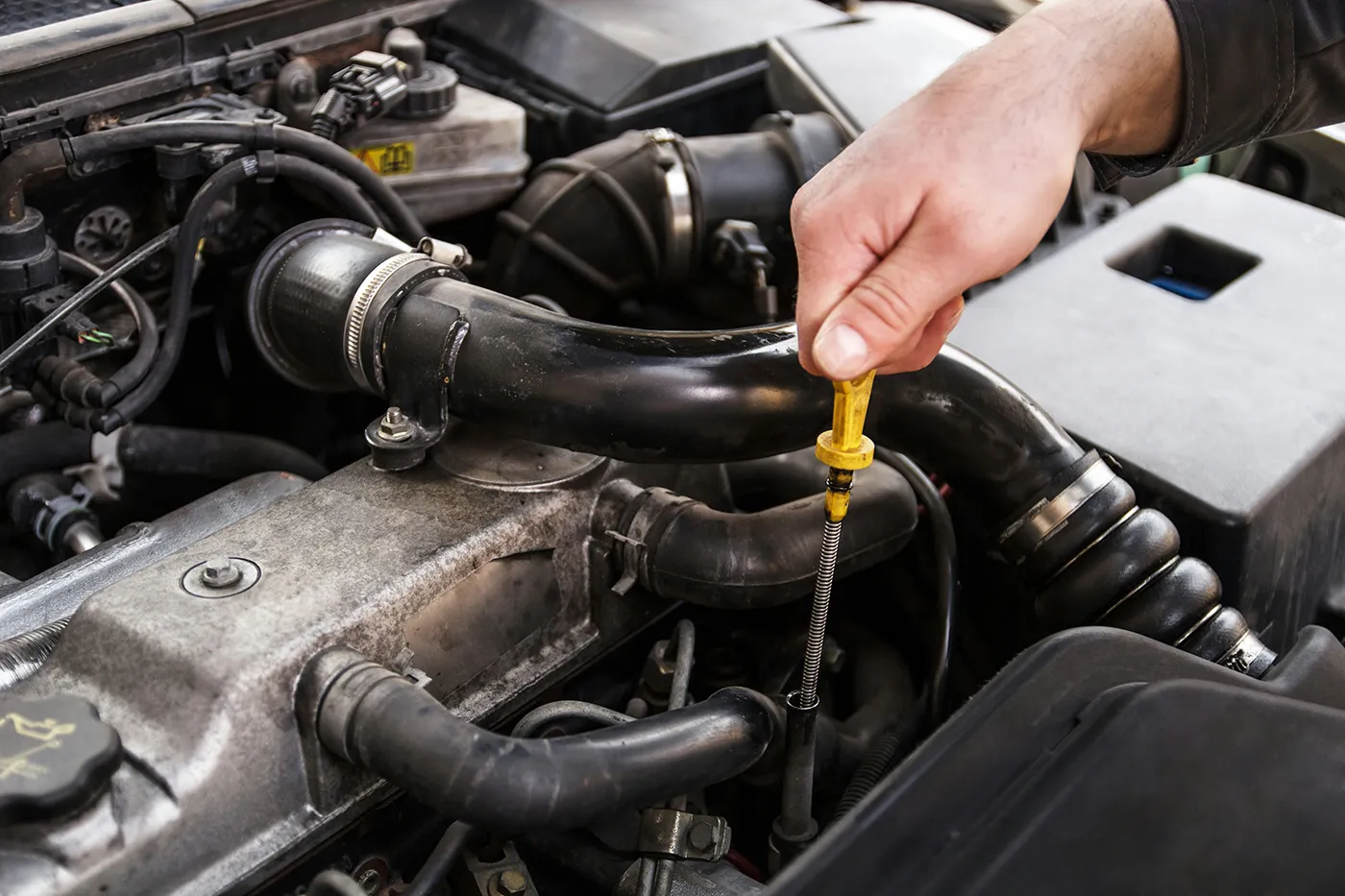
Checking your car’s fluids is simple. It takes less than five minutes. Start with the engine oil. Pull out the dipstick, wipe it clean, reinsert, then check the level. It should be between the ‘min’ and ‘max’ marks. Low oil means your engine is working harder.
Next, check the coolant reservoir. Ensure the level is between the marks. This fluid prevents overheating, especially crucial during an Aussie summer commute on the M1. Finally, top up your windscreen washer fluid. Dirty windscreens reduce visibility, a real hazard on dusty country roads. These simple checks safeguard critical components.
2. Tyre Pressure & Tread Depth
Tyres are your car’s only contact with the road. Correct tyre pressure is vital for safety and fuel efficiency. You’ll find the recommended pressures on a sticker inside the driver’s door jamb. Use a tyre gauge monthly to check all four tyres, plus the spare. Under-inflated tyres wear faster and use more fuel.
Tread depth ensures grip, especially in wet conditions. The legal minimum tread depth in Australia is 1.5mm. Use the “20c coin trick.” Insert a 20c coin into a tread groove. If the entire “platypus” (the bill of the platypus) is visible, your tread is too low. Replace worn tyres immediately; it’s a safety issue.
Smart Servicing & Battery Care
Understanding logbook servicing saves money and protects your warranty, even outside dealerships. Regular battery checks prevent breakdowns and extend component life, reducing unexpected repair bills. Proactive care ensures reliability and avoids costly, inconvenient failures.
Many new drivers panic about servicing. They think only dealerships can maintain their car. This is not true. Australian consumer law protects your right to choose. You can use any qualified mechanic for logbook servicing. This will not void your new car warranty, provided they follow the manufacturer’s schedule and use genuine or equivalent parts.
3. Logbook Servicing
Your car’s logbook outlines a strict service schedule. Stick to it. Regular servicing catches small problems before they become major faults. This extends your car’s life and maintains its performance. Keep all service records and receipts. These documents prove your car has been well-maintained. This significantly boosts its resale value later on.
An independent mechanic often offers better value than a dealership. Just ensure they are reputable and qualified. They must stamp your logbook. This keeps your warranty valid, whether you drive a new Audi RS3 or a used Mitsubishi Triton.

4. Battery Health
Car batteries typically last 3-5 years. However, neglect can shorten this lifespan. Pop your bonnet once a month. Look for any white or blue powdery residue around the battery terminals. This is corrosion. Corrosion restricts current flow. It can lead to starting issues, especially on cold mornings in regional Victoria.
Clean corrosion carefully with a wire brush and baking soda solution. Always wear gloves and eye protection. Ensure the battery terminals are tight. A loose terminal can cause intermittent power issues. A healthy battery ensures reliable starts and powers your car’s electronics effectively.
Protecting Your Investment for Aussie Conditions
Protecting your car’s exterior and interior from harsh Australian sun and daily wear preserves its appearance and value. Smart protection choices reduce long-term detailing and repair costs, ensuring a better return on investment. This proactive care maintains both aesthetics and structural integrity.
Australia’s climate is harsh on cars. Intense UV rays fade paint and crack dashboards. Dust and grime accumulate quickly. Proactive protection is not just about aesthetics. It also maintains the structural integrity and value of your vehicle. Think about the resale value of a well-preserved Subaru Forester versus a faded, cracked one.
5. Protection – Inside & Out
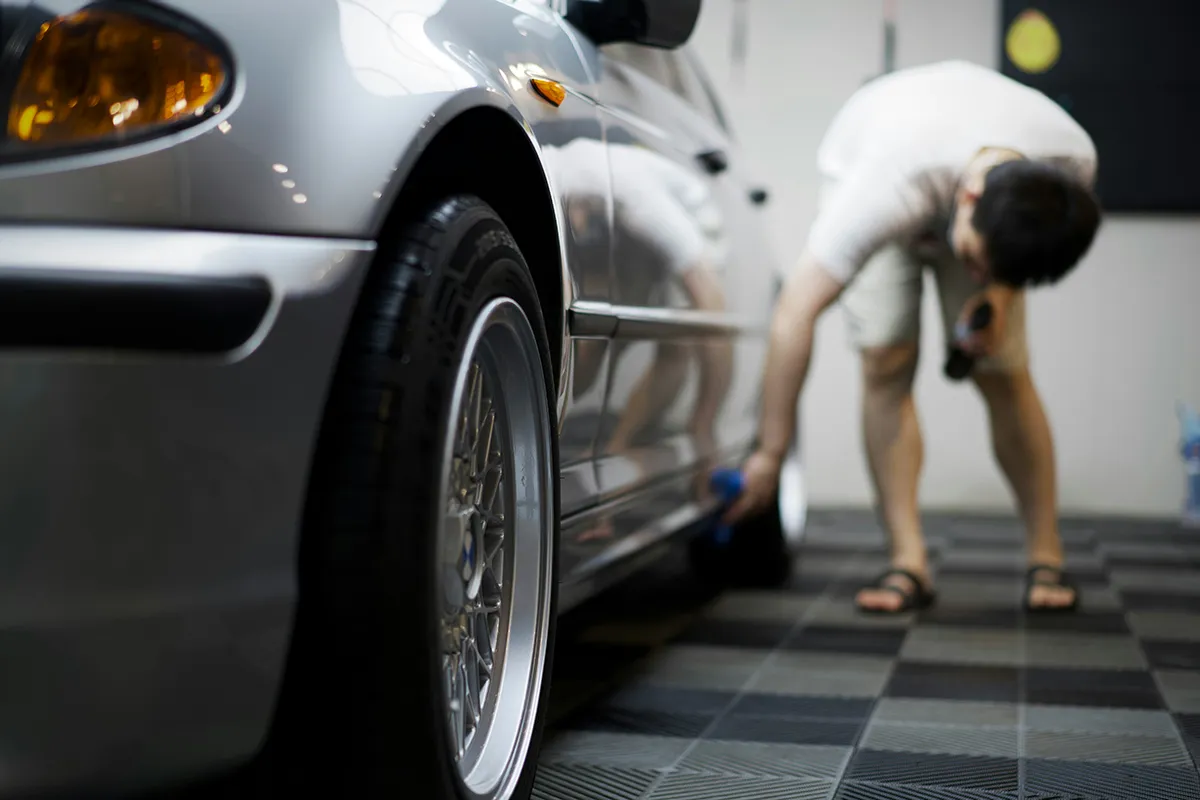
Ceramic sprays offer excellent paint protection. They create a hydrophobic layer. This repels water and makes washing easier. Apply them after a thorough wash. For the interior, sunshades are non-negotiable. A good quality windscreen sunshade prevents dashboard cracking and keeps the cabin cooler. This protects plastics and upholstery from UV damage.
Regular washing also prevents paint damage. Bird droppings and tree sap can etch into clear coats if left too long. Waxing or using a ceramic spray every few months provides an extra layer of defence. A clean car looks better. It also means you notice potential issues like rust spots or paint chips earlier.
Saving Money on the Go
Smart ownership extends beyond maintenance. Fuel costs are a big part of car ownership. Apps like PetrolSpy help you find the cheapest fuel nearby. This can save you hundreds of dollars annually. Set calendar reminders for your 6-month fluid and tyre check-ups. Consistency is key.
A well-maintained car is safer, more reliable, and cheaper to run in the long term. It also retains its value significantly better. This checklist is not just about saving money. It is about responsible car ownership. Your car works hard for you; give it the care it deserves.
Conclusion
Becoming a first-time car owner is exciting. It also comes with responsibilities. This simple 10-minute monthly checklist is your secret weapon. It prevents costly repairs, ensures your safety, and preserves your car’s value. From fluid checks to tyre health and interior protection, these five essentials make a huge difference. Adopt these habits early. You will enjoy a long, trouble-free relationship with your vehicle. Your future self, and your wallet, will thank you.