
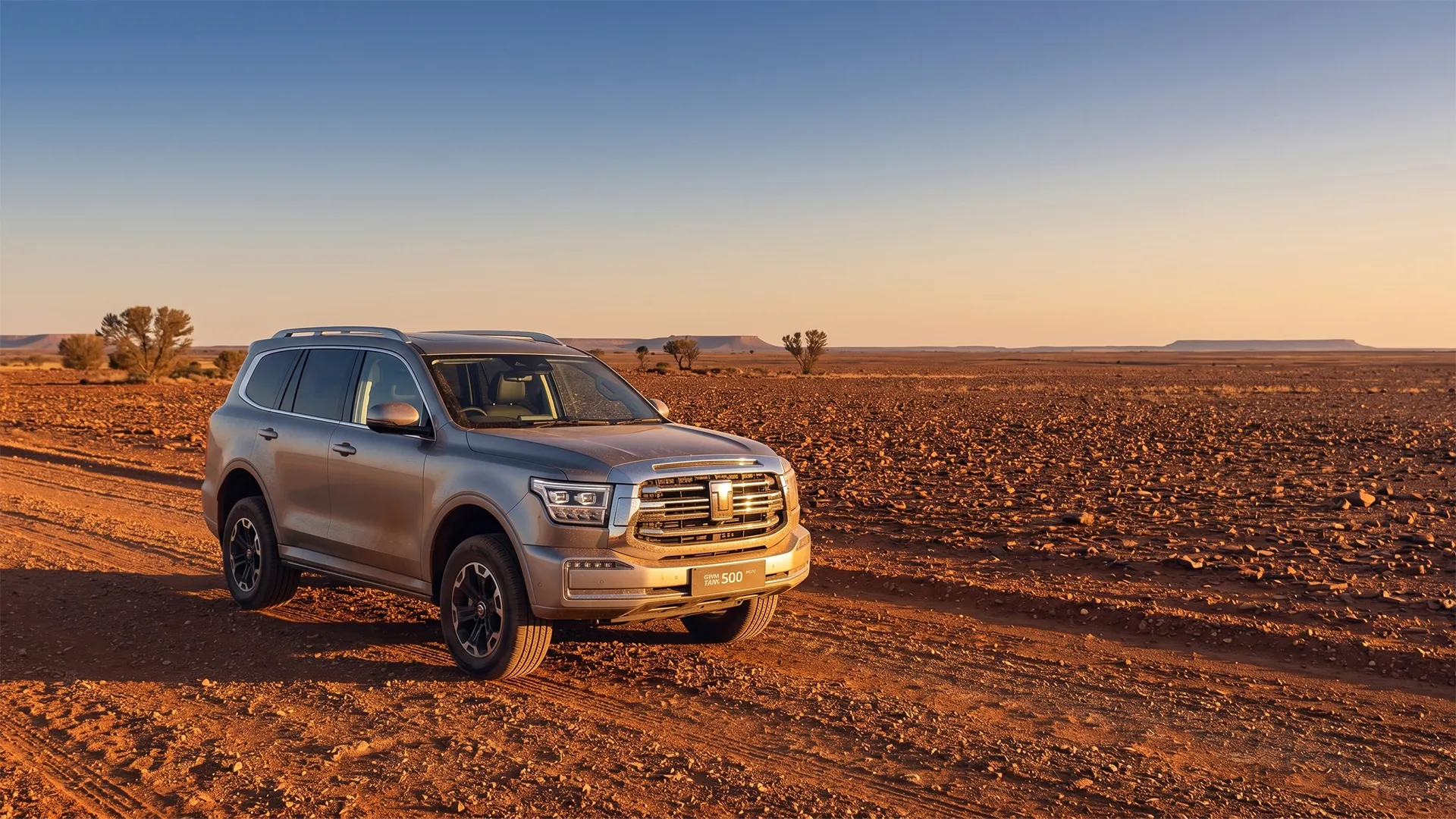

The Oodnadatta Track isn’t the Canning Stock Route. But it has a nasty habit of breaking soft-roaders. With petrol-electric powertrains dominating Australian driveways, the question is no longer if you can take a battery into the desert. The question is what happens to it when subjected to 614 kilometres of gibber stones, bulldust, and relentless summer heat.
Taking a conventional diesel 4×4 into the South Australian outback is a known quantity. You pack a fuel filter, some belts, and a sense of mechanical sympathy. Taking a hybrid introduces a completely different set of mechanical stress points. From thermal management failures to regenerative braking quirks on loose surfaces, outback touring in an electrified rig requires a reset of your preparation manual.
If you are planning to point an AWD SUV or a ladder-frame hybrid north from Marree, you need to know exactly where the technology shines and where it falls apart.
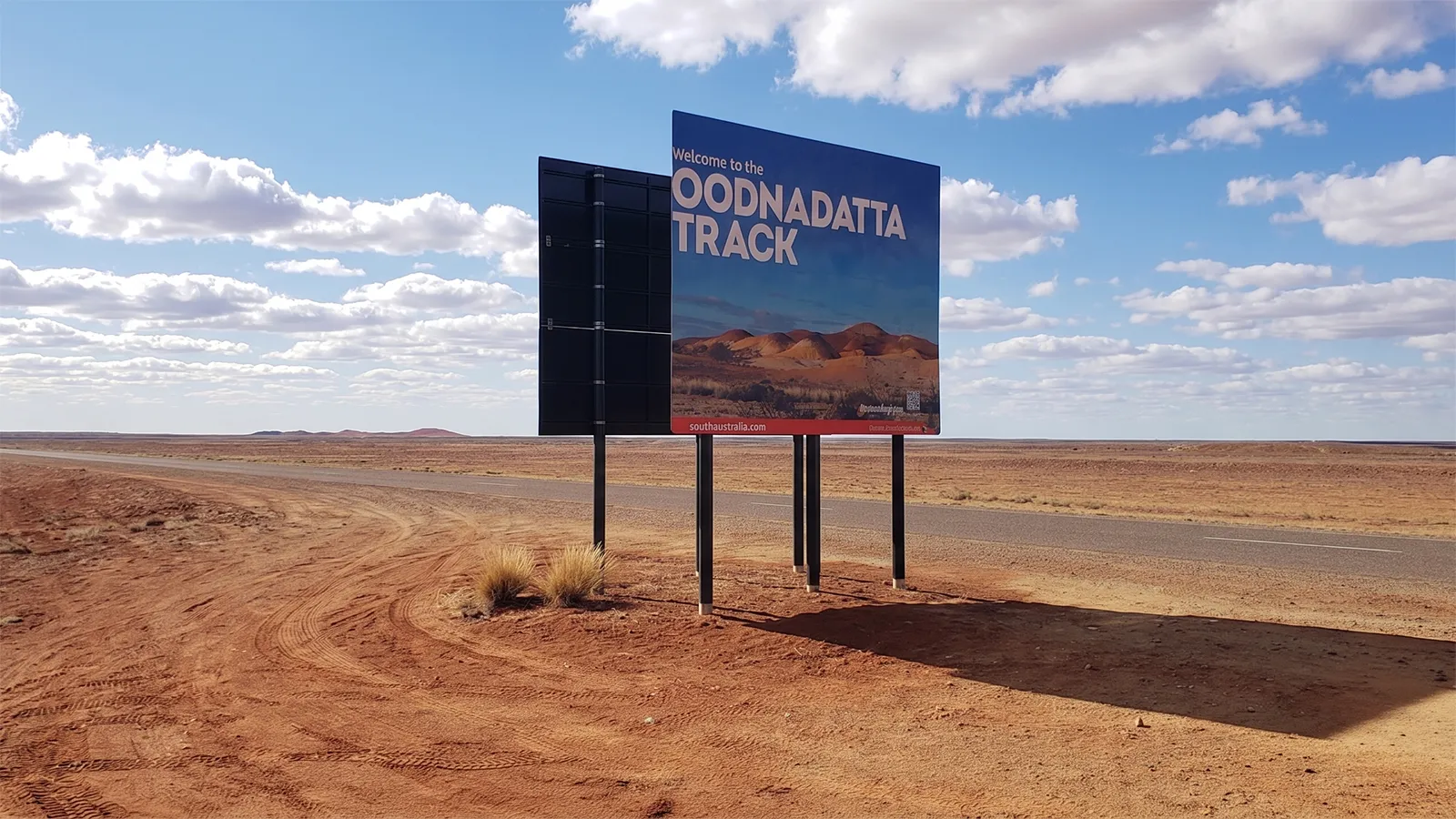
Route Difficulty and the Gibber Plains
The Oodnadatta Track is 614 kilometres of unsealed dirt connecting Marree to Marla. It is notorious for severe corrugations, sharp gibber stones, and sudden creek washouts that require high clearance and robust suspension to survive without mechanical failure.
What are the road conditions actually like?
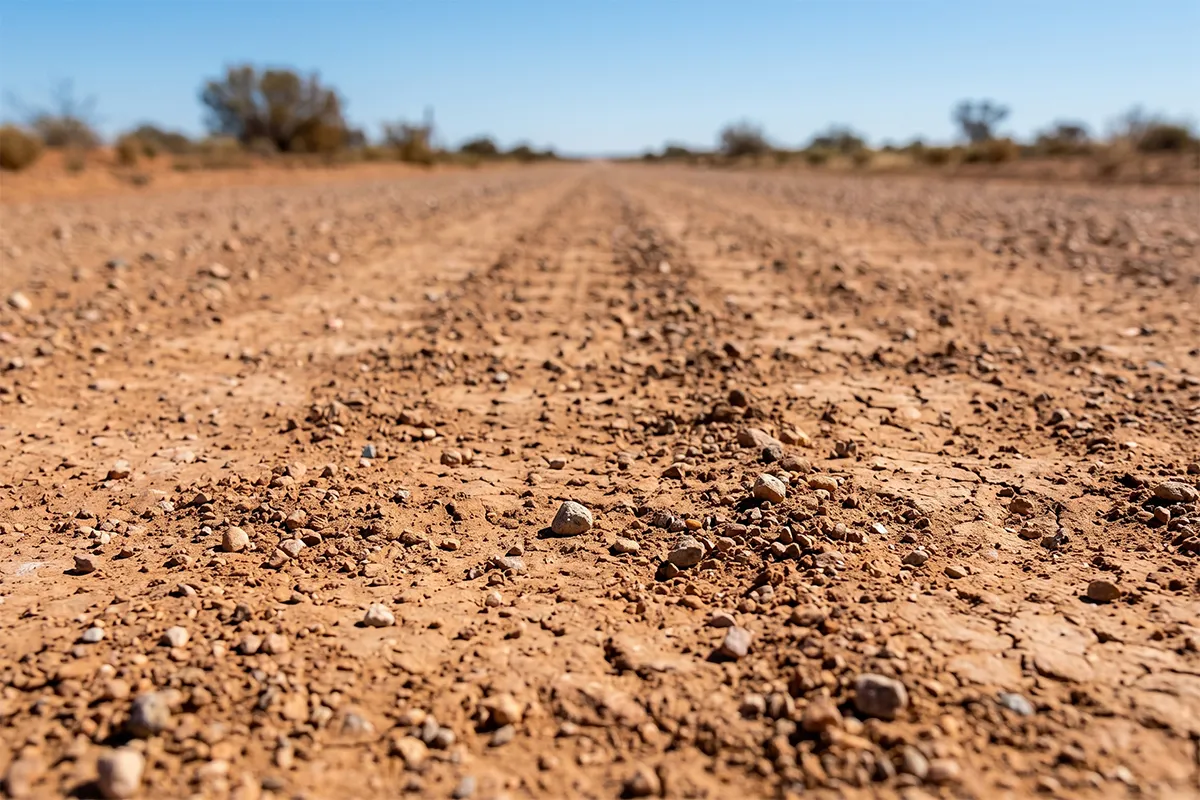
Most days, the track is a wide, well-maintained dirt highway following the old Ghan railway line. But the surface is entirely deceptive. The corrugations can rattle poorly secured interior trim to pieces, and the gibber rock (smooth, iron-hard stones covering the plains) acts like a cheese grater on standard highway-terrain tyres.
The track crosses dozens of dry creek beds. If you enter these dips too fast, the compression will smash your front bumper into the opposite bank. That is why ground clearance and approach angles matter here just as much as they do in the Victorian High Country. You will constantly be slowing down for washouts and accelerating away.
A monocoque SUV with an on-demand all-wheel-drive system (like a standard RAV4) will handle the basic traction requirements on a dry day.
But a proper ladder-frame 4×4 offers the suspension travel needed to soak up the washouts without bottoming out. You will quickly find the limits of a family SUV when the track turns rough.
There is also the rain factor. When the region gets wet, the track turns into impassable, axle-deep mud. If the road is officially closed, do not attempt it. Unauthorised access destroys the track surface and guarantees a massive recovery bill that your insurance will likely refuse to cover.
Hybrid Battery Heat Management
Outback heat and bulldust are a lethal combination for air-cooled hybrid batteries. Blocked cooling intakes prevent the pack from dissipating heat, triggering power limitations, dashboard warnings, and potentially leaving you stranded in remote areas until the system cools.
Why do hybrid batteries overheat in the desert?
This is the silent killer for electrified vehicles in the outback. A traditional diesel engine sheds heat through a massive radiator sitting in the breeze. A hybrid high-voltage battery (typically mounted under the rear seats or boot floor) relies on a much smaller, often more fragile, cooling system. How fragile depends entirely on the architecture.
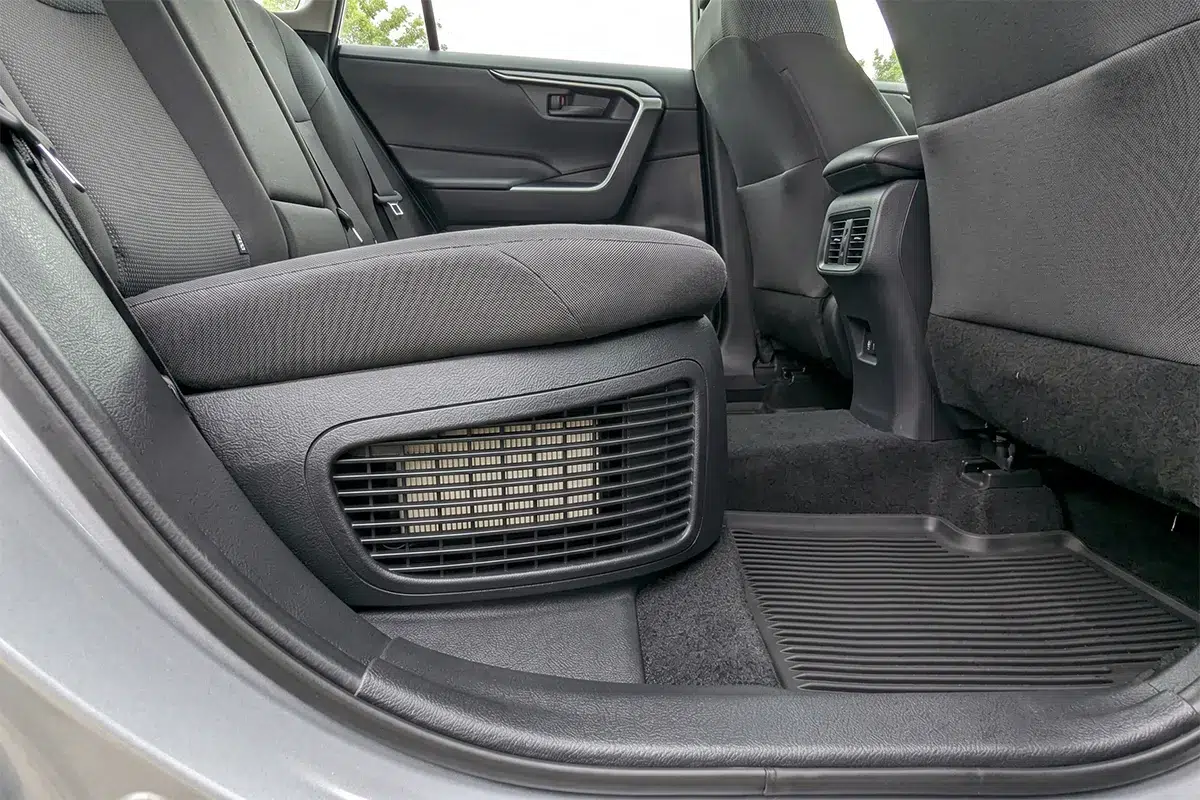
Most affordable hybrid SUVs like the RAV4 Hybrid, Corolla Cross Hybrid, and older Camry Hybrid use an air-cooled battery pack. A dedicated fan draws air from the passenger cabin through a small intake vent in the base of the rear seat, passes it over the battery cells, and exhausts it back into the cargo area. In suburban traffic with the air conditioning running, this works perfectly. The cabin air is conveniently the same temperature the battery wants to be, about as warm as you do.
On the Oodnadatta Track, that same system becomes a major vulnerability.
The fine, talcum-like bulldust of the South Australian outback gets into everything. Once it enters the cabin, it gets drawn straight into the hybrid battery cooling filter. The filter clogs, airflow drops, and the internal pack temperature spikes. The vehicle enters a protective limp mode, heavily restricting your electric assist and leaving your petrol engine to drag the dead weight alone. Toyota issues service bulletins specifically warning about this failure mode, and the RAV4 Hybrid has filters on both sides of the rear seat base that need to be vacuumed regularly.
If you are taking an air-cooled hybrid into the dirt, vacuum the intake filters daily. Do not pack soft bags, swags, or camping gear against those rear seat vents. Your battery needs to breathe. Owners of other Toyota hybrids have reported dashboard warnings within five minutes of setting a garment bag against the vent on the highway. Imagine what happens with a swag wedged against it for 600 kilometres of corrugations.
Does this apply to the Tank 500 PHEV?
Not in the same way. Larger plug-in hybrids with substantial battery packs (the Tank 500 Hi4-T runs a 37.1 kWh unit) almost universally use liquid cooling, with a sealed coolant loop running through the pack. This is the same method an EV uses to manage thermal load. There is no cabin intake to clog. That makes a properly engineered PHEV inherently better suited to a dusty environment than a cheap hybrid SUV running cabin-vented air cooling.
The trade-off is that the failure modes shift rather than disappear. A liquid-cooled pack still relies on its radiator and pumps to dump heat, and those sit at the front of the vehicle catching every rock the corrugations throw up. Stone-strip the radiator with a poorly fitting bash plate setup and you have a different but equally expensive problem.
This is the core reason a family-focused hybrid SUV is not a true outback tourer. The very thing that makes it cheap and efficient on a school run, that cabin-vented battery cooling system, is the thing that puts it at risk hundreds of kilometres from help.
The Fuel Math and Outback Stops
Fuel is reliably available at Marree, William Creek, and Oodnadatta. The longest gap without a bowser is 204 kilometres between Marree and William Creek, but outback conditions will drastically reduce your normal highway fuel economy.
Where can you get fuel on the Oodnadatta Track?
The traditional rule of outback touring is to carry enough fuel for your longest stretch, plus a fifty percent safety margin. The 204-kilometre run from the Marree Hotel to the William Creek Hotel sounds incredibly easy on paper. In reality, sand, headwinds, and low tyre pressures will force your engine to work twice as hard.
This is where hybrid efficiency claims fall apart entirely.
A hybrid SUV excels in stop-start traffic by recovering energy under braking. Out on the track, you are holding a constant speed over high-resistance terrain. The electric motors drain their reserves quickly, leaving a small-capacity petrol engine to drag a heavy vehicle through the dirt. Expect your fuel consumption to spike significantly compared to your suburban average.
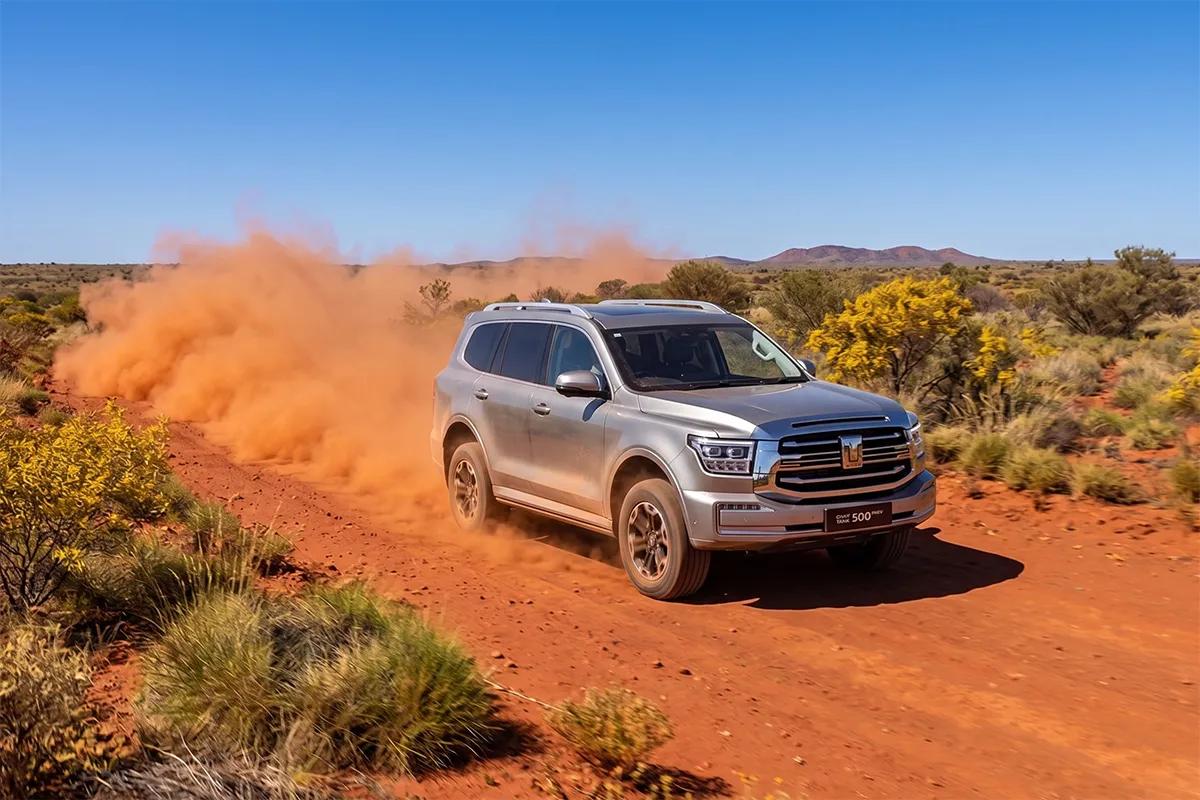
If you are driving a RAV4 with a 55-litre tank, you will need to carry jerry cans. A rugged plug-in hybrid like the GWM Tank 500 PHEV (featuring a 70-litre tank and a claimed 300kW combined output) offers a better safety net.
But even with 750Nm of torque on tap, hauling its 2820 kg kerb weight over soft sections will drain that 70-litre tank rapidly when the pure electric range is exhausted.
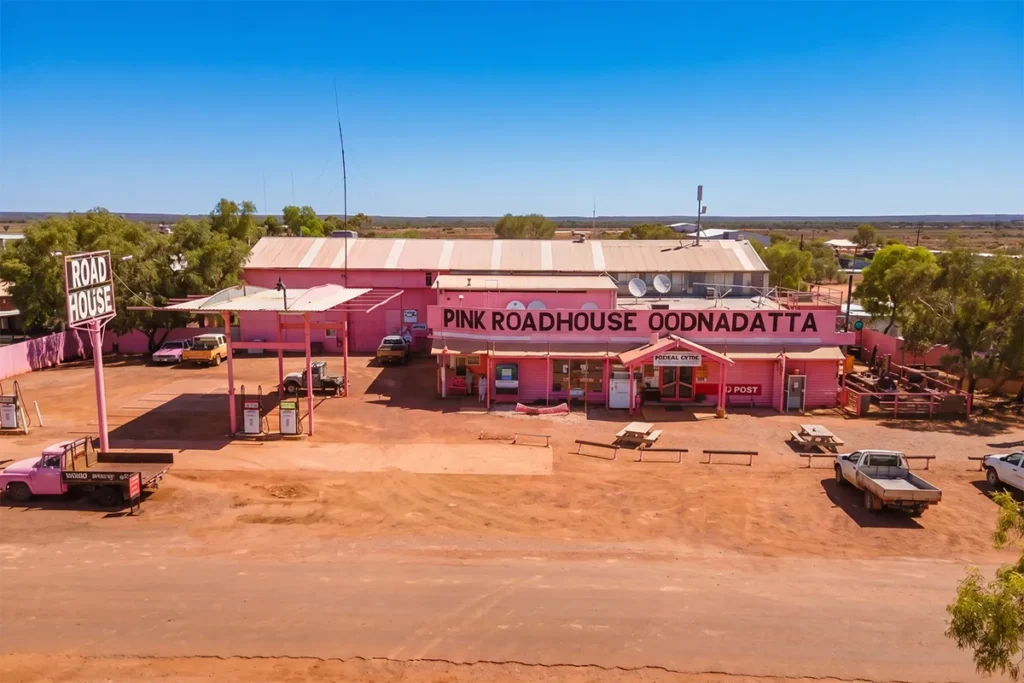
Do not skip fuel stops. Fill up at the Pink Roadhouse in Oodnadatta, top off at William Creek, and respect the vast distances.
Vehicle Preparation and Tyre Risks
Highway-terrain tyres will not survive the gibber plains. You must fit Light Truck construction tyres, lower your tyre pressures to suit the corrugations, and ensure your hybrid system has sufficient ground clearance for creek washouts.
What tyres do you actually need for the outback?
The fastest way to ruin a desert trip is to venture past Marree on the factory rubber fitted to most modern family SUVs. Standard passenger tyres have thin sidewalls designed purely for ride comfort and low rolling resistance on tarmac. The sharp, fractured stones of the Oodnadatta Track will slice through them within the first hundred kilometres.
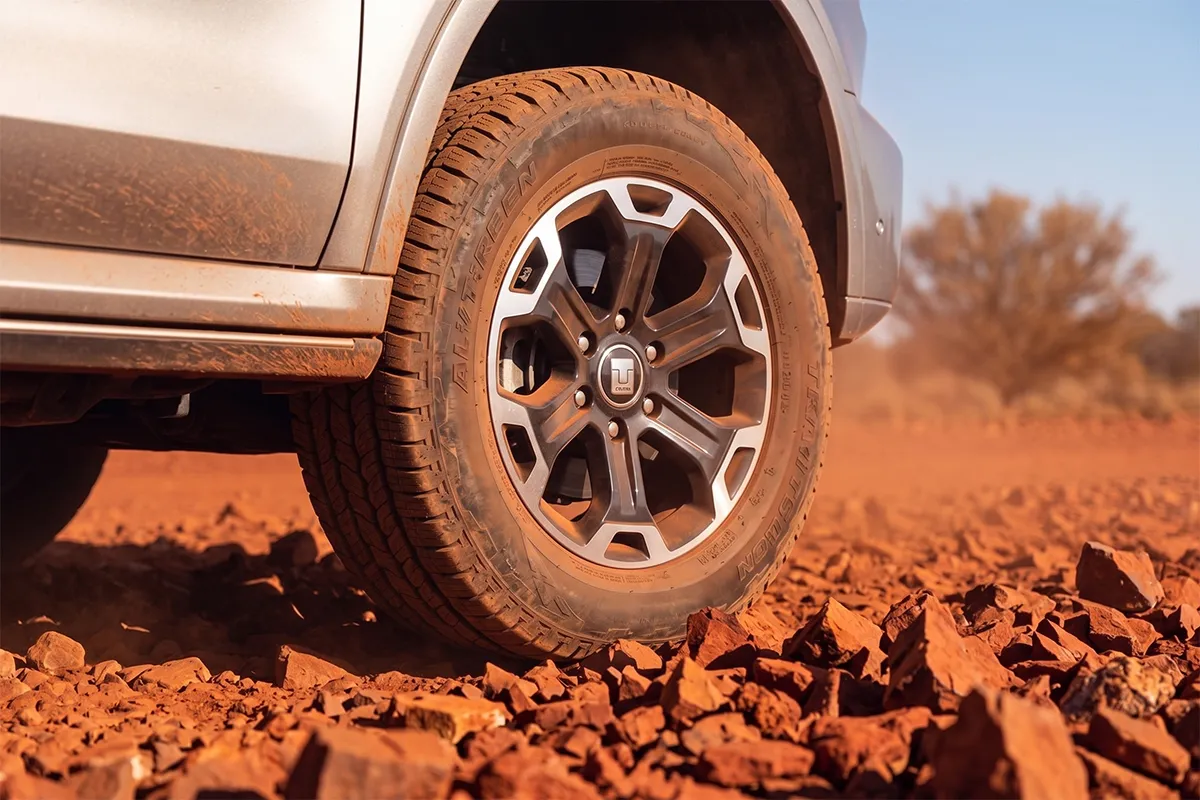
You need Light Truck (LT) tyres with thick, reinforced sidewalls. You also need to drop your tyre pressures. Running 38 PSI on severe corrugations will rattle your suspension mounts to pieces, shake your dashboard loose, and drastically increase the risk of a puncture. Dropping to 26 or 28 PSI allows the tyre to absorb the harsh impacts, smoothing out the ride and protecting your vehicle’s vital components.
If you are taking an AWD hybrid, you must accept its mechanical limitations. You cannot tow a full-size caravan on this track with a soft-roader. The immense weight, combined with the lack of a low-range transfer case and relatively fragile drivetrain components, is a recipe for catastrophic failure. If you are towing anything heavier than a light camper trailer, a true 4×4 with a ladder-frame chassis is completely non-negotiable.
Campsites and the Reality Check
The track offers brilliant camping at Coward Springs and Algebuckina Bridge. A successful trip relies on matching your vehicle’s capability to the terrain, driving to the conditions, and actively monitoring your hybrid system’s vitals.
Where should you camp along the track?
The Oodnadatta Track traces the route of the old Ghan railway, and fascinating industrial history is scattered all along the roadside. Coward Springs offers a brilliant wetland oasis and a natural spa built from an old bore. It is an essential overnight stop that provides a bizarre, lush contrast to the surrounding desert. Further north, the massive Algebuckina Bridge provides excellent bush camping right along the banks of the Neales River.
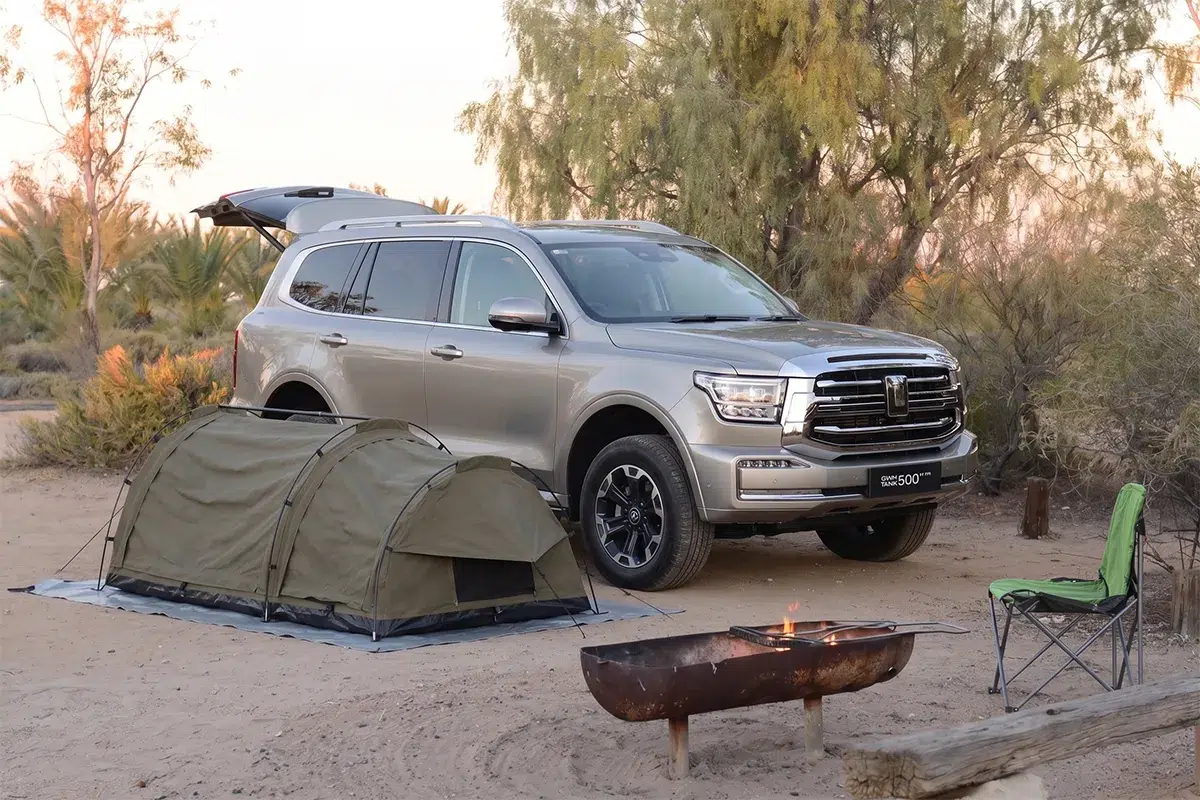
When you pull into camp, a modern plug-in hybrid offers a unique set of advantages. Vehicles equipped with Vehicle-to-Load (V2L) technology can power induction cooktops, site lights, and fridges directly from the high-voltage battery. This entirely eliminates the need for a noisy, vibrating petrol generator ruining the outback silence. The Tank 500 PHEV’s 6kW V2L capacity is a massive asset when you are pitched up hundreds of kilometres from the nearest grid.
However, the reality check remains constant. If you drive a standard city-focused hybrid, do not push it beyond its engineering limits. The outback does not care about your impressive urban fuel efficiency. Drive slowly to preserve your tyres, keep your cabin scrupulously dust-free to protect the battery cooling system, and check your air filters daily.
Taking a hybrid across the Oodnadatta Track is absolutely achievable today. But it requires meticulous preparation and a brutally clear understanding of where the electric technology becomes a liability rather than an advantage. Prepare the rig properly, respect the brutal nature of the gibber plains, and the desert will deliver an incredible adventure.


