
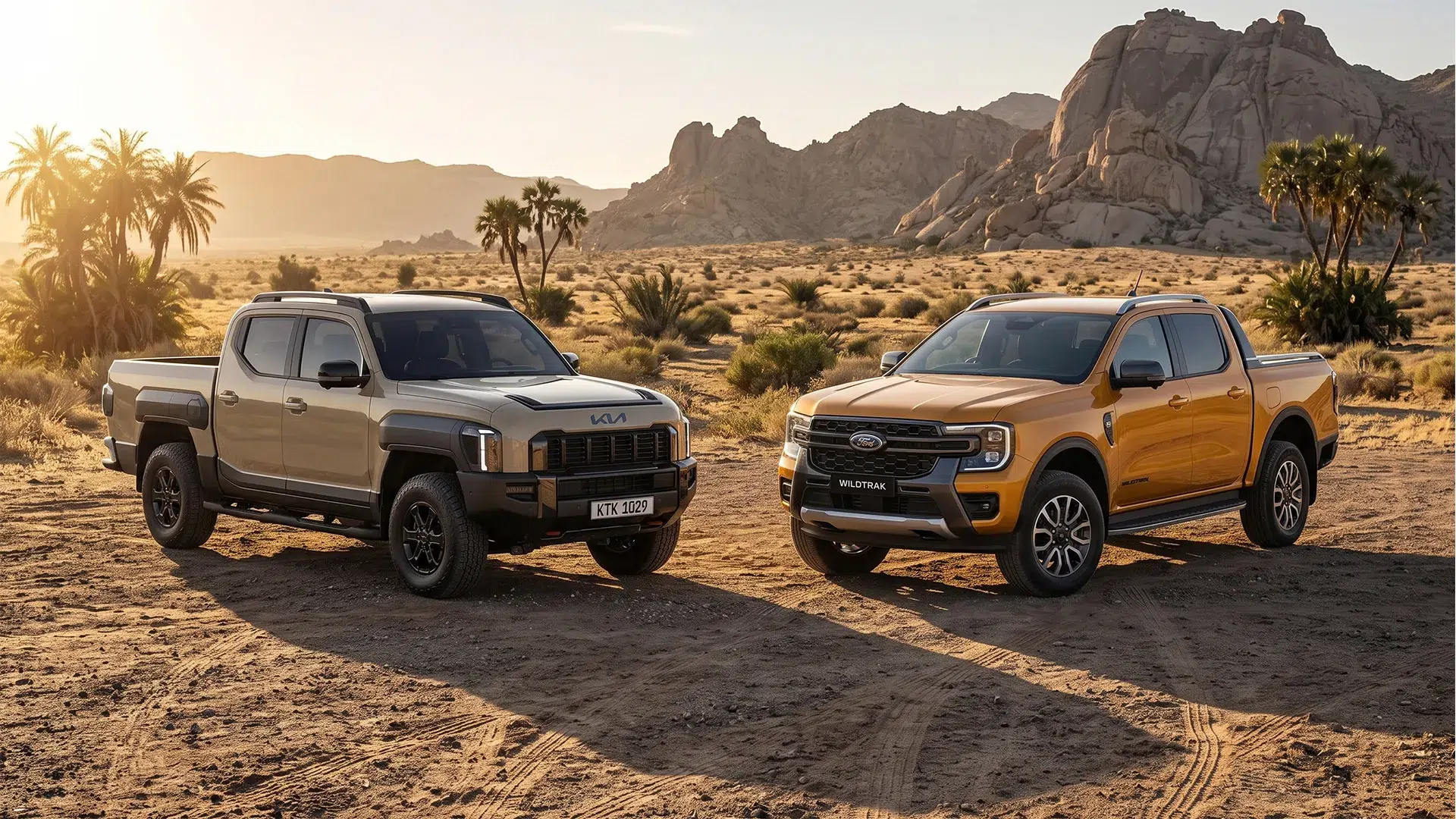

The Tasman is not a rebadged rival or a cut-price also-ran. It is a ground-up ute Kia engineered with Australia squarely in mind, and it arrives aimed directly at the Ranger’s throat. So we have lined up the two flagships that matter: the Tasman X-Pro at $74,990 against the Ford Ranger Wildtrak V6 at $75,090, both before on-road costs.
A hundred dollars apart on paper. Miles apart in philosophy. This is diesel versus diesel, challenger versus champion, and it is the closest fight the segment has seen in years.
Tasman X-Pro vs Ranger Wildtrak V6
Why This Fight Even Matters
Is the Kia Tasman really a threat to the Ranger?
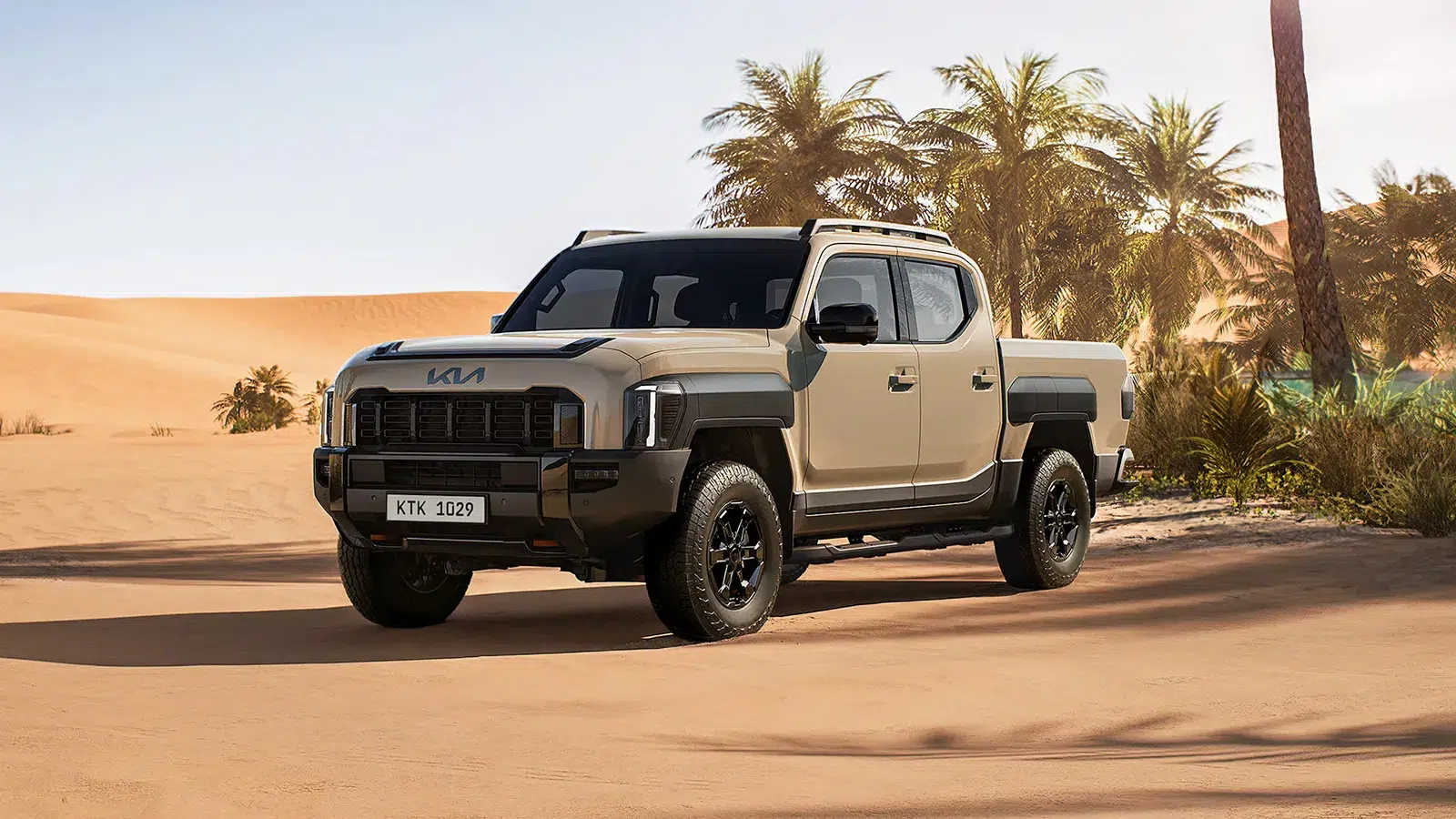
Yes, and that alone is news. No new nameplate has genuinely rattled the Ranger and HiLux in a decade. Kia developed the Tasman with heavy Australian input, tuned it on local roads, and priced it to fight. This is no toe in the water.
The stakes are enormous. The Ranger has owned the sales charts, and the dual-cab segment is the most lucrative in the country. A credible new entrant does not just poach buyers. It forces the incumbents to sharpen pricing and spec across the entire range.
Kia also arrives without the baggage of a nervous first attempt. The Tasman feels engineered rather than adapted, and that is exactly why Ford should be paying attention.
Round One: What’s Under the Bonnet
The Ranger wins the engine fight outright. Its 3.0-litre turbo-diesel V6 makes 184kW and 600Nm through a ten-speed auto. The Tasman counters with a 2.2-litre four-cylinder making 154kW and 440Nm, paired to an eight-speed. On grunt alone, this is not close.
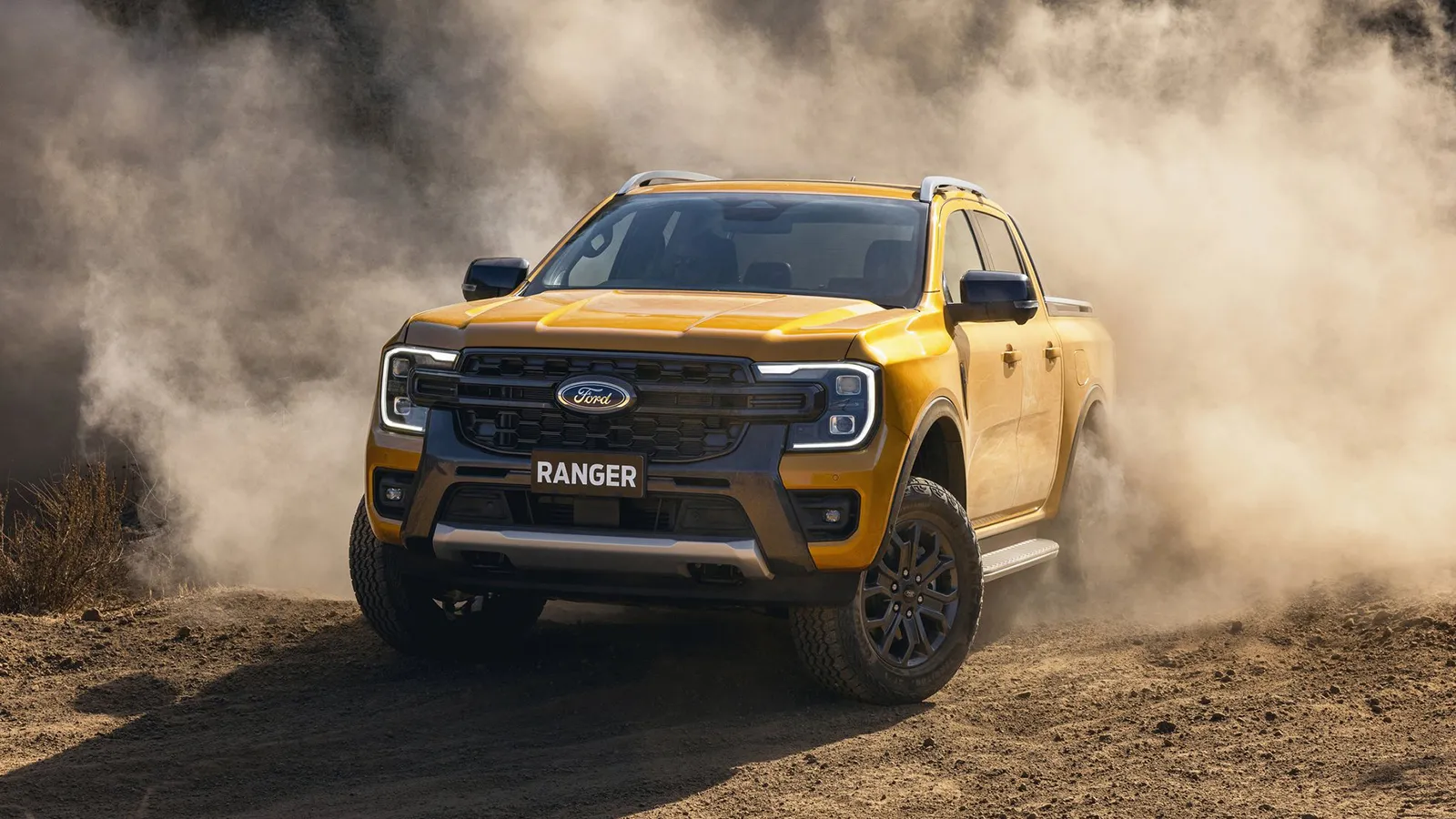
That 160Nm torque gap is the sort of thing you feel, not just read. Load the tray, hook up a van, point it at a hill, and the V6 simply does the work with less drama. Ford’s decade of ute engineering shows in how unbothered the Wildtrak feels when asked.
The Tasman is not embarrassed, though. Its 2.2 is a willing, refined unit, and Kia’s eight-speed shuffles ratios cleanly. For daily driving and moderate loads, the smaller engine feels perfectly adequate. It only starts to breathe hard where the V6 is still loafing.
Both run full-time four-wheel drive with selectable modes, so traction is never the sticking point. The difference is character. The Ranger’s ten-speed keeps the V6 in its sweet spot with a fluidity that borders on effortless. The Tasman’s eight-speed is good, just not quite that polished when the tray is full.
Here is the honest catch that both camps ignore. Neither of these gets close to its claimed fuel figure once there is weight aboard. The Tasman quotes around 8.0L/100km, the V6 a touch more, but real-world towing numbers tell a very different story.
Advantage Ranger, and by a clear margin. If your world revolves around maximum thrust, stop reading and go sit in the Ford.
Round Two: Where You Actually Sit
Engines win arguments at the pub. Cabins win the daily grind. And this is where the Tasman lands its first real blow.
Step inside and the Tasman feels newer, brighter and better screwed together. Twin 12.3-inch displays anchor a cabin with clever storage and genuine rear-seat space. The Ranger’s interior is still excellent and more truck-familiar, but it is the older design now, and you notice.
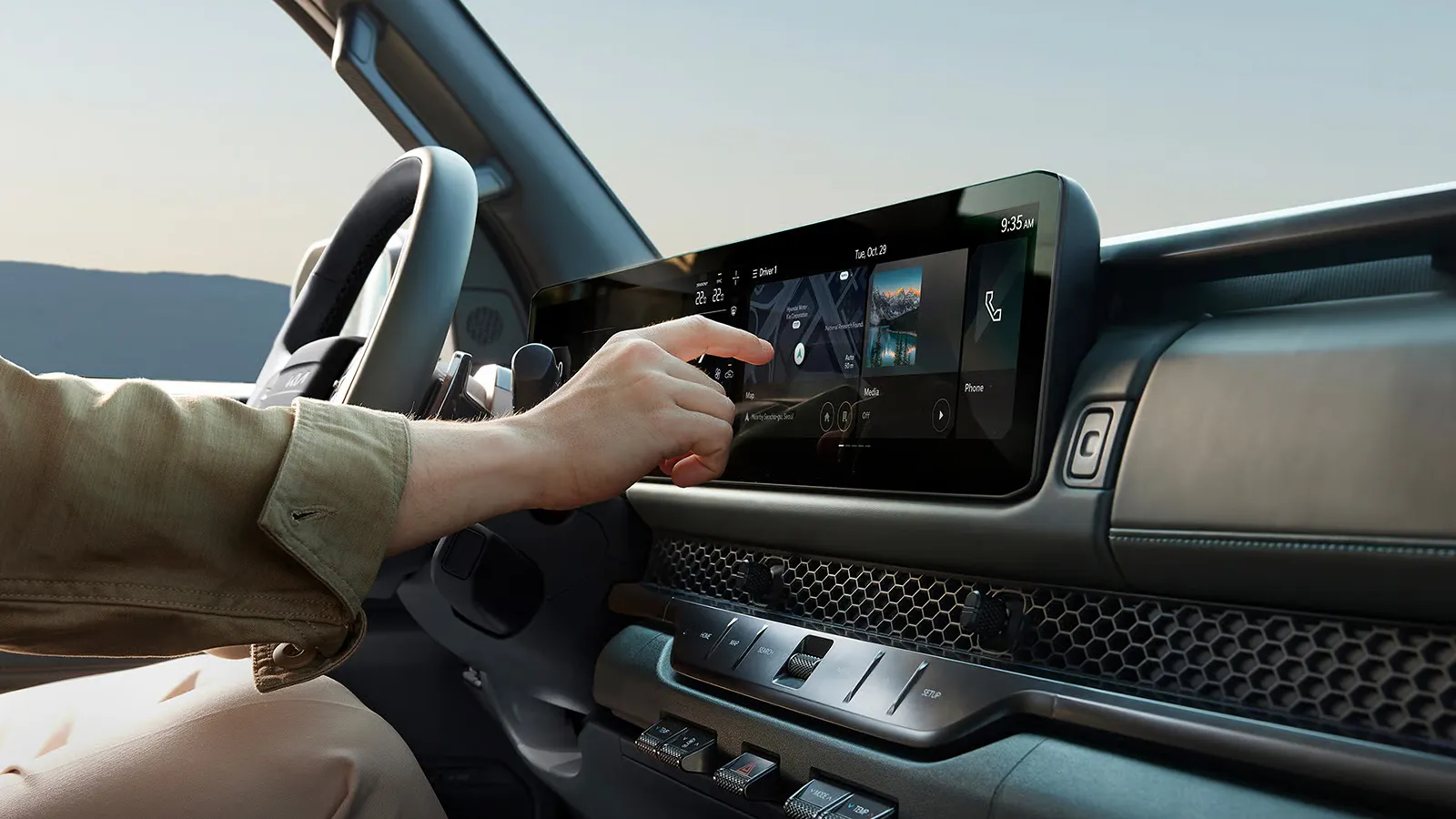
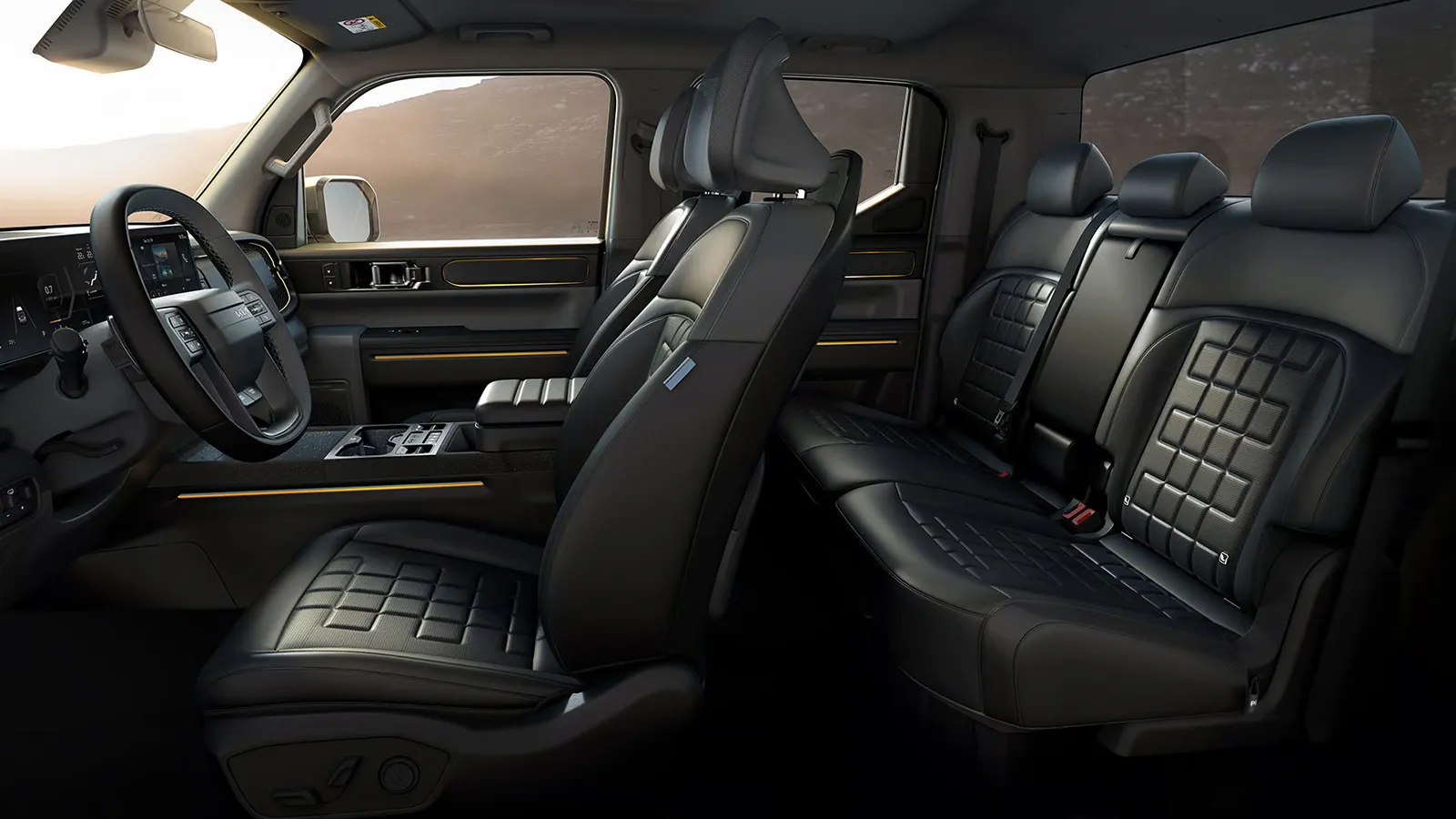
Kia threw out the ute-cabin rulebook. The dash is airy, the materials lift above workboot-durable into something you would happily commute in, and the back seat is among the roomiest in the class. The polarising exterior hides a genuinely resolved interior.
The Ranger answers with maturity. Its portrait touchscreen, B&O sound and heated leather seats still feel premium, and the driving position is the class benchmark. Nothing about the Wildtrak cabin feels cheap. It just no longer feels the freshest thing in the showroom.
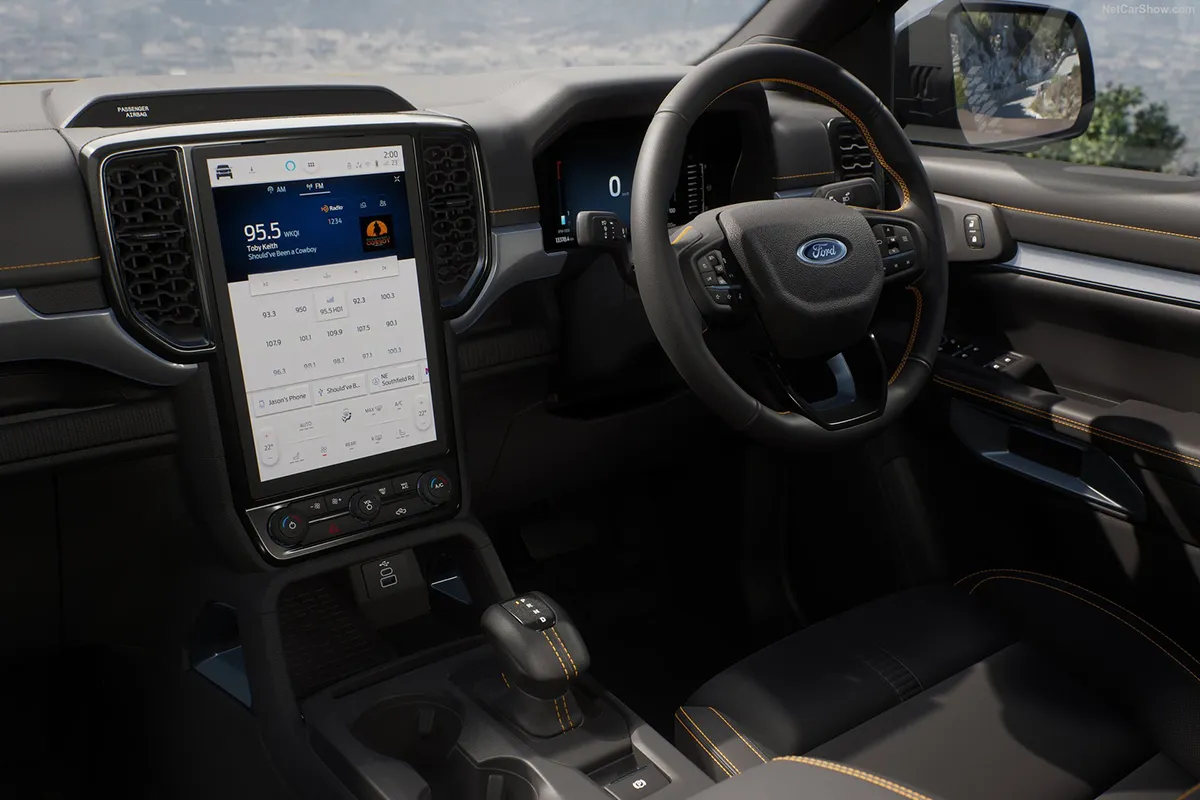
On features, the two trade blows. The Tasman counters with clever underseat and dash storage, a flat-folding rear bench and USB-C points scattered sensibly through the cabin. The Wildtrak hits back with a slick 360-degree camera suite, wireless charging and infotainment that has had years to iron out its quirks.
Call this round to Kia on newness, with an asterisk. Ranger loyalists will prefer the familiar layout and the sense that every switch has been proven over hundreds of thousands of sales. Newness cuts both ways in a work vehicle.
Round Three: The Bit Tradies Care About
Forget the touchscreens for a minute. A ute earns its keep by what it tows and what it carries, and here the fight tightens right up.
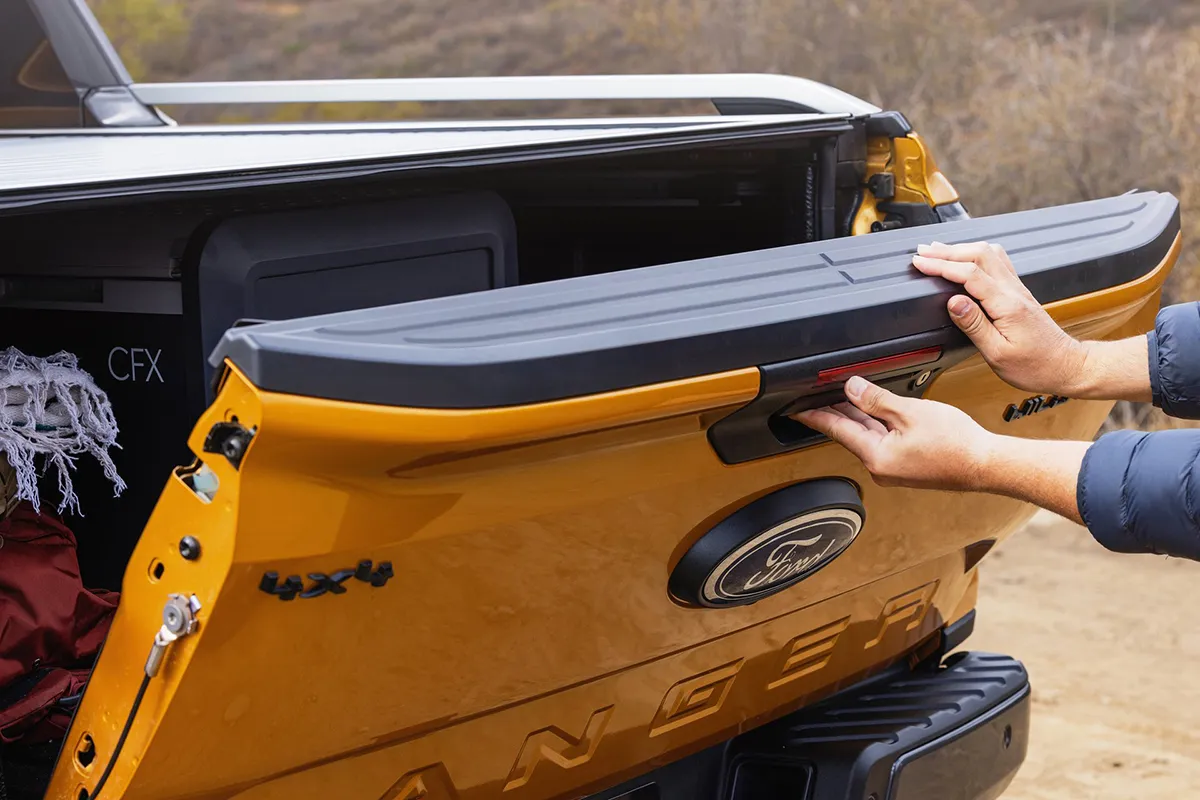
Both utes tow the full 3,500kg braked, so on the trailer weight that matters most, it is a genuine dead heat. The Tasman then edges ahead on the load bed: a 1,512mm tub holding 1,173 litres and swallowing a full pallet between the arches, with payload up to 1,000kg.
That matched 3,500kg rating is not us splitting the difference. Both makers quote it, so we report it. Where they part ways is the tray. The Tasman’s tub runs 1,512mm long against the Wildtrak’s 1,464mm, and Kia designed it to take a standard Australian pallet flat.
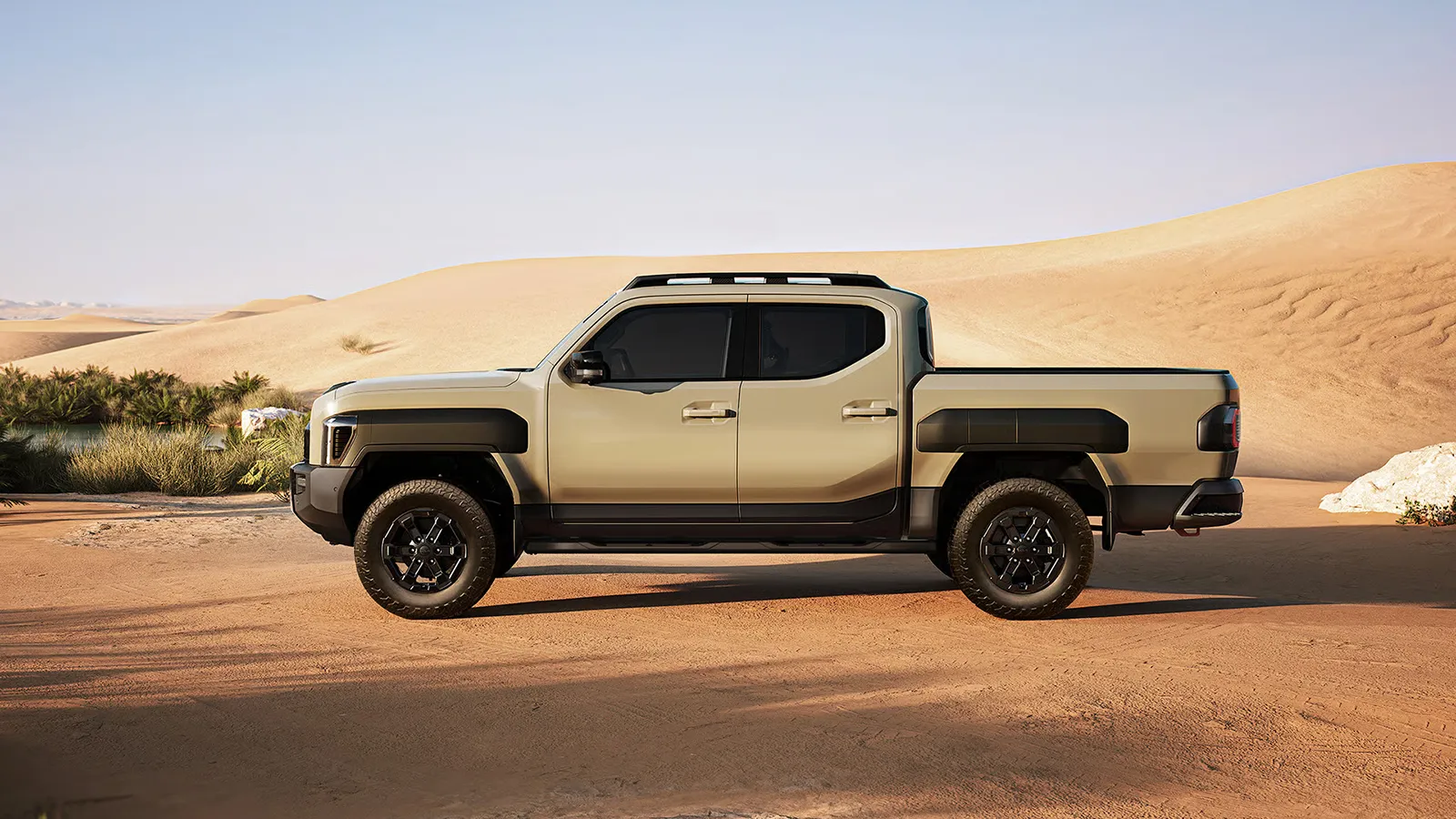
Payload is the Tasman’s quiet win. It carries up to a tonne, while the V6 Wildtrak sits a little under that, weighed down by the heavier six-cylinder up front. For a genuine work truck hauling tools and materials daily, that difference is real money and real capability.
Then there is the aftermarket reality, and it swings the other way hard. The Ranger has a decade of canopies, drawers, bar work and tow gear built for it. The Tasman’s accessory ecosystem is a newborn by comparison. If you kit your ute out heavily, that gap matters more than 48mm of tub length.
Round three splits. Tasman on raw numbers, Ranger on the ecosystem that turns numbers into a finished rig.
And When the Tar Runs Out
The brief said the dirt, so let’s talk dirt. This is where Kia most wanted to prove itself, and on the spec sheet it has done exactly that.
On paper the X-Pro is the more serious off-roader. It offers 252mm of ground clearance to the Wildtrak’s 234mm, matches its 800mm wading depth, and adds an X-Trek low-speed off-road cruise mode. Published off-road tests rate it a genuine match for the Ranger away from the blacktop.
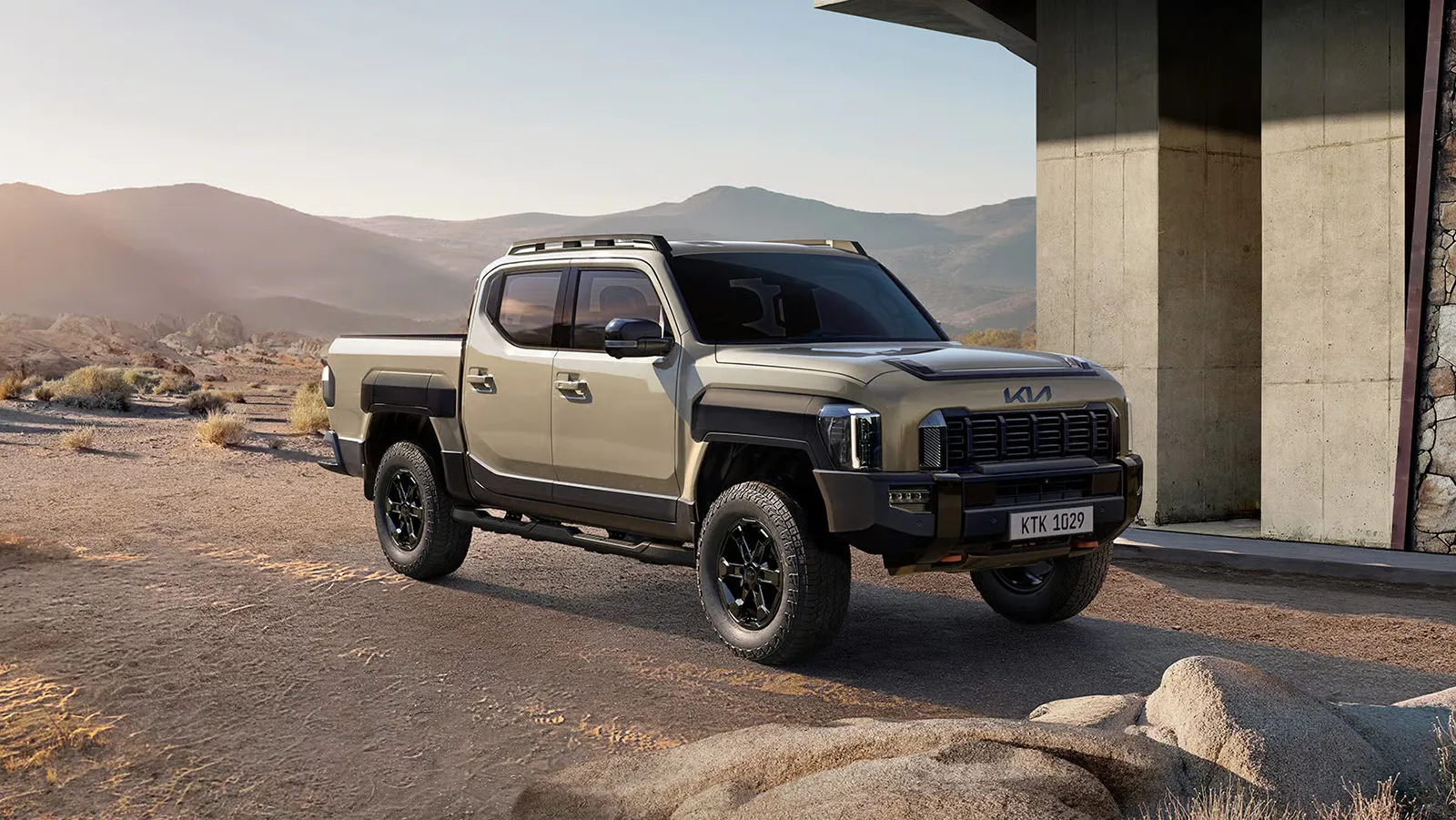
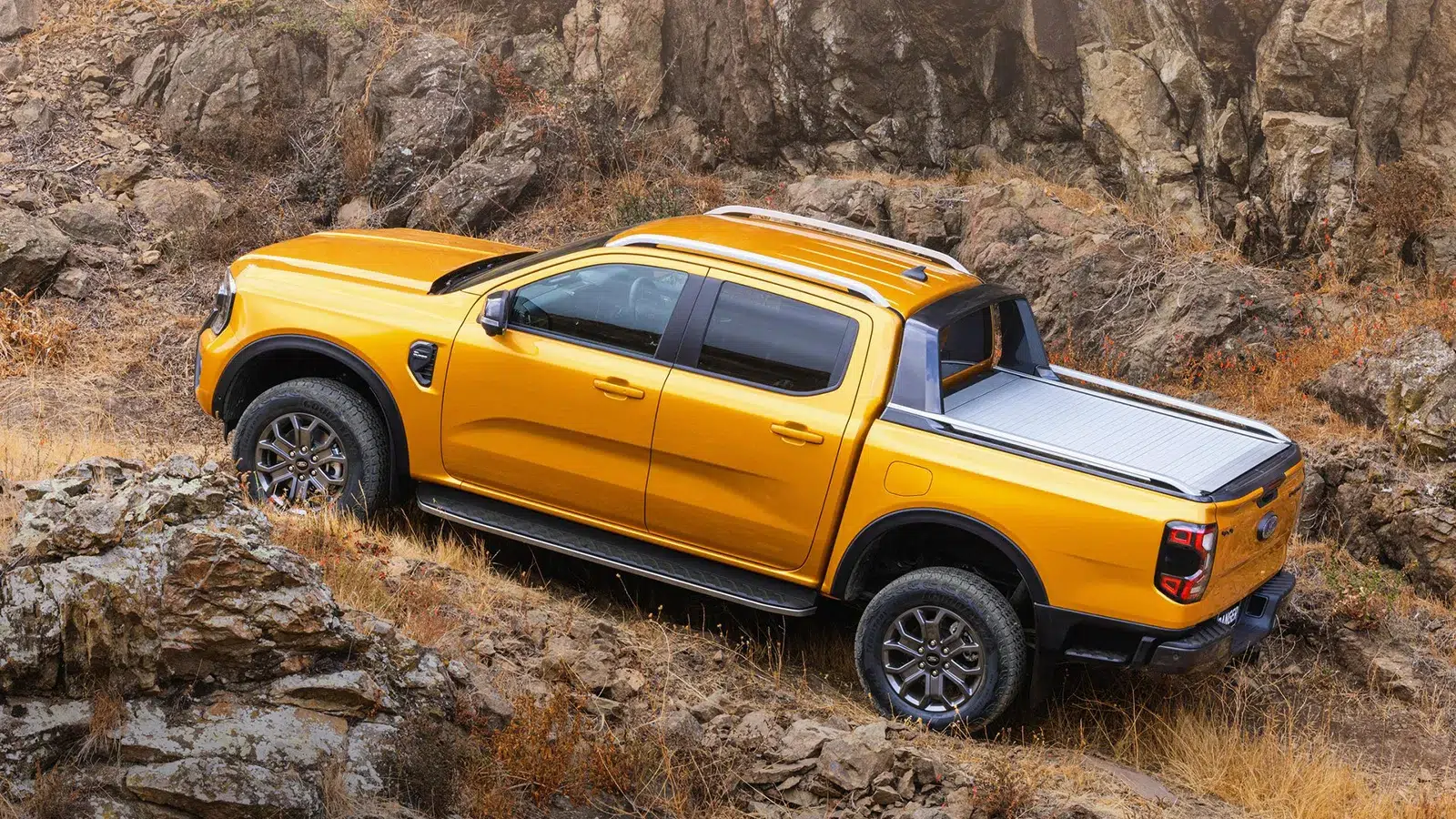
The X-Pro was clearly engineered to be taken seriously in the scrub. Its approach and departure angles, locking rear diff and dedicated Sand, Mud, Snow and Rock modes are not marketing garnish. Reviewers who have run it through proper terrain came away impressed rather than merely polite.
That said, hardware is only half the story off-road. Tyre choice, recovery gear and driver nous decide most tracks, not a spec sheet. The X-Pro gives you the ingredients. Whether it inspires the same deep-outback confidence as a proven Ranger is a question only years of remote touring will answer.
The Ranger’s counter is harder to quantify. It is a known, trusted, sorted thing off-road, with a bottomless well of tracks, forums and fixes behind it. When you are 400km from bitumen, that inherited confidence is worth something no spec sheet captures.
Neither of these needs excuses in the bush. The Tasman brings the numbers. The Ranger brings the runs on the board.
So Which One Do You Actually Buy?
No single winner here, and any comparison that hands you one is lying to you. The right ute depends entirely on what you do with it.
Buy the Ranger Wildtrak V6 if you tow heavy every week, plan a serious aftermarket build, or simply want the most proven ute in the country. Buy the Kia Tasman X-Pro if you want the newer cabin, the bigger payload, the sharper off-road numbers and seven years of warranty for the same money.
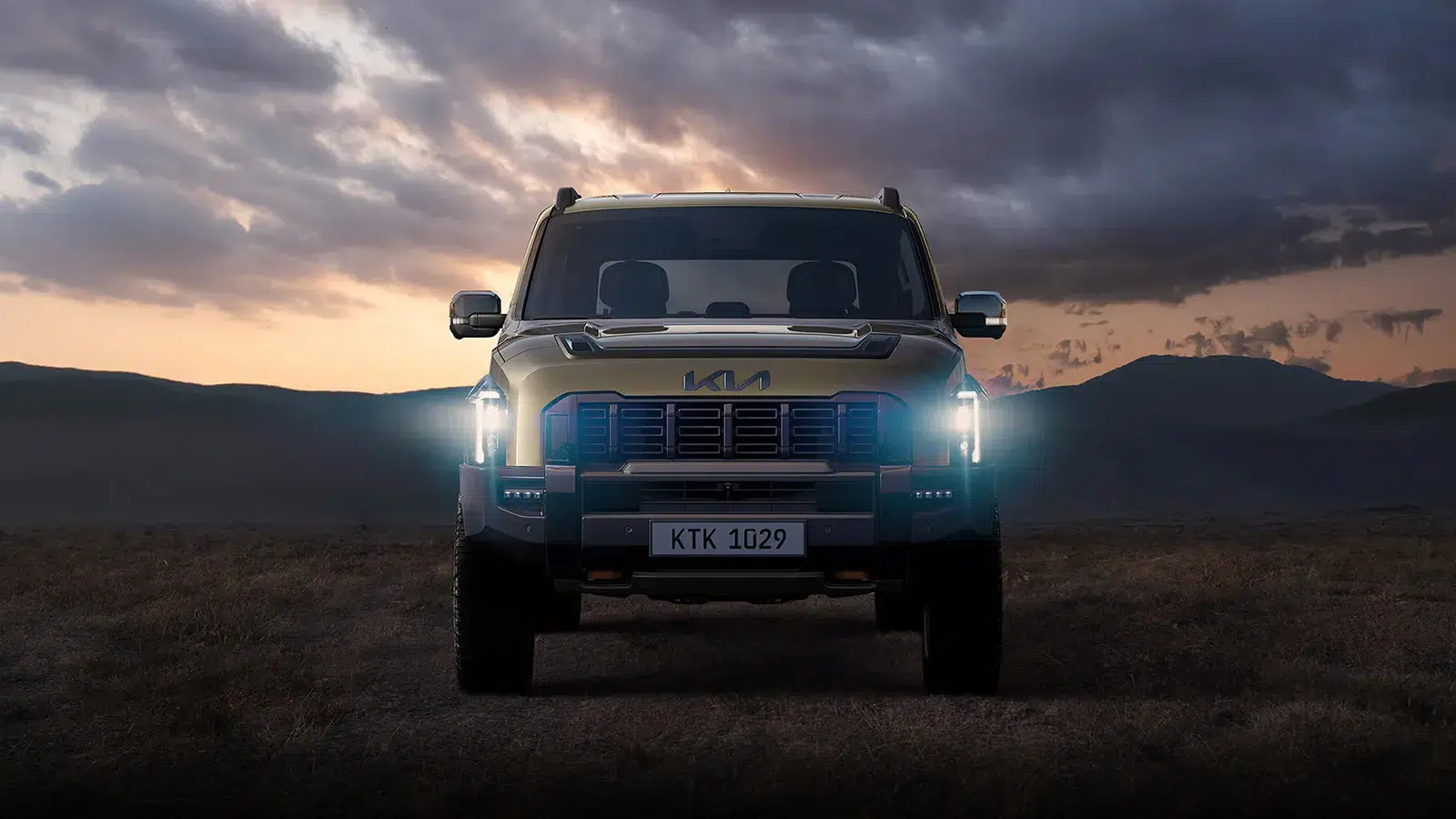
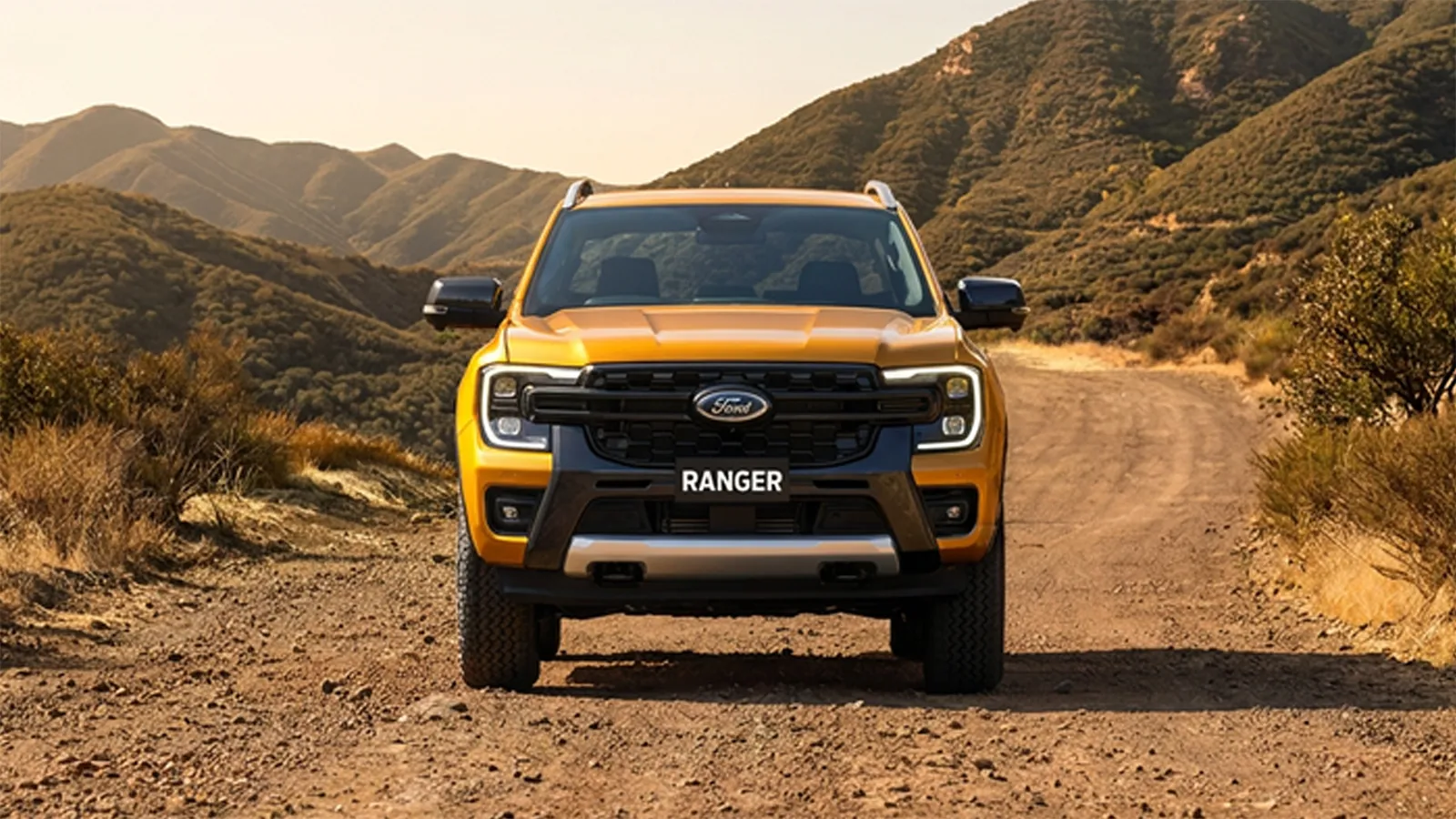
For the heavy-duty tower and the outback tourer with a shopping list of accessories, the Ranger is still the safe, sensible answer. That V6 torque and the decade-deep aftermarket are advantages you feel every single weekend.
For the tradie who values payload, or the family buyer who wants a fresher, roomier cabin, the Tasman makes a genuinely compelling case. Add Kia’s seven-year warranty against Ford’s five, and the ownership maths tilts Korean.
On pure value, the Tasman is hard to argue with. Same money, more warranty, more payload, sharper off-road numbers and a newer cabin. The Ranger’s premium is really a premium for certainty: resale you can bank on and a support network that already exists. Some buyers will happily pay it. Plenty no longer will.
Do not buy on badge loyalty alone. The Ranger is no longer the automatic choice, and pretending otherwise costs you money. That is the real headline. For the first time in a decade, the reigning champion has to actually earn its crown, and it is buyers who come out ahead.
The wider ute war is only heating up, with Toyota’s HiLux also scrambling to answer the Ranger.


