
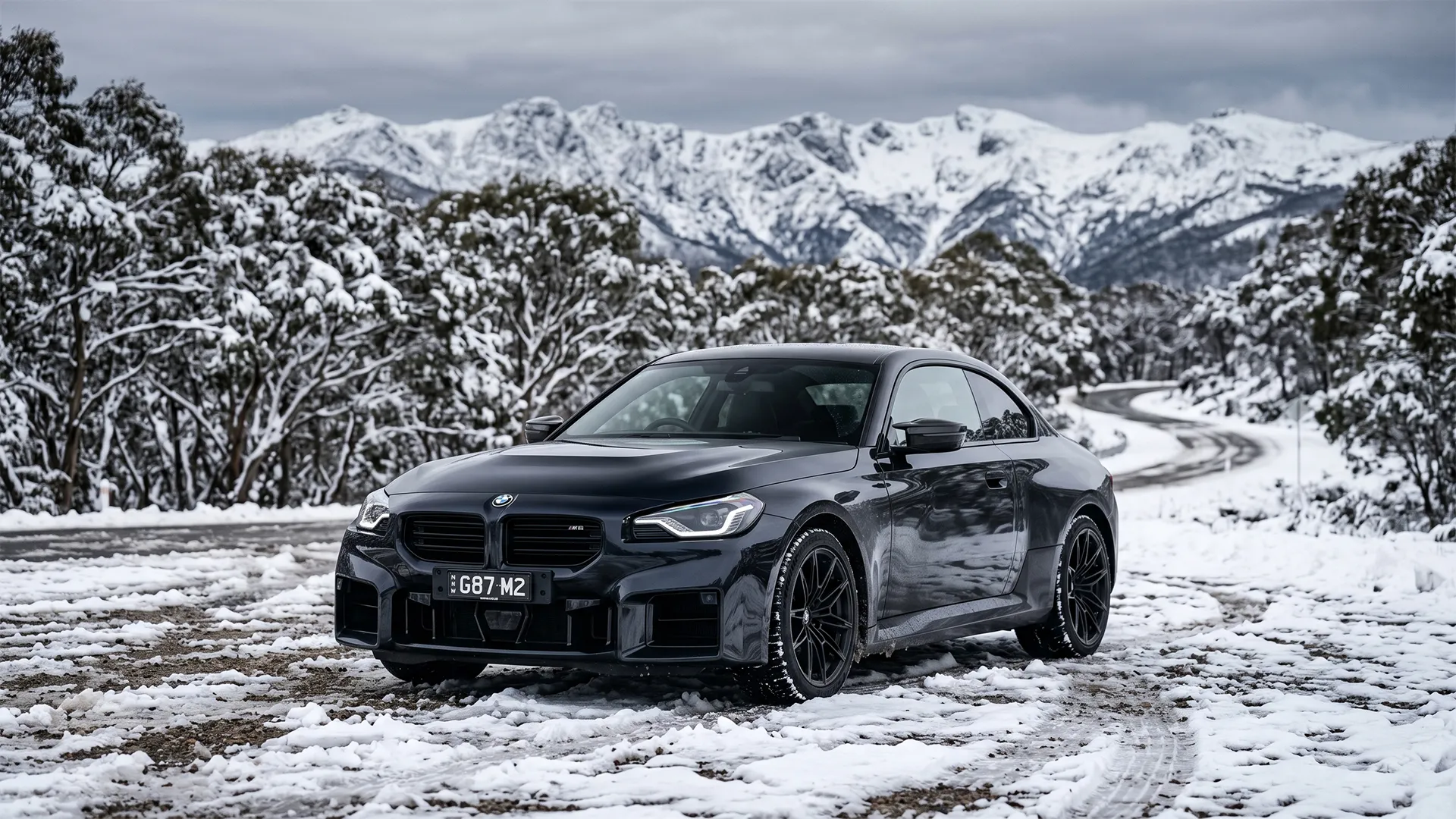

The Alpine Way runs approximately 120 kilometres from Jindabyne to Khancoban, climbing through Thredbo and over Dead Horse Gap at 1,580 metres before descending one of the most technically demanding sealed descents in the country. In July it is cold, often frozen at the top, and absolutely worth the drive.
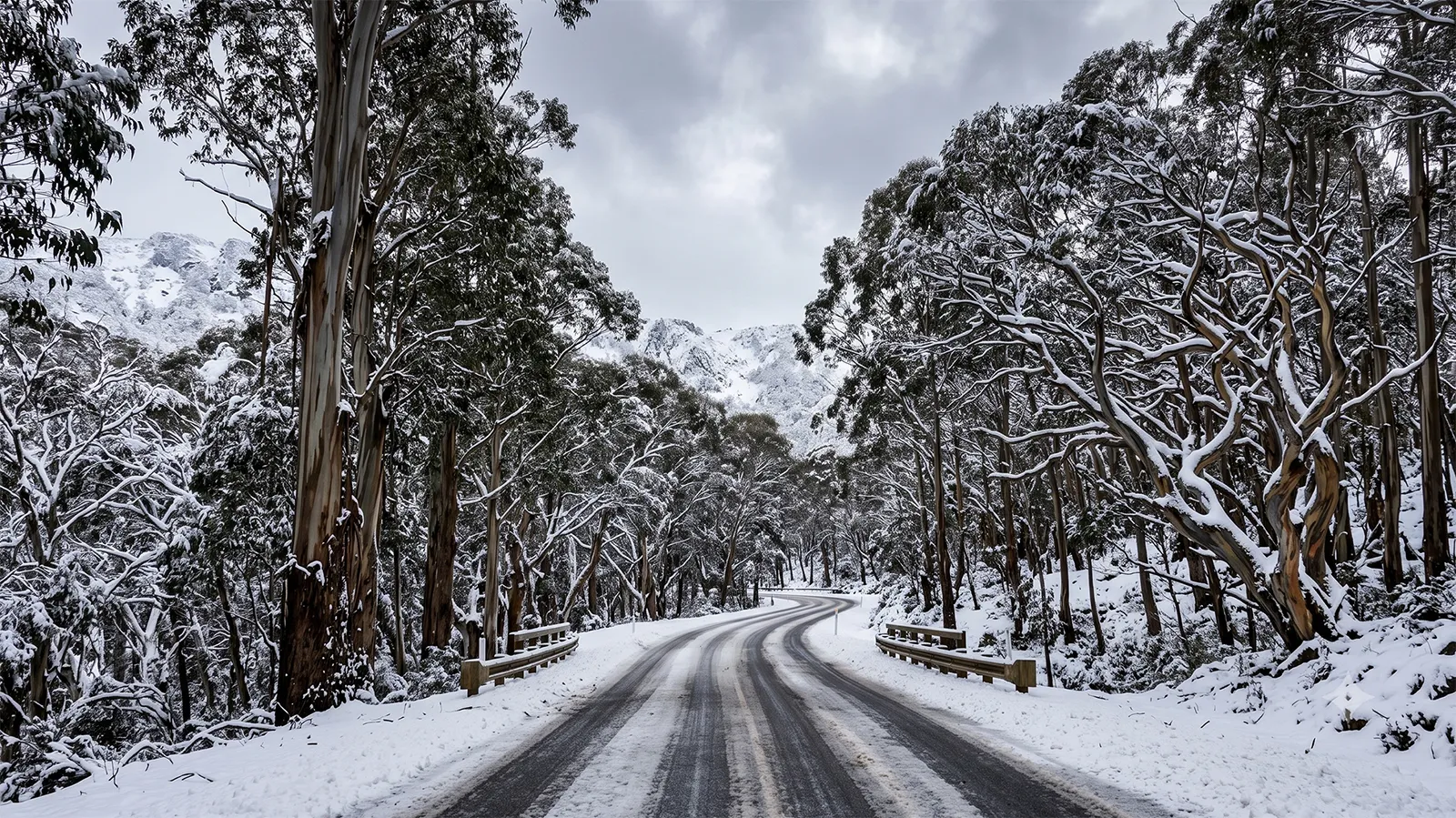
What the Alpine Way Actually Is
How long does the Alpine Way take to drive?
Plan for a minimum of three hours driving without stops, more if you descend to Geehi Flats or linger at Dead Horse Gap. Most drivers treat it as a one-way route from Jindabyne west to Khancoban. The return trip doubles the time and misses the point of the western descent.
The route starts in Jindabyne, follows the Thredbo River valley for the first 35 kilometres to Thredbo village, then climbs sharply to Dead Horse Gap before beginning a 1,000-metre descent over just 18 kilometres. The final 70 kilometres to Khancoban are tight, narrow, and genuinely absorbing.
The road is sealed end to end, with a small number of very short unsealed sections near campground turnoffs that any car handles without drama. The character of the drive splits sharply at Dead Horse Gap.
The Road Itself
What kind of driving does the Alpine Way offer?
The eastern section, Jindabyne to Thredbo, is the warm-up. Open valley driving, good sight lines, the Thredbo River running alongside the road. This is where brumbies first appear beside the road if you are early and patient.
Dead Horse Gap is where the tone changes. At 1,580 metres it is the highest point on the route, the last mobile signal you will receive until approaching Khancoban, and the start of a 1,000-metre drop over 18 kilometres. The gradient is steep and sustained. This is not a road for a car with soft brake pads and overdue fluid.
Past the Gap, the road drops into tall eucalypt forest and becomes something different. The corners tighten, the sight lines shorten, and the elevation change demands your attention in a way the eastern section never prepared you for. In a GR Yaris, BRZ, or anything with genuine weight transfer feedback, this stretch rewards patience and commitment. In an SUV on worn all-seasons, it demands respect for different reasons. Emus and kangaroos appear through this section, especially in the early morning. The road is narrow enough that oncoming traffic requires a decision from both drivers. Do not be the one who needed to be somewhere.
Scammells Lookout, roughly 20 kilometres from Khancoban, is the best viewpoint on the whole route: a direct sightline to Mt Townsend at 2,209 metres, Australia’s second-highest peak. Stop here.
The Winter Rules You Need to Know
Do you need snow chains on the Alpine Way?
All 2WD vehicles must carry snow chains on the Alpine Way from the June long weekend through to the October long weekend. This is a legal requirement, not a recommendation. Rangers enforce it. Chains can be hired at Jindabyne or Thredbo and dropped at Khancoban if you are doing the one-way route.
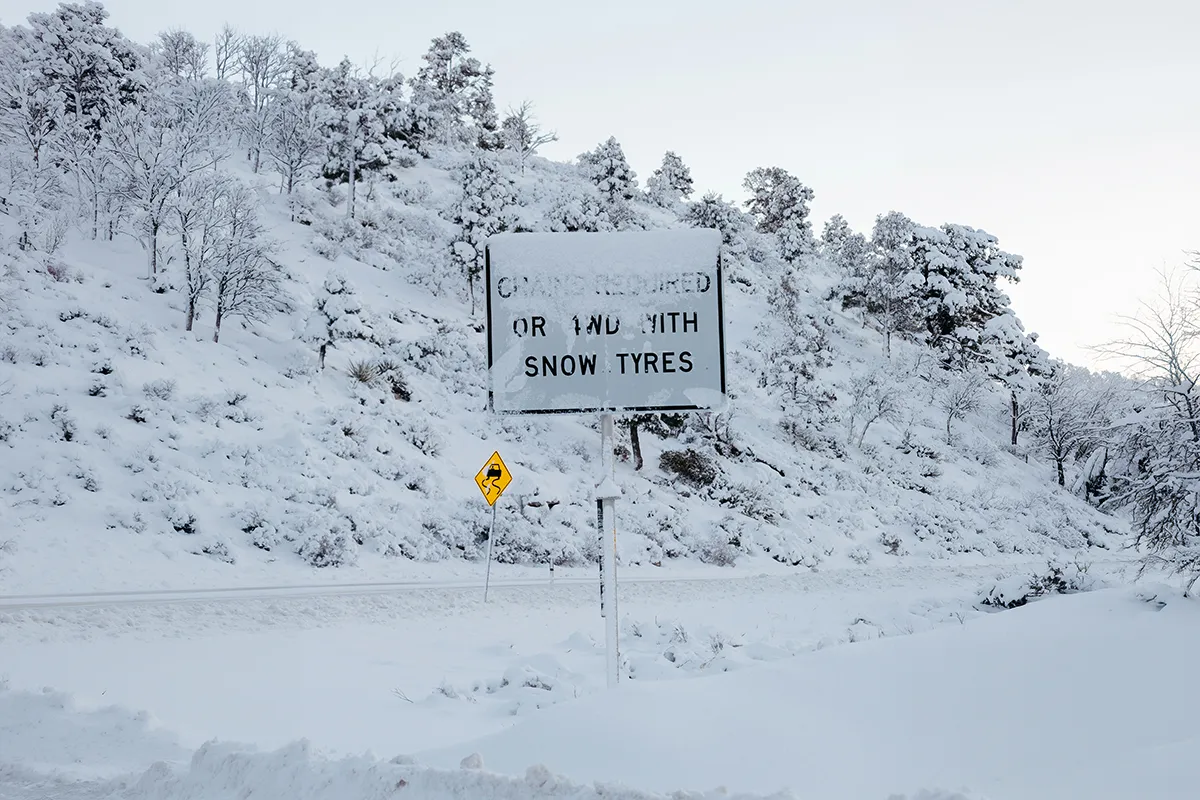
4WD and AWD vehicles are not legally required to carry chains but should, particularly on the upper sections where black ice forms without warning after dark or in the early morning. Kosciuszko National Park entry costs $29 per vehicle per day across the winter season, $12 for motorcycles.
Check Live Traffic NSW before leaving. Road closures from snow, ice, and rockfall occur without much notice, and mobile coverage drops completely between Dead Horse Gap and the final approach to Khancoban. Two sections are closed entirely in winter: the road from Khancoban to Cabramurra, and Charlotte Pass, which is only accessible by over-snow transport from Perisher.
The Stops Worth Making
Where should you pull over on the Alpine Way?
Dead Horse Gap is the obvious one. Pull off, stand at 1,580 metres, and look at the Main Range. Brumbies are regularly sighted on and beside the road here. This is also the last point where you can make or receive calls before Khancoban, so plan accordingly.
Scammells Lookout at the 84.5-kilometre mark provides the most striking view on the route: Mt Townsend at 2,209 metres, on a clear winter day, filling the frame to the north. Allow 15 minutes. Further west, Geehi Flats Campground sits alongside the Swampy Plains River with a stone hut from the 1950s that has no equivalent on the Victorian alpine roads.
Tom Groggin, closer to Khancoban, marks the historic cattle station said to be Banjo Paterson’s inspiration for The Man from Snowy River. In winter the campground is quiet and the Murray River runs fast alongside it. Even if you do not stop, knowing you are driving past this country adds something to the trip.
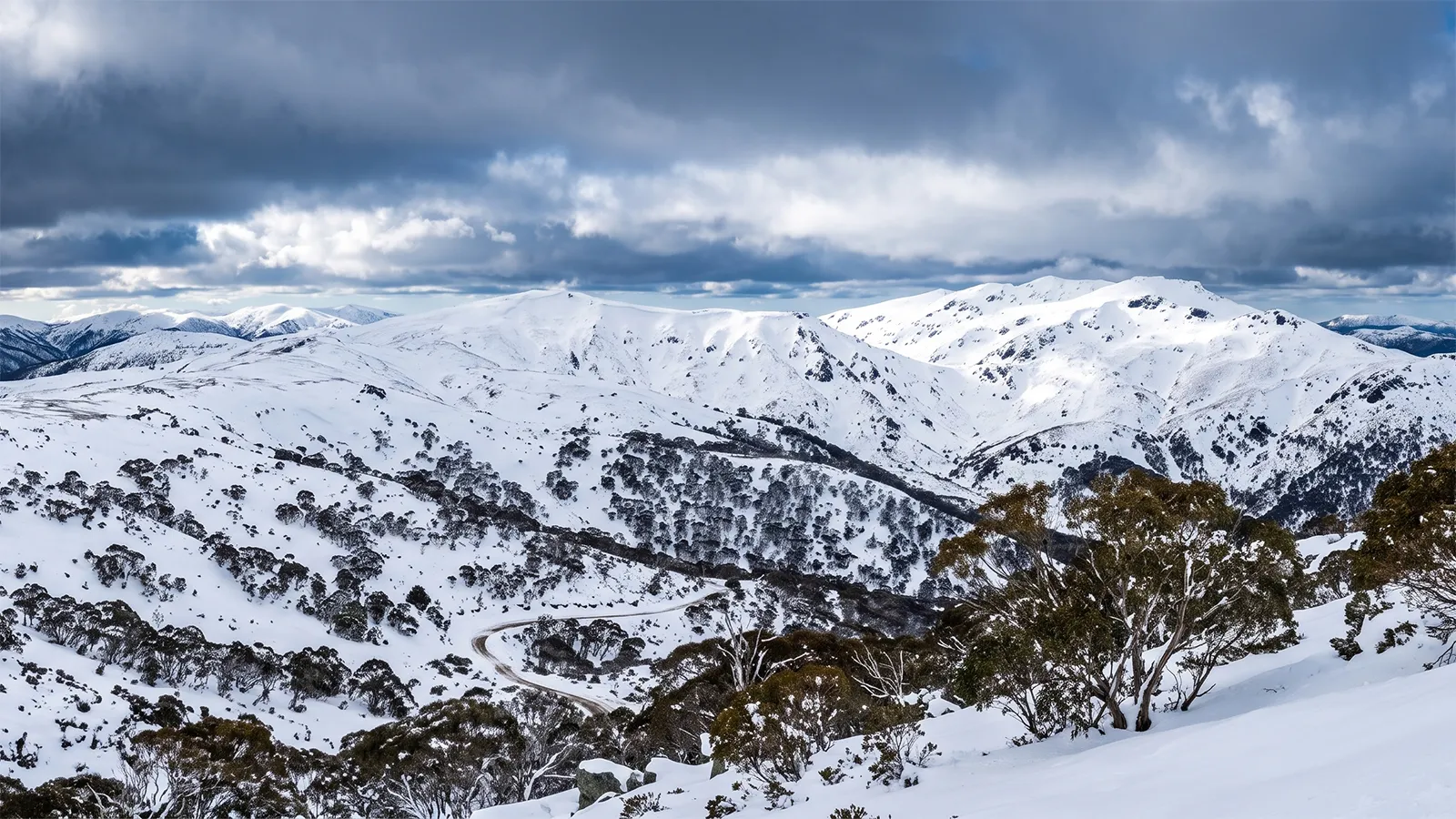
Which Car Does This Road Best
What’s the ideal car for the Alpine Way in winter?
AWD with genuine winter-rated tyres is the honest answer. The sustained descent from Dead Horse Gap will find brake fade in any car with tired fluid or worn pads. Manual drivers have a specific advantage on this road: engine braking through the drop is a tool, not a technique reserved for track days. In an automatic, use sport mode or paddle-hold a low gear and mean it.
If you have driven the Great Alpine Road in Victoria, the western section of the Alpine Way will feel comparable in gradient and narrowness. The difference is that Mount Hotham offers more frequent passing opportunities. This road does not. A Subaru WRX, M2, or anything rear-biased deserves genuine attention on the damp sections below the Gap. Misjudge the width anywhere on the 70-kilometre western run and you are into the bank or the drop. If you are in a 2WD, chains on this section are not optional, they’re the law.
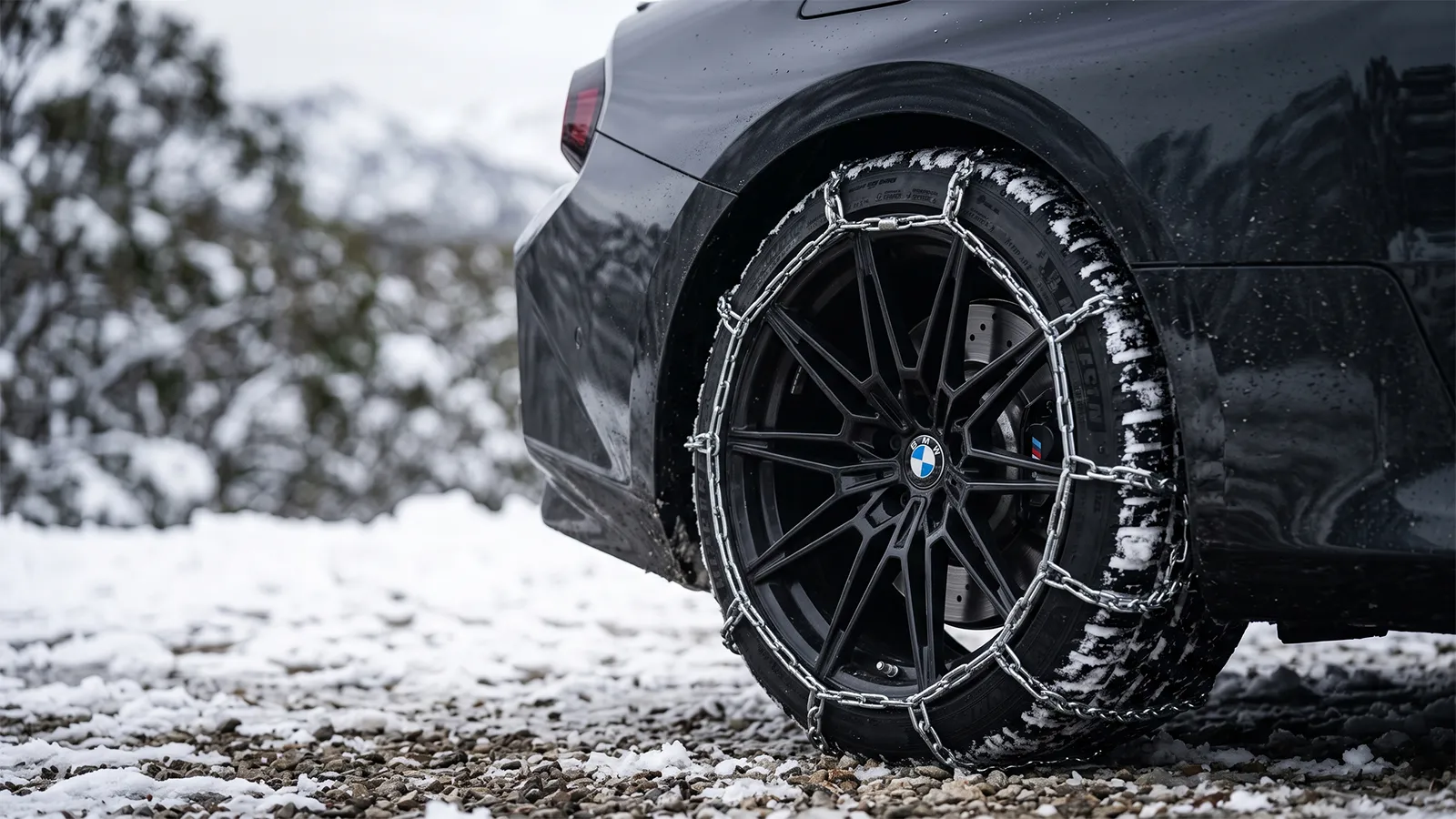
Summer-compound tyres at sub-zero temperatures at 1,580 metres are a different product to what they are at sea level. If your set is approaching the end of its life, sort it before the drive. For readers wanting more on what a genuine high-country preparation looks like, the Blue Rag Range Track Guide covers vehicle and tyre prep for serious alpine conditions.
The Verdict
The Alpine Way does not compete with the Great Alpine Road for brand recognition. It does not need to. The western descent from Dead Horse Gap to Khancoban is better driving than most of what the Victorian route offers, and in winter the road thins out to near-nothing past the Thredbo turnoff. You will largely have it to yourself.
Drive it east to west. Leave Jindabyne early. Carry chains if you are in a 2WD. Have your brakes checked before you go. Stop at Dead Horse Gap and again at Scammells. The road does the rest.


