

Most car vacuums are sold on a number: 120 watts, 20 kilopascals, “powerful suction”. Few of those numbers tell you much. The best car vacuum cleaner is often a tool you already own, running on a battery that’s charged because it shares a charger with your drill.
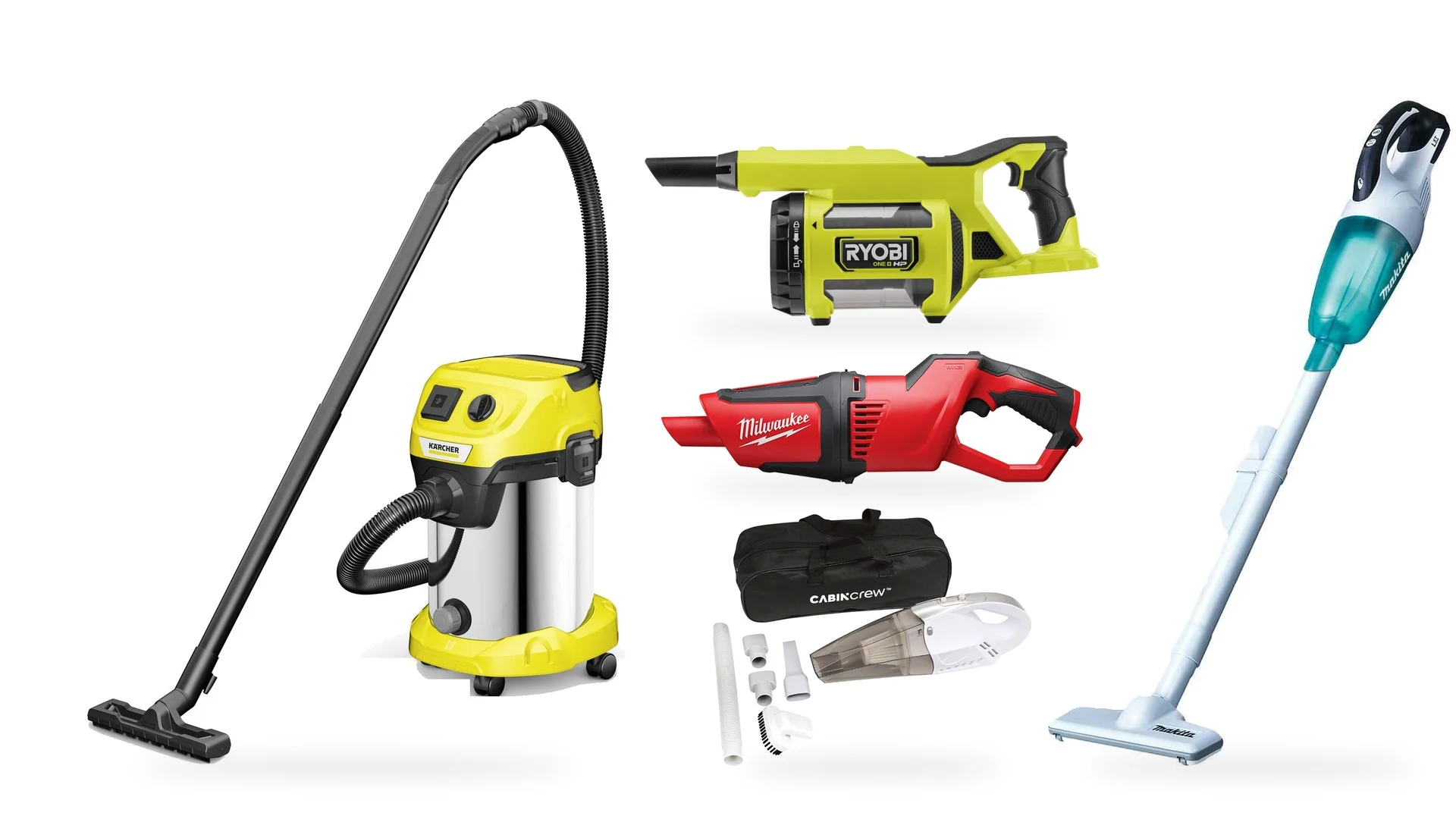
Here’s five in-production vacuums that suit Australian cars, from a $39.99 12V plug-in to a 19-litre wet and dry.
Which Car Vacuum Should You Buy?
Buy the one that runs on the battery you already own. Ryobi ONE+ owners should get the RHV18X ($199), the strongest cordless here on paper. Makita 18V owners get the DCL181FZWX ($165), M12 owners the Milwaukee M12HV-0 ($145). Own none? The Cabin Crew 12V ($39.99) never goes flat, and the Kärcher WD 3 P S ($249) handles the wet stuff.
- Best cordless overall: Ryobi RHV18X, $199
- Lightest: Makita DCL181FZWX, $165
- Best for tradies: Milwaukee M12HV-0, $145
- Best budget buy: Cabin Crew 12V, $39.99
- Best for spills and big cleans: Kärcher WD 3 P S, $249
Why the Battery on Your Shelf Matters Most
A tool-only vacuum is cheap because the battery isn’t in the box. If you already run Ryobi, Makita or Milwaukee gear, that battery is paid for and probably charged. If you don’t, the real starting price can more than double, and the cheapest cordless becomes the dearest.
The quiet trap is a dedicated car vacuum with its own battery and charger. It gets used for a month, then lives in the boot going flat, until the day someone tips sultanas into the footwell. A tool-platform vacuum shares packs with your other gear, so it’s charged when you need it.
Prices as of 5 October 2026: Ryobi and Makita from Bunnings, Milwaukee from Total Tools, Cabin Crew from Supercheap Auto, Kärcher from Bunnings. Battery and charger prices are for separately listed items; bundles and promotions often cost less.
Already own the battery? Every cordless here costs $199 or less. Starting from scratch? Only the Cabin Crew and the mains-powered Kärcher need nothing else, and Milwaukee’s separately bought battery and charger cost more than twice the vacuum.
What Does the Suction Number on the Box Mean?
Less than the box implies. Air watts, kilopascals and litres per minute measure different things, and no maker here names the test standard behind its figures. Ryobi publishes two suction numbers, Makita and Kärcher three each. Milwaukee gives airflow only, and Cabin Crew quotes motor watts, which isn’t suction at all.
A quick decoder. Sealed suction (kPa or mbar) is how hard a vacuum pulls with the nozzle blocked, which matters for grit in carpet. Airflow (litres per minute) is how much air it moves, which matters for loose crumbs and dust. Air watts roll the two into one figure.
Sources: Ryobi, Makita, Milwaukee and Kärcher Australian product pages; Supercheap Auto listing for Cabin Crew. No maker in this group names the test standard behind its suction figures. Makita's 1.4m³/min and Kärcher's 45L/s converted to litres per minute by TorquePress.
On published claims, the Kärcher leads, the Ryobi is the strongest cordless and the Makita trails at 5.3kPa. That’s a ranking of claims, not a lab test. A vacuum with no published figure isn’t necessarily weak. It’s just unaccountable.
Ryobi RHV18X: Best Cordless for ONE+ Owners
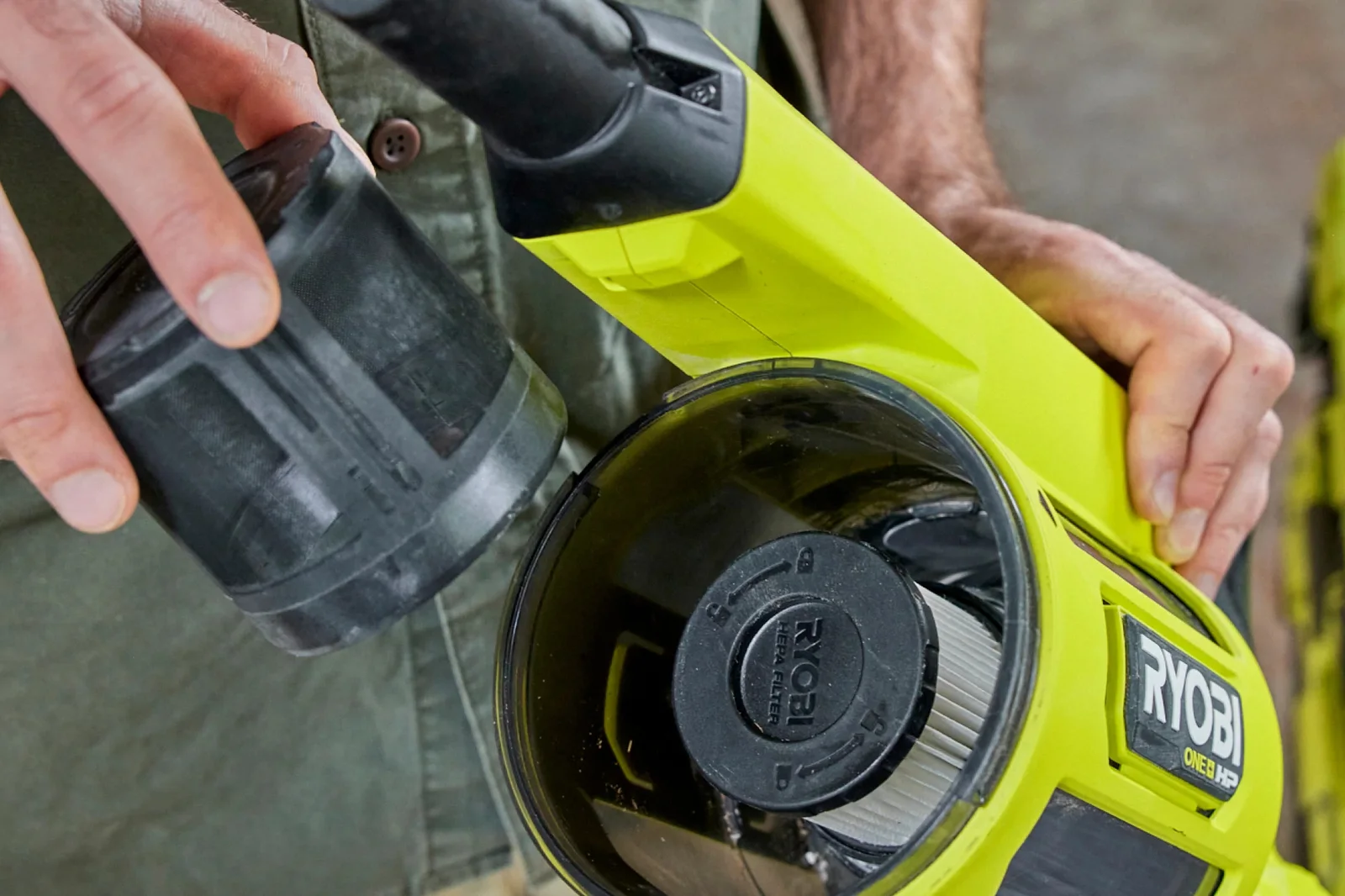
The Ryobi RHV18X is the strongest cordless here on paper, with Ryobi quoting 84 air watts and 20kPa from a brushless motor. It’s $199 tool only at Bunnings. If your garage is already stocked with lime-green batteries, this is the obvious buy.
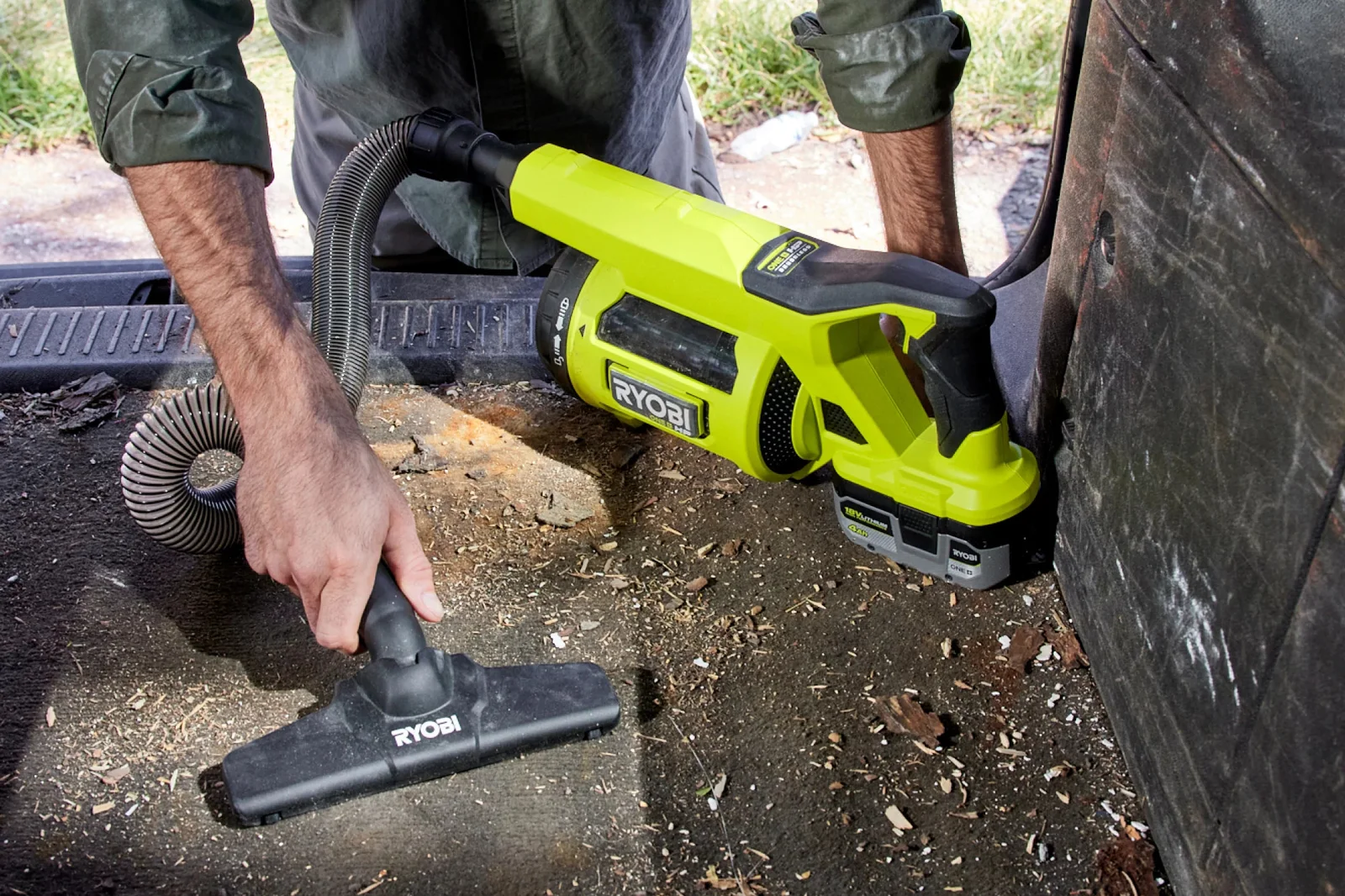
The flexi hose makes it a car vacuum, letting the body sit on the seat while the nozzle works the footwell, and its 1000mL tank is the biggest of the cordless three. The catch is bulk: at 1.3kg, the barrel-shaped body is clumsy around seat rails. Skip it if you’d be buying into ONE+ just for this.
Makita DCL181FZWX: The Lightweight Option
The Makita DCL181FZWX is the lightest here at 0.8kg without a battery, and Makita quotes up to 40 minutes of runtime. It’s $165 skin only at Bunnings. On paper it’s also the weakest cordless: 30W of suction power and 5.3kPa, about a quarter of the Ryobi’s pressure.
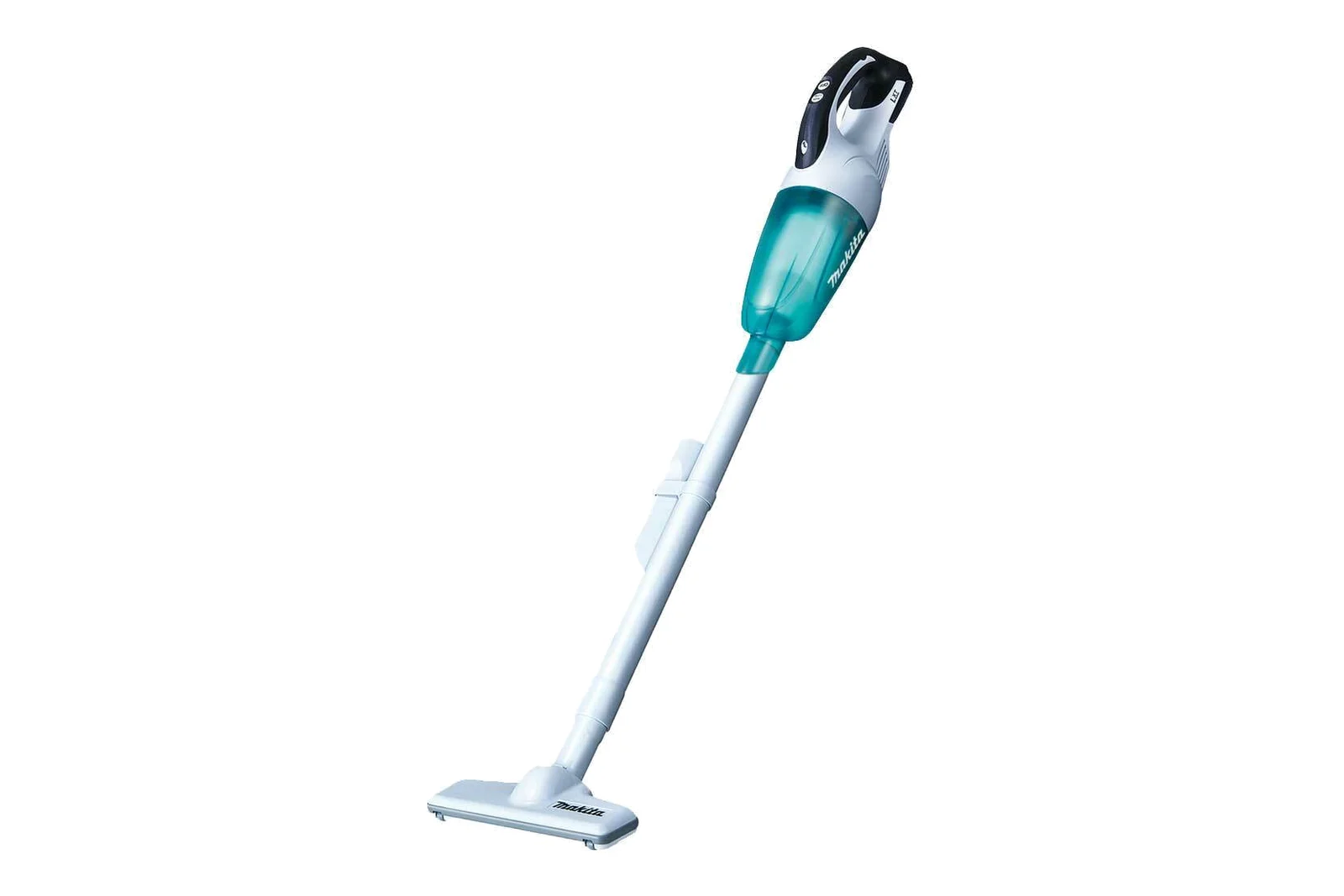
Pull the pipe off, fit the sash nozzle to the body, and you have a slim 1.4kg handheld that slips between seats easily. But the 650mL container fills fast with beach sand, there’s no flexible hose, and Makita doesn’t name the battery behind its 40 minutes. Buy it for light weekly tidies.
Milwaukee M12HV-0: Built for the Work Ute
The Milwaukee M12HV-0 is the tradie’s pick: $145 tool only at Total Tools, 1.5kg, and a five-year tool warranty. It runs on the compact M12 batteries plenty of sparkies and mechanics already carry. Milwaukee publishes airflow (934L/min) but no suction pressure or air-watt figure.
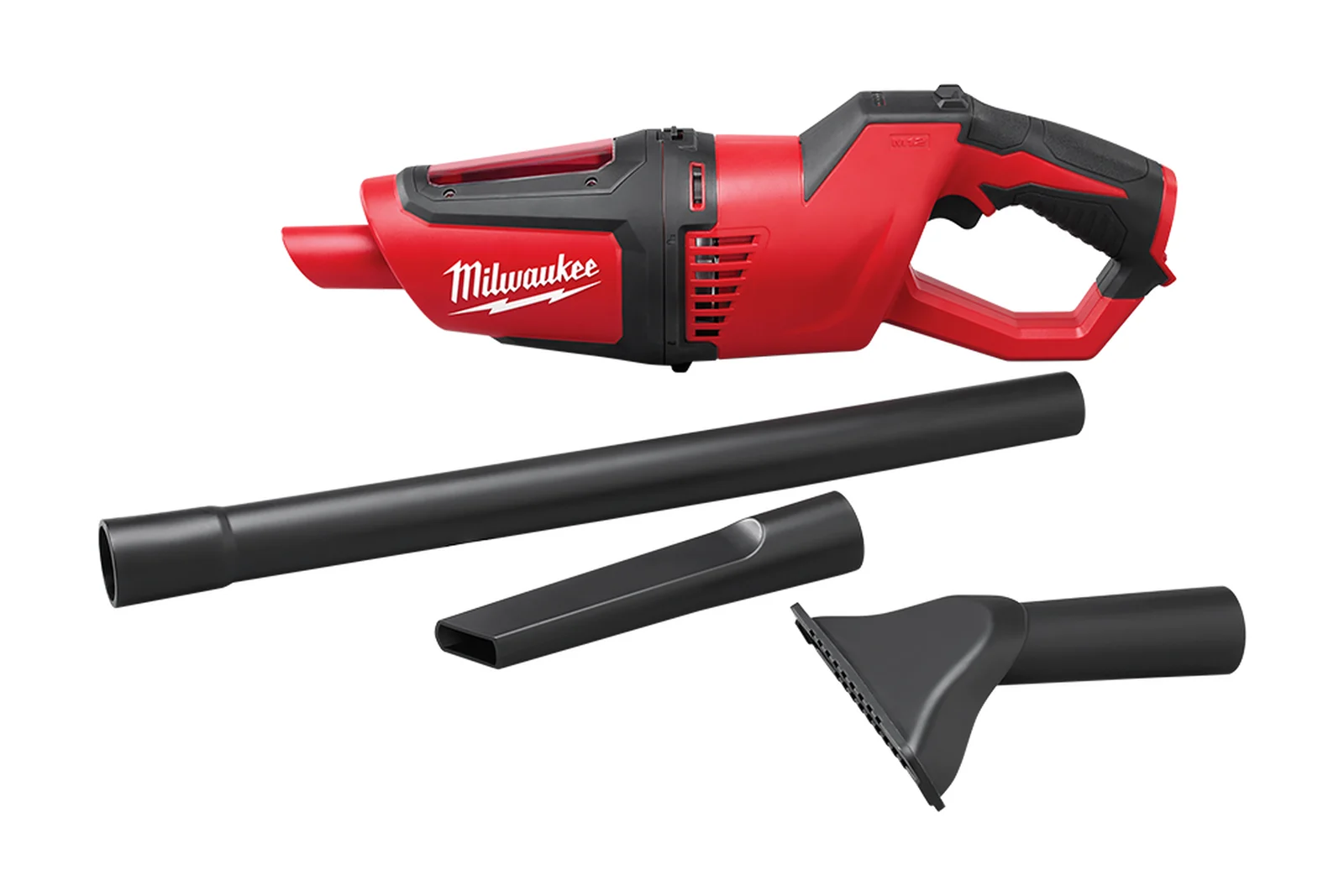
If M12 packs already ride in your work vehicle, the vacuum costs nothing extra to run, and Milwaukee names the battery behind its 29-minute claim. From scratch, a separate 4.0Ah battery ($138) and charger ($169) add $307. If you don’t own M12, don’t start the collection here.
Cabin Crew 12V: The $40 Vacuum That Never Goes Flat
The Cabin Crew 12V Car Vacuum Cleaner is the cheapest route to a clean car: $39.99 at Supercheap Auto, with a 4.5m cord, a carry bag and 1.1kg in the hand. It plugs into the accessory socket, so it can’t sit flat in the boot. It also publishes no suction figure at all.
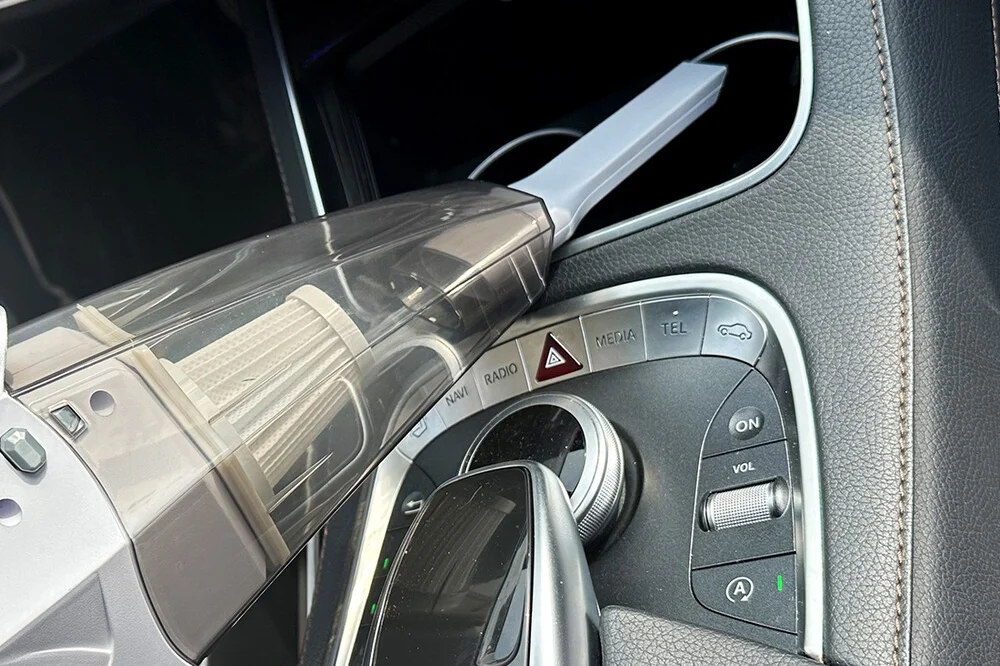
That cord is the whole case for it: ready whenever the car is, which suits a rideshare driver’s one-minute tidy between fares. The catch is the unknowns, with no suction, airflow or filter data and a one-year warranty. At 12V, 120W is about 10 amps, so run the engine and check your socket’s fuse rating.
Kärcher WD 3 P S: For Spills, Sand and Full Details
The Kärcher WD 3 P S handles what the handhelds can’t: spilt drinks, soaked floor mats and a full interior detail. It’s $249 at Bunnings and draws 1000W from the wall, and Kärcher rates it at 230W of suction power, 230mbar of vacuum and 45 litres per second of airflow.
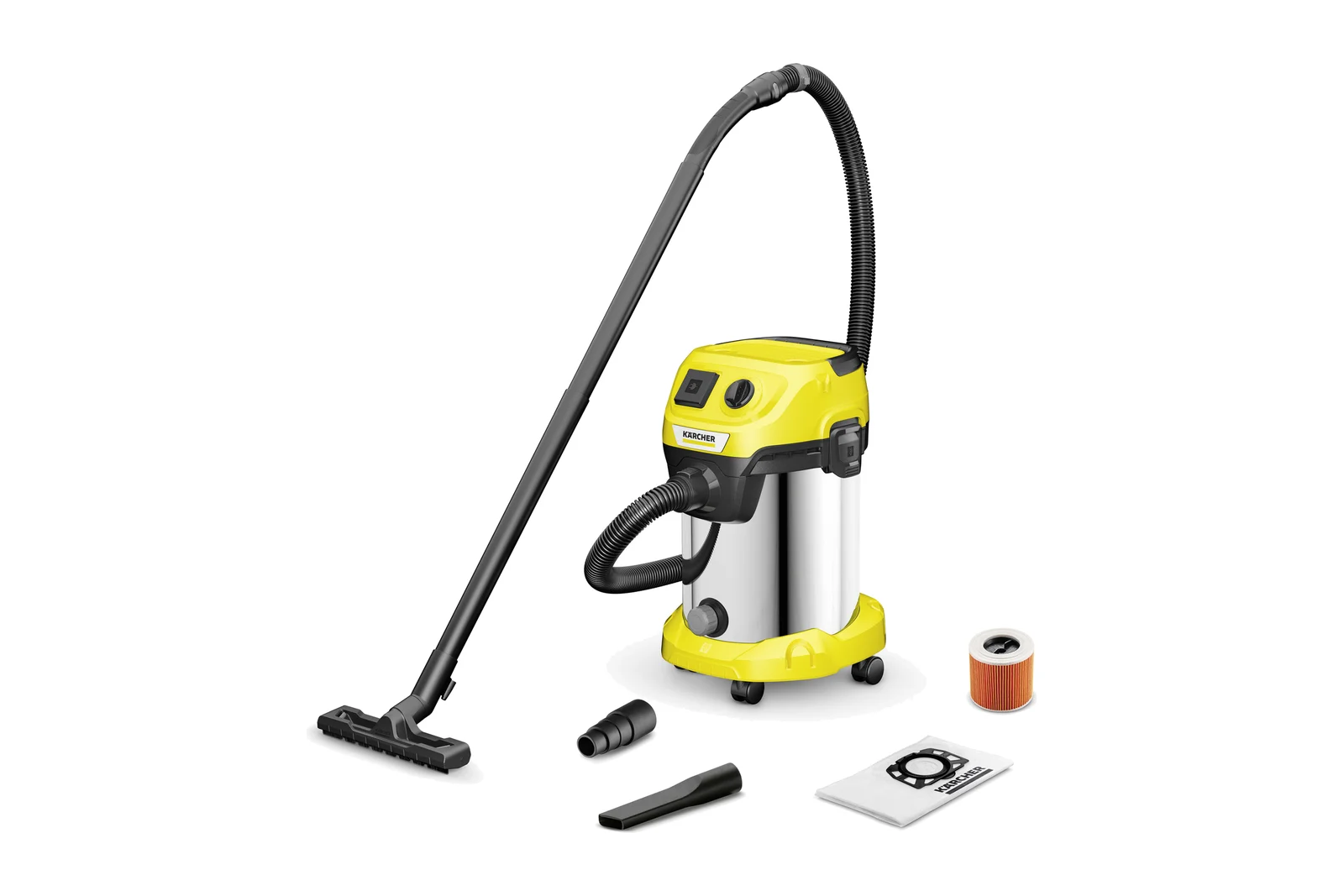
Its figures are the highest here and the most completely published, and it blows as well as sucks, which clears dust from door jambs. The cost is bulk: it needs a power point, weighs 5.6kg, and has a 2m hose and no upholstery brush. Skip it if your car lives on the street.
Match the Vacuum to the Mess
Different messes reward different numbers. Loose debris rewards airflow and good nozzles. Sand and grit ground into carpet reward sealed suction. Liquids need a true wet and dry vacuum, which on this list means only the Kärcher. Dog hair rewards suction plus a little prep before you start.
What works best for school-run crumbs?
Any of the cordless three, as long as the battery’s charged. Crumbs are light and loose, so airflow and a crevice tool matter more than raw suction. The Ryobi’s flexi hose reaches child-seat bases best. Lift the seat out first; no vacuum fishes biscuits from a harness buckle.
How do you get dog hair out of car carpet?
Loosen it first. A rubber pet-hair brush or damp rubber glove drags embedded hair into clumps, then the strongest vacuum you own lifts it. On published figures that’s the Kärcher, then the Ryobi. None of these five comes with a motorised pet brush, so the prep does the heavy lifting.
What about fine dust and allergies?
Look at the filter before the suction. Ryobi is the only maker here to call its filter HEPA, and Kärcher pairs a cellulose cartridge with a three-layer fleece bag. Makita, Milwaukee and Cabin Crew don’t publish a filter grade, so price replacement filters before you commit.
Can a car vacuum pick up wet spills?
On this list, only the Kärcher. None of the other four is sold as a wet vacuum, and liquid is a fast way to kill a motor that isn’t built for it. Bunnings lists the WD 3 P S cartridge filter for wet and dry use. Blot first, vacuum second, then air the car out.
What should weekend detailers buy?
The Kärcher, with a cordless for touch-ups. Vacuum before any dressing goes on, then work through one of the best car detailing kits in Australia. Outside, a DIY ceramic coating kit makes the next wash quicker, and an outdoor car cover keeps leaves off the car and out of the footwells.
So Which One Goes in Your Garage?
Start in the shed, not the shop. If a Ryobi, Makita or Milwaukee battery is already on the charger, buy that brand’s vacuum and spend the savings on microfibres. If not, the $39.99 Cabin Crew covers quick tidies and the Kärcher covers everything else. And ignore any suction number that doesn’t say how it was measured.


