

You’re buried to the axles in soft sand and the tide is turning. This is the moment you find out whether you bought the right recovery gear or just the right colour.
Walk into any auto store and you’ll see the wall of bright orange Maxtrax sitting next to near-identical budget boards at a fraction of the price. The shape is the same. The teeth look the same. The price tag is not.
So are the premium boards worth four to eight times the money, or are you paying for a logo and a reputation? If you’ve ever spun a tyre and melted the lugs off a cheap board, you already suspect the answer. This guide puts the genuine article against the popular budget options and sorts what’s verified from what’s marketing.
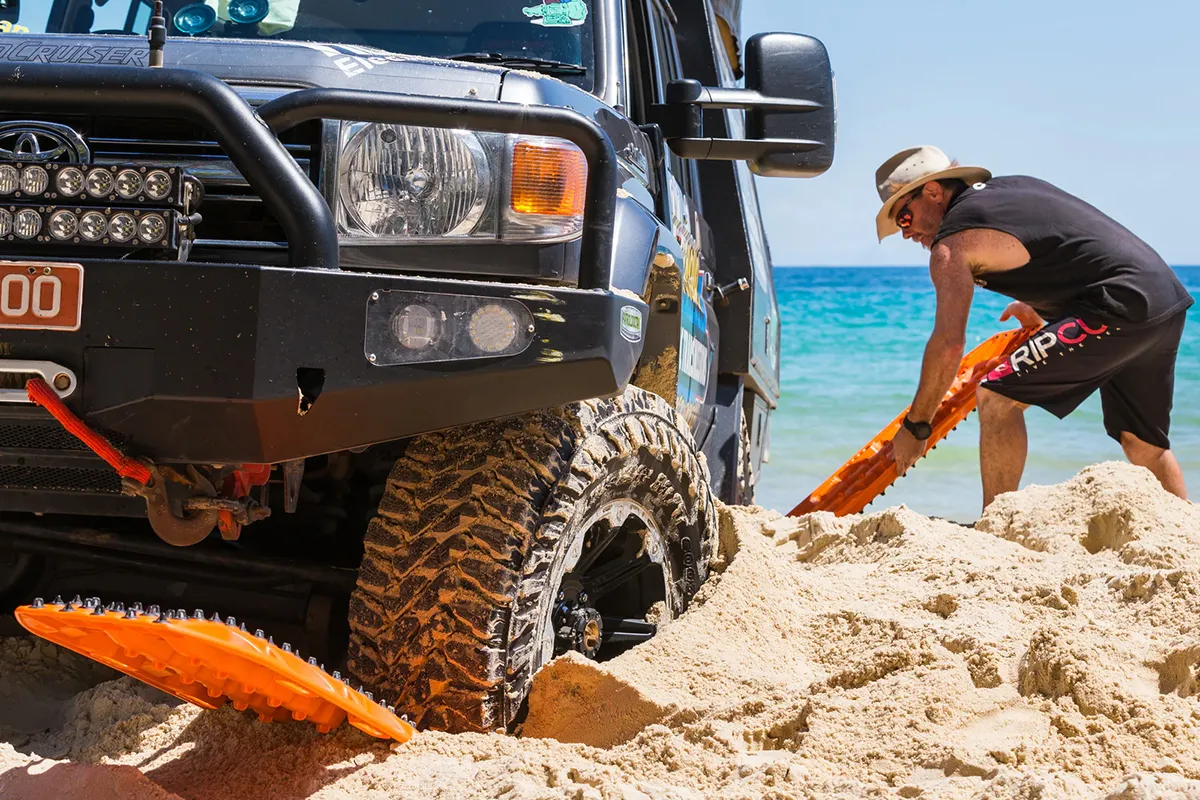
The Benchmark: Maxtrax MkII
$319 RRP for the pair, 3.4kg per board, made from UV-stabilised engineering-grade reinforced nylon. The Maxtrax MkII is the board every other board is measured against, and the only one here that backs itself with a lifetime warranty.
The original Australian design has earned its status. Maxtrax’s own specifications confirm the MkII uses UV-stabilised, flexible, engineering-grade reinforced nylon rather than a rigid commodity plastic, and the company backs it with a lifetime warranty against faults in materials and workmanship.
That nylon is the point. The brand claims the material resists wheel spin without chewing up your tyre, and the flexibility is real: the board is designed to bow under a loaded vehicle and spring back rather than shatter. It’s the difference between a tool and a consumable.
The catch is the price. At $319 a pair, this is a serious outlay for someone who hits the beach twice a summer. The nylon shovel ends will also wear if you treat them as a rock chisel. But for remote touring, that’s the cost of insurance you can actually rely on.
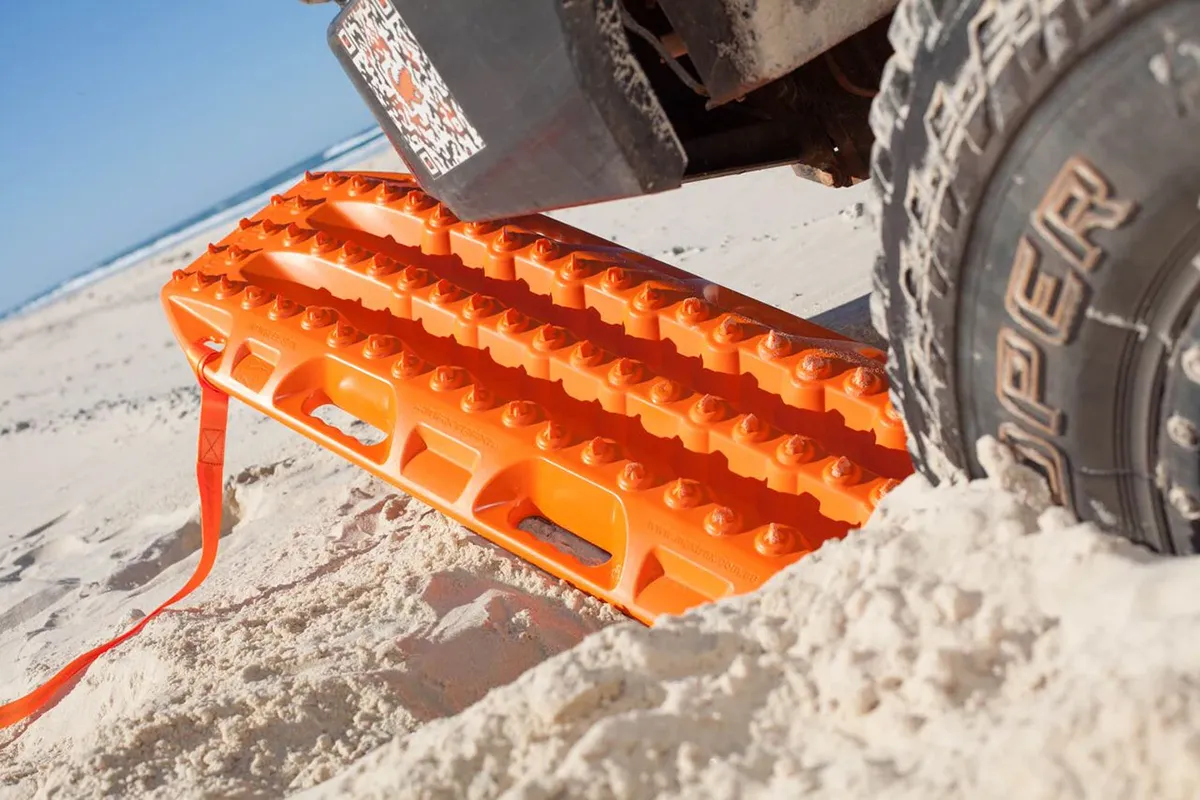
How do you carry them?
Each board weighs 3.4kg and the pair stacks to a low 85mm, so they sit flat on a roof rack without acting like a sail. Six built-in handles make them easy to grab from any angle when they’re buried in a bog. The signature keyhole mounting points remain the de facto industry standard for quick-release brackets, which is why so much aftermarket mounting hardware is built around them.
The Budget Contender: Adventure Kings Recovery Tracks
Around $40 to $50 a pair, roughly 1080mm long, with a 12-month warranty. The Kings tracks are the default cheap option strapped to half the roof racks in the country, and for occasional beach work they do the job.
You’ll spot a pair of these at every popular campsite. They’re cheap, they look the part, and they carry an aggressive tooth pattern with hex grip nodules meant to bite into your tread. Adventure Kings markets them as Australian-made with a built-in shovel end for clearing sand.
Here’s where honesty matters more than a clean narrative. Kings doesn’t publish a clear engineering material spec the way Maxtrax does, and the budget board market generally is a mix of nylon, polypropylene and unnamed thermoplastics. So the fair criticism isn’t “they’re definitely made of inferior plastic.” It’s that you can’t easily verify what they’re made of, and the warranty tells you how much faith the maker has: 12 months, against a lifetime on the Maxtrax.
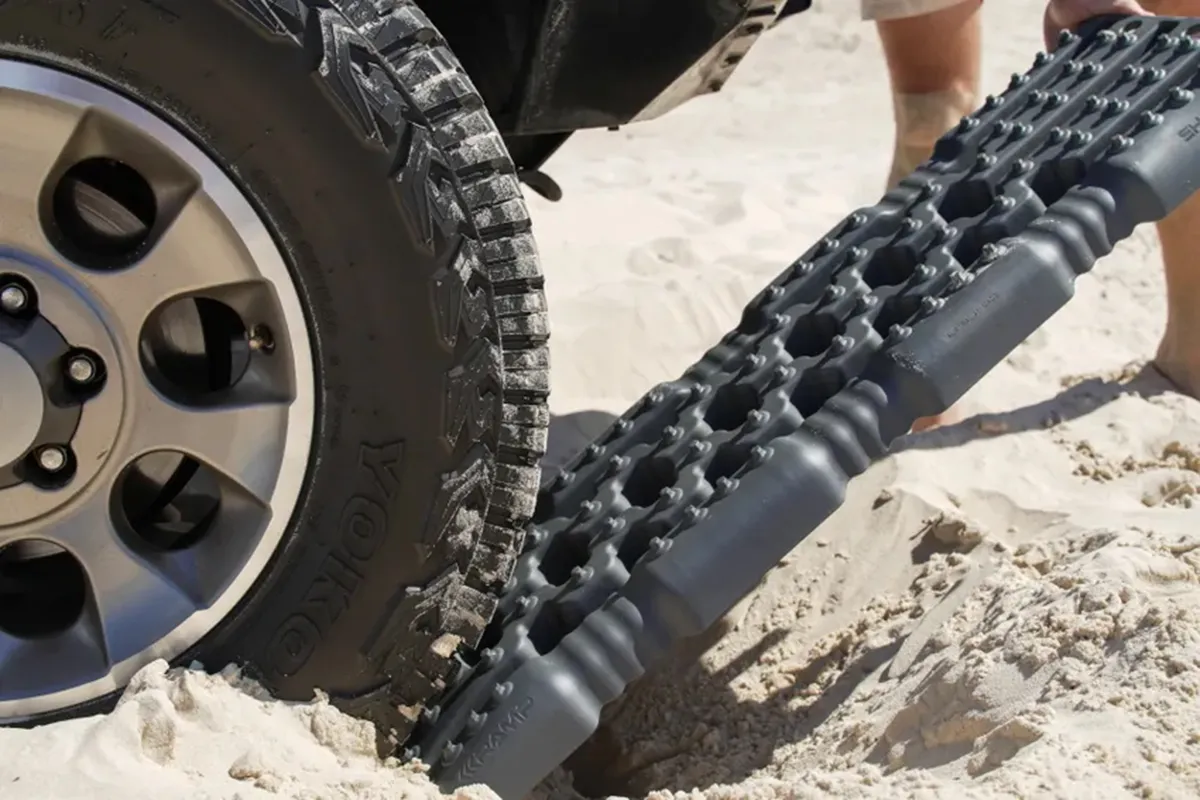
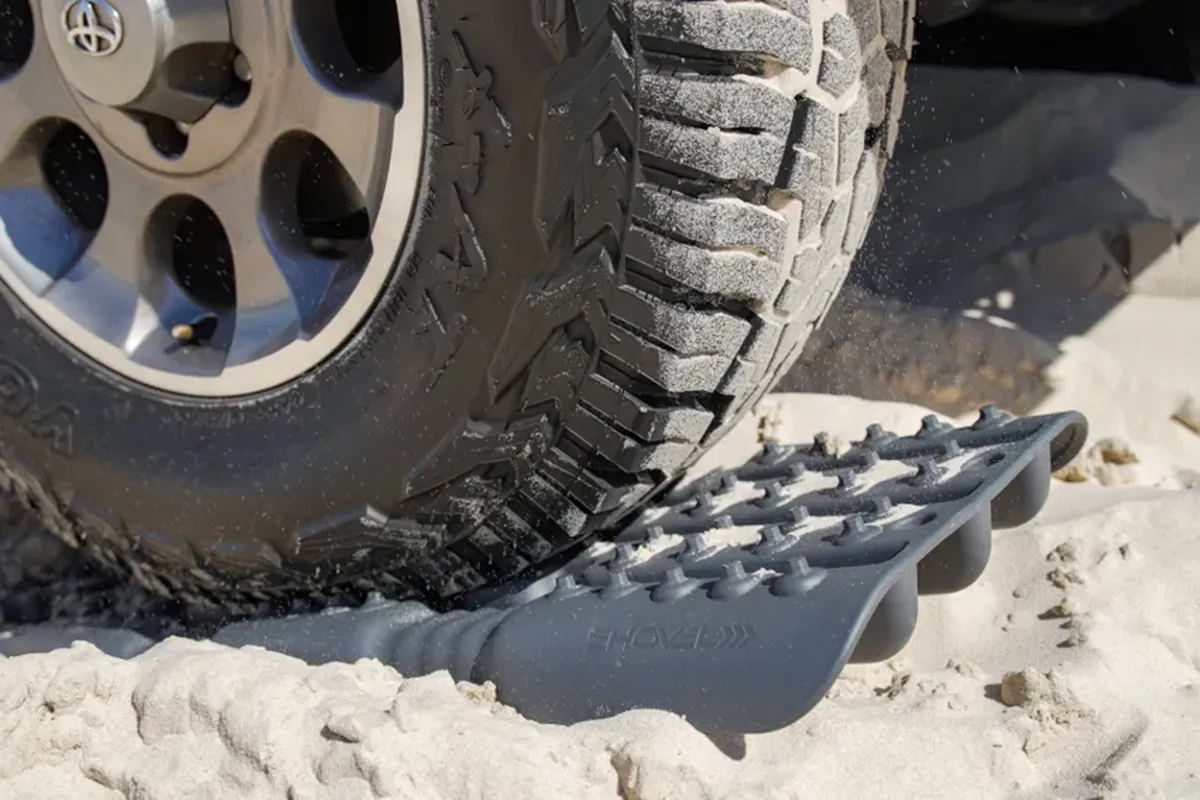
The real-world weakness of cheap boards is wheel spin. Lean on the throttle, lose traction, and friction heat is what kills the teeth. Owners across the budget category report melted lugs after a single panicked recovery. Once the teeth are gone, the board can’t grip and you’re sweeping it up.
The strength is obvious and genuine: cost. You can buy several pairs of Kings for the price of one set of Maxtrax. If you only need a backup for soft sand a few weekends a year, that maths makes sense. Just keep your right foot calm.
Is “disposable” a real strategy?
For a lot of drivers, yes. At well under $50 a pair, the Kings boards are cheap enough to treat as a consumable. Destroy them in a hard extraction and the sting is minor. There’s a legitimate argument that if you never leave the blacktop or the local dunes, spending over $300 on recovery tracks is money better left in your pocket. The honest line is to know the limits before you trust them somewhere remote.
The Middle Ground: XTM Black Recovery Boards
$199.99 RRP, often $119.99 on Club price, measuring 980 x 285 x 55mm and stacking to 78mm. The XTM boards are the sensible compromise: better backed than the cheapest tracks, far cheaper than the Maxtrax, and easy to live with on a smaller rig.
Supercheap Auto stocks the XTM Black as the step up from the bargain bin. The current Australian listing prices them at $199.99 RRP with a $119.99 Club price, not the sub-$130 some older write-ups quote, so check the badge before you assume it’s a steal.
XTM describes them as engineered from heavy-duty polymer built for Australian conditions. Note the wording: “polymer,” not a named engineering-grade nylon. That’s the gap between this and the Maxtrax, and XTM doesn’t pretend otherwise. They handle moderate use well, carry a built-in shovel profile and a slim 78mm stack, and the all-black finish hides trail scars nicely.
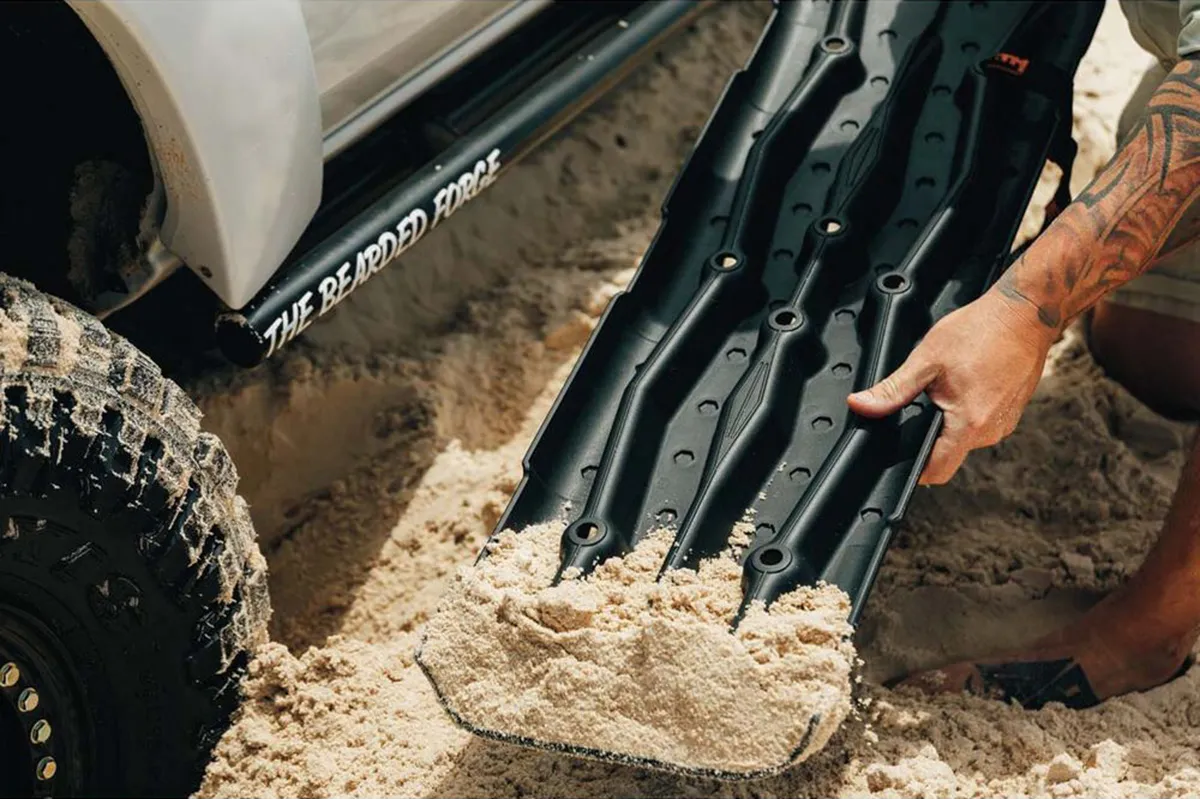
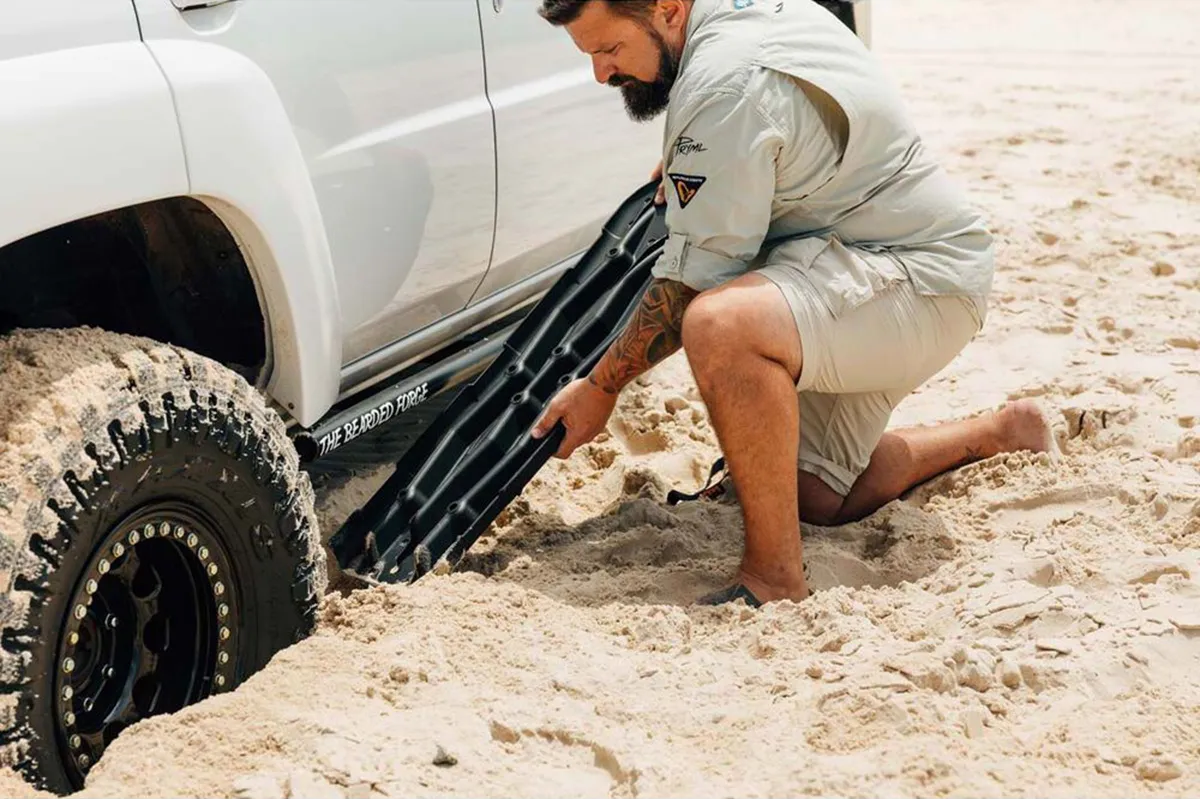
The trade-off is footprint and ceiling. At 980mm they’re shorter than the Maxtrax, giving your tyres slightly less surface area and a smaller window of momentum in a deep rut. Pushed hard under a heavy rig, a budget-tier polymer will deform before engineering nylon does. As a fair-weather-plus option for a lighter vehicle, though, they’re a reasonable buy, much like keeping a decent jump starter in the kit for peace of mind.
Will they fit a smaller setup?
This is where the XTM earns its place. The shorter 980mm length and 78mm stack make them genuinely easy to mount on compact vehicles, slimline racks or a tight canopy where a full-size board won’t sit. If vertical clearance or panel space is your constraint, the smaller footprint is a feature, not just a compromise.
What the Price Gap Actually Buys
The money mostly buys verified materials and a warranty that matches the claim. Maxtrax publishes its nylon spec and backs it for life. Budget boards rarely name their material clearly and cap the warranty at 12 months. That difference is the whole story.
You can’t cheat physics in the bush, but you also can’t cheat marketing copy. The most reliable signal isn’t the colour or the tooth pattern, both of which budget boards copy well. It’s whether the maker will name the material and stand behind it.
A spinning mud-terrain tyre behaves like a sanding disc and generates intense localised heat. Genuine engineering-grade nylon, like the Maxtrax uses, is chosen for its high melting point and ability to flex under load and recover. Cheaper, unnamed plastics vary wildly, and the failure owners describe most is melted teeth from wheel spin, followed by cracking under a bridged load.
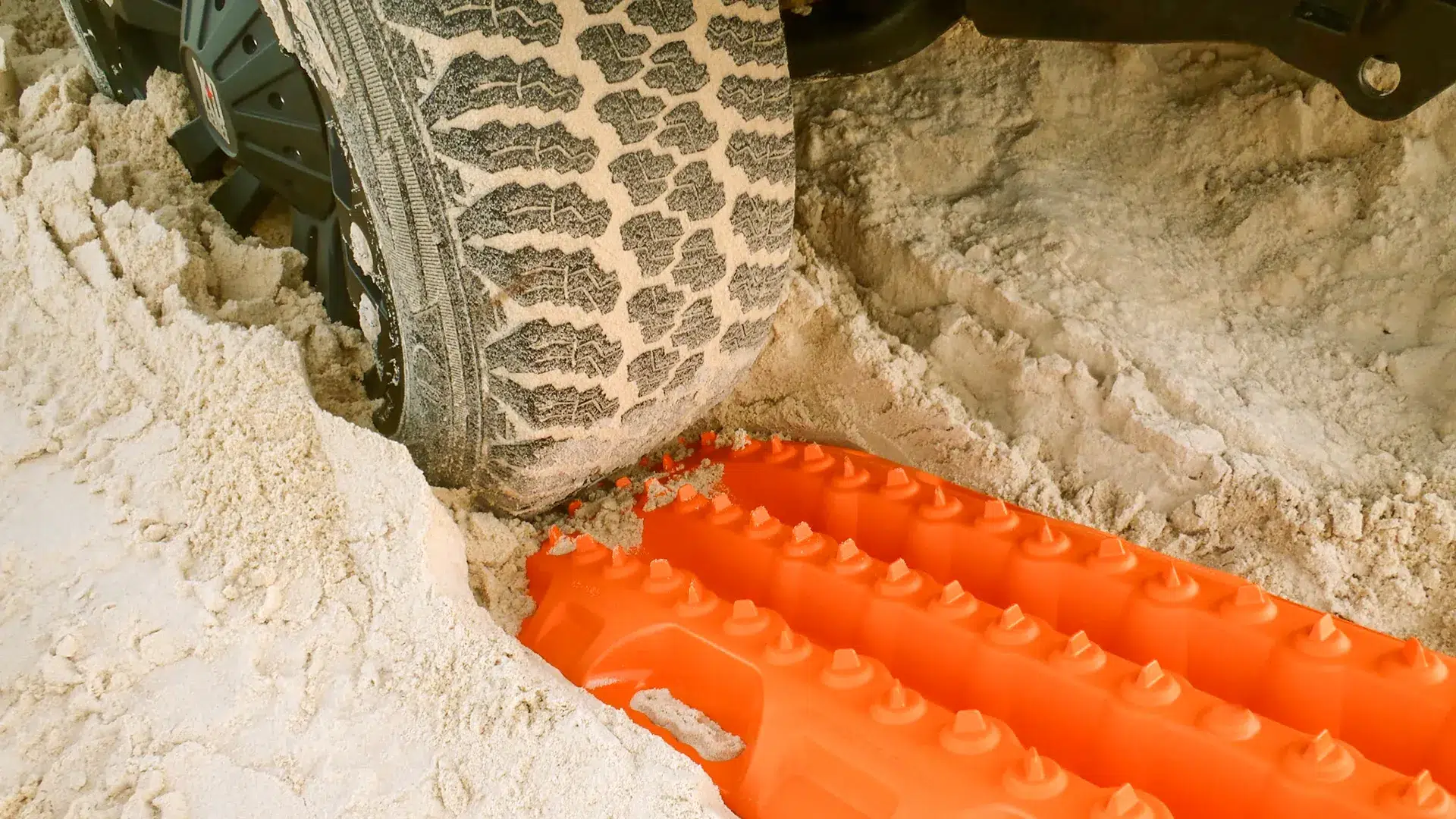
So the lifetime-versus-12-month warranty split isn’t a marketing flourish. It’s each brand telling you, in writing, how long it expects the product to survive being used as intended. Read that gap honestly and most of the decision makes itself.
The Verdict: Which Boards Survive?
Buy the Maxtrax MkII if you go remote. Buy the Kings if you stay near the blacktop. Buy the XTM if you want a backed, mid-priced board for a smaller rig. The right answer is entirely about where you actually drive.
If you tackle the Simpson or anything past phone reception, this is not the place to save money. Get the Maxtrax. The verified material, the lifetime warranty and the fifteen-plus-year track record are exactly what you want when help is a day away. The peace of mind is worth the $319.
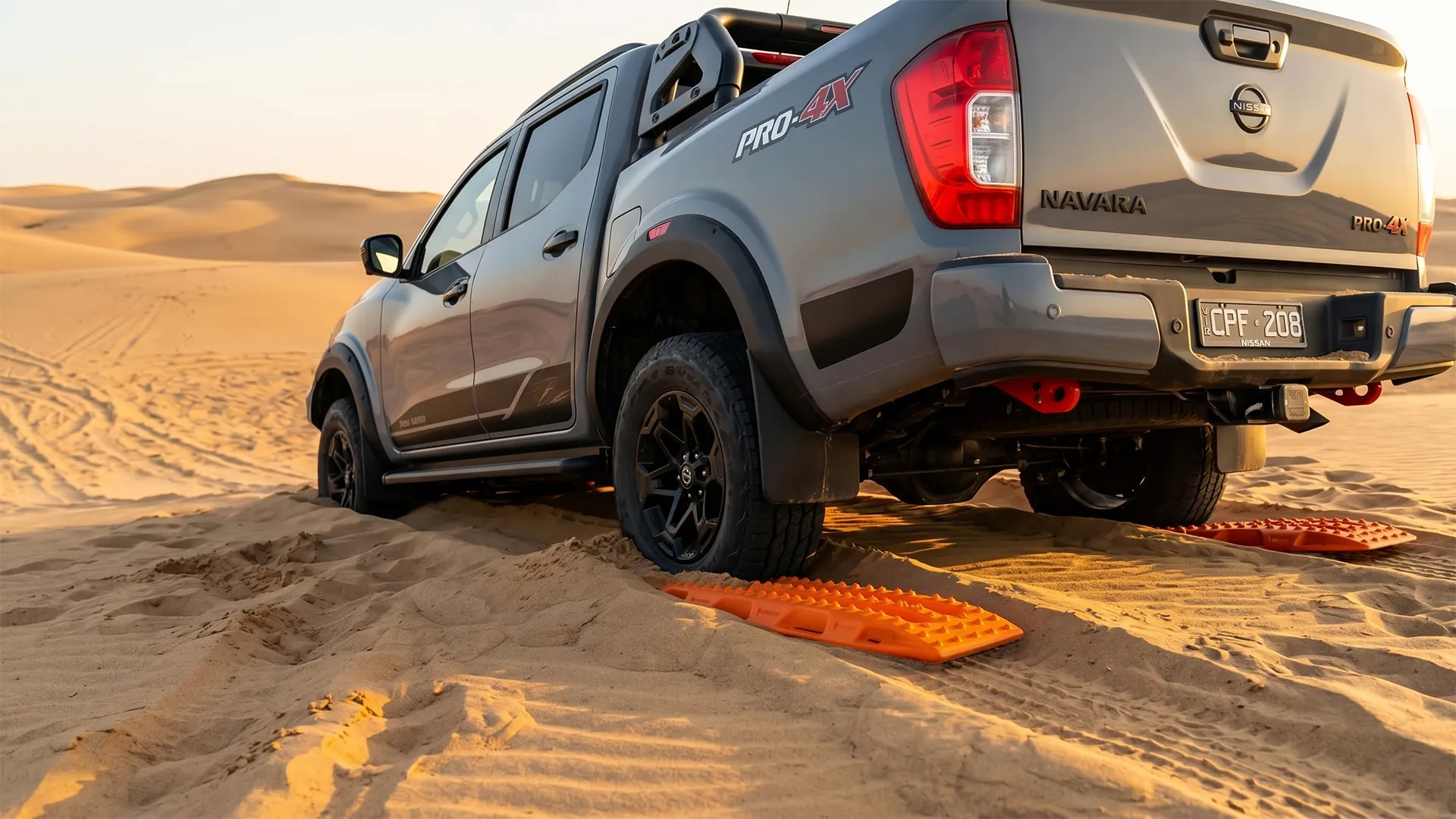
The Kings boards serve a real purpose for the casual beachgoer. They’ll usually pull you out of a soft-sand bogging, and they’re cheap enough that you won’t cry if you cook them. Just respect the throttle, because the throttle is what kills budget boards.
The XTM sits sensibly in between for the weekend tourer on a smaller vehicle who wants something backed by a major retailer without the flagship price. Know its ceiling and it’s a fair buy.
If you drive a serious rig into serious country, buy serious gear. Walk past the cheap plastic. Full stop.


