
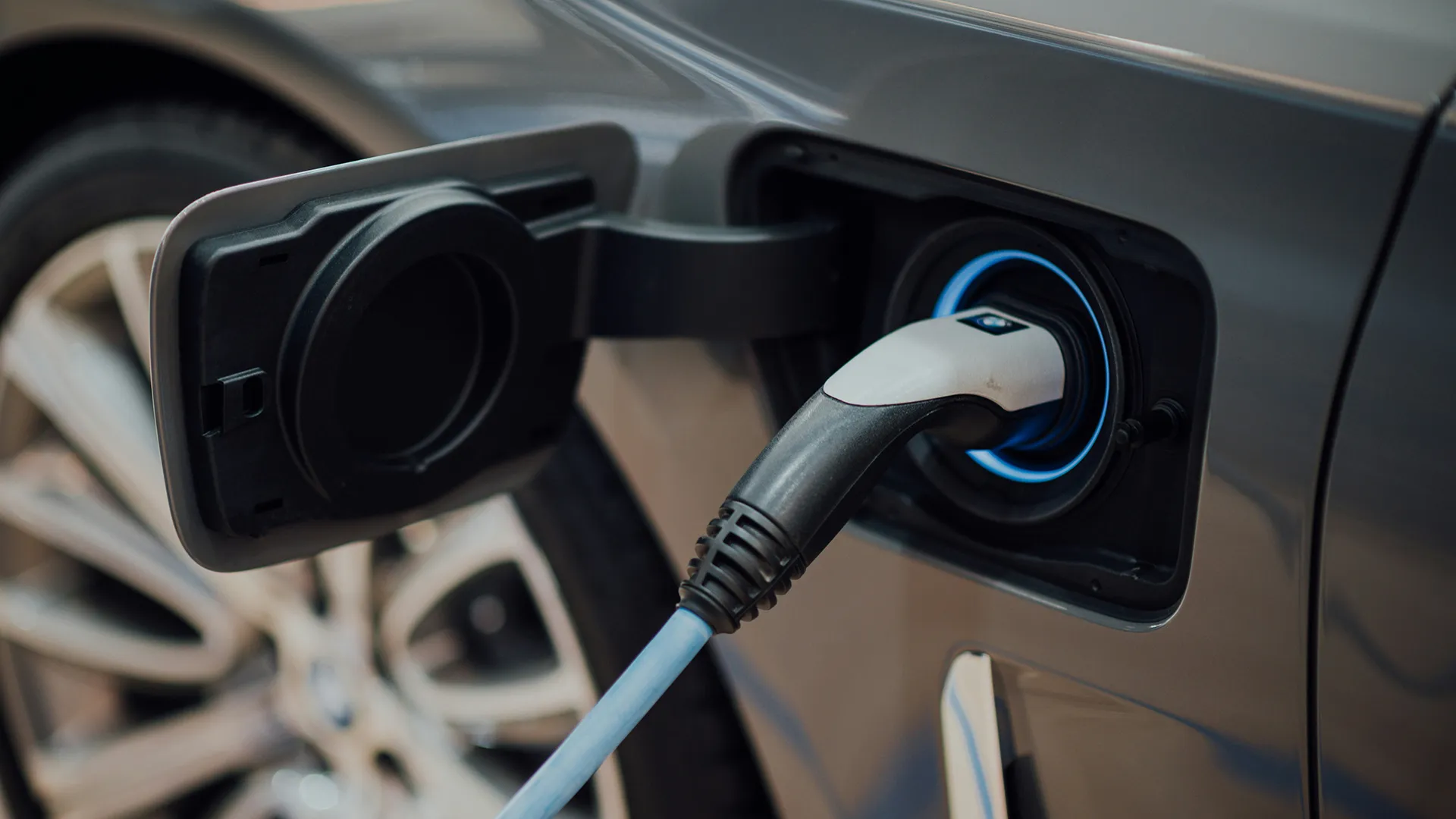

Comprehensive cover for a battery electric vehicle climbed 10.2 per cent in the 12 months to March 2026, according to Compare the Market’s bi-annual EV insurance index. The average annual BEV premium across the 10 models studied now sits around $2,300. Equivalent hybrids averaged about $1,700.
For context: the average EV owner is paying several hundred to over a thousand dollars more per year to insure their car than the driver of an equivalent petrol vehicle. That number is moving in the wrong direction.
The Maths Buyers Are Not Running
Compare the Market’s April 2026 study quoted premiums across 11 insurers for 10 popular BEV models. Full battery EVs rose 10.2 per cent in a year. Hybrid models rose 6.6 per cent. The average EV premium now sits around $2,300, against about $1,700 for hybrids.
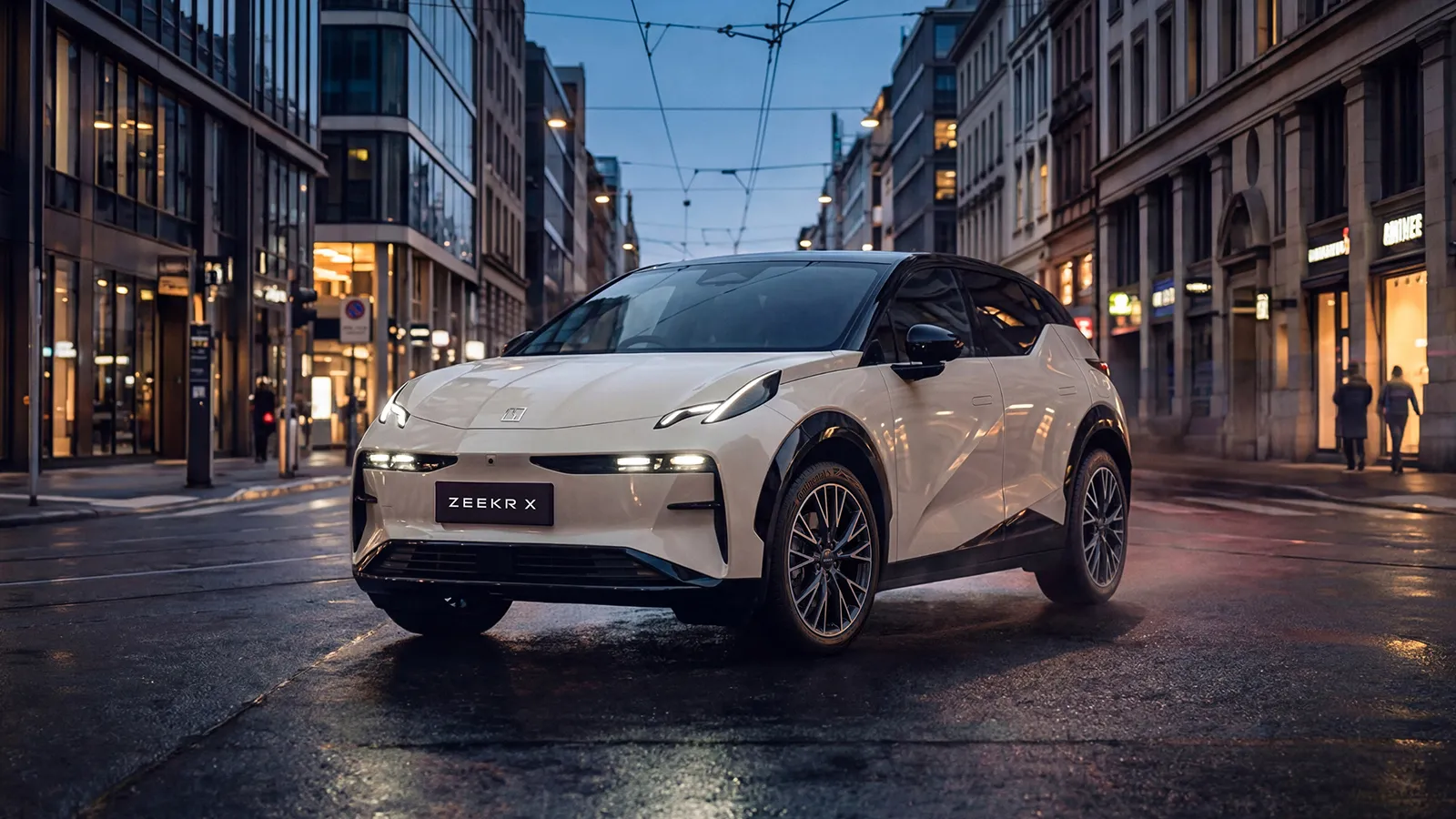
The model-level figures are harder to look past. Tesla Model 3 RWD owners pay an average of $3,356 per year. The BMW iX1 eDrive20 costs $3,152. The Zeekr X RWD jumped 19 per cent in 12 months to $2,271.
Compare the Market’s Economic Director David Koch flagged the trend as a concern for buyers switching from petrol: “The rising cost of labour and parts continue to push premiums higher, and this particularly affects electric cars due to battery replacement costs and the specialised training needed for repairs.”
If your running cost comparison shows EV fuel savings of $1,200 to $1,500 a year, a premium gap in the hundreds cuts directly into that advantage. On some models, it largely eliminates it.
Why a Minor Collision Can Total the Car
Here is the mechanic behind the rising premiums. A battery pack typically represents 30 to 50 per cent of an EV’s total value. Damage the casing in a rear-end collision and replacement costs can start at $20,000, often running significantly higher depending on the model.
When a repair estimate approaches the car’s insured value, the insurer writes it off. This happens after accidents that would be straightforward panel repairs on a petrol car. Matthew Avery, research director at automotive risk intelligence firm Thatcham Research, framed it plainly: “An EV isn’t very sustainable if you’ve got to throw the battery away after a minor collision.”
The pattern is deepening rather than correcting. Newer EV platforms, including Tesla’s structural 4680 battery cells, integrate modules directly into the vehicle floor. Damage that was once isolated to a panel can now require dismantling load-bearing structure. Repair becomes write-off. Write-offs push premiums up.
The Brands Getting Hit Hardest
Not all EVs are equally exposed, and the difference matters when you are comparing models.
Chinese brands and newer-market entrants are carrying the largest increases. The Xpeng G6 Standard Range and Toyota bZ4X 2WD each rose 24 per cent in a year, both now sitting above $2,100 annually. The Zeekr X rose 19 per cent. The common thread is parts supply: components from newer Chinese brands have longer lead times, and longer repair cycles inflate insurer costs.
Technician availability compounds the problem. The Motor Trades Association of Australia estimates more than 100,000 local technicians will need EV-specific training by 2030. Finding a certified repairer who can safely isolate high-voltage systems is not always straightforward in regional Australia, or even in metro yards outside the major brand networks.
The MG 4 Excite is a useful outlier. Its premium actually fell 4 per cent to $1,524, reflecting parts networks that are now more established than for newer entrants. Brand longevity in the Australian market matters more than most buyers realise.
Shop around before you commit. Compare the Market found quotes varying significantly across insurers for the same vehicle. The cheapest and priciest quotes for the same EV model differed enough to change the running cost picture. Factor the insurance premium into your comparison before you sign the contract, not after.


