
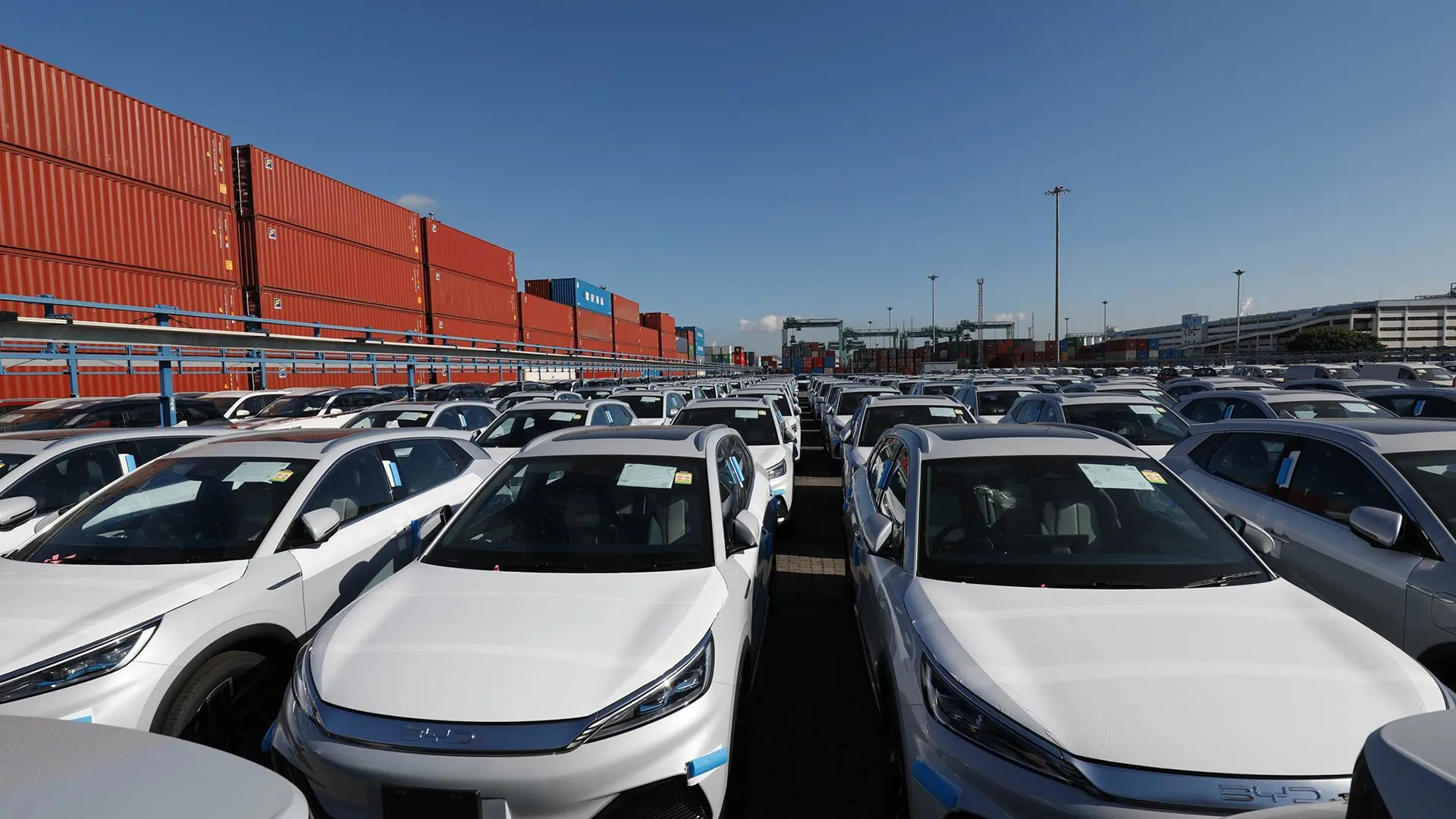

Almost every Australian article on electric car depreciation quotes the same figure: a three-year-old EV holds 60.3 per cent of what it originally cost. The number is real. It is also twelve months out of date, and the current one from the same dataset is 55.5 per cent. That gap is the whole problem with how depreciation gets reported here.
The three-year figure most reports get wrong
Battery-electric vehicles sold in Australia in December 2025 retained 55.5 per cent of their original list price at three years old, 61.5 per cent at two years and 75.1 per cent at one year. The figures come from the AADA and AutoGrab Annual 2025 Automotive Insights Report, which measures weighted average retained value against original MSRP.
The same report carries the December 2024 comparison, which is where the recycled numbers actually came from. On a $60,000 EV bought new in 2022, 55.5 per cent means roughly $33,300 back and about $26,700 gone. Not a percentage. A house deposit in regional Victoria, converted into somebody else’s bargain.
Used EV values fell hardest at the two-year mark
Why the two-year bracket took the worst beating
Two-year-old EVs shed 7.2 percentage points of retained value across 2025, more than triple the slide in the one-year bracket. The cars in that window were bought at 2023 prices, close to the top of the market, and by late 2025 they were competing against brand-new equivalents that cost less than they did.
The Tesla Model Y is the cleanest illustration. RAC’s Toby Hagon documented the sequence in March 2025: the entry variant launched in 2022 at $68,900 before on-roads, rose to $72,300 inside a week, then sat at $55,900 by mid-2024. Anyone who paid the peak was $17,000 underwater before ordinary depreciation applied. When the new car undercuts your two-year-old one, no seller negotiates their way out.
Where brand actually changes the answer
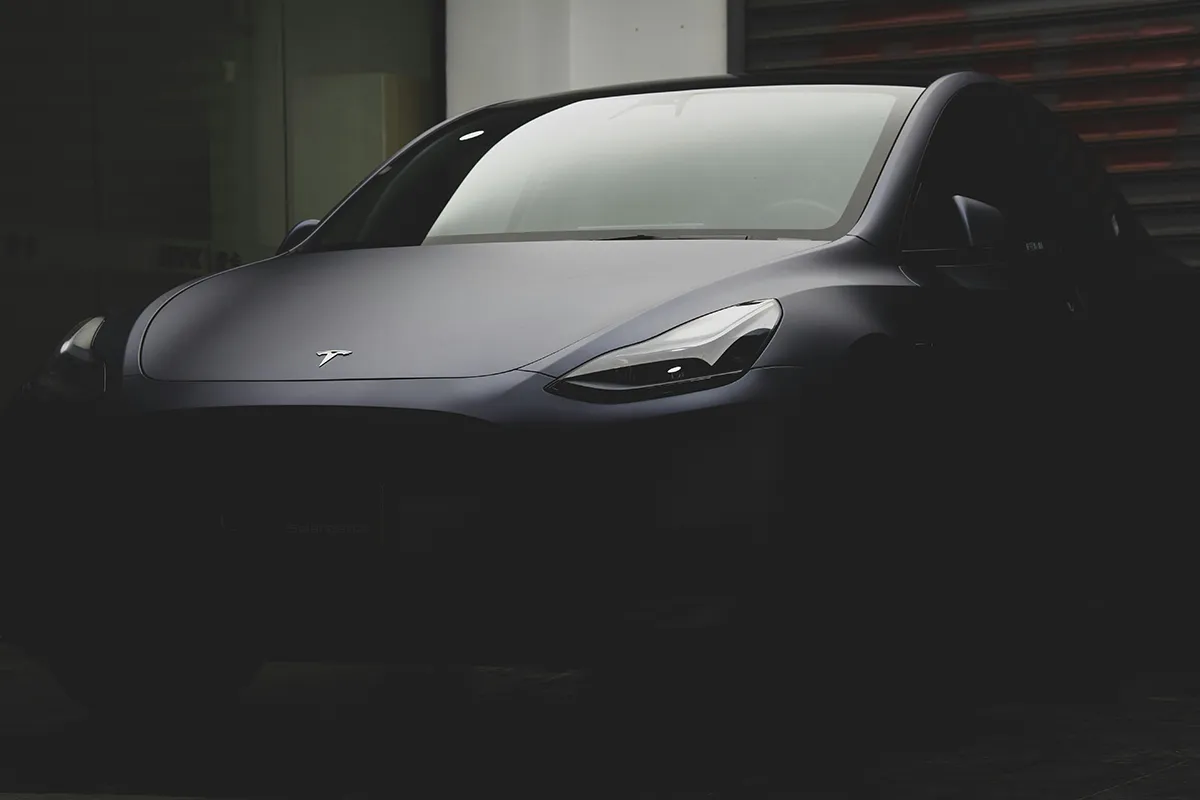
Brand matters less than price bracket, and price bracket matters less than what the manufacturer did to the new-car price after you signed. Redbook general manager of valuations Ross Booth told RAC in March 2025 that used Teslas still beat the rest of the EV market on retained percentage and time on market. Tesla owners still lost the most dollars.
Do Teslas hold their value in Australia?
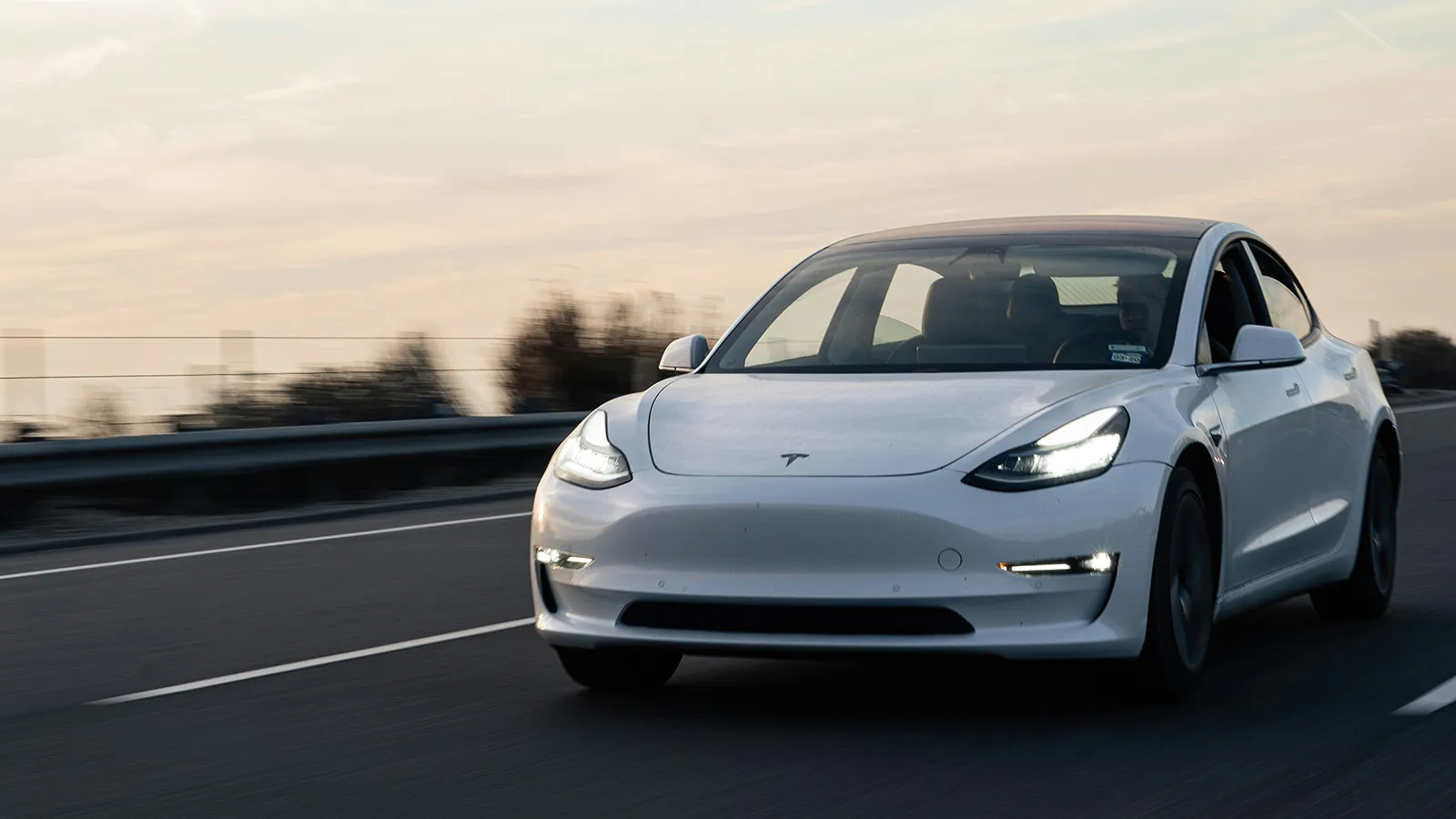
Better than most EVs in percentage terms, worse in dollars. Redbook’s Ross Booth forecasts a Tesla Model 3 Rear-Wheel Drive losing 55 per cent, or $30,200, over five years and 80,000km. A similarly priced BMW 118i is forecast at 46 per cent and $26,500. Roughly $740 a year of difference, which is not the catastrophe the comment sections promise. A 2019 Model 3 Standard Range Plus is nastier: 65 per cent lost against 45 per cent for a BMW 330i.
Booth’s point on the 2018 Hyundai Ioniq is the one worth keeping. It shed 34 per cent where a petrol i30 Elite shed 44 per cent, yet the Ioniq owner still lost more cash because the car cost $48,990 against $28,950. Percentages flatter expensive cars. Your bank account does not care about percentages.
Value brands have held up better in relative terms, and the Atto 3 two years into ownership tells that story better than any spreadsheet. Used BYD sales rose 116.1 per cent through 2025 on the same AIR data, while used MG volumes fell 24.3 per cent.
What this data genuinely cannot tell you
No Australian source publishes brand-level or model-level EV retained value on a public monthly basis. The AIR figures are aggregate BEV numbers across all makes. Redbook’s model-specific data is a forecast, not a record of completed sales. Anyone quoting model-level Australian residuals to two decimal places is guessing.
Two more limits are worth naming. The AIR’s national all-vehicle retained value of 63.1 per cent in December 2025 is not age-matched to the BEV figures, so it is not a clean petrol-versus-electric comparison. And the widely circulated CarsGuide listings study measured asking prices, not sale prices. That is enough to see the shape of the curve, not enough to price your car in Bendigo next March.
March 2026 bent the curve back
Something broke the pattern this year. Used EV sales in Australia more than doubled between February and March 2026, climbing from 3,176 to 7,557 units while available stock fell 38 per cent. AutoGrab and the AADA reported in April 2026 that this left just 28.6 days of supply, well under the 60 to 90 days considered balanced.
The trigger was fuel. AutoGrab chief commercial officer Saxon Odgers noted residual values had been stabilising since January, with the March surge adding upward pressure. The AADA mid-year report published in July 2026 confirmed it held, with used EV sales up 54.6 per cent year-on-year while the overall used market fell 6.6 per cent.
Read that carefully before you celebrate. Selling faster is not the same as selling for more.
The tax deadline that will reprice every used EV
Mark 31 March 2027. PwC’s May 2026 tax alert sets out the phase-down announced on 5 May 2026: the full FBT exemption runs to 31 March 2027, then applies only to EVs valued at $75,000 or less until 31 March 2029, before dropping to a flat 25 per cent discount from 1 April 2029.
Novated leasing has been the engine room of Australian EV sales since 2022. A $75,000 cap concentrates demand below that line and puts a question mark over every EV above it. For context, the fuel-efficient luxury car tax threshold sits at $91,661 for 2026-27, and EU-built EVs get their own $120,000 threshold from 1 July 2027.
Buying above $75,000 with a plan to sell in 2028 means betting against a policy that has already been announced. That is not a risk. That is a decision.
Do the running-cost savings cover the hole?
Not on their own. The Electric Vehicle Council puts average Australian annual driving at 12,000km, costing roughly $2,500 in petrol against about $500 in home charging. Call it $2,000 a year. Across three years that is $6,000, against a depreciation gap that can run several times larger.
Servicing genuinely is cheaper, with no oil, no exhaust and no fuel system. But EV premiums climbing about 10 per cent quietly eat into the saving, and the honest picture only appears inside a total cost of ownership calculation rather than a fuel-bill comparison.
Against the right rival, an EV still wins. Redbook’s $740-a-year depreciation gap between the Model 3 and the 118i is comfortably covered by $2,000 a year in fuel. Against the wrong rival, bought at the wrong price in the wrong year, nothing covers it.
How to lose less money
Buy the depreciation instead of paying for it. A three-year-old EV at 55.5 per cent of original MSRP has already absorbed the worst of the curve, and the steepest year of the slide sits behind it. This is the single most effective move available to an Australian EV buyer in 2026, and it costs nothing but patience.
- Stay under $75,000 if you are leasing. From April 2027 that figure decides whether the full FBT exemption applies, and the used market will price accordingly.
- Get a battery state-of-health report before buying used. Independent testing exists in Australia now, and it pairs well with a proper pre-purchase scan.
- Check what the manufacturer did to the new price this year. Not last year. Price cuts reset used values overnight.
- Consider a guaranteed future value product. Tesla launched a GFV program with Driva in July 2026, reported by CarExpert on 13 July, shifting residual risk to the financier. Read the mileage and wear conditions properly.
The thing not to do: buy a $110,000 electric luxury sedan on a three-year plan. Booth is blunt that depreciation is worse at the luxury end, and EVs amplify it because buyers in that bracket want the newest software and the newest range figure. The same clearance-versus-wait maths applies harder here, because the technology ages faster than the car.
The verdict on the numbers
Australian EV depreciation is worse than the recycled statistics suggest and better than the pub wisdom claims. The 55.5 per cent three-year figure is the real one for December 2025, the market turned in March 2026, and the April 2027 tax change moves it next. Depreciation remains the largest single cost of owning an electric car in Australia, and anyone telling you otherwise is selling one.


