
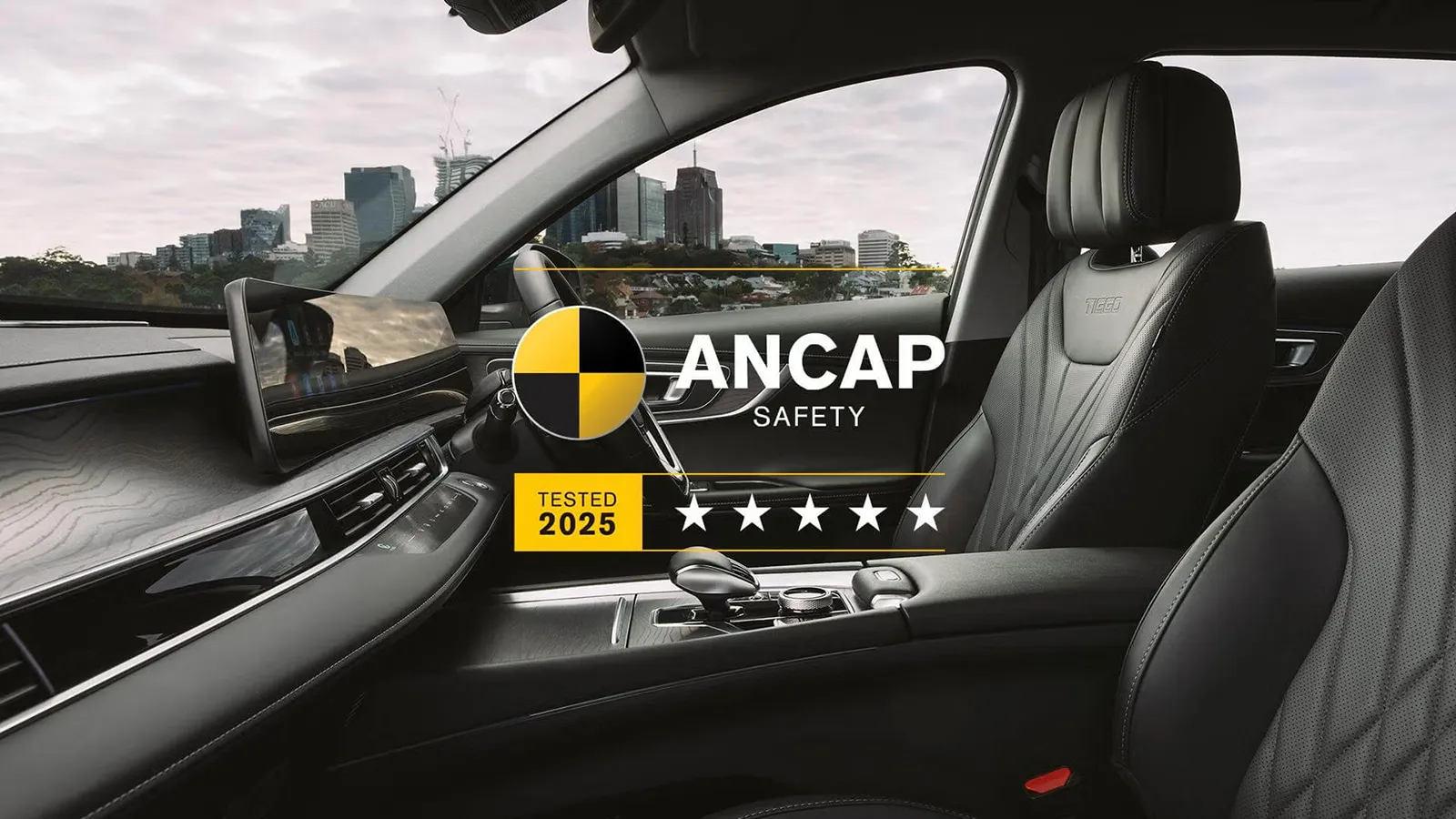

Five stars means nothing without a date. That is the fact the Australian used car market has quietly decided not to advertise.
ANCAP safety ratings expire. They have always expired, but in the last six months the list reached critical mass. The Toyota RAV4, HiLux, Mazda 3, Mazda CX-30, Kia Seltos, Subaru Forester, BMW 3 Series, Skoda Octavia, Renault Arkana, Nissan Juke, and Toyota Fortuner all had their five-star ratings lapse on December 31, 2025. Private sellers are still listing these cars as five-star safety vehicles. Many dealers are too.
The Expiry Nobody Advertises
Every ANCAP rating carries a six-year lifespan. Cars tested in 2017 expired at the end of 2023. Cars tested in 2018 expired at the end of 2024. The 2019 cohort, which includes some of Australia’s most commonly bought used cars, expired on December 31, 2025. None of the listing platforms updated the badge.
The expiry is not arbitrary. Safety testing protocols evolve, and a rating awarded under 2019 criteria reflects only what 2019 criteria measured. The protocols have been rewritten twice since then. A car that sailed through a 2019 test might genuinely struggle under current standards. The badge does not acknowledge this. It never has.
What changed on December 31 was the scale. The 2019 cohort is large, and it covers the cars Australians actually buy.
The New Protocol Is Not Just a Paperwork Update
Here is what most coverage of this story has missed. The same week 2019 ratings expired, ANCAP’s new “Stages of Safety” framework came into effect. This is not a minor revision. It is the biggest overhaul to Australian car safety testing in years, and it is specifically designed to catch things the old protocols let through.
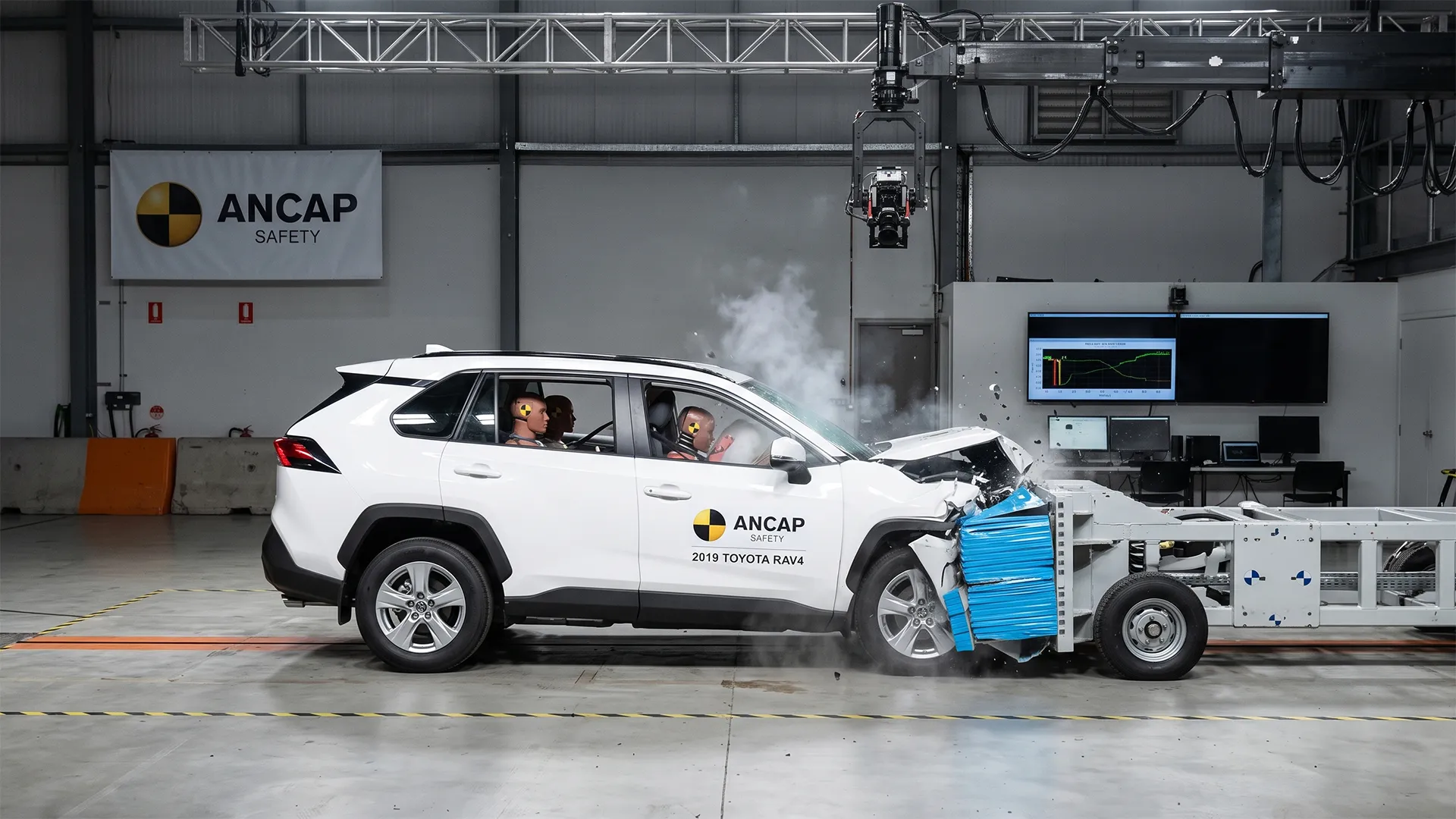
The old framework assessed four pillars. The new one has four stages, each scored out of 100, with mandatory minimums in every stage required to achieve five stars. Fail any single minimum and the overall rating falls, regardless of how well the car performs elsewhere. The logic is that a car weak in one area cannot compensate with strength in another.
The penalty structure is new too. If a seat or seat rail fails during a frontal crash, the car loses 50 per cent of its Crash Protection score automatically. That single failure makes five stars unreachable. The MG 3 hit this wall in its 2025 test. The full-width frontal test now uses a deformable barrier instead of a rigid wall, exposing structural weaknesses the old test could mask. An automatic emergency call function, connecting the car to emergency services after a detected crash, is now assessed in the Post-Crash stage.
Cars tested in 2019 had none of this measured. The five-star badge they carry was earned in a different exam.
The clearest signal of where the bar now sits is the new 2026 Toyota RAV4. It launched in Australia with no ANCAP rating, because Toyota acknowledged the car needed active and passive safety changes before it could be submitted. Australia’s most popular family car, from one of the most safety-focused brands on the market, shipped without a current rating because the old approach was not enough anymore.
Two Minutes and a Search Bar
Go to ancap.com.au. Search the specific model. Look at two things: the test year, and the Valid or Expired status next to it. Ignore the star count until you have confirmed both.
A 2018 Corolla and a 2024 Corolla both achieved five stars at the time of their tests. Those ratings are not the same thing. The test year tells you which era of safety standards your five stars came from, and the gap between eras is now significant.
If a car was tested in 2018 or earlier, the rating expired at the end of 2024. If it was tested in 2019, it expired at the end of 2025. An expired rating is not evidence that the car is dangerous. It is evidence that nobody knows how it would perform under current standards, because nobody has tested it.
For used car buyers, especially those shopping for a first car under $10,000, this cuts deeper than it might seem. Almost every car in that price bracket was new in 2018 or 2019. The ratings are gone.
One more thing worth knowing: the ANCAP website publishes full test reports, not just the headline rating. Pull up the original test for a car you are considering and you can see the individual pillar scores. A car that rated 70 per cent on Adult Occupant Protection and 90 per cent on Safety Assist is a materially different proposition to one that scored the other way around. The headline stars will not tell you this. The report will.
The badge on the listing is not a lie. It is just not current. In 2026, after the biggest protocol shift Australian safety testing has seen in years, those two things are no longer close to the same.


