

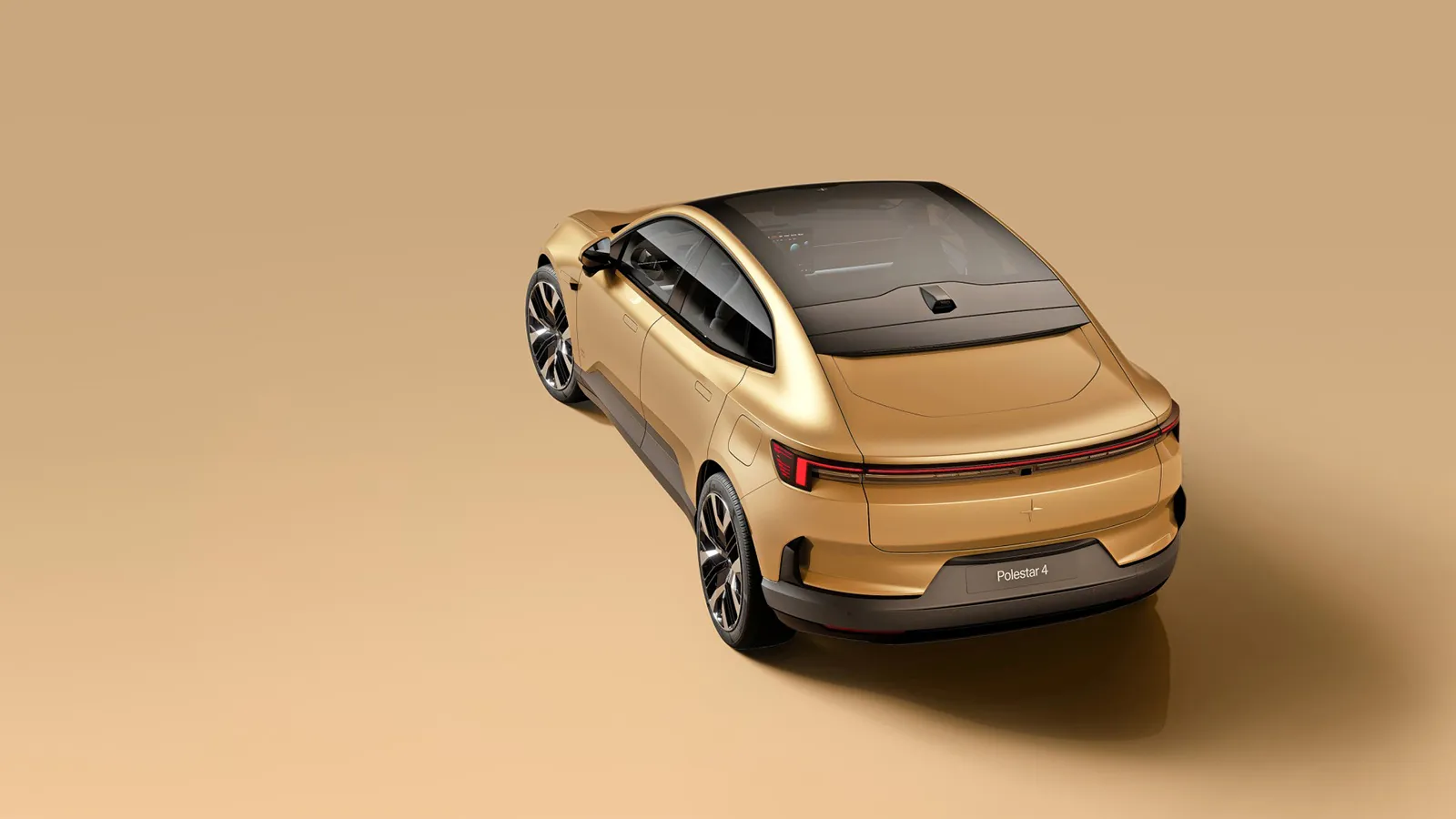
Polestar deleted the rear window. Not tinted, not shrunk. Deleted. It is a bold design statement that sounds like a gimmick until you sit in the cabin. The 2026 Polestar 4 Long Range Dual Motor is not just an engineering exercise in aerodynamic efficiency. It is a $88,350 luxury SUV that demands you rethink basic driving habits.
In this review, we are looking exclusively at the Long Range Dual Motor variant. It sits at the top of the standard Polestar 4 hierarchy. Buyers get a 100kWh battery, all-wheel drive, and a very serious power output. The question is whether the controversial digital mirror replacement is a brilliant aerodynamic hack or a terrifying nightmare in heavy Australian rain.
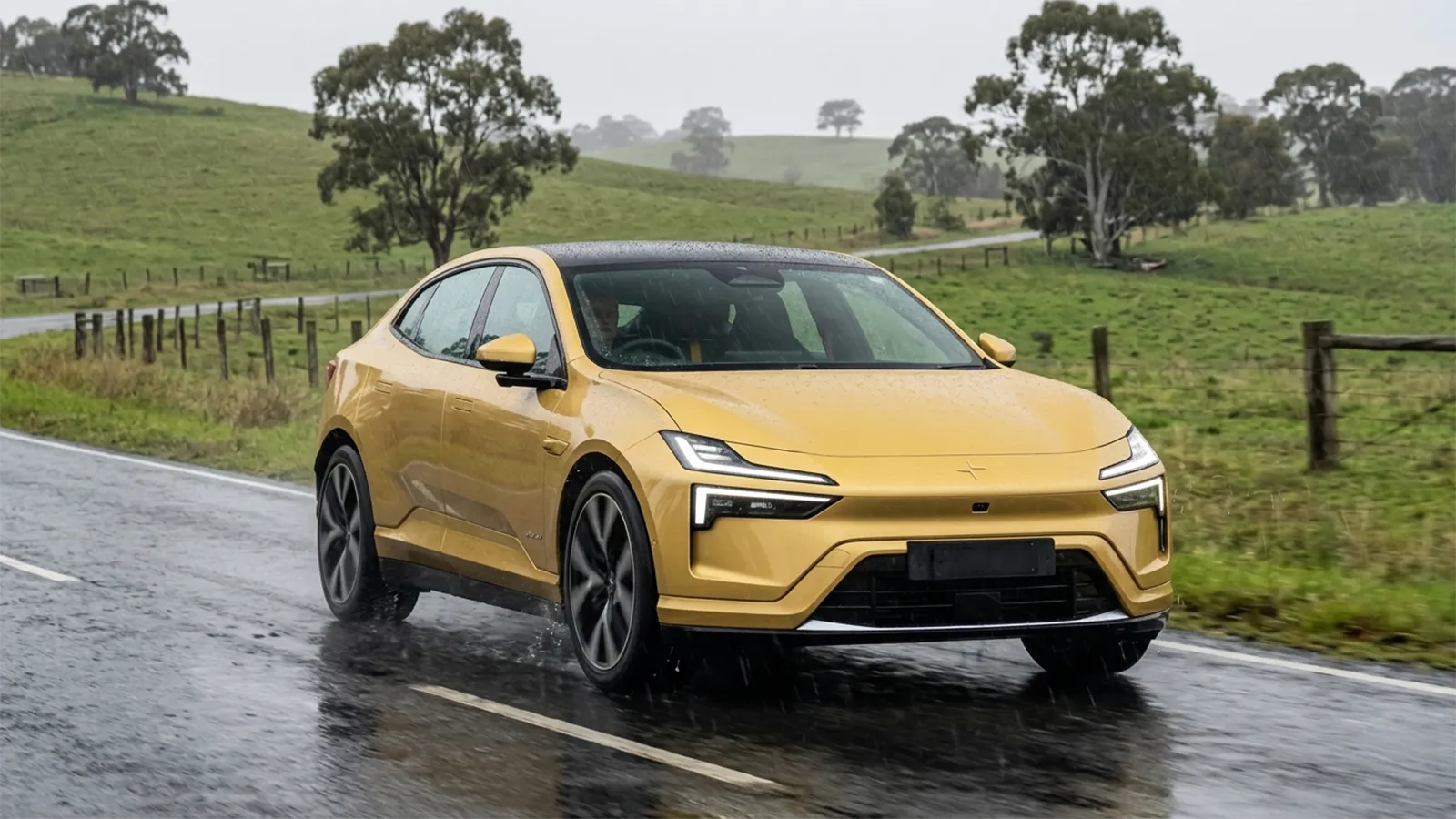
The Polestar 4 Long Range Dual Motor Verdict
The Polestar 4 Long Range Dual Motor delivers 400kW of all-wheel-drive performance and a 590km WLTP range for $88,350 RRP. The controversial digital rear-view mirror works better than expected, but the hefty options list and average 200kW DC charging hold it back.
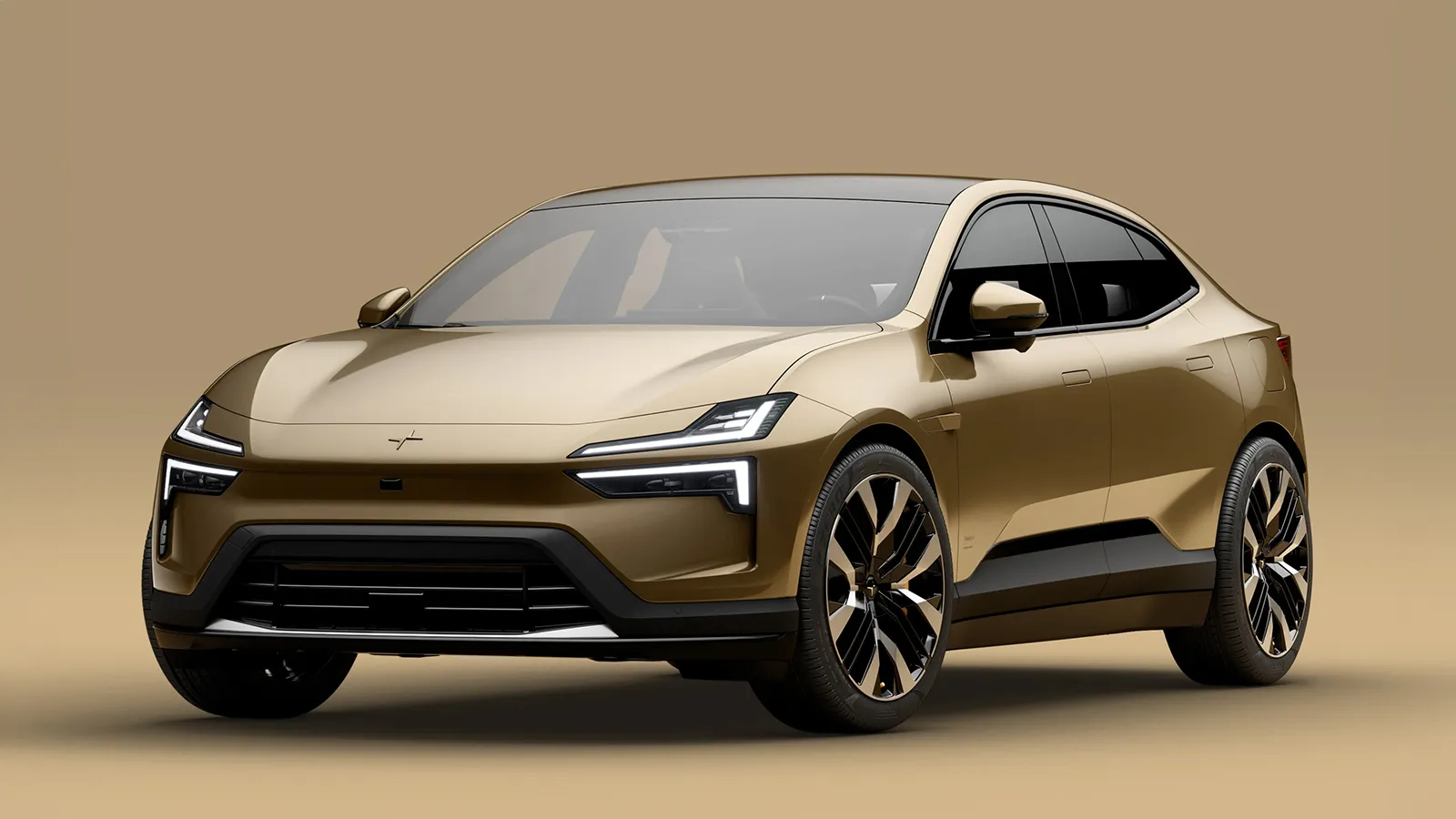
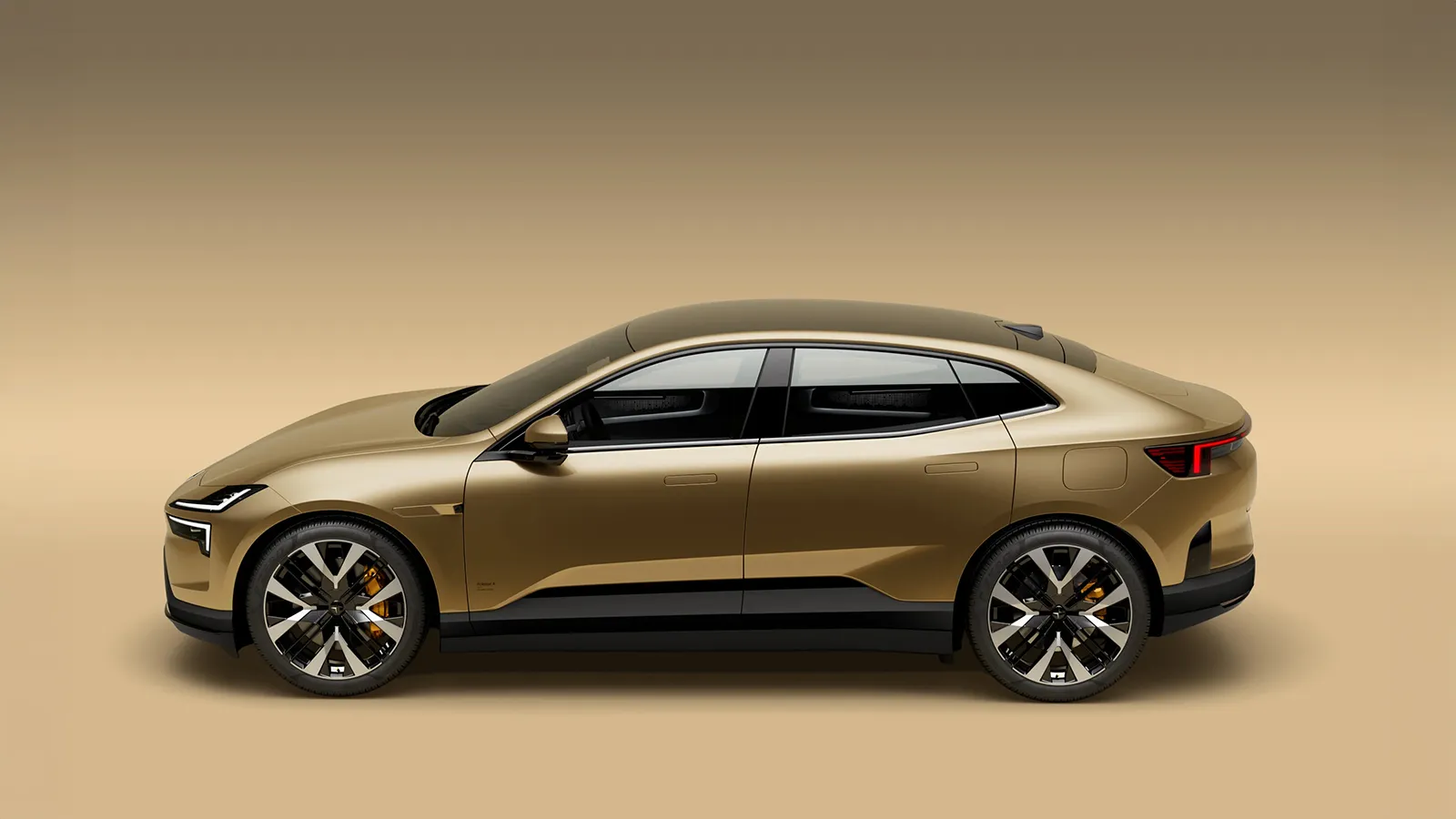
You will immediately notice the distinct silhouette. The coupe-SUV roofline extends all the way back, uninterrupted by glass. This gives the Polestar 4 an undeniably futuristic presence on the road. It turns heads in traffic and sparks conversations at public charging stations.
Inside, the fit and finish rival established German luxury brands. The sustainable interior materials feel genuinely premium. However, the reliance on option packs is frustrating. Essential luxury features are locked behind expensive bundles, pushing the final drive-away price well past the initial $88,350 figure.
Where the Polestar 4 Wins:
- Massive rear passenger headroom and legroom thanks to the deleted rear glass.
- Exceptional 400kW dual-motor acceleration with confident, predictable chassis tuning.
- A highly responsive and logical infotainment system powered by Android Automotive.
Where it Loses:
- Maximum 200kW DC fast charging lags behind 800-volt rivals from Hyundai and Kia.
- The $8000 Plus Pack feels mandatory for a true luxury experience.
- Rearward visibility requires an adjustment period, especially at night or in direct sunlight.
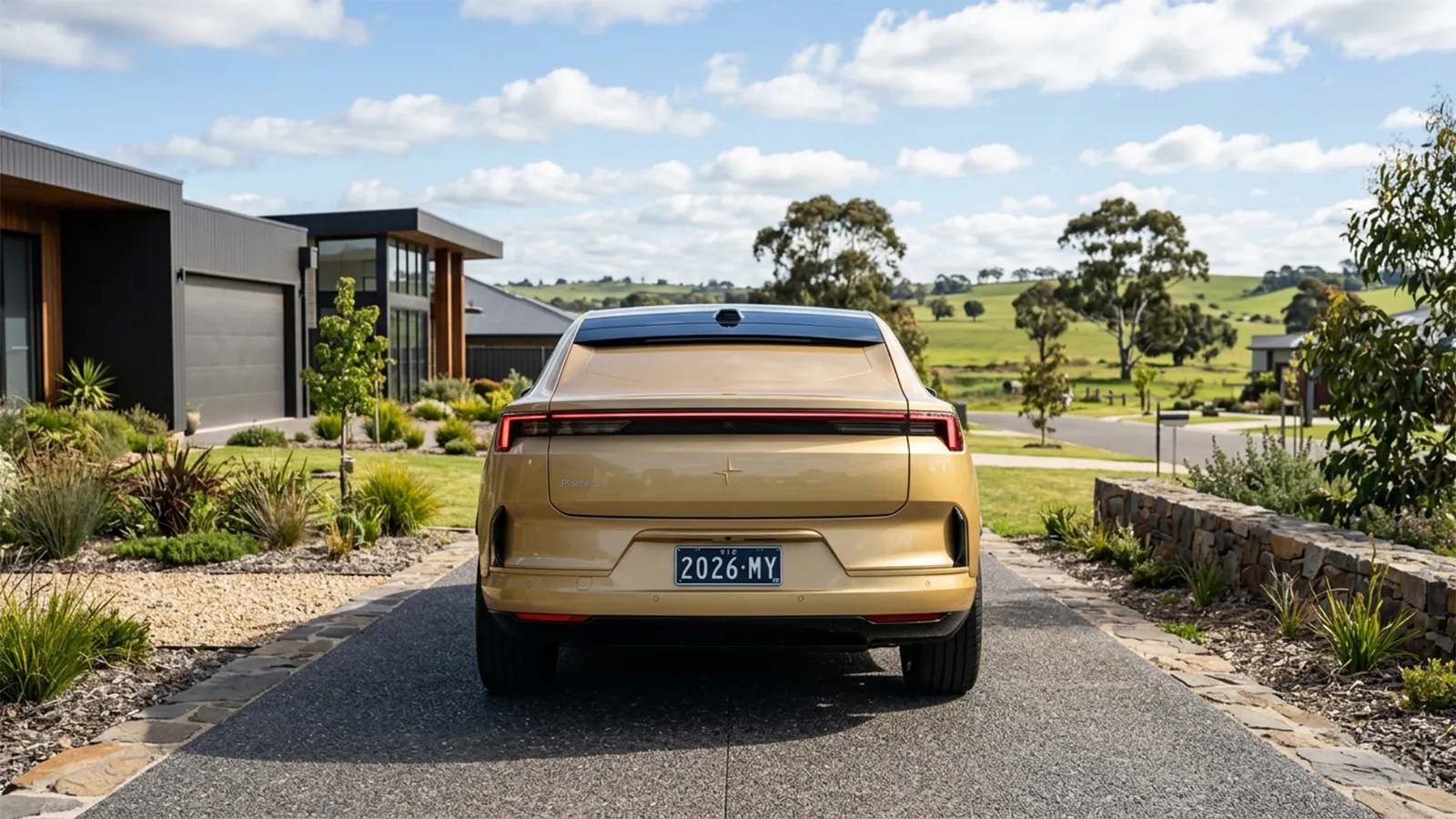
Life Without a Rear Window
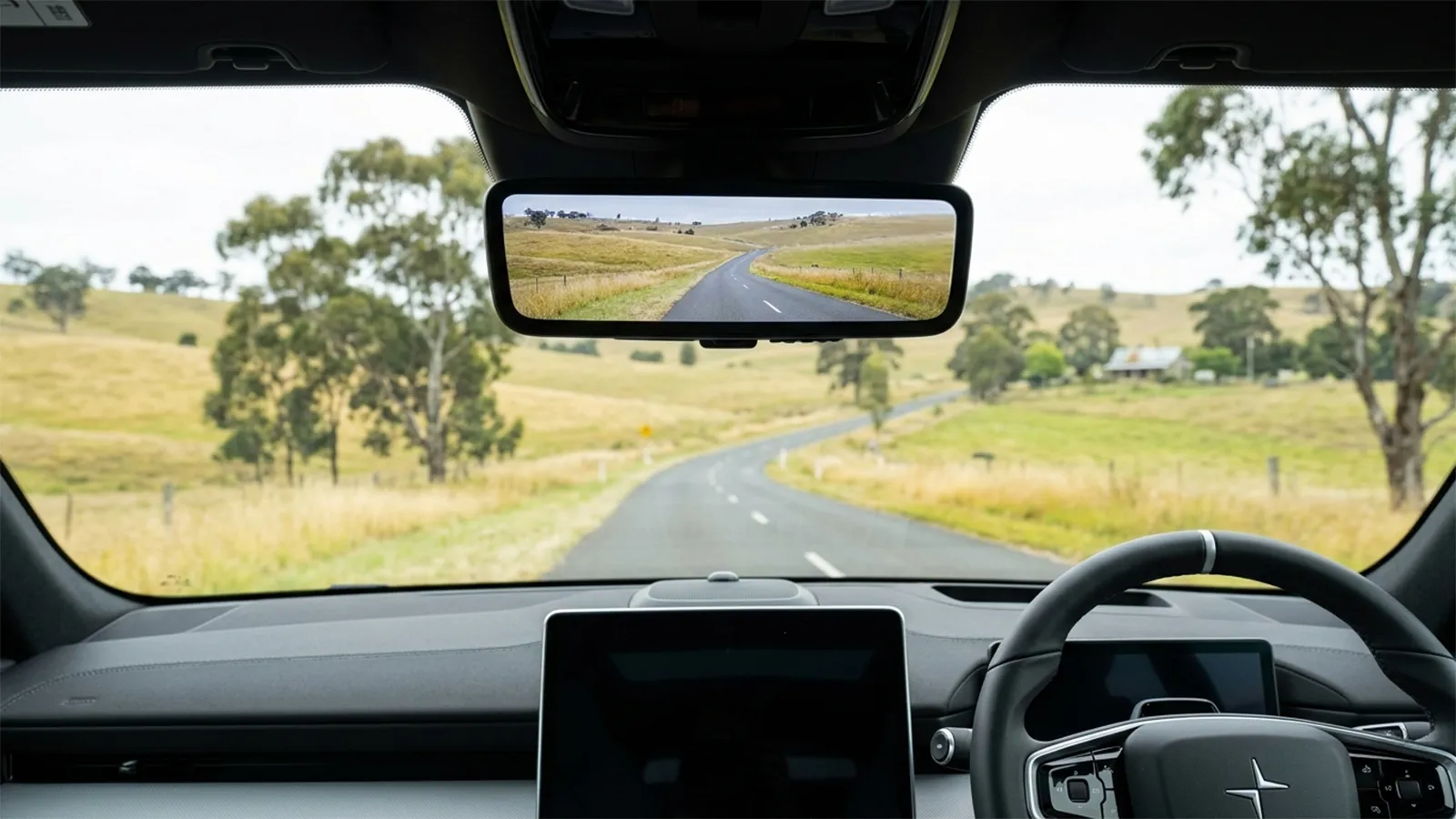
Removing the rear glass gives passengers unmatched headroom and cocoon-like privacy. The driver relies entirely on a roof-mounted, wide-angle high-definition camera feeding a digital screen where the traditional mirror used to sit. It takes about an hour to trust it.
When you first check the rear-view mirror, your eyes try to focus on a reflection. Instead, they hit a flat, high-definition screen. The focal depth is different. It forces your brain to recalibrate how it processes the space behind the vehicle. You will find yourself double-checking your side mirrors constantly on the first drive.
The camera provides a wider field of view than any standard mirror. Blind spots directly behind the car are completely eliminated. You get an unobstructed view of the traffic behind you, completely free from the visual clutter of rear headrests or tall passengers blocking the sightline.
Rear passengers are the real winners. Traditional coupe-SUVs sacrifice second-row headroom to achieve a sloping roofline. By deleting the rear glass and pushing the rear header rail back, Polestar has created a cavernous rear cabin. The optional electrochromic glass roof extends behind the rear passengers’ heads, flooding the space with light.
How does the digital mirror handle Australian rain?
The roof-mounted camera is housed in an aerodynamic lip designed to deflect water. It features a dedicated heating element to burn off condensation and droplets. During heavy rain, the digital feed remains surprisingly clear, outperforming traditional glass covered in road spray.
Winter commutes in heavy rain are usually the weak point for external cameras. Polestar has engineered the camera housing to actively push water away using airflow, and it shows. On a wet freeway run through driving rain, the images stay sharp throughout. No smearing, no fogging, no degradation.
Night driving introduces a different challenge. The camera automatically adjusts exposure for following headlights. It handles standard halogen and LED lights well, preventing glare from blinding the driver. However, flickering low-quality aftermarket LED lights on following vehicles can sometimes confuse the camera sensor, creating a minor strobe effect on the screen.
If you are carrying a full load of gear, the digital mirror is a revelation. Read our guide on why digital mirrors are the ultimate tech upgrade. You can pack the 526-litre boot straight to the roofline without ever worrying about blocking your rearward visibility.
Cabin and Technology Fit-Out
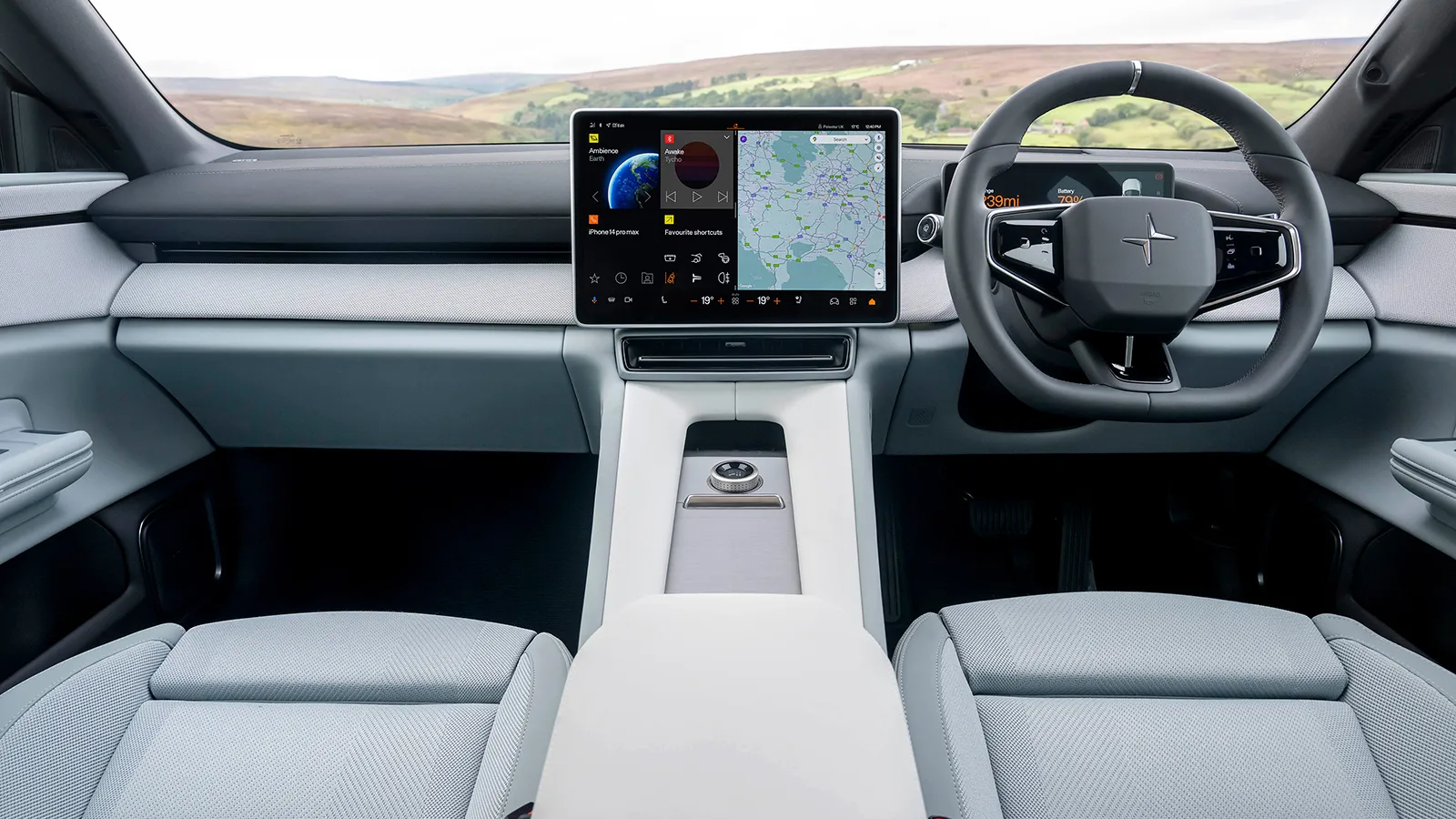
The Polestar 4 cabin is an exercise in Swedish minimalism. A massive 15.4-inch landscape touchscreen handles almost every vehicle function. Physical buttons are virtually non-existent, which keeps the dashboard clean but demands your full attention for simple climate adjustments.
The build quality is exceptional. There are no cheap plastics in your direct line of sight. The standard Bio-attributed MicroTech upholstery feels durable and premium. If you tick the right option boxes, you can upgrade to perforated Nappa leather with ventilation and massage functions.
Android Automotive remains one of the best infotainment systems on the market. Google Maps is built directly into the software, providing accurate routing and real-time battery estimates. The voice assistant actually understands Australian accents, meaning you can set navigation or change the temperature without taking your hands off the wheel.
However, the relentless push toward screen-based controls can be frustrating. Adjusting the side mirrors or steering wheel requires diving into a touchscreen menu first. It is a setup you will likely only do once, but it feels like an unnecessary complication of a previously simple mechanical task.
The Return of Physical Buttons
Polestar has listened to the feedback. For MY26, the Polestar 4 reintroduces physical buttons on the steering wheel, replacing the touch-sensitive controls fitted to earlier cars. It is a small change on paper but a significant one in daily use.
It is genuinely refreshing to see a manufacturer walk back a touchscreen-first decision. The buttons feel solid, with a positive click and clear separation between functions. Combined with the well-calibrated voice assistant, the Polestar 4 is now far less reliant on the central touchscreen for common tasks. It does not fix every screen-related complaint, but it removes one of the most consistent criticisms levelled at the pre-facelift car.
Handling 400kW on Australian Roads
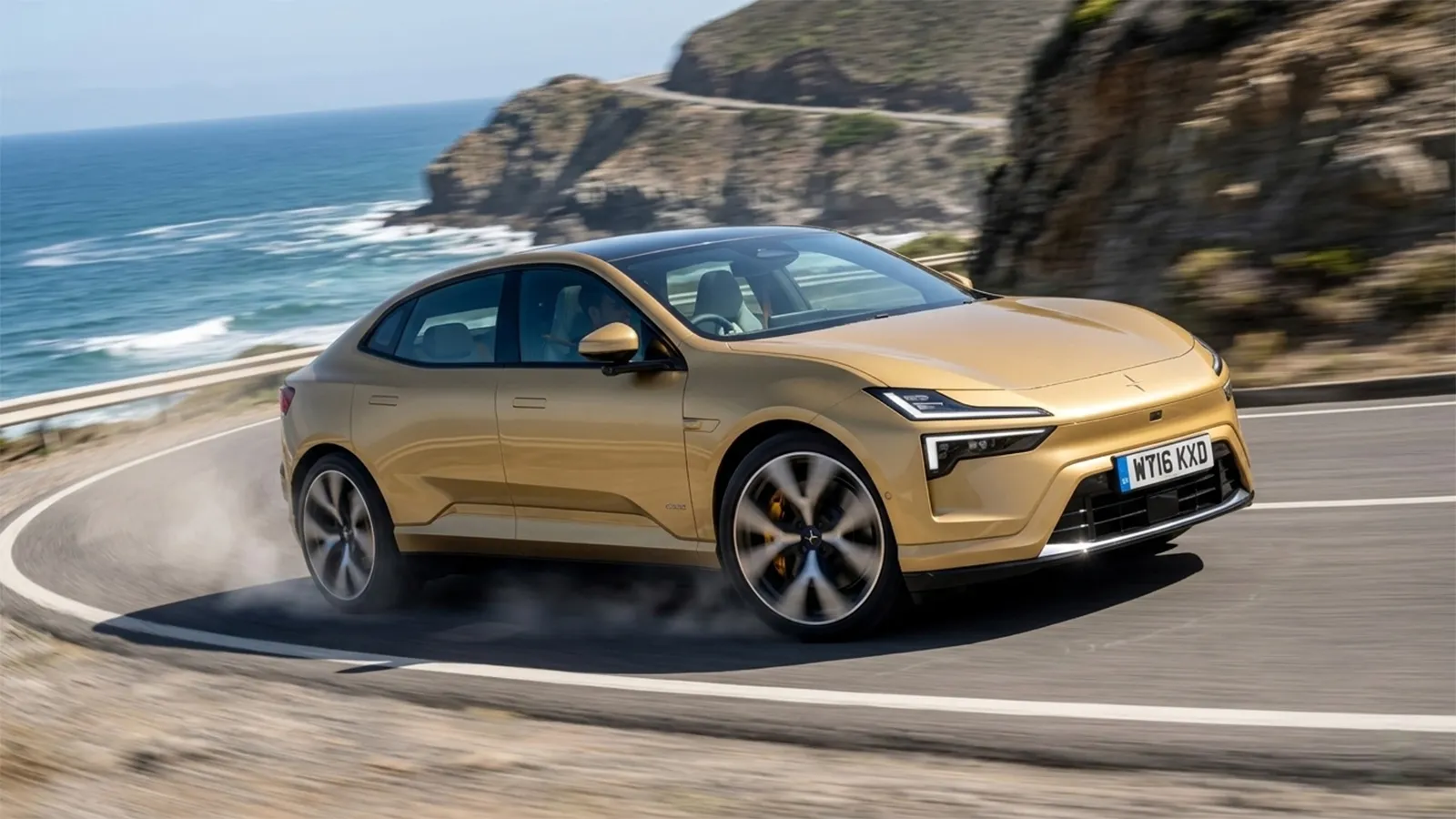
The Long Range Dual Motor produces 400kW and 686Nm, sending this 2355kg SUV from zero to 100km/h in 3.8 seconds. On paper, it is a straight-line weapon. On the road, the chassis tuning hides its substantial weight admirably.
Acceleration is immediate and intense. The dual electric motors deliver power to all four wheels with absolute precision. There is no wheelspin and no drama. You press the pedal, and the Polestar 4 gathers speed with real urgency. It makes highway overtakes effortless and completely stress-free.
Despite the power, this is not a highly-strung sports car. The steering is accurate but lacks the granular feedback you might expect from a dedicated performance sedan. Buyers cross-shopping $110k performance cars will notice it feels closer to a rapid grand tourer than a canyon carver.
The ride quality strikes a careful balance. It is firm enough to control the heavy body through fast corners, but compliant enough to handle broken suburban bitumen. If you frequently drive on poorly maintained regional roads, you will appreciate how quickly the suspension settles after hitting a mid-corner bump.
Does the $7200 Performance Pack matter?
The optional $7,200 Performance Pack adds 22-inch forged alloy wheels, a specific Polestar Engineered chassis tune, and massive four-piston Brembo brakes. It sharpens the handling significantly, but the larger wheels introduce more tyre roar on coarse-chip Australian highways.
Worth noting: for MY26, Polestar now requires you to tick the $8,000 Plus Pack before you can add Performance, pushing the combined options spend past $15,000.
If you enjoy spirited driving through the ranges, the brake upgrade alone makes a compelling case. Pulling 2355kg down from highway speeds repeatedly requires serious stopping power. The Brembo calipers provide excellent pedal feel, blending mechanical braking and electric regeneration smoothly.
However, for daily commuting, the standard setup is more than sufficient. The 22-inch wheels look fantastic in the driveway but compromise the secondary ride quality. Potholes and sharp expansion joints send a noticeable thud through the cabin. Sticking with the standard 20-inch aero wheels yields a more comfortable daily drive.
The towing capacity is a modest 1500kg braked. This is enough for a small box trailer or a couple of dirt bikes, but it falls well short of serious towing duties. If you need to haul a large caravan, you are looking at the wrong segment entirely.
The Charging and Range Reality
The Long Range Dual Motor carries a 100kWh battery delivering a claimed 590km WLTP range. Real-world highway driving at 110km/h will see that figure drop closer to 450km. DC fast charging peaks at 200kW, refilling the battery from 10 to 80 percent in 30 minutes.
The 590km official figure is highly competitive for a dual-motor SUV. In city driving, where regenerative braking does its best work, you can easily stretch the range past 500km. Real-world testing consistently exposes the gap between claims and reality, but the Polestar 4 remains one of the stronger performers in its class.
Charging speed is acceptable but not class-leading. While the 200kW peak rate is solid, competitors using 800-volt architectures can pull significantly more power, shaving crucial minutes off public charging stops. The Polestar maintains its charging curve reasonably well, but it won’t break any speed records at the ultra-rapid chargers.
Home charging is where the convenience lies. The optional Plus Pack upgrades the onboard AC charger to 22kW. If you have three-phase power at your home or workplace, this allows you to completely refill the massive 100kWh battery in just five and a half hours.
Safety, Pricing, and the Value Equation
Pricing starts at $88,350 before on-road costs for the Long Range Dual Motor. Safety systems are comprehensive, but unlocking premium features requires the $8,000 Plus Pack. With the Plus and Performance packs ticked, drive-away pricing climbs into the low $110,000s in most states.
Standard safety equipment is exhaustive. You get advanced forward and reverse collision mitigation, pedestrian and cyclist detection, and excellent adaptive cruise control with lane centring. The systems are calibrated beautifully for Australian roads. The lane-keeping assist is helpful without aggressively fighting your steering inputs.
The ownership proposition is relatively straightforward. Polestar includes a five-year, unlimited-kilometre warranty, while the high-voltage battery is covered for eight years or 160,000km. Servicing intervals are set at a generous 24 months or 30,000km, keeping ongoing maintenance costs low compared to internal combustion rivals.
Depreciation remains the elephant in the room. Premium electric vehicles are currently experiencing sharp drops in resale value on the used market. Buyers should view the Polestar 4 as a long-term purchase rather than a vehicle to trade in after three years.
Is the $8000 Plus Pack mandatory?
The Plus Pack adds the Harman Kardon premium sound system, Pixel LED headlights, a head-up display, and three-zone climate control. It also brings the crucial 22kW AC charging upgrade. For luxury buyers, it is an essential addition that drastically improves the ownership experience.
It is frustrating that features like a head-up display and premium audio are optional on a vehicle starting near six figures. German manufacturers have used this strategy for decades, and Polestar has clearly adopted the same playbook. You have to budget for the packs to get the car you actually want.
If you skip the Plus Pack, the standard audio system is merely adequate, and the standard LED headlights lack the brilliant matrix functionality of the Pixel upgrade. If you are already spending around $90k, leaving the Plus Pack off the order sheet feels like a false economy.
Ultimately, the Polestar 4 is a triumph of design and packaging. If you want a traditional SUV with analog visibility and physical buttons, walk away. Full stop. But if you are ready to embrace a screen-heavy, relentlessly modern driving experience, the Long Range Dual Motor is a deeply impressive machine.


