
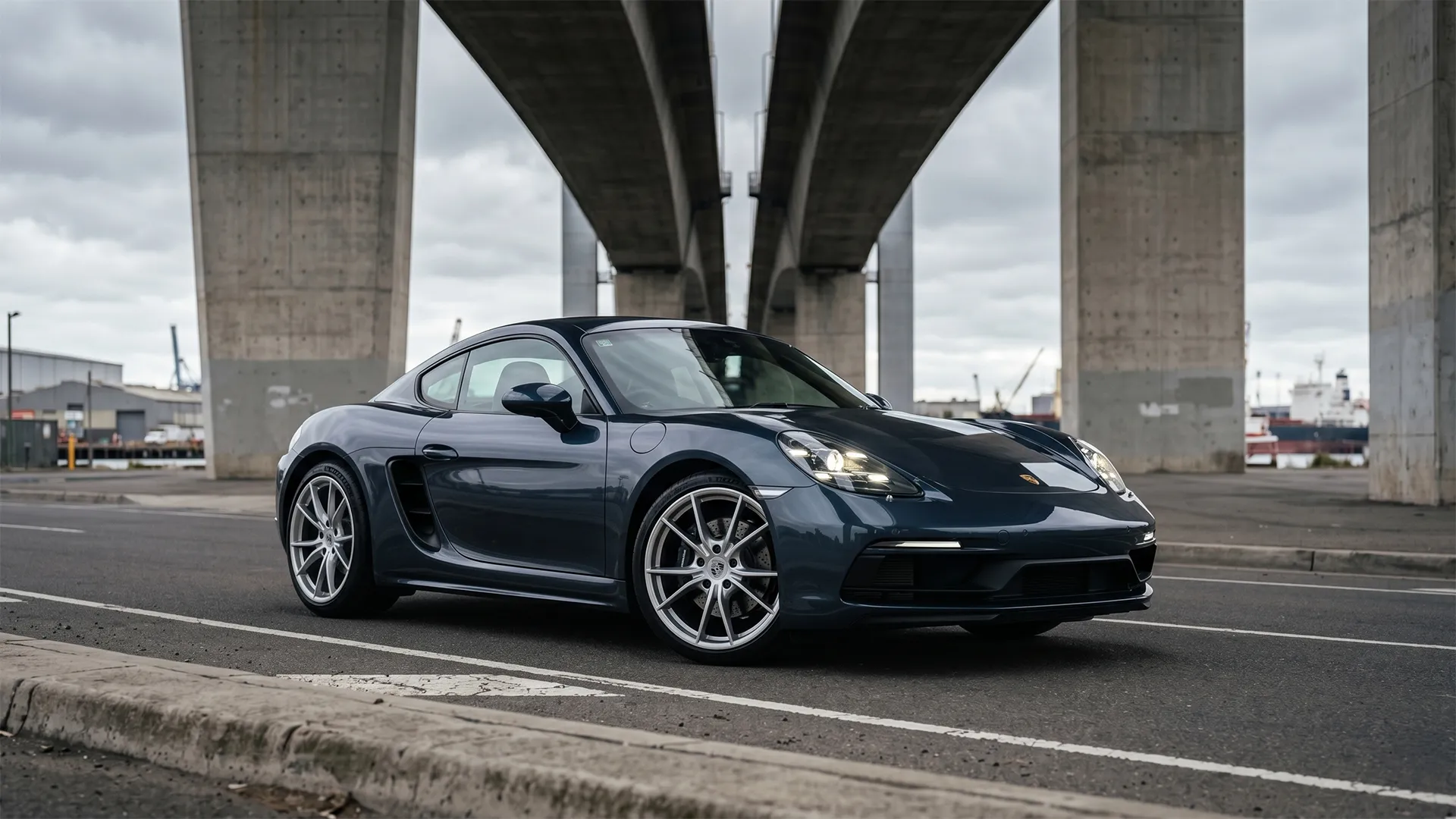

The Porsche 718 Cayman is the sports car internet commenters tell you to skip. They insist you need the GTS 4.0 for the sound. They claim you need the GT4 for the prestige. But those critics are usually spending your money, not theirs.
The reality of the Australian car market is different. Dropping over $220,000 on a GT4 requires serious financial gymnastics. The entry-level Cayman asks a different question. It asks if the core Porsche experience survives when you strip away the massive price tag and the famous flat-six engine.
The answer lies in the chassis. This is a purpose-built, mid-engine sports car. It does not share a platform with a family hatchback. It was designed from day one to pivot around the driver’s hips.
The 718 Cayman Verdict
Should you buy the entry-level Porsche?
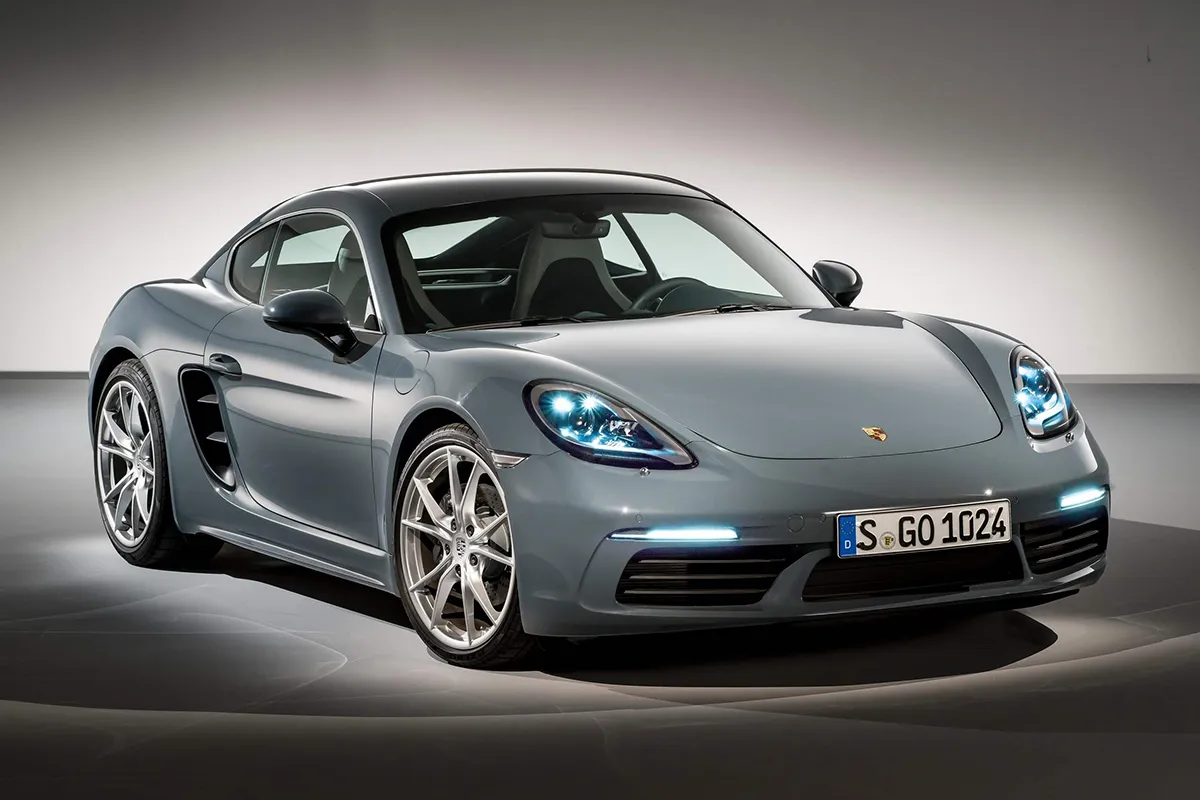
Starting around $132,500 before on-roads, the base 2026 Porsche 718 Cayman is a surgical, perfectly balanced sports car. The 220kW turbocharged four-cylinder lacks the classic flat-six wail, but the mid-engine chassis remains the benchmark for handling in this price bracket.
Where the Cayman Wins
- Benchmark steering feel and mechanical grip.
- Excellent driving position and physical ergonomics.
- Surprisingly practical with two separate luggage compartments.
- Exceptional build quality inside and out.
Where the Cayman Loses
- The four-cylinder exhaust note is uninspiring.
- Expensive options list pushes the price up rapidly.
- Severely lacking in modern active safety technology.
- No Android Auto support available.
Inside the Cockpit
Does the aging cabin still hold up?
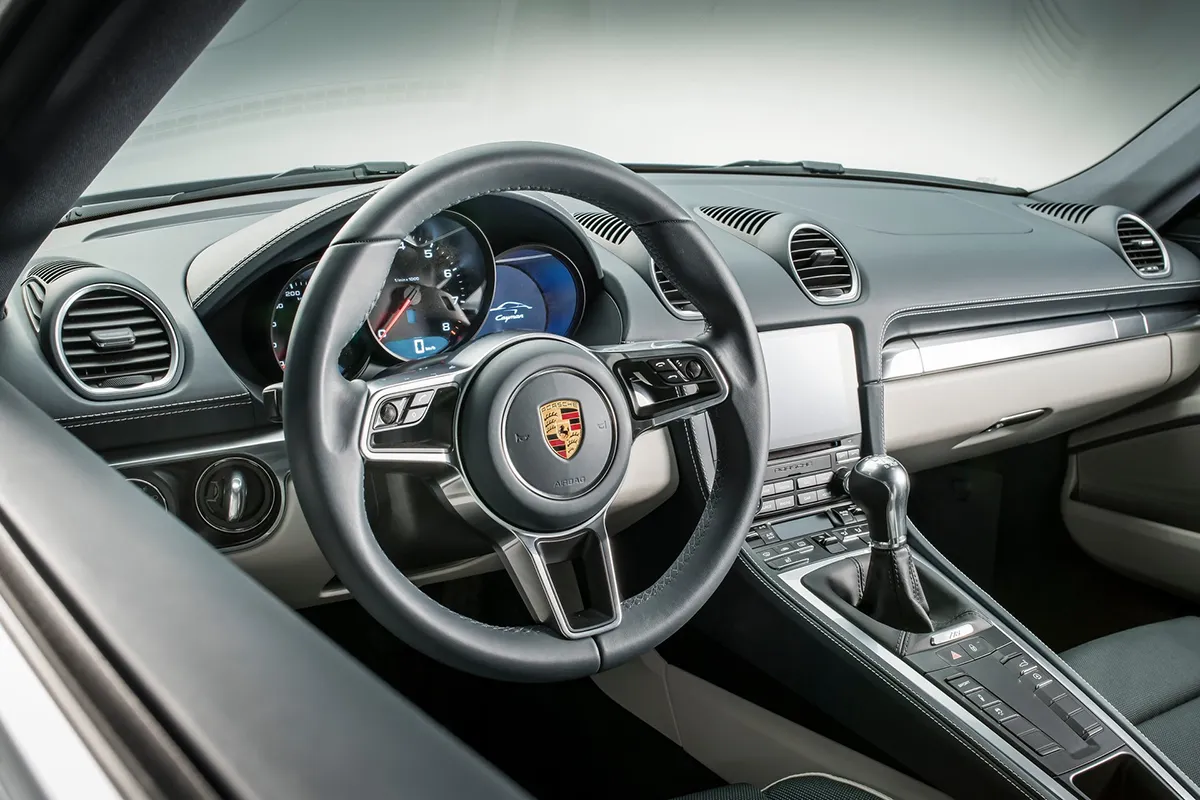
The 718 cabin is a tribute to physical ergonomics over digital distraction. You get a 7.0-inch touchscreen with wired Apple CarPlay, but the absence of Android Auto and modern active safety tech reveals the true age of this platform.
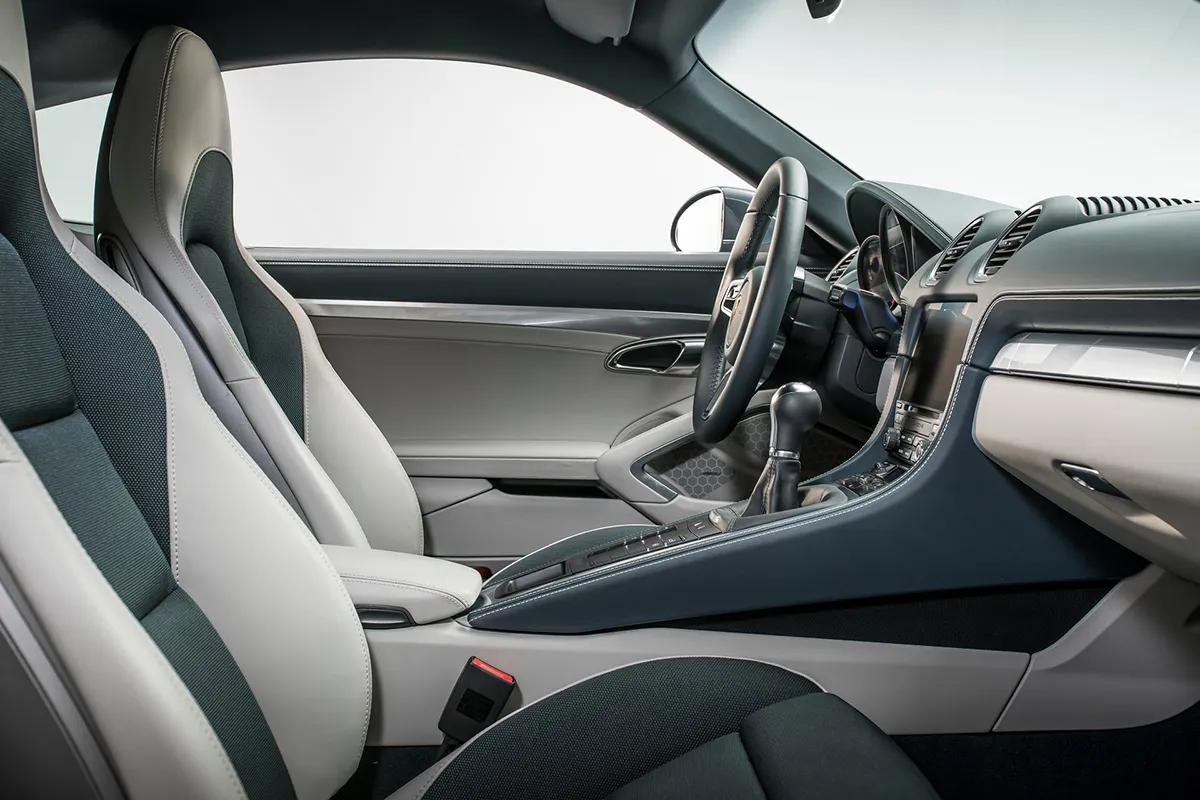
Step inside the Cayman and you immediately notice the driving position. It is flawless. You sit incredibly low, with the steering wheel dropping straight into your lap. The seats grip your ribs tightly without feeling claustrophobic on long drives.
The dashboard layout feels like a time capsule from 2016. Porsche has completely ignored the modern trend of bolting a massive tablet to the dashboard. Instead, you get a neatly integrated 7.0-inch touchscreen flanked by physical buttons and air vents.
Physical buttons dominate the centre console. You do not need to dive through three sub-menus to adjust the fan speed. You just press a switch. This setup might look old in photographs, but it functions beautifully when you are actually driving.
The technology suite is heavily compromised by its age. Wired Apple CarPlay is standard. Android Auto is entirely missing in action. If you carry a Google Pixel or a Samsung Galaxy, you are relying entirely on the native Porsche navigation system.
Powering the Entry Level
Is the 2.0-litre turbo four a real Porsche engine?
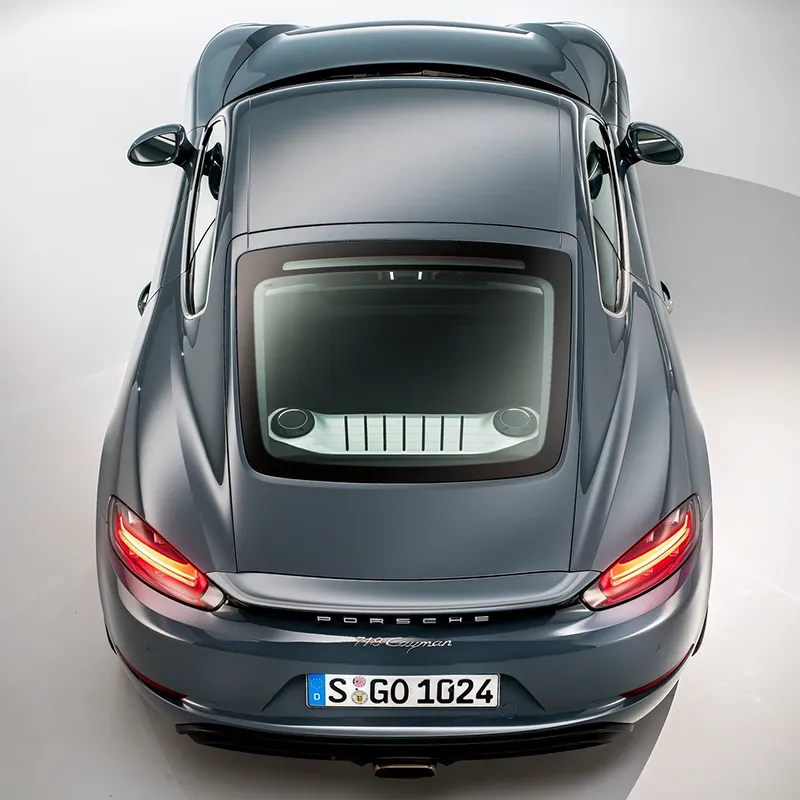
Packing a 220kW and 380Nm 2.0-litre turbocharged flat-four, the base Cayman is objectively fast. It hits 100km/h in 4.9 seconds with the optional PDK and Sport Chrono package, delivering immediate mid-range punch that the older naturally aspirated engines lacked.
The engine is the most controversial part of the base Cayman. Porsche replaced the old 2.7-litre naturally aspirated flat-six with a 2.0-litre turbocharged flat-four. Enthusiasts immediately complained about the noise and the character.
The criticism is fair. The turbocharged four-cylinder sounds industrial at low revs. It idles with a gruff, mechanical clatter that resembles a modified rally car more than a classic Porsche. The optional sports exhaust only makes the gruffness louder.
But what it lacks in acoustic charm, it makes up for with sheer pace. According to Porsche’s official technical data, the 2.0-litre engine produces 380Nm of torque from a low 2,150 rpm.
That low-down torque completely changes how you drive the car. You no longer need to ring the engine out to 7,000 rpm just to overtake a B-double on the highway. You simply flex your right foot and the car surges forward.
The Mid-Engine Masterclass
How does the base 718 handle Australian roads?
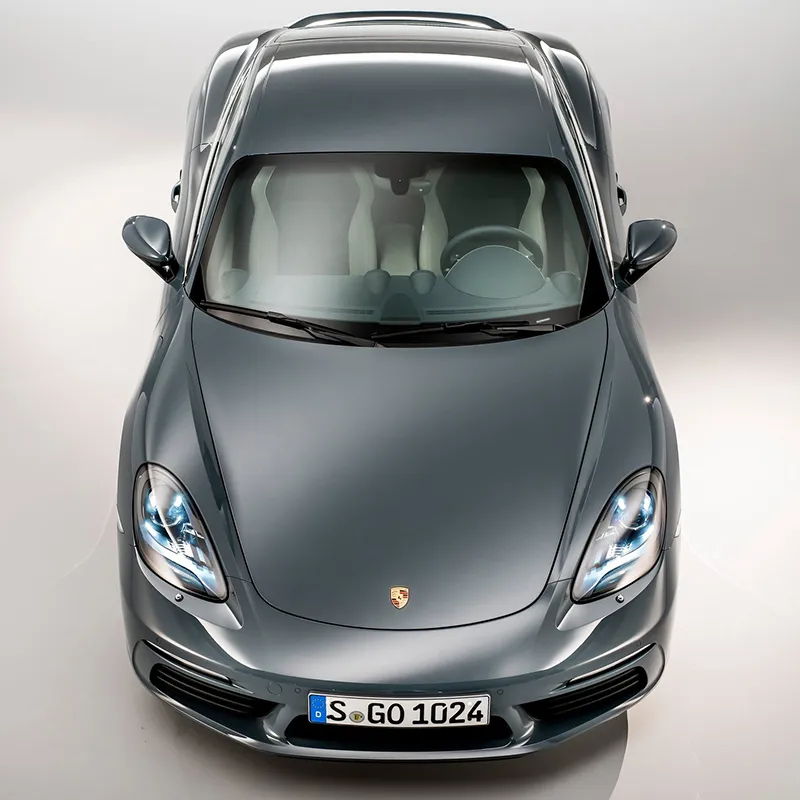
The Cayman shines dynamically with its 50:50 weight distribution and low centre of gravity. The chassis settles instantly over mid-corner bumps, providing steering feedback that electric setups from rivals simply cannot replicate. It remains the absolute gold standard.
Handling is the singular reason you buy a 718 Cayman over an equivalently priced BMW M2 or Audi RS3. Placing the engine directly behind the driver’s seat creates a natural pivot point right at your hips.
Turn the steering wheel and the front end darts toward the apex with zero hesitation. There is no heavy lump of metal over the front axle waiting to wash out into understeer. The car simply rotates around you with incredible precision.
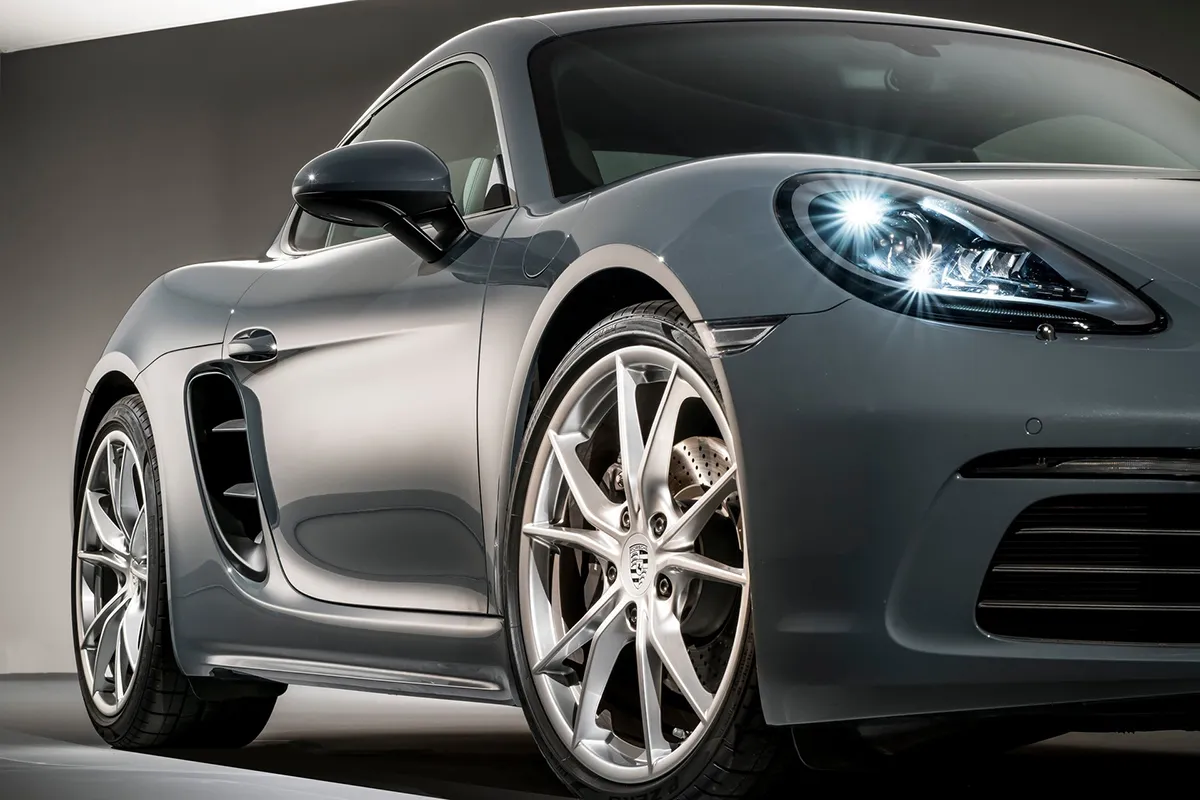
The chassis communicates exactly what the front axle is doing. This feedback makes it incredibly easy to judge grip limits on damp roads. Maximising that mechanical grip requires careful thought about rubber, which is why understanding how to choose the right performance tyres for Australian roads is crucial for any Cayman owner.
The standard suspension tune is remarkably compliant. It absorbs poor road surfaces on country runs without shattering your spine. Upgrading to the optional PASM adaptive suspension lowers the car by 10mm and tightens body control further for track use.
Living With a Sports Car
Is the Cayman practical for daily duties?
Mid-engine packaging gives the 718 Cayman two generous cargo areas. The deep 150-litre front trunk and shallow 275-litre rear hatch offer enough combined space for a weekend away, making it significantly more practical than front-engine rivals like the F-Type.
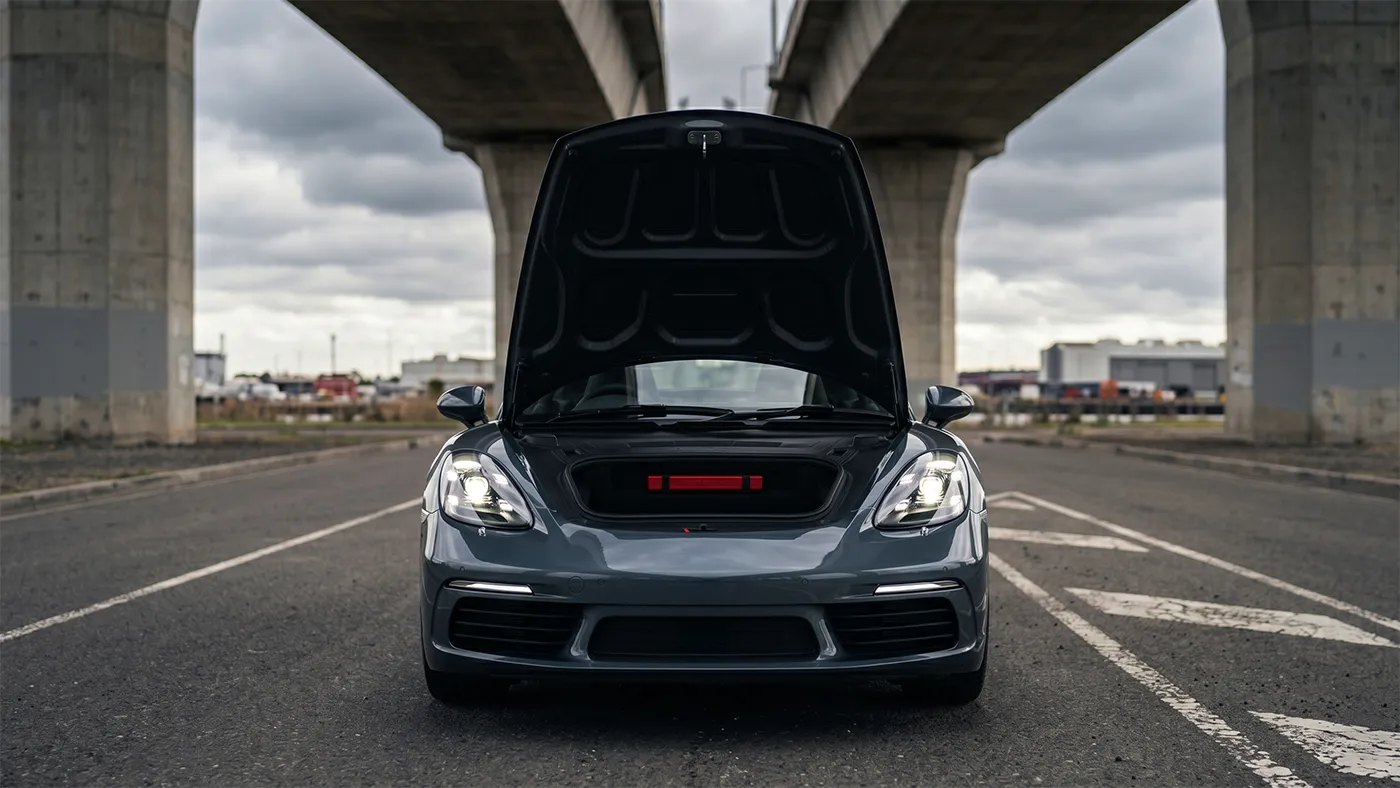
Sports cars are rarely bought for their cargo capacity. The Cayman breaks that rule by being surprisingly brilliant at hauling luggage. The lack of an engine up front frees up a massive void under the bonnet.
This front trunk measures 150 litres. It is deep enough to swallow a standard airline cabin bag standing upright. It is also completely sealed from the weather, making it the perfect spot for soft bags or groceries.
Move to the rear and you find a shallow 275-litre hatch sitting above the engine cover. It is wide enough for a set of golf clubs or a large duffel bag. Combined, the total storage rivals a small hatchback.
Cabin storage is less impressive. The door pockets are incredibly narrow. The centre console bin barely holds a wallet. The cupholders deploy from a hidden slot above the glovebox in a highly over-engineered but slightly flimsy fashion.
The Transmission Dilemma
Should you order the manual or the PDK?
The standard six-speed manual gearbox offers incredibly tactile shifts and deep driver engagement. However, the seven-speed PDK automatic is objectively faster, improves fuel economy, and transforms the Cayman into a remarkably relaxed grand tourer for the daily highway commute.
Porsche gives buyers a genuine choice here. The standard six-speed manual is one of the best gearboxes currently in production. The shift action is mechanical, precise, and deeply satisfying to use on a winding road.
The clutch pedal is perfectly weighted for smooth getaways in traffic. The only genuine complaint is the exceptionally long gearing. You can hit highway speeds in second gear, meaning you rarely get to row through the box legally on public roads.
The seven-speed PDK dual-clutch automatic is a costly option. It is also brilliant. In automatic mode, it slurs through gears seamlessly. In manual mode, it fires off shifts with rifle-bolt precision.
If you plan to track the car or commute through heavy traffic, the PDK is the smartest choice. It drops the 0-100km/h sprint time to a brisk 4.9 seconds. But for pure weekend enjoyment, the manual remains the purist’s pick.
The Porsche Tax
What does it cost to put one in the driveway?
The $132,500 sticker price is just the beginning. Porsche charges extra for essential features like adaptive cruise control, keyless entry, and the dual-clutch transmission. Buyers need to tread carefully with the options list to prevent crushing depreciation on resale.
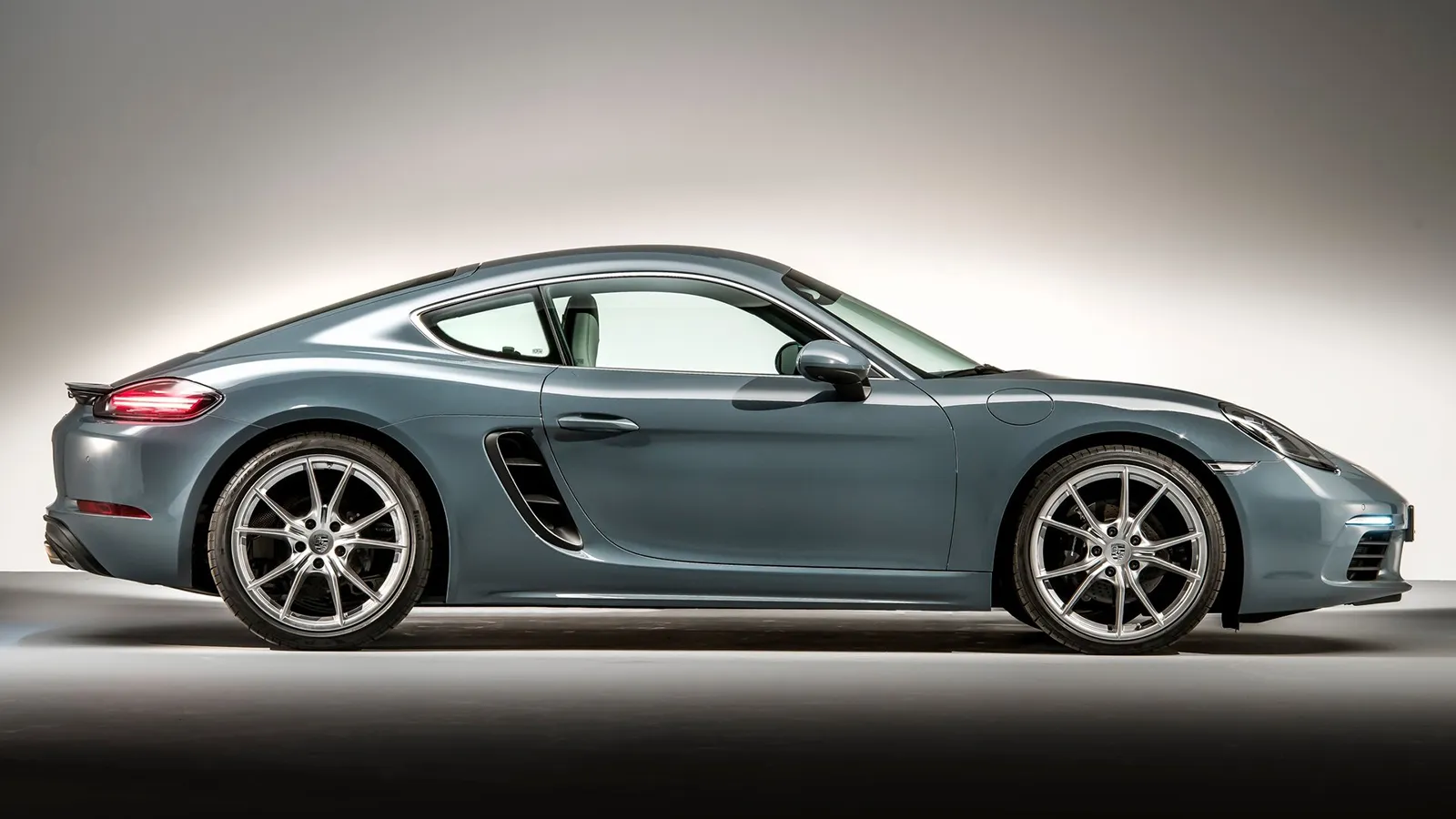
Buying a base model Porsche requires supreme discipline. The starting price of $132,500 before on-road costs looks almost reasonable for a dedicated sports car. Then you open the configurator.
Porsche expects you to pay extra for almost everything. Adaptive cruise control costs extra. Keyless entry and start cost extra. The PDK transmission adds thousands to the bottom line. Even different coloured seatbelts attract a heavy premium.
It is alarmingly easy to add $30,000 in options to a base Cayman. At that point, you are dangerously close to Cayman S pricing territory. A heavily optioned base model will suffer brutal depreciation when it comes time to sell.
A heavily optioned base model will suffer brutal depreciation when it comes time to sell. The smart money keeps the specification light. If your goal is to buy a performance car that holds its value over long-term ownership, look for models with an unshakeable enthusiast following, a dynamic we break down deeply in our VF Series II Holden Commodore SS Buying Guide.
Safety and Value Equations
Are you paying for a badge or engineering?
You buy the 718 for engineering excellence, not equipment. The lack of standard autonomous emergency braking or lane-keeping assist highlights its age. Value lies entirely in how it drives, not how many features it packs onto the spec sheet.
If you measure value by the length of a standard equipment list, the Cayman fails immediately. A $35,000 Toyota Corolla offers more active safety technology. The Cayman architecture predates the industry’s obsession with autonomous safety nets.
You do not get lane-keeping assist. You do not get autonomous emergency braking as standard equipment. The reversing camera resolution looks like it belongs to a different decade.
But value in a sports car is measured differently. You are paying for the bespoke chassis tuning and you’re paying for suspension components forged from aluminium. You are paying for a hydraulic-feeling electric steering rack that engineers spent years perfecting.
This is a car built to outlast its finance terms. The build quality is bank-vault solid. The panel gaps are perfectly uniform. The interior materials wear incredibly well over time.
Final Verdict
Who is the base 718 Cayman actually for?
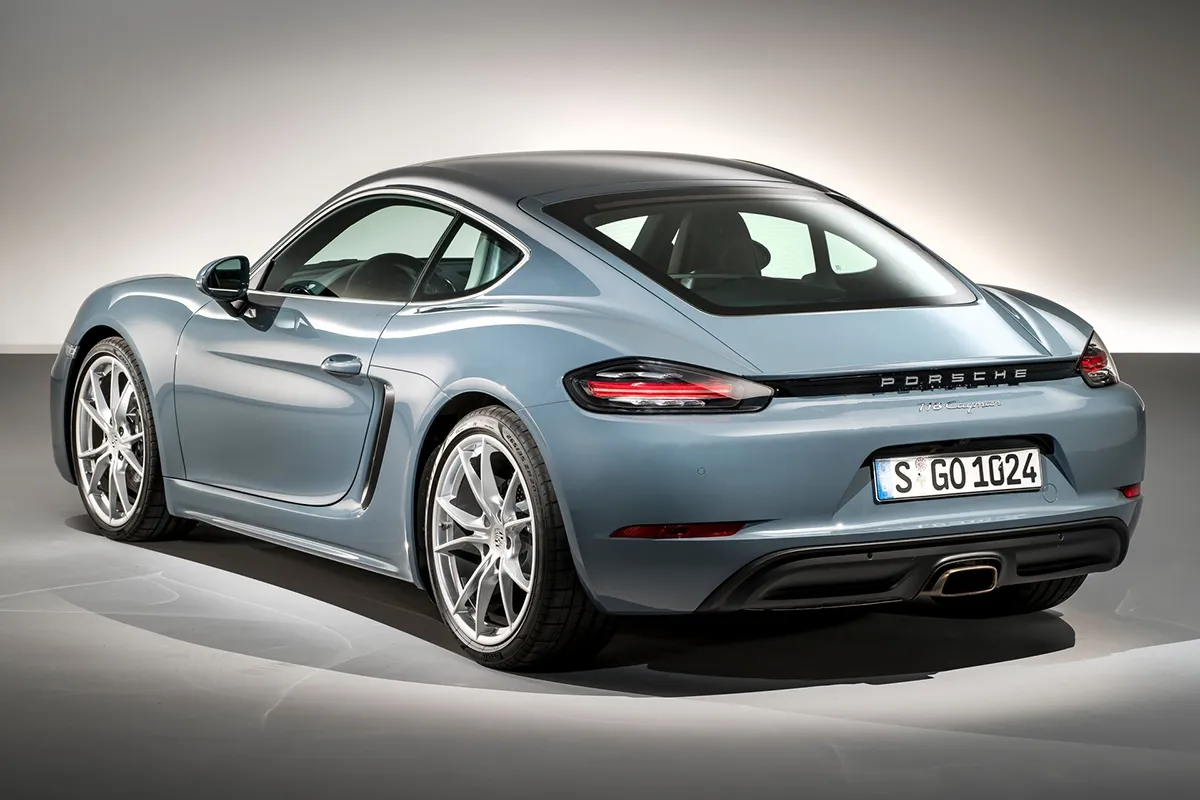
The four-cylinder Cayman is for the purist who values chassis balance over outright straight-line speed. If you want a brilliant, focused driving tool and do not care about the flat-six soundtrack, this is the smartest buy in the Porsche showroom.
The base Porsche 718 Cayman is not the poor man’s 911. It is a completely different proposition. It is a lighter, more agile tool that rewards smooth driving and punishes sloppy inputs.
The four-cylinder engine will always attract criticism from keyboard warriors. Let them complain. The turbocharged punch makes the Cayman genuinely fast in the real world, and the chassis remains an absolute triumph of German engineering.
If you simply want to show off, buy a used 911. If you genuinely love driving for the sake of driving, the base Cayman delivers everything you actually need. Order it with a manual gearbox. Keep the options list short. Point it toward the nearest set of corners.


