
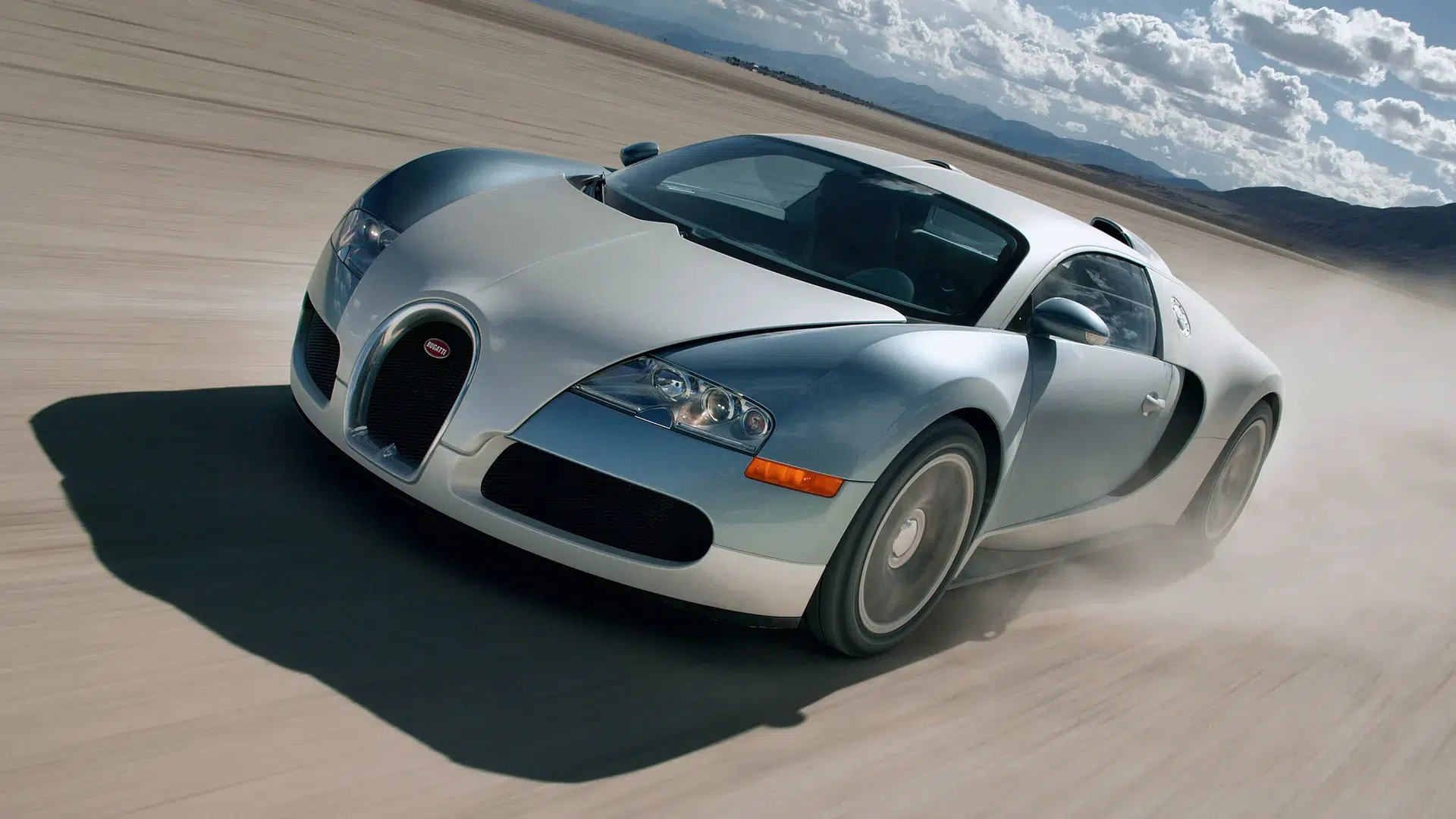

It turned 20 in 2025. While most of us will never be within handshake distance of one, the global collector market has just spent the year reminding everyone exactly what the Bugatti Veyron means. Auction records fell twice in 2025, and values are climbing with real urgency.
For the handful of examples that have found their way to Australian soil through dedication and punishing paperwork, the case for a Veyron crossing A$10 million is no longer a stretch. To understand why this car holds such a grip on the imagination and the wallet, you have to go back to 2005.
You have to appreciate just how absurd the original brief was. Volkswagen Group decided to build the fastest road car in history. The Veyron was not just a supercar. It was a complete reimagining of what a road vehicle could do, and the market is finally pricing that achievement accordingly.
How much is a Bugatti Veyron?
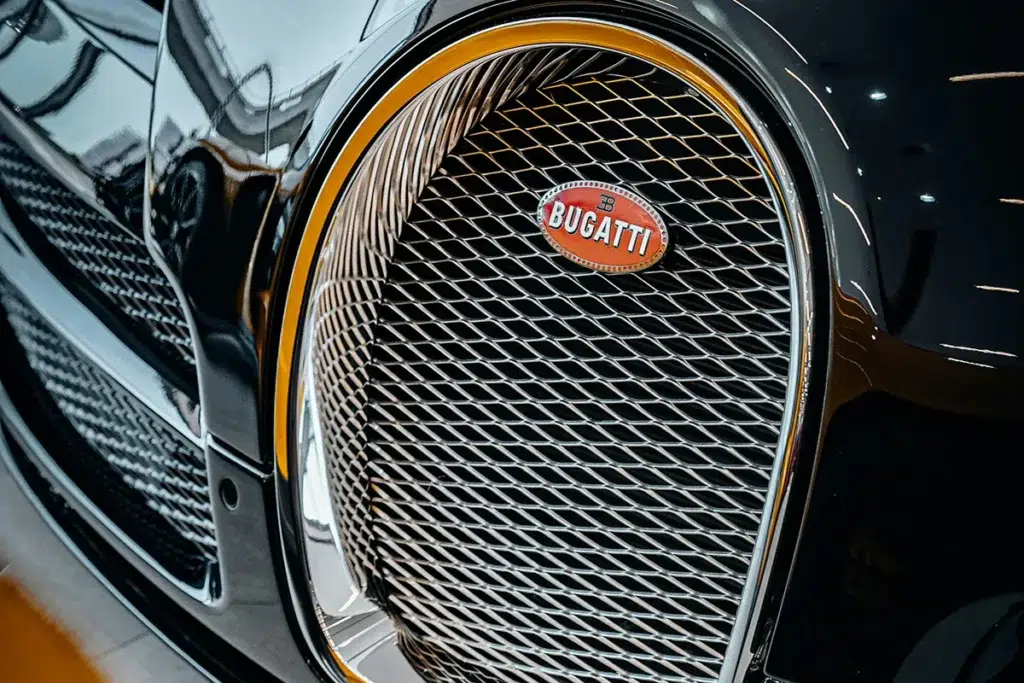
A Bugatti Veyron cost about €1 million before taxes when it launched in 2005. Today the average tracked sale price is US$1,841,163, according to CLASSIC.COM, standard Coupés regularly cross US$2 million, and the record is US$3,085,000 for a 2010 Grand Sport ‘Sang Bleu’. An Australian car carries import costs and taxes on top.
The Engineering Case for Appreciation
Why is the W16 engine suddenly so valuable?
Bugatti has officially retired the quad-turbo W16 engine, replacing it with a V16 hybrid for the new Tourbillon. When a definitive engineering era closes permanently, the last examples stop being used cars and become irreplaceable historical artefacts.
The brief came from VW chairman Ferdinand Piëch. He demanded a car that could hit 400km/h, carry four people in luxury, run the air conditioning at full blast, and be driven to the opera afterwards. Engineers said it was physically impossible. Piëch told them to do it anyway.
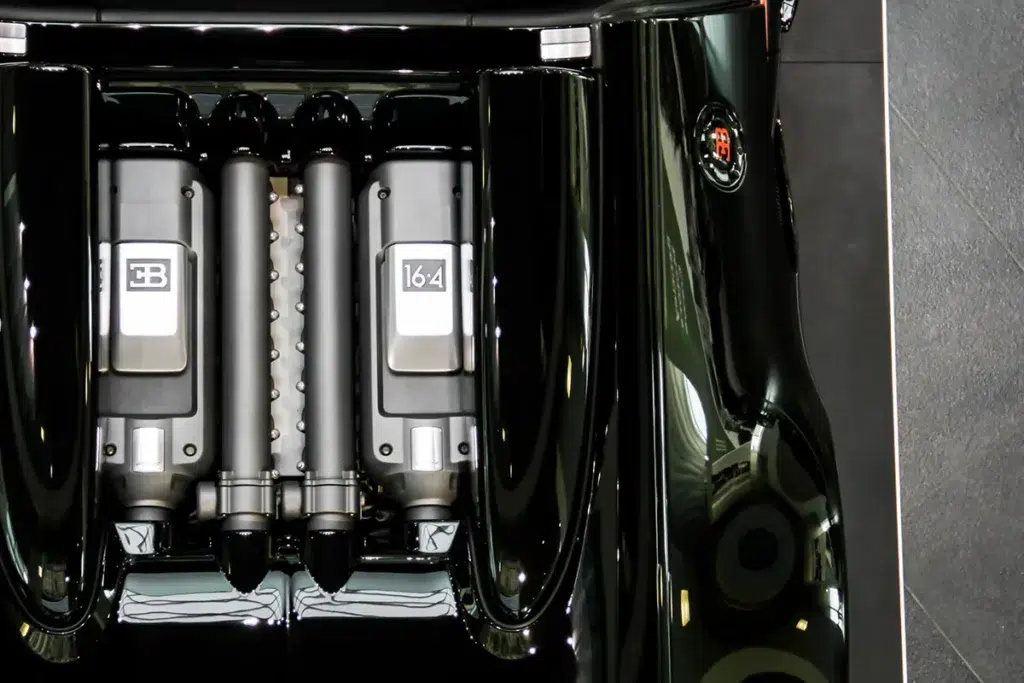
What they built was an 8.0-litre W16 engine. It is essentially two narrow-angle V8s fused at the crankshaft, with four turbochargers bolted on. It produces 1,001 horsepower in the standard 16.4 Coupé. To manage the immense heat from all of this combustion, Bugatti needed ten radiators.
The car sits just 1,204mm tall and weighs close to 1,900 kilograms, yet it hits 100km/h in around 2.5 seconds. The top speed is officially 407km/h. At that speed, the engine burns through 78 litres of fuel per 100 kilometres and will drain the tank in 12 minutes.
The W16 was not a shared corporate engine adapted for a sports car. It was a bespoke, purpose-built unit that existed only in Bugattis. Two decades of engineering refinement are now gone. Bugatti unveiled the new Tourbillon in June 2024, closing the book on the W16 entirely.
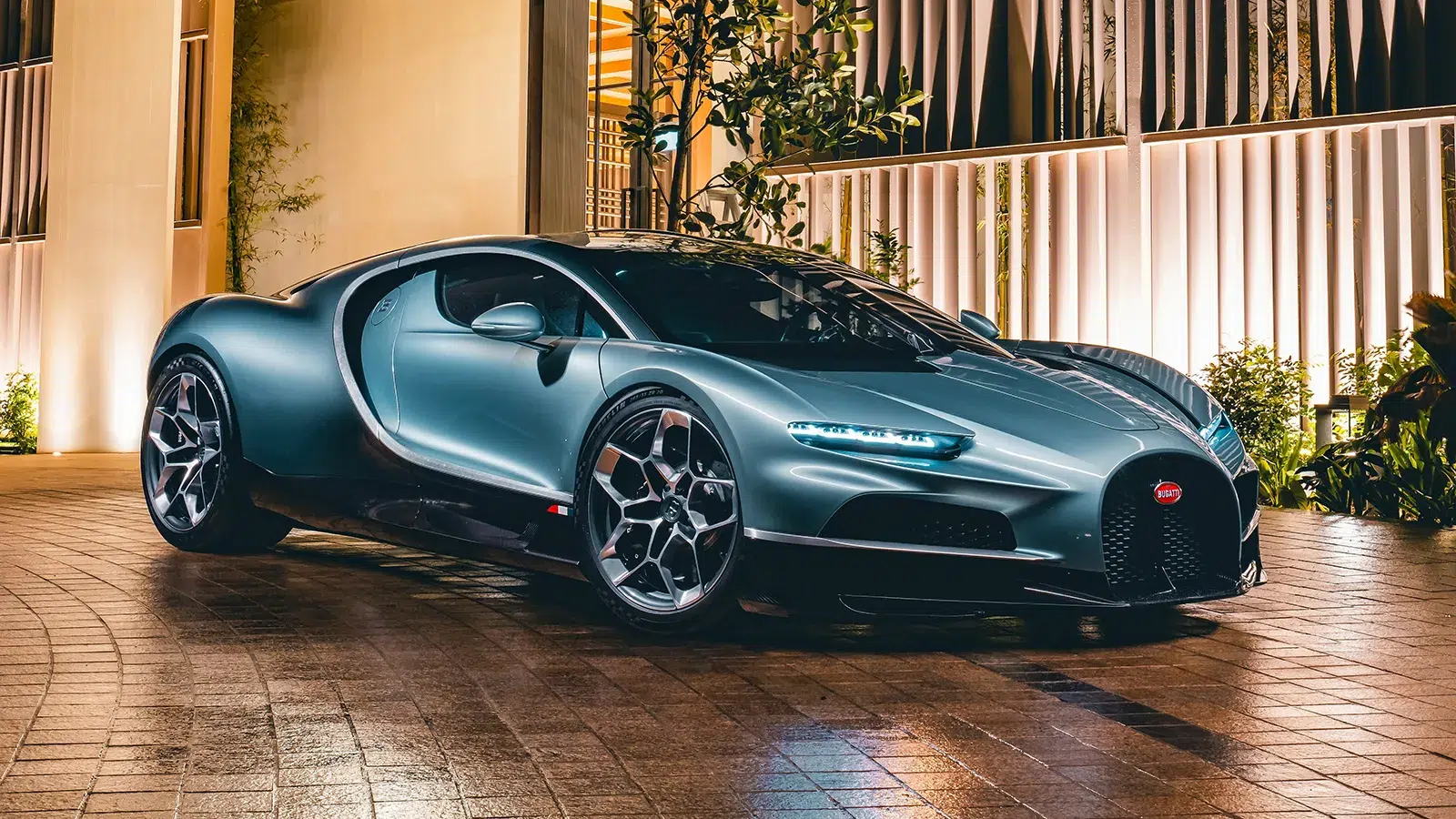
This US$4.1 million replacement moves to a naturally aspirated V16 hybrid co-developed with Cosworth. This is the exact moment collectors pay attention. The Ferrari F40’s twin-turbo V8 became irreplaceable the moment Ferrari moved on. The Veyron is now firmly in that prestigious company.
Resale and Depreciation: A Chart That Only Goes Up
What is a Veyron actually worth at auction?
The global average tracked sale price for a Bugatti Veyron sits at US$1.84 million, but 2025 saw multiple records broken. Standard Coupé variants are now regularly crossing US$2 million, entirely defying normal depreciation curves for twenty-year-old vehicles.
In 2025, the Veyron’s 20th anniversary year, the global auction market made its feelings completely clear. Two major records fell within months of each other, pushing values steadily higher. The average tracked sale price across all examples sits at US$1,841,163 according to CLASSIC.COM.
Depreciation usually follows a predictable curve. High-end cars lose value for twenty years before slowly climbing back up. The Veyron did dip slightly around 2018, but its ascent is now steep and aggressive. In July 2025, a 2007 Bugatti Veyron 16.4 Coupé crossed the block at Goodwood.
It had spent much of its life on static display in Switzerland. Offered without reserve, it carried a pre-sale estimate of £500,000 to £800,000. It sold for £1,527,000, setting a world record for the standard Veyron 16.4 Coupé body style in a single stroke.
Three months later, at the Broad Arrow inaugural Las Vegas auction in October, a 2010 Veyron EB 16.4 Coupé sold for US$2,205,000. This low-mileage, freshly serviced example set another new record for a standard Veyron at auction, cementing the upward trajectory for collector examples.
The highest recorded Veyron sale to date is US$3,085,000. That figure was paid for a highly sought-after 2010 Grand Sport ‘Sang Bleu’ in March 2024, according to CLASSIC.COM. Two records in one anniversary year prove the market is absolutely not being subtle about demand.
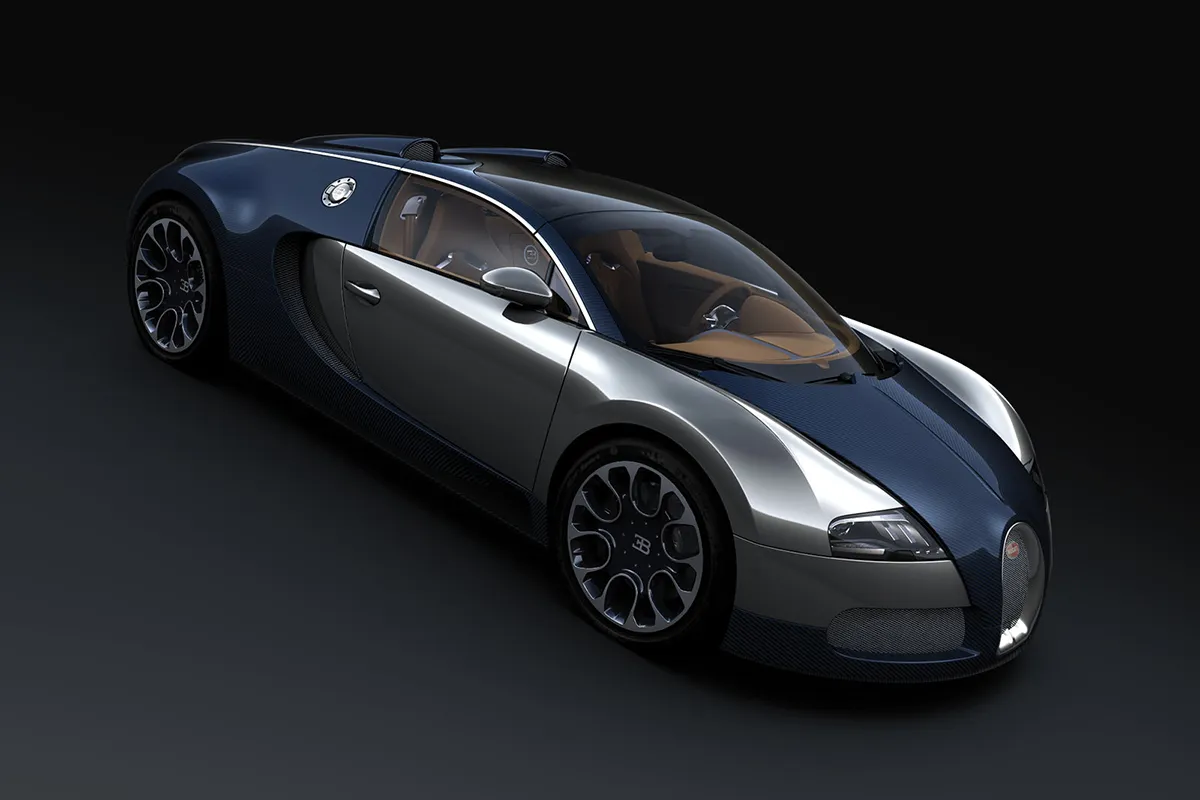
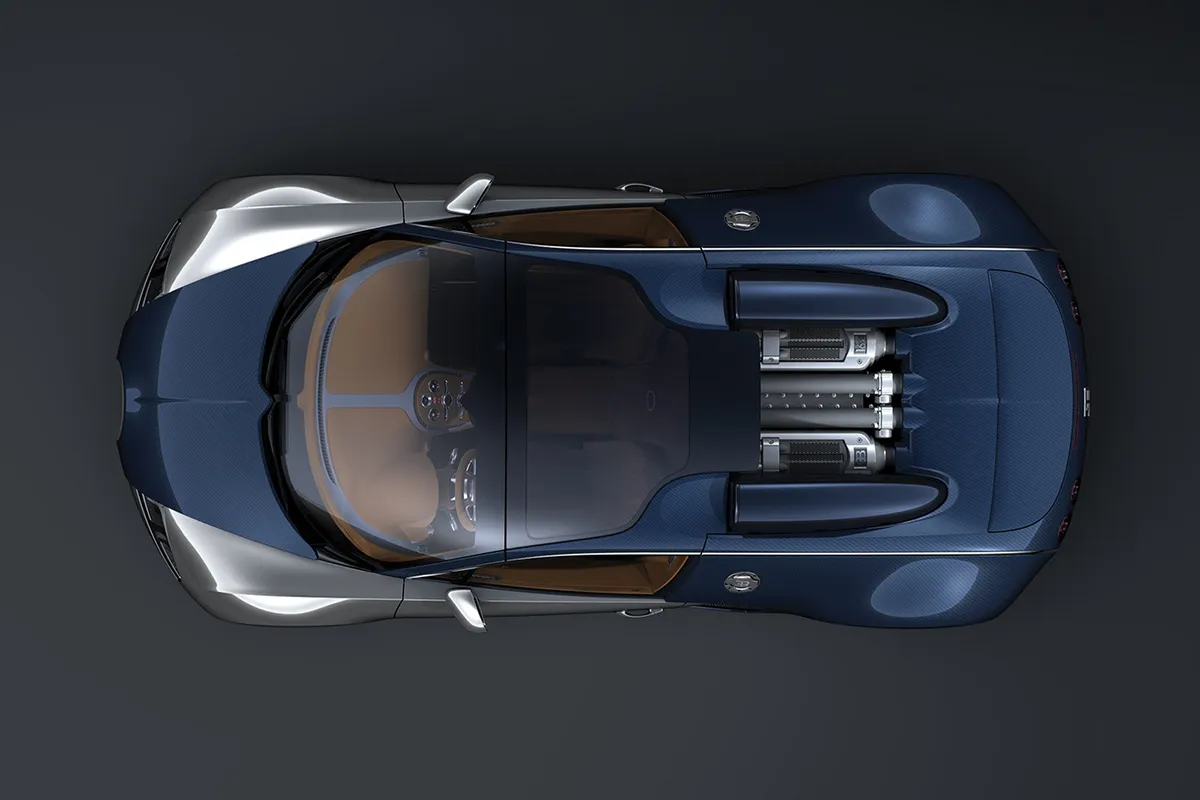
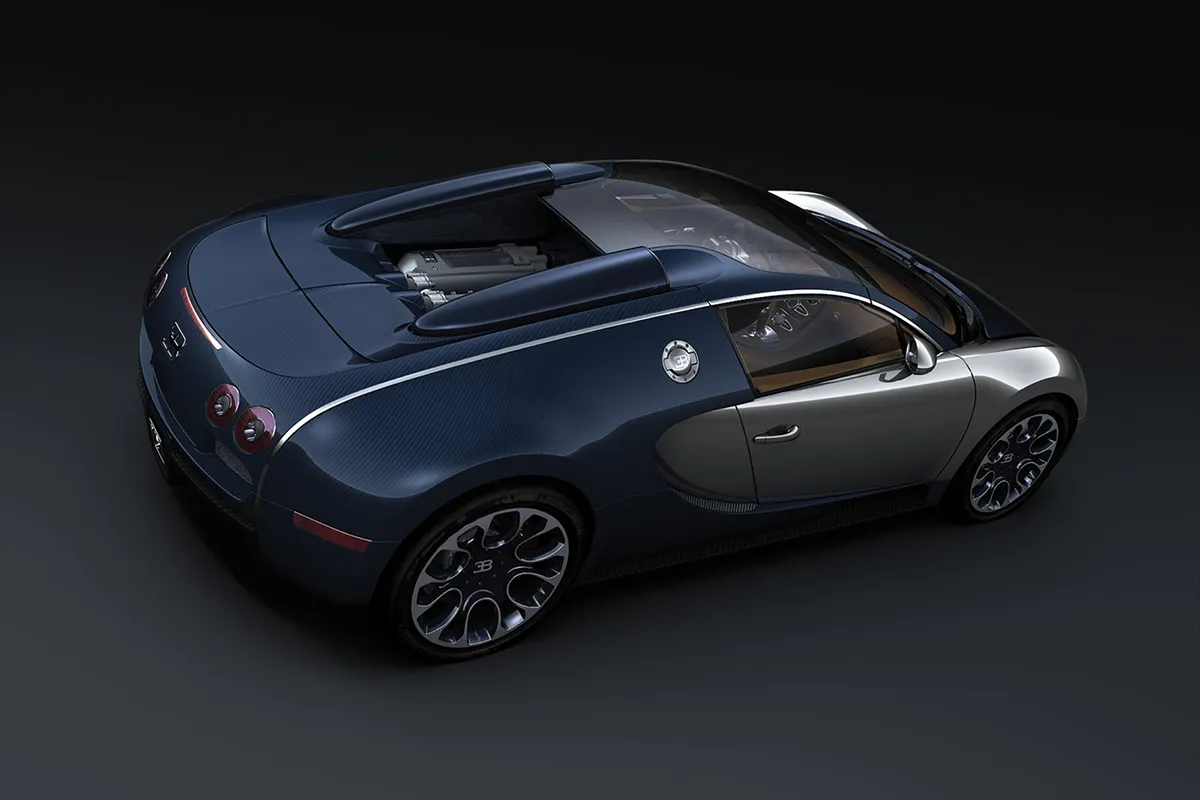
Bugatti built just 450 Veyrons across the entire production run from 2005 to 2015. That total includes 252 standard Coupés, 58 open-top Grand Sports, 48 Super Sports, and 92 Grand Sport Vitesses. For a car this culturally significant, 450 is a remarkably small production number.
Ferrari built more than that in some single years of F40 production alone. Many of those 450 Veyrons sit hidden in private collections and museums, rarely or never appearing at auction. The cars that do come to market are highly publicized events where depreciation simply does not apply.
Service Costs: When Tyres Cost More Than a Hatchback
How much does it cost to maintain a Veyron?
Routine maintenance on a Veyron requires deep pockets. A specialized oil change runs into the tens of thousands, while a set of custom Michelin tyres will cost you between US$30,000 and US$42,000 before fitting.
The true cost of owning a car in Australia is rarely just the purchase price, and the Veyron takes this reality to its absolute extreme. Volkswagen reportedly lost money on every single car they sold. The project was never about corporate profit, but rather about planting a flag. That relentless pursuit of speed means the ongoing maintenance bills are genuinely staggering.
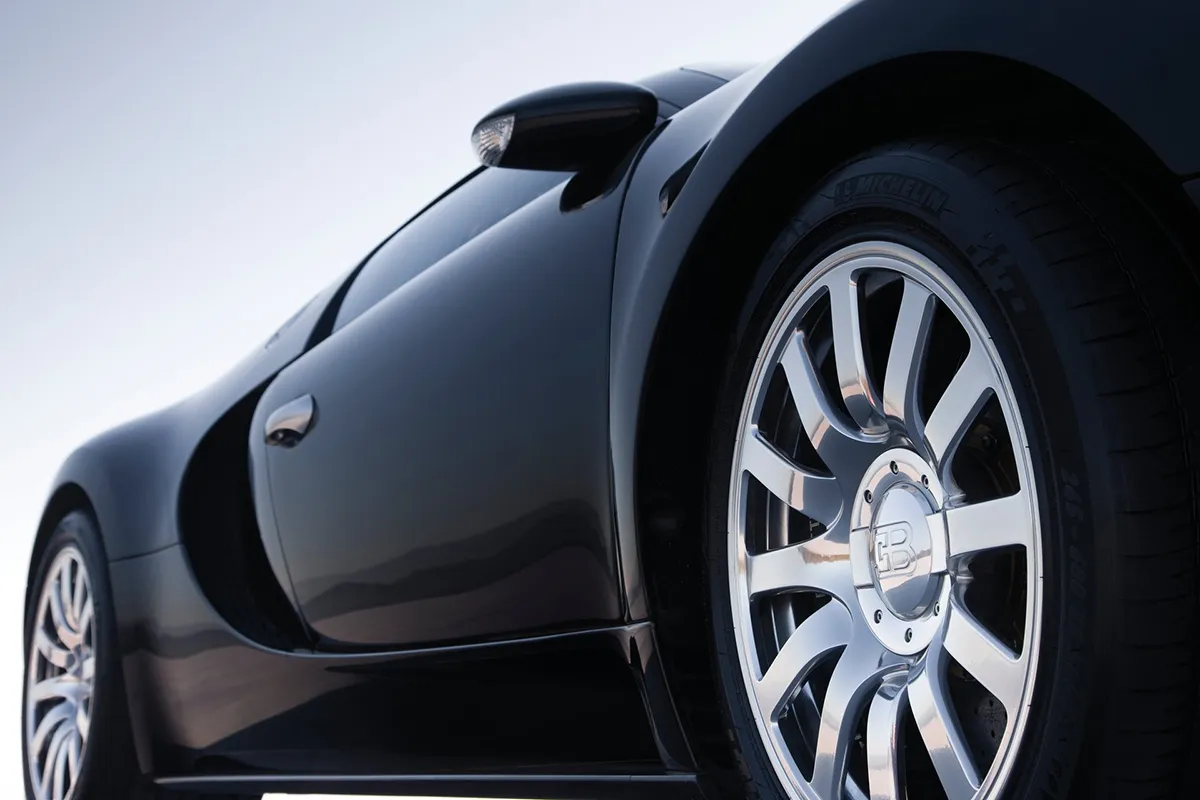
The tyres are the most famous example. Developed specifically by Michelin, they are rated for exactly 15 minutes at maximum velocity before they need to be replaced. Owners face a reported cost of US$30,000 to US$42,000 a set, according to figures cited by Hagerty and Car Throttle respectively.
It gets worse. Bugatti traditionally recommended replacing the specialised rims after every third tyre change to ensure the bead seal remained intact at 400km/h. A new set of rims adds another US$50,000 to the service invoice. Then there is the regular servicing required to keep the car roadworthy.
The 2007 Coupé that set the Goodwood record in 2025 had not been serviced in 13 years. Bringing a neglected W16 back to condition requires specialist technicians and bespoke fluids. Mechanics must dismantle major body panels just to access the engine bay, turning an annual fluid service into a major logistical exercise.
You are not dropping this off at your local European specialist. Every inspection or minor repair requires deep pockets and patience. For Australian owners, that often means flying out specialized technicians or shipping parts directly from Molsheim to ensure the vehicle remains in factory specification.
The Tax Perspective: Why Australia Pays More
How does the Australian tax system inflate Veyron values?
Importing a multimillion-dollar hypercar into Australia triggers a massive tax stack. Customs duty, GST, and a 33 percent Luxury Car Tax create a permanent price floor that makes local examples significantly more expensive than overseas cars.
Australia sits to the far side of the global hypercar market. The Veyron was never officially sold here by Volkswagen Group, and it was manufactured exclusively in left-hand drive. Compliance for a left-hand-drive car on Australian roads remains an incredibly restrictive and costly regulatory process.
Under current rules, vehicles usually need to hit 25 years old before they can be easily registered under historic or left-hand-drive exemption schemes. The oldest Veyrons are only 20. A small number of examples have made it through anyway, brought in by enthusiasts navigating punishing costs.
Getting a Veyron onto Australian roads costs considerably more than buying one anywhere else in the world. Crucially, that built-in premium does not disappear on resale. France does not have a free trade agreement with Australia that zeros out passenger car import tariffs.
This means a 5 percent customs duty applies to the vehicle’s full value at import. Then a 10 percent GST is added on top of that inflated figure. Finally, the government applies the Luxury Car Tax across the remaining balance.
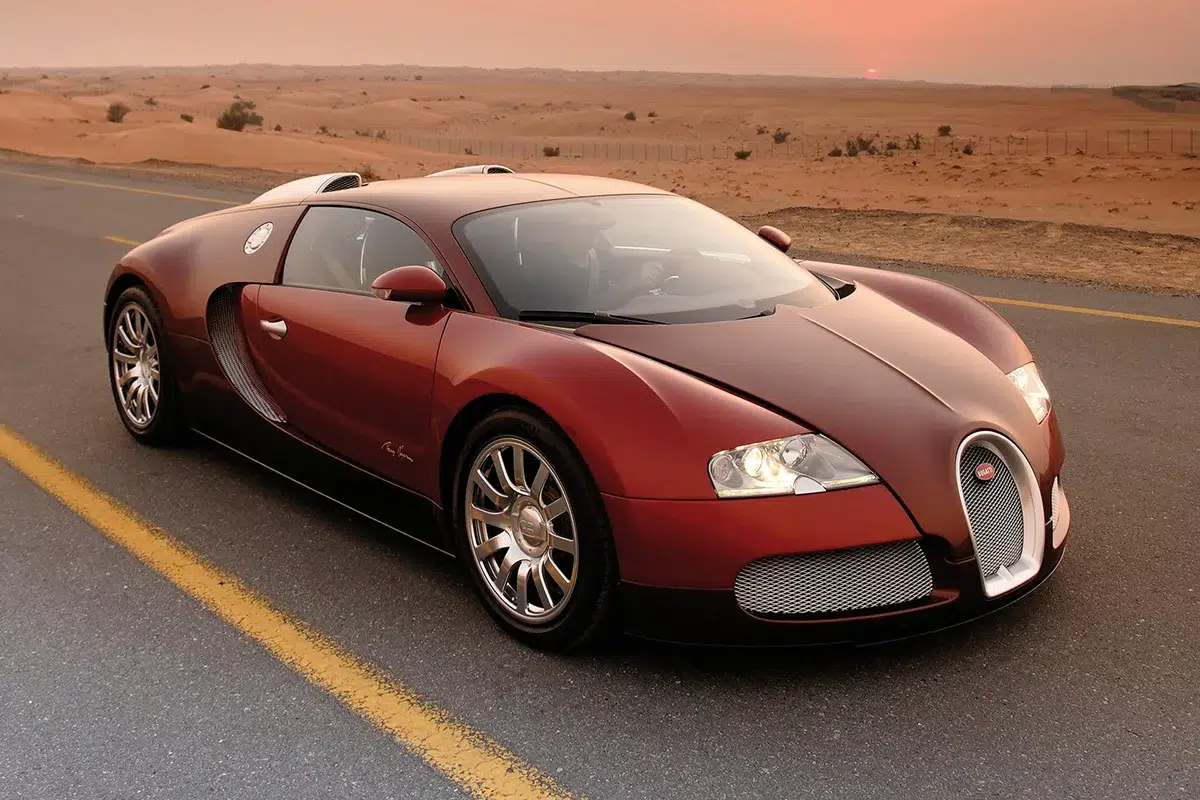
This is charged at 33 percent on every dollar above the A$80,567 threshold, per the Australian Taxation Office. On a car in the multimillion-dollar bracket, that tax stack is not a rounding error. It easily adds over a million dollars to the acquisition price.
This creates a massive additional cost that sits permanently beneath the resale value of every Australian example. No parallel import can undercut it. No grey market exists to offer a cheaper alternative. The price floor is set strictly by the tax office.
The Veyron Verdict: An A$10 Million Inevitability
The McLaren F1, with just 64 road cars built, now commands over US$20 million for standout examples according to CarClimb. It was considered an unobtainable fantasy car for the exact same generation that grew up idolising the Veyron, and the market treated it accordingly.
The Veyron has more units, so it will not reach F1 heights. But it has something the F1 never had. Almost universal name recognition. Ask any 35-year-old Australian to name the most famous car from their youth, and a huge portion will say the Veyron.
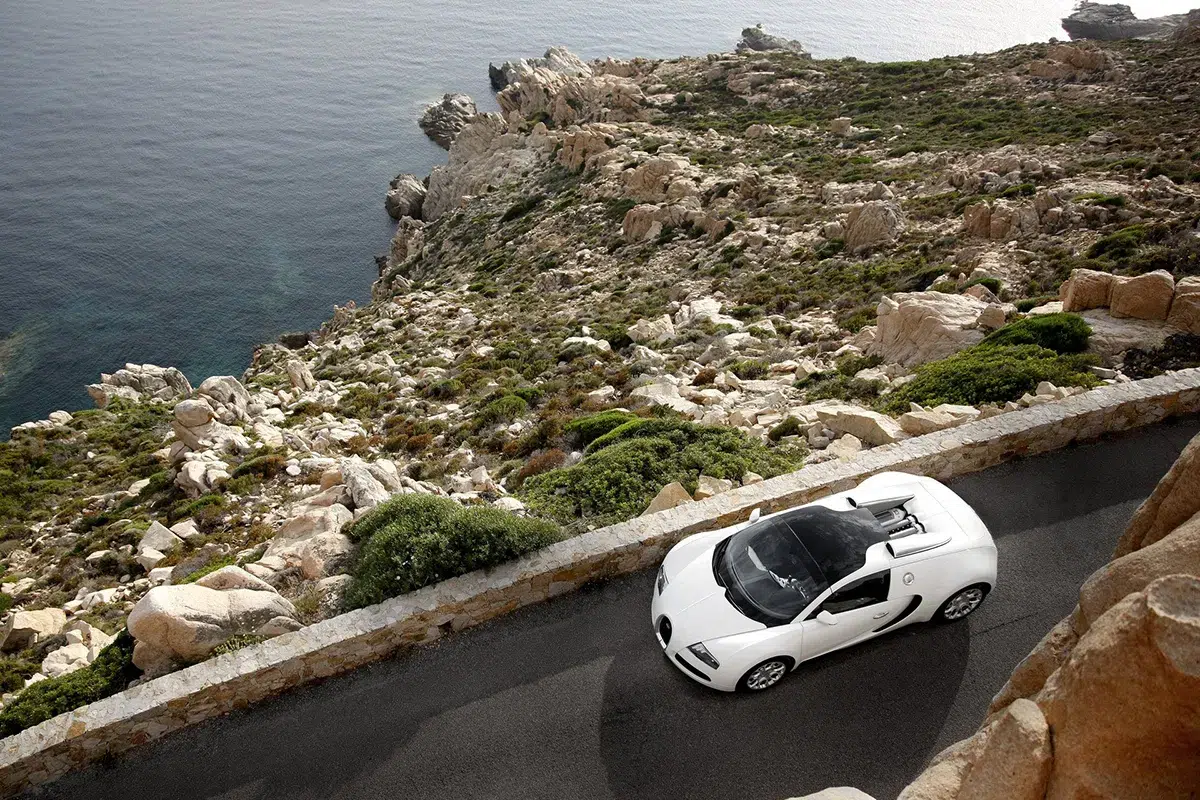
When that generation gets to the age where they can actually pursue one, they will be competing for just 450 cars worldwide. Some are locked in museums forever, and some will simply never be sold. In Australia, every transaction runs through a strict tax system.
That tax framework permanently sets the floor higher than anywhere else on earth. This is the solid structural case for A$10 million. It is built on finite supply, a closed engineering era, and incredibly heavy import taxes that prevent cheaper options entering the market.
The market just needs to catch up with the legend. Most of us will keep watching from the same place we always have. The screen, the late-night YouTube rabbit hole, the Top Gear replay at 2am. That is completely fine. The dream was always the point.


