

The most famous Holden Torana A9X at this year’s Bathurst 1000 wasn’t allowed to wear its own colours. Twenty years after Peter Brock’s death, his 1978 championship hatch led a tribute parade with its Marlboro lettering covered and the bonnet chevron painted out red.
Motorsport Australia’s revised rules now apply the Public Health (Tobacco and Other Products) Act 2023 to historic cars, so period tobacco liveries must be removed or covered. It was an odd sight. It was also a reminder of how big the A9X still looms, nearly 50 years after Holden built it to win races.
What made an A9X an A9X?
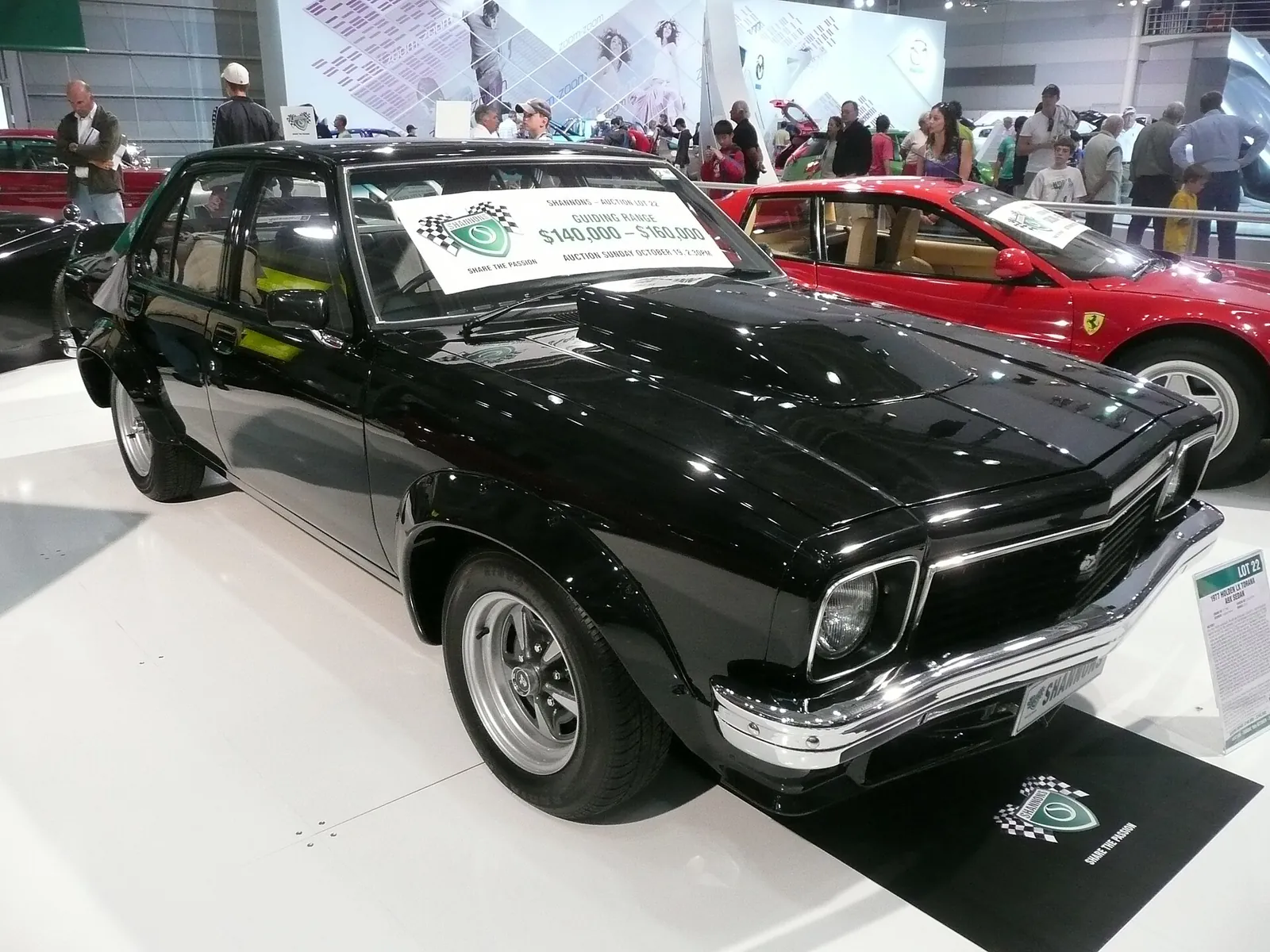
A9X wasn’t a model. It was a regular production option code on the LX Torana SL/R 5000 sedan and SS hatchback, and Holden used it to homologate the parts its racing teams needed for Group C touring cars. It was the last of the Torana homologation specials.
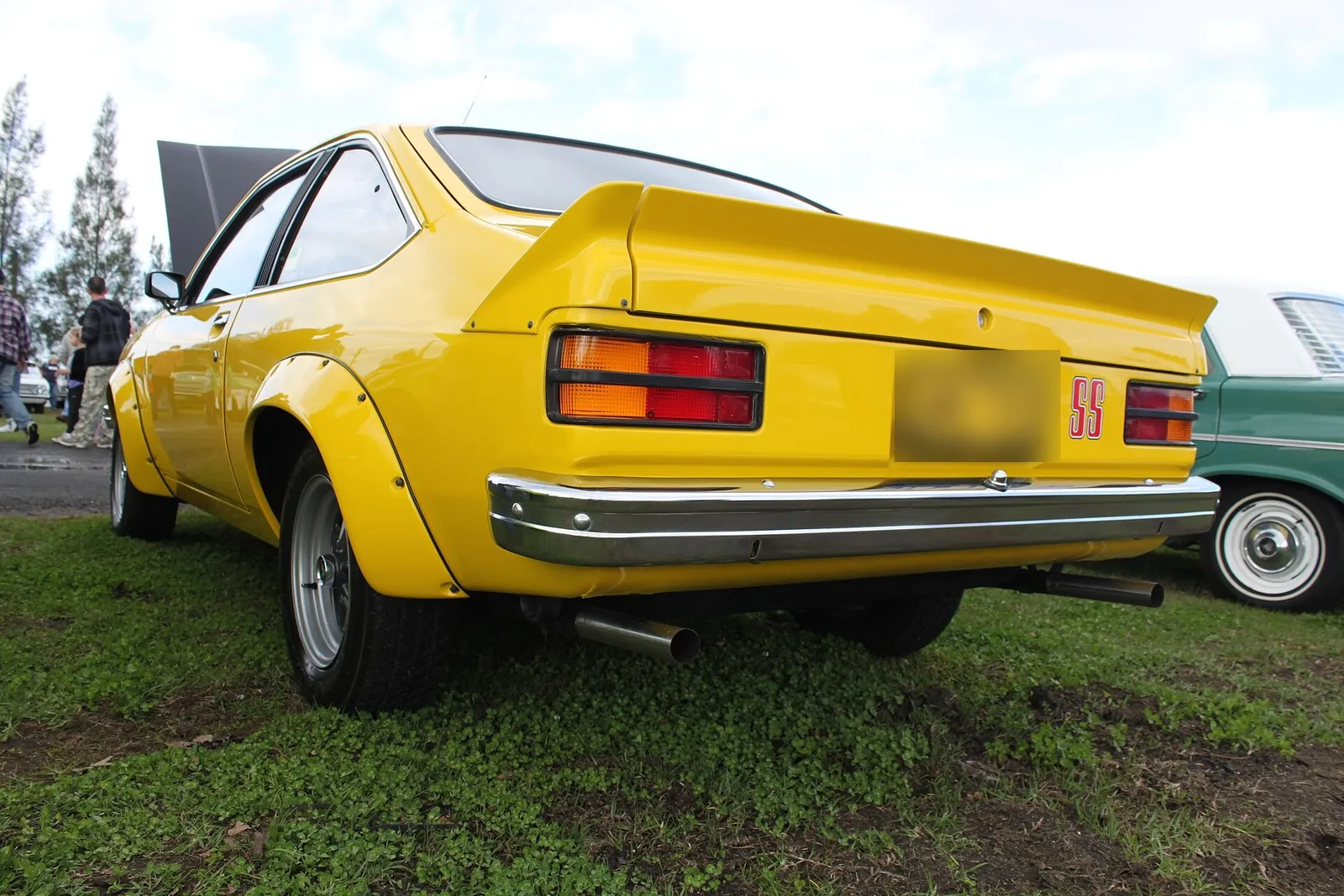
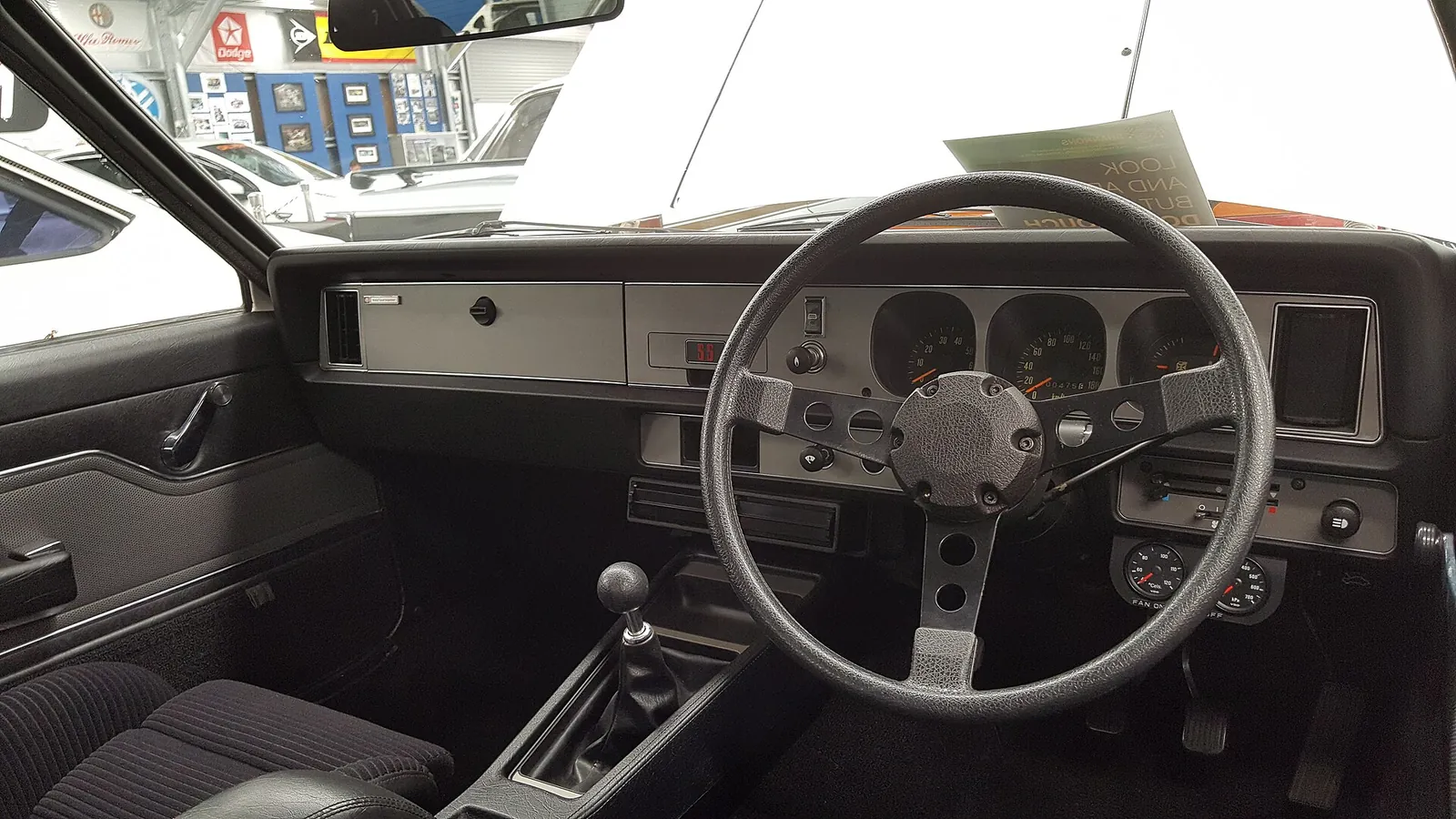
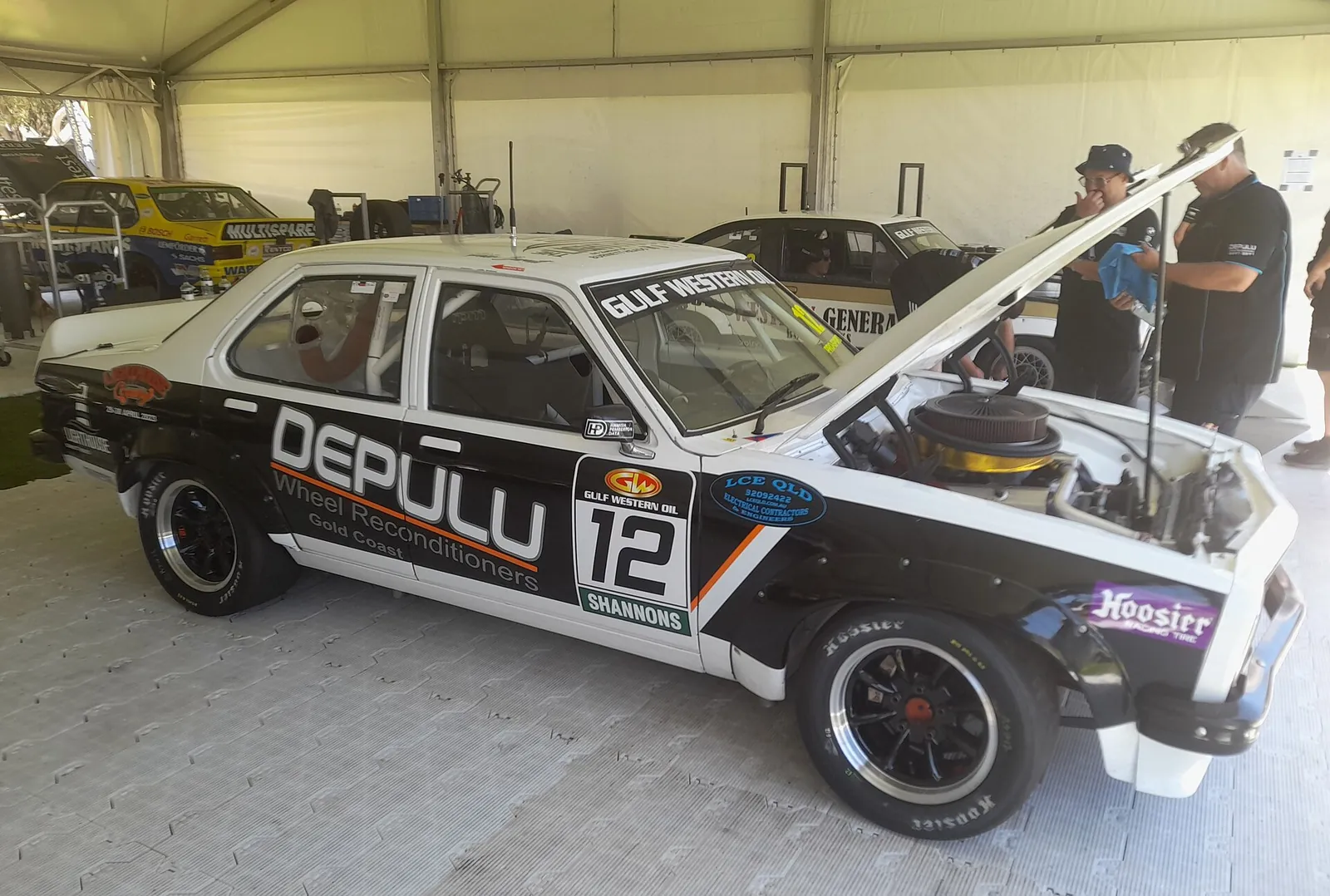
The road car looks almost subtle now. Shannons’ lot descriptions list around 100 changes from lesser Toranas, from the reverse-facing bonnet scoop and brake-cooling ducts to bolt-on flares, a rear spoiler, deleted sound deadening and no radio. Every one of them existed so a race car could use it.
The four-door made up three-quarters of the road-car run.
The shape that won Bathurst, and the rarer road car.
The figure Shannons and other auction houses quote consistently.
Disputed. Sources quote 33, 44 hatches plus 7 sedans, or as few as 10.
Sources: Shannons and Burns & Co lot descriptions; lightweight shell counts vary between auction houses and specialist media.
How rare is a Torana A9X?
Holden built 405 A9X road cars for public sale between August and December 1977: 305 SL/R 5000 sedans and 100 SS hatchbacks. That split is quoted consistently across auction lot pages, and it makes the hatch the rarer road car of the pair, as well as the one with the trophies.
The lightweight shells are murkier. Holden’s parts arm, GMP&A, supplied stripped bodies for racing, and the count depends on whom you ask: 33, according to Shannons and Lloyds, or 44 hatches plus seven sedans, or as few as 10. Treat any single number with suspicion, and the documentation behind a car with even more.
The engineering and the numbers
Under the bonnet sits Holden’s 5.0-litre (308 cubic-inch) V8, essentially unchanged for the road but fed through an M21 four-speed manual, with a Borg-Warner T10 as a rarely fitted option. Holden’s claimed power figure is disputed in later sources, so treat any quoted kilowatt number with caution.
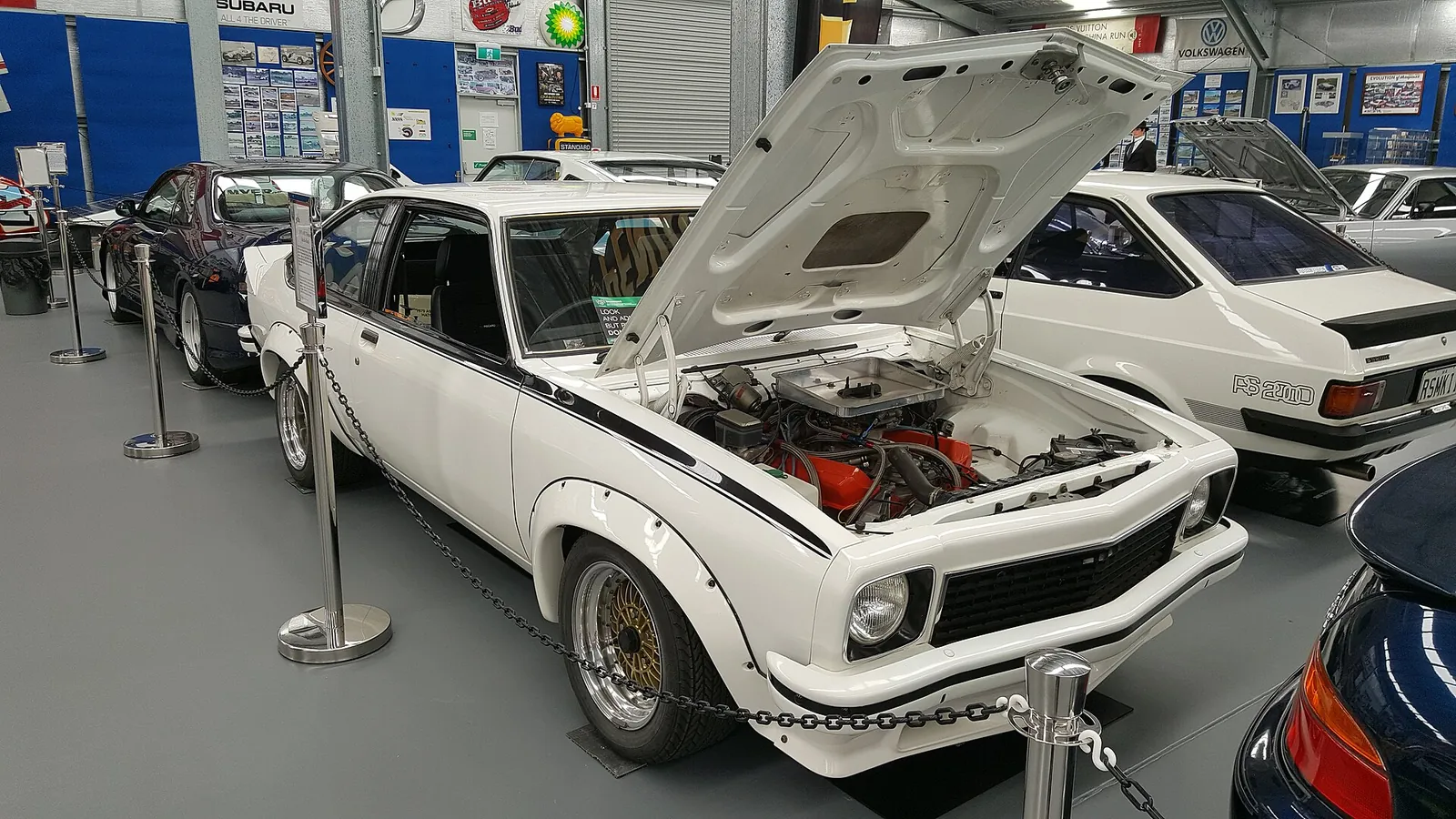
The real changes are underneath. The A9X got a heavy-duty Salisbury 10-bolt rear axle, disc brakes at all four corners (the rear discs needed their own floorpan), Radial Tuned Suspension and a steering box bolted directly to the body. Race engines from the period made around 400hp, according to the man who built Brock’s 1979 Bathurst engine.
On the track, it worked immediately. Brock won the A9X’s debut at Sandown in September 1977 in Bill Patterson colours. In 1978, he took the Australian Touring Car Championship and Bathurst. In 1979, Bob Morris won the championship in a privateer A9X, and Brock and Jim Richards won Bathurst by six laps.
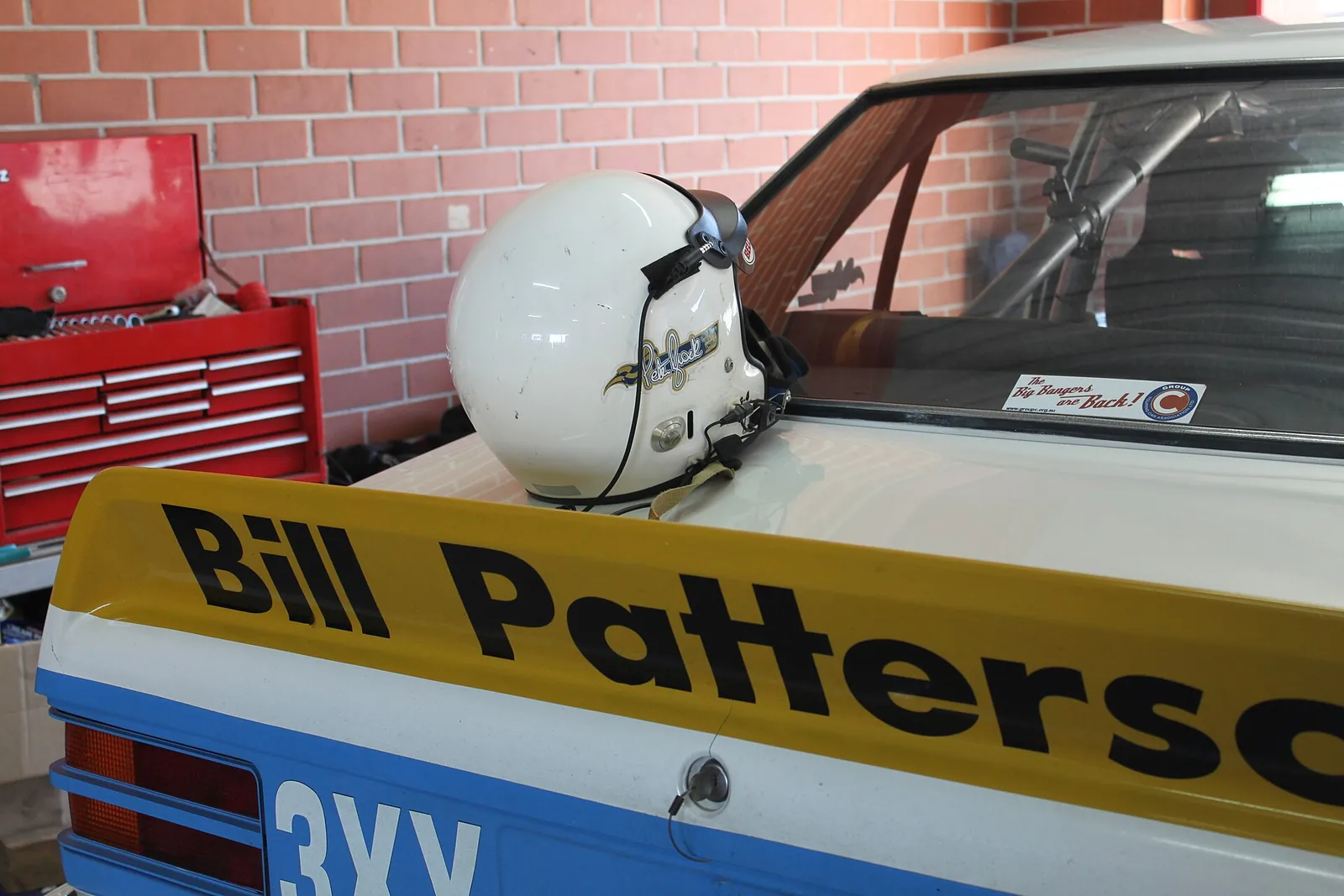
Which Brock A9X is which?
Here’s where many tributes go wrong. The car at Bathurst in 2026 is not Brock’s 1978 Bathurst winner. According to V8 Sleuth’s history of the car, it’s the first A9X hatch the Holden Dealer Team built, originally John Harvey’s #76, which Brock drove for part of the 1978 season.
| Car | Brock's results | Where it is now |
|---|---|---|
| First HDT A9X hatch (ex-John Harvey #76) | Took over from April 1978 after Harvey crashed Brock's regular car; won at Wanneroo | Chris Kean; shown at Bathurst 2026 with Marlboro branding covered |
| 1978 Bathurst winner (#05) | Debuted June 1978; won Sandown, then Bathurst with Jim Richards on 1 October | Bowden family collection, Sunshine Coast (last confirmed 2021) |
| 1979 Bathurst winner | Won Bathurst by six laps from pole, with a final-lap lap record | Bowden family collection, unrestored (last confirmed 2021) |
Sources: specialist motorsport histories including V8 Sleuth (2019) and (2021), and 2026 event coverage. Current locations of the Bowden cars not reconfirmed since 2021.
Both the first HDT hatch and the actual Bathurst winner can claim a share of the 1978 title. Neither has been offered for sale, and nothing suggests either will be. That matters, because the only A9X with a championship record that did go to auction this spring didn’t find a buyer.
What is a Torana A9X worth now?
Bob Morris’s 1979 championship-winning A9X, unrestored and as raced, went to Donington Auctions in October and was reported as not sold. The same car made $705,000 including premium in 2017, then a record for a Holden at auction. No estimate was published this time.
History multiplies the price. A road sedan with no story sits around $200,000 to $300,000. A car with a racing record or factory lightweight shell runs three to four times that.
Sources: Shannons, Lloyds and Burns & Co lot pages and auction reports, 2011 to 2026. The GMP&A figure is "more than" $833,000. The July 2026 result was reported by an auction aggregator. Premium inclusion noted where stated.
Road cars are steadier. Shannons sold a Panama Green SL/R 5000 sedan for $230,500 in 2022, and an SL/R 5000 sedan at Burns & Co reportedly made $290,000 in July 2026. The top road-car result remains the 475km GMP&A car Lloyds sold for more than $833,000 with premium in June 2021.
The pattern is clear. A no-story sedan is a $200,000 to $300,000 car. A hatch commands more. Documented racing history or a factory lightweight shell moves it into a different market altogether, which is why provenance paperwork is worth more than paint on these cars.
Why the A9X still matters
Holden stopped building cars in Australia in October 2017, and GM retired the brand in 2020. Federal registration data shows Holdens on the road have fallen by almost 27 per cent since 2022, to just over a million. The A9X is the purest expression of what the brand meant to people, and its auction results show it.
The Bathurst tape job hints at the next problem: how historic racing shows its past when the original liveries can no longer be shown. For collectors, the lesson is simpler. Buy the history, check it twice, and know which Brock car you’re actually looking at. For more Aussie muscle, see our VF Commodore SS and XR6 Turbo buying guides, or our Singer 911 spotlight for a very different collectible.
Source: Shannons, Lloyds, Burns & Co and Donington Auctions lot pages; Motorsport Australia Schedule K; car histories via V8 Sleuth and Supercars.com.
Via: Wikimedia Commons contributors Sicnag, OSX, ZidaneHartono, Jeremy from Sydney and GTHO (licences in captions). Header image: Sicnag, CC BY-SA 4.0, via Wikimedia Commons (cropped, plate blurred).


