
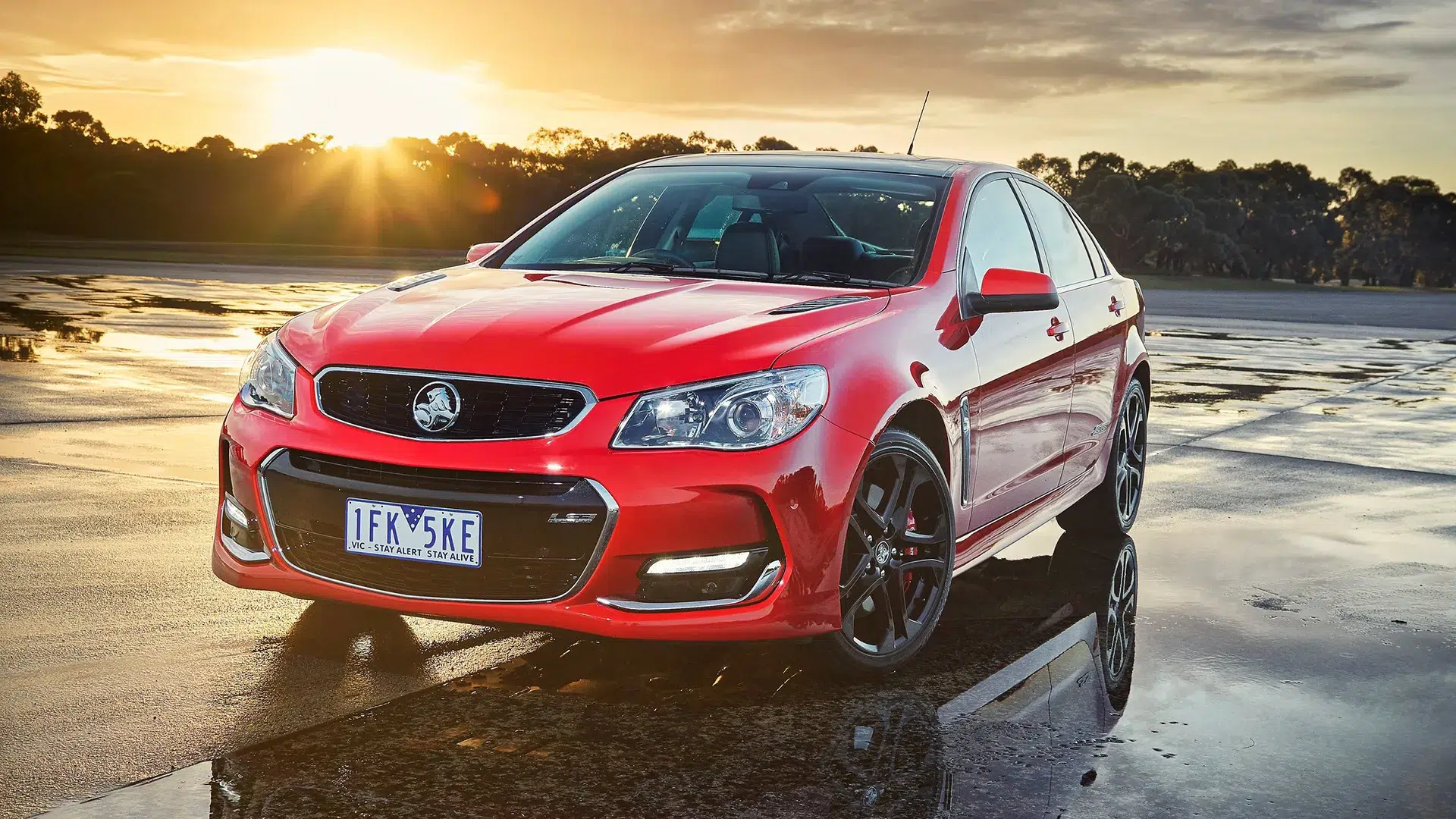

The VF Series II Commodore SS is the last rear-wheel-drive, V8-powered, locally-made Australian sedan. There is no successor. That combination of facts is driving prices in one direction, and it is not down. The question is whether buyers acting now are still ahead of the curve, or whether the window has already closed.
The VF II SS in Brief
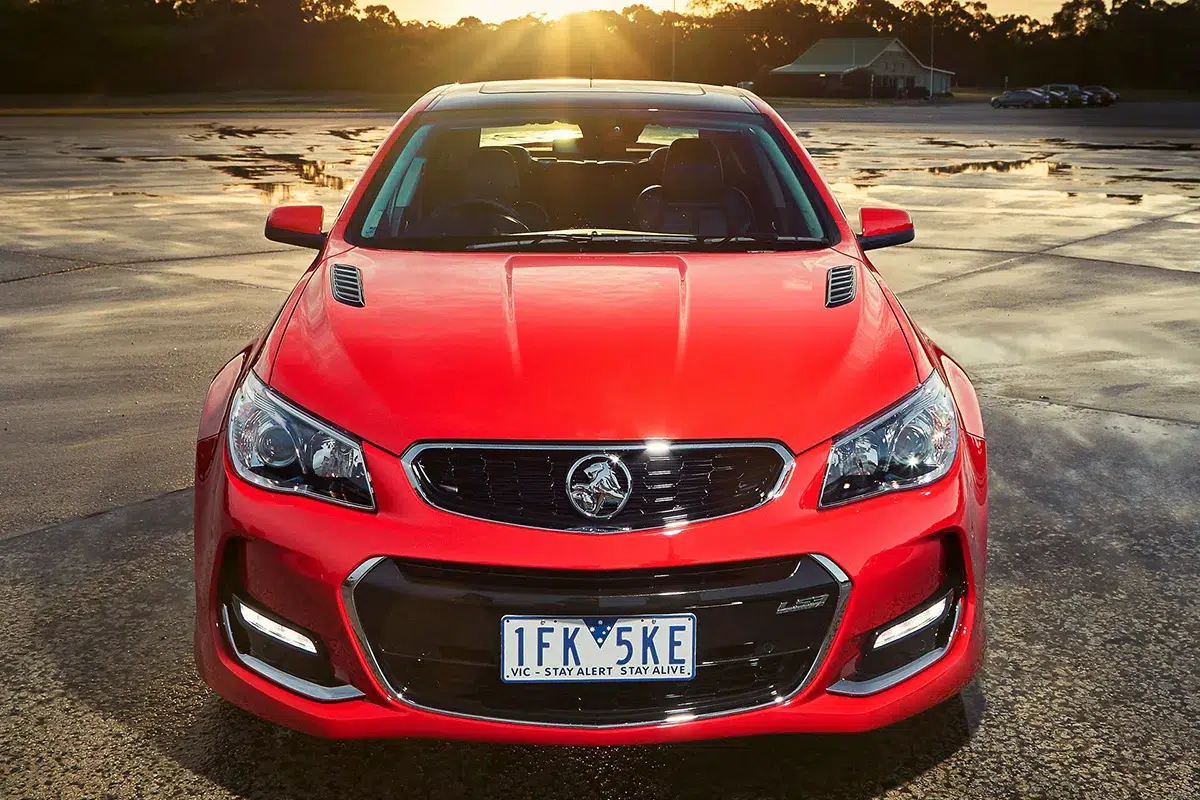
The VF Series II Commodore SS is a rear-wheel-drive large sedan with a 6.2-litre LS3 V8 producing 304kW and 570Nm. Clean, unmodified examples with full service history are holding and growing in value. Buy the right car and you are ahead. Buy a flogged auto at Redline money and you have just purchased an expensive used car.
Holden VF II SS
Why Series II, Not Series I
Does the build year actually matter?
Yes. The Series II upgrade, introduced in September 2015 for MY16, brought the 6.2-litre LS3 V8 to the base SS variant, replacing the 6.0-litre V8 found in Series I SS models. If you want the LS3 in an SS, it must be a Series II. This is the single most important purchasing filter on this list.
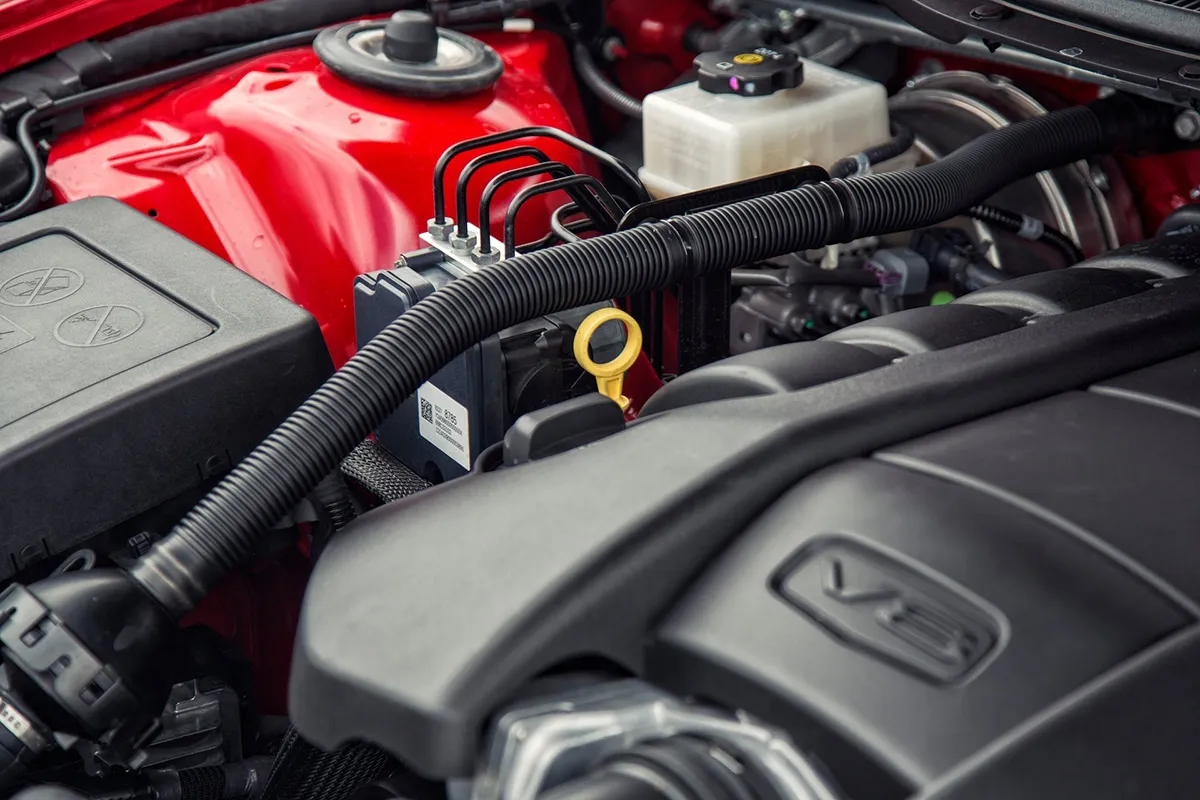
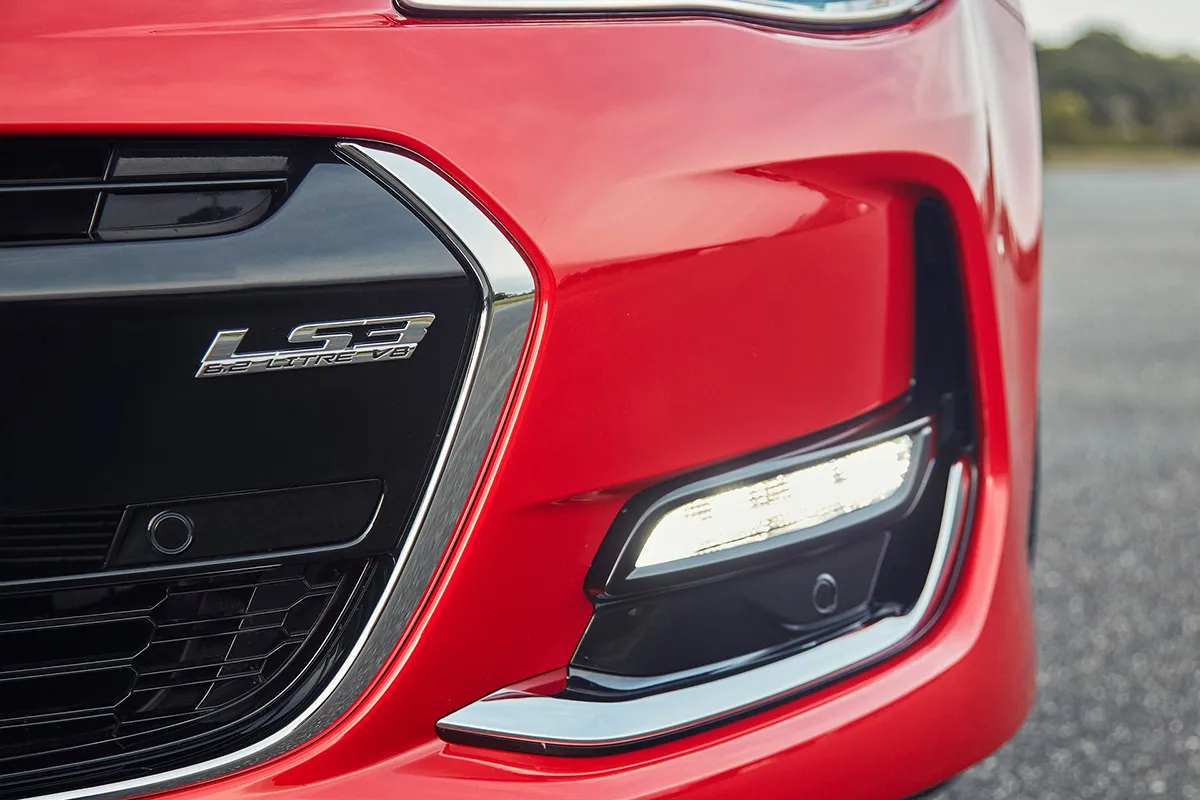
The LS3 is the Corvette-derived engine that always powered the SS V and SS V Redline. Getting it into the base SS for Series II was a meaningful upgrade, and it explains why a MY16 SS commands a premium over a MY14 or MY15 in good-condition-for-good-condition comparisons.
Beyond the engine, Series II cars brought a revised front fascia, updated MyLink 2 infotainment, and marginally improved fuel economy. None of those details justify a price premium on their own. The LS3 does, every time. If a seller cannot confirm Series I or II status, check the VIN plate. Series II production started in September 2015.
What These Cars Cost Right Now
Has the VF Commodore SS market peaked?
Not for the right cars. Low-kilometre, unmodified SS V Redline and Motorsport Edition examples are trading in the $60,000 to $90,000 range for clean examples, and investment-grade Motorsport Edition cars have tested $100,000 and above. The standard SS with 80,000km and full history sits around $35,000 to $55,000. The gap between a cared-for car and a neglected one is substantial and widening.
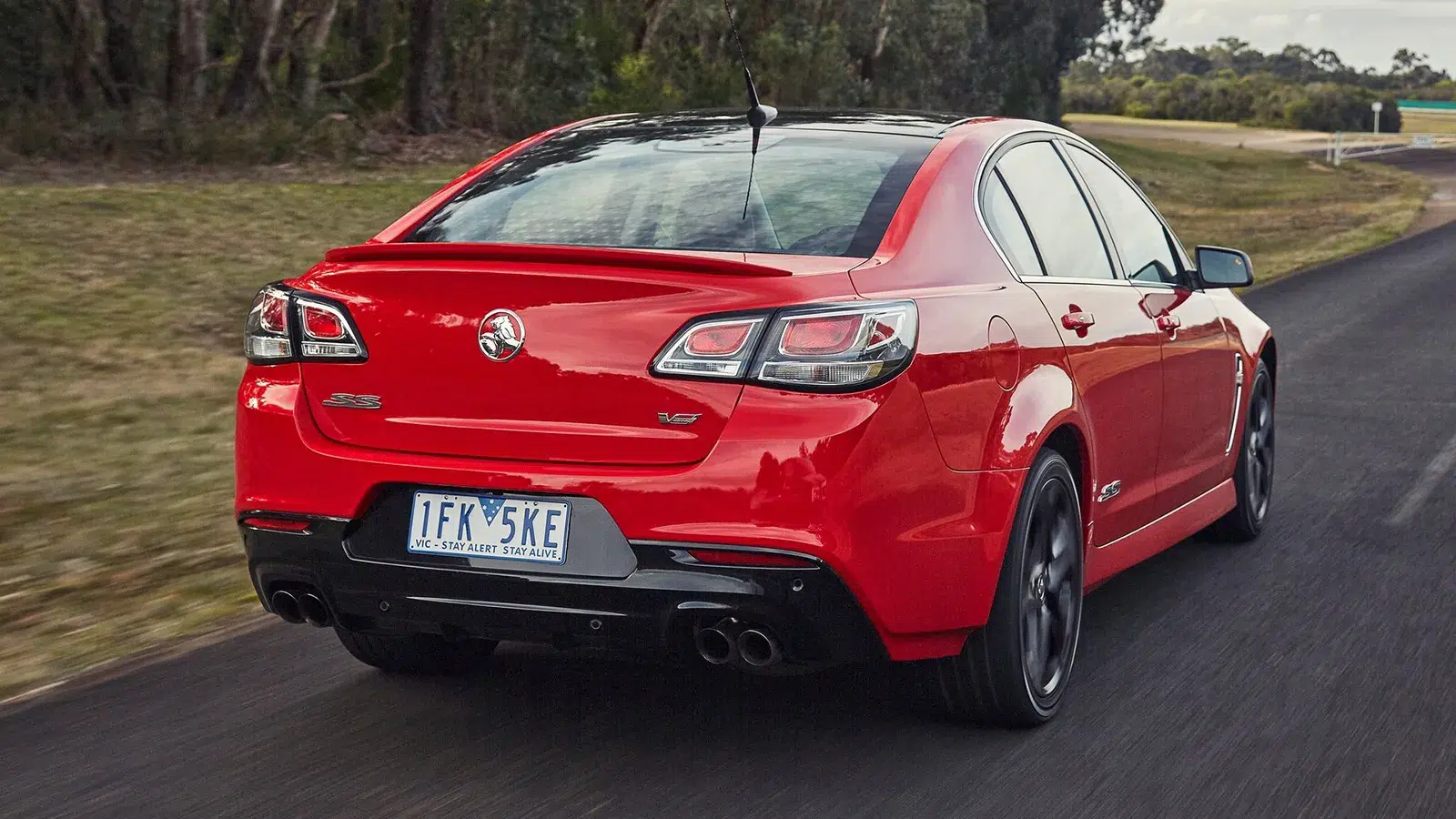
Following Holden’s closure announcement in early 2020, carsales reported asking prices for delivery-kilometre Motorsport Edition examples surpassing $100,000. That initial spike moderated, but the floor has not fallen out.
Recent Collecting Cars auction results confirm the trend. A 2015 ClubSport R8 with 37,000km cleared $65,000 in November 2025. A 2015 Senator with 81,000km sold for $81,000 in June 2026. A manual 2017 SS V Redline sold at auction in May 2025 for $62,500, this particular car was the last ACT Police Traffic Operations Commodore, with 75,000km on the clock.
The manual transmission commands a meaningful premium across all variants. A six-speed manual Redline in clean condition is harder to find and prices accordingly. If return on investment matters, manual is the only answer. Modifications destroy collector value: lowered suspension, aftermarket exhausts, and engine tunes all reduce interest from serious buyers and complicate agreed-value insurance.
What to Check Before Signing
What are the known faults on VF Series II SS cars?
Fuel injector failure is the primary mechanical concern on 2015 to 2017 build VF Commodore SS models. Symptoms include rough running, ESP light illumination, and the car entering limp mode. A recall was issued, but not all affected cars have been rectified. Confirm recall completion on any car from this build window before purchase.
A second recall covered cars built between July and October 2017, addressing faulty inlet rocker arms in the LS3. Verify the recall has been completed on any car built in this narrow window.
Beyond those two recall items, the known wear points:
Bi-modal exhaust actuators. The VF SS runs vacuum-actuated exhaust flap valves that quieten the note at low load and open up under acceleration. They fail. The car either stays stuck loud (stuck open) or stays muffled regardless of throttle (stuck closed). Neither is catastrophic, but it is annoying and worth negotiating on if you find a car with the symptom.
Automatic transmission shudder. Higher-kilometre auto cars can develop a shudder through the torque converter at light throttle cruise speeds. In many cases it is a fluid and service issue. In others it points to deeper wear. The 6-speed auto in particular rewards a transmission service history check.
Cooling system. Plastic thermostat housings and coolant hoses become brittle with heat cycling and age. A full cooling system inspection before purchase is time well spent on anything over five years old.
Suspension bushes. Front control arm bushes, sway bar links, and rear suspension bushes wear progressively, especially on cars driven hard or previously lowered. Budget for a suspension refresh on anything above 100,000km.
Interior quality. The cabin plastics are mid-2010s GM: functional rather than impressive. Door card rattle, centre console trim wear, and instrument cluster surround creaks are common complaints on higher-km examples. Buy a car with an intact interior, because sourcing original trim in good condition is becoming genuinely difficult.
Before committing to any specific car, running an OBD2 scanner before you buy surfaces fault codes that a cold start and a 15-minute test drive cannot. Ask the seller to plug in before you arrive, or bring your own.
The Cost of Owning a Dead Brand
How expensive is it to service a Holden with no dealers left?
The LS3 engine itself is not a parts supply problem. It is shared with North American Chevrolet and Corvette models, and the aftermarket is enormous. Holden-specific body panels, electrical components, and interior trim are a different story: supply is finite, prices are climbing, and it will only get harder from here.
Holden no longer exists as a service network, but a well-established network of independent Holden specialists operates across Australia, concentrated in Victoria and South Australia where the cars were built. These shops are the practical service solution and generally charge independent-workshop rates rather than dealer rates.
Routine servicing (oil, filters, consumables) is straightforward. The LS3 is a conventional pushrod V8 without dual-clutch complexity or turbocharged plumbing. Any competent mechanic can handle the basics. Specialised knowledge matters more for electrical faults, MyLink system issues, and Holden-specific components.
From a tax perspective: if you are buying a VF SS explicitly as an appreciating asset, a sale profit may attract capital gains tax. Personal use assets are generally exempt under Australian CGT rules, but that exemption can blur for cars purchased as investments. Worth a conversation with your accountant before committing to investment-grade money.
Understanding the true cost of owning a car in Australia puts the VF SS in context: registration, comprehensive insurance on an agreed-value policy, tyres, and periodic mechanical work add up quickly on a V8 with no warranty and no dealer support.
Who Should Buy One
Is the VF Series II SS the right car for you?
The VF II SS V Redline, in manual, with full service history and fewer than 60,000km, is the variant to target if investment return matters. The Motorsport Edition is the top tier if you can find one at the right number. The standard SS is excellent to own and drive, but do not pay Redline money for one expecting Redline returns.
Pass on any car that has been modified and then returned to apparent stock condition. It happens, and it destroys the value case. Ask for a full receipt history, not just a logbook.
Check Android Auto compatibility with your phone before committing. MyLink 2 support varies depending on software version, and not all units behave the same.
The buyer who should not touch this car: anyone wanting a practical large sedan at practical-car money. The days of driving a VF SS home from a dealer yard for under $20,000 are gone and will not return.
The buyer who should not touch this car: anyone wanting a practical large sedan at practical-car money. The days of driving a VF SS home from a dealer yard for under $20,000 are gone and will not return.
The VF Series II SS is the last of something with no replacement possible. Keep it original, service it properly, and drive it on roads that deserve it. The Hume at 110km/h on a clear morning, that LS3 settling into its stride, is a specific experience that Australian roads will not offer again.


