
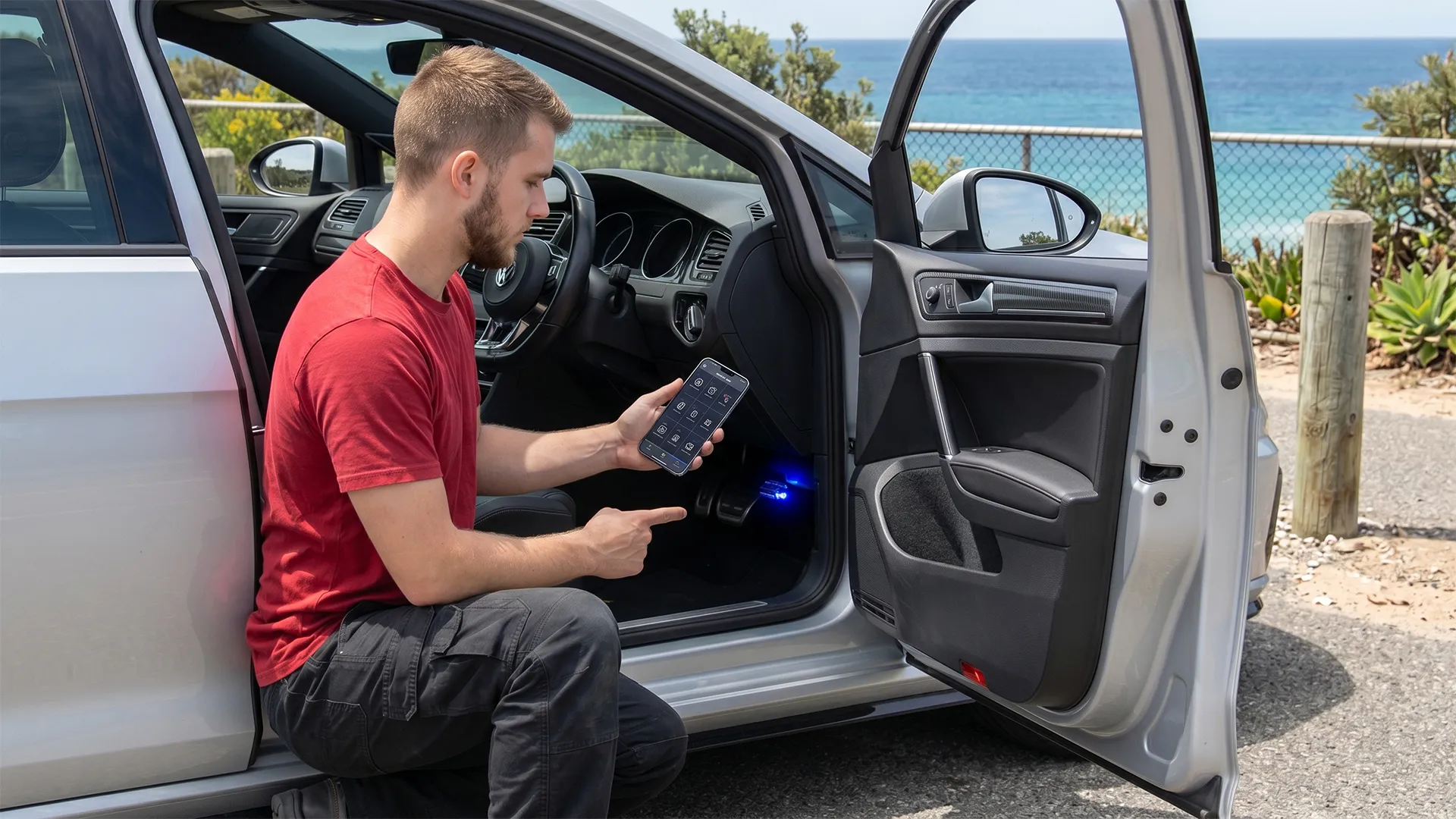

Your phone is already a better diagnostic screen than most $200 handheld scanners. It has a bigger display, a faster processor, and it’s in your pocket right now. All it’s missing is a $46 plug and the right app.
That’s the whole pitch for the Bluetooth dongle route. Instead of buying a standalone unit with its own little screen, you buy a small adapter that lives in the OBD2 port and talks to an app on your phone. The app does the heavy lifting, which means a clear screen and updates that actually arrive.
The catch is that the dongle and the app are two separate decisions, and a cheap dongle with the wrong app is a frustrating afternoon. This guide pairs each adapter with the software that makes it sing, from a $45.99 budget pick to a brand-specialist setup for European cars.
Bluetooth OBD2 Dongle Guide
Veepeak OBDCheck BLE+
Vgate iCar Pro BT 4.0
OBDLink MX+
Carly Scanner
The Quick Picks
For most drivers, the $45.99 Veepeak OBDCheck BLE+ paired with the free Car Scanner app is the sweet spot. Spend up to $239.95 on an OBDLink MX+ only if you want pro-grade speed and deep manufacturer data. European car owners chasing hidden features need Carly instead.
The dongles split into three camps. Budget BLE adapters around $45 to $60 handle code reading and live data brilliantly. The premium OBDLink MX+ adds speed, range, and access to manufacturer-specific networks. Then there’s Carly, which is less a dongle and more a locked ecosystem aimed squarely at German metal.
One firm warning before you shop. Avoid the no-name ELM327 clones that flood eBay and AliExpress for $8. Identical-looking housings often hide completely different electronics, and the advertising rarely matches what’s inside. A genuine adapter from a real brand is the difference between a tool you trust and a paperweight.
Veepeak OBDCheck BLE+: The One to Buy First
At $45.99 on Amazon AU, the Veepeak OBDCheck BLE+ is the dongle most drivers should start with. It reads and clears codes, streams live data, and pairs with both iPhone and Android, all from an adapter barely bigger than a matchbox.
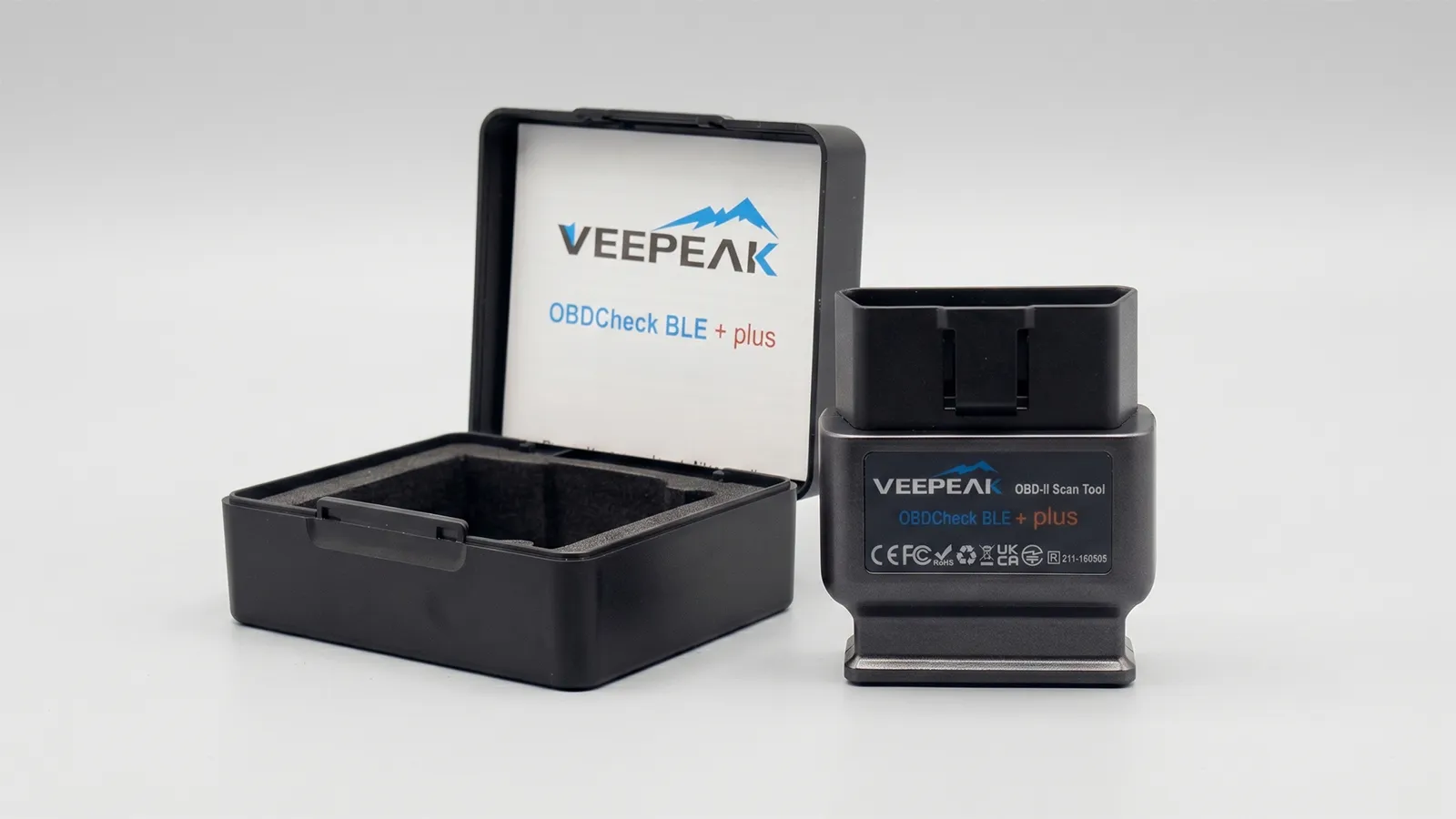
This is the entry point that doesn’t feel like a compromise. It uses Bluetooth Low Energy, so it connects cleanly to iPhones, which trips up a lot of cheaper adapters. On Android it works just as happily. The hardware itself is unfussy and reliable, which is exactly what you want from something living in the port.
Pair it with the free Car Scanner ELM OBD2 app and you’ve got fault codes, freeze-frame data, readiness monitors, and a customisable live dashboard. That combination covers the daily reality of owning a car: checking a warning light before you panic, or screening a used car before you buy.
The honest weakness is scope. Like every budget dongle, it reads engine and emissions data freely, but deeper systems like ABS, airbags or transmission only open up on selected vehicles through specific paid apps. For most owners that’s fine. If you need full-system access on everything, you’re looking at the next tier up.
Vgate iCar Pro: The Value Upgrade
The Vgate iCar Pro Bluetooth 4.0 sits at $59.00 on Amazon AU, though it routinely drops to around $35.99 at retailers like Kogan. It’s a genuine-quality alternative to the Veepeak with a clever auto-sleep feature that protects your battery.
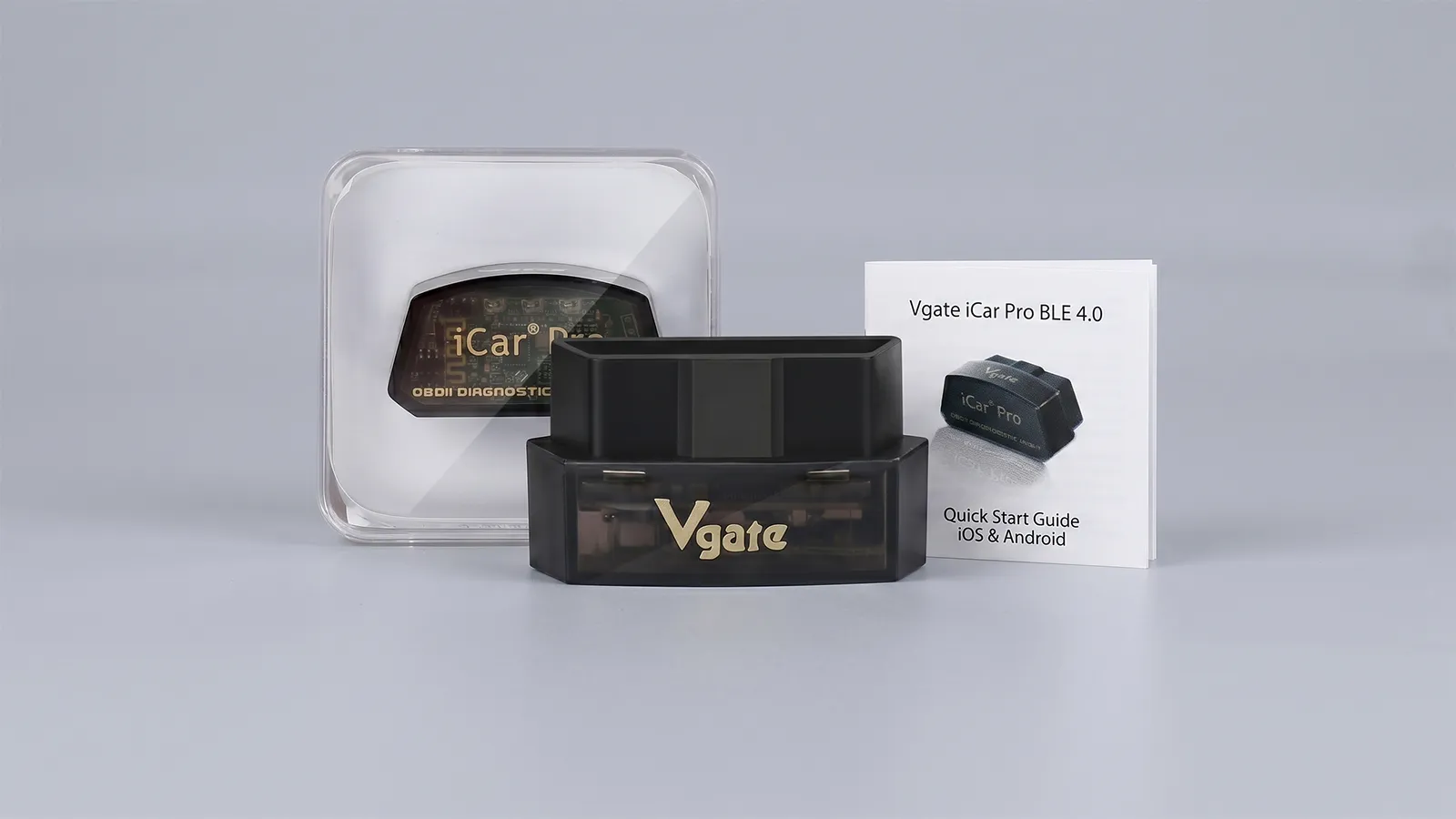
Vgate is one of the two brands serious app developers actually recommend, alongside OBDLink, and the iCar Pro is its popular everyday adapter. The standout trick is power management. After the engine has been off for around 30 minutes, the dongle goes to sleep instead of quietly draining your battery, which matters if you leave it plugged in permanently.
It speaks all the standard OBD2 protocols and pairs with the same app ecosystem as the Veepeak, so Car Scanner, Torque on Android, or OBD Fusion all work well. If you catch it on sale near $36, it’s arguably better value than the budget pick.
Watch the variants, though. There’s the iCar Pro BT 4.0, a newer 2S on Bluetooth 5.x, and a step-up vLinker MC+ aimed at coding apps. They’re easy to confuse on a listing page. For general diagnostics any of them is fine, but buy the genuine Vgate item, not a clone using the name.
OBDLink MX+: The One You Buy Once
At $239.95 on Amazon AU, the OBDLink MX+ is the premium pick that turns your phone into a near-professional scan tool. It’s faster, has longer range, and reaches manufacturer-specific data the cheap dongles can’t touch.
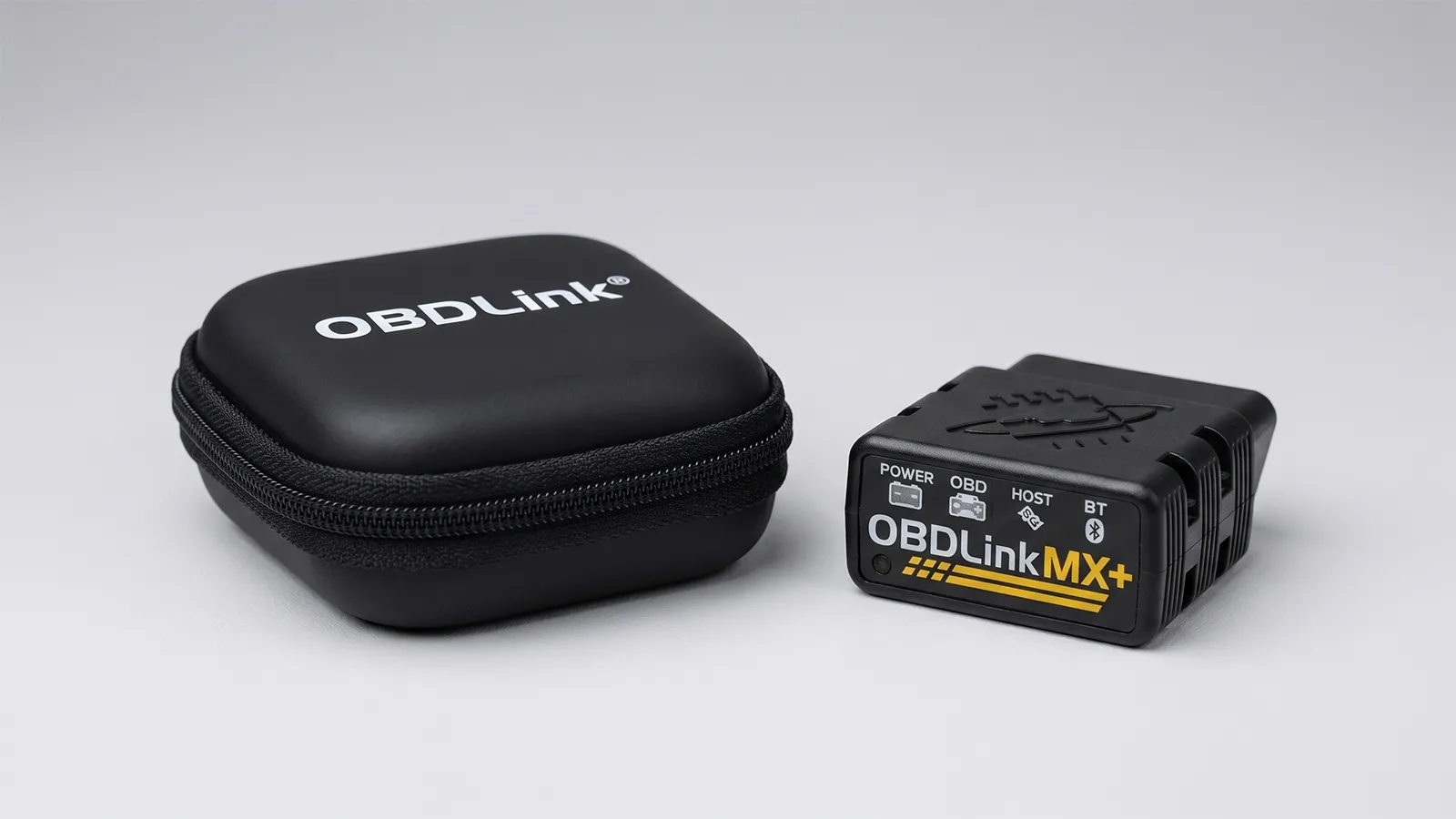
This is the buy-once-cry-once option. Where a budget dongle gives you generic OBD2, the MX+ is optimised for data throughput and can pull enhanced, brand-specific information on a wide range of vehicles. It’s also the adapter the FORScan crowd reaches for, which matters in Australia.
Here’s why. FORScan, paired with the MX+, digs into the deeper modules on Ford, Mazda and Lincoln vehicles that generic tools simply can’t see. Given how many used Rangers, BTs and Mazda3s move through Aussie driveways, that’s a real capability, not a niche flex.
The obvious hurdle is the price. At $239.95 it costs more than five Veepeaks, and for someone who just wants to read the occasional code, that’s overkill. It earns its money if you tinker often, run a Ford or Mazda, or want one tool that does everything without ever feeling slow.
Carly: The European Specialist
Carly’s adapter sells for around A$109.80, but the hardware is only half the story. The advanced features that make it famous, like coding and used-car checks, sit behind an annual licence that Carly prices by car brand, starting around $68.89 a year.
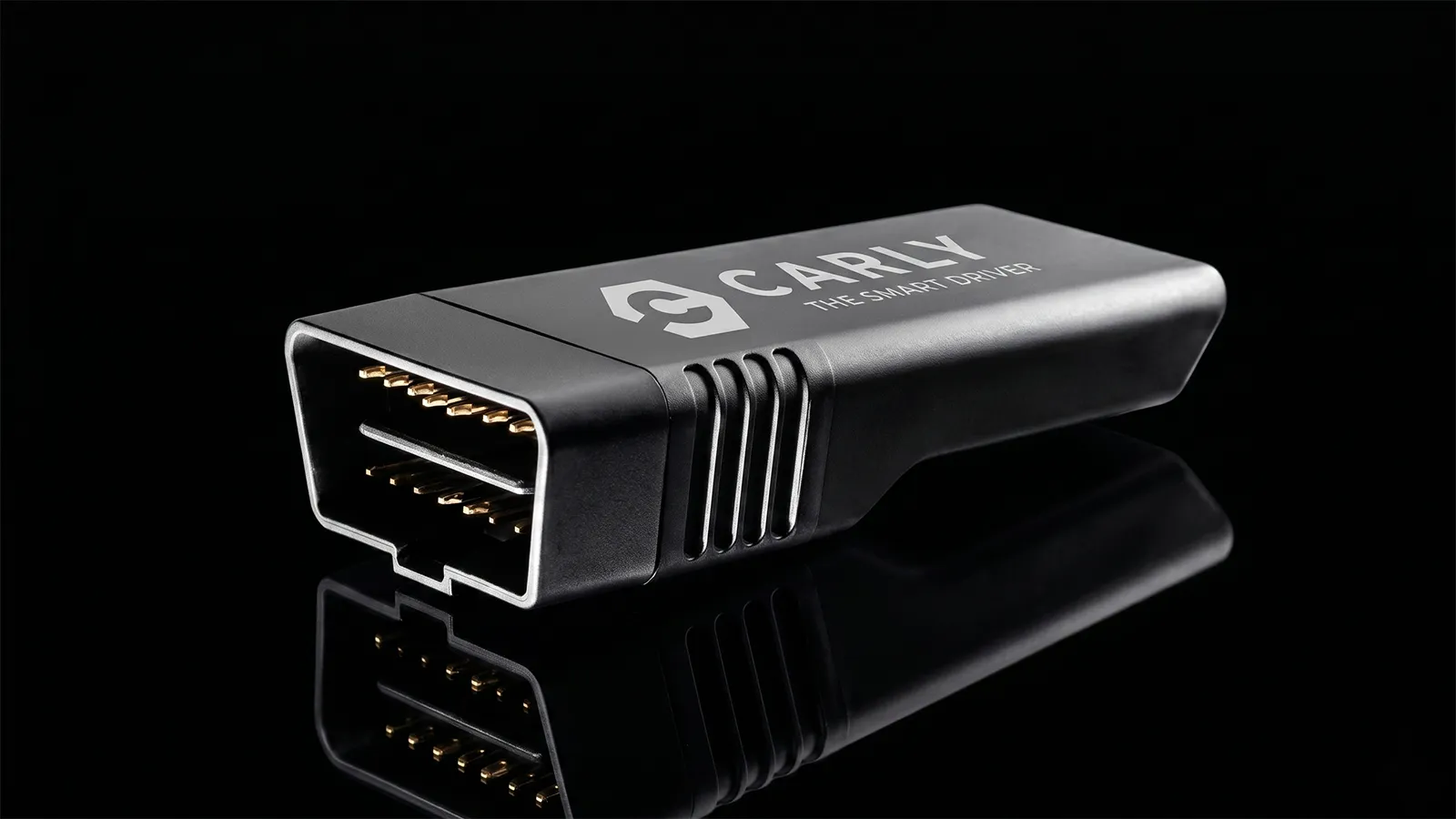
Carly is a different animal. It’s a closed system: the adapter only works with the Carly app, and the genuinely clever stuff is locked behind a subscription. The free tier reads basic fault codes, but coding, live data, service resets and the used-car health check all require a Premium licence.
That licence is priced by make, because Carly’s depth varies wildly between brands. A BMW licence runs around $98.89 a year and unlocks coding plus a dozen-plus modules. Cheaper brands like Fiat cost less but get fewer coding options. An all-brands plan lands near $109.88 a year for multi-car households.
So who’s it for? BMW, VW, Audi, Mercedes and Porsche owners who want dealer-level control. That’s also the catch. Carly’s coding strength is overwhelmingly German and European, and on many non-European models the feature set thins out fast even with a paid licence. If you drive a Corolla, this is the wrong tool.
Picking the App to Match
The app decides what you actually see. Car Scanner ELM OBD2 is the free crowd favourite, OBD Fusion is the paid pick for enhanced data, and Torque rules on Android. Match the app to your car, not just your phone.
For most people, start with Car Scanner. It’s free, pairs with the Veepeak and Vgate adapters without drama, and covers codes, live data and monitors. For deeper brand-specific readings, OBD Fusion is the small paid upgrade worth making, especially for Toyota, Ford and Mazda owners.
The pairings that matter: OBD Fusion or FORScan for Ford and Mazda, Carista for VW and Audi, BimmerLink or Carista for BMW. The dongle is just the pipe. The app makes the data readable, so choose it for the badge on your bonnet.
The Verdict
If you’re buying one thing today, it’s the Veepeak BLE+ and the free Car Scanner app. For under fifty bucks you get everything a normal owner needs, and it’s the cheapest insurance going against a surprise repair bill or a dodgy used car.
Spend up on the OBDLink MX+ only if you genuinely tinker or run a Ford or Mazda. Buy Carly only if you drive something German and want to play with coding. And whatever you do, walk past the $8 clones. The cheapest dongle on the page is almost always the most expensive mistake.


