

The days of scraping together $19,990 for a brand new, zero-kilometre hatchback with a factory warranty are officially over. Mandatory safety upgrades have killed the cheap commuter. First-car buyers and budget drivers are now facing a very different market.
The Regulatory Price Tag
The era of the cheap new car ended on March 1, 2025. The Australian Design Rule (ADR) 98/00 mandated autonomous emergency braking across all new vehicles. This regulation forced manufacturers to integrate expensive camera and radar hardware into their most basic models.
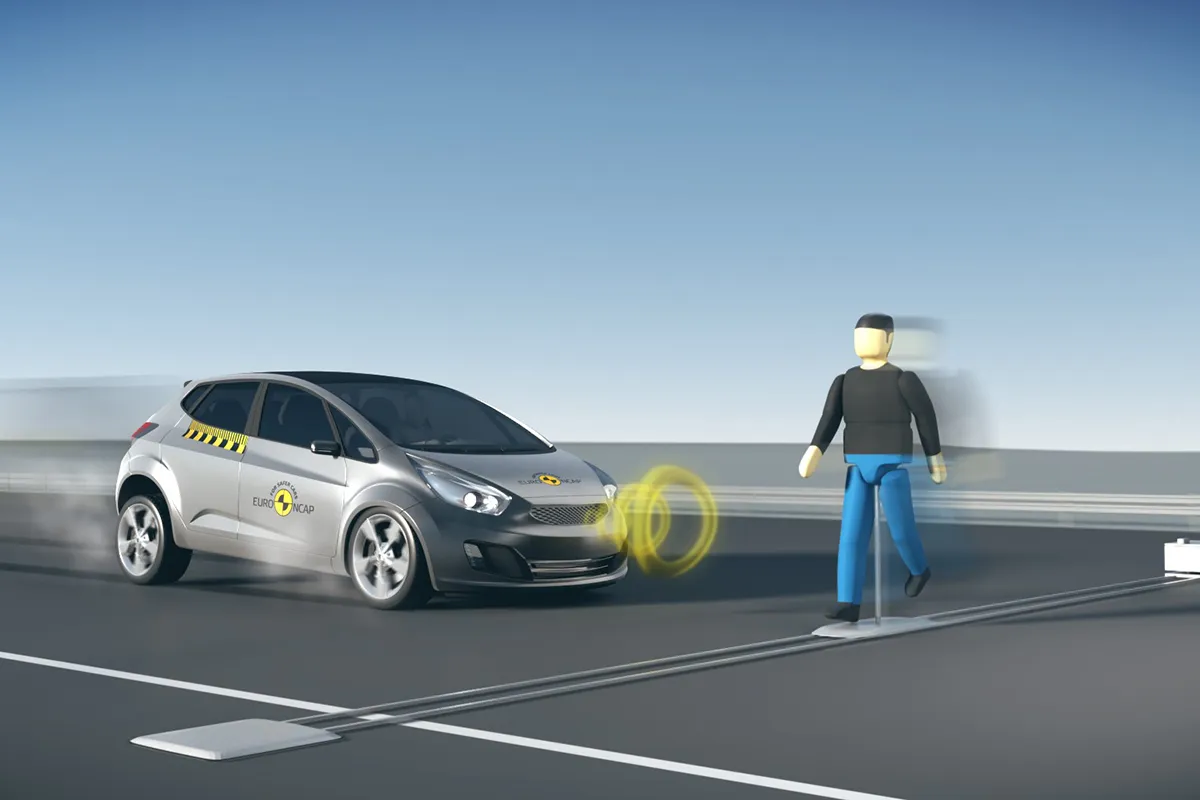
Safety tech costs money. Automakers cannot simply bolt a radar sensor onto an old chassis. Integrating autonomous emergency braking (AEB) requires updated wiring harnesses and computing power. It demands a modern electrical architecture.
This safety mandate fundamentally altered the baseline cost of building a road-legal vehicle. In 2025, the Australian Design Rule (ADR) 98/00 made AEB non-negotiable for any new car sold in the country.
The result is a safer national fleet. But the trade-off is the complete eradication of the entry-level price bracket. You can no longer buy a stripped-out, bare-bones hatchback just to get from A to B.
The New Baseline for 2026
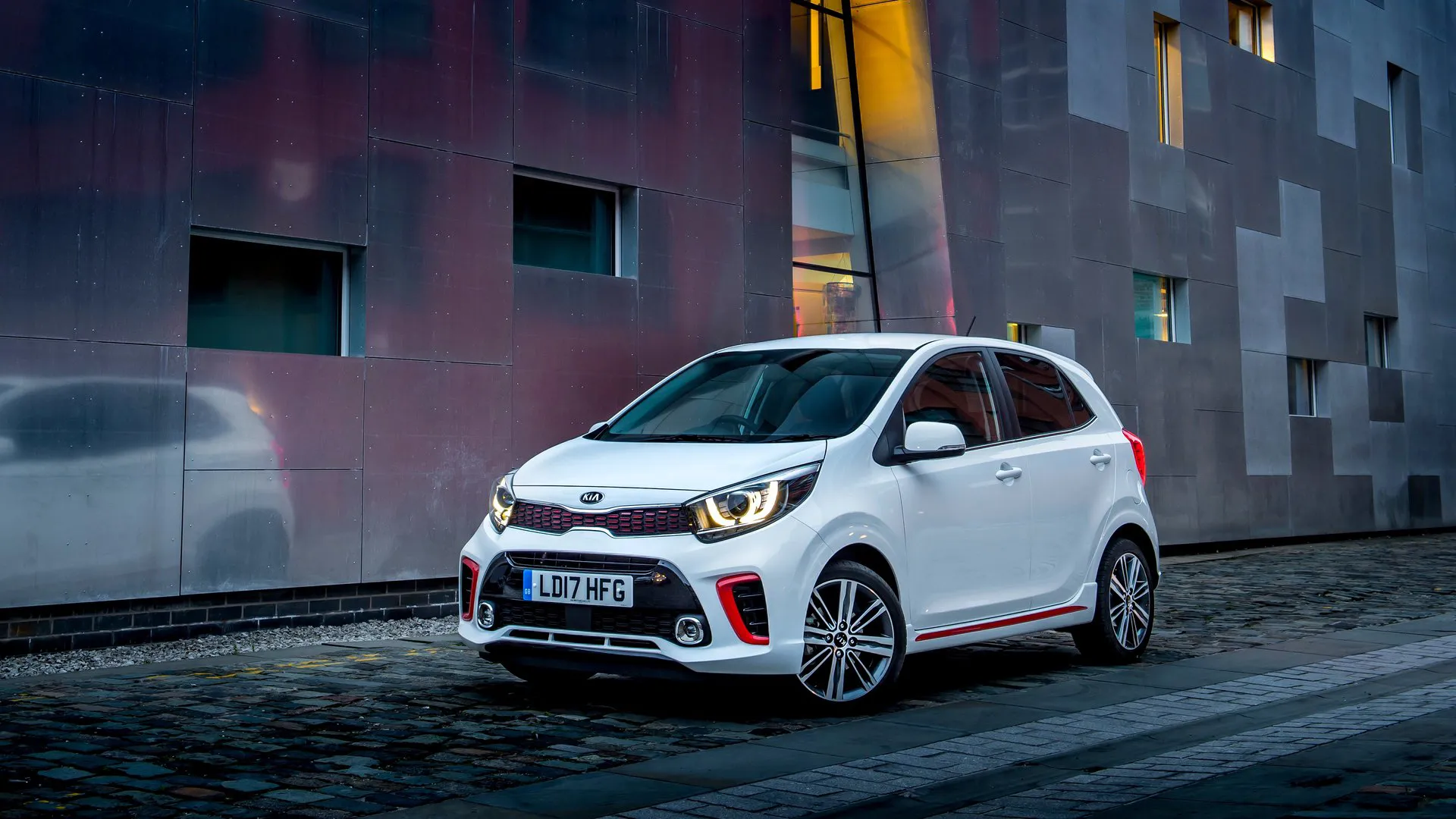
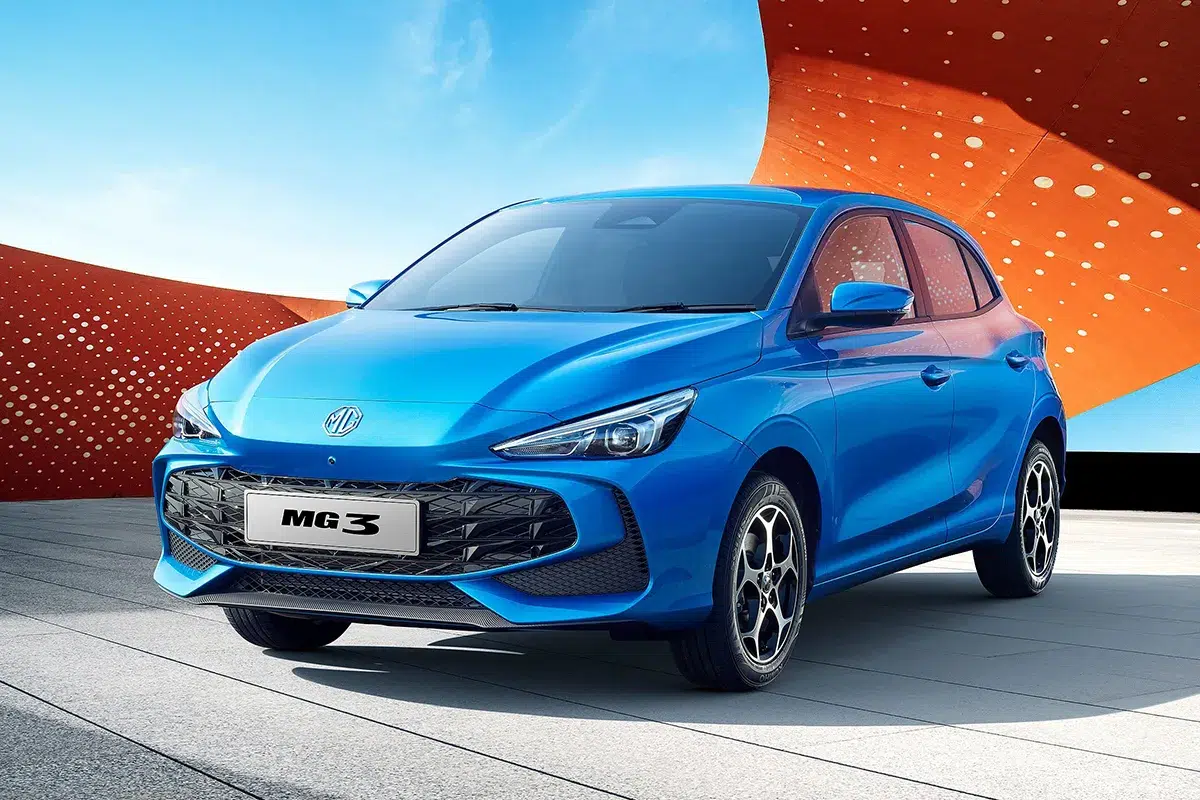
The big three budget hatchbacks have all abandoned the sub-$20,000 category. The MG3 now starts at $20,990 drive-away. The Kia Picanto manual begins at $22,290. The Suzuki Swift Hybrid will cost you $25,490 before you even add an automatic transmission.
These figures represent a massive shift in a few short years. Not long ago, the Kia Picanto was famous for its $14,190 entry price. The MG3 built its entire Australian presence on being the cheapest new car available.
Now, those same nameplates carry serious price tags. The base 2026 MG3 Vibe demands $20,990 to drive it out the door. If you want the hybrid version, you are looking at nearly $30,000.
The 2026 Kia Picanto Sport asks $22,290 for a five-speed manual. Stepping up to the four-speed automatic pushes the price to $23,390. The 2026 Suzuki Swift has moved entirely to a hybrid powertrain, with its entry-level manual commanding $25,490.
What This Means for Aussie Buyers
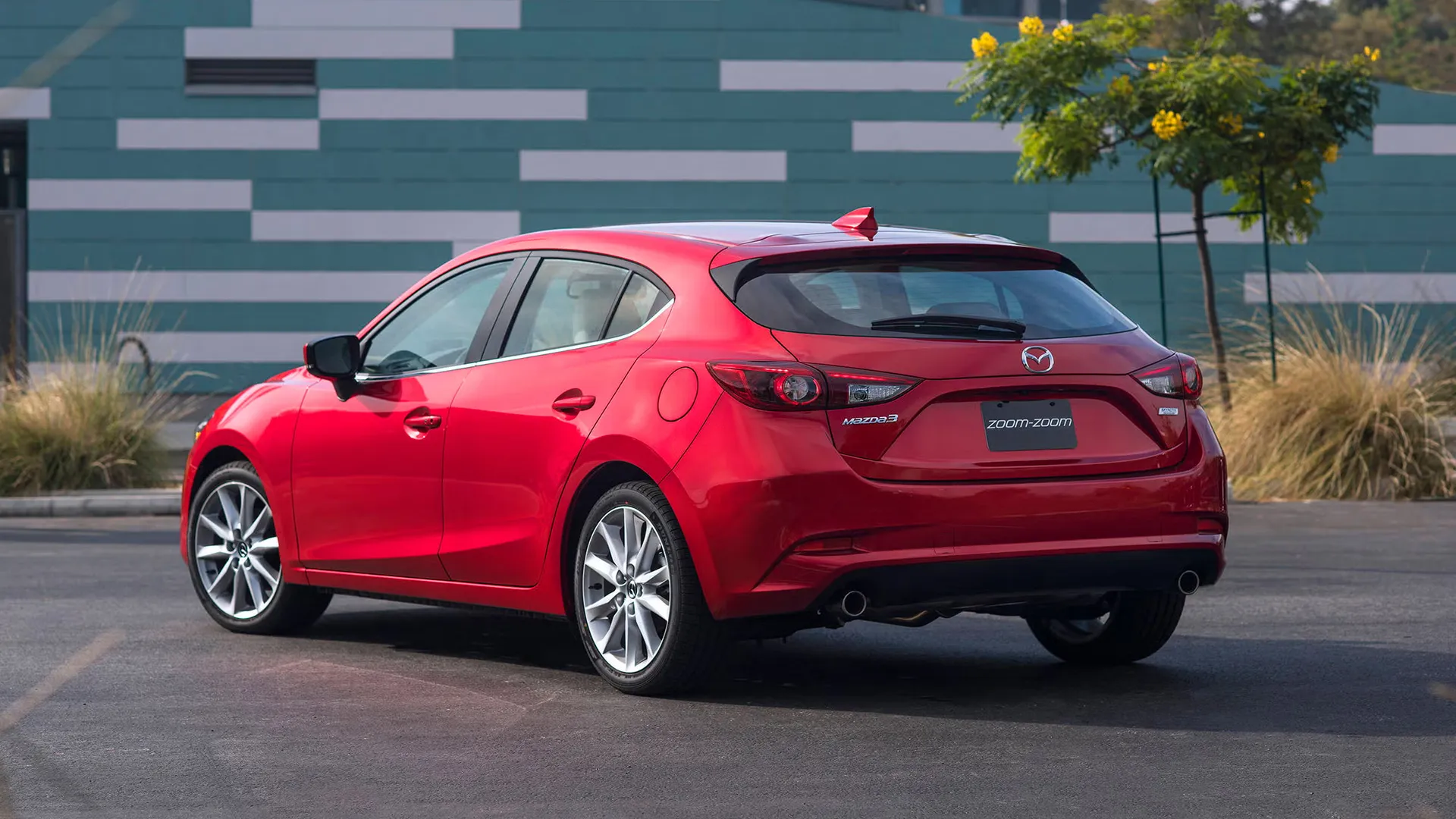
First-car buyers and budget drivers are being pushed out of showrooms. When a basic new commuter car exceeds $20,000, buyers seeking value are abandoning new vehicle warranties. They are actively choosing lightly used five-year-old hatchbacks that offer better equipment for significantly less money.
The traditional rite of passage has changed. Parents and P-platers no longer default to the cheapest new hatchback on the lot. The math simply does not work for a teenager’s first vehicle.
Instead, the true cost of owning a car in Australia dictates a different financial approach for young drivers. Used cars are now the default starting point. Buyers are diving into the second-hand market to find genuine value.
Our guide on the best used first cars for P-platers under $10000 has become essential reading for families navigating this new reality. They are actively avoiding showroom markups entirely and seeking out proven older platforms.
Availability and the Timeline Ahead
Automakers are unlikely to ever return to the $15,000 price bracket. As emission standards tighten alongside these safety mandates, the baseline cost of manufacturing any road-legal vehicle will remain permanently elevated. The cheap new car is gone for good.
This is not a temporary supply chain spike. This is the permanent new reality for Australian showrooms. The regulatory floor has been raised, and prices have risen to match it.
If you are waiting for prices to drop back to 2019 levels, you will be waiting forever. Safety features save lives, but they also rewrite the financial rules of driving. If your budget is firmly capped under $20,000, your only option today is the used car lot.



The BMW is manufactured in Mexico not Germany, whilst the Alfa Romeo is manufactured in Italy.