
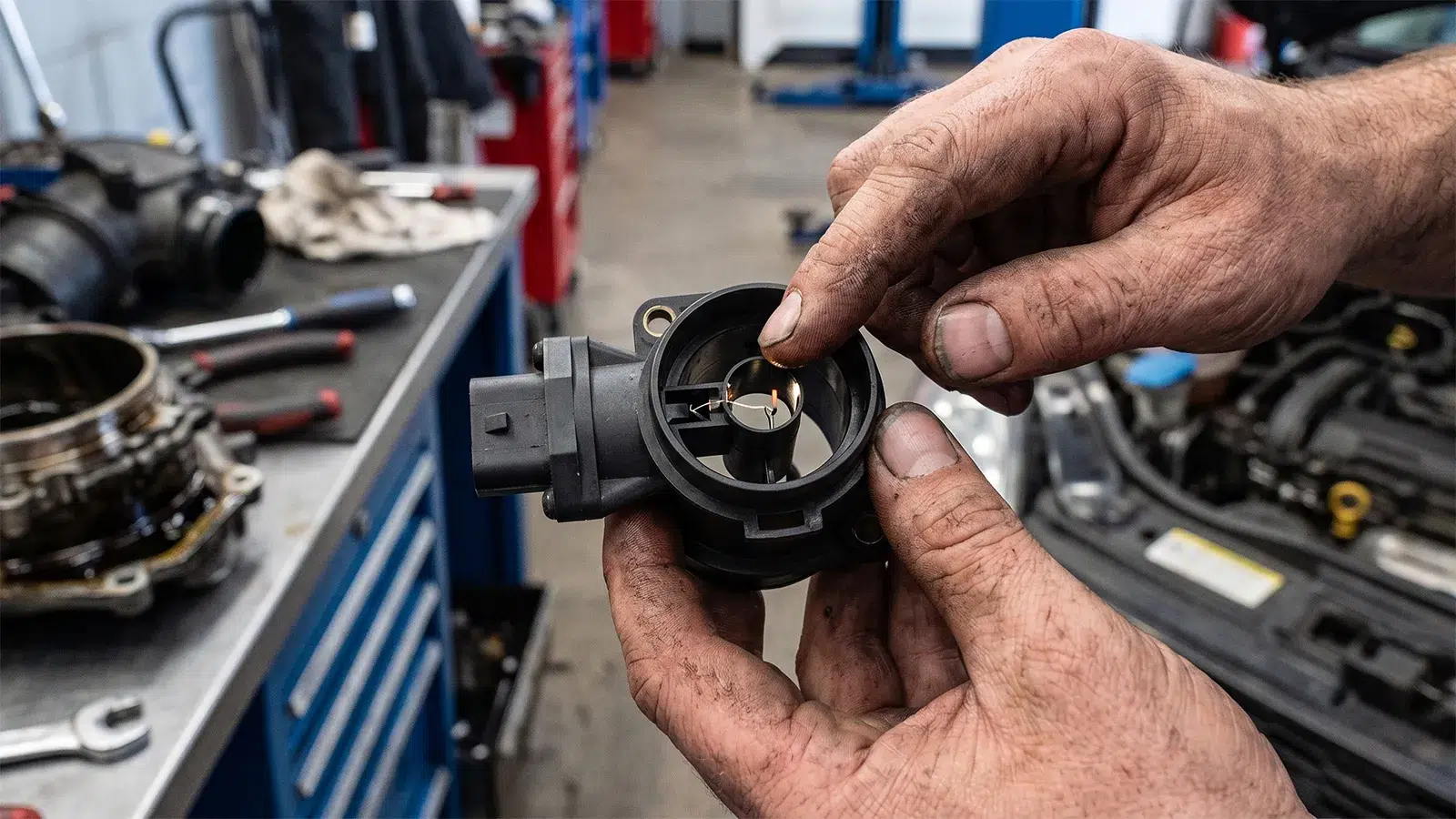

Your car feels sluggish off the line. It idles like a tractor at the traffic lights. The fuel needle is dropping faster than usual, and your mechanic is already writing up a diagnostic quote. Before you hand over your credit card, you need to check your intake.
The mass airflow sensor is the gatekeeper of your engine. It tells the computer exactly how much air is entering the intake manifold. When it gets dirty, the whole system panics. This is the simplest maintenance task you can perform at home, and it requires zero mechanical background.
The Hidden Cost of a Dirty Sensor
A dirty mass airflow sensor throws off your air-fuel ratio. The engine compensates by burning more fuel to prevent stalling, costing you an average of 10 to 15 percent in lost economy while accelerating wear on your catalytic converter.
Think of the MAF sensor as your engine’s nose. It sits just behind the airbox. A delicate heated wire or film sits in the path of the incoming air. As air flows past, it cools the wire. The computer measures how much electrical current is needed to keep that wire hot. That measurement dictates exactly how much fuel the injectors spray into the cylinders.
Over time, microscopic dust particles slip past the air filter. Oil vapour from the crankcase ventilation system drifts backwards. These contaminants bake onto the hot wire. The sensor effectively develops a thick crust of grime and stops reading the incoming air accurately.
The engine computer responds to this fuzzy data by playing it safe. It dumps excess fuel into the cylinders to prevent a lean condition that could melt a piston. You barely notice the change at first. But a few months later, your real-world fuel economy has absolutely plummeted.
Recognising the Symptoms
The most common symptoms of a contaminated MAF sensor include a surging or rough idle, hesitation when you accelerate, poor fuel economy, and occasionally a check engine light triggered by a lean or rich running condition.
The classic tell is the traffic light shudder. You pull up to a red light, and the tachometer needle bounces between 600 and 900 rpm. The car feels like it wants to stall, but it catches itself at the last second. That is the engine computer desperately fighting bad airflow data.
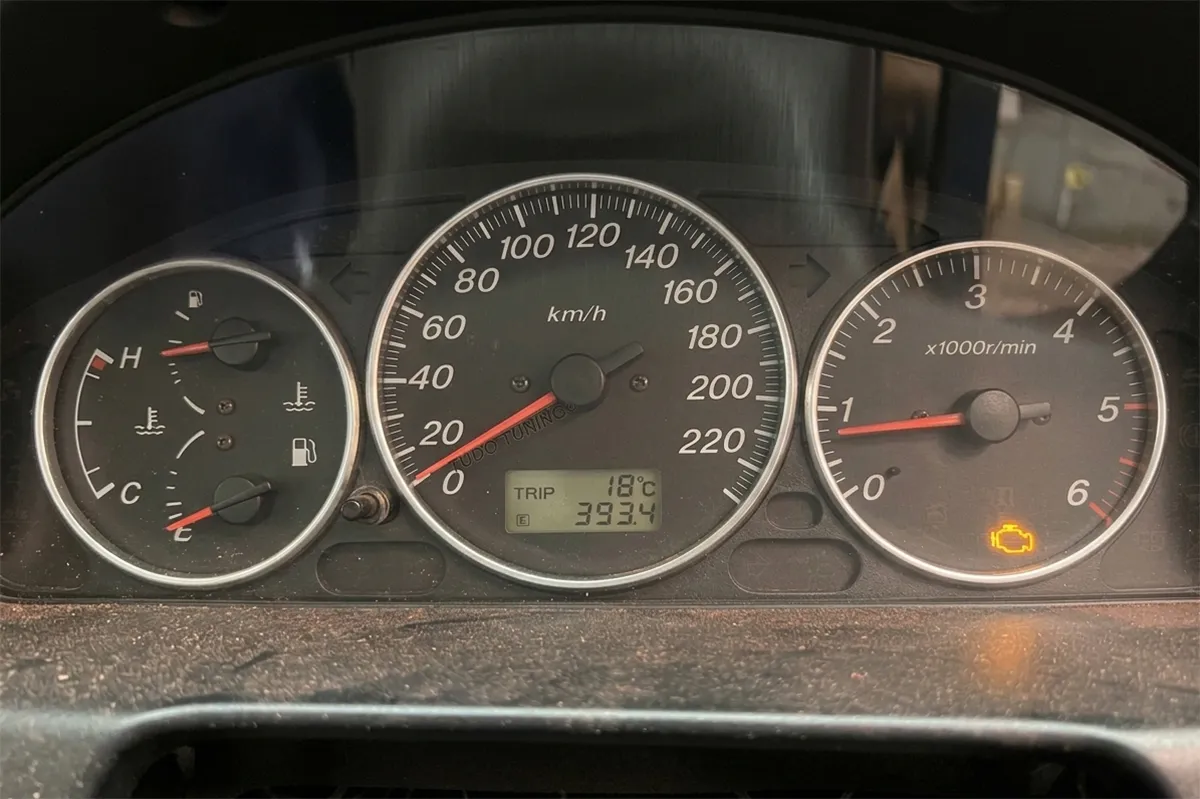
You will also notice flat spots in the power delivery. When you plant your foot to merge onto a highway, the car hesitates for a split second before responding. The sensor is covered in grime and takes longer to register the sudden rush of air.
In severe cases, the dashboard will light up. The check engine light will trigger a diagnostic trouble code for a lean bank or a direct MAF sensor range performance error. Drivers often panic and assume the engine is dying. In reality, the fix takes ten minutes.
Service Costs vs. DIY Savings
A typical mechanic diagnostic fee and minor service runs between $245 and $386 in Australia. Buying a can of dedicated cleaner takes ten minutes of labour and saves you roughly $200 compared to booking a professional workshop visit.
If you take a rough-idling car to a workshop, you are immediately on the hook for a diagnostic fee. A technician has to plug in a scan tool, read the live data, and physically inspect the intake. According to Airtasker’s mechanic cost guide, basic labour and service fees quickly spiral out of control.
A workshop will often charge you a premium to spray a five dollar portion of chemical cleaner onto the sensor. Sometimes, they will simply quote you for a brand new OEM sensor replacement. For a Toyota or Subaru, a genuine replacement part can easily cost upwards of $300.
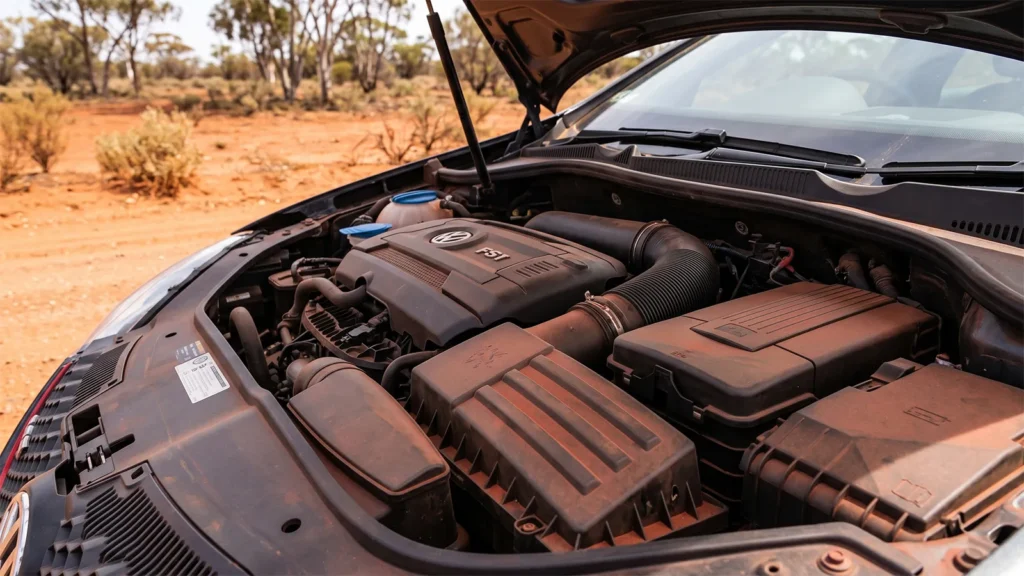
You can buy a 300g can of CRC Mass Air Flow Sensor Cleaner from Repco or Supercheap Auto for around $30. That single can will last you for years of routine maintenance. Understanding the true cost of owning a car means knowing when to pay a professional and when to turn a screwdriver yourself.
Step-by-Step: How to Clean a MAF Sensor
Disconnect the battery, unplug the sensor wiring, and remove the two screws holding the unit in the intake. Spray the element thoroughly with dedicated MAF cleaner, let it air dry completely for ten minutes, and reinstall the components.
Start by making sure the ignition is completely off. Disconnect the negative terminal on your battery. This ensures you do not trigger any accidental electrical shorts, and it helps reset the engine computer’s learned fuel trims while you work.
Locate the sensor on the plastic intake tube. It is always positioned between the air filter box and the engine throttle body. Squeeze the plastic tab on the electrical connector and gently pull the plug away. Use a Philips head screwdriver to remove the two screws securing the sensor housing.
Carefully pull the sensor straight out. Hold the unit over a rag or a piece of cardboard. Using the plastic straw attached to your cleaner can, spray the delicate wires inside the housing. Use ten to fifteen short bursts. Let the chemical run off, taking the dissolved black soot with it.
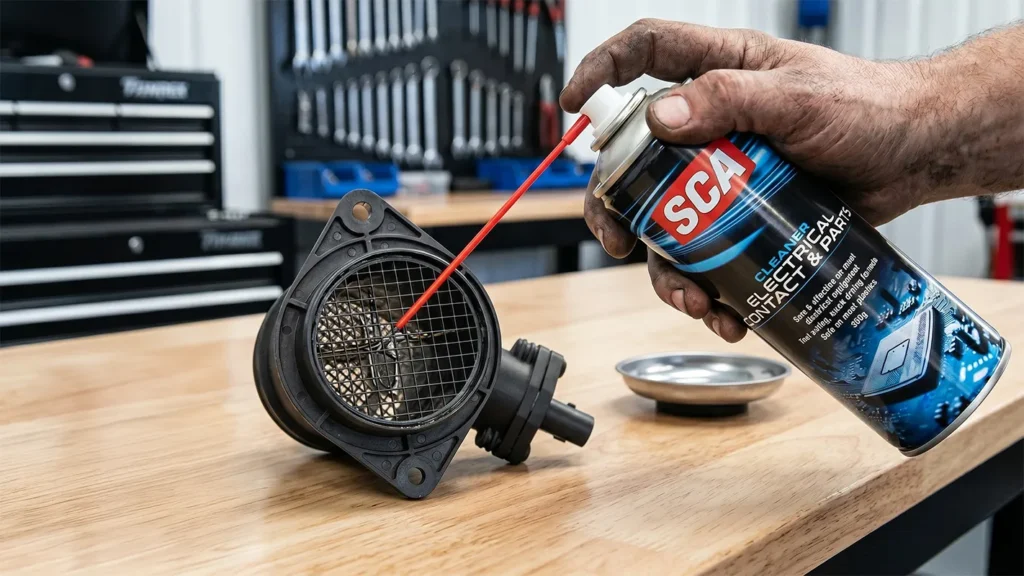
Set the sensor on a clean bench and let it air dry. The solvent evaporates incredibly fast, but you must wait at least ten minutes to be absolutely certain it is bone dry. Reinstall the sensor, tighten the screws, plug the harness back in, and reconnect the battery.
The Tax Perspective: Fuel and Repairs
Running rich drains your wallet twice. You pay the immediate penalty at the petrol bowser through higher consumption, and you face the long-term tax of premature catalytic converter failure, which can easily exceed a two thousand dollar repair bill.
The financial sting of a dirty sensor goes far beyond a slightly rough idle. When your engine runs rich, it is literally dumping unburnt fuel into the exhaust system. At current Australian fuel prices, losing 15 percent of your efficiency is a massive hidden tax on your weekly commute.
Worse still is the collateral damage. That unburnt fuel travels straight into your catalytic converter. The extreme heat ignites the raw fuel inside the exhaust, melting the precious metals inside the converter core. A dirty MAF sensor is the number one assassin of exhaust emissions systems.
If your converter melts, you will fail emissions testing and your car will barely run. Replacing a modern catalytic converter is a brutal financial blow. You are looking at thousands of dollars in parts and labour. All of this can be avoided by adding a ten minute job to your first-time owner’s checklist.
Resale and Depreciation
A neglected engine bay with rough idling destroys resale value. Buyers equate a surging idle or check engine light with poor maintenance, instantly slashing thousands off your asking price for a fault that costs forty dollars to fix.
First impressions dictate the used car market. When a prospective buyer comes to look at your car, the cold start is the ultimate test. If they turn the key and the engine stumbles, shakes, or hunts for a steady idle, they immediately assume the worst.
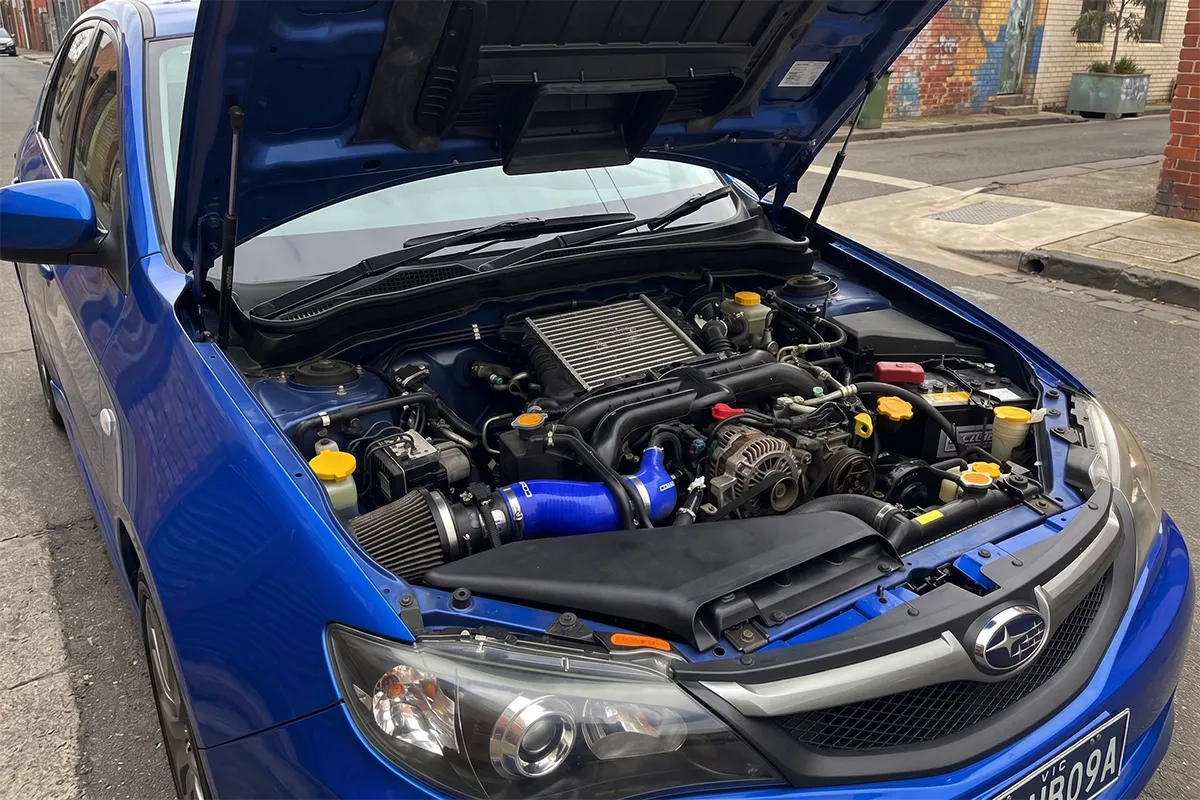
Buyers do not want to diagnose your vehicle. They see a check engine light and assume a stretched timing chain or a blown head gasket. They will either walk away entirely or use the rough idle as leverage to gut your asking price.
Taking care of your MAF sensor preserves your mechanical equity. A crisp, smooth idle signals to the buyer that the car has been loved. It proves that the engine is healthy and the electronics are stable. Depreciation hurts enough without handing buyers a free excuse to lowball you.
What Not to Do
Never use brake cleaner, carburettor cleaner, or degreaser on your MAF sensor. These harsh chemicals will melt the delicate plastic housing and destroy the hot wire, turning a cheap maintenance job into a $300 replacement part bill.
If you take only one piece of advice from this guide, let it be this: do not use whatever spray can happens to be sitting on your garage shelf. Dedicated MAF cleaners leave absolutely no residue and are safe for delicate electronics. Brake cleaner is aggressively corrosive and will ruin the sensor instantly.
Do not touch the internal wire with your fingers & do not poke it with a cotton bud. Also don’t blast it with high pressure compressed air. The platinum wire inside the housing is often thinner than a human hair. The slightest physical pressure will snap it, and there is no repairing a broken wire.
Finally, reconsider the use of cheap, heavily oiled aftermarket air filters. Over-oiling a performance air filter is the fastest way to contaminate your intake. The engine vacuum sucks the excess red oil right off the filter pleats and coats the sensor housing. Stick to high quality dry filters, keep your sensor clean, and enjoy the reclaimed fuel economy.


