
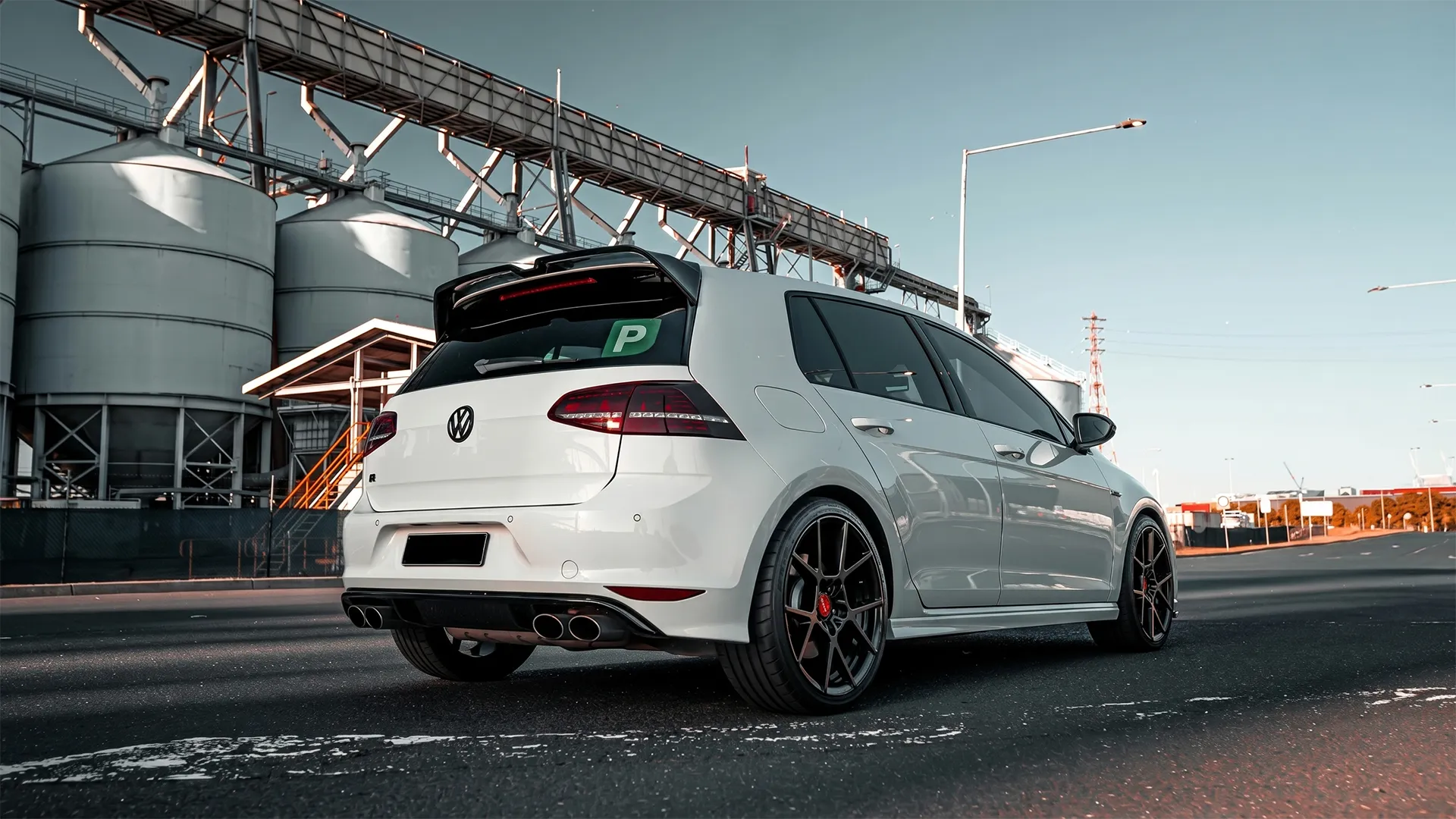

A 206kW Hyundai i30 N is illegal on your Ps. A 2.3-tonne diesel wagon with nearly the same power is fine. That single contradiction sums up where Australia’s P-plate power laws have landed in 2026, and young enthusiasts are the ones paying for it.
The intent was sound. Keep inexperienced drivers out of cars that punish a heavy right foot. The execution has quietly funnelled them away from light, modern hot hatches and toward the heaviest metal on the road.
Want the car-by-car answer instead? The P-plate legal cars guide checks 22 popular models, from the GR86 to the automatic WRX, against the rules in NSW, Victoria, Queensland and South Australia.
The 130kW-Per-Tonne Trap
Most of Australia caps P-platers at a power-to-weight ratio of 130kW per tonne. It sounds like a speed limit on paper. In practice it is a weight test, and the cars it catches hardest are the small, light, powerful ones young drivers actually want.
How does the P-plate power limit work?
The formula is simple. Take maximum power in kilowatts, divide by tare mass in tonnes. Anything over 130kW/tonne is off-limits.
That maths has a built-in bias. A car gets legal one of two ways: less power, or more weight. Light bodies have nowhere to hide. A heavy one dilutes its own grunt and slips under the line. The system rewards mass.
Why the Hot Hatch Lost
The modern hot hatch is the exact profile the rule punishes: not much over a tonne, but plenty of power. Cars built to be fun on a back road are the first names on the banned list, while the threshold barely moves for anything bigger.
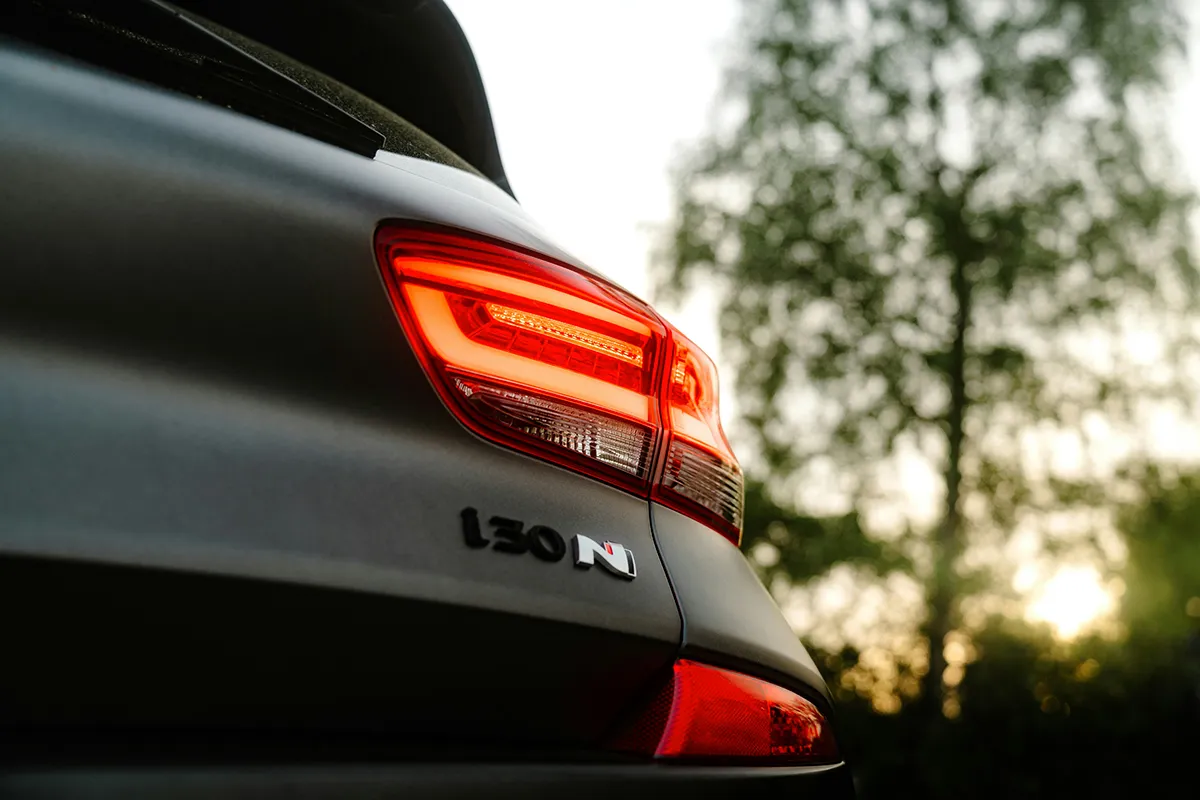
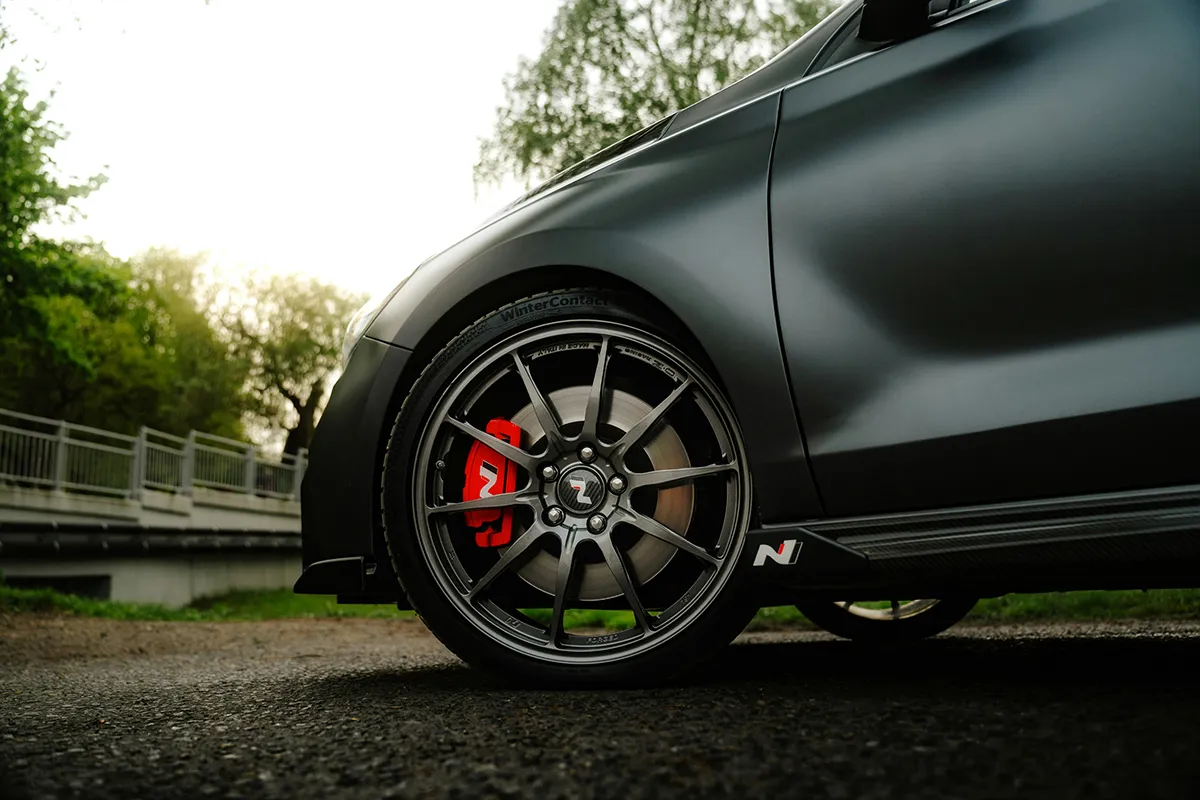
Take the Hyundai i30 N Premium. With 206kW and a kerb weight around 1480kg, it lands at roughly 139kW/tonne, as CarsGuide has noted in its P-plate breakdowns. It clears the limit by a whisker, and a whisker is all it takes. Banned.
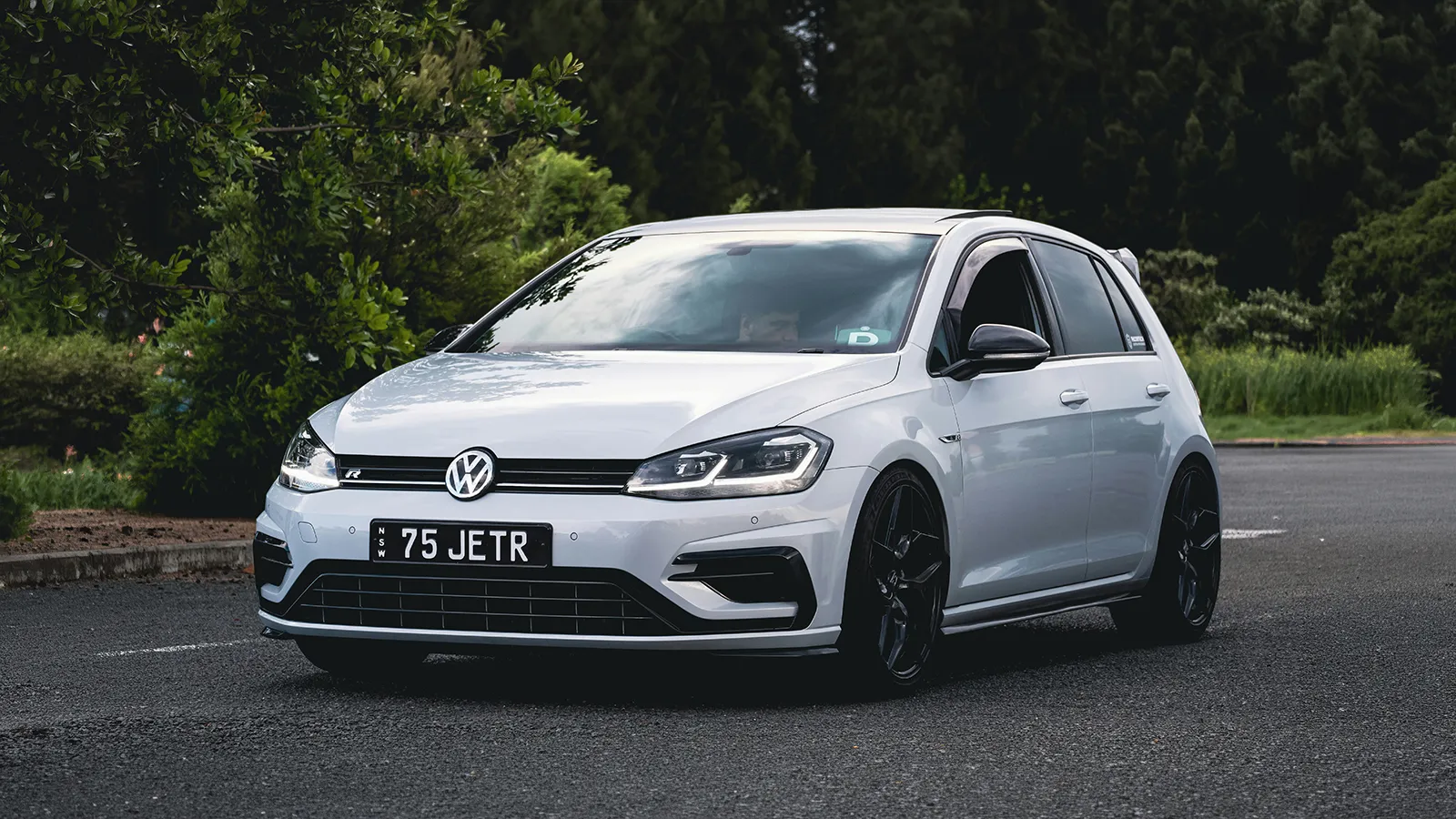
The Volkswagen Golf GTI sits right on the knife’s edge near 128kW/tonne, legal in theory but a guaranteed magnet for a bored highway patrol car wearing P-plates.
EVs made it worse. Big power and heavy batteries push ratios sky-high. Even the rear-wheel-drive Tesla Model Y now breaches the limit at about 132.7kW/tonne. Certain Hyundai Ioniq 5 grades are banned in NSW while the base car stays legal. The banned EV list runs into the hundreds.
The Heavy-Metal Loophole
Here is the part that should bother the safety bods. A young driver locked out of a 1.5-tonne hot hatch can legally climb into a two-tonne-plus diesel four-wheel drive with similar power, simply because the weight drags the ratio back under 130.
A large diesel wagon making 150kW but weighing well over 2.3 tonnes sits comfortably in the legal zone. Same power as a banned hatch. Double the mass. A far longer stopping distance, a higher centre of gravity, and a great deal more energy to manage if it all goes wrong.
So the rule designed to keep new drivers out of fast cars hands them the keys to heavy ones instead. The maths is clean. The road-safety logic is muddier than anyone wants to admit.
The Postcode Lottery
Whether any of this applies to you depends entirely on where you live. The 130kW/tonne rule is a state-by-state patchwork, and two P-platers with identical cars can be a fine apart simply because of a border.
Which states have P-plate power limits?
New South Wales and Victoria run the strictest version, applying the 130kW/tonne cap to every P-plater plus their own extra banned lists. Queensland and South Australia use the same number, but only for provisional drivers under 25.
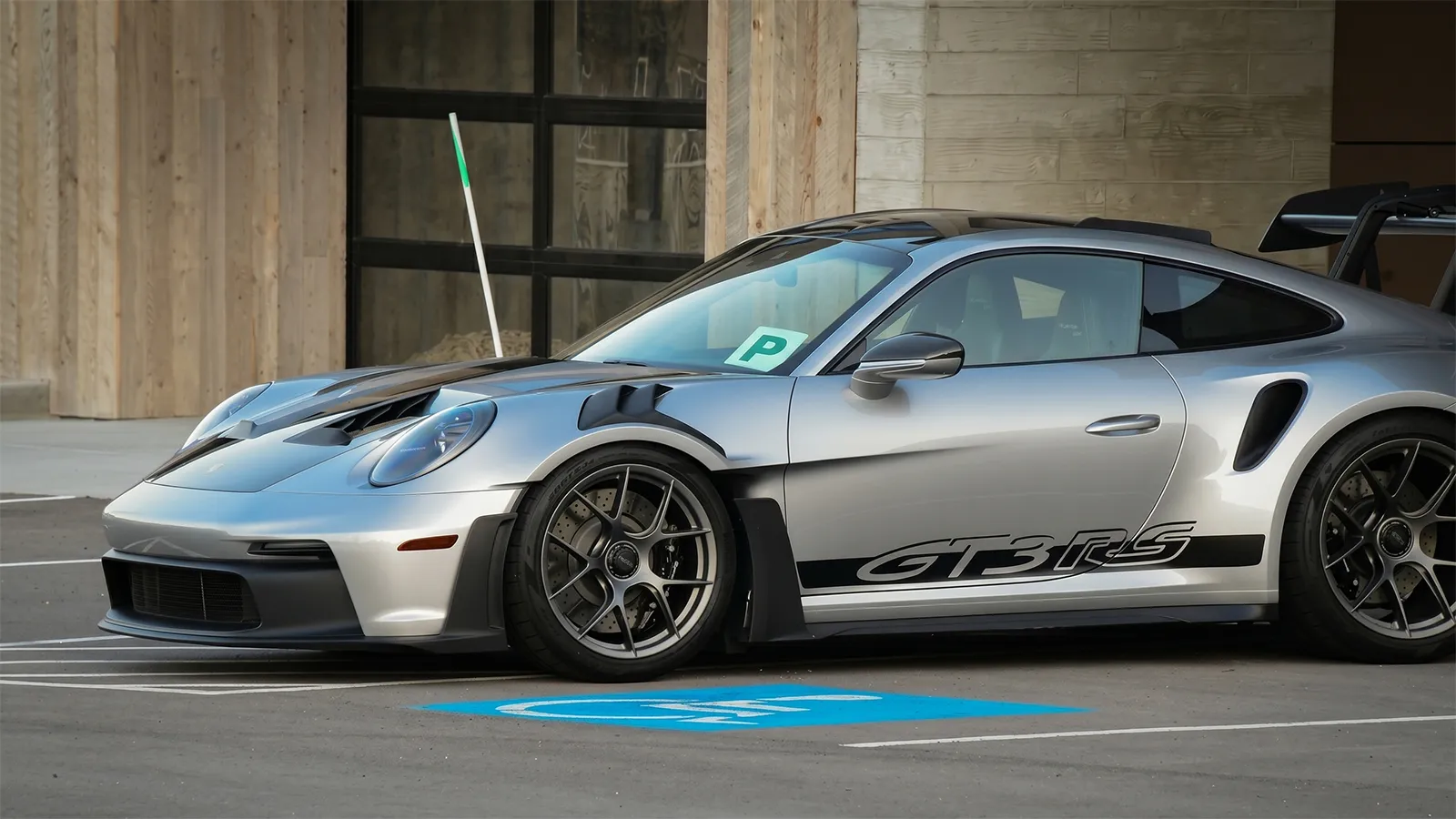
Then there is the other half of the map. Western Australia, Tasmania, the Northern Territory and the ACT have no power-to-weight restriction for P-platers at all. A teenager in Canberra can legally drive a Porsche 911 GT3. Cross into NSW and a long list of family EVs becomes illegal.
What It Means for Young Aussie Buyers
If you are shopping for a first car in NSW or Victoria, check the exact variant before you fall in love with it. The line between legal and banned can be one engine option, one battery size, or one model year.
No reform is on the table. The power-to-weight model is entrenched, and the EV-era flaws it has exposed have prompted plenty of commentary but no policy change. For now the rule stands as written.
The honest advice is unglamorous. Skip the banned hot hatch, look at the lower-output warm-hatch variants that scrape in under the limit, and treat the buying guides built for exactly this problem as your starting point.
The cruel joke is that a law written to make young drivers safer has nudged a generation of them out of light, nimble hatches and into the heaviest things on the road. Safer on a spreadsheet. Not always safer at the next roundabout.


