
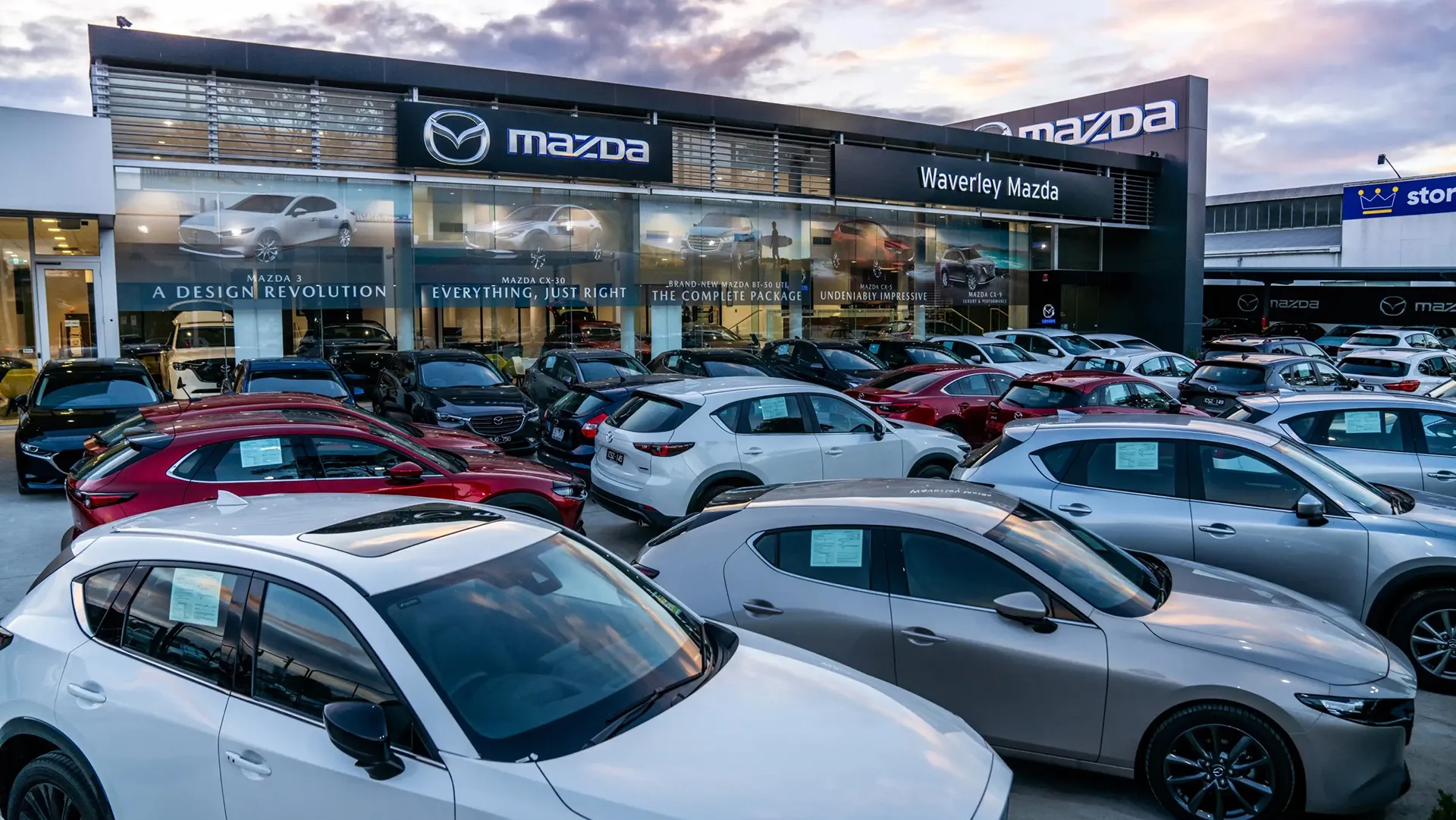

Every year around EOFY and again in January, dealership forecourts fill with 2025-plated stock that needs to move before new shipments land. The pitch is compelling: same warranty, same car, thousands cheaper. Sometimes it is the best purchase you can make. Sometimes you are buying the last of a generation that is about to look very old, very quickly. The difference is entirely in the specific model.
How Much Can You Actually Save?
Plate clearance discounts run from $500 to $5,000 off drive-away on mainstream models, depending on the brand and how motivated the dealer is. Factory bonuses are only part of the picture: dealer negotiating room also opens up as stock sits longer and new shipments start arriving.
Honda has offered $2,000 to $3,000 off 2025 CR-V and ZR-V models, plus an eight-year unlimited-kilometre warranty instead of the standard five. Mazda’s run-out factory bonuses range from $500 to $5,000 depending on the model. Neither requires special eligibility.
The strongest windows are EOFY in June and the new year in January and February. January is when dealer motivation peaks: new stock arrives, storage costs bite, and sales teams want a clean yard. Buyers who act then often do better than those waiting for mid-year.
Get the timing right and those keys could come with a few thousand dollars still in your pocket.

Where You Should Wait for the 2026
Two models in particular make the 2025 run-out a poor trade this year: the Toyota RAV4 and the Mazda CX-5. Both just went all-new. Buying the outgoing versions now means buying the last of a generation whose successor is already on showroom floors.
The 2026 RAV4 is a genuine redesign. New Arene software platform, PHEV variants added to the lineup, digital key, and a comprehensively redone interior. Toyota lifted pricing by up to 10.95 per cent over the outgoing model, so the gap to the run-out is real money. But the car is genuinely different, and you will feel that at resale time.
One caveat: early 2026 Australian deliveries arrived before ANCAP 2026 testing was completed. If safety ratings matter to you, check which batch of deliveries you are buying into. We break down why some 5 star ANCAP ratings might not mean anything in 2026.
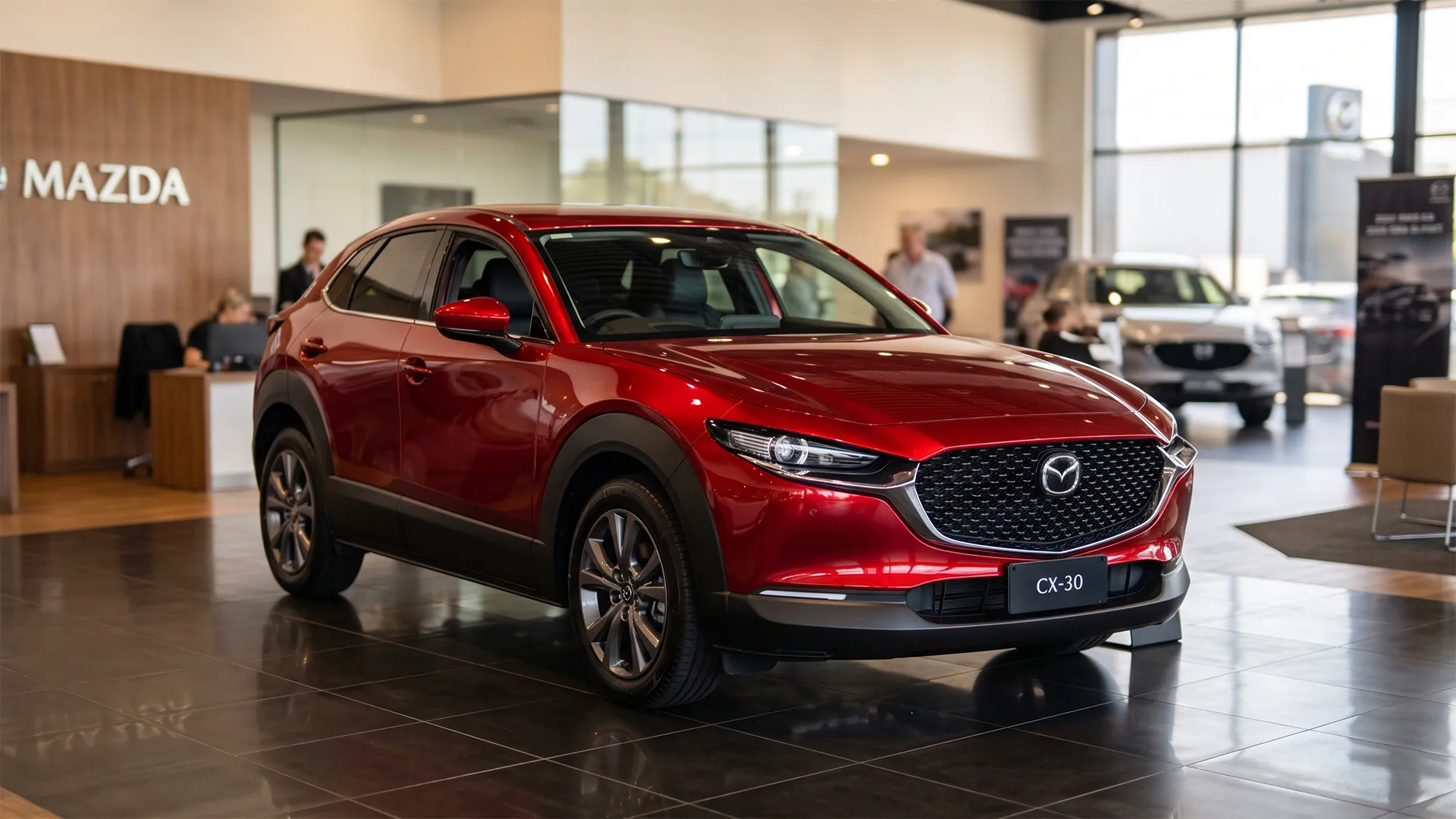
The 2026 CX-5 is equally transformed. The wheelbase grows from 2,700mm to 2,815mm, the infotainment jumps from 10.25 to 15.6 inches, and the interior is properly new rather than refreshed. The outgoing CX-5 starts from $37,990 drive-away in run-out form. The new one opens at $39,990 before on-road costs. That gap narrows fast once you add stamp duty and on-roads, and the new car is a substantially better product.
Where the Run-Out Is the Right Call
For most mid-cycle models, the 2026 update is a bumper change and a software patch. If a car is in the middle of its generation, the difference between MY25 and MY26 will not register with the next buyer, and the run-out discount is straightforward money in your pocket.
The practical test: ask the dealer what is actually different between the 2025 and 2026 model. If the answer is a new colour, a USB-C port upgrade, or updated mapping, take the discount. Service schedules are identical between model years unless there is a new powertrain, and warranty terms transfer normally. Honda sweetened the deal with an eight-year warranty precisely because the car itself is unchanged: that extended coverage is real additional value at no cost to you.
The Resale Catch Nobody Mentions
The hidden risk of run-out stock is not in what you pay. It is in what you receive when you sell. A 2025-plated car traded in at three years old registers as a 2025 model competing against 2028 stock. That model-year gap costs you at trade-in time, and the bigger the update behind you, the bigger the cost.
For high-volume models where the new generation reaches mass supply quickly (the RAV4 and CX-5 are exactly these), the depreciation impact of being one full generation behind is meaningful. For a niche model or one with a committed following, the curve is flatter and the risk smaller.
The tax angle is worth a conversation with your accountant or novated lease provider. A lower purchase price on run-out stock reduces your depreciable cost base, and pairing a plate clearance price with pre-tax salary packaging can produce savings from two directions simultaneously. Understanding the total cost of owning a car in Australia means accounting for stamp duty, insurance on the agreed value, and trade-in positioning, not just the sticker discount.
The answer depends on the model. For the RAV4 and CX-5, wait. For a mid-cycle ute or SUV with a $3,000 factory bonus and the same powertrain as the 2026 edition, sign the paperwork. The model you are buying matters more than the timing.


