


The Toyota HiLux is an Australian institution. It dominates dusty worksites, chaotic school runs, and weekend camping trips. Australians buy tens of thousands of these utes every year. Yet, buyers frequently overlook a major hidden expense.
Toyota’s servicing schedule catches many owners off guard. You must service the HiLux every six months or 10,000km. This is double the frequency of most modern commercial competitors.
From a practical standpoint, this interval requires a major rethink. Tradies lose a day on the tools twice a year. Fleet buyers face doubled vehicle downtime. We calculated the true five-year running costs. Here is exactly what it costs to maintain the nation’s favourite workhorse.
Toyota HiLux Servicing Analysis
The Toyota HiLux demands workshop visits twice as often as the Ford Ranger or Isuzu D-MAX. While capped-price servicing softens the initial blow, the strict 6-month/10,000km interval means doubled downtime for tradies and significantly higher 5-year running costs.
- Unbeatable resale value in the used market.
- Frequent fresh oil protects drivetrains during heavy 3500kg towing.
- Consistent tax write-offs for ABN holders.
- 6-month intervals heavily disrupt workflow and productivity.
- 5-year dealer maintenance exceeds $3,800.
- Capped pricing program ends sharply at the 3-year mark.
Service Costs
Toyota caps HiLux service costs at roughly $290 for the first six visits (3 years/60,000km). However, the strict 6-month/10,000km interval means you visit the workshop twice as often as rivals, pushing five-year costs past $3,800.
For the first three years, Toyota Service Advantage protects your wallet. You will pay between $245 and $290 per visit. This covers the first 60,000km of driving. It seems cheap on paper.
The reality hits at the five-year mark. A HiLux requires ten services over 60 months. The average annual servicing cost sits between $672 and $778. You will spend up to $3,889 over five years at the dealer.
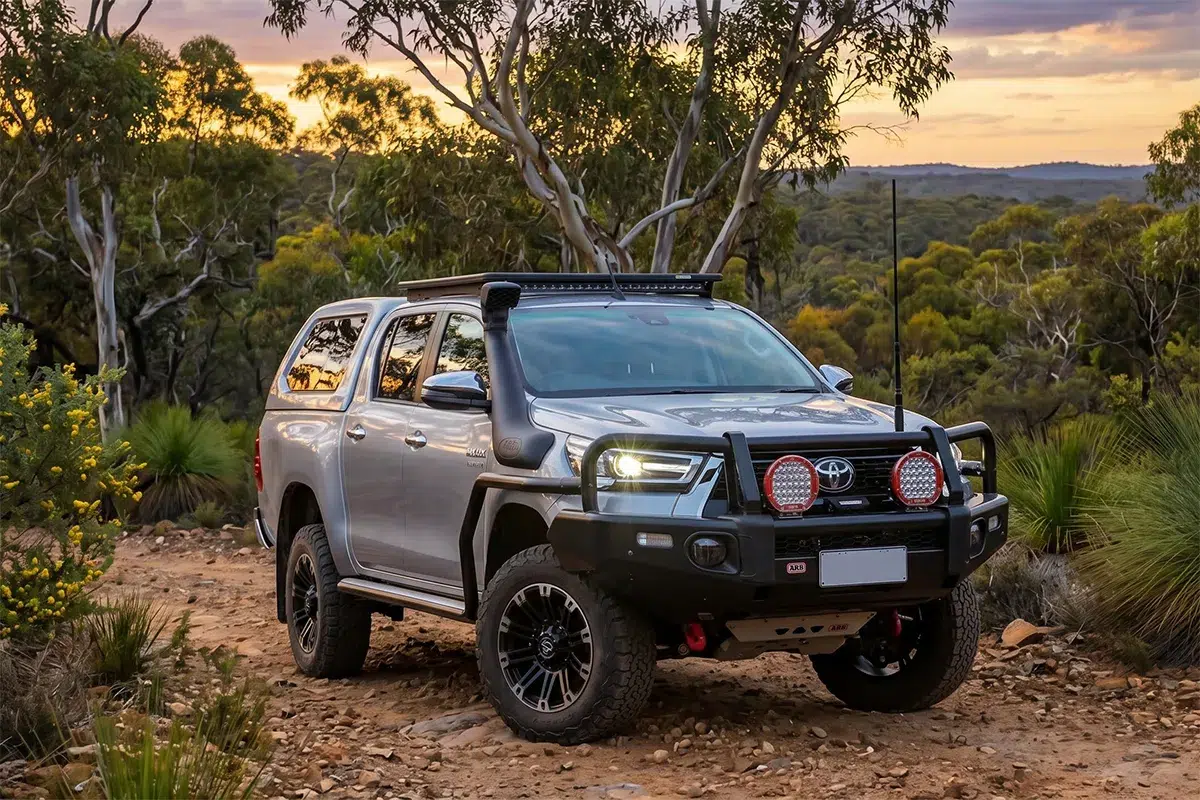
Comparing the Competition
The HiLux schedule is punishing when viewed against its rivals. The Ford Ranger uses a 12-month or 15,000km interval (read our definitive spec-by-spec comparison:2026 Toyota HiLux vs Ford Ranger: Has the HiLux Finally Closed the Gap?). Ranger owners pay roughly $1,516 over the first four years.
The Isuzu D-MAX also features a 12-month schedule. Over five years, the D-MAX costs $2,245 to maintain at the dealership. The HiLux is significantly more expensive to keep on the road.
The actual service price is only half the story. Taking your ute to the dealer takes time. If you charge $100 an hour, missing a morning costs you $400. You absorb this lost revenue twice a year with a Toyota.
Heavy Towing and Maintenance
There is a mechanical upside to the six-month rule. If you tow a 3500kg caravan, your service needs change rapidly. Automatic transmission fluid degrades quickly under heavy loads.
Toyota’s short interval actually protects the drivetrain during severe usage. Fresh oil every 10,000km prevents premature engine wear. It is the safest approach for high-stress applications.
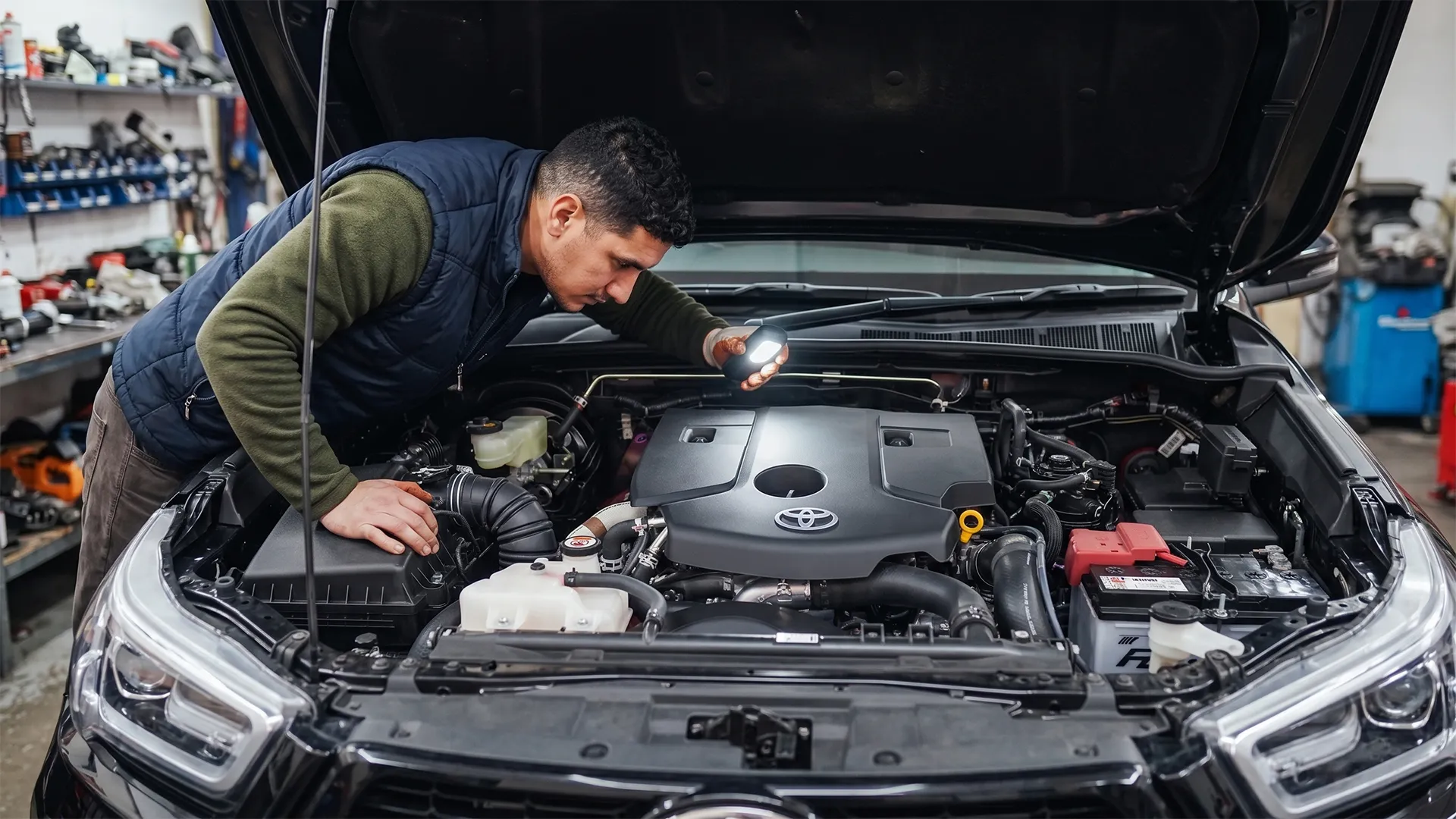
Dealer vs Independent Mechanics
Toyota’s capped pricing ends after three years. After this period, dealer prices jump significantly. Many owners immediately switch to independent mechanics.
Independent workshop data shows varied pricing across Australia. A standard 30,000km service averages $320 to $410 at a local garage. Costs rise quickly if you need new brake pads or differential oil.
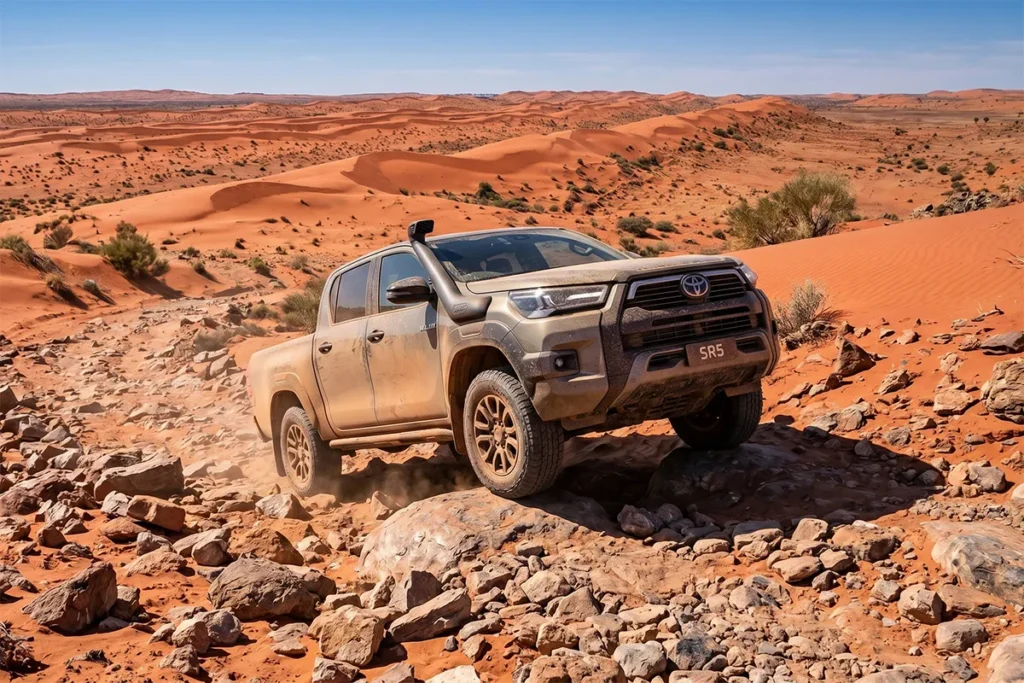
Heavy off-road usage accelerates wear and tear. If you are hauling tools down the M1 commuting daily, expect higher brake wear. Regular off-roaders should stick to the six-month rule religiously.
Resale & Depreciation
The HiLux remains the undisputed king of resale value in Australia. You will spend more on routine maintenance, but you recoup those losses when selling, thanks to an ironclad brand reputation and high used-market demand.
Maintenance bills hurt, but depreciation is your biggest vehicle expense. This is where the HiLux dominates the commercial market. A well-maintained Toyota holds its value better than almost anything else.
Used buyers trust the badge implicitly. They willingly pay a premium for a second-hand HiLux. A five-year-old HiLux routinely commands thousands more than an equivalent D-MAX or Nissan Navara.
The bottom line is simple. You pay more to service the ute during your ownership. You get that money back when you trade it in.
The Logbook Premium
There is one critical rule for preserving resale value. You must maintain a great logbook history. Skipping the six-month service could be a massive financial mistake.
Used buyers look for gaps in the service history. A missed service signals mechanical neglect. It gives savvy buyers an excuse to negotiate the price down.
Keep every single invoice in the glovebox. Document all independent mechanic visits clearly. Proof of meticulous care guarantees top dollar on the used market.
The Tax Perspective
Frequent servicing provides consistent tax write-offs for ABN holders. While downtime hurts productivity, fleet operators and tradies can leverage depreciation and maintenance expenses to offset the sting of Toyota’s accelerated service schedule.
Business owners view vehicle costs differently than private buyers. The Australian Taxation Office allows you to claim vehicle running costs. This softens the blow of Toyota’s strict service schedule.
Every $290 service is a deductible business expense. Fleet buyers and tradies with an ABN can claim GST credits. You also claim the depreciation of the vehicle itself against your income.
This tax treatment makes the six-month interval far more palatable. The out-of-pocket impact is significantly reduced at tax time.
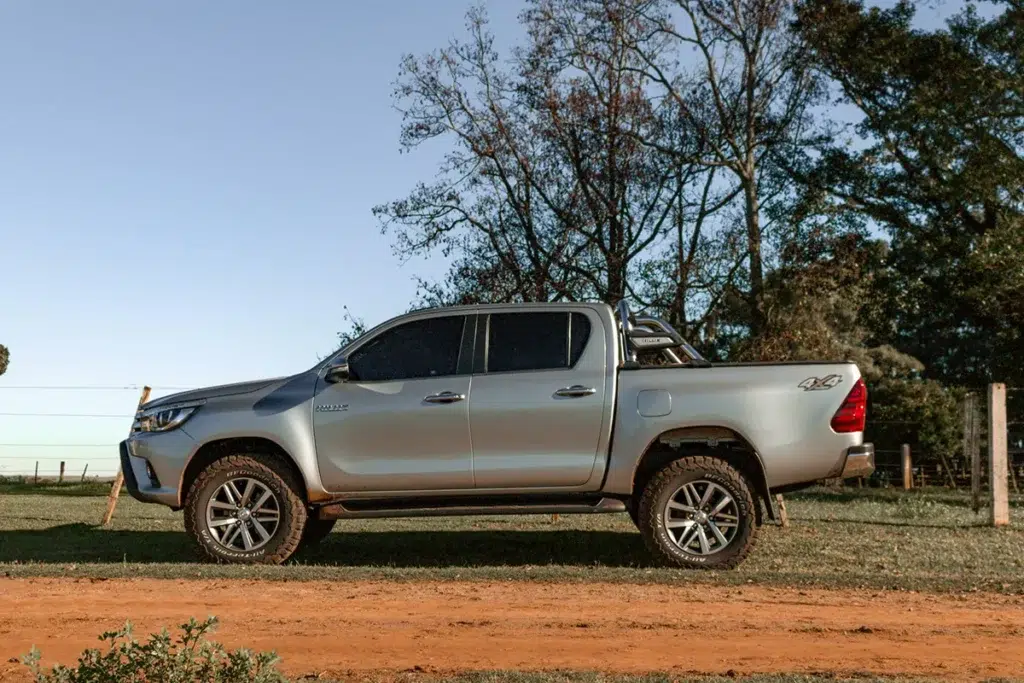
True Fleet Running Costs
Accountants focus heavily on the total cost of ownership. While calculating the broader Cost of Owning a Car in Australia involves factoring in everything from insurance to registration, the HiLux itself presents a mixed bag on the spreadsheet. The routine servicing costs are undeniably high.
However, the fleet reliability is legendary. A broken-down ute costs far more than a scheduled preventative service. The D-MAX matches Toyota for reliability, but the HiLux still wins on final resale value.
From a practical standpoint, the HiLux makes financial sense. You simply need to budget for two workshop visits a year. Plan your downtime accordingly, and the ute will reward you.


