


Forty kilograms. That’s the gap between the tare and kerb figures Subaru Australia publishes for the WRX RS manual, and it’s enough to move the car from 132.8 kW per tonne to 129.4. One number puts it off-limits on P-plates in NSW, Victoria, Queensland and SA (for under-25s in the last two). The other says go for it. Only one of them counts.
It’s tare. Every state that caps P-plate power works from the manufacturer’s tare mass, and using a brochure kerb weight (or a European figure with a 75 kg driver baked in) is an easy way to talk yourself into the wrong car. Below: what each number means, where to find the real tare in a couple of minutes, and the cars that show exactly how it goes wrong.
Which weight counts for the 130 kW per tonne rule?
Tare mass, as specified by the manufacturer. NSW, Victoria, Queensland and South Australia all divide the car’s power in kilowatts by its tare, then multiply by 1000. Anything over 130 is a high-powered vehicle. NSW spells out the fine print: tare to the nearest kilogram, power to the nearest kilowatt, and no rounding of the result, so 130.01 kW/t is over.
Those details come from Transport for NSW’s prohibited vehicle definitions, which also say the tare and power used are the figures the manufacturer submits to the Commonwealth when the vehicle is approved. In Victoria, regulation 57 of the Road Safety (Drivers) Regulations 2019 lets the manufacturer specify the power-to-mass ratio.
Tare, kerb and the European figure: same car, three states of readiness
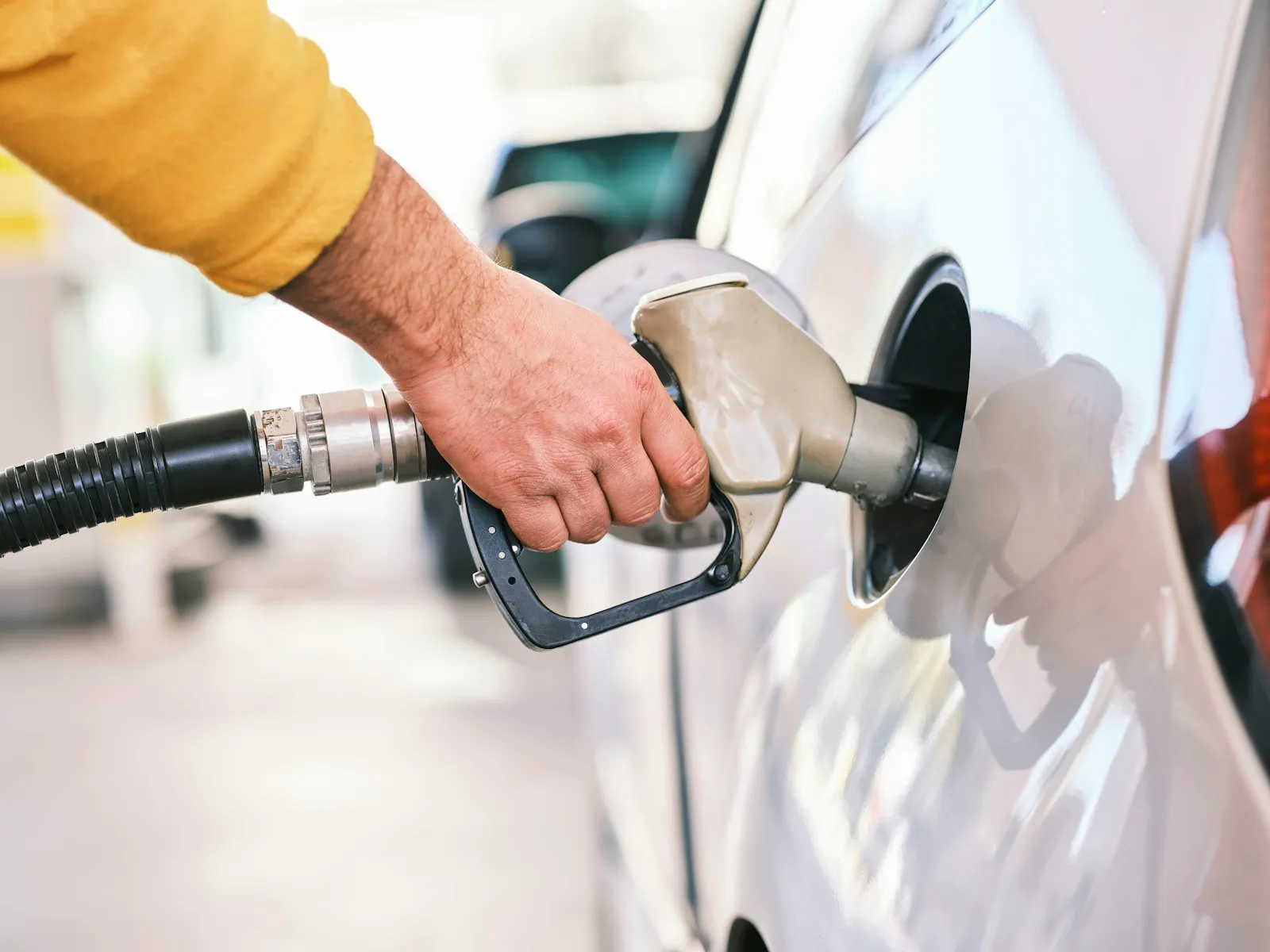
The difference is fuel and a person. Tare is the car ready for service with only 10 litres in the tank and nobody aboard. Australian kerb weight (the ADRs call it unladen mass) fills the tank. The European figure fills it to at least 90 per cent and adds a 75 kg driver. Each step adds kilograms, and every kilogram makes the ratio look friendlier than it really is.
*Queensland’s pre-2010 moderately powered exemption is the one place kerb weight counts. Sources: ADR Definitions and Vehicle Categories, Regulation (EU) No 1230/2012, Subaru Australia and Volkswagen Austria specifications.
The Australian definitions sit in the ADR Definitions and Vehicle Categories standard (2005). The European one comes from Commission Regulation (EU) No 1230/2012, which also defines “actual mass” as running-order mass plus any options fitted. That’s the figure you’ll see on European configurators.
That gives you a one-way shortcut. Kerb is always heavier than tare, so if a car is over 130 on its kerb weight, it’s definitely over on tare. Under on kerb tells you nothing. Go and find the tare.
Where the wrong weight changes the verdict
The WRX RS manual is the trap: over the line on tare, under it on kerb. The Golf GTI is over whichever figure you use. And the Skoda Octavia RS, running the same 195 kW EA888 as the GTI, stays under because it carries 82 kg more tare. Australian figures come from each brand’s current Australian spec sheet; the GTI’s European figure is Volkswagen Austria’s.
Sources: Subaru Australia WRX specifications, Volkswagen Australia Golf MY25 specifications, Volkswagen Austria Golf GTI technical data and Skoda Australia Octavia MY25 specifications, checked November 2026. Ratios are our calculations. Skoda Australia doesn’t publish a kerb figure for the Octavia RS.
The WRX RS is the one to remember. Read the brochure’s 1,561 kg, do the division, and you get 129.4 and a green light. Use the 1,521 kg tare and it’s 132.8, a high-powered vehicle under all four states’ rules. Same car, same FA24, same showroom. The only thing that changed is 40 kg of fuel.
Notice the base WRX is further over than the RS, not less. It’s 37 kg lighter on tare, and lighter means a higher ratio. Subaru’s own footnote says tare varies with optional equipment, which is why you check the exact variant and gearbox rather than the badge.
The GTI is the European-figure mistake. Volkswagen Austria’s 1,484 kg gives 131.4. Still over. It’s also only 36 kg more than the Australian tare, so don’t try converting one figure into the other by adding a fixed allowance for fuel and a driver.
Then there’s the Octavia RS. The GTI’s engine in a heavier body, and on the ratio that makes it the P-plate-friendly way to buy a 195 kW EA888. It’s the sleeper of this lot. The ratio isn’t the whole test though: NSW keeps a list of other prohibited vehicles and Victoria’s database carries a “banned” rating. Before you sign anything, check whether your exact car is P-plate legal in your state.

How to find your car’s real tare in two minutes
Start with your state’s own checker, because it gives a verdict rather than a number. If you want the number itself, trust these in order: the state database, your rego certificate, the manufacturer’s Australian spec sheet for your exact variant, then the Register of Approved Vehicles for newer cars. Review spec boxes and European configurators go at the bottom of the pile.
- Run the state check. NSW has the P1 and P2 vehicle search, Victoria has the probationary vehicle database, Queensland has a high-powered vehicle status check for Queensland-registered cars, and SA’s HPV check runs through EzyReg.
- Read your rego certificate. VicRoads says the tare it records is shown on the Certificate of Registration. Queensland’s certificate only lists tare for trailers, so don’t count on it there.
- Find the manufacturer’s Australian spec sheet for your exact variant and gearbox, and look for “tare mass”, not “kerb weight”. Subaru, Volkswagen and Skoda print tare. Some brands only print kerb.
- Newer car? Search the RAV. Cars approved since 1 July 2021 don’t need a compliance plate, and their entry on the Register of Approved Vehicles includes tare and is searchable by VIN, according to Tasmania’s Department of State Growth.
- Do the division. Power in kW, divided by tare in kg, times 1000. Or put both numbers into the TorquePress P-plate car checker. If the answer lands within a couple of kW/t of 130, get your state’s answer before any money changes hands.
On older cars, the compliance plate is worth a look, just not for weight. VicRoads points to it for gross vehicle mass rather than tare. What it does give you is the VIN for the searches above and the compliance date, which matters in Queensland and SA, where cars built before 2010 are judged on a different set of rules.
Which states use tare, and which have no power rule at all?
Four states cap P-plate power, and all four use tare. NSW and Victoria apply the rule to every provisional driver. Queensland and South Australia apply it only to P-platers under 25, and only to cars built from 1 January 2010. Western Australia, Tasmania, the ACT and the Northern Territory have no power-to-weight rule for provisional car drivers.
Sources: Transport for NSW, Road Safety (Drivers) Regulations 2019 (Vic), Queensland Government, MyLicence SA, Transport WA, Tasmanian regulations, Access Canberra and NT Government, checked November 2026.
Queensland’s moderately powered exemption is the one place a kerb weight officially counts. A pre-2010 turbo or supercharged petrol car up to 125 kW/t can qualify, and TMR asks for the manufacturer’s published kerb weight as evidence. It’s an application, not an automatic pass. Crossing borders? Transport Victoria’s border guidance covers how the NSW and Victorian rules apply when you drive across. Curfews, passenger limits and the rest live in our P-plate rules for every state.
What won’t get a car under the line
Nothing you do to the car. NSW says no modification will be allowed to raise a prohibited car’s tare or cut its power to change its status, and Victoria works from the manufacturer’s figure. A detune, a bullbar, a sound-deadening kit or a boot full of bricks changes nothing on paper. It just makes a slower car that’s still prohibited.
The reverse bites harder: a performance engine modification makes a car prohibited in all four states, whatever its ratio was on the showroom floor. What you can safely change on Ps is covered in our P-plate modifications guide.
Tare and P-plates: quick answers
Does the tare on my rego papers count?
It’s a useful guide, but the states assess the manufacturer’s figure. NSW uses the tare the manufacturer submitted to the Commonwealth, and Victoria uses the power-to-mass ratio the manufacturer specifies. If your recorded tare has changed because of accessories, the manufacturer’s number still decides.
My car works out at 130.2 kW/t. Is that close enough?
No. NSW is explicit that the ratio isn’t rounded, so even 130.01 kW/t is a high-performance vehicle. Victoria, Queensland and SA all set the limit at more than 130 kW/t. Close only counts in horseshoes.
I’m in Queensland with a 2008 turbo car. Which weight do I use?
Neither, to start with. Queensland judges pre-2010 cars on engine type, and a turbocharged or supercharged petrol engine makes the car high-powered for P-platers under 25. The way back in is the moderately powered exemption: up to 125 kW/t on the manufacturer’s kerb weight, applied for through TMR.
I’m on my Ps in WA. Do I need to care about any of this?
Not for power. WA has no power-to-weight rule for provisional drivers. Its red P restrictions cover night driving and passengers instead.
Find the tare, do the division, and believe your state’s checker over any brochure. Forty kilograms of fuel isn’t a loophole. It’s just fuel.
Specifications are as published by Subaru Australia, Volkswagen Australia, Volkswagen Austria and Skoda Australia, checked in November 2026; tare can change with model-year updates and options. This is general information, not legal advice. Header image: Elise240SX, CC BY-SA 4.0, via Wikimedia Commons (dealer plate blurred).




