

Bolt the same cold air intake onto the same car and you get four different answers depending on the state. In Perth, P-plate modifications like that aren’t a licence issue at all. In Adelaide, the intake is explicitly banned. In Sydney and Melbourne, it’s a grey area that no road authority has clearly ruled on.
Whether your car is P-plate legal straight out of the showroom is covered in our state-by-state check of popular cars. This guide answers the next question: what you can bolt on once you own one, and what turns a legal car into a prohibited vehicle overnight. Here’s what the regulations actually say, state by state, as at November 2026.
Can P-platers modify their car at all?
Yes, but the engine is where it goes wrong. Four states ban P-platers from driving performance-modified cars: NSW, Victoria, Queensland and South Australia. WA, Tasmania, the ACT and the NT have no power or modification rule for P-platers. Wheels, suspension, tint and audio aren’t engine mods, so no state’s P-plate ban covers them.
| State | Who it covers | What counts as modified | Penalty |
|---|---|---|---|
| NSW | All P1 and P2 drivers | Engine mods on Transport for NSW's significant-modification list | $704 and 7 points (as at August 2025) |
| Victoria | All probationary drivers | Engine "modified to increase the vehicle's performance" | 3 points; court maximum $2,091 |
| Queensland | P1 and P2 drivers under 25 | Engine mods that need approval or certification | $518 and 3 points |
| South Australia | P1 and P2 drivers under 25 | Post-2010 cars "modified to vary engine performance" | $456 and 3 points |
| WA, Tasmania, ACT, NT | No restriction | No P-plate power or modification rule | n/a |
Sources: Transport for NSW, Road Safety (Drivers) Regulations 2019 (Vic), Queensland TMR, SA Motor Vehicles Regulations 2025, WA, Tas, ACT and NT licensing pages, read 7 November 2026. The NSW penalty was reported by NSW Police in August 2025; check the current figure.
The age split matters. In NSW and Victoria, the ban covers every P1 and P2 driver, whatever their age. In Queensland and South Australia, it only applies if you’re under 25. NSW also says its restriction follows NSW P-platers interstate, so a Sydney driver can’t dodge it on a trip to Perth.
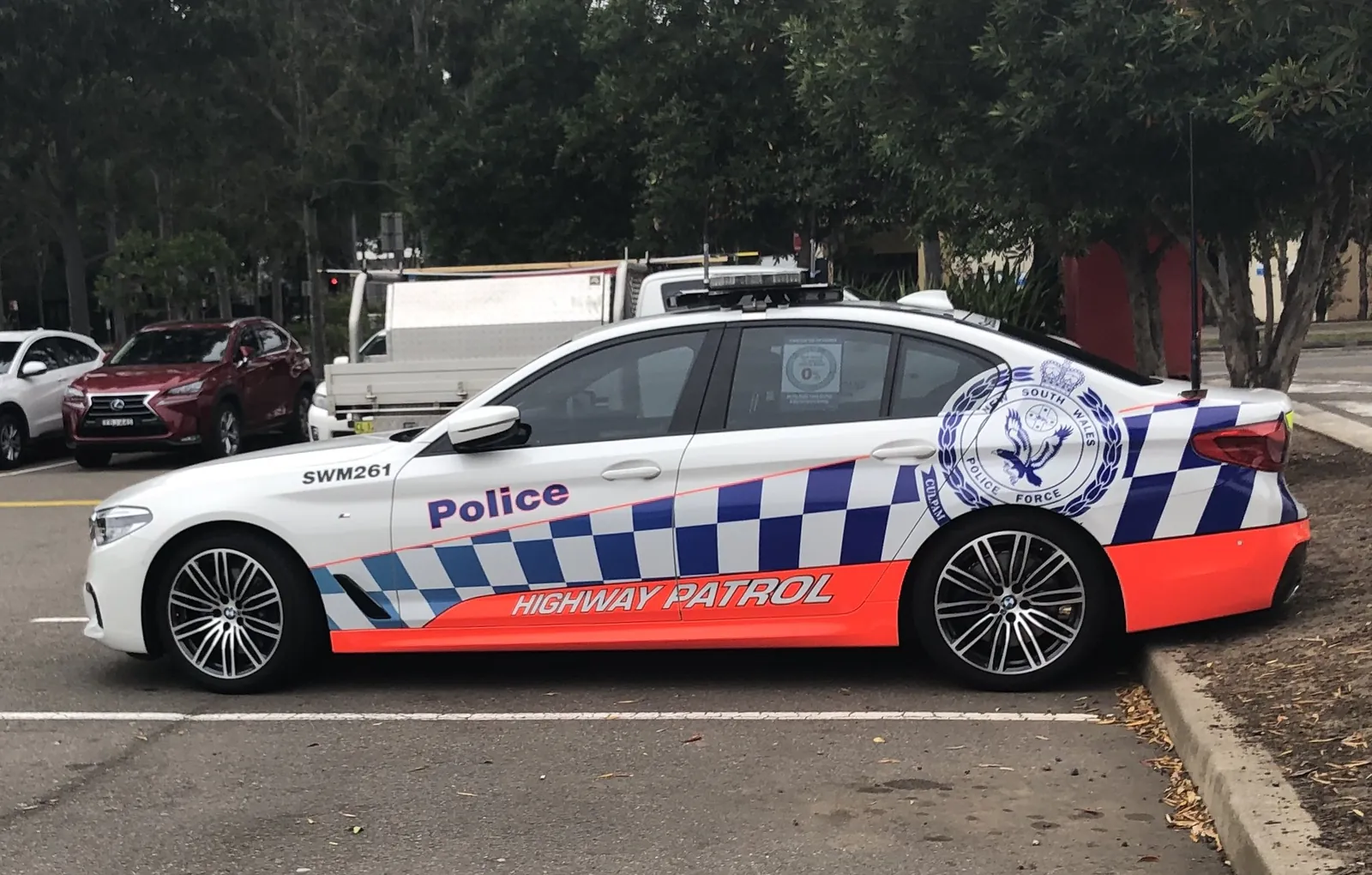
Why the wording decides everything
Each restricting state wrote its own definition, and the differences decide which mods are risky. Victoria’s regulations ban any car with an engine “modified to increase the vehicle’s performance”. South Australia goes further: for cars built from 2010, any engine “modified to vary engine performance”, which catches a change in either direction.
NSW and Queensland tie their bans to paperwork. In NSW, a car is prohibited if its engine has a modification on Transport for NSW’s significant-modification list, the kind that must be certified. In Queensland, the trigger is an engine modification that needs approval or certification. If a mod doesn’t need a certificate, it arguably doesn’t trigger either ban.
The P-plate mod traffic light
This is how the main mods line up against each state’s wording. Red means the authority’s rules clearly catch it. Amber means the law doesn’t name it and the answer depends on interpretation. Green means an authority says it’s fine, or it isn’t an engine mod at all.
| Modification | NSW | VIC | QLD | SA | WA, TAS, ACT, NT |
|---|---|---|---|---|---|
| ECU tune or remap | Banned | Banned | Likely banned | Banned | No P-plate rule |
| Cold air intake or pod filter | Grey area | Grey area | Grey area | Banned | No P-plate rule |
| Cat-back, mufflers or headers (cats kept) | Grey area | Grey area | Grey area | Banned | No P-plate rule, noise limits apply |
| Turbo or supercharger added | Banned | Banned | Banned | Banned | Needs engineering approval |
| Engine swap (non-equivalent) | Banned | Banned if power rises | Banned | Banned | Needs engineering approval |
| Catalytic converter removed | Illegal for all | Illegal for all | Illegal for all | Illegal for all | Illegal for all |
| Direct-fit replacement air filter | OK | OK | Not addressed | OK | OK |
| Lowering, wheels, tyres, tint | OK within limits | OK within limits | OK within limits | OK within limits | OK within limits |
TorquePress reading of each authority's published wording, November 2026. Amber items are not addressed directly by the regulator; ask your road authority before fitting. General modification, emissions and noise rules apply to every driver.
Is an ECU tune legal on P-plates?
Not in the four restricting states. A performance tune exists to increase power, which is exactly what Victoria and South Australia ban. NSW’s July 2026 modification guide lists flashing the original engine computer, or fitting an aftermarket one, as a change that needs certification. That puts a tuned car on the prohibited list.
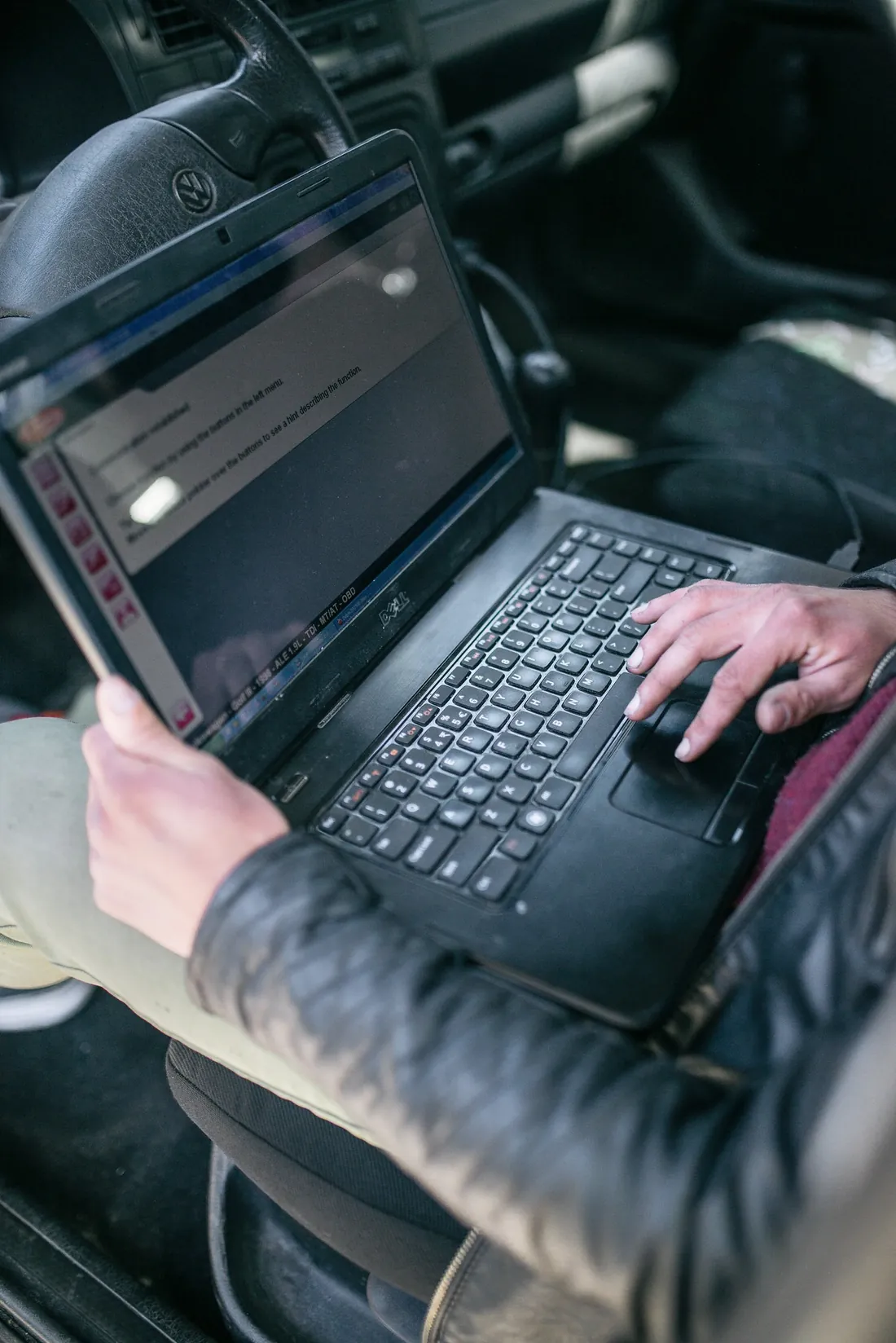
This is the mod that catches people out most, because it’s invisible. A remap leaves no trace under the bonnet, and plenty of used hot hatches have been tuned by a previous owner. If you’re buying a used Golf GTI or similar, ask for the service history and have a dealer check the software before you hand over the money.
Is a cold air intake legal on P-plates?
In South Australia, no. MyLicence SA says any induction kit that increases airflow above the original system isn’t allowed, and neither are free-flow extractors or mufflers. It’s the only state that lists examples. A direct-fit replacement panel filter is fine there, and in NSW and Victoria too.
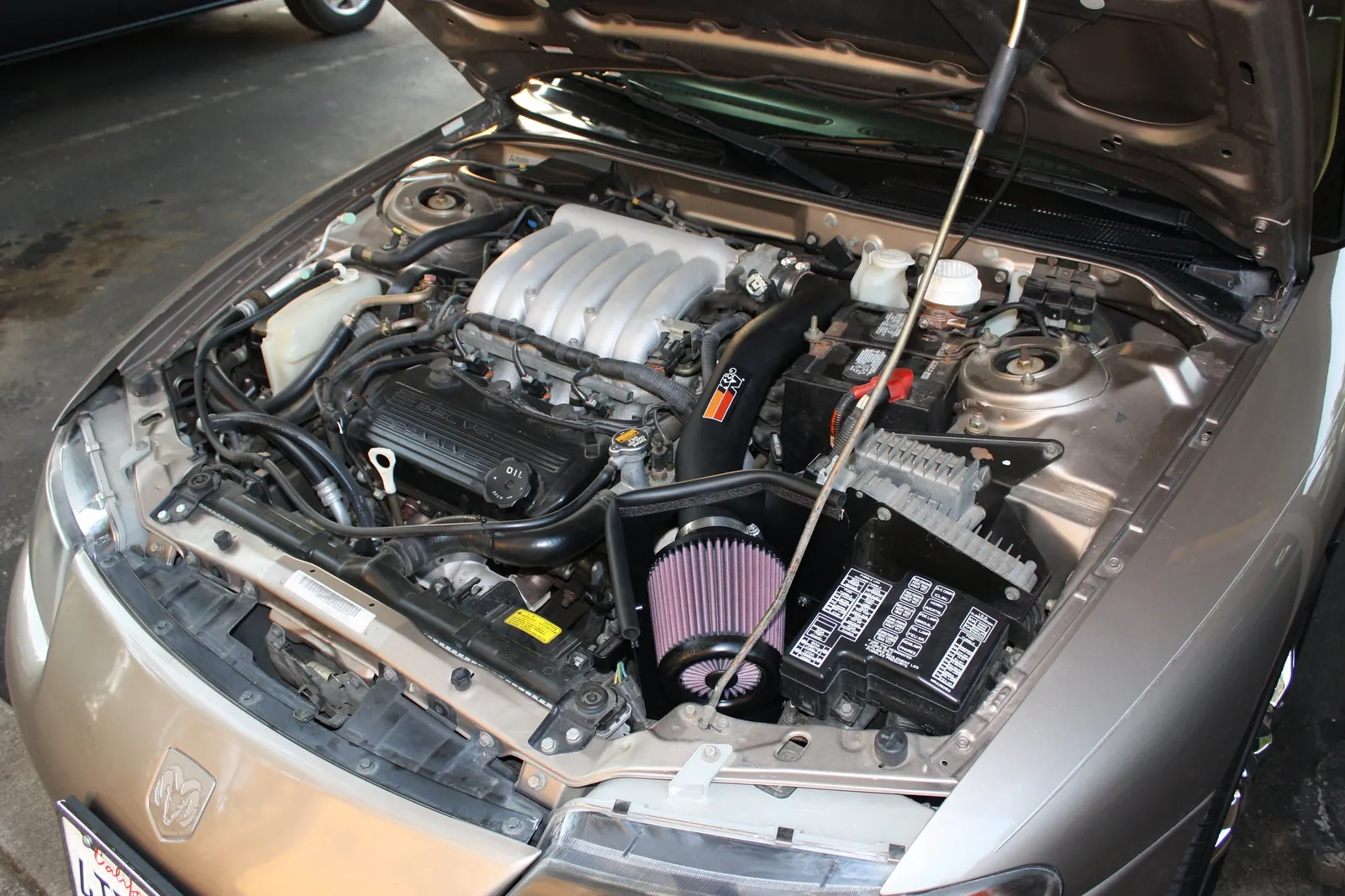
Elsewhere, it’s murkier. NSW’s guide lists cold air intakes and full exhaust systems that keep the factory catalytic converters as mods that don’t need certification, which suggests they sit outside its P-plate ban. Victoria’s registration guide treats intake filters as having no influence on performance. Neither authority has said so for P-platers, so treat it as a risk, not a green light.
Exhausts, turbos and engine swaps
Bigger hardware is red everywhere the ban applies. NSW’s guide names adding a turbo or supercharger, raising power by more than 20 per cent, and fitting a non-equivalent engine as mods that need certification. Removing the catalytic converter is illegal for every driver in every state, P-plates or not.
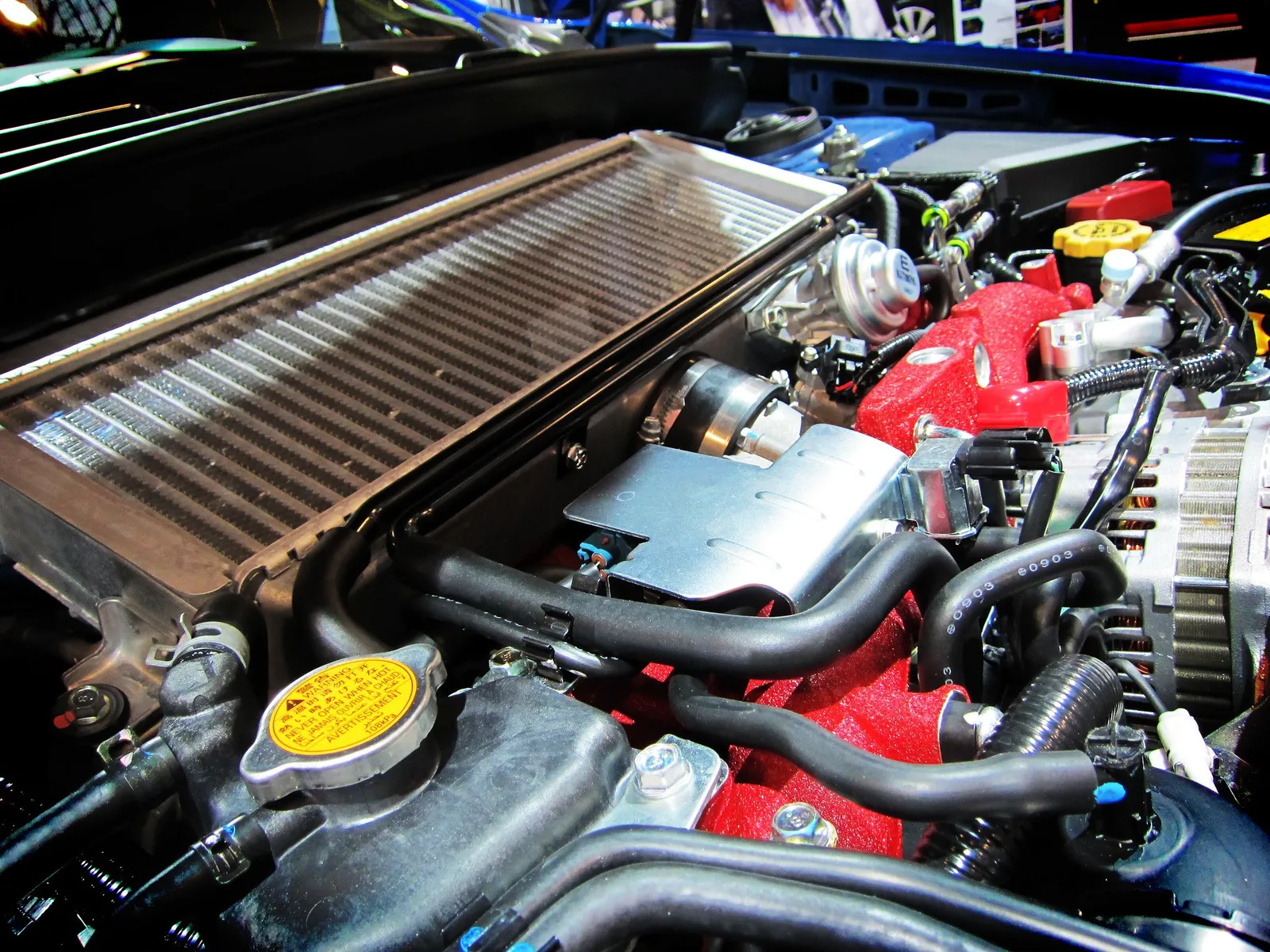
Exhausts deserve their own warning. Even where a cat-back is arguably P-plate legal, noise limits still apply to every driver, and enforcement of loud exhausts is tightening. Our explainer on exhaust noise laws covers the decibel limits. In NSW, a blow-off valve that vents to the air isn’t allowed on any car.
Can you add weight or detune to get legal?
No. Transport for NSW says it will never let a modification increase a car’s tare mass or reduce its power to change its status, so fitting a bull bar or detuning a banned car doesn’t work. South Australia uses the official tare and power figures too. The maths runs off the paperwork, not your workshop.
The same logic cuts the other way. Pulling the rear seats out of a legal car doesn’t change its official ratio, but seat removal is a modification in its own right, and Queensland requires you to notify changes to seating capacity. It’s a lot of hassle to make a car worse.
The mods every P-plater can do
The good news is that the mods that make the biggest difference to a young driver’s car have nothing to do with the engine. Good performance tyres improve grip and braking more than any intake. Suspension, wheels and tint are fine on P-plates, within the general limits that apply to everyone.
- Lowering: NSW allows up to 50mm without certification, within suspension travel limits. See our lowering laws guide and our coilovers vs lowering springs comparison.
- Window tint: each state sets its own light-transmission limit, covered in our window tint laws guide.
- Wheels and tyres: in NSW, changing tyre diameter by more than 7 per cent, or going wider than the placard allows, needs certification.
- Tech: a CarPlay head unit or dash cam is legal everywhere, and a dash cam can help settle an insurance claim.
The insurance trap
A fine is the small risk. Insurance is the big one. AAMI’s comprehensive policy, for example, excludes claims where the driver isn’t complying with the conditions of their licence. A P-plater driving a banned car in a restricting state is arguably doing exactly that. A crash could leave you arguing about cover as well as paying for repairs.
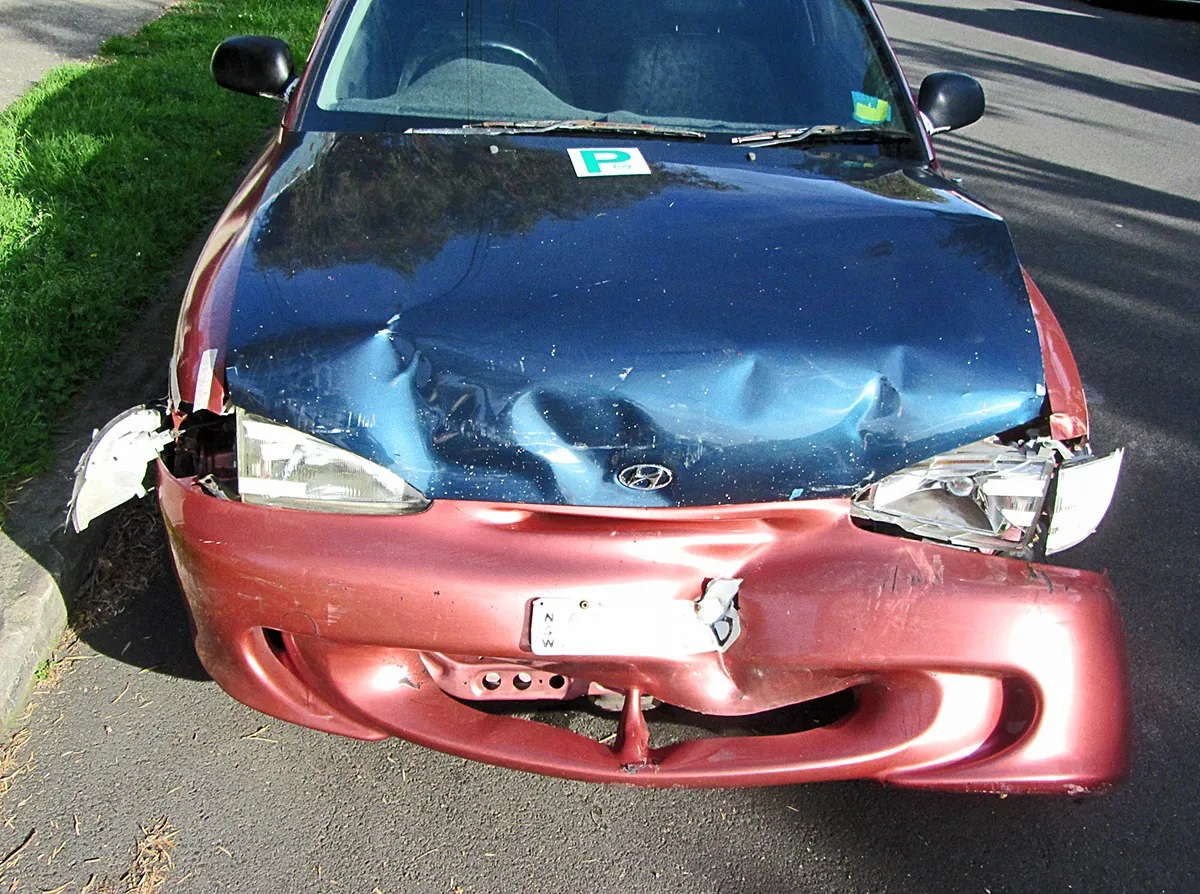
Every insurer also wants to know about modifications. Youi says undisclosed mods may not be included in a claim settlement. Young drivers already pay the most, as our report on hot hatch insurance costs shows, so declare everything and get the quote in writing. Insurers can’t always refuse a claim over an unrelated breach, but don’t bet your car on that argument.
What not to do
Don’t tune, chip or remap a car while you’re on P-plates in NSW, Victoria, Queensland or South Australia. In NSW, the reported seven demerit points would suspend a P1 or P2 licence in one hit. Don’t buy a used car without checking whether it’s been tuned. And don’t trust a forum post over your road authority.
If you want a quick car on P-plates, buy one that’s legal as built, like the cars in our Cerato GT vs i30 N Line comparison, and spend the mod budget on tyres, brakes and a driver-training day. Save the tune for the day the green P comes off. The car will still be there. Your licence might not be.
This guide summarises published rules as at 7 November 2026 and isn’t legal advice. Check with your state road authority before modifying. Header image: Ed Dunens, CC BY 2.0, via Flickr (cropped).


