
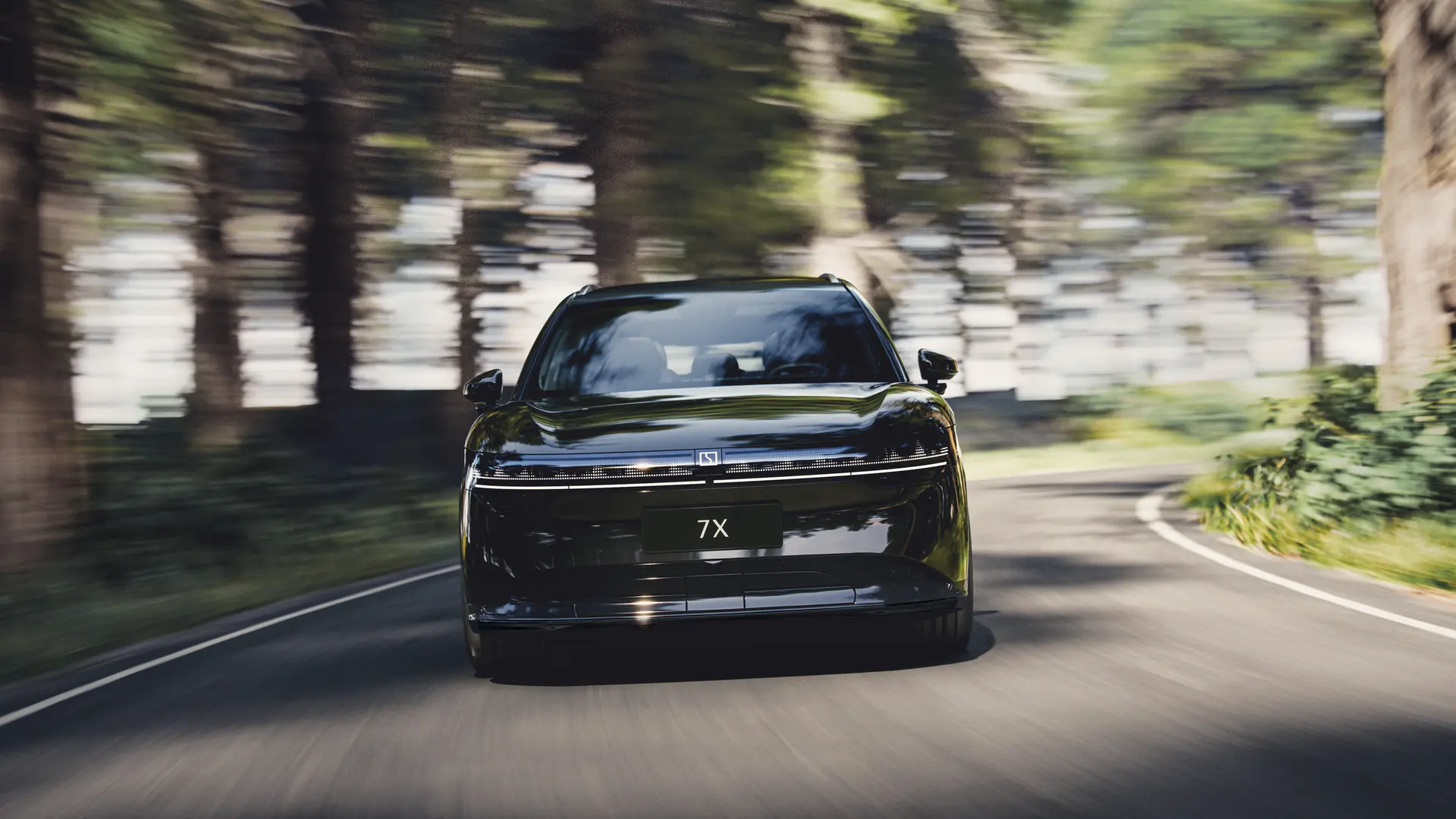

In August 2026 the Tesla Model Y was Australia’s best-selling new vehicle, again. Tenth on the same VFACTS list, ahead of the Isuzu D-Max and Ford Everest, sat a Zeekr 7X. That’s a Chinese premium brand most buyers hadn’t heard of two years ago, outselling utes with a $64,000 electric SUV. The obvious question is whether it’s actually that good, or just cheaper.
This review covers the 2026 Zeekr 7X Long Range RWD, the middle of three grades at $63,900 before on-road costs, and the one with the biggest battery and longest range. Every figure belongs to that variant unless stated, drawn from Zeekr Australia’s specifications and published Australian road tests, checked in September 2026.
The Zeekr 7X Long Range Verdict
The Long Range RWD is the pick of the 7X range and a genuine Model Y rival. It pairs a 100kWh battery and a 615km WLTP claim with a cabin that feels a class above its price. The trade-offs are a touchscreen that swallows basic controls, and a passive suspension that fumbles sharp bumps. Buy it for range and comfort, not for the interface.
Where the 7X wins
- 615km of claimed range and a claimed 16-minute 10 to 80 per cent DC charge
- Cabin quality and equipment that most rivals at this price can’t match
- A huge rear seat with powered recline, plus a 539-litre boot and 62-litre frunk
- 2000kg braked towing, the same as the dearer Performance
Where it falls short
- Wing mirrors, air vents and steering wheel are adjusted through the touchscreen
- No paddle for quick regenerative braking changes
- Passive suspension on 19-inch wheels can thump over sharp hits
- No resale history yet, so depreciation is a guess
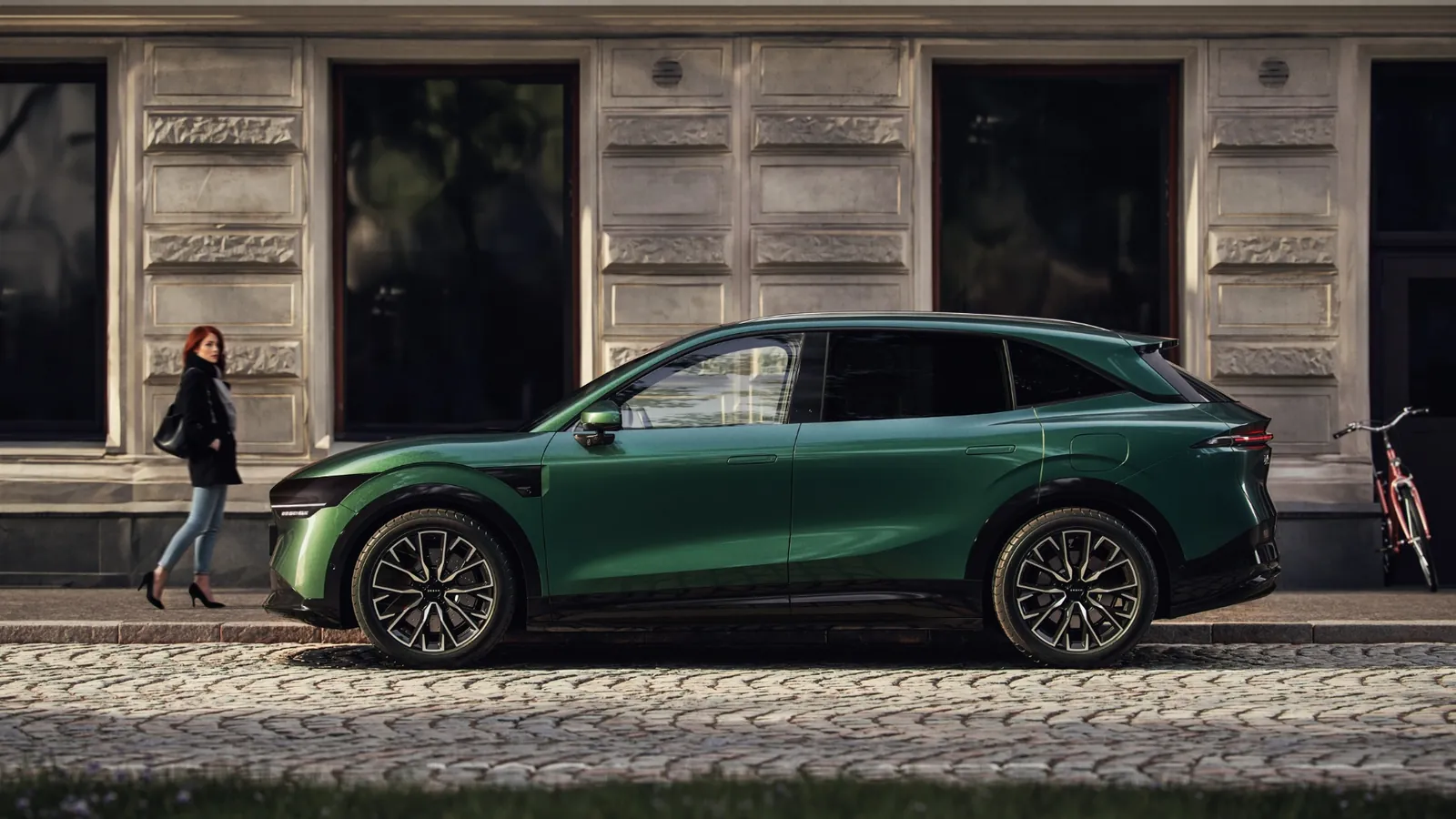
Inside: a cabin that feels a price bracket higher
The cabin is the 7X’s strongest argument. Drive’s Car of the Year judges said its interior quality feels a class above rivals, and the Long Range adds leather, ventilated and massaging front seats, a 36.2-inch head-up display and a 21-speaker stereo over the base car. Tesla offers neither a head-up display nor massage seats on the Model Y.
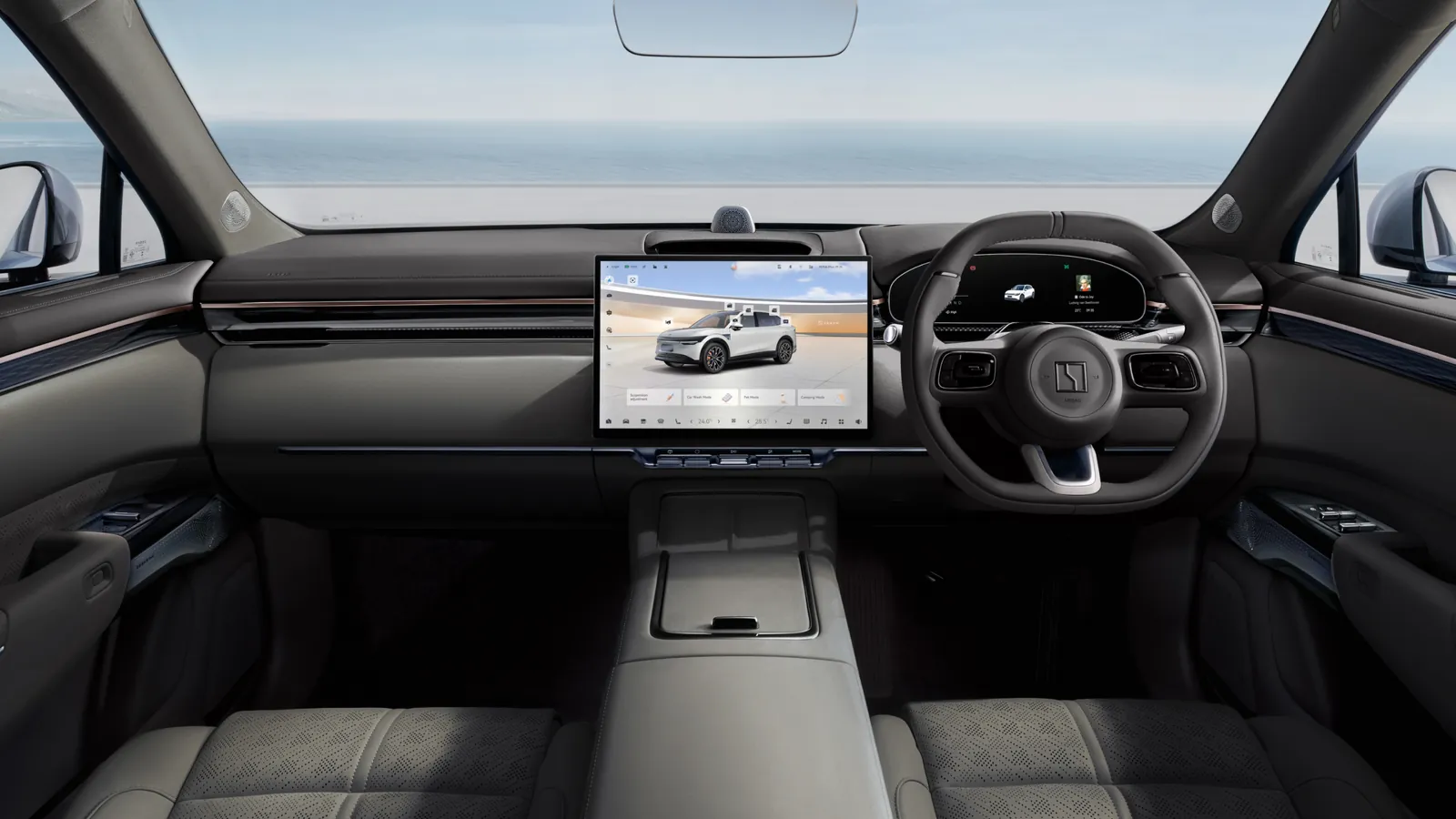
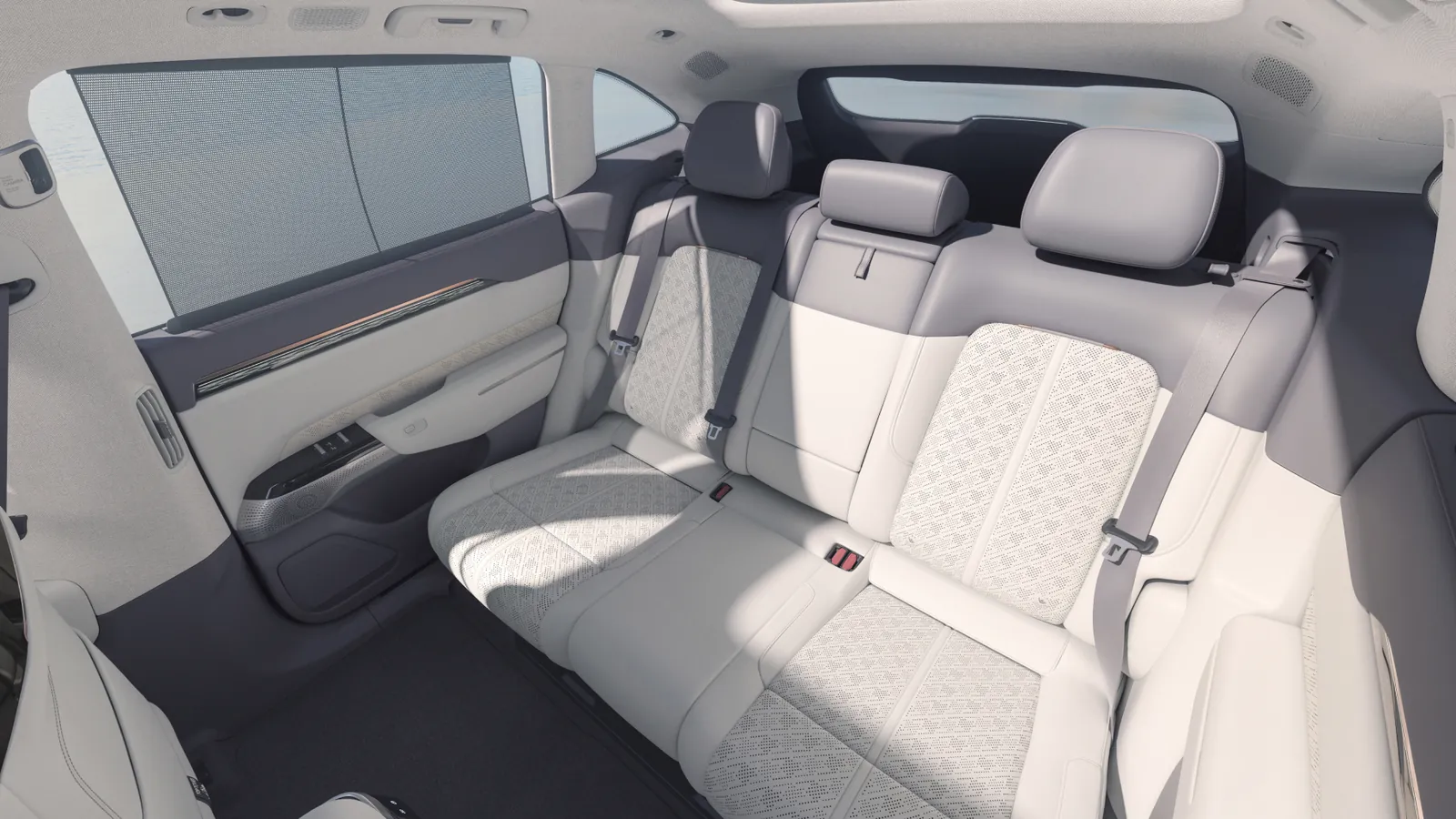
Centre stage is a 16-inch, 3.5K touchscreen running on a Snapdragon processor, and wireless charging covers two phones at up to 50W each. The rear seat is the surprise. Chasing Cars called it hugely spacious, with powered recline, a third climate zone, outboard heating and powered window blinds. Kids will fight over the back, not the front.
Living with the touchscreen
This is where the 7X loses points. Wing mirror, air vent and steering wheel adjustment all live in touchscreen submenus, which Chasing Cars flagged as a safety concern in traffic. There’s no paddle for quick regen changes either, and reviewers at Chasing Cars and EV Central both reported Apple CarPlay dropouts. None of it is fatal, but all of it was avoidable.
It’s a trend the industry has started to reverse, with several carmakers bringing back hard controls, a shift covered in why physical buttons are returning. Zeekr advertises over-the-air software updates, so fixes are possible. Buyers should still judge the car on the interface it has today, not on one it might get next year.
How practical is the 7X for a family?
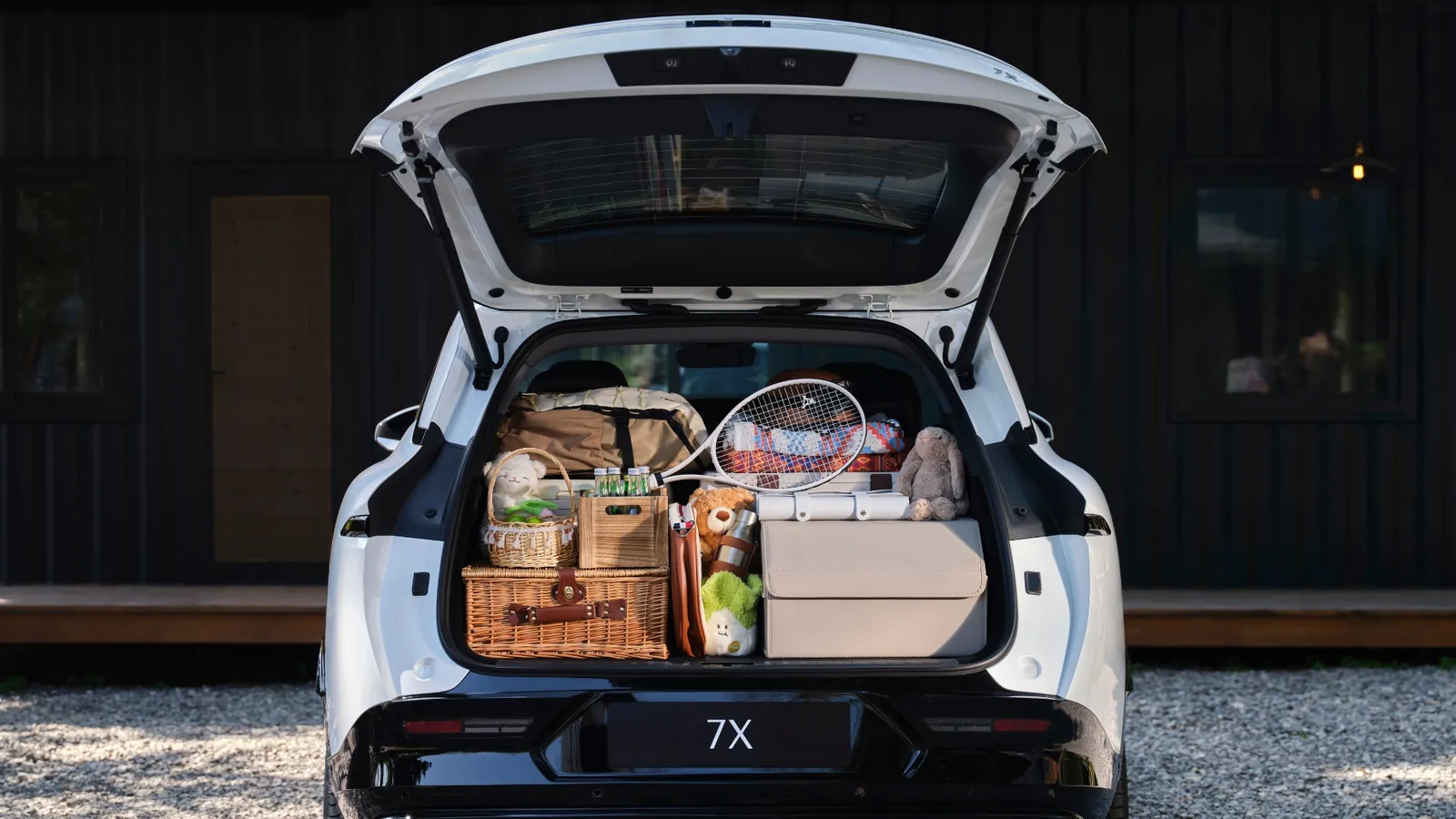
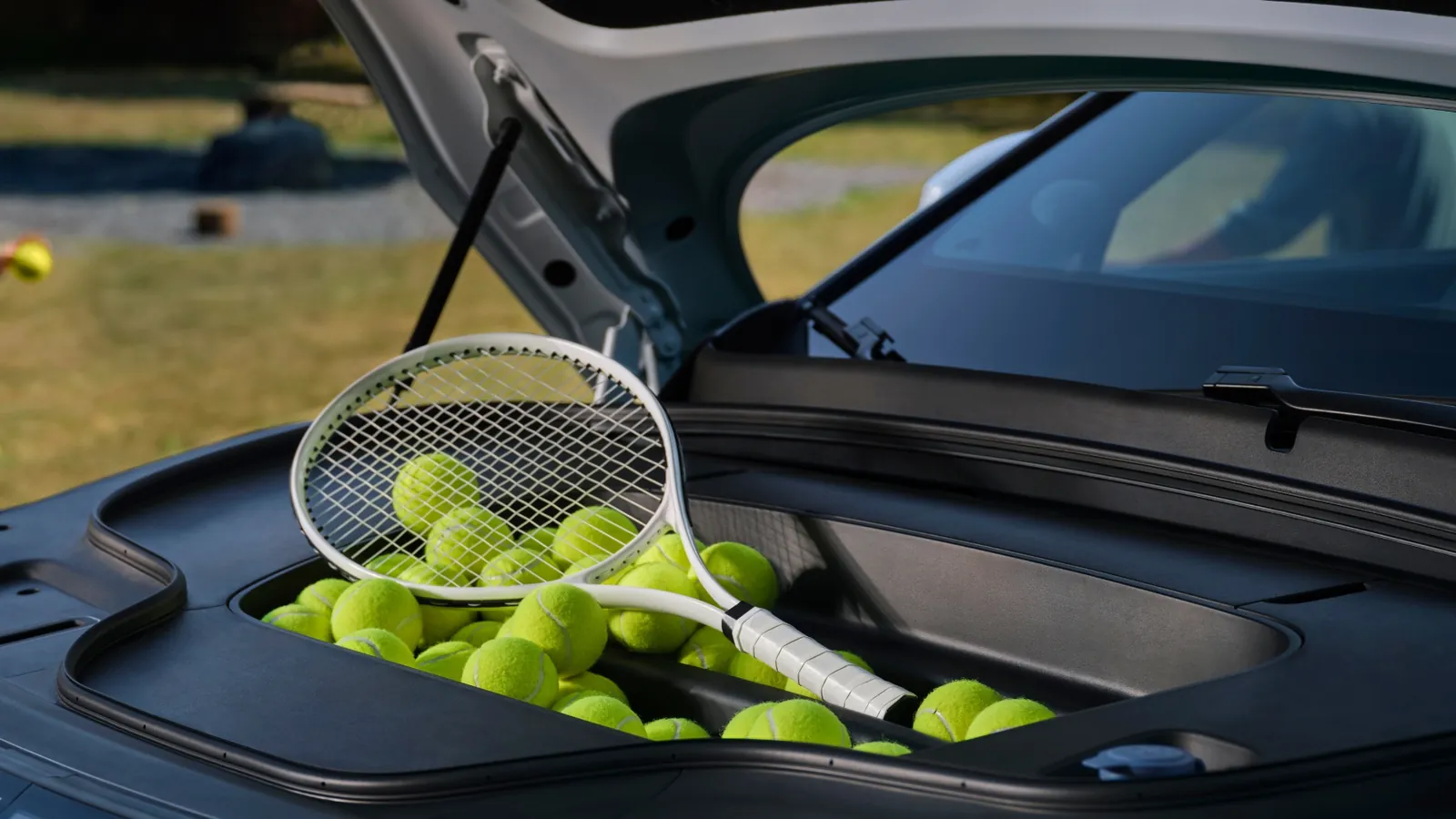
Very. The boot holds 539 litres with the rear seats up and 1978 litres folded, and there’s a 62-litre front trunk under the bonnet for charging cables or wet gear. At 4787mm long and 1930mm wide it’s a genuine mid-size SUV, and Drive noted the boot is bigger than the BYD Sealion 7’s. This is a proper family car, not a stretched hatch.
How far does the Long Range really go on a charge?
Zeekr claims 615km on the WLTP cycle from a 100kWh battery, 94kWh of which is usable. Chasing Cars averaged 17.3kWh/100km in mixed driving, which works out to about 543km from full. That’s Melbourne to Albury with a comfortable margin, and still a touch more than the Model Y Long Range’s 600km claim on paper.
Charging is the party trick. The 800-volt system accepts up to 420kW, and Zeekr claims 10 to 80 per cent in 16 minutes. Few Australian public chargers deliver anything near that today, so real stops will run longer, but the car won’t be the bottleneck. AC charging runs at up to 22kW, and vehicle-to-load supplies 3.3kW for camping gear or power tools.
Towing is rated at 2000kg braked and 750kg unbraked across the range. That covers a camper trailer, a jet ski or a small box trailer, but it’s the wrong tool for a family caravan. Heavy towing also cuts range hard in any EV, so plan charging stops around the load, not the brochure figure.
On the road: quick and composed, until the bitumen turns sharp
The single rear motor makes 310kW and 440Nm, and Zeekr claims 0 to 100km/h in 6.0 seconds. That’s plenty for a 2340kg SUV, and EV Central called the acceleration effortless. Handling is tidy with strong grip, but the passive suspension on 19-inch wheels is the weak link: comfortable most of the time, clumsy over sharp edges and broken country bitumen.
Chasing Cars described the ride as rounded, compliant and cushioning, but noted jolts over sharp imperfections and more road noise than expected. EV Central’s Bruce Newton found it “big, heavy and a little clumsy” on rougher roads, with occasional thumping from the rear. The Performance AWD’s air suspension fixes most of that, which he said makes the Long Range a tougher call than its price suggests.
Driver assistance is mostly well judged. Chasing Cars rated the calibration pleasingly transparent, though highway lane assistance lacked consistency. Drive found the driver attention monitor overly sensitive in its Performance test, flagging glances at mirrors and screens. The slim rear window limits rearward vision, but the 360-degree camera, which EV Central rated highly, goes a long way to compensate.
Safety, warranty and running costs
The 7X carries a five-star ANCAP rating and seven airbags. The warranty runs five years with unlimited kilometres, and the battery is covered for eight years or 160,000km. Servicing falls due every 24 months or 40,000km, and a five-year capped price at $2,385, which is modest for a premium SUV.
The unknown is resale. Zeekr has no used-market history here yet, and EV depreciation in Australia has already burned early adopters of other brands. EV insurance costs are rising too. Neither is a reason to avoid the 7X, but both belong in the maths, especially for private buyers who aren’t using a novated lease.
Zeekr 7X price vs the Tesla Model Y
The Long Range RWD costs $63,900 before on-road costs. That’s $5,000 more than a Model Y RWD at $58,900 and $5,000 less than the Model Y Long Range AWD at $68,900. For that money it brings more range, more equipment and a nicer cabin than either. What it doesn’t bring is Tesla’s tightly integrated charging network and a proven resale record.
| Variant | Battery | WLTP range | 0 to 100km/h | Price |
|---|---|---|---|---|
| RWD | 75kWh | 480km | 6.0 sec | $57,900 |
| Long Range RWD | 100kWh | 615km | 6.0 sec | $63,900 |
| Performance AWD | 100kWh | 543km | 3.8 sec | $72,900 |
Manufacturer claims and list prices before on-road costs, checked 29 September 2026. Sources: Zeekr Australia, CarsGuide.
Buyers have noticed. The 7X was Australia’s tenth best-selling vehicle in August with 1,748 sales, after 1,892 in July put it in the top 10 for the first time. Zeekr Australia’s Andrew Stamatakis told Drive the brand was limited only by how many cars it could physically deliver. It’s part of the same shift that saw BYD take second place in the market.
Which Zeekr 7X should you buy?
Buy the Long Range RWD if range and equipment matter most. It’s $6,000 over the base RWD but adds 135km of claimed range and most of the luxury kit. Step up to the $72,900 Performance only if air suspension and pace matter more to you than range. The base RWD suits city buyers who charge at home and rarely leave town.
Walk past the 7X if you tow a caravan over two tonnes, if you want physical buttons for everyday controls, or if resale certainty matters more than equipment. A Model Y is the safer used-car bet for now. The Polestar 4 review covers another Geely-family EV that takes a very different approach to design and price.
| Specification | Figure |
|---|---|
| Price | $63,900 plus on-road costs |
| Motor | Single rear motor, 310kW and 440Nm |
| 0 to 100km/h | 6.0 seconds (claimed) |
| Battery | 100kWh (94kWh usable) |
| Range | 615km WLTP (claimed) |
| Charging | Up to 420kW DC, 10 to 80 per cent in 16 minutes (claimed). 22kW AC |
| Vehicle-to-load | 3.3kW |
| Towing | 2000kg braked, 750kg unbraked |
| Kerb weight | 2340kg |
| Length, width, height | 4787mm, 1930mm, 1650mm |
| Boot and frunk | 539L (1978L seats folded), 62L frunk |
| Safety | Five-star ANCAP, seven airbags |
| Warranty | 5 years, unlimited km. Battery 8 years or 160,000km |
| Servicing | Every 24 months or 40,000km. $2,385 for five years (capped) |
Sources: Zeekr Australia, Chasing Cars, EV Central, CarsGuide. Checked 29 September 2026.
The 7X isn’t just a cheaper alternative to a Tesla. In Long Range form it’s the better-equipped car, with more range, a nicer cabin and a clumsier interface. Give it physical buttons and a better-damped rear end and Tesla would have a real problem. On the August sales figures, it already has a sizeable one.


