
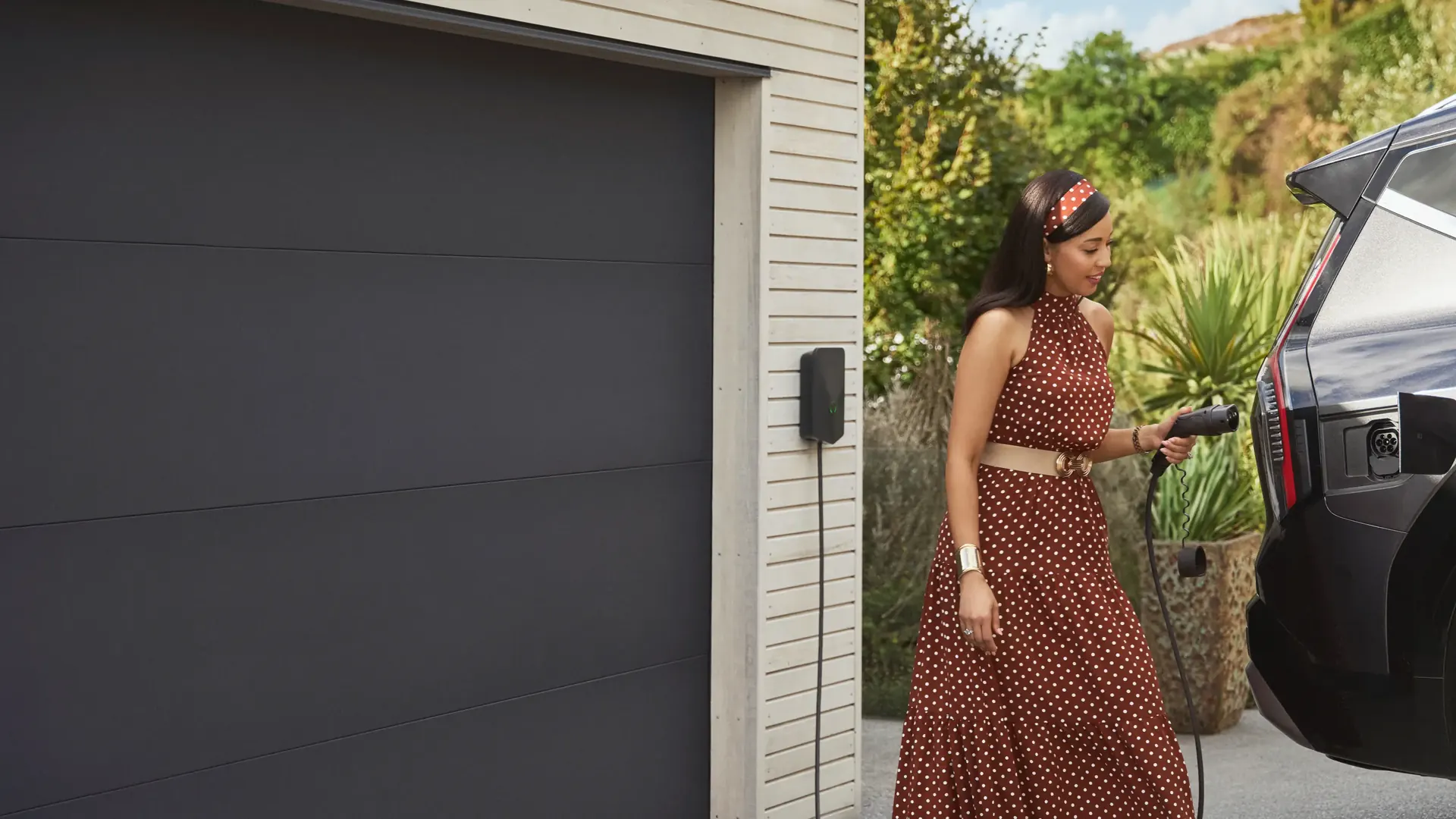

One in four new cars sold in Australia in August was electric, according to VFACTS figures reported by CarExpert. Almost all of those owners will do most of their charging at home. The charger bolted to the garage wall matters less than most buyers think. When they charge, and what the install costs, matter more.
This guide names five home chargers worth buying in 2026, what each really costs, and the one piece of maths that decides whether you need to spend big at all. Prices are hardware only unless stated, checked on 29 September 2026.
Evnex E2 Plus
charger only $1,399
- 7.4kW single-phase
- Solar diversion
- 8m cable
- Wi-Fi + 4G
- 4-yr warranty
The catch: Single-phase only. Three-phase needs the $1,699 X22.
myenergi zappi
from $1,545
- 7kW or 22kW
- ECO / ECO+ modes
- CT clamp included
- Wi-Fi + Ethernet
The catch: Three-year warranty, and the clamp adds install work.
Tesla Wall Connector Gen 3
$800
- Single or three-phase
- 7.3m cable
- Power sharing
- 4-yr warranty
The catch: Sold direct to Tesla owners only. No solar diversion.
Autel MaxiCharger AC Lite
$770
- 7.4kW single-phase
- 5m cable
- OCPP 1.6J and 2.0
- Ethernet + optional 4G
The catch: Limited local support and the shortest cable here.
Fronius Wattpilot Flex Home 22
$2,033
- 11/22kW
- Auto phase switching
- 6m cable
- IP66
The catch: Priciest here, and surplus solar needs extra components.
Prices in AUD including GST, hardware only, checked 29 September 2026. Sources: Evnex, myenergi, Tesla, JET Charge, BESS Australia.
Do you actually need a wall charger?
Not always. A 10-amp portable cable from a normal power point delivers roughly 2.3kW, or about 14km of range an hour in an efficient EV. That covers a 40km daily commute overnight. A 7.4kW wallbox adds around 46km an hour, which matters most when the cheap window to charge is short.
That window is getting shorter and cheaper. Under the new Solar Sharer Offer, households in NSW, south-east Queensland and South Australia can choose a plan with three free hours of power in the middle of the day, capped at 24kWh, SolarQuotes reports. Victoria isn’t included yet.
| Orange line marks the 24kWh daily free cap.
Our calculation. Assumes an efficient mid-size EV using about 16kWh/100km and ignores charging losses. Cap and window from the Solar Sharer Offer, as reported by SolarQuotes.
That’s the whole argument for a 7.4kW charger. Three free hours at 7.4kW is about 22kWh, just under the cap, or roughly 140km of driving. A portable cable manages barely a third of that. A three-phase unit reaches the 24kWh cap sooner, but adds only about another 10km.
Evnex E2 Plus: the best all-rounder
The Evnex E2 Plus is the pick for most homes. At $1,399 for the charger, or $2,300 with a standard Evnex installation, it combines 7.4kW single-phase charging, solar diversion, an 8m cable and both Wi-Fi and 4G. Its four-year residential warranty is the longest here, matched only by Tesla.
The 8m cable is the underrated feature. It reaches a charge port on the far side of the car, or a second car parked behind the first. The 4G connection keeps scheduling working in garages where home Wi-Fi drops out. Evnex is a New Zealand company with a Christchurch-based support team.
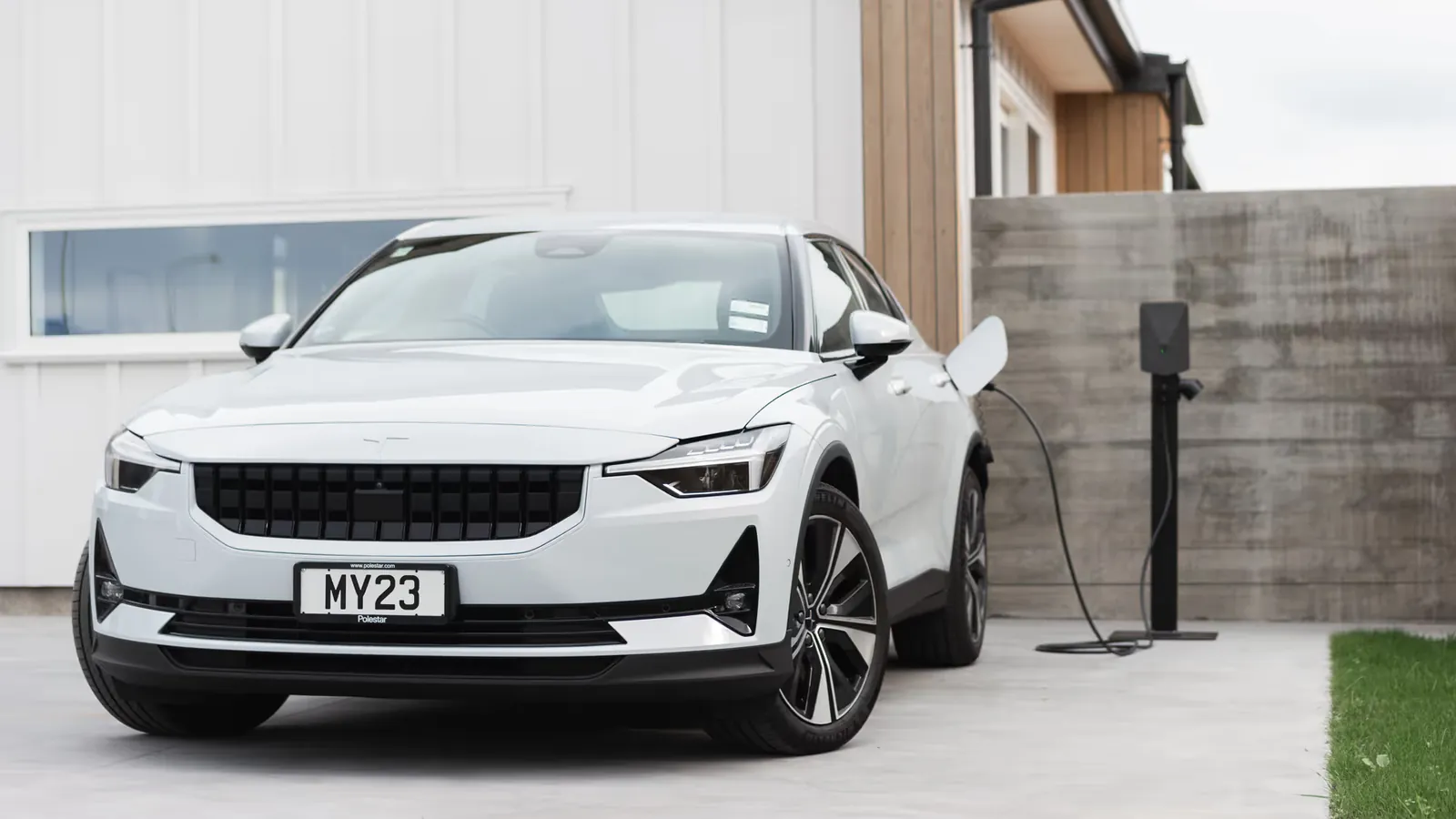
The catch: it’s single-phase only, so it tops out at 7.4kW. Homes with three-phase power and a car that can use it need Evnex’s X22 at $1,699. For most single-phase Australian homes, though, 7.4kW is exactly the right size.
myenergi zappi: for owners who want to run on sunshine
If the goal is charging almost entirely from rooftop solar, the zappi is the specialist. It starts at $1,545 on myenergi’s Australian store in 7kW single-phase and 22kW three-phase versions, tethered or untethered. Its ECO and ECO+ modes soak up surplus solar that would otherwise be exported for a few cents.
A CT clamp comes in the box to measure what the house is using, and the charger connects over Wi-Fi or Ethernet. ECO+ waits for spare solar before it starts, while FAST mode simply charges at full rate when range is needed in a hurry.

The catch: the warranty runs three years, a year shorter than Evnex or Tesla, and the clamp has to be fitted at the meter board, which can add install time. It’s also the dearest single-phase charger in this guide.
Tesla Wall Connector Gen 3: cheap, simple and sold only to Tesla owners
For Tesla owners, the Gen 3 Wall Connector is the easy choice at $800. It runs on single or three-phase power, has a 7.3m cable, shares power across up to six units and carries a four-year residential warranty. Its Type 2 plug charges any EV on Australian roads, not just Teslas.
The limitation is who can buy it. Tesla’s online store only sells it to Tesla owners, and it was listed as out of stock when checked. It also lacks built-in solar diversion unless a Powerwall is added, and its Wi-Fi works on 2.4GHz networks only.
It suits a two-EV household with one Tesla in the garage, or anyone who charges on a cheap overnight tariff and isn’t chasing solar. For solar-first charging, the Evnex or zappi is the better buy.
Autel MaxiCharger AC Lite: the budget pick
The cheapest charger worth buying is the Autel MaxiCharger AC Lite at $770 from JET Charge. It delivers 7.4kW on single-phase power through a 5m tethered cable, with Wi-Fi, Bluetooth, Ethernet and optional 4G. It also supports the OCPP 1.6J and 2.0 protocols, according to Solar Choice.
OCPP matters more than it sounds. It lets third-party apps and energy management systems control the charger, so it can join a smarter solar or battery setup later instead of being replaced. For a tight budget and overnight charging, that flexibility is worth having.
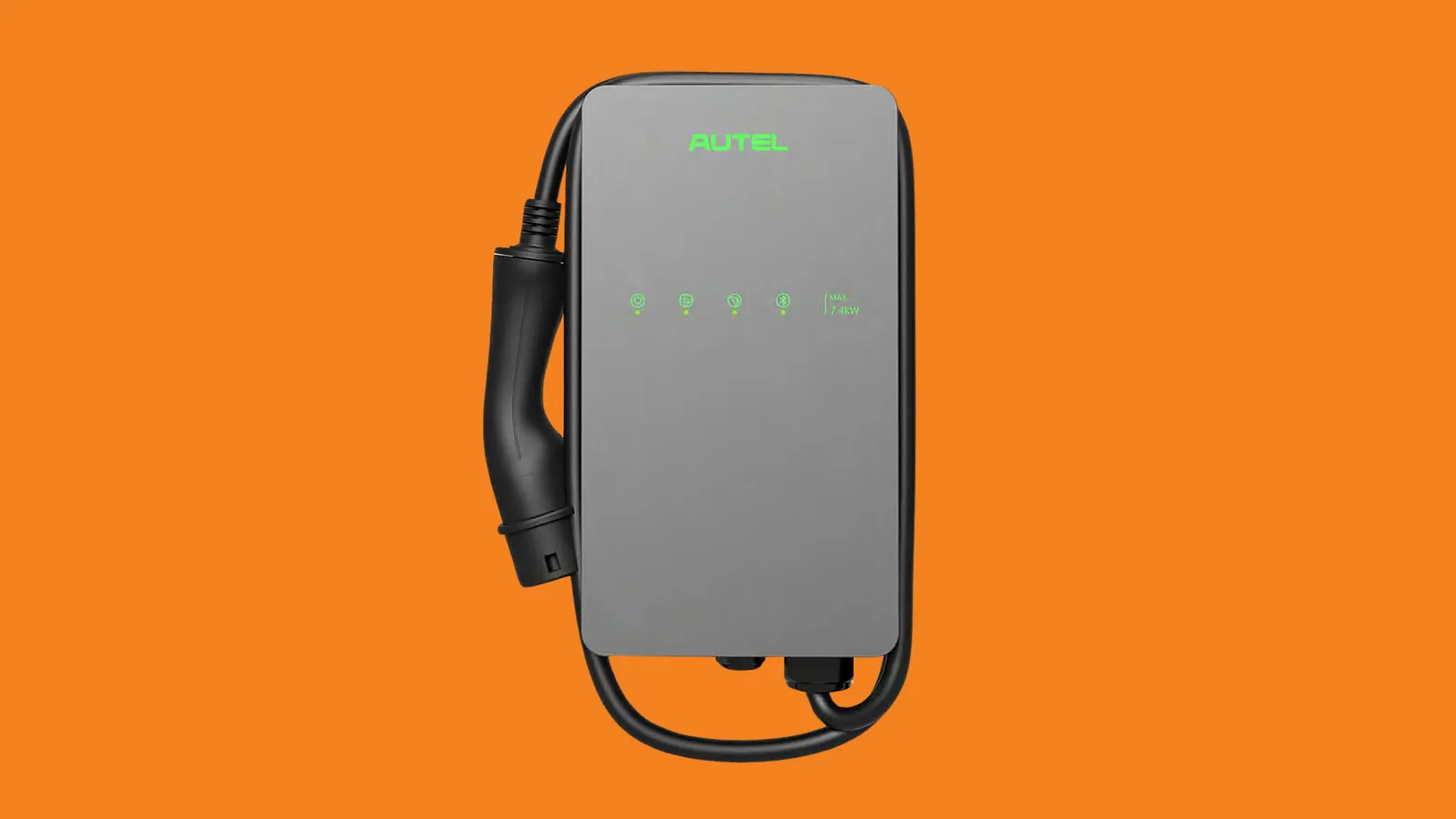
The catch: Solar Choice flags limited local support from Autel in Australia, and the 5m cable is the shortest here. Measure from the wall to the charge port before buying.
Fronius Wattpilot Flex Home: made for Fronius solar homes
Homes already running Fronius solar should look at the Wattpilot Flex Home. The 22kW version costs about $2,033 at BESS Australia, and it switches automatically between single and three-phase charging to make the most of solar output. It has a 6m cable, an IP66 rating and LAN or Wi-Fi connectivity.
Automatic phase switching is the clever bit. Fronius says it moves between phases to maximise self-generated solar, so a small surplus isn’t wasted. Eco Mode prioritises solar, and Next Trip Mode makes sure the car has enough charge by a set departure time.
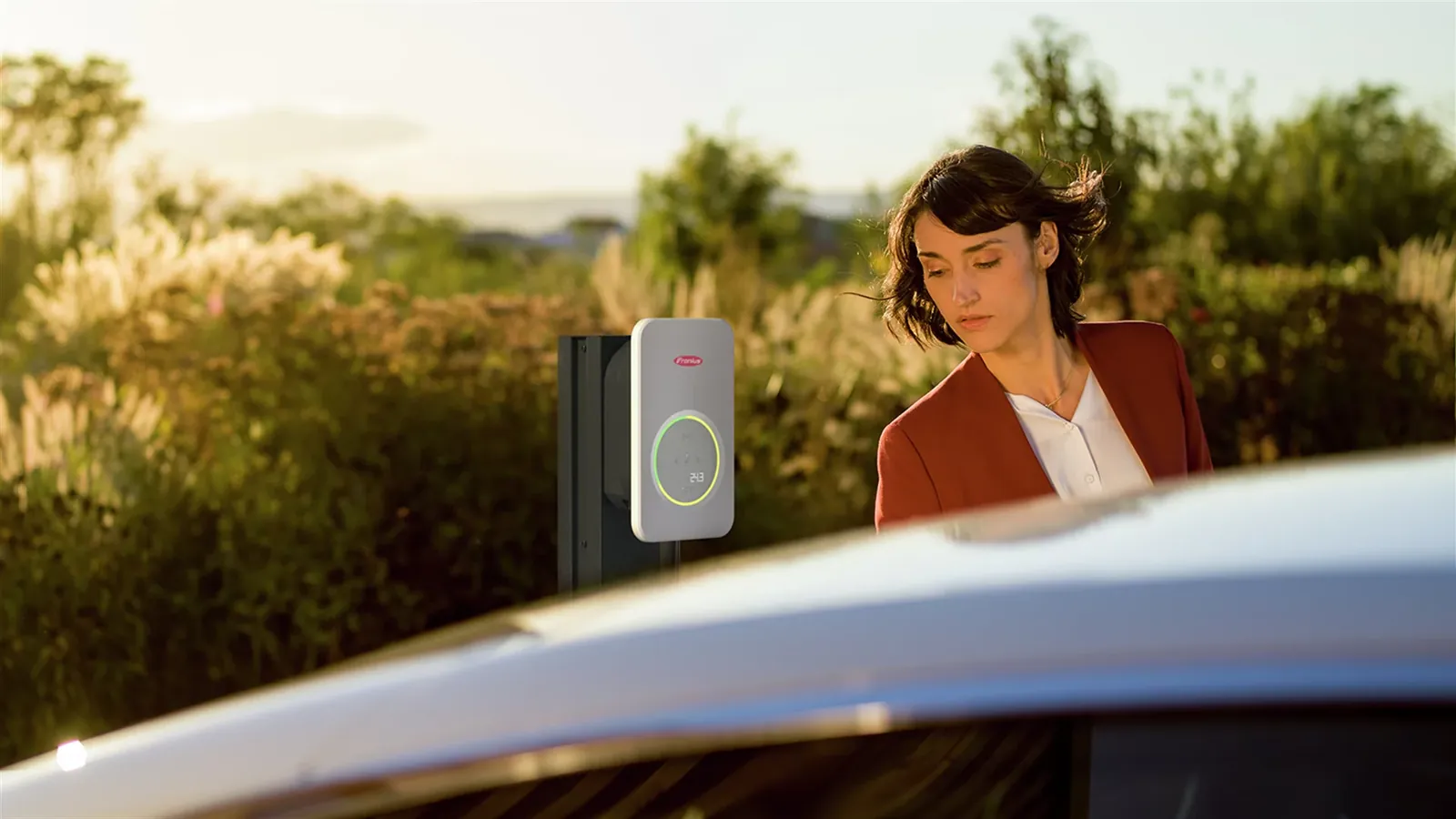
The catch: it’s the most expensive charger here, BESS Australia lists a three-year warranty, and Fronius says additional components are needed for surplus-solar charging. It was also sold out at that retailer when checked.
What does installation really cost?
Budget roughly $900 to $1,300 for a simple installation, according to EVSE Australia, rising to $1,800 to $2,500 for complex jobs. Add a charger from this list and the total runs from about $1,700 to more than $4,500. Evnex’s pricing fits: $1,399 for the E2 Plus alone, $2,300 installed.
Installation ranges from EVSE Australia (July 2026). Hardware range from the five chargers in this guide. Get a site inspection for an exact quote.
The switchboard decides most of the bill. EVSE Australia lists older boards that need upgrading, cable runs longer than 15m, trenching and three-phase work as the main cost drivers. Park close to the meter box if possible, and get a site inspection before accepting a quote.
Single-phase or three-phase?
Stay single-phase unless the house already has three-phase power. Many non-Tesla EVs accept only 7.4 to 11kW on AC, according to Aussie Solar Tech, so a 22kW charger rarely charges them faster. Paying to upgrade a home’s supply for a charger alone is hard to justify.
What not to buy
- A charger with no app or scheduling. Without timing control it can’t chase a free midday window or a cheap overnight rate.
- A 22kW charger for a single-phase house. It will run at 7.4kW anyway.
- A cable that doesn’t reach. Measure the run to the charge port, and allow for a second car.
- Hardware your electrician won’t install. It must be fitted by a licensed electrician, so check the unit with them first.
A home charger is one line in what it really costs to own a car in Australia, alongside EV depreciation and insurance. The BYD Atto 3 long-term review shows what two years of real ownership looks like.
Buy the Evnex E2 Plus if you want one charger that does everything well, and the Autel if the budget is tight. Whatever you choose, fit it where the car actually parks. The cheapest kilowatt-hour is the one you remember to plug in for.


