

Ford has locked in a China-built Bronco for Australia. Nissan has confirmed a China-built ute. Toyota’s local boss says the brand would be silly not to look at it. The badge argument is over.
This is not the Chinese-brand story. MG, BYD, GWM and Chery settled that one a while ago. This is the badges Australians have trusted for fifty years quietly changing the address on the compliance plate.
China is already Australia’s biggest car factory
Chinese-built vehicles took 34.8 per cent of the Australian new-car market in May 2026, or 37,229 of 106,887 sales, on VFACTS figures reported by CarExpert in June 2026. Japan took 21.4 per cent. China passed Japan for the first time in February 2026 and has not handed the lead back.
Plenty of that volume already wears a familiar badge. The Tesla Model Y comes from Shanghai. The Kia EV5 comes from Yancheng. The BMW iX3, the Mazda 6e and the Hyundai Elexio are all China-sourced for this market.
So the question buyers keep asking, the one behind our guide to who actually makes Jaecoo and where they’re built, has stopped being a Chinese-brand question. It is now a Ford question.
What Nissan, Ford and Toyota have actually committed to
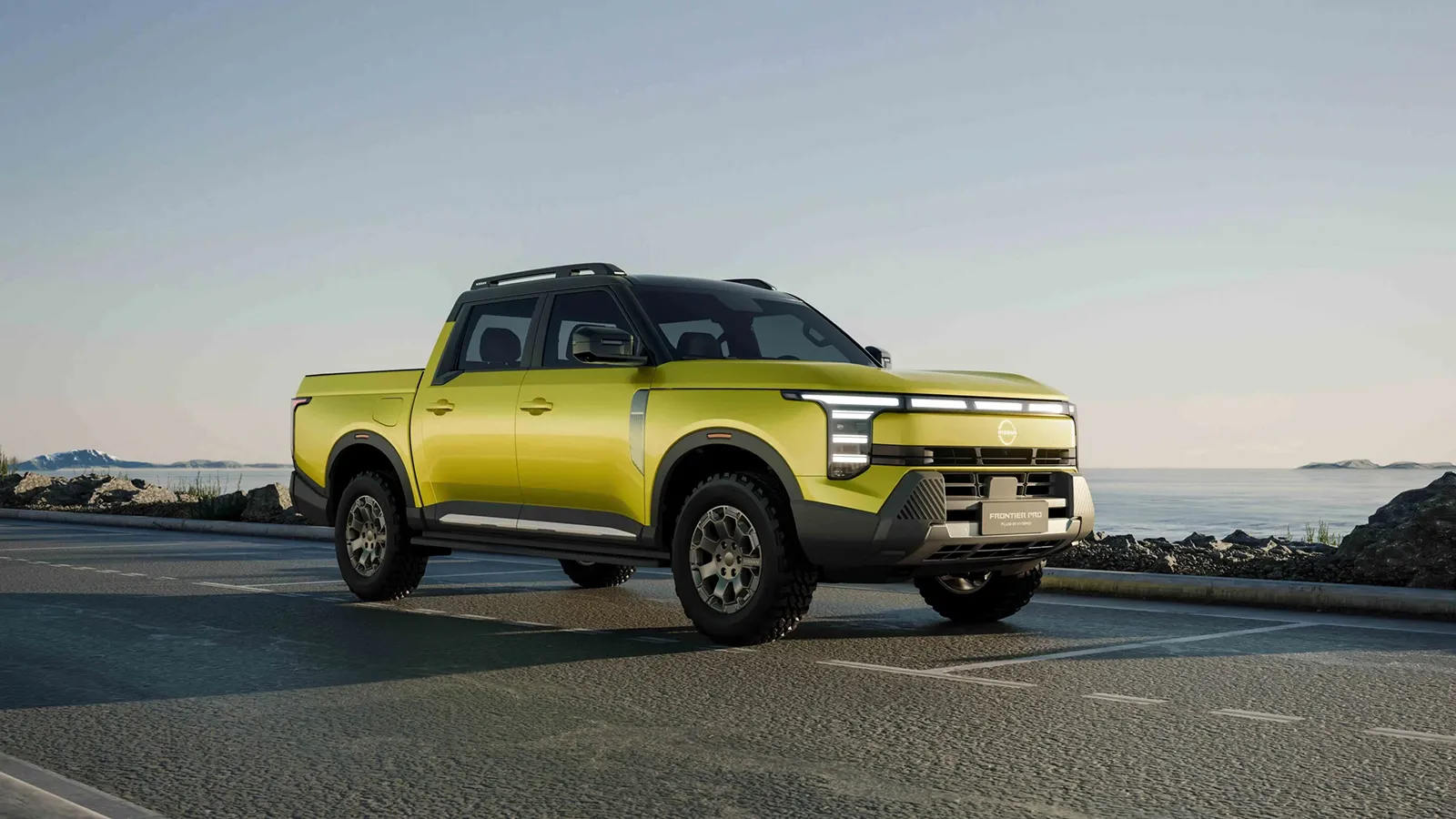
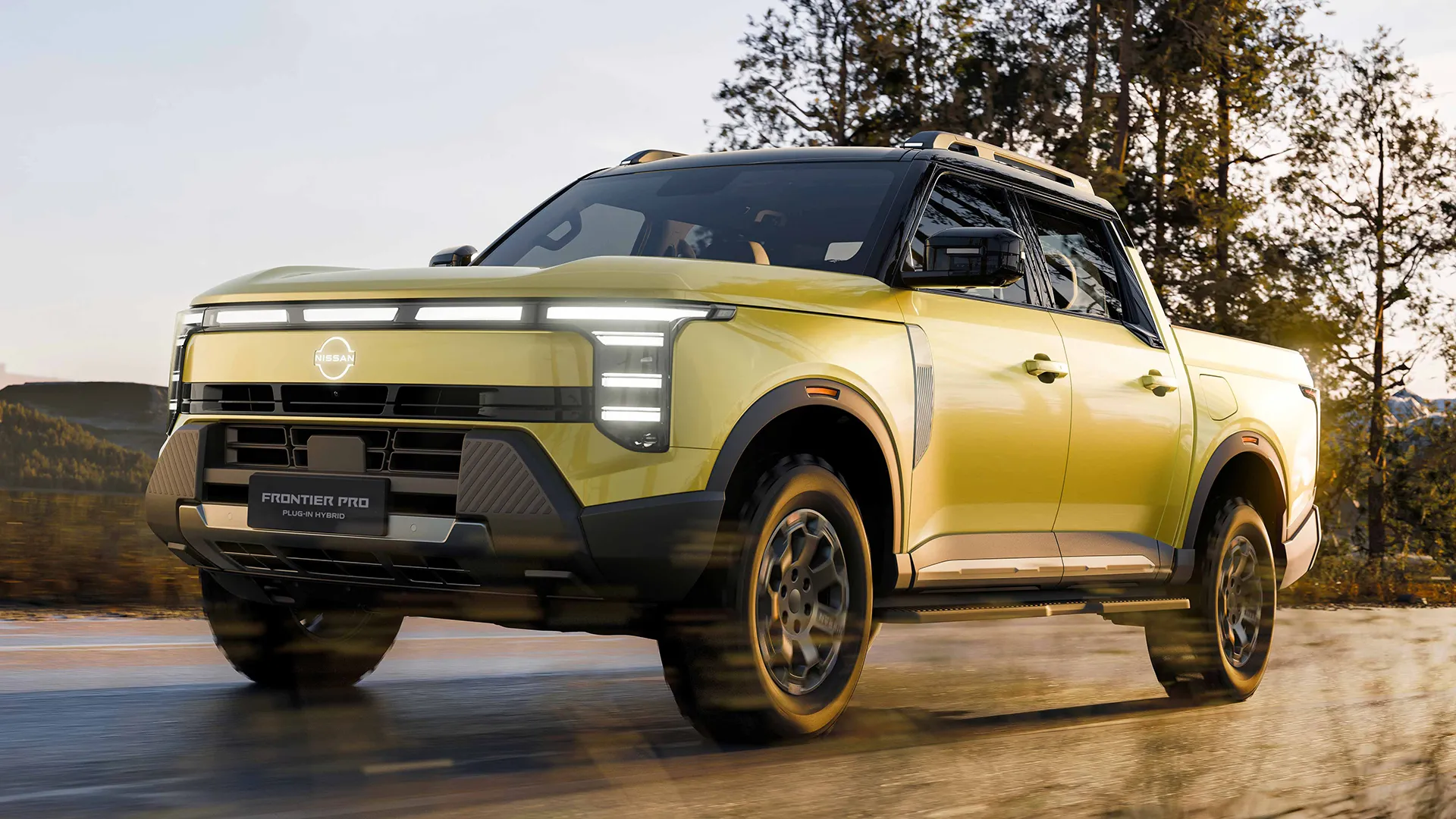
Nissan is furthest along. The brand confirmed the Frontier Pro PHEV for Australia at a dealer event in Adelaide in November 2025, carsales reported. It is built in Zhengzhou and shares its bones with the Dongfeng Z9.
Nissan claims 300kW, 800Nm and a 3500kg braked tow rating, with roughly 135km of electric range before the 1.5-litre engine gets involved. Local testing is underway and the figures may shift. It is aimed squarely at the BYD Shark 6.
Ford went next. Drive reported in September 2026 that the Bronco Basecamp is coming here in the second half of 2027, built by Ford’s Jiangling Motors joint venture. Australian cars get a range-extender drivetrain: 1.5-litre turbo petrol generator, 49kWh LFP battery, 130kW front and 190kW rear motors.
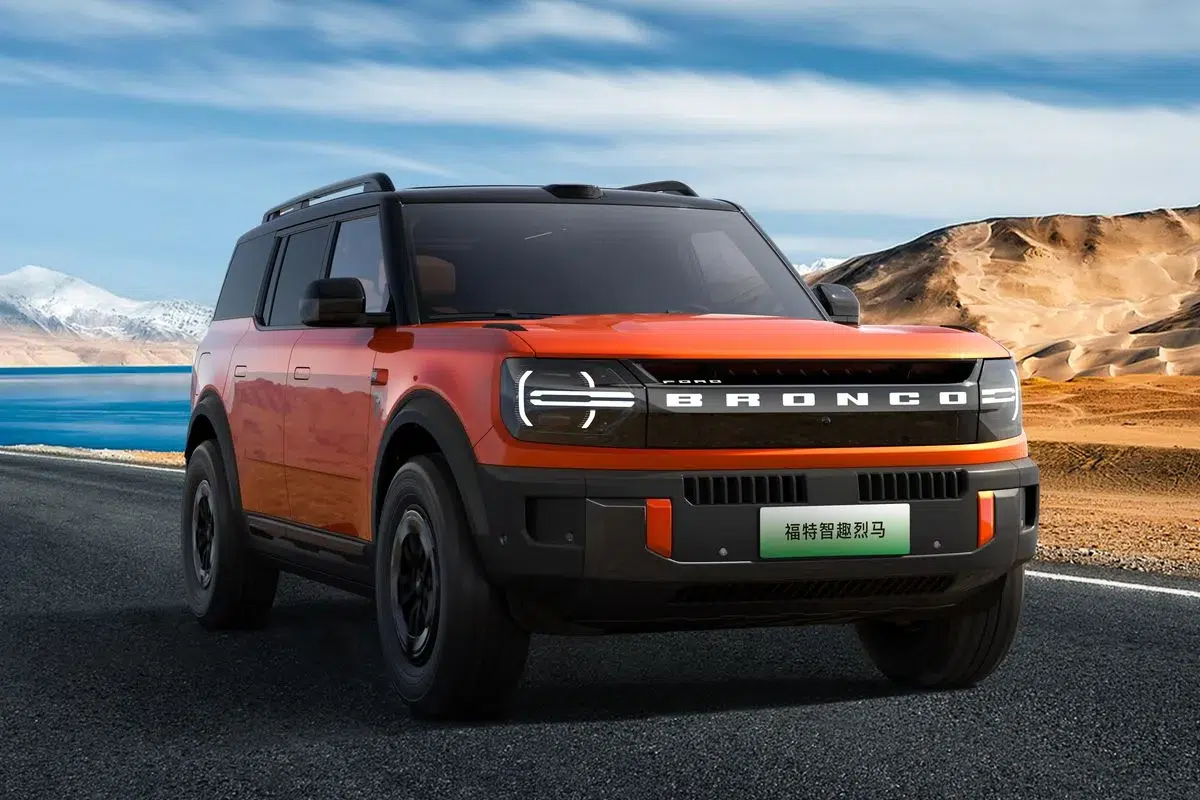
It is a monocoque, not a ladder frame. Anyone expecting a Wrangler rival with a JMC build plate should read the spec sheet twice. Ford Australia marketing director Ambrose Henderson framed it around the outdoors crowd, not the rock-crawling one.
A second Ford is circling. Approval documents point to the JMC-built Transit City electric van landing here, though Ford Australia has not confirmed it.
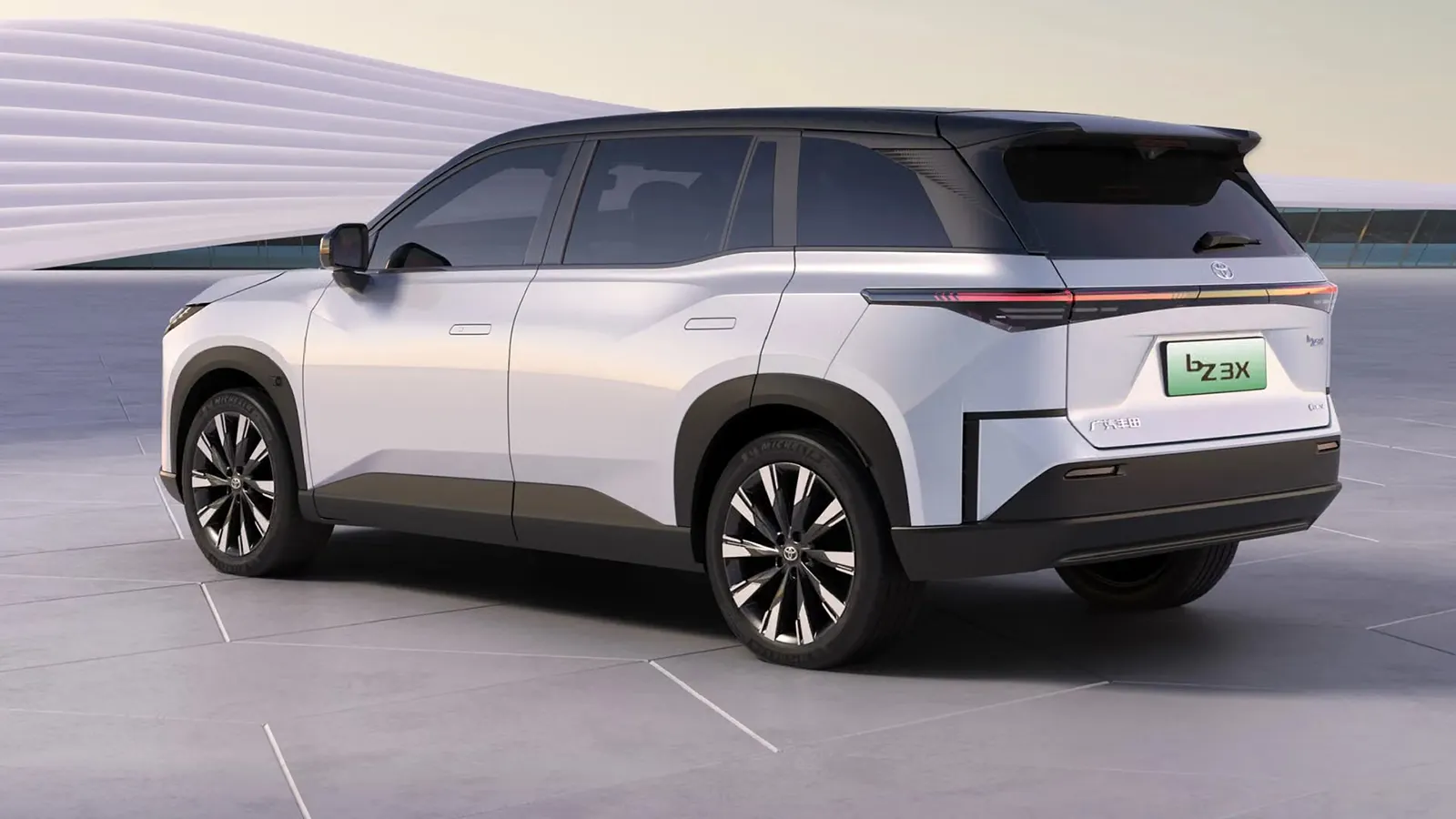
Toyota has not committed to anything. Sales and marketing boss Sean Hanley told Drive in September 2025 that “there’s no anti-Chinese sentiment here” and that in future “you’d be silly not to look at it seriously.” GAC Toyota’s bZ3X is already confirmed for right-hand drive. Read that how you like, alongside what we know about the electric HiLux.
Does your warranty still work the same way?
Yes, and that is the part most people get wrong. Under Australian Consumer Law the business that sold you the car carries the consumer guarantees. The ACCC is blunt about it: a dealer “can’t refuse to help you by telling you to contact the manufacturer.” Build country changes none of that.
There is one exception worth knowing, and it is the real risk in this story. The ACCC notes that a seller can point you to the manufacturer once spare parts or repair facilities stop being available after a reasonable period.
That is the pipeline question, not the badge question. A Frontier Pro sold through Nissan’s existing dealer network sits inside a parts and service operation that has been running here for decades. A model imported in small numbers on a short program does not automatically inherit that depth.
Ask the dealer two things before you sign: who holds local parts stock for this specific model, and what the quoted turnaround is on a non-stocked panel. Vague answers on either are a genuine reason to walk.
The resale hit is perception, and perception moves
Nobody has published clean Australian data isolating build country from brand. What RedBook’s Taylor Jones did write in July 2026 is that “residual value forecasting must now account for accelerating competitive pressure in segments where legacy brands once held pricing power unchallenged.”
Translated: the cheap new car three years from now is what guts your trade-in, not the plate on the firewall. That pressure is already visible in EV depreciation figures nobody likes publishing.
Trade buyers will discount an unfamiliar model for a year or two regardless. The fix is volume and time, which is exactly what happened after BYD took second place on the sales charts.
When you can actually buy one
Three different timelines, three different confidence levels. Only one is a firm on-sale commitment, one is a confirmed model with soft timing, and one is a maybe. Treat them accordingly if you are holding onto a trade-in waiting for the right moment.
Upcoming Vehicle Releases
The advice has not changed, it has just moved. Stop interrogating the compliance plate and start interrogating the dealer network behind it! A China-built Nissan backed by a mature parts operation is a safer buy than a familiar badge on a 200-unit import program, and the ute market has already proven it.


