
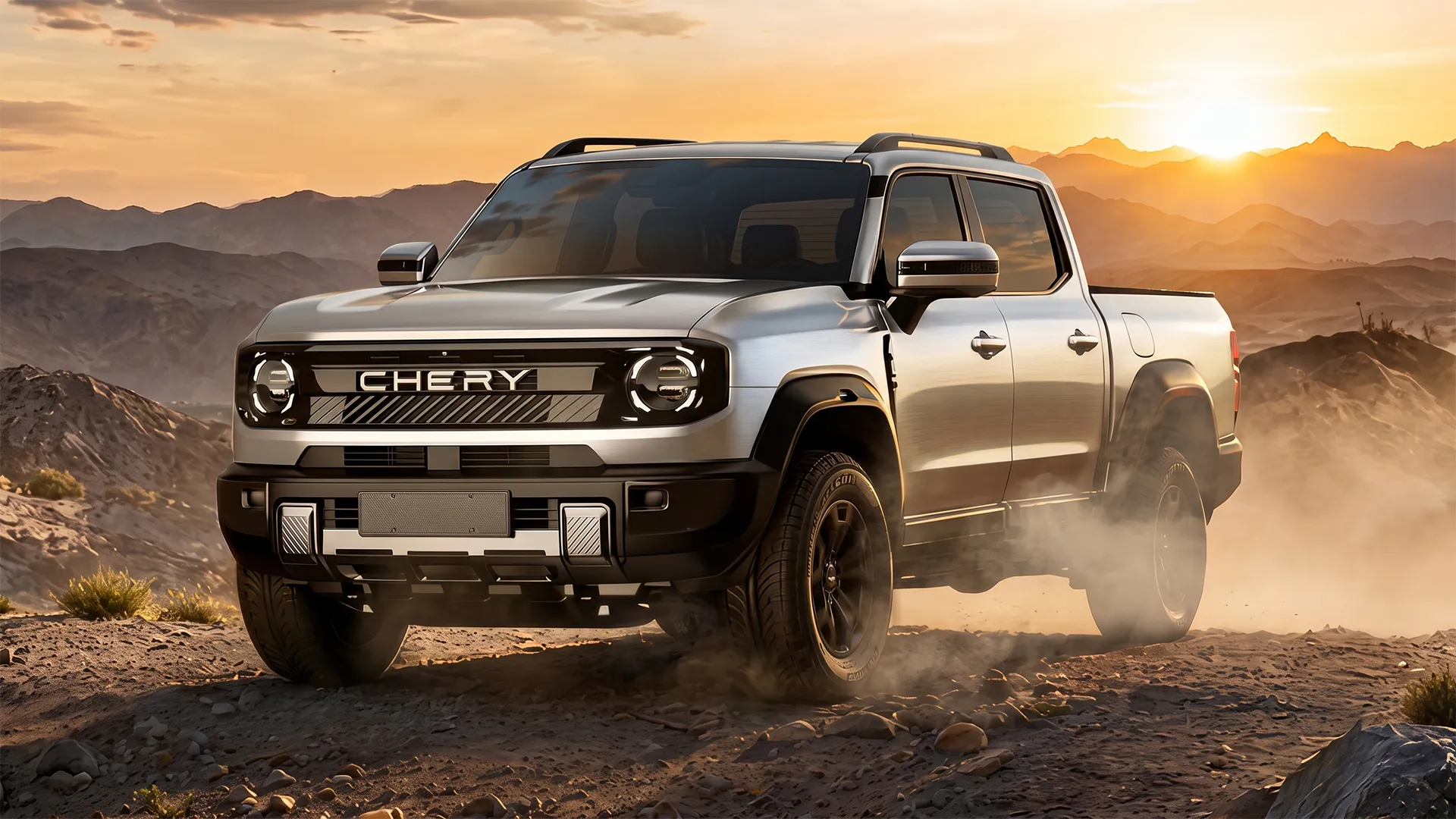

Ford and Toyota spent a decade treating the dual-cab crown as a two-horse race. That comfort is gone. A plug-in hybrid ute from a battery company has muscled into the top three, and two more Chinese contenders are loading up behind it.
The BYD Shark 6 did not just sell well. It rewired what buyers expect for around $60,000. Big power, cheap running costs, and a warranty that outlasts a home loan.
How the Shark Cracked the Top Three
Are Chinese utes actually outselling the big names?
Not yet at the very top, but the gap is closing fast. The Ford Ranger and Toyota HiLux still lead, yet the BYD Shark 6 climbed to Australia’s third best-selling ute by mid-2026, ahead of the Isuzu D-Max and Mitsubishi Triton.
The numbers tell the story. The Ranger led the first half of 2026 with 17,257 deliveries, HiLux following on 15,120 by early May.
Then look further down. The Shark 6 took 3,398 sales in June alone, sixth outright that month. In the same record VFACTS month, BYD fell just 243 sales short of toppling Toyota as a brand.
That is not a fluke. It is the same surge that pushed BYD past Toyota into second place among all brands sold here.
That is a shift in where the money goes.
The Hybrid Weapon Nobody Else Had First
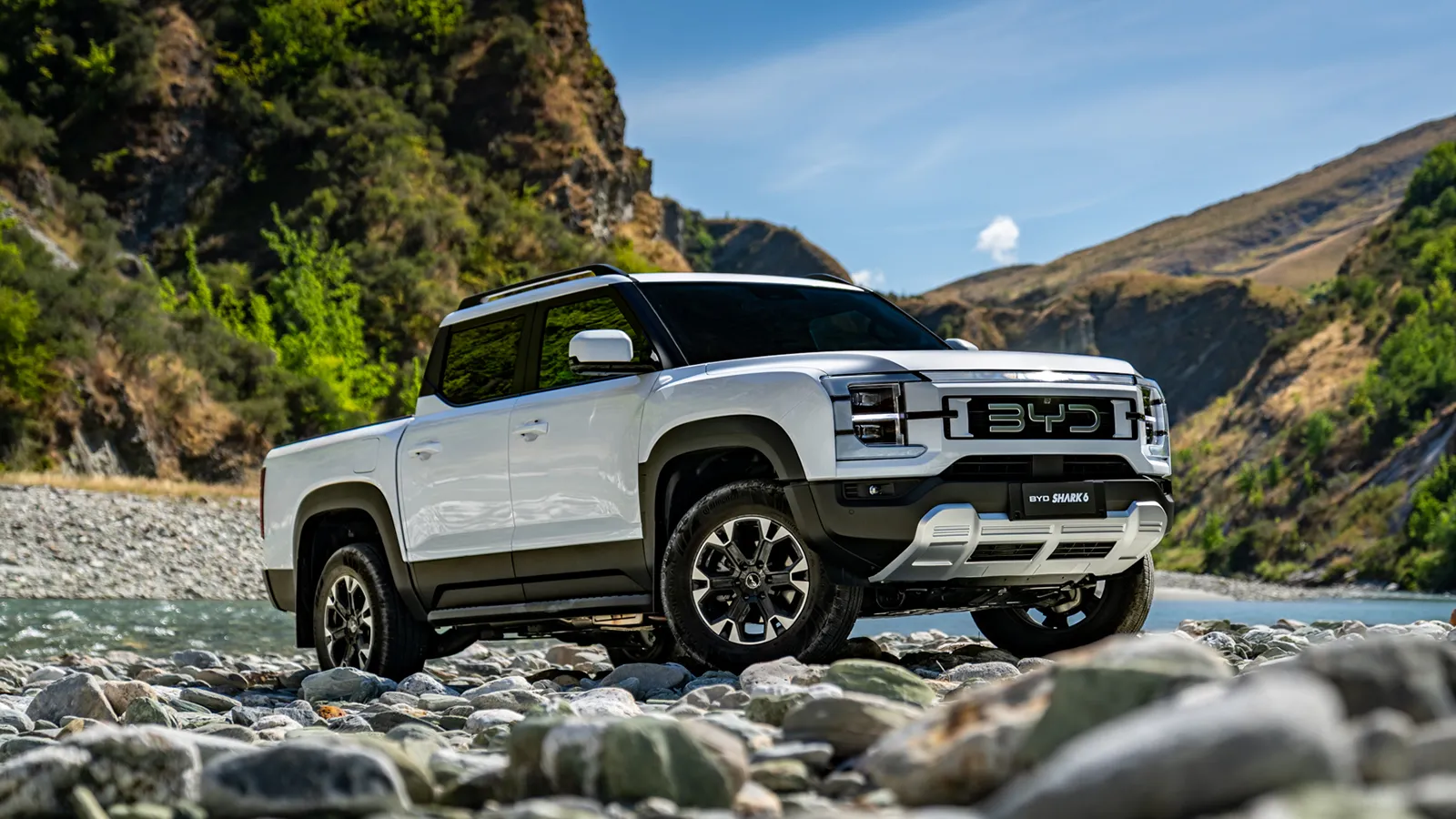
What makes the BYD Shark 6 so hard to beat on price?
The Shark 6 pairs a 1.5-litre turbo engine with electric motors for a combined 321kW and 650Nm, plus roughly 100km of EV-only range. Pricing runs from $55,900 for the Dynamic cab-chassis to $62,900 for the Performance, before on-road costs.
For a tradie doing short runs, that EV range means many weeks without touching the bowser. The engine only wakes up on longer hauls. In real terms, the running-cost maths embarrasses a diesel HiLux.
There was one catch, and it mattered. Early Shark 6 variants topped out at 2,500kg braked towing, short of the 3,500kg benchmark serious buyers demand.
BYD heard it. The 2026 Performance variant finally unlocks the full 3,500kg rating. The last real excuse to walk past it just disappeared.
This is BYD’s signature move. In its performance sedans, the Seal Performance undercuts the Tesla Model 3 on price and still makes more power.
GWM Brings the Heavyweight
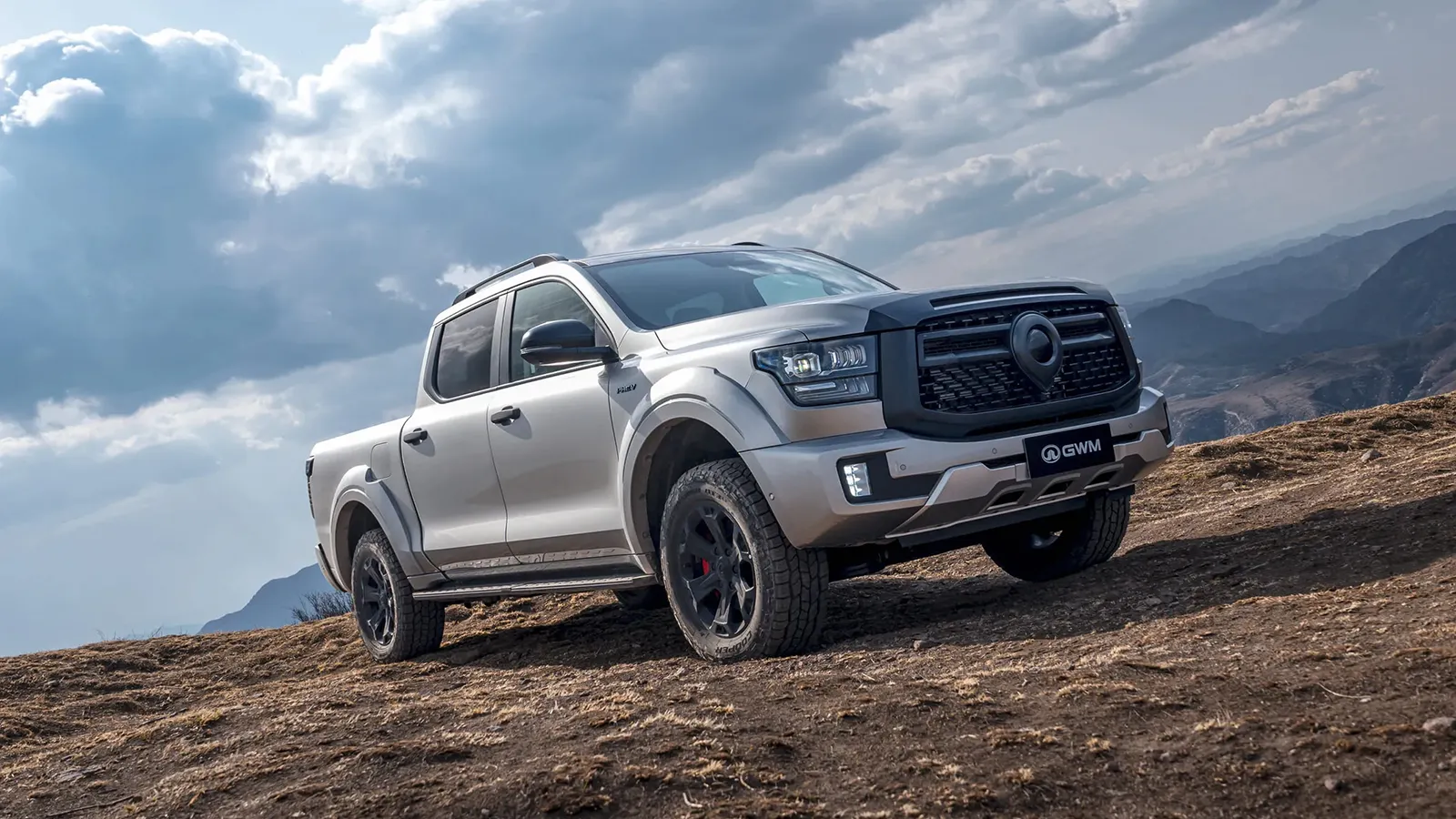
How does the GWM Cannon Alpha PHEV compare?
The Cannon Alpha PHEV goes bigger and brawnier. It makes 300kW and 750Nm, tows the full 3,500kg, and undercuts nobody on presence. The Ultra PHEV sits around $68,000 driveaway, positioning it as the plush family-hauler alternative to the Shark 6.
Where the Shark 6 feels like a smart mid-sizer, the Cannon Alpha wants to play in Ranger Wildtrak and Cannon Alpha territory on size and torque. That 750Nm figure is caravan country.
GWM also plays the long game on ownership. The Cannon Alpha carries a seven-year, unlimited-kilometre warranty, with eight years on the traction battery. Ford and Toyota still cap their cover at five years.
That warranty gap is the quiet weapon. It tells a nervous buyer the brand plans to stick around.
Chery’s Diesel-Electric Gamble
Is Chery really launching a diesel plug-in hybrid ute?
Yes, and it is a genuine segment-first. The Chery Stockman, due in Australia late 2026, pairs a 2.5-litre turbo-diesel with plug-in hybrid gear. No other ute here mixes diesel and PHEV. It targets 3,500kg towing and around 1,000kg payload.
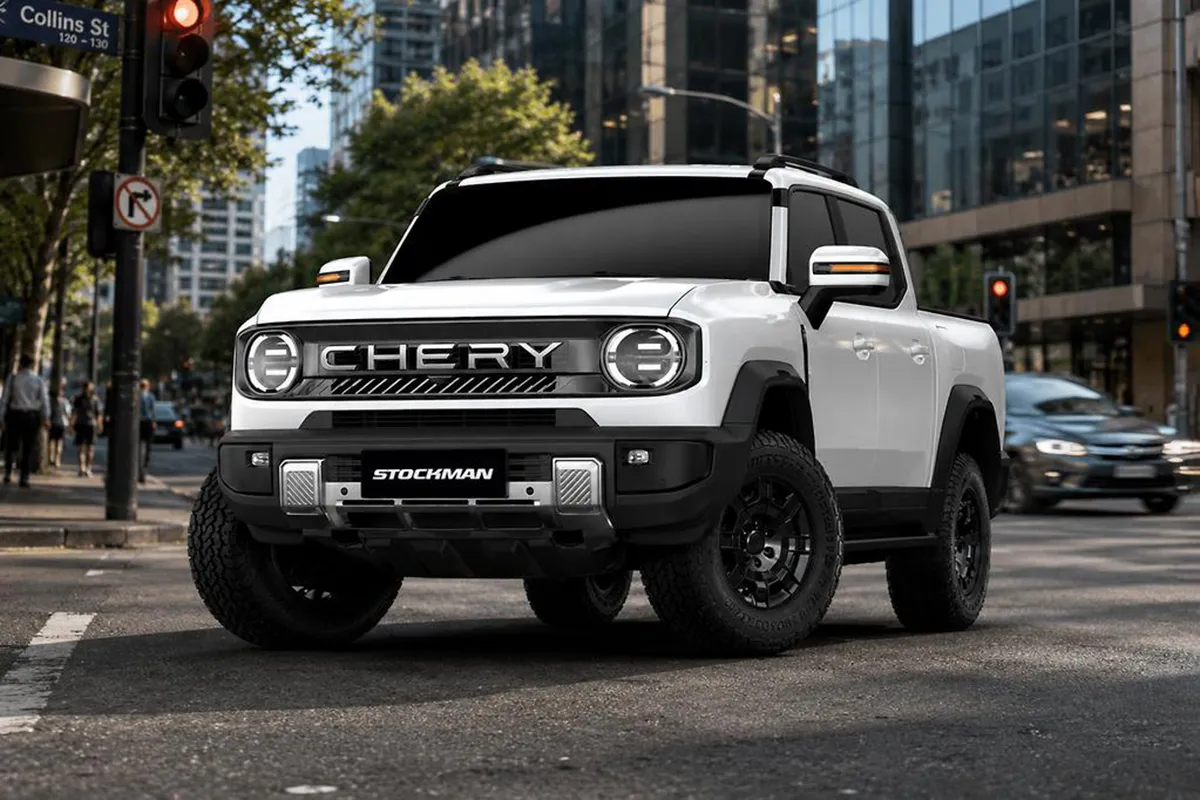
This matters because it answers the one objection towing buyers still throw at petrol-hybrid utes. Diesel torque suits sustained loads. Bolt electric assistance to it and you keep the low-speed shove without the fuel bill.
Note the name. The smaller Chery Himla ute was ruled out for Australia. The Stockman is the larger PHEV aimed squarely at the Shark 6, and it will land with the same seven-year warranty pitch.
If it drives as well as the spec sheet reads, Ford and Toyota have a third front to defend.
What This Means for Aussie Buyers
The old rule was simple. Want a ute under $65,000 with real grunt and a long warranty, and your choice was a diesel Ranger or HiLux. That rule is dead.
You now get more power, plug-in running costs, and two extra years of warranty for similar money. If you tow under 3,500kg and do mostly short runs, the value case tilts hard toward the Chinese brands.
The honest caveat: resale is unproven, and the dealer networks are younger than Toyota’s. Early models like the Atto 3 have already shown how fast the resale chart can fall.
If you keep utes for a decade and live three hours from a capital city, that risk is real.
Timeline-wise, the Shark 6 and Cannon Alpha PHEV are on sale now. The Chery Stockman arrives late 2026. Ford’s Ranger PHEV is the incumbents’ answer, and it will need to be sharp on price.
The invasion is not coming. It is parked in the top three, and it is expanding the range.


