

A PPSR check costs $2. Not $20, not $39.95. Two dollars, on the government’s own site, and it’s the only part of any used-car check that gives you legal protection if the seller still owes money on the car. Most car history reports sold for 15 to 20 times that price simply buy the same certificate for you and add extras around it.
Australians ran 13.1 million searches on the Personal Property Securities Register in 2024–25, and more than 7.25 million were for vehicles, according to the Australian Financial Security Authority (AFSA). Here’s exactly what the certificate shows, how the protection works, when a paid report earns its money, and the traps that still catch private buyers.
What is a PPSR check, and what does it cost?
A PPSR check is a search of the national register of money owed against personal property, run by AFSA, using a car’s VIN or chassis number. It costs $2.00 online or $7.00 through the contact centre, the certificate is free and there’s no GST. The fee hasn’t changed since August 2018, when it dropped from $3.40.
Every option on this chart includes the same PPSR certificate, and the certificate is what gives a private buyer legal protection. The dearer reports add odometer history, listing history and a valuation on top.
Prices as displayed on 30 October 2026: PPSR fees, VicRoads (plus a 14c card fee), CarHistory, carfacts and NRMA member benefits. Third-party prices change often.
What you’re paying for on top of the $2 is convenience and extra data: odometer history, previous listings, a valuation and the exact variant. Sometimes that’s worth it. Often it isn’t, and Western Australia’s consumer regulator says sites trading on the old REVS name can charge at least five times more than the official search.
Why can’t you search by number plate?
Because the register is built around serial numbers. AFSA says plainly that you can’t search the PPSR using a car’s number plate or engine number. You need the 17-character VIN, which most cars built after 1988 carry, or the chassis number on older vehicles. That plate-to-VIN gap is the main thing paid lookup sites are selling.
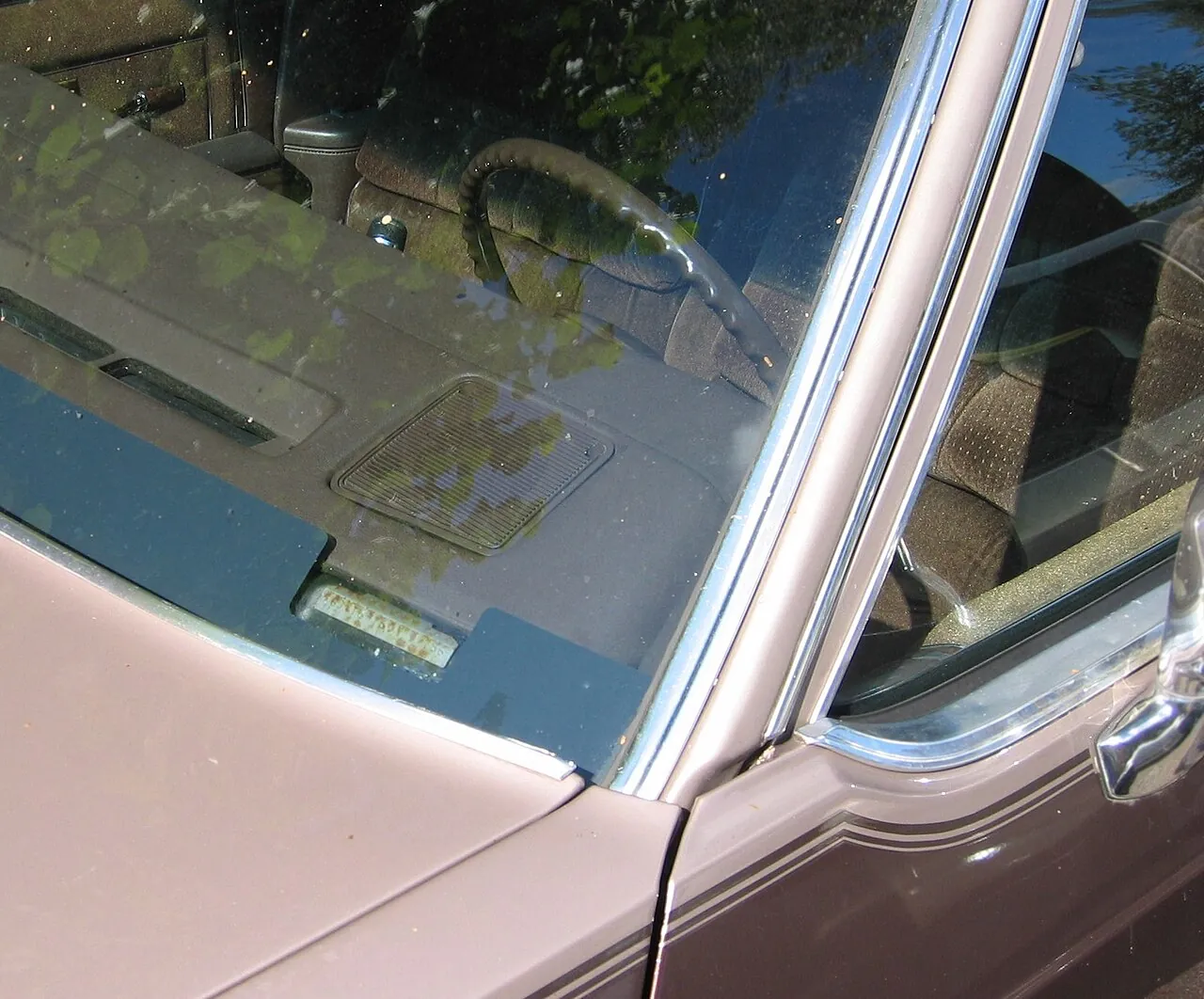
The VIN is on the compliance plate under the bonnet, at the base of the windscreen, in the driver’s door opening and on the registration papers. Check it in at least two places on the car and make sure both match the paperwork. AFSA warns that details that don’t line up can be a sign the VIN or chassis number has been altered.
How to do a PPSR check in five minutes
You don’t need an account. Have the VIN and a credit or debit card ready, and do the search on the day you pay or the day before. A typo still costs you $2, because the system searches whatever you type and fees aren’t refundable, so copy the VIN carefully and check it twice.
- Go to the PPSR car check page and start a motor vehicle search. The form runs on transact.ppsr.gov.au.
- Enter the VIN, or the chassis number for a car built before 1989.
- Accept the conditions of use and pay $2.00 by card.
- Download or email the certificate itself. The receipt email doesn’t include it.
- Keep it with the sale paperwork. Its search number lets anyone pull up a free copy later.
What the certificate tells you, and what it doesn’t
A clear certificate says no security interest is registered against that VIN. If there is one, it names the lender, its ABN, its contact address and the registration dates. It also carries NEVDIS data from state road agencies and police: make, model, colour, plate, rego expiry, and whether the car is recorded as stolen or written off.
| What you learn | PPSR, $2 | Free state rego check | VicRoads report, $29.95 | Paid report, $34 to $39.95 |
|---|---|---|---|---|
| Money owing registered | Yes | No | Yes (includes PPSR) | Yes (includes PPSR) |
| How much is owing | No | No | No | No |
| Lender's name and contact | Yes | No | Yes | Yes |
| Stolen status | Yes, except Tasmania | Varies by state | Yes | Yes |
| Written-off status | Yes | Varies by state | Yes | Yes |
| Odometer readings | No | NSW only, last three | Yes | Yes |
| Owner or listing history | No | No | Rego and transfer history | Listings and valuation |
| Legal protection | Yes, inside the window | No | Yes, inside the window | Yes, inside the window |
Sources: AFSA car check and NEVDIS pages, Service NSW, VicRoads, and provider pages, 30 October 2026.
Note what’s missing. No certificate shows how much is owing, who has owned the car, its odometer reading or unpaid fines. And the stolen and written-off flags aren’t the PPSR’s own data. They come from NEVDIS, carry no accuracy guarantee, and exclude Tasmanian stolen-vehicle data, so check Tasmanian cars with Transport Tasmania as well.
The legal protection: why timing matters
This is the part most buyers never hear. Under section 45 of the Personal Property Securities Act 2009, a private buyer takes a car free of a lender’s interest if a VIN search at any point between the start of the previous day and the moment of sale would have shown nothing. Search on the day you pay, or the day before, and keep the certificate.
The window opens at the start of the day before the sale. A clear search from last week doesn't count.
A search inside the window that shows nothing protects you. Save the certificate as your evidence.
If you knew about the debt, or should have, section 45 won't protect you.
Source: Personal Property Securities Act 2009 s 45, and AFSA's car check guidance. Buying from a licensed dealer gives separate protection under s 45(3).
There are other exceptions. The protection doesn’t apply if the lender already had the car, if you bought at a sale run by a creditor enforcing a judgment, or if you’re buying it as stock to resell. And the $5,000 low-value exemption people quote for household goods doesn’t cover anything described by a serial number, so a cheap car isn’t exempt.
Dealer, private seller or backyard dealer?
Buy from a licensed dealer and you’re generally protected from repossession even if the car still carries finance and you never search. That comes from the Act, and state laws can add to it. AFSA still suggests searching. Buy privately and the $2 search is your only shield, which is why it matters so much.
The catch is the backyard dealer, someone selling cars as a business without a licence. You lose the dealer protection, the cooling-off period and the statutory warranty. In Victoria, anyone selling more than four cars a year needs a licence, and Consumer Affairs Victoria says unlicensed traders face penalties of up to $19,000, or 15 per cent of the sale price, per car.
Victorian licensed dealers must also give a written guarantee of clear title, and used cars under 10 years old with less than 160,000km carry a statutory warranty of three months or 5,000km. If you’re weighing a dealer car against a private one, our guide to buying a car at auction covers the third way to buy.
Which cars are most likely to have money owing?
Sports cars and utes. We analysed AFSA’s open dataset of every vehicle search on the PPSR in 2016, and 21.5 per cent of 4.28 million searches came back with a registered interest against the VIN. Sports cars topped the list at 30 per cent and light commercials were close behind at 29.1 per cent. Small cars were lowest, at 16.7 per cent.
Nearly one in three sports car and ute searches turned up a registered interest, against one in six for small cars. That's why the $2 search matters most when you're buying a ute or a performance car privately.
Our analysis of AFSA's open dataset of motor vehicle searches (January to December 2016, market segments from NMVTRC). Counts every search, including dealers and financiers, so it isn't the share of cars for sale privately.
Two caveats. The data is a decade old, and it counts every search, including dealers and financiers checking stock, so it isn’t the share of cars for sale privately. But the pattern makes sense: utes are often bought on business finance, and enthusiast cars are often bought on credit. If our new HiLux buyer’s guide has you shopping for a used ute instead, search before you pay.
What to do if the check shows money owing
Don’t hand over money. AFSA’s advice is to talk to the seller first and have the registration removed before you pay, otherwise the lender can repossess the car. The certificate names the lender and its address for service, so you can confirm the debt has been cleared rather than taking the seller’s word for it.
- Money owing: get the lender’s confirmation that the loan is paid out, then run a fresh $2 search before you hand over the money.
- Stolen: walk away. AFSA warns you can lose both the car and what you paid for it.
- Written off: a statutory write-off can never be re-registered; a repairable write-off can, after inspection. Our salvage rebuild guide explains the process.
- Details don’t match: check the VIN again. If it’s right and still doesn’t match, treat it as a sign of tampering.
Is a paid car history report worth it?
Sometimes. The legal protection comes from the $2 PPSR search inside every report, so a paid report only earns its money through the extras: odometer history, previous listings and a valuation. That’s useful on a late-model car, or when the seller will only give you a plate. For a private sale where you have the VIN, the $2 search usually does the job.
Check what your state already gives you. NSW’s free rego check shows up to three recent annual odometer readings, and the VicRoads Vehicle Report at $29.95 includes odometer readings, stolen and written-off status and a PPSR certificate.
No report replaces a mechanic. A pre-purchase inspection confirms the VIN hasn’t been tampered with and the odometer is plausible, and an OBD2 scan shows stored fault codes the seller might not mention. Our guide to checking a used car with an OBD2 scanner shows what to look for.
The scams and lookalike sites to avoid
The commonest trap is paying a lookalike site for a $2 search. The official addresses are ppsr.gov.au and transact.ppsr.gov.au. Sites with REVS in the name sell commercial reports, but REVS itself closed on 30 January 2012, when the state registers moved to the PPSR. revscheck.com.au and ppsrcheck.com.au are run by Equifax and lead to its $39.95 report.
Sellers get targeted too. carsales warns of a vehicle history report scam in which a fake buyer asks a private seller to buy a report from a nominated website, then disappears. It isn’t normal for a seller to buy a report on a buyer’s behalf. Other red flags: a seller who can’t prove ownership, pressure to decide quickly, and requests for gift cards or crypto.
Before you hand over the money
Do the $2 search on the day, match the VIN on the car to the certificate, check the car isn’t under an open recall (our recall roundup shows how), get an inspection, and only then pay. Still choosing the car? Start with our best first cars under $10,000 and under $20,000.
For enthusiast cars, read the model guide first. Our used buying guides for the Mk7 Golf GTI and R, the VF Series II Commodore SS and the Toyota 86 cover the faults that a certificate can’t show, and a GPS tracker is worth fitting once the car is yours, because car theft keeps rising.
Two dollars, five minutes and a certificate saved to your phone. It’s the cheapest insurance in motoring and the only check with the law behind it. Pay for a history report if you want the extras, but never buy a car privately without the $2 search.
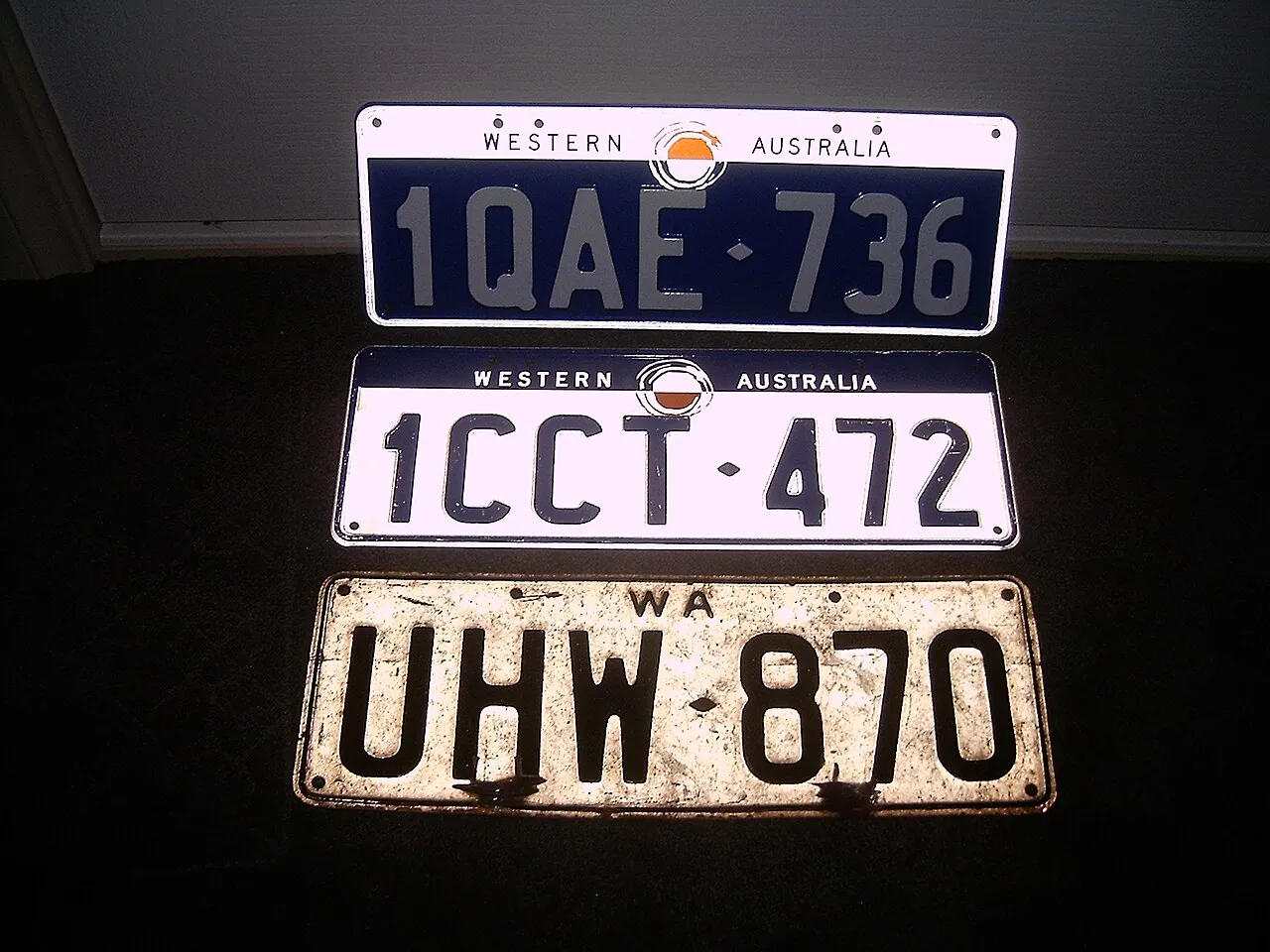
Fees and prices as at 30 October 2026. Header image: Nick-D, CC BY-SA 3.0, via Wikimedia Commons (cropped, plates blurred).


