
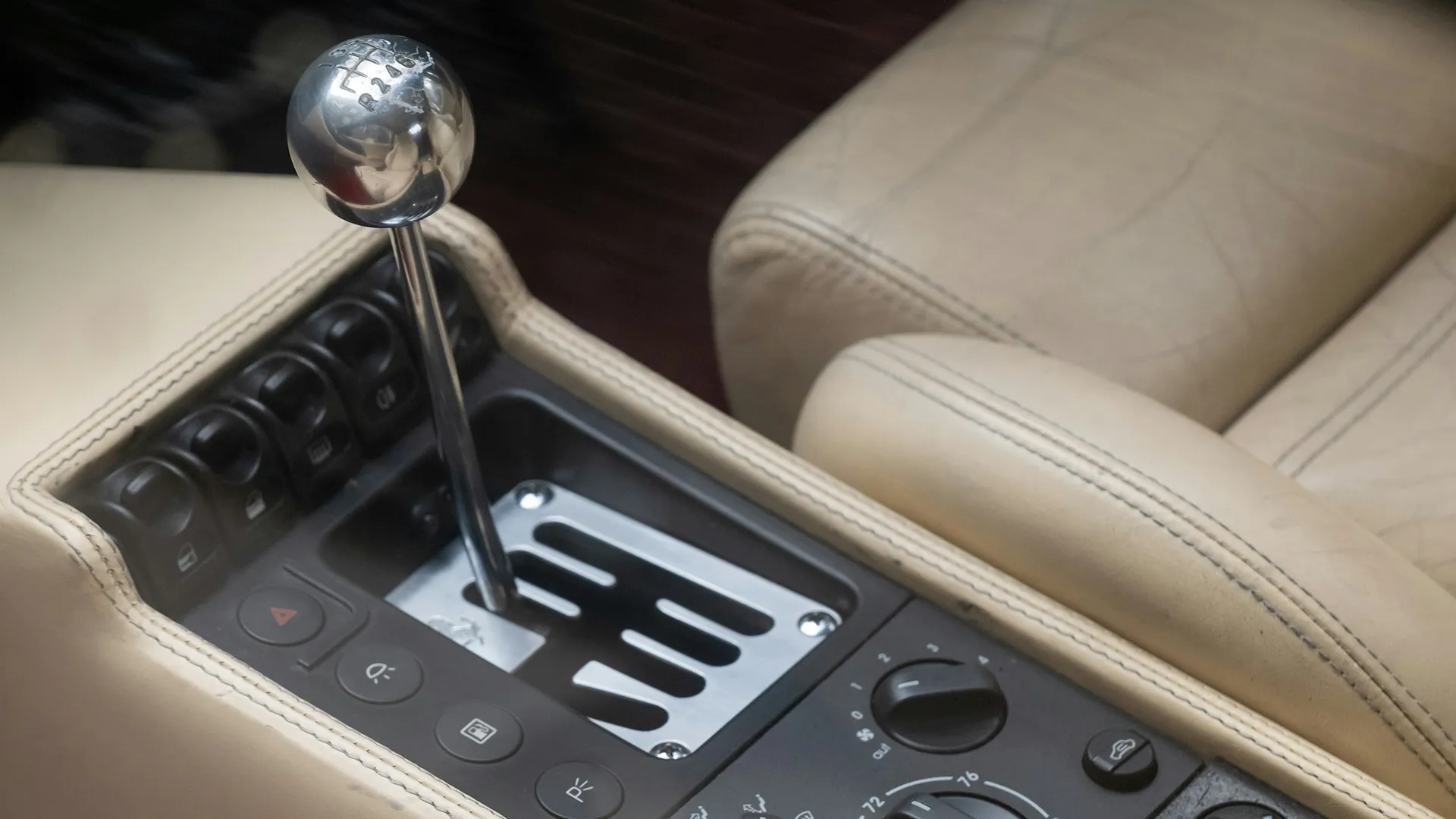

Not one regulation killed the manual transmission. Three landed in the same twelve months, and together they have made it mathematically irrational for mainstream brands to keep building manual variants. The economics are gone. The compliance costs are prohibitive. The sales volumes can’t justify either.
New manual gearboxes now account for under four percent of Australian new car sales. That figure alone explains why brands are exiting. What it doesn’t explain is why the exit is happening so fast.
Three Regulations in Twelve Months
What’s actually killing the stick shift?
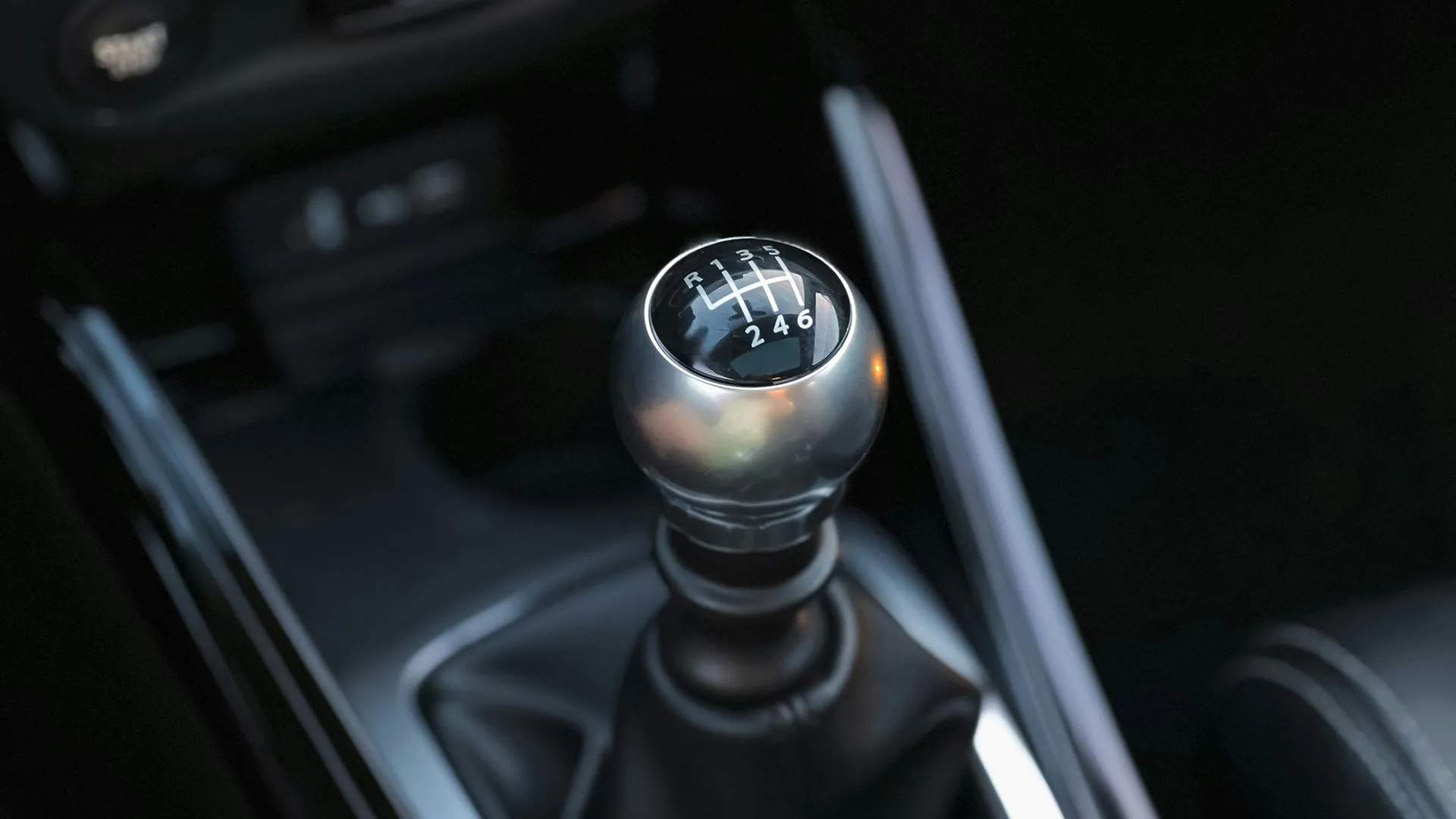
Three Australian regulations landed within twelve months: the New Vehicle Efficiency Standard from January 2025, mandatory Autonomous Emergency Braking from March 2025, and Euro 6d-equivalent emissions standards from December 2025. Combined, they created compliance costs that no mainstream brand can recover on thin manual volumes.
The NVES requires every brand to meet a fleet-average CO2 target that falls each year. Manual variants typically produce higher real-world CO2 than a well-optimised dual-clutch or CVT. Every manual sold pushes the fleet average in the wrong direction, creating a financial penalty for brands that keep them.
Euro 6d goes further. The new standard requires WLTP cycle testing and Real Driving Emissions testing, replacing the old NEDC cycle. Manual variants need separate certification because real-world shift behaviour varies between drivers. Certifying one manual option through Euro 6d costs real engineering budget, spread across very few sales.
Neither regulation alone would have finished the manual off. The third one added a specific technical problem that sealed it.
The AEB Problem Nobody Planned For
Why does emergency braking affect what gearbox a car gets?
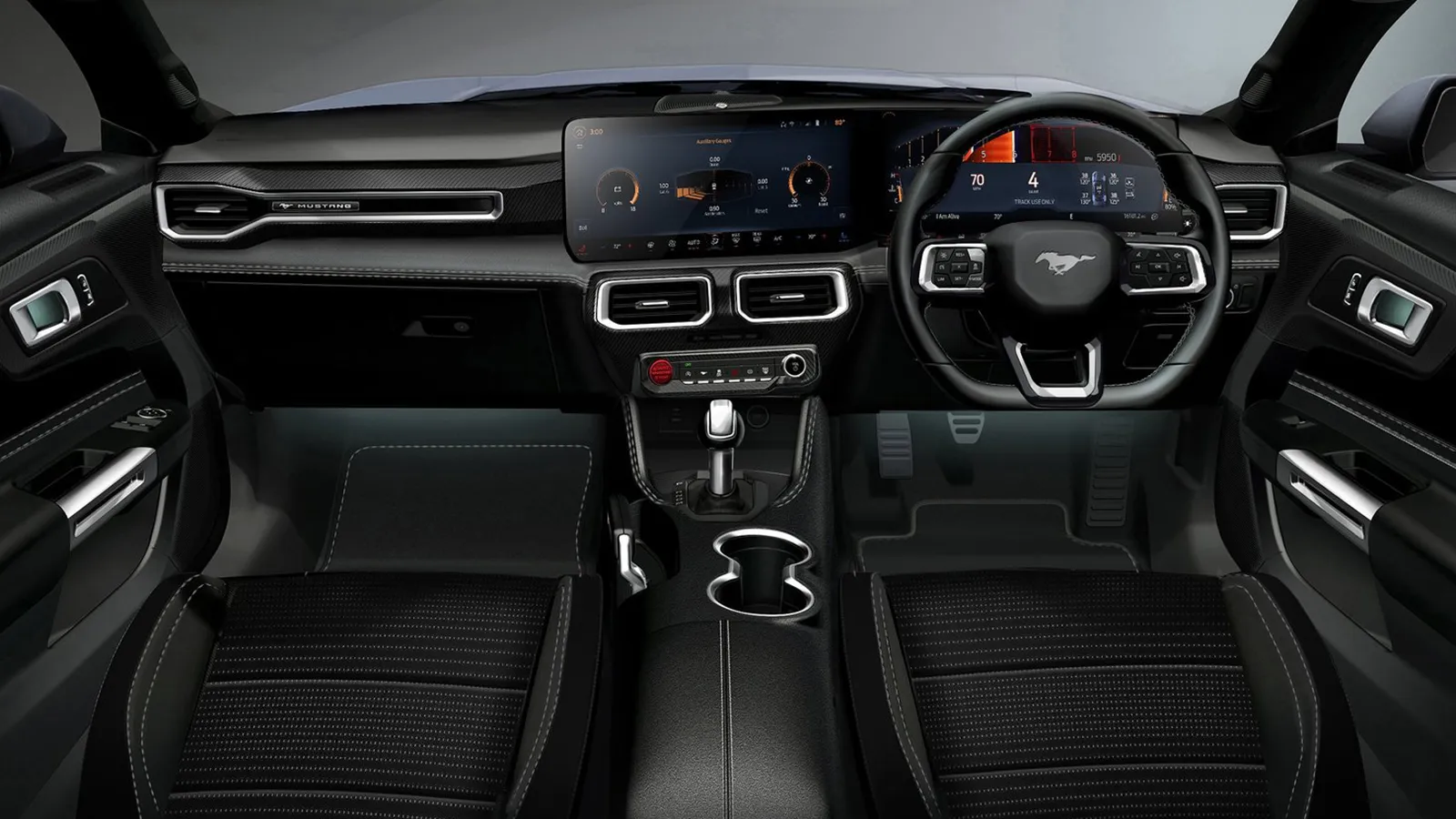
Autonomous Emergency Braking has been mandatory on all new Australian vehicles from March 1, 2025, under ADR 98/00. When AEB fires in a manual car, it applies full braking force with no automatic clutch disengagement. The engine stalls. Subaru’s confirmed workaround: let it stall, driver restarts.
Subaru’s workaround works. The brakes engage fully. The engine stops. The driver restarts. For Subaru, with a committed enthusiast base who accepts that compromise, the manual survived. Other brands looked at the same engineering cost and made a different call.
Honda dropped the Civic Hatchback’s manual for 2025, replacing it with a CVT-only lineup. The entire Mini Cooper range, including the John Cooper Works, switched to a seven-speed dual-clutch. Volkswagen dropped the manual from the Golf GTI and Golf R entirely. Toyota’s Yaris and Corolla followed. The Focus ST and Megane RS left the Australian market.
These were the affordable entry points into manual driving, and their departure is part of the same trend that has eliminated the budget hatchback from Australian showrooms entirely.
What’s Still Left
Which cars can you still buy with a manual in Australia?
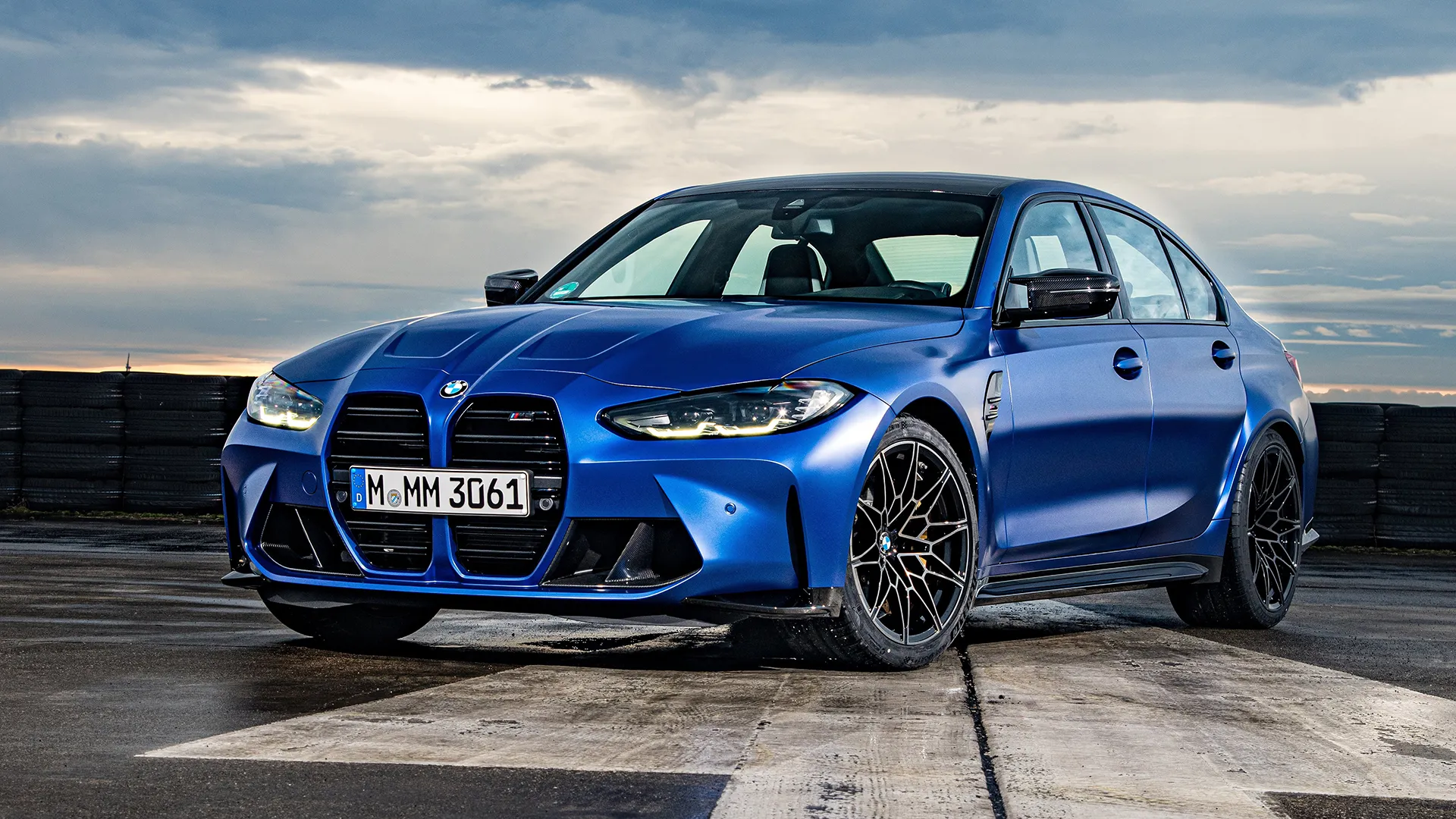
The survivor list splits two ways: enthusiast cars where a manual is the point (Mustang, MX-5, BRZ, WRX, GR Yaris, i30 N, i20 N, BMW M2, M3 and M4, Porsche 911 GT3 and 718 variants), and working vehicles not yet fully converted (HiLux, Land Cruiser 70, Triton, Jimny).
The Ford Mustang is now the only manual V8 on the Australian new car market. That sentence would have been absurd five years ago. The Mustang kept its manual because the manual is the car, in a way no alternative powertrain can replicate.
Several of the remaining manual hot hatches and sports cars, including the GR Yaris, i30 N, and BMW M cars, are also restricted or off-limits for P-plate drivers in most Australian states.
The Hyundai i20 N is currently manual-only in Australia. Reports from Chasing Cars indicate the next generation will move to a hybrid automatic powertrain. The window on the i20 N as a manual hatch may be a single generation long.
Working vehicles are buying time rather than avoiding the trend. The HiLux, Land Cruiser 70 Series, and Triton still offer manuals in work-spec variants. These will face the same compliance pressure in their next-generation updates unless specific engineering solutions are found.
What Buyers Need to Know
The compliance pressure only increases. NVES CO2 targets drop each year. Euro 6d tightens further. If a specific manual car matters to you, the correct time to act was two years ago. The second-best time is now.
The used market for the last manual-equipped models will reflect this as supply dries up. A 2024 GR Yaris manual is not a used car purchase. It is a guaranteed-scarce asset in a class that will not replenish.
The death of the manual is not sentimental. It is regulatory, economic, and mostly done. What’s left is worth knowing about, and worth buying before the last of the survivor list follows the Golf GTI out the door.


