
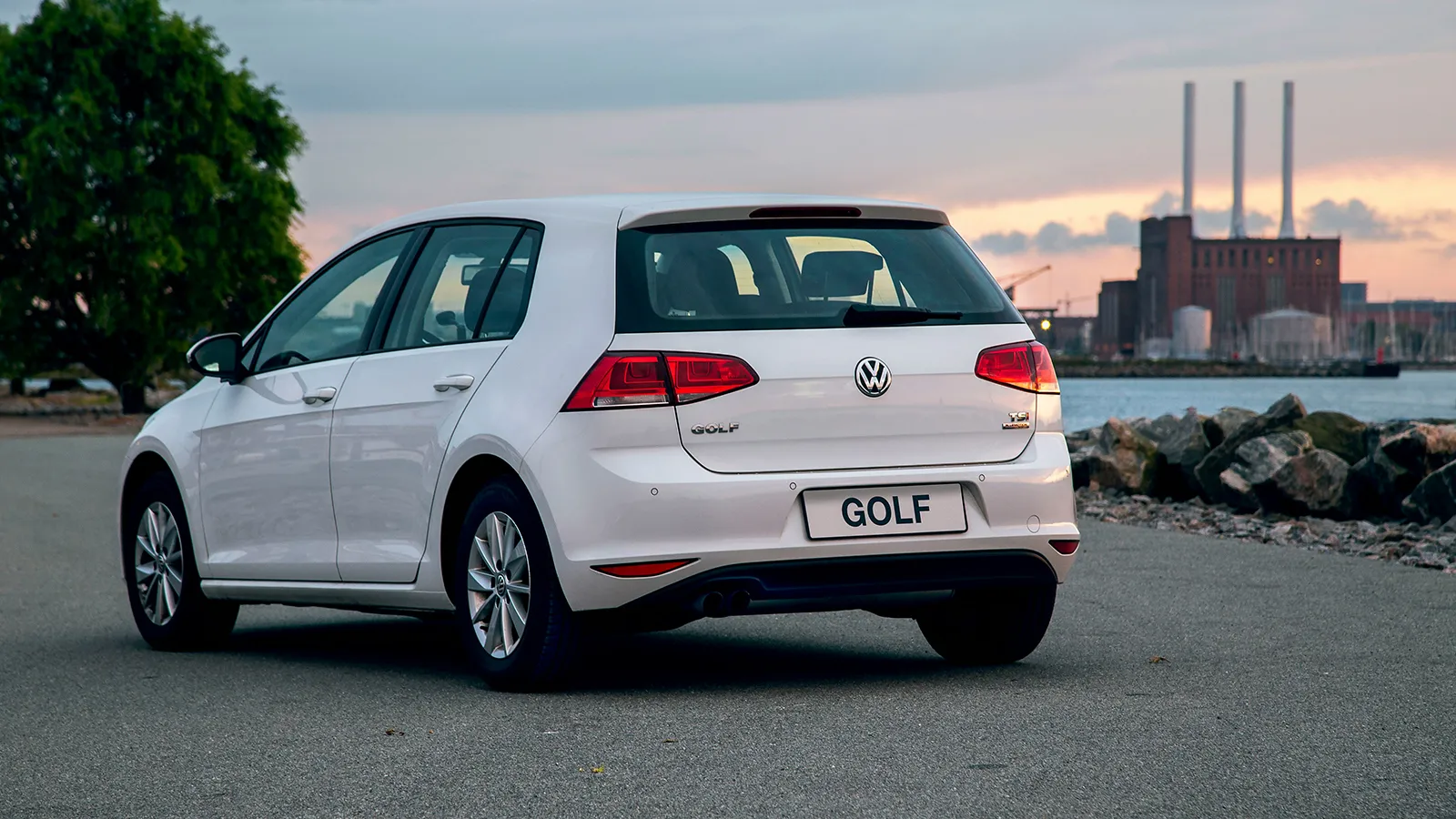

The gearbox everyone warns you about was fitted to a car that is not this one. Sort that out first, because the rest of this guide only makes sense once you stop reading Mk6 forum threads as though they were Mk7 evidence.
First, kill the myth doing the rounds
Volkswagen Group Australia recalled 25,928 cars over the seven-speed DQ200 in June 2013. Check the recall listing and the build range reads 2008 to 2011. The Mk7 did not go on sale here until 2013. The most-quoted evidence against this car predates it.
The fault itself was real and nasty. Conductive deposits built up in the gearbox control unit, blew a fuse, opened the clutch and let the car roll to a stop. It deserved every headline. It also has nothing to do with a 2017 Golf, however confidently a commenter tells you otherwise.
What does matter is a second recall covering 2011 to 2015 builds across Golf, Jetta, Passat, Polo and Caddy, which genuinely overlaps the early Mk7. Run the VIN through the federal register yourself and ask for paperwork proving the work happened, because a verbal assurance from a seller is worth precisely nothing.
Know which gearbox you are buying
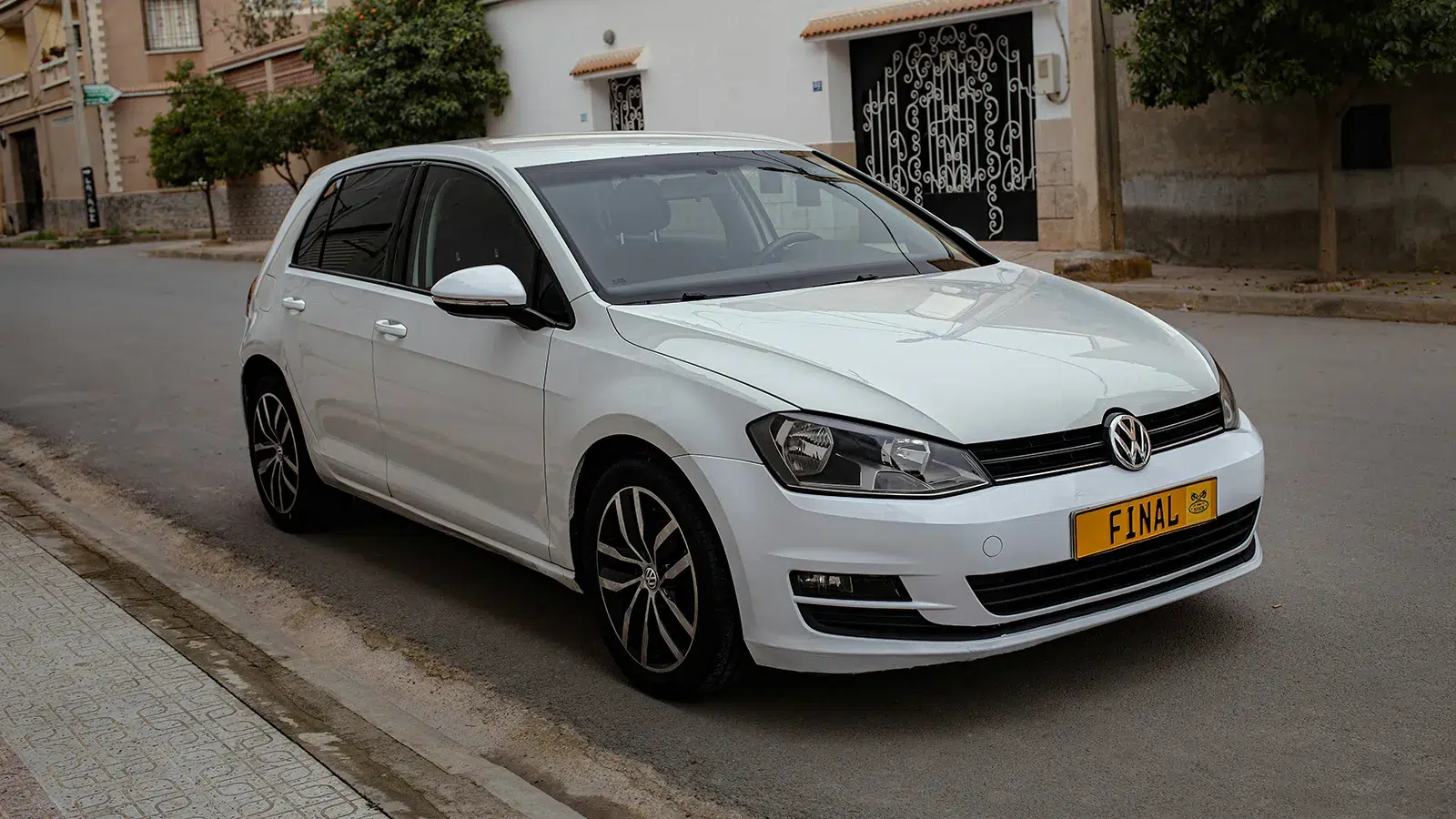
Ask one question before anything else: wet clutch or dry? The 1.4-litre petrol cars run the DQ200 seven-speed dry-clutch unit, which is the one with the reputation. The diesel runs a six-speed. The GTI runs the DQ250 six-speed wet clutch, where an oil bath cools and lubricates the clutch packs. Same badge on the boot, very different ownership risk.
Mk7 Golf Transmission Specs
The badge change that catches people out
Late in 2015 the 90TSI quietly became the 92TSI and the 103TSI became the 110TSI, each gaining a few kilowatts. A car built that year could wear either badge, and sellers routinely advertise the wrong one. Read the compliance plate, not the boot lid, and certainly not the ad. If the dry clutch bothers you, there are two clean ways around it: the manual 92TSI, or the wet-clutch GTI.
If you are on your Ps, read this before shortlisting a GTI
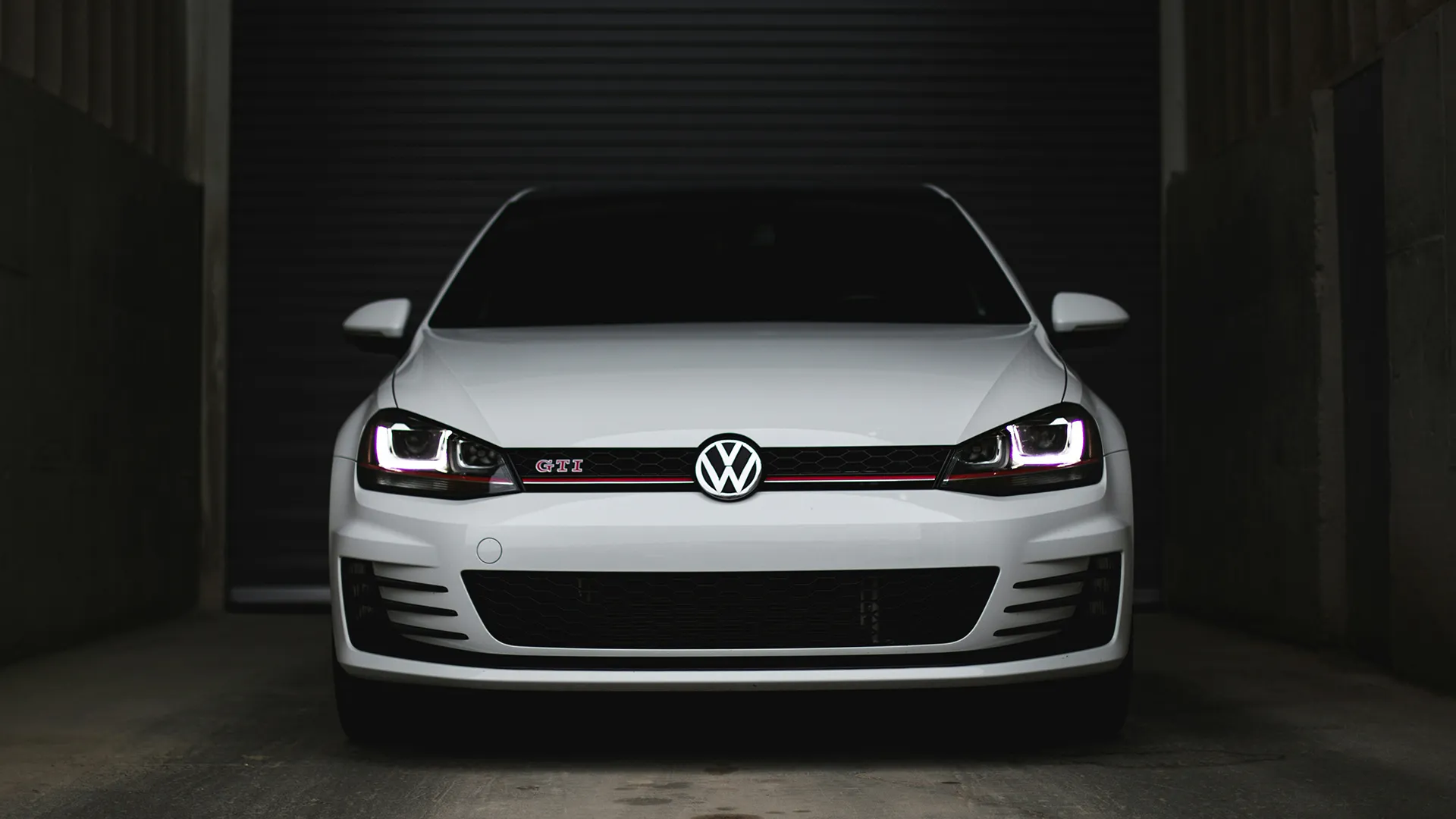
The GTI carries the better gearbox and may also be the car you are not allowed to drive. Most Australian P-plate rules cap provisional drivers at 130kW per tonne, and the Golf GTI sits right on the knife’s edge at roughly 128kW per tonne. Legal on paper, in the states that apply the cap at all.
Whether it applies to you is a postcode lottery. New South Wales and Victoria enforce the cap on every P-plater. Queensland and South Australia apply it only to provisional drivers under 25. Western Australia, Tasmania, the Northern Territory and the ACT impose no power-to-weight restriction, which is how identical cars end up legal on one side of a border and not the other.
Clearing a limit by two kilowatts per tonne is also an open invitation to be pulled over and asked to prove it. If that sounds exhausting, the 92TSI manual makes the question disappear entirely. Before you commit either way, the full account of how these rules push young buyers out of light hatches is worth twenty minutes.
The test drive that tells you everything
Insist on a cold start. A mechatronic unit on the way out will often behave impeccably for five minutes and then misbehave once it warms through, which is exactly why sellers like to have the car idling when you arrive. If the bonnet is warm before you turn up, come back another day.
Australian used-car specialist Cliff Chambers, writing for carsales in May 2021, names three symptoms worth walking away over: shuddering under acceleration, jerking or jolting at car-park speeds, and hesitation between throttle input and response. Any one of them is enough. Drive it in this order, because each step loads the clutch differently:
- Cold pull-away from the kerb. Any shudder here is the clearest early warning you will get.
- Full-lock reverse, then forward, in a car park. Low speed and high steering load is where a slipping dry clutch gives itself up.
- A hill start on a real gradient. Watch for rollback and a delayed bite.
- Twenty minutes of stop-start traffic. Heat is the variable, so give it time to find the fault for you.
Then plug in before you talk money. A VAG-specific tool reads clutch adaptation values and stored transmission faults that a generic reader cannot see, which makes a VCDS or OBDeleven scan more valuable on this car than on almost anything else at the price.
The faults that have nothing to do with the gearbox
The 1.4 TSI’s thermostat and water pump module is plastic, and plastic hardens. Owners usually meet it as a low coolant light or a sweet smell after a drive rather than a roadside failure. Parts are not the problem. Labour is, because the intake has to come off to reach it, which turns a modest component into a real bill.
Chambers also flags a knock from the rear suspension traced to something loose inside the damper tubes, and an idle-stop system that works the starter harder than it should. Neither should end a purchase. Both are worth several hundred dollars off the asking price if you find them.
Early Mk7s fall under the Takata airbag program, and a separate airbag defect affected some 2017 cars. Every Mk7 carried a five-star ANCAP rating when new, though a rating from that era tells you less in 2026 than the listing implies.
What it costs once the keys are yours
Twelve months or 15,000km is the schedule, and CarsGuide rates Volkswagen’s capped-price program among the pricier mainstream offerings. Add 95 RON, because the engine asks for it rather than merely preferring it. None of this is ruinous on its own, but nobody should walk into a Golf expecting Corolla running costs.
Gearbox servicing splits along the same wet-versus-dry line. The wet-clutch units take a scheduled oil and filter change, usually quoted around 60,000km. Volkswagen never specified the same routine fluid service for the dry-clutch DQ200, though plenty of independent specialists change it anyway as cheap insurance.
Be honest with yourself about fuel. Chambers recorded a claimed 5.4L/100km for the 92TSI against 8 to 9L/100km in real-world testing. That is a substantial gap on a student budget, and it belongs in a proper total cost of ownership sum rather than a footnote.
The arithmetic that actually decides it
A 2013 103TSI Highline auto has been listing somewhere between about $7,000 and $14,000. A mechatronic replacement runs into the thousands. At the bottom of that range, one gearbox failure costs more than the entire car, and that asymmetry is the whole reason people are frightened of these things.
It is also why the inspection is not optional. Spending a few hundred dollars to avoid a four-figure surprise is the best-value money in the transaction, and a proper diagnostic check surfaces what a seller hopes you will miss. Take it to an independent Volkswagen specialist rather than a generalist workshop, because they will know what these adaptation values should read.
The encouraging half: the depreciation has already happened to somebody else. A Mk7 at these prices has taken its hit, and the market is pricing a risk that a careful buyer can largely inspect their way out of. That is not a bad position to be shopping from.
The shortlist, in order
Buy a 2017-or-later Mk7.5 110TSI with unbroken service history if the money reaches. It sits furthest from the problem years, carries the later transmission specification, and the facelift improved the standard equipment. Everything below that is a compromise you should make deliberately rather than accidentally.
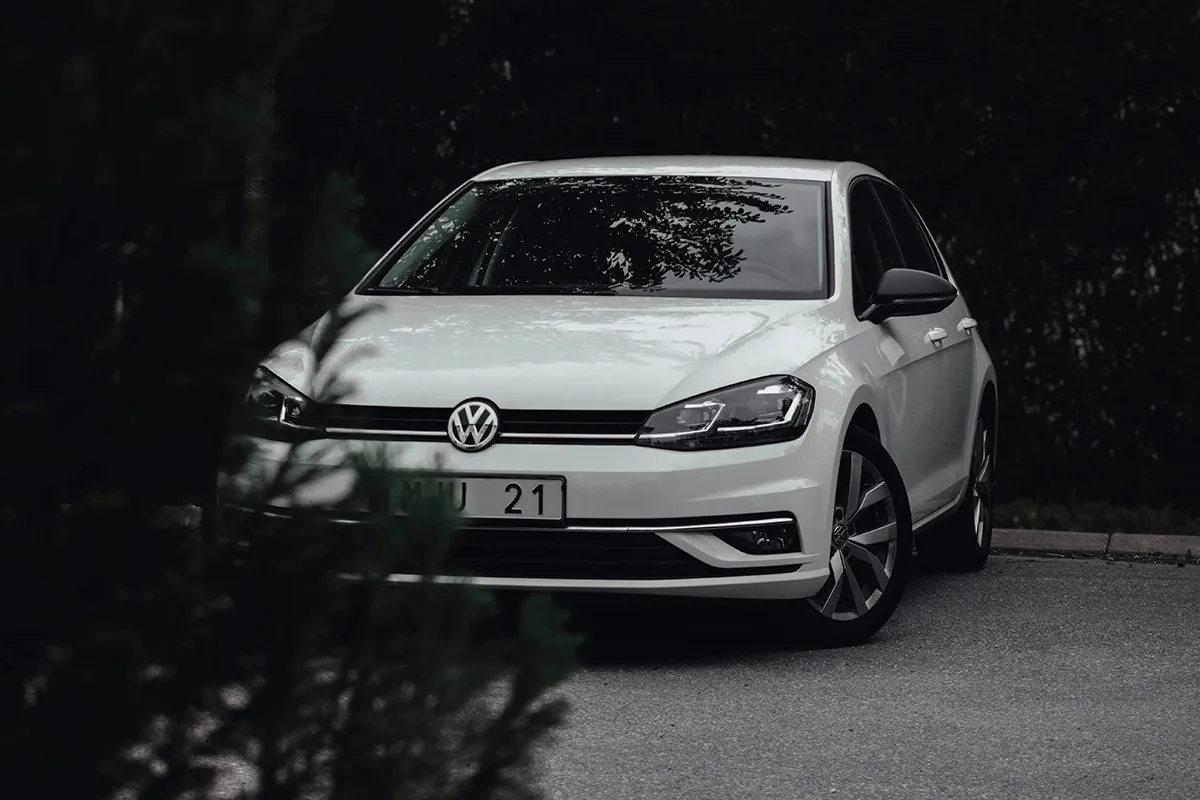
- Mk7.5 110TSI, 2017 on. Full history, VIN checked against the register. The default answer.
- 92TSI manual. No dual clutch, no mechatronic, nothing to argue about. The cheapest way to sleep at night.
- GTI with the DQ250. The good automatic, licence conditions permitting.
- 2016 103TSI or 110TSI. Past the worst years, still worth a thorough scan.
The car not to buy is a 2013 to 2015 dry-clutch example with patchy history, chosen because it is the cheapest Golf on the site. It is cheap for a reason and the reason costs more than the discount. On that budget, a duller used hatch will cost less across three years of ownership.
None of this makes the Mk7 a bad car. It remains one of the better small cars Australia has been sold. It simply asks for twenty minutes of homework that a Corolla never will, and the buyers who skip that homework are the ones writing the forum posts.


