

Australians bought 26,287 electric cars in September and 26,018 petrol cars. The margin was just 269, but the direction is clear. A year ago petrol outsold electric by more than three to one, and almost every buyer petrol lost went straight to an EV.
The figures combine the FCAI’s VFACTS data with Tesla and Polestar sales reported through the Electric Vehicle Council: 108,778 new vehicles, up 1.8 per cent. On the FCAI’s VFACTS-only count, the market rose 0.9 per cent to 102,924.
Who Switched From Petrol to Electric?
Petrol buyers, mostly. Petrol sales fell 36.2 per cent year on year, roughly 14,800 fewer cars, while battery-electric sales rose 117.7 per cent, roughly 14,200 more. Plug-in hybrids more than doubled too. It was the second month running that EVs outsold both petrol and diesel.
Sources: FCAI VFACTS and EV Council data via CarExpert (September 2026 units and year-on-year changes). September 2025 figures are our calculations, back-worked from the published changes, so treat them as approximate. Heavy commercial vehicles excluded.
Diesel is falling more slowly, down 18.4 per cent. The Ford Ranger was still the country’s best-seller on 5,062, up 4.0 per cent. But light commercial sales overall fell 13.2 per cent and the HiLux dropped 11.7 per cent, so the ute isn’t immune either.
Which Cars Topped the September Sales Chart?
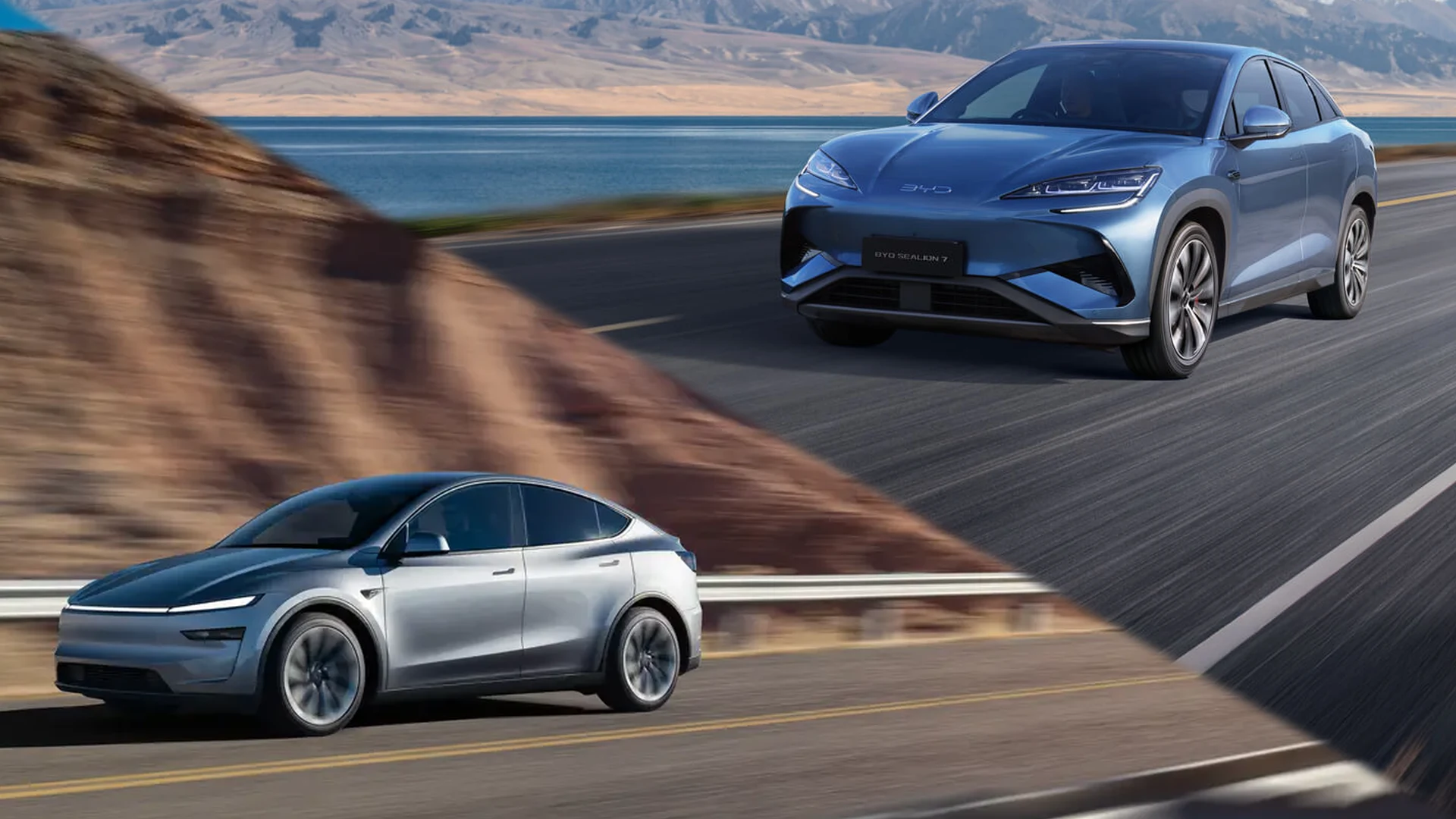
The Ranger led from the Toyota RAV4, up 81.0 per cent, and the Tesla Model Y, which edged the HiLux by 21 units. Three of the top 10 were fully electric: the Model Y, BYD Sealion 7 and Geely EX5, whose sales rose 619.7 per cent on a year ago.
- Ford Ranger: 5,062
- Toyota RAV4: 4,624
- Tesla Model Y: 4,476
- Toyota HiLux: 4,455
- BYD Sealion 7: 2,687
- Chery Tiggo 4 Pro: 2,059
- GWM Haval Jolion: 2,018
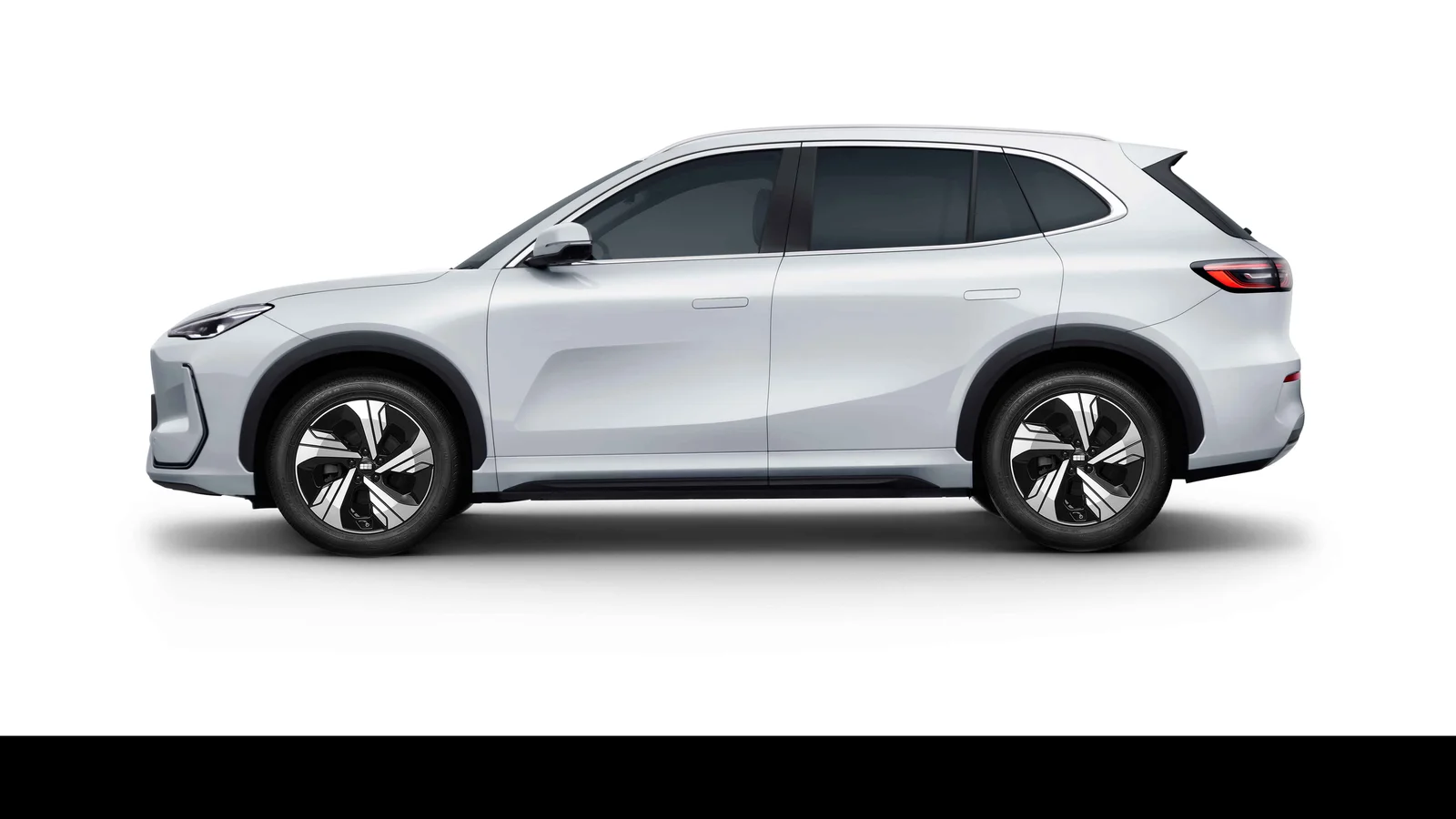
- Geely EX5: 2,008
- Toyota Prado: 2,006
- Isuzu D-Max: 1,866
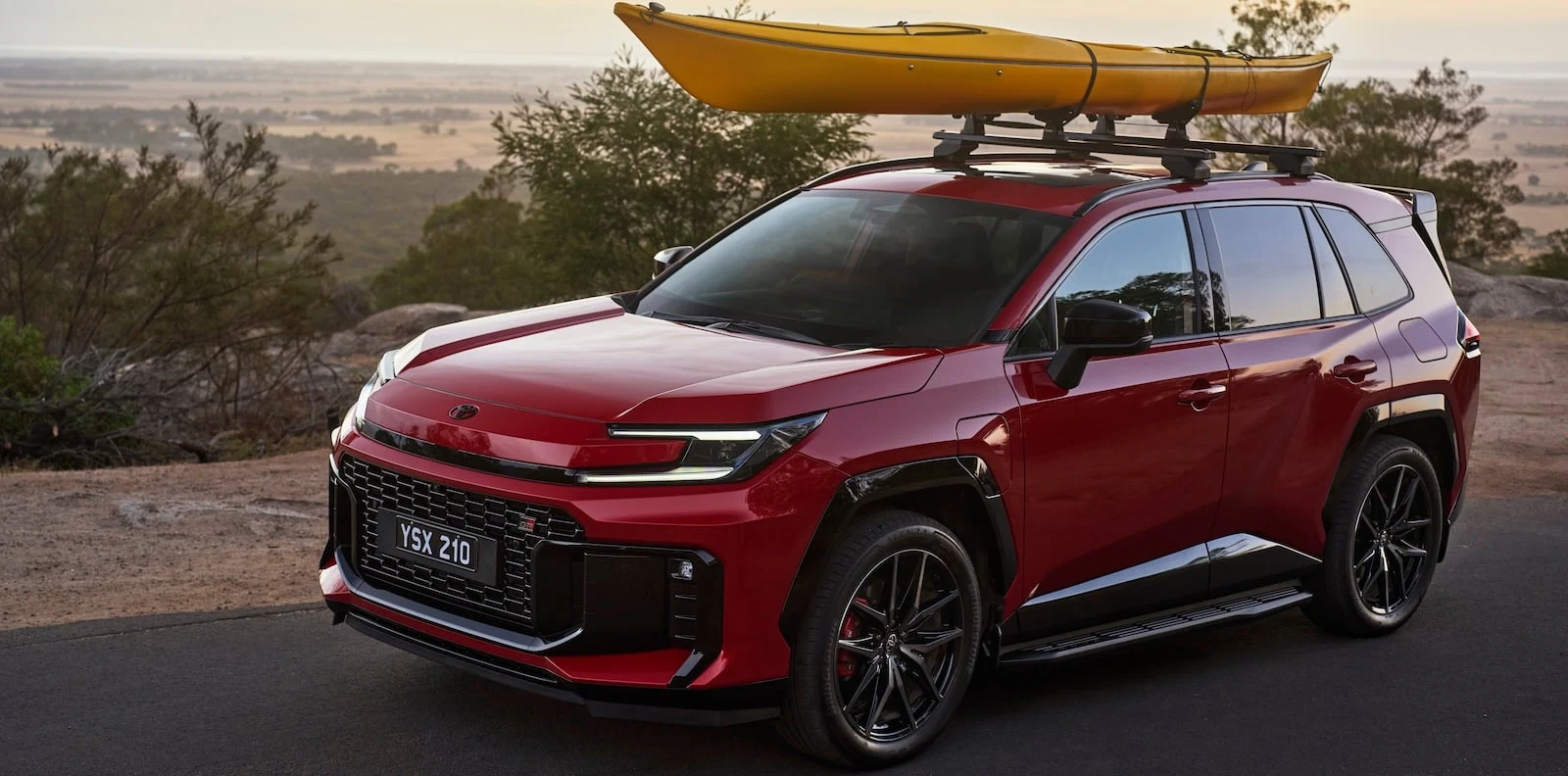
Tesla’s six-seat Model Y L made up 1,764 of those Model Ys, carsales reported. The RAV4’s jump is the hybrid story in one car: the new model is hybrid-only, and hybrids overall rose 20.7 per cent to 17,843.
Why Are Buyers Switching Now?
Price, fuel and the tax clock. Sub-$40,000 EVs such as the Geely EX2 and BYD Atto 1 are on sale, fuel prices remain high, and novated-lease buyers face the announced FBT changes from 1 April 2027, when EVs above $75,000 lose full exemption.
The FCAI’s acting chief executive, Dianne O’Hara, framed it as choice rather than revolution. “Many consumers are making practical decisions and selecting from the range of available technologies that best meet their needs,” she said in the industry body’s September release.
There’s a catch in the data. Of September’s 26,287 EVs, 5,854 were Teslas and Polestars that sit outside VFACTS. On the FCAI’s official numbers alone, the EV share drops to about 19.9 per cent, and the Model Y vanishes from the published top 10.
Tesla has already sold 41,705 cars this year, more than its full-year 2025 total of 28,856, carsales reported. BYD holds second place year to date on 76,614, while leader Toyota’s share has slipped from 19.9 to 16.7 per cent, as we flagged when BYD first took second place.
Origin has shifted too. More than a third of September’s new vehicles, 35.5 per cent, came from China, ahead of Japan on 22.5 per cent and Thailand on 17.3 per cent, according to the FCAI’s data.
What It Means If You’re Buying
More choice and sharper deals, at least until April. BYD sold 8,191 vehicles in September and is offering $4,000 cashback on much of its range until 21 December. Year to date, battery EVs hold 18.9 per cent of the market, against 8.3 per cent for all of 2025.
If a novated lease is in your plans, do the sums before April 2027. Cross-shopping the two best-selling EVs? The Model Y vs Sealion 7 comparison covers range, charging and price, and the EV depreciation guide covers resale. Petrol isn’t finished. It’s just no longer the default.


