
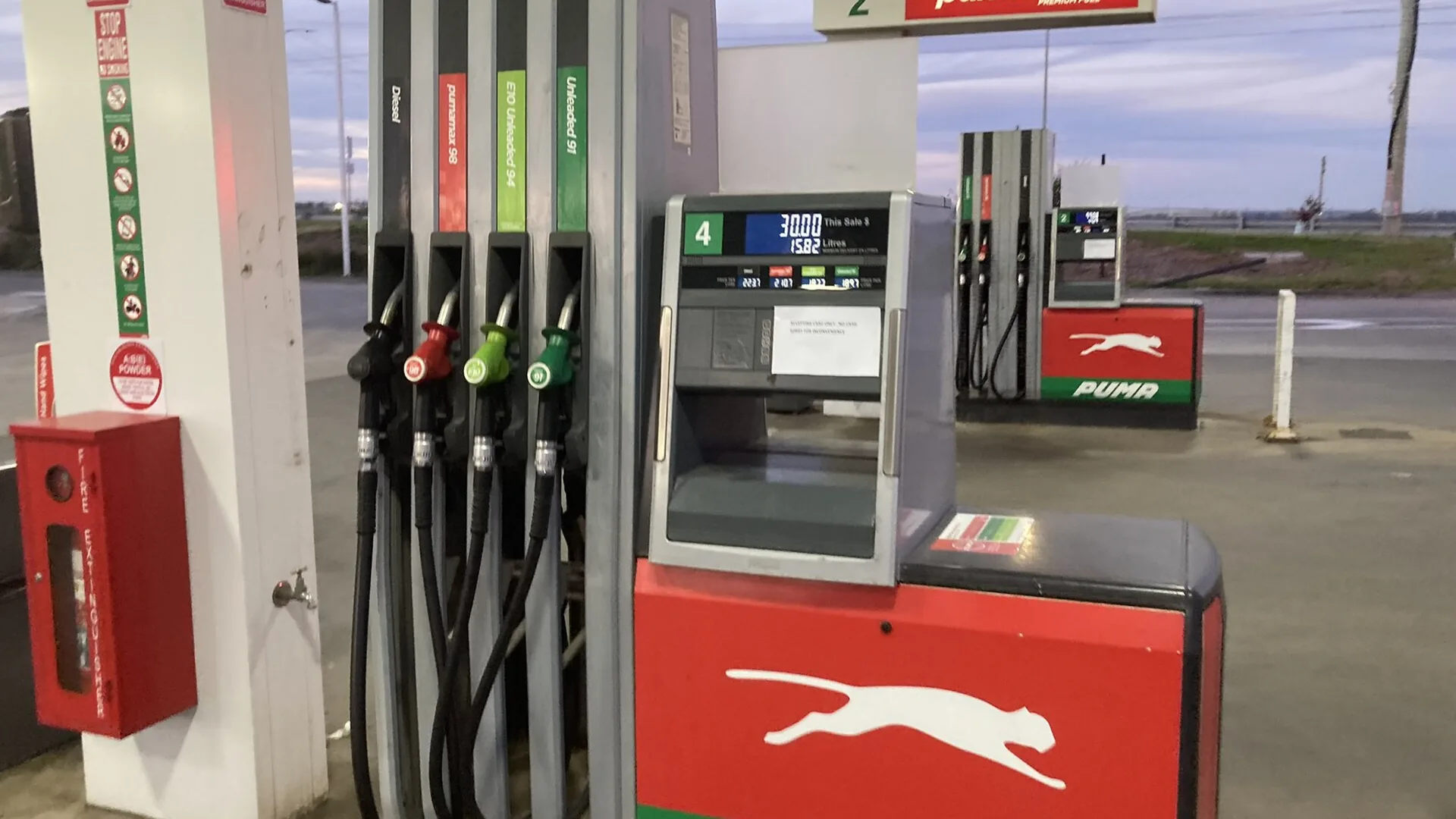

Check the fuel flap before you pay for premium. If it says 91, a tank of 98 buys you nothing you'll measure. If it says 95 minimum and you fill with 91 to save a few dollars, the engine's knock sensor quietly retards the ignition timing, and you pay in power and economy instead. Here's how to tell which car you've got, and what each grade costs over a year.
What do 91, 95 and 98 actually mean?
The number is the research octane number, or RON: a measure of how well petrol resists igniting too early in the cylinder. Higher octane resists knock, or pinging, better. It isn't more energy or more cleaning power. As the NSW Government puts it, if your car can take regular unleaded or E10, there's no reason to use premium.
| Grade | Legal minimum | Price vs 91 | Who needs it |
|---|---|---|---|
| Unleaded 91 | 91.0 RON, 81.0 MON | Baseline | Most petrol cars, including Mazda CX-5 and Corolla Hybrid |
| E10 (sold as 94) | Meets the 91 grade; up to 10% ethanol, must be labelled | A few cents cheaper | E10-compatible cars only. About 3% more fuel used |
| Premium 95 | 95.0 RON, 85.0 MON | About 16c more | Many turbo and European cars, the 2026 RAV4, Golf GTI, WRX |
| Premium 98 | No separate grade in the standard | About 25c more | Golf R, GR Corolla; recommended for some BMWs |
Sources: Fuel Quality Standards (Petrol) Determination 2024, compilation of October 2026; NSW Government E10 facts; FuelWatch WA same-site price gaps, 23 October 2026.
One detail most people don't know: the national standard sets octane minimums for only two grades, 91 and 95. There's no separate 98 grade in it. Fuel sold as 98 must meet the 95 grade's rules, and the number on the sign is the retailer's claim, covered by the Australian Consumer Law like any other.
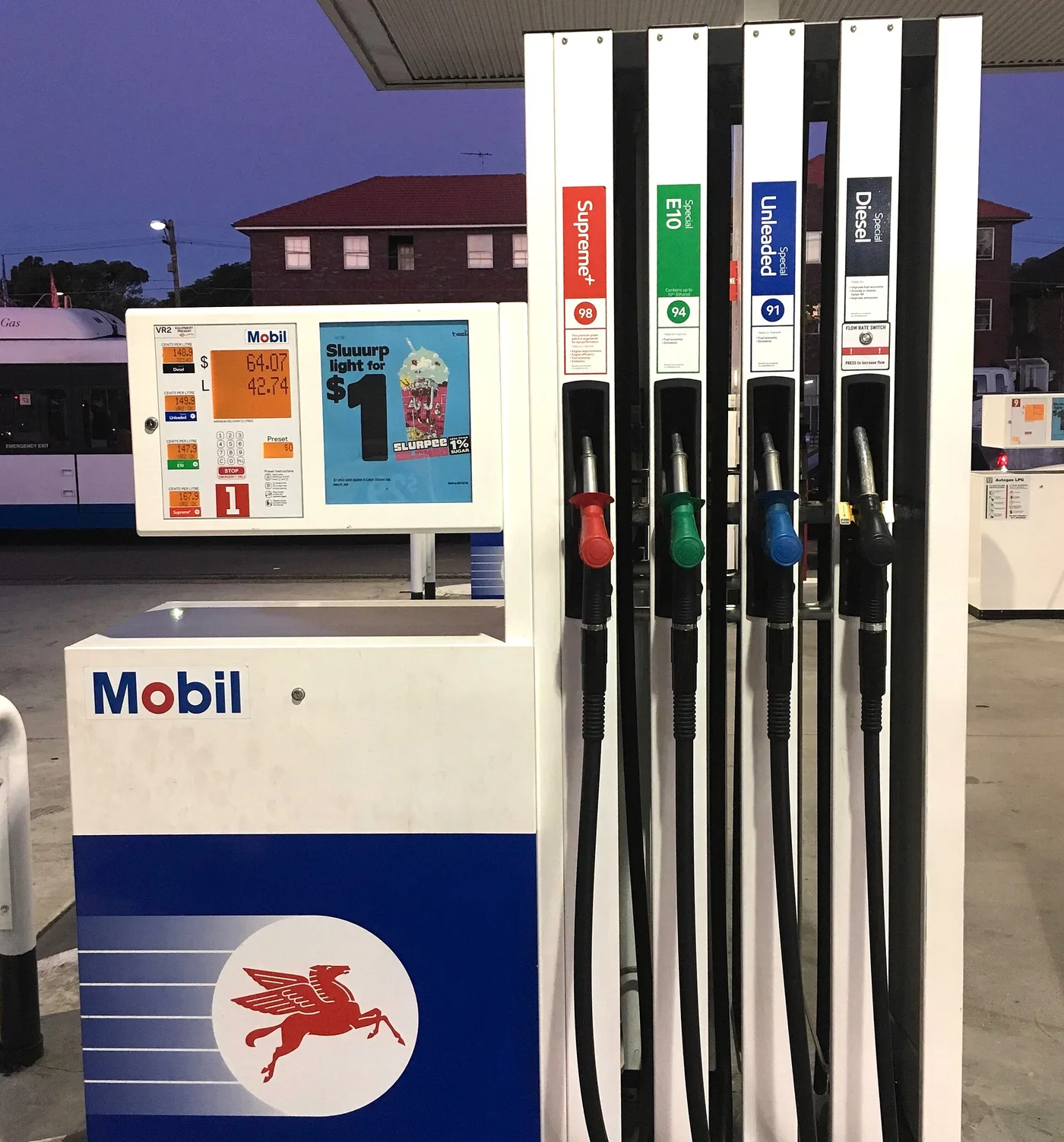
The ACCC does chase fuel signage. In February 2026 Mobil was ordered to pay $16 million in penalties after admitting nine Queensland sites had advertised its additive-enhanced Synergy fuel when they weren't selling it. ACCC deputy chair Mick Keogh made the point that drivers have no way of checking what's in the tank except the retailer's signage.
Check the fuel flap, then the owner's manual
Your car tells you what it needs, usually on a sticker inside the fuel flap and always in the owner's manual. Read the wording carefully. A minimum is the lowest grade the engine is designed to run on. A recommended grade is what the maker suggests for best performance. Plenty of cars list the same number for both.
| Car | Minimum | Recommended | Note |
|---|---|---|---|
| Mazda CX-5 (2.0, 2.5) | 91 | 91 | Premium is wasted |
| Toyota Corolla Hybrid | 91 | 91 | Premium is wasted |
| Toyota RAV4 (2026) | 95 | 95 | Previous RAV4 took 91, Chasing Cars notes |
| Toyota Camry (2025) | 95 | 95 | Now premium across the range |
| VW Golf GTI, Subaru WRX, Ford Ranger Raptor | 95 | 95 | Don't drop to 91 |
| BMW 3 Series 2.0-litre | 91 | 95 | The only real "choice" case here |
| BMW M340i and M3 | 95 | 98 | Minimum 95, best on 98 |
| VW Golf R, Toyota GR Corolla | 98 | 98 | Pay for 98 |
Sources: CarExpert specification data for 2025 and 2026 models (minimum octane and fuel type); Chasing Cars and NRMA for the 2026 RAV4. Always check your own car's manual or fuel flap.
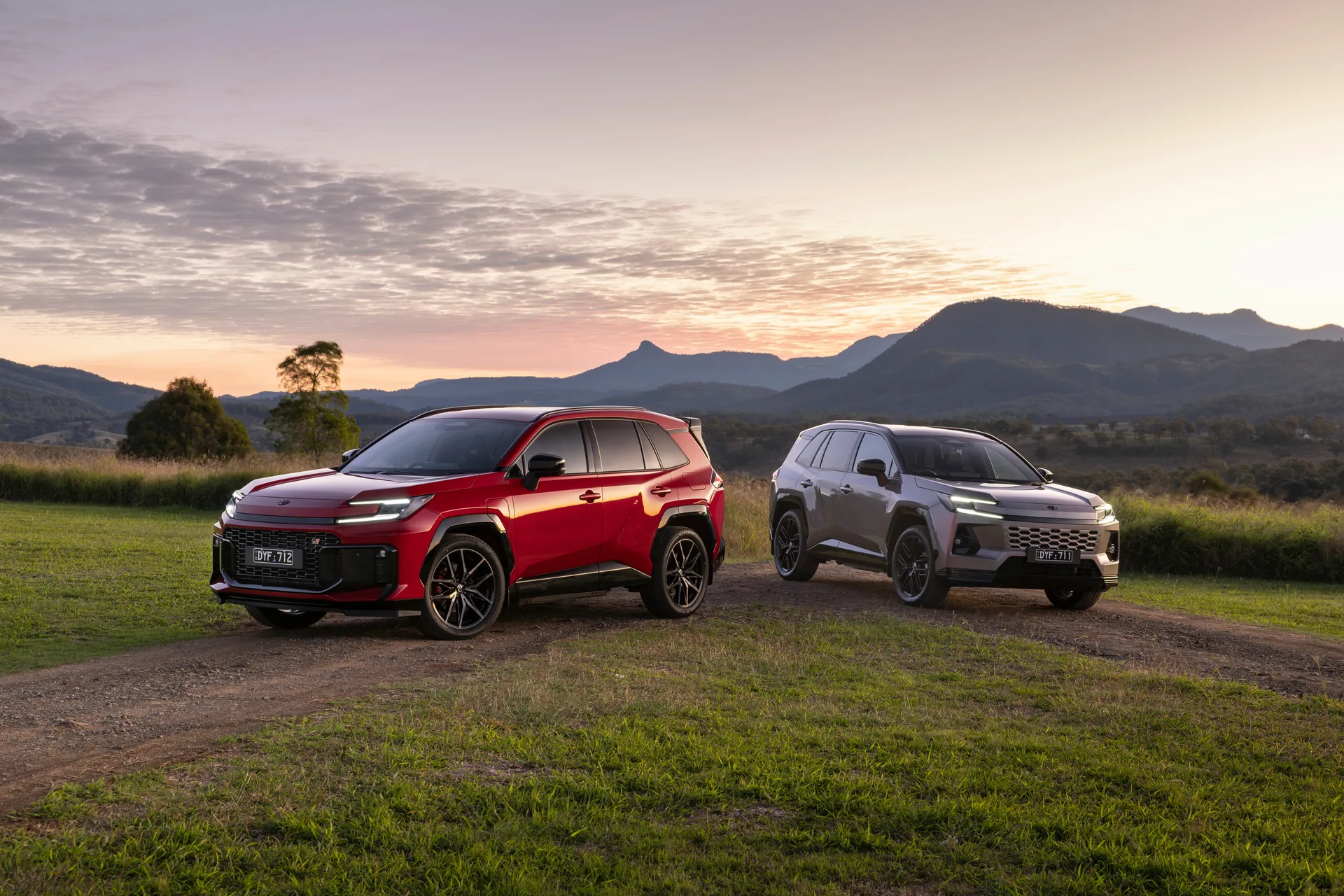
The 2026 RAV4 is the trap. The previous generation ran happily on 91, but Chasing Cars and NRMA both note the new one needs 95 minimum. If you've traded up, change your habit at the bowser too. Our M340i vs M3 comparison shows where 98 starts to matter.
What happens if you put 91 in a car that needs 95?
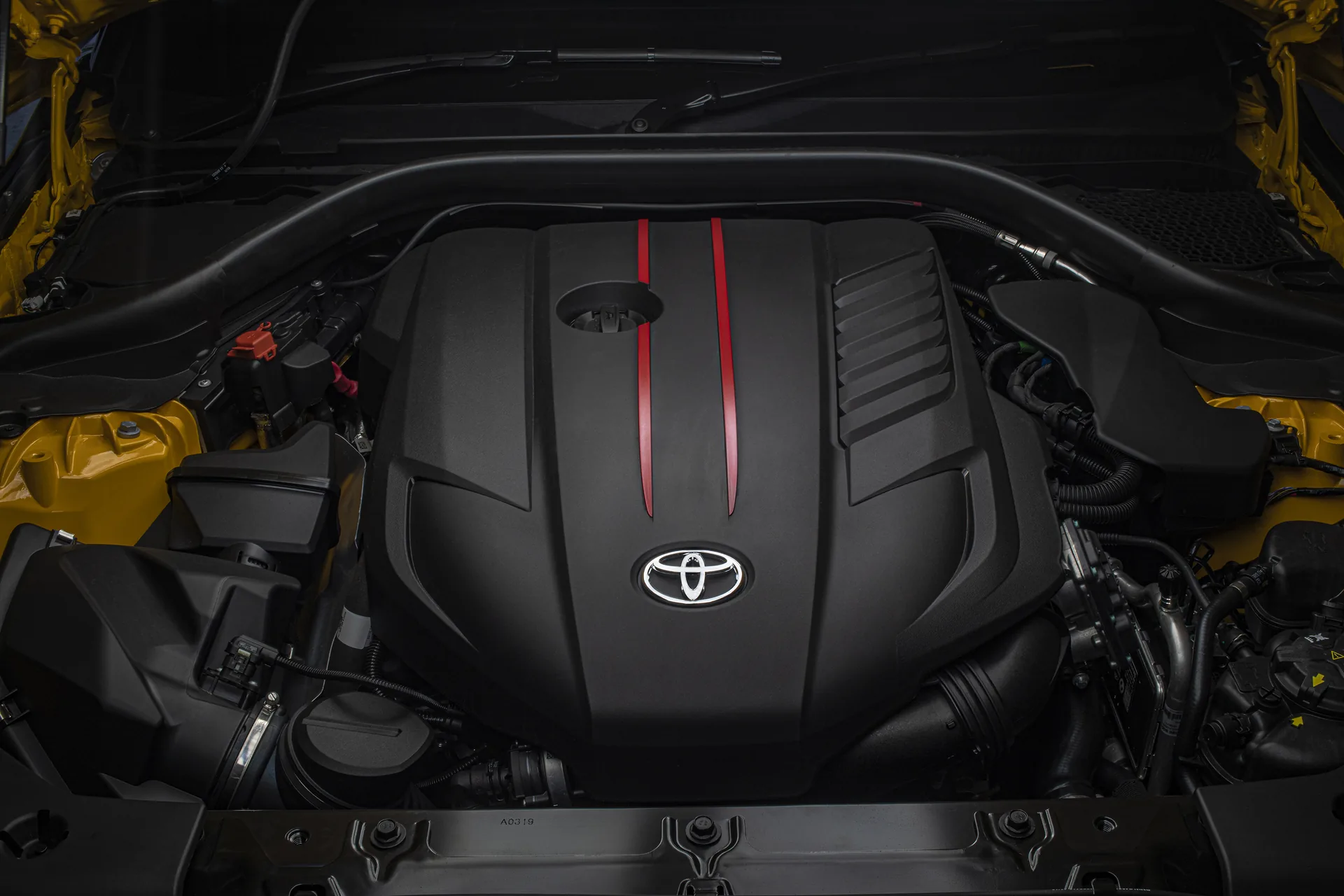
Usually nothing dramatic, at first. Modern engines have knock sensors that hear the early detonation lower octane causes and retard the ignition timing to protect the engine. RACV says that protection usually comes at the cost of performance and fuel economy. RAC WA warns that going below the specified grade can damage the engine and void your warranty.
So the 16 cents you save on each litre gets partly spent again, on extra fuel and lost power you never asked for. Do it once in an emergency, at a servo that only has 91, and the engine should cope. Make it a habit in a turbo car built for 95, and you're running it outside what it was designed for.
Is 98 worth it in a car that only needs 91?
No. RACV says owners of cars that recommend 91 are generally wasting their money on premium. RACQ adds that only engines sophisticated enough to adjust their maps can benefit, and even then the gains are unlikely to cover the extra cost. A 2016 AAA dyno test in the US found no benefit from premium in cars designed for regular.
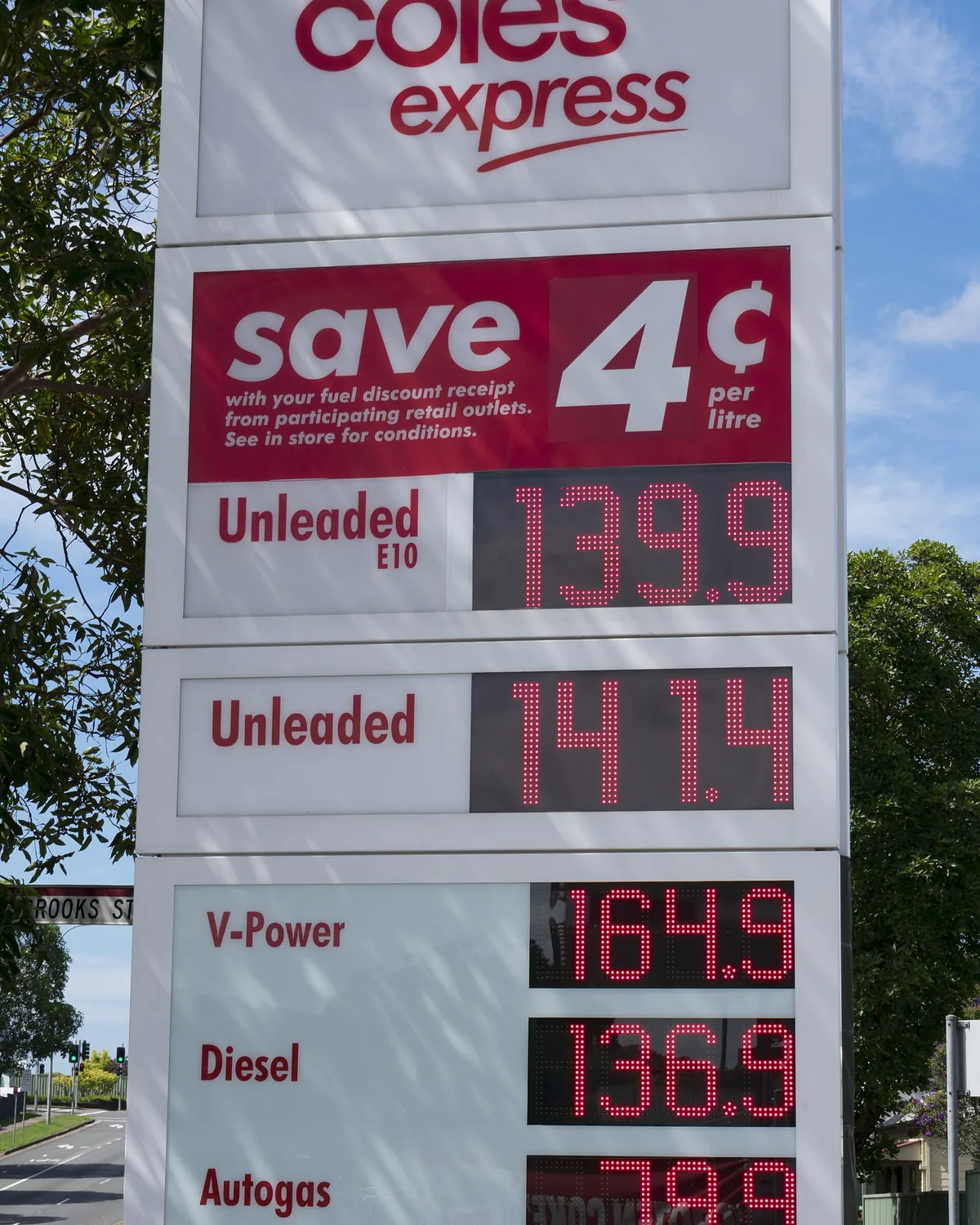
Even where an engine can use higher octane, the sums are tight. NRMA motoring expert Jack Haley told NRMA in 2018 that 95 might give around 4 per cent lower fuel use than 91, if the engine adjusts to it. At today's prices, 95 would need to save about 7 per cent just to break even.
| Fuel use | 95 RON (+16.2c/L) | 98 RON (+25.1c/L) |
|---|---|---|
| 6L/100kmSmall hatch or hybrid, 720L a year | $117extra for 95 | $181extra for 98 |
| 8L/100kmMid-size SUV, 960L a year | $156extra for 95 | $241extra for 98 |
| 10L/100kmLarge SUV or performance car, 1,200L a year | $194extra for 95 | $301extra for 98 |
is what 95 would need to deliver to pay for itself over 91. NRMA's expert estimate is about 4%, and only in an engine that adjusts to it.
is what 98 would need to deliver over 91. In a car built for 91, RACV says you're unlikely to see any measurable benefit.
Our calculation. Price gaps are the average difference at the same Perth service station on 23 October 2026, from FuelWatch WA data (91 averaged 229.6c a litre). The ACCC's December quarter 2025 report showed similar gaps in the five biggest cities. Fuel-use figures are illustrative.
Real-world economy varies far more than that with how and where you drive, as our real-world fuel economy analysis shows. Your right foot is a much bigger lever than the bowser you pick, and smooth driving and correct tyre pressures cost nothing.
Does premium fuel clean your engine?
Don't buy it for that. Octane measures knock resistance, not cleaning ability, as NRMA points out, and the national fuel standard sets no detergent requirement. RAC WA says it has seen no independent research backing fuel companies' engine-cleaning claims. NRMA adds that a detergent that cleared carbon in two tanks would have to be harsh.
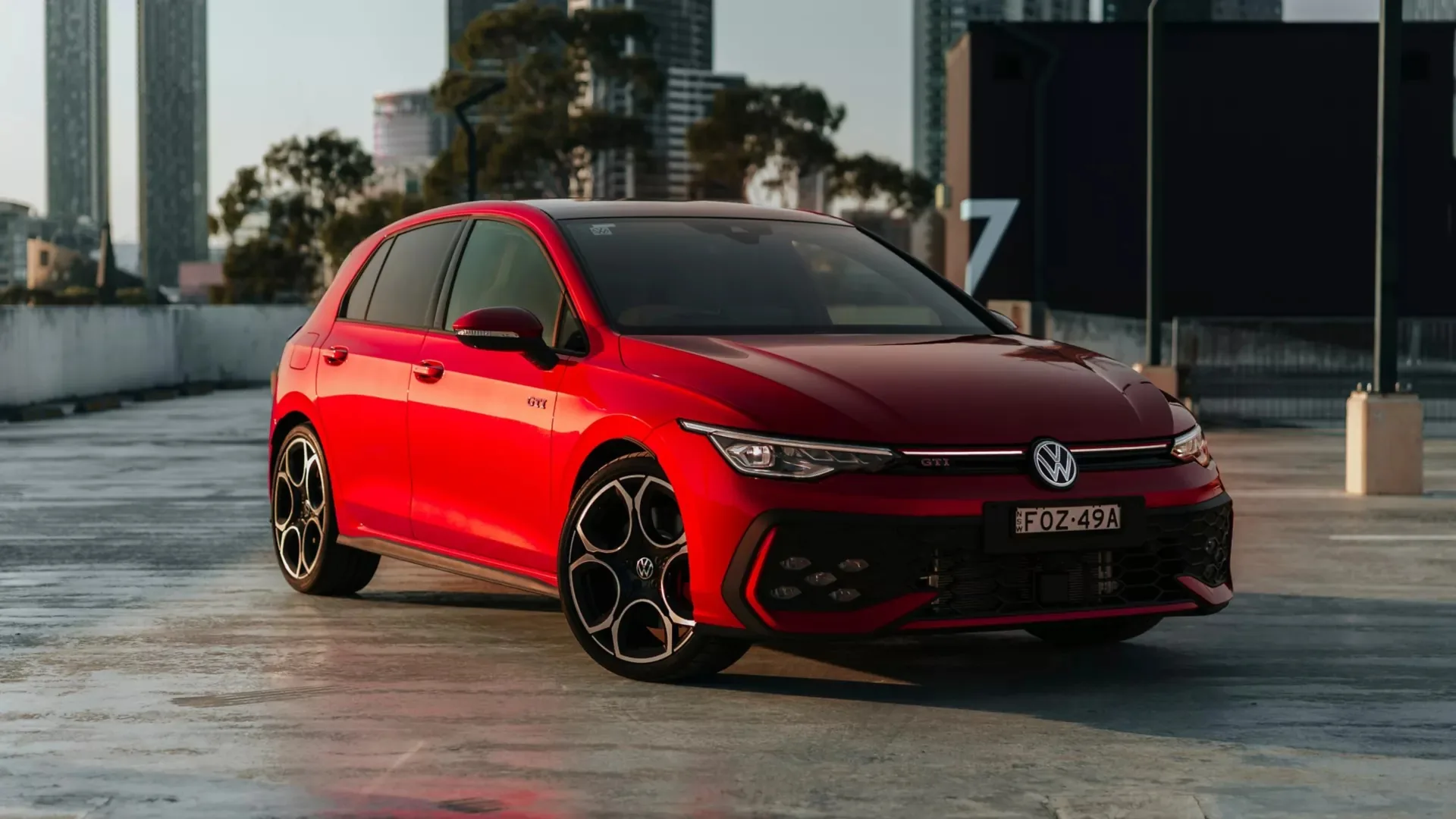
Octane does matter in a modified car, because a tune is written for a specific fuel. Stick to the grade your tuner specifies, and see our Golf GTI and R buying and tuning guide before you go down that road. A tune mapped for 98 and fed 95 leans on the knock sensor all day.
Is E10 cheaper than 91?
At the pump, yes, slightly. Per kilometre, often not. The NSW Government says E10 has around 3 per cent less energy than 91, which can mean about 3 per cent higher fuel use. RACV says E10 therefore needs to be at least 3 per cent cheaper to be better value. At 242c a litre, 3 per cent is about 7 cents.
The ACCC's December quarter 2025 report found E10 only about 3.3c cheaper than regular in Sydney, Melbourne and Brisbane. Unless your local servo discounts it by more than about 7c, 91 is the better buy for your wallet. E10 does carry an octane rating of 94, so it's no worse for knock than 91.
Check compatibility before you switch. The NSW Government says high-performance cars, many pre-1986 cars and carburetted engines shouldn't use E10, and its E10 compatibility checker covers petrol cars built after 2000 where the maker has supplied information. Diesel drivers can skip all of this: see our petrol vs diesel guide instead.
What changed in Australia's petrol in 2025 and 2026
Since 15 December 2025, 95-grade petrol has been capped at 35 per cent aromatics, down from 45, to suit Euro 6 engines. A 10ppm sulfur limit started the same day, but the Middle East supply crisis forced a temporary relaxation. The current determination allows 40mg/kg until 30 June 2027, with 10mg/kg from 1 July 2027.
The government's September 2026 explanatory statement says testing during the relaxation found average national sulfur levels stayed below 10mg/kg, with one region slightly above. It expects the change to provide up to 80 million litres a month of extra petrol between November 2026 and February 2027. None of this changes which octane your car needs.
So which petrol should you buy?
- Fuel flap says 91: buy 91, or E10 if it's compatible and at least 7c cheaper. Premium is wasted money.
- Fuel flap says 95 minimum: buy 95. Dropping to 91 costs you power and economy, and risks your warranty.
- Manual recommends 98 but allows 95: 95 is fine day to day; 98 gets you the performance the maker quotes.
- Car needs 98, or is tuned for it: buy 98, every time.
- Don't pay extra for premium's cleaning claims. There's no independent evidence they work.
The right octane is the one printed on your fuel flap. Anything higher is a donation to the servo.


