
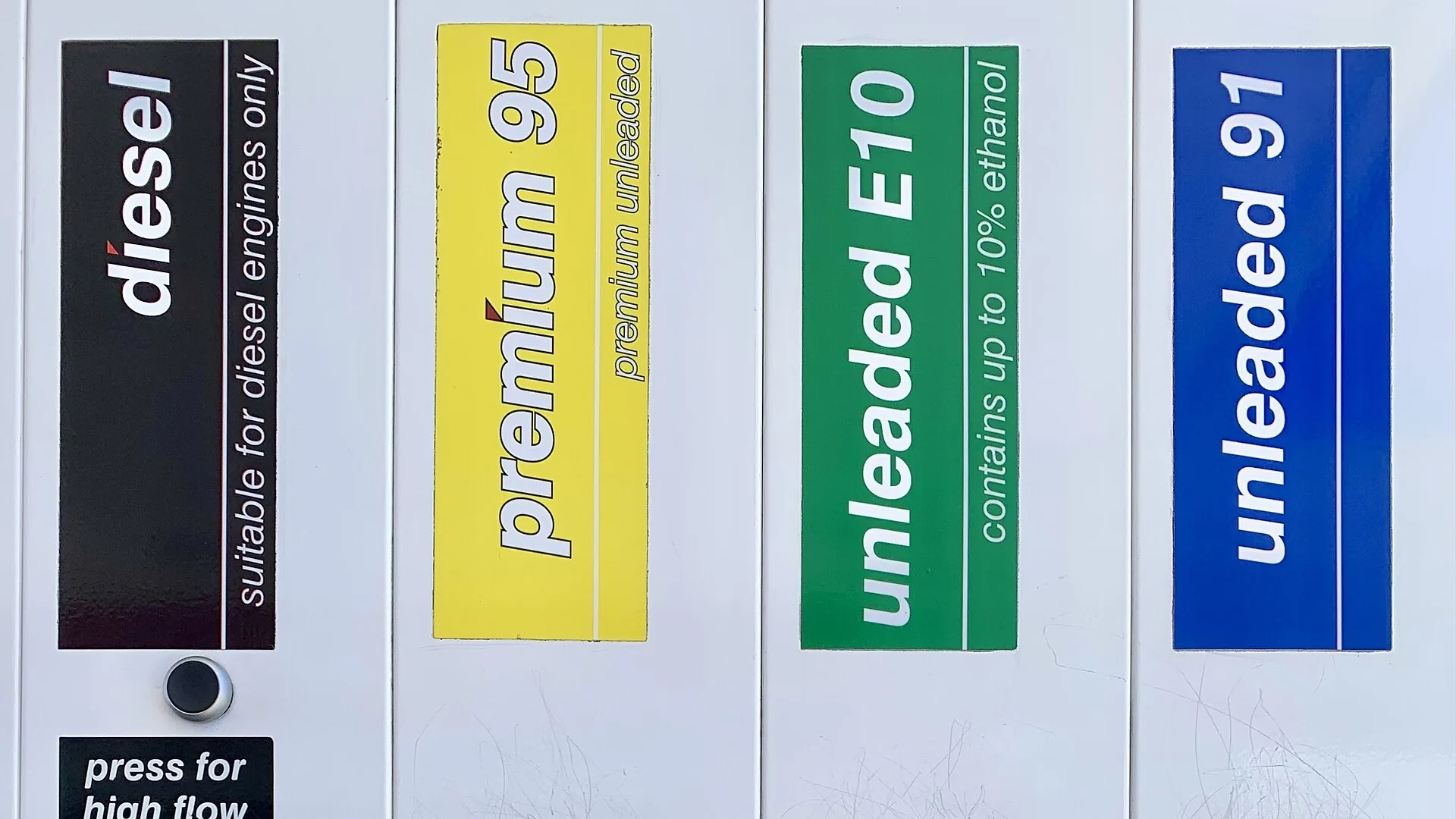

Diesel used to be the sensible, frugal pick. In October 2026 it costs 38.6c a litre more than unleaded, and on most popular SUVs and utes the petrol-or-diesel choice no longer exists. Diesel still wins for heavy towing and long country runs. For a family doing 12,000km a year around the suburbs, though, a particulate filter that never gets hot enough to clean itself can turn the efficient engine into the expensive one.
Is diesel cheaper than petrol in 2026?
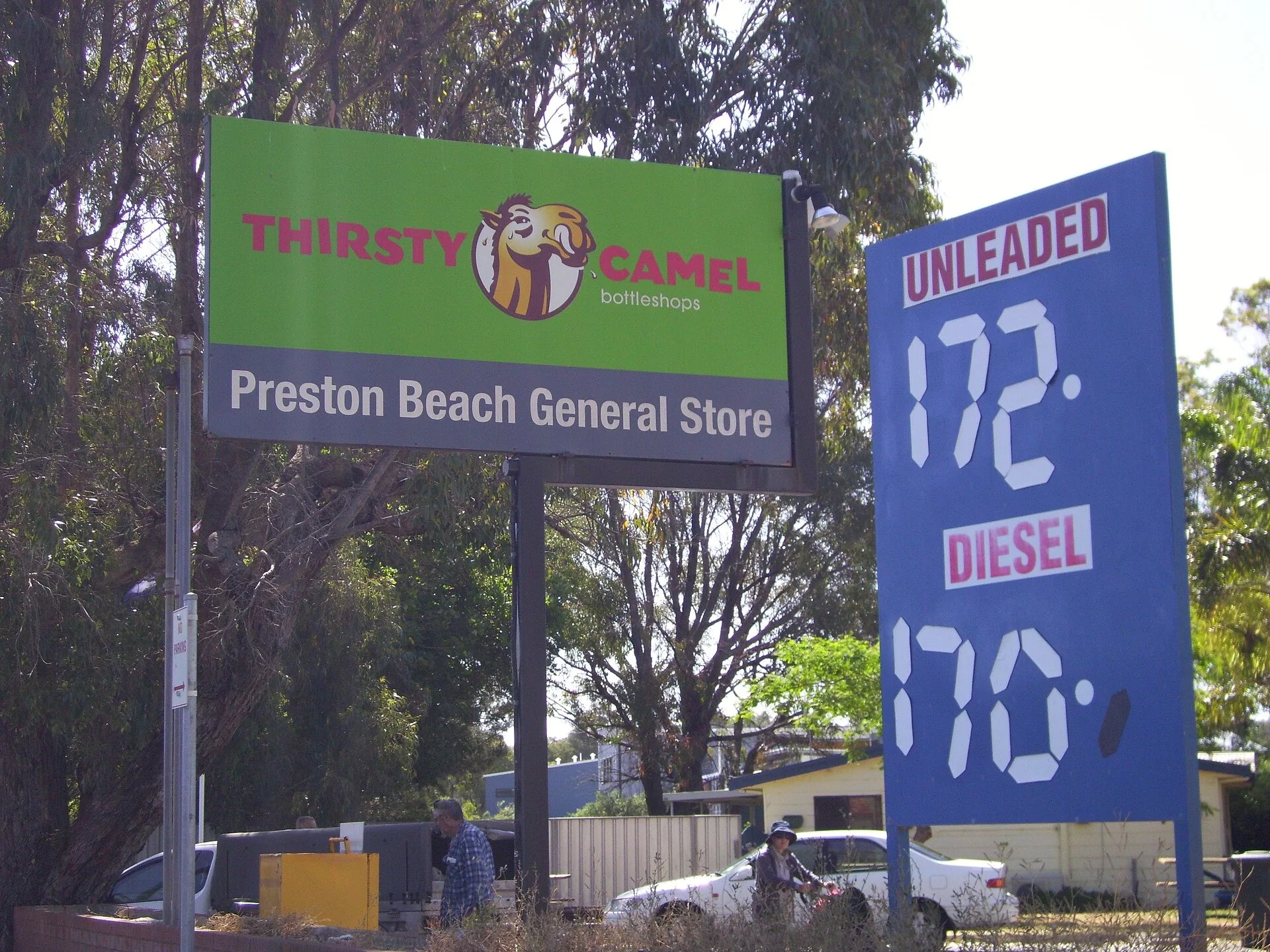
No, and it hasn't been for years. In the week to 18 October 2026, regular unleaded averaged 242.1c a litre nationally and diesel 280.7c, according to the Australian Institute of Petroleum's weekly petrol and diesel reports. That's a 38.6c gap. AIP's annual figures show diesel dearer than unleaded in every calendar year since at least 2022.
What changed this year is the size of the gap. It averaged about 6c across 2025 and was around 9c in late February. Then the US-Iran war hit supply, Canberra cut fuel excise from April, and full excise returned on 3 August. By the week ending 20 September, diesel sat 46.3c above unleaded. A month later it had eased, but only a little.
Regular unleaded (ULP 91)Diesel
Source: Australian Institute of Petroleum annual retail price data and weekly reports for the weeks ending 22 February, 20 September and 18 October 2026 (petrol, diesel). Bars start at zero; chart is our analysis.
Why diesel never gets the cheap day
Unleaded prices in the big cities run in a weekly sawtooth, so a savvy driver can fill up near the bottom of the cycle. Diesel doesn't. The AIP says that's because only 25 per cent of diesel is sold through retail outlets, so there's no discount cycle to game. You pay roughly the going rate whatever day you fill up, and an app won't save you much.
The petrol-or-diesel choice has mostly gone
Before you weigh one engine against the other, check you still can. On many of Australia's best-selling utes and large SUVs, one option has been dropped, often blamed on the New Vehicle Efficiency Standard (NVES) that started in 2025. NVES bans no fuel type, but it sets falling CO2 targets for each brand's new-car fleet. Here's where things stand in October 2026:
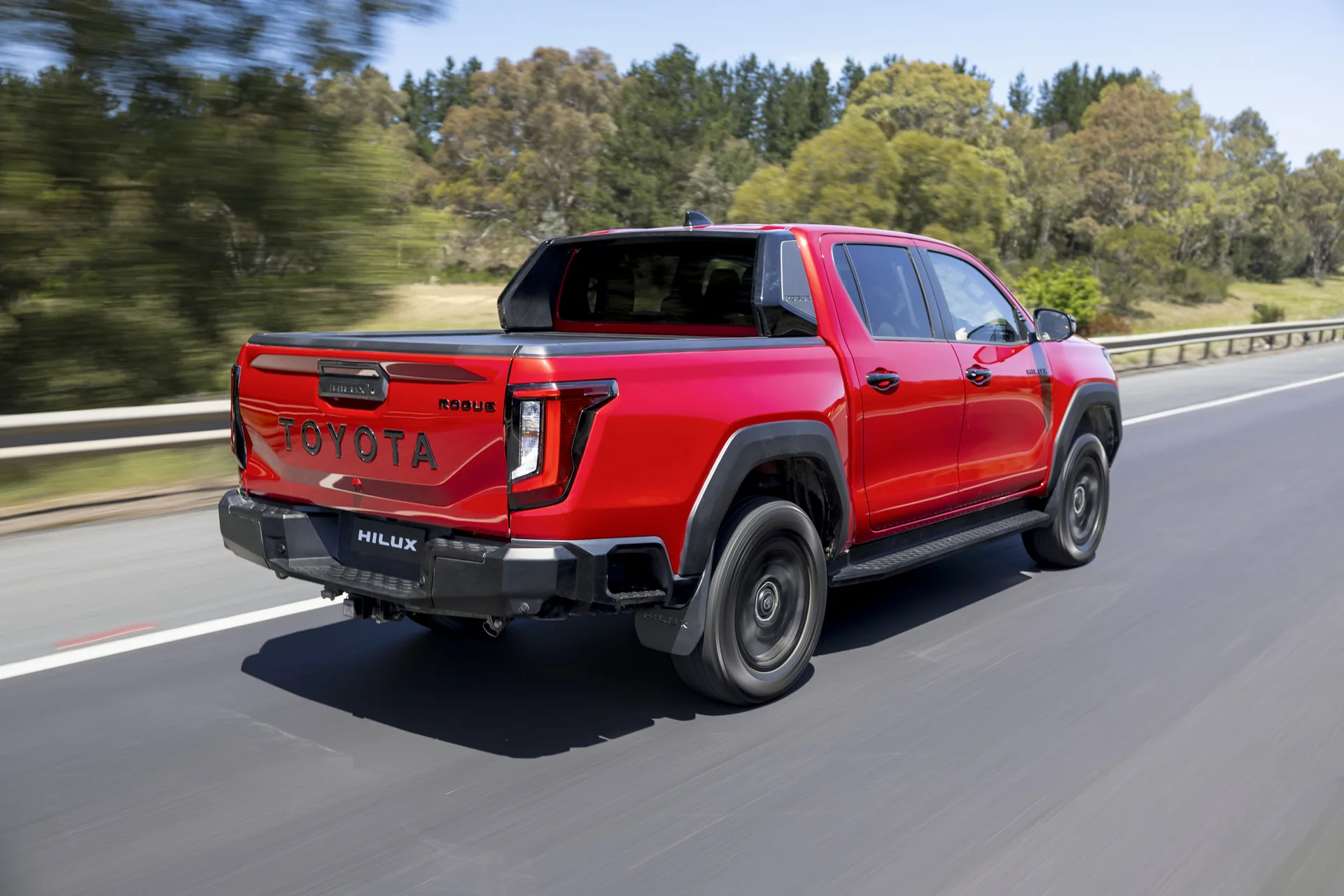
- Toyota HiLux: the new generation dropped the 2.7-litre petrol. It's diesel or battery-electric.
- Toyota Prado and Ford Everest: diesel only.
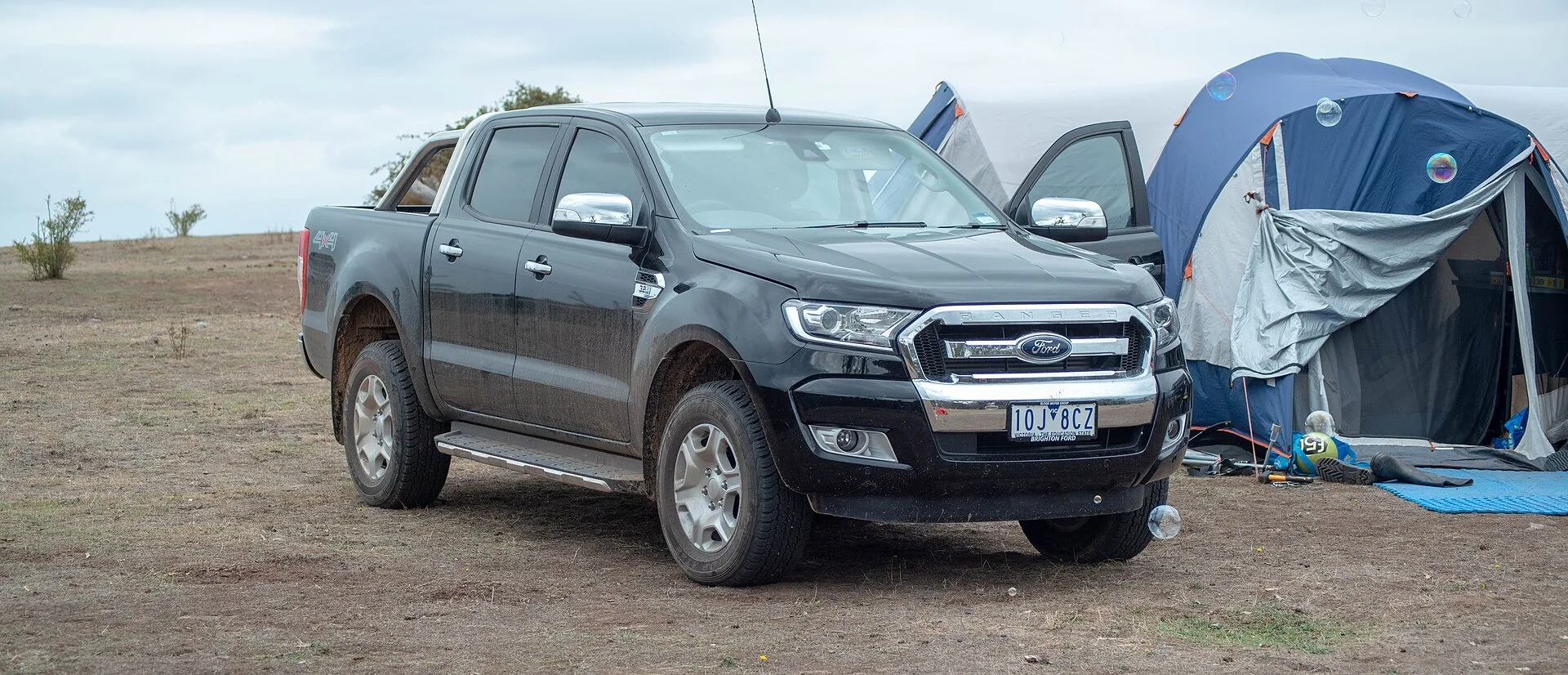
- Ford Ranger: diesel, unless you buy the Raptor's petrol V6 from $90,690 or the plug-in hybrid.
- Kia Sorento and Carnival: the V6 petrol is gone, which Kia put down to NVES. Diesel or hybrid only.
- Kia Sportage: both petrol engines dropped for MY27, leaving diesel and hybrid.
- Hyundai Tucson: diesel dropped in 2024. The Santa Fe is petrol and hybrid only.
Kia says the Sportage cull was about what buyers want, not emissions rules, so don't pin everything on NVES. The effect is the same, though. On most mainstream SUVs, the real 2026 decision is diesel against hybrid, and we've run those numbers further down. Prices quoted throughout are before on-road costs.
Mazda CX-60: the last straight fight
Mazda's six-cylinder SUVs are the rare exception, and the CX-60 is the cleanest test there is. The Evolve AWD costs $56,640 as either the G40e petrol or the D50e diesel, after Mazda priced its petrol and diesel sixes the same in 2026 and dropped a $2,000 diesel premium. Both are 3.3-litre turbo sixes with mild-hybrid help.
| G40e petrol | D50e diesel | |
|---|---|---|
| Price (before on-roads) | $56,640 | $56,640 |
| Power and torque | 209kW / 450Nm | 187kW / 550Nm |
| Combined fuel (ADR) | 7.4L/100km | 5.0L/100km |
| Fuel | Unleaded 91 (E10 OK) | Diesel |
| Braked towing | 2,500kg | 2,000kg |
| Seven-year capped servicing | $4,677 | $5,021 |
| Service interval | 12 months / 15,000km | 12 months / 15,000km |
Sources: Mazda Australia website and September 2025 brochure (fuel, towing, fuel grade); CarExpert and cars24 (pricing and capped servicing, August 2026).
On paper the diesel uses about a third less fuel, and even at today's prices that's worth real money. The surprise is towing. The petrol is rated to tow 500kg more, so if you're pulling a 2.3-tonne van, the old 'diesel for towing' rule is wrong in this car. Lab figures flatter both engines, and our real-world fuel economy analysis explains why.
Where's the break-even point?
On the CX-60, almost straight away. At 18 October prices, the diesel saves about $3.88 every 100km. Its capped servicing costs about $49 a year more over seven years, so it's in front after roughly 1,300km a year. At 15,000km, our sums put it about $533 a year ahead. The catch is a cost no fuel calculator can see.
10,000km a year
G40e petrol fuel $1,792D50e diesel fuel $1,404Extra diesel servicing $49Diesel ahead by $33915,000km a year
G40e petrol fuel $2,687D50e diesel fuel $2,105Extra diesel servicing $49Diesel ahead by $53325,000km a year
G40e petrol fuel $4,479D50e diesel fuel $3,509Extra diesel servicing $49Diesel ahead by $921a year for the diesel to cover its dearer servicing, now the two cost the same to buy
a year needed under Mazda's old $2,000 diesel premium, to win it back in five years
of the 15,000km saving swallowed by one $2,249 aftermarket DPF for a HiLux, part only
Our calculation. ADR combined fuel figures (7.4 and 5.0L/100km) from Mazda Australia; AIP national averages for the week to 18 October 2026 (unleaded 242.1c, diesel 280.7c); seven-year capped servicing of $4,677 petrol and $5,021 diesel. DPF price from Supercheap Auto, 21 October 2026, for 2.8-litre Toyota models, not the Mazda. Real-world fuel use will be higher, and AdBlue is not included.
Price parity is doing most of the work. Under Mazda's old $2,000 diesel premium, you'd have needed about 11,600km a year to win it back within five years, and a suburban family doing 12,000km would only just have scraped over the line. That's why the old advice to buy diesel if you do big kilometres was never as simple as it sounded.
Now weigh that saving against one bad particulate filter. Supercheap Auto lists a Redback aftermarket DPF for 2.8-litre HiLux, Prado and Fortuner models at $2,249, part only. That's a different engine from the Mazda, but it shows the scale: about four years of the CX-60 diesel's fuel saving at 15,000km, gone in a single repair.
Why short trips are a diesel's worst enemy
A diesel particulate filter traps soot and burns it off when it's hot enough. RACQ says that happens during sustained highway driving, or in an active regeneration that typically needs five to 25 minutes at around 80km/h. School runs, 10-minute commutes and stop-start traffic rarely get there, so the filter loads up instead of cleaning itself.
Keep ignoring it and the car may drop into limp mode. RACQ says the fix can then be a dealer-forced regeneration, which may also mean an oil and filter change, and that a replacement DPF can be very expensive. Its conclusion is blunt: if short, slow trips are your normal pattern, a DPF-equipped vehicle may not be the best choice.

This isn't a theoretical worry. Toyota Australia has agreed to a $750 million settlement of two class actions over faulty DPFs in HiLux, Prado and Fortuner models acquired between October 2015 and April 2020, covering 264,170 vehicles. It still needs Federal Court approval. CarExpert reports the defect caused white smoke, higher fuel use and repeated unscheduled inspections.
What a blocked DPF can cost
More than most owners expect, and dealers don't publish the numbers. Beyond that $2,249 aftermarket filter, injectors are the other big-ticket diesel item. One workshop quotes from $1,950 for a set of four on the older 1KD-engined HiLux, before fitting and coding. Petrol engines have big bills too, so check whether your shortlist runs a timing belt or chain.
The prevention is cheap. If your week is mostly short hops, give a diesel a 20 to 30-minute highway run every so often, follow the owner's manual on regeneration, and never drive on with the DPF warning light on. Plenty of owners do this without thinking. If you know you won't, that's your answer.

AdBlue: the extra fluid more diesels will need
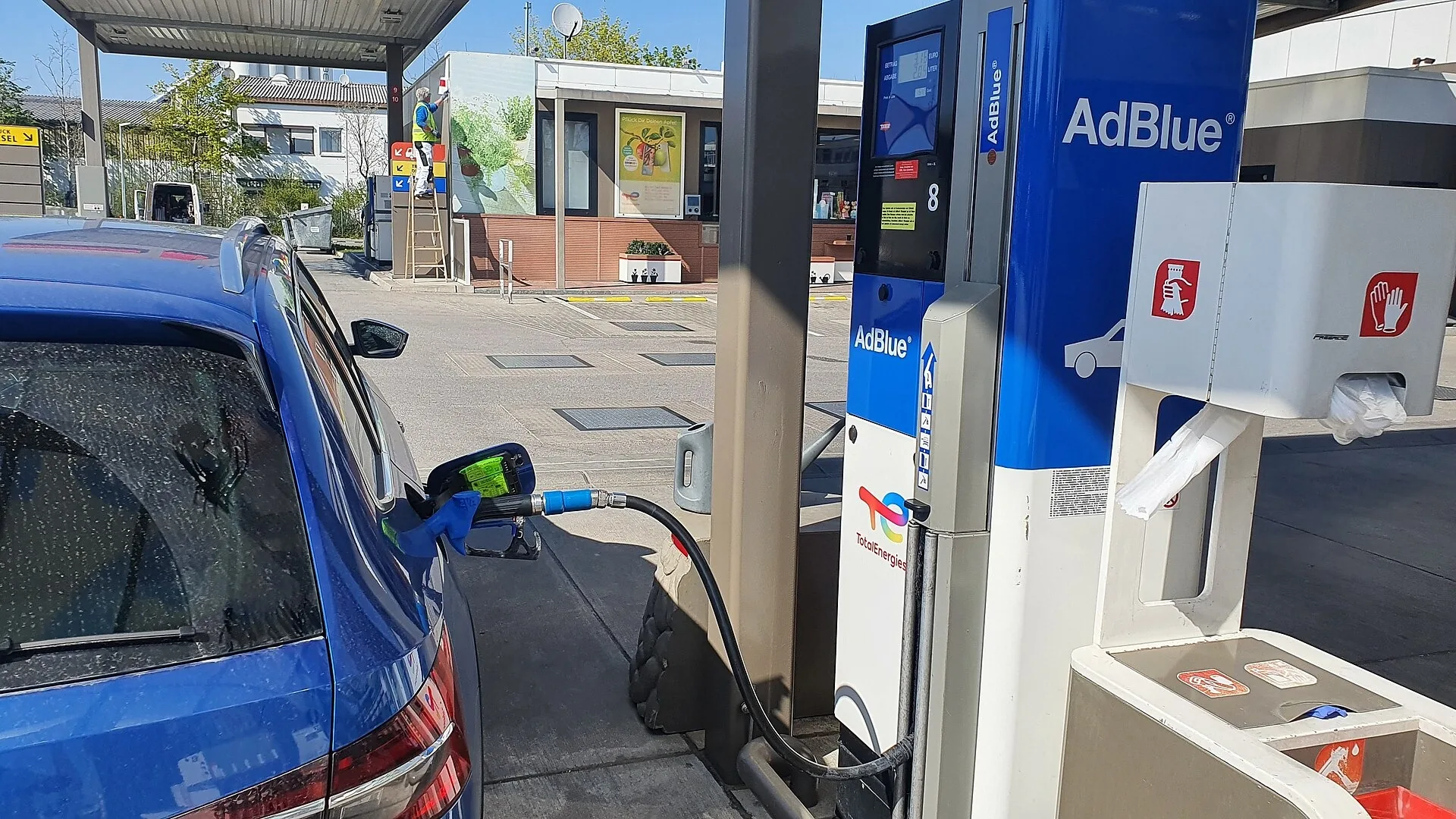
AdBlue is a urea solution that many modern diesels inject into the exhaust to cut nitrogen oxide emissions. WhichCar puts typical use at about a litre every 1,000km. At Supercheap's $69.99 for 10 litres of Penrite AdBlue, that's roughly $105 a year at 15,000km. Not a deal-breaker, but it belongs in the sums.
Not every diesel needs it yet. Mazda's brochure lists the CX-60 as Euro 5, and none of the Mazda or Kia Australian specification sheets we checked mention AdBlue. Expect that to change. Tougher Euro 6d emissions rules apply to new models first supplied from 1 December 2025 and to existing models by 1 July 2028, and the federal government expects them to add $450 to $1,000 to each vehicle's supply cost.
Diesel or hybrid? The question you're really asking
For most suburban SUV buyers, this is the choice that's left. Kia sells the Sorento, Carnival and Sportage as diesels or petrol-electric hybrids, and in all three the hybrid wins on fuel. Whether it wins overall depends on its price premium and what you tow. Here's how long each hybrid takes to pay back its premium at 15,000km a year and today's pump prices.
| Model | Price: diesel / hybrid | Fuel, L/100km | Braked towing | Hybrid fuel saving | Payback |
|---|---|---|---|---|---|
| Kia Sorento S AWD | $54,630 / $59,630 | 6.0 / 5.7 | 2,000kg / 1,650kg | $456 a year | About 11 years |
| Kia Carnival S | $54,300 / $56,100 | 6.5 / 5.8 | 2,000kg / 1,000kg | $631 a year | About 2.9 years |
| Kia Sportage GT-Line AWD | $56,900 / $60,370 | 6.3 / 5.3 | 1,900kg / 1,900kg | $728 a year | About 4.8 years |
Our calculation at 15,000km a year, using ADR combined fuel figures from Kia's MY26 and MY27 brochures and AIP national averages for the week to 18 October 2026 (unleaded 242.1c, diesel 280.7c). Prices before on-road costs, from Chasing Cars; Carnival prices are MY26. Servicing and resale not included.
The Carnival hybrid pays its way fast but halves the tow rating, so it's the pick for school runs and the wrong car for a family with a camper trailer over a tonne. The Sportage is the easy call: identical 1,900kg tow rating and payback inside five years. The Sorento is where diesel still makes sense, because 11 years is longer than most people keep a car, and the diesel tows 350kg more.
One wrinkle: CarExpert lists the Sorento hybrid's service interval at 12 months or 10,000km, against 15,000km for the diesel, so high-kilometre drivers will see the workshop more often in the hybrid. Our guide to the real cost of owning a car covers the rest of the bill.
Which holds its value better?
Hybrids, right now. AADA and AutoGrab data for May 2026 showed used hybrids retaining 93.4 per cent of their value, while more than half of used petrol and diesel vehicles were discounted before they sold. The dealers' association linked hybrid demand to the fuel price rises caused by conflict in the Middle East. That's one month's data, but the direction is clear.
Diesel utes are their own market. The Ranger was the top-selling one-to-five-year-old vehicle in seven of eight states and territories in AADA's August 2026 figures. A well-kept diesel ute will always find a buyer. A high-kilometre diesel SUV that's spent its life in traffic is a harder sell, so keep the service records, and check our reliability rankings before you buy.
Can you claim the fuel tax back?
Probably not, if it's a car or ute on public roads. The ATO says fuel used in light vehicles of 4.5 tonnes GVM or less travelling on public roads isn't eligible for fuel tax credits. Off-road business use, such as a farm ute working the paddocks, can be claimed, at 53.7c a litre for fuel acquired from 3 August 2026.
For most employees the bigger lever is a novated lease, where fuel can be bundled into the lease payments. The Luxury Car Tax doesn't come into this fight either. Its 2026-27 thresholds are $80,809, or $91,661 for fuel-efficient cars, well above every SUV in our comparison. Talk to your accountant about your own situation, since we're not tax advisers.
Towing and country kilometres: where diesel still wins
Heavy towing and long, steady highway running are what diesels were built for. Toyota says every HiLux diesel 4×4 is rated to tow up to 3,500kg, and our HiLux vs Ranger comparison shows how close the two utes run. Long, hot highway stints are also exactly when a DPF cleans itself. Grey nomads and tradies hauling big loads aren't wrong to stick with diesel.
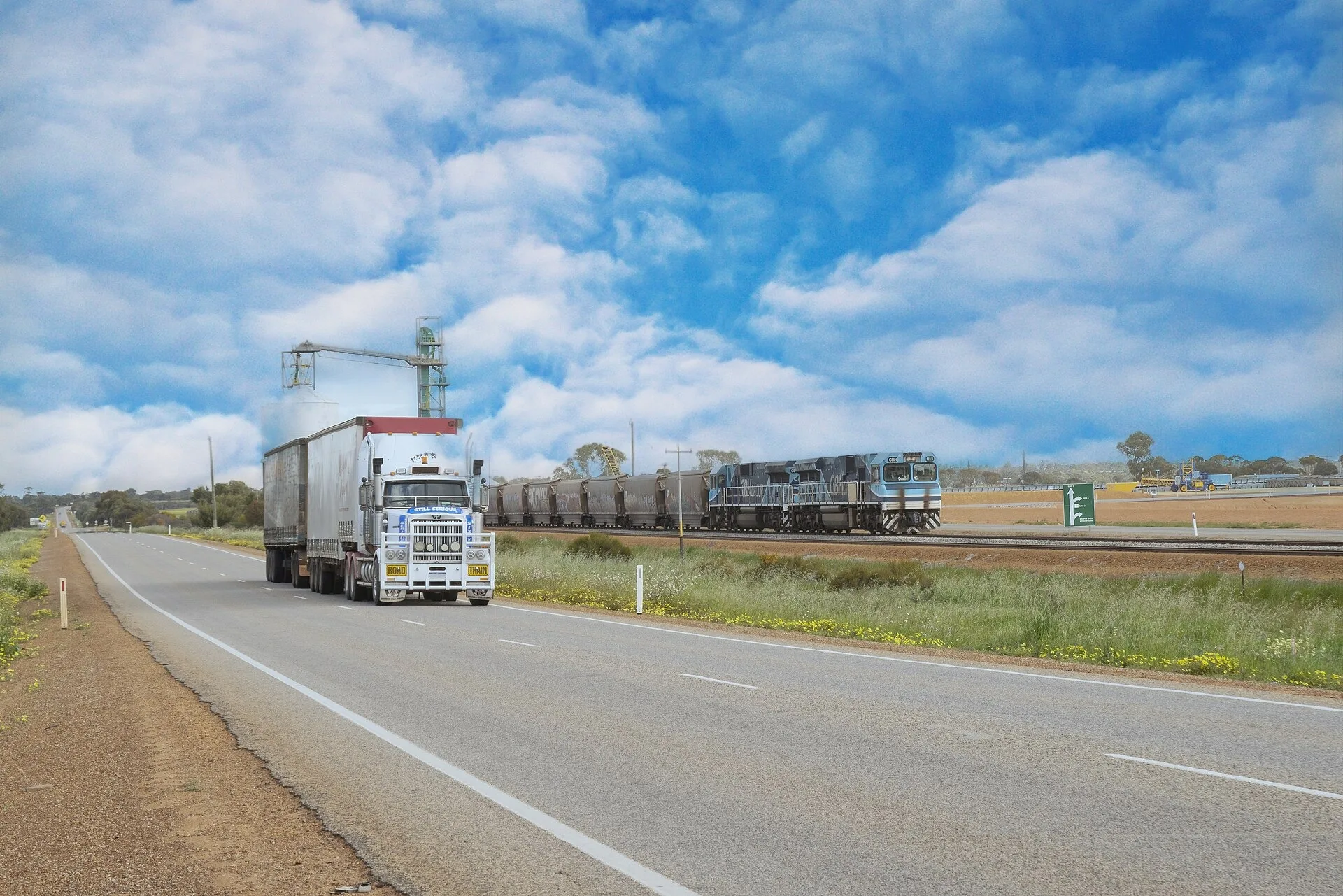
The alternatives are thin when the load gets heavy. The Sorento hybrid tops out at 1,650kg and the Carnival hybrid at 1,000kg, so if you're towing over 2 tonnes regularly, a hybrid SUV is the wrong answer. Diesel plug-in utes such as Chery's Stockman hint at what's next. Until then, budget for HiLux-style servicing and drive it like it was designed to be driven.
So, petrol, diesel or hybrid?
Match the engine to the way you actually drive, not the way you picture yourself driving at the dealership. These are the calls we'd make in October 2026, at today's pump prices:
- Mostly suburbs, light or no towing: buy a hybrid. It runs on the cheaper fuel, has no DPF to clog, and holds its value best right now.
- Regular towing over 2 tonnes, or lots of long country running: buy a diesel. It's still the engine for the job, and the DPF gets the heat it needs.
- Shopping a Mazda CX-60: the diesel saves money at almost any mileage, unless you tow over 2 tonnes, where the petrol's 2,500kg rating wins.
- Already own a diesel that does short trips: build in a regular highway run, and never ignore the DPF warning light.
- Buying a used diesel: walk away from one with patchy service history that's lived on short runs.
Diesel isn't dead. It has gone back to being a specialist's engine, and in 2026 the specialist is the driver towing the van, not the family doing the school run.


