
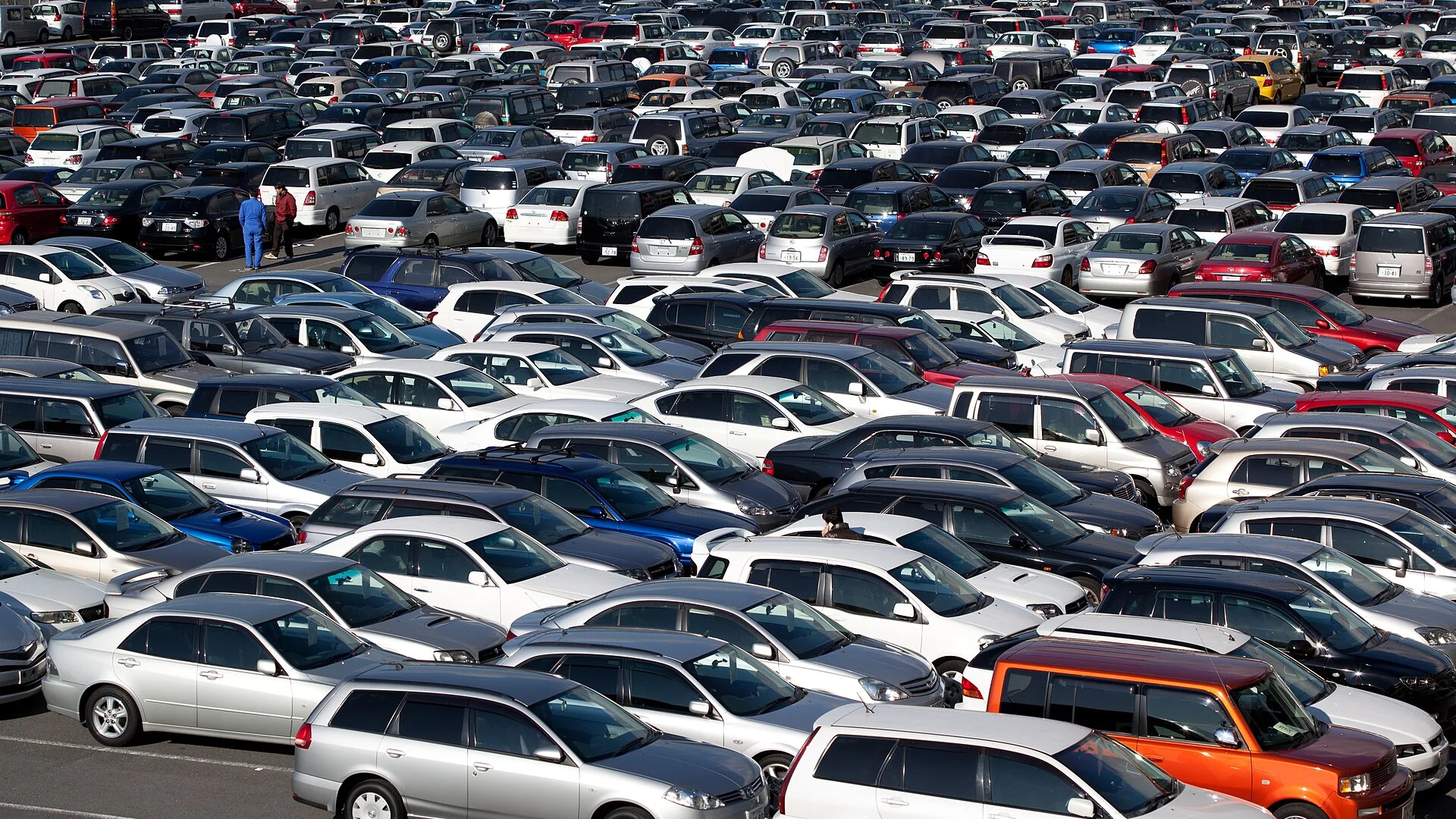

The hammer price is not the price. Buyer's fees, GST, stamp duty and transport turn an auction bargain into a fair deal, and there's usually no cooling-off period to save you from the car you didn't inspect. Ex-fleet cars are the sweet spot. Damaged-and-repaired ones are where people lose money.
We've read the fee schedules and terms of sale for Pickles, Manheim and Grays, plus the write-off, cooling-off and warranty rules in each mainland state. Figures were checked in October 2026, and the worked example below is our own. Fees and rules change, so check the listing on the day you bid.
How does buying a car at auction work?
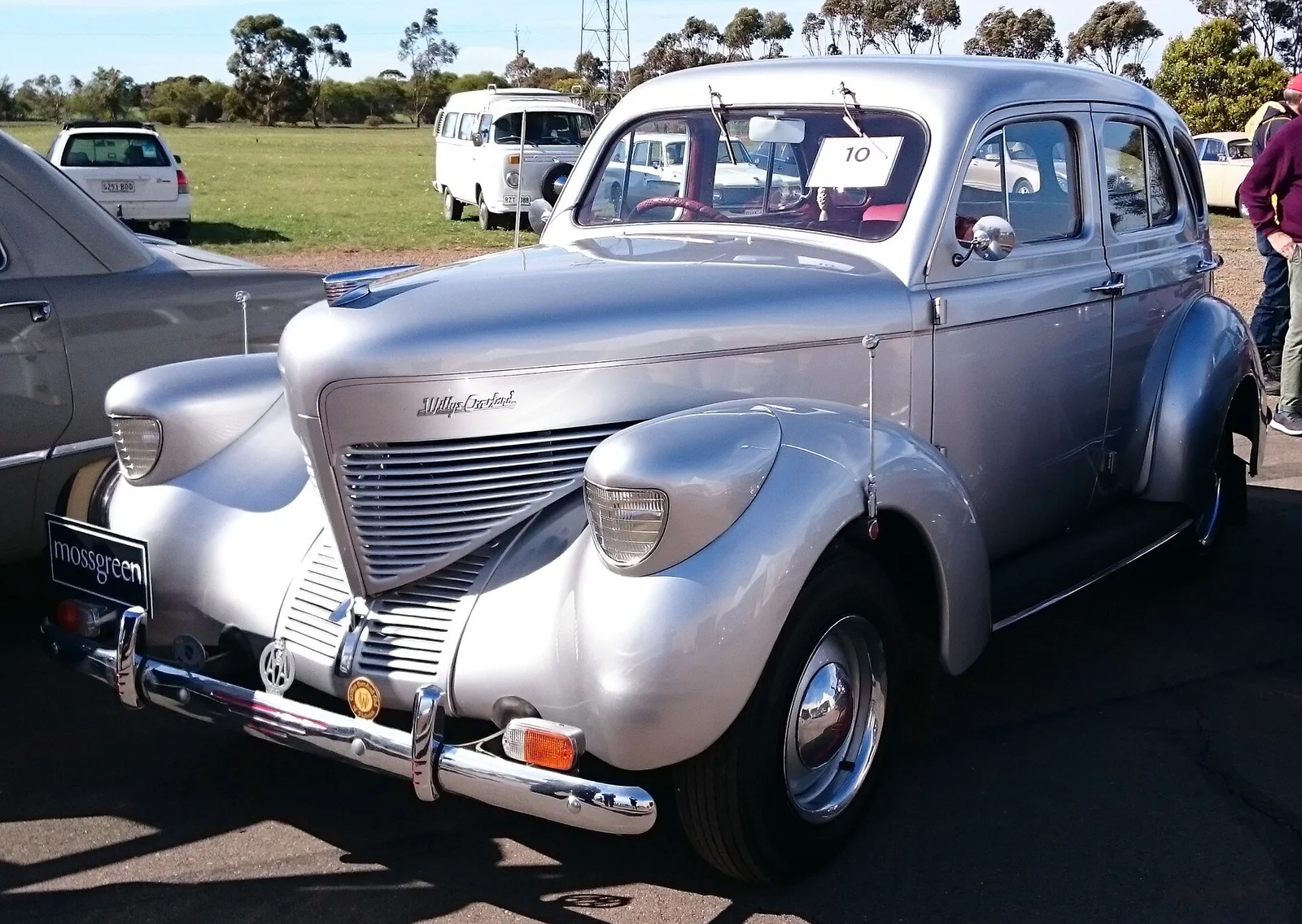
You register, prove who you are, put down a deposit, inspect if you can, then bid live or online. Win, and you pay in full within about a day and collect within one to five days. Pickles takes a $1,000 deposit on general cars and wants the balance by bank transfer within one day of the hammer falling.
Manheim asks for photo ID and a deposit of 10 per cent or $500 in the lane, and from 1 October 2026 it no longer accepts cards for invoices. Some Manheim sales are open only to licensed dealers, so check the catalogue. Grays deducts a deposit on a sliding scale, from nothing up to $1,000 on cars over $10,000.
Should you bid online or in person?
Online is easier to control. Pickles, Manheim and Grays all let you set a maximum bid that the system raises for you in steps, which stops a bidding war turning personal. Pickles extends online lots when late bids arrive. In the Manheim lane, bids usually rise in $500 or $1,000 jumps, and you cannot withdraw one.
Treat every bid as a contract. Pickles says a winning bid above reserve is binding, and walking away can get you banned for 12 months. Set your limit before the sale, include every fee in it, and don't bid on anything you'd be unhappy to own at that number.
What fees do you pay on top of the hammer price?
Usually around $900 on a $15,000 car, before duty. Pickles charges $650 plus 1.65 per cent of the hammer price on cars over $2,000, while Manheim charges $650 plus 1.8 per cent. Grays sets fees per sale. Then come stamp duty, the transfer fee and, possibly, GST on the hammer price itself.
10.5% over the hammer price
Add $1,500 GST to the hammer, 20.5% over
Our calculation. Fees from Pickles, Manheim (from 1 October 2026), Grays and VicFleet, checked 16 October 2026. Victorian duty is $8.40 per $200 on the higher of purchase price or market value (SRO); we've used the hammer price. Excludes roadworthy, towing and interstate transport.
Read the GST label carefully. Pickles marks each car GST inclusive, GST exclusive or GST not applicable, and on a $15,000 car that line alone can add $1,500. Duty is the next bite. Victoria charges $8.40 per $200 of value on most cars, and NSW charges $3 per $100 under $45,000.
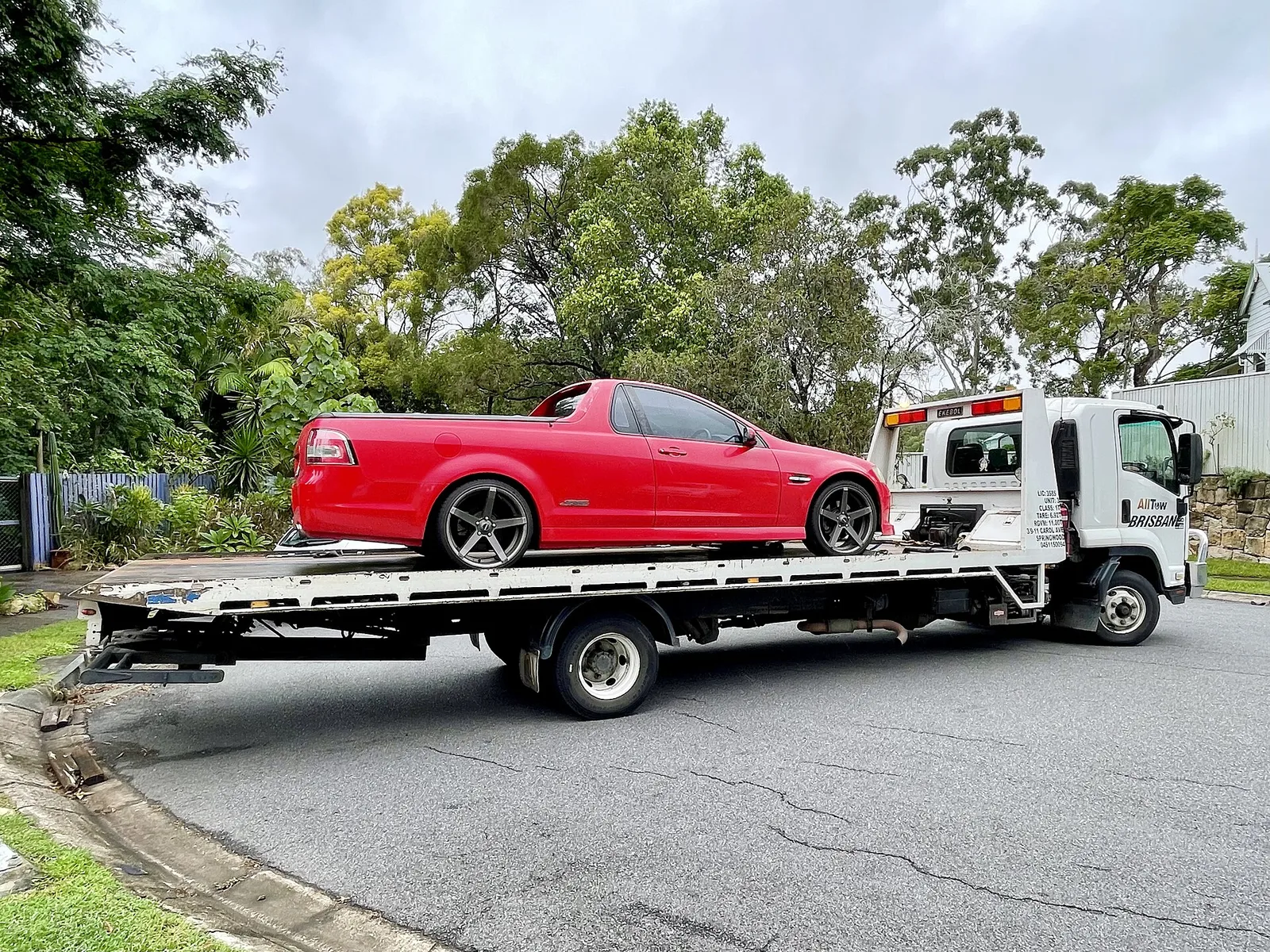
Then budget for getting it home. Pickles says unregistered cars, or registered cars without a current roadworthy, must leave on a tow truck. Storage starts quickly: $75 a day at Pickles, and $66 a day at Manheim and Grays, once their free collection period ends. Buy interstate, and Pickles says the registration can't be transferred, so the plates come off.
Can you inspect or test drive the car?
You can often look, but you can't drive. Pickles says none of its cars can be test driven, and Manheim and Grays rule it out too. Grays hands over keys only to start the engine. Every house sells as is, where is, and condition reports are based on an external walk-around, with no guarantee of accuracy.
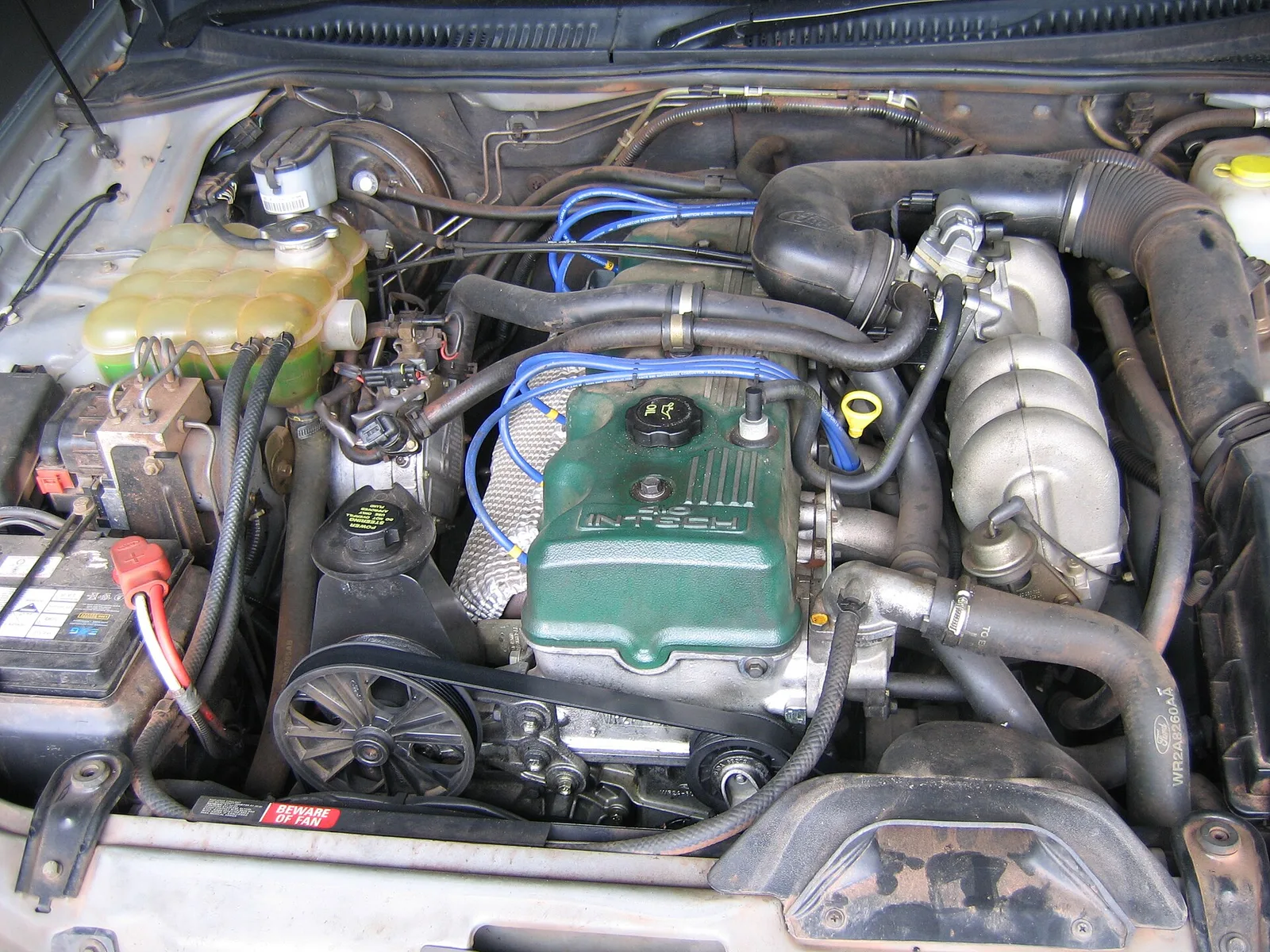
So inspect everything you're allowed to. Book a viewing, take a torch, check fluid levels, tyres and panel gaps, and look for water marks and mismatched paint. Our OBD2 used-car inspection guide explains what a scan can reveal if you get the chance. If you can't inspect a car, bid as if it needs work.
Are ex-government and ex-fleet cars worth buying?
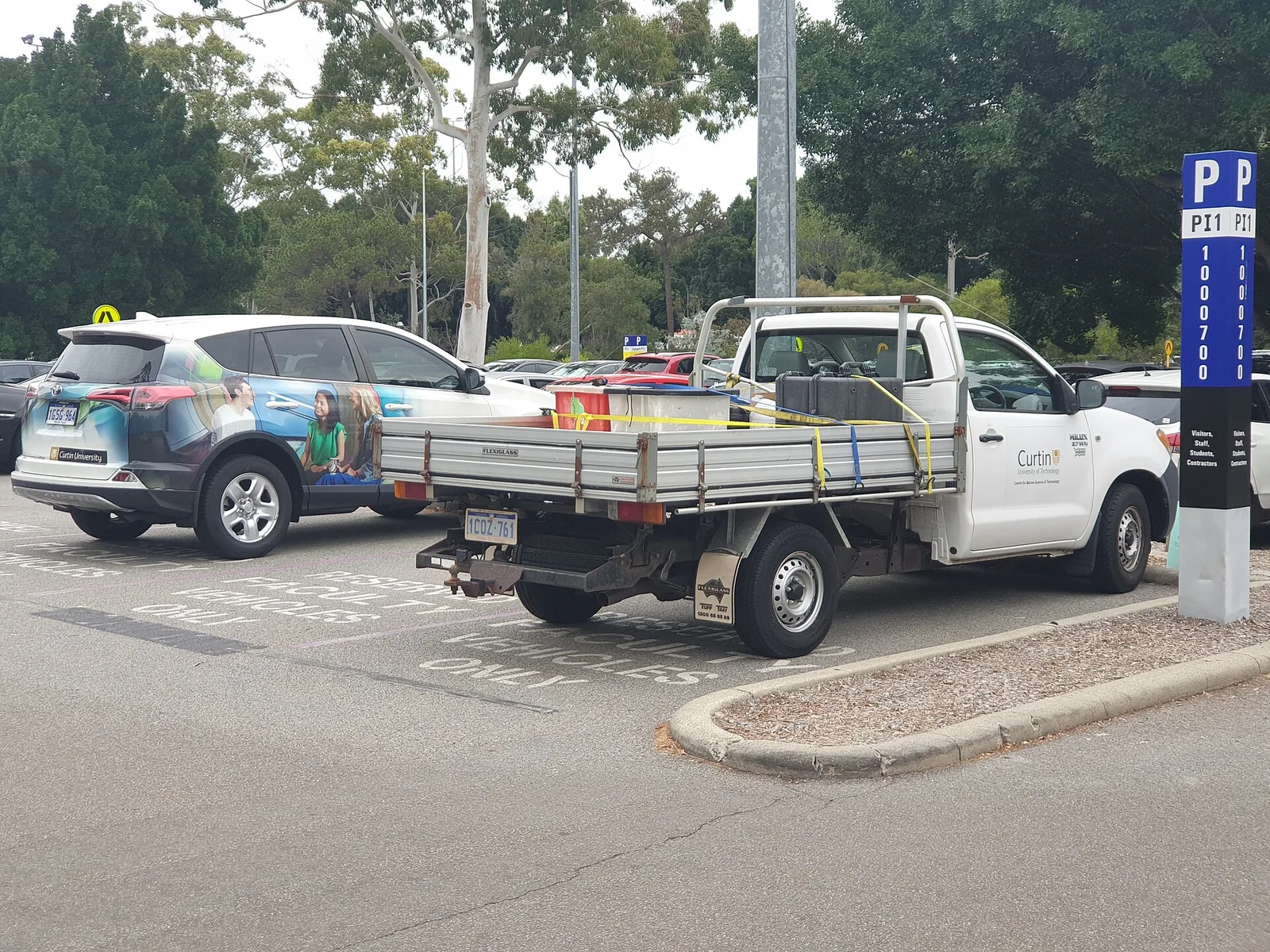
Usually, yes, and they're the sweet spot of the auction world. Fleet cars tend to be young and regularly serviced. Victoria sells its government cars through Pickles every Tuesday at 10am, with a flat buyer fee of $446.50, plus $110 to bid live. That's well under the general-sale fee on most cars.
NSW guidelines give an example of replacing passenger cars at 48 months and light commercials at 60 months, though agencies set their own terms. NSW's disposal contract for agency-owned vehicles is held by Manheim, while Pickles says it sells most of the state's ex-leased cars. Search both. Ask for the service history on every car.
What about write-offs, hail damage and salvage cars?
A statutory write-off can never be registered again, anywhere in Australia, says Queensland's transport department. A repairable write-off can be, but the rules differ sharply by state. NSW is the hardest: written-off light vehicles up to 15 years old generally can't be re-registered there, except in limited cases that rarely suit an auction buyer.
| State | Repairable write-off | Inspection cost |
|---|---|---|
| NSW | Generally can't be re-registered if under 15 years old. Exceptions mostly need you to have owned the car before the damage; then a repairer's certificate, AUVIS and VIIU inspections | VIIU $651, plus AUVIS |
| Queensland | Safety certificate plus a written-off vehicle inspection (WOVI); applies to vehicles 16 years or younger | WOVI $484.45 for a passenger car |
| Victoria | Roadworthy plus a VIV certificate from an approved centre; not needed for cars over 15 years that have never failed one | VIV $625.70 |
Sources: Transport for NSW, Queensland Government and Department of Transport and Planning Victoria pages, and Queensland Inspection Services, checked 16 October 2026. Repair costs come on top.
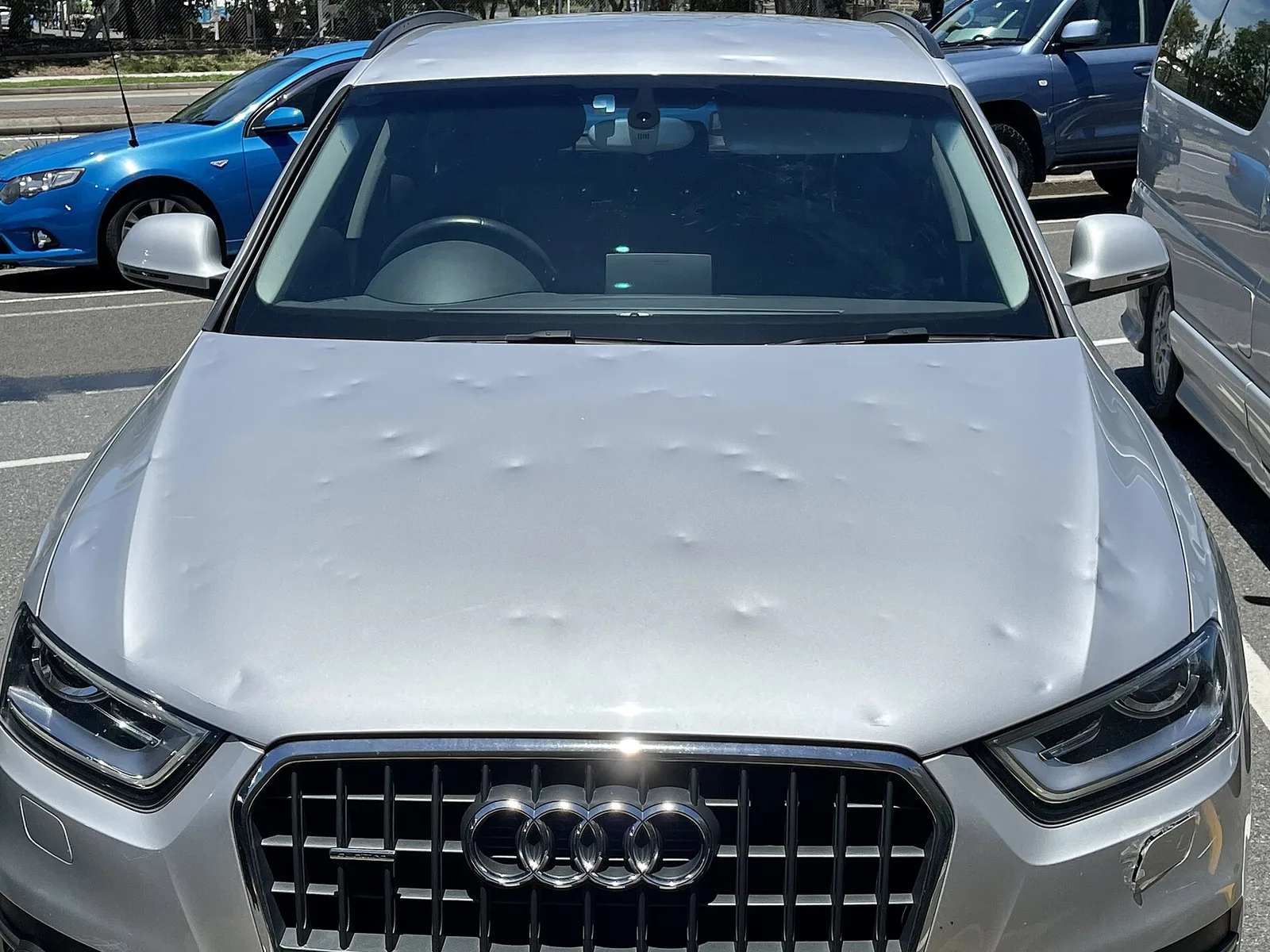
Auction listings flag write-offs, but don't rely on the category alone. Pickles labels cars as statutory, repairable or WOVR N/A, and its own FAQ warns that being in a general sale doesn't always mean a car is undamaged. Our salvage rebuild guide covers what repair really involves before you bid on one.
Do you get a cooling-off period or a warranty?
No cooling-off period applies at auction in any mainland state, and most don't give a statutory warranty either. NSW has no cooling-off for a legitimate auction, Victoria and South Australia exclude auctions, and Western Australia has no cooling-off on vehicle sales at all. Queensland is the exception on warranty.
| State | Cooling-off at auction | Statutory warranty at auction |
|---|---|---|
| NSW | None | Dealer guarantee doesn't apply where the dealer's notice excludes it |
| Victoria | None | None for cars sold at a public auction |
| Queensland | None | Yes when sold by a licensed chattel auctioneer: Class A 3 months or 5,000km, Class B 1 month or 1,000km. Excludes written-off cars and private consignments |
| Western Australia | None (no cooling-off on any vehicle sale) | None when sold for a private seller |
| South Australia | None | Duty to repair excluded for non-dealer cars sold by auction |
Sources: NSW Government, Consumer Affairs Victoria, Queensland Government, WA Consumer Protection and the SA Second-hand Vehicle Dealers Act 1995, checked 16 October 2026.
The Australian Consumer Law gives little help either. The ACCC says most consumer guarantees don't apply at a traditional auction, where the auctioneer acts for the seller. A few still do, including clear title and no hidden debts, and the ban on false or misleading claims still covers the listing.
Will the auction house guarantee clear title?
Not always, so run a PPSR check yourself. It costs $2 online and shows finance owing, write-off status and stolen status. Pickles' terms of sale make the buyer responsible for the search and guarantee title only on Queensland sales by non-dealers. Grays guarantees clear title once you've paid. In Victoria, Consumer Affairs says the auction house must ensure no money is owing.
How not to get burned at a car auction
Most auction losses come from skipping the boring steps, not from bad luck. Work through this list before you register for the sale, and you'll know the real price of the car and the worst case before the bidding starts. It takes an evening of reading, and that's the cheapest insurance you'll ever buy.
- Read the listing's GST label, write-off status and service history line, and the sale's buyer fee table.
- Add the buyer fee, duty, transfer, roadworthy and transport to your limit before you bid.
- Run a $2 PPSR check on the VIN, even if the auction house says it has.
- Inspect in person where you can, and assume work is needed where you can't.
- Skip repairable write-offs unless you know the inspection rules in your state, and avoid them entirely in NSW.
- Have the money ready to transfer the next day, and a plan to collect the car within a day or two.
Done right, an ex-fleet Corolla or HiLux at auction is one of the cheapest ways into a well-kept car. Get the roadworthy sorted early, since a chipped windscreen can fail one, and compare the final figure with our best first cars under $10,000. If the sums don't beat a dealer, walk away. The next sale is next week.


