
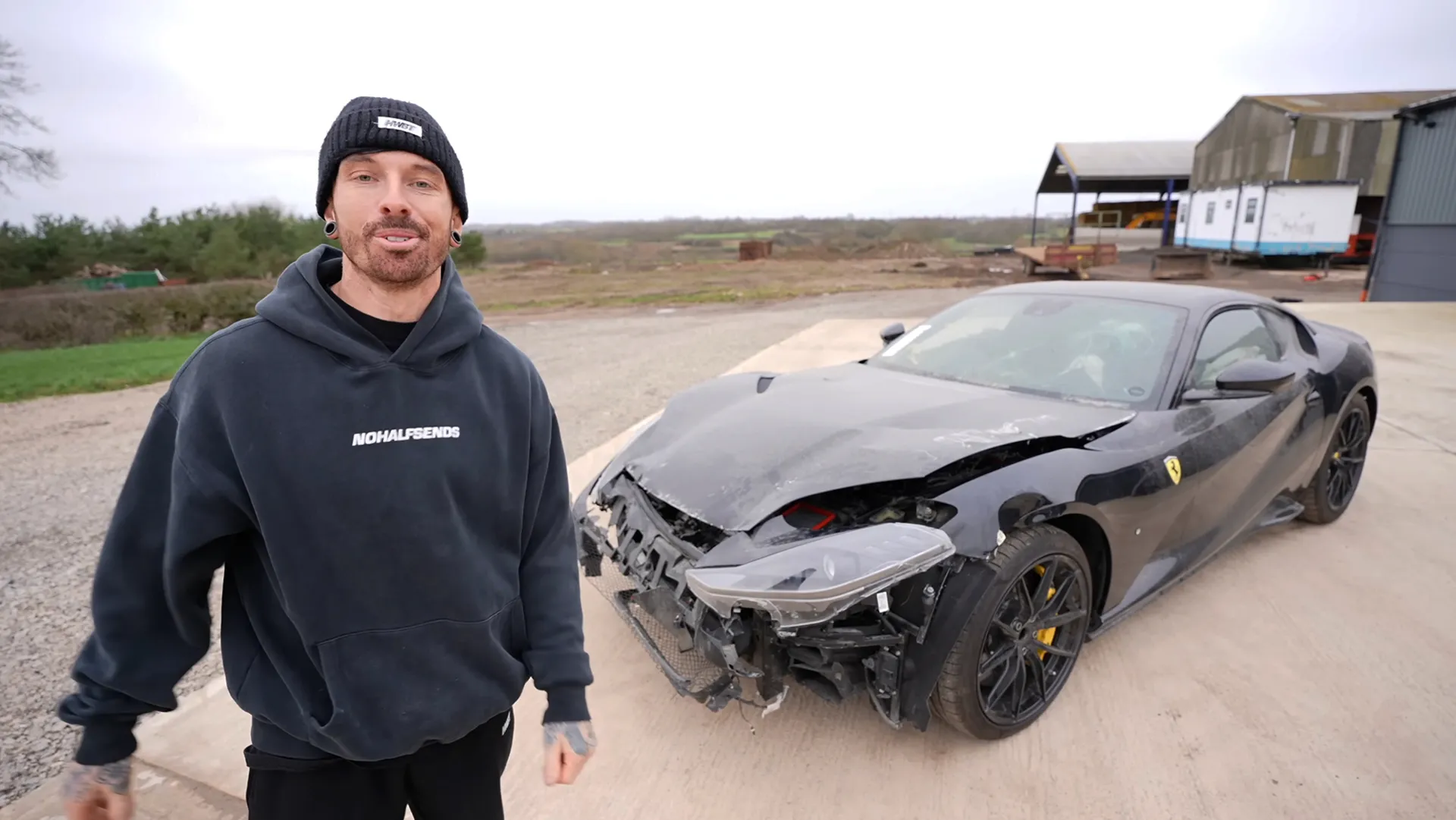

Mat Armstrong buys a crashed Lamborghini for pocket money, spends a few episodes on it, and drives away in a supercar. It is brilliant television. It is also British television, filmed under British rules, by a man who has done it a hundred times.
Copy that plan in Australia and the first wall you hit is not a seized bolt. It is the law. Repairable write-offs are locked down hard here, and in some states a private buyer simply cannot put one back on the road. Before you bid on anything, you need to know what is actually legal, what it truly costs, and where to start if you are still keen.
This is the reality check, not the fantasy!
The Mat Armstrong Effect
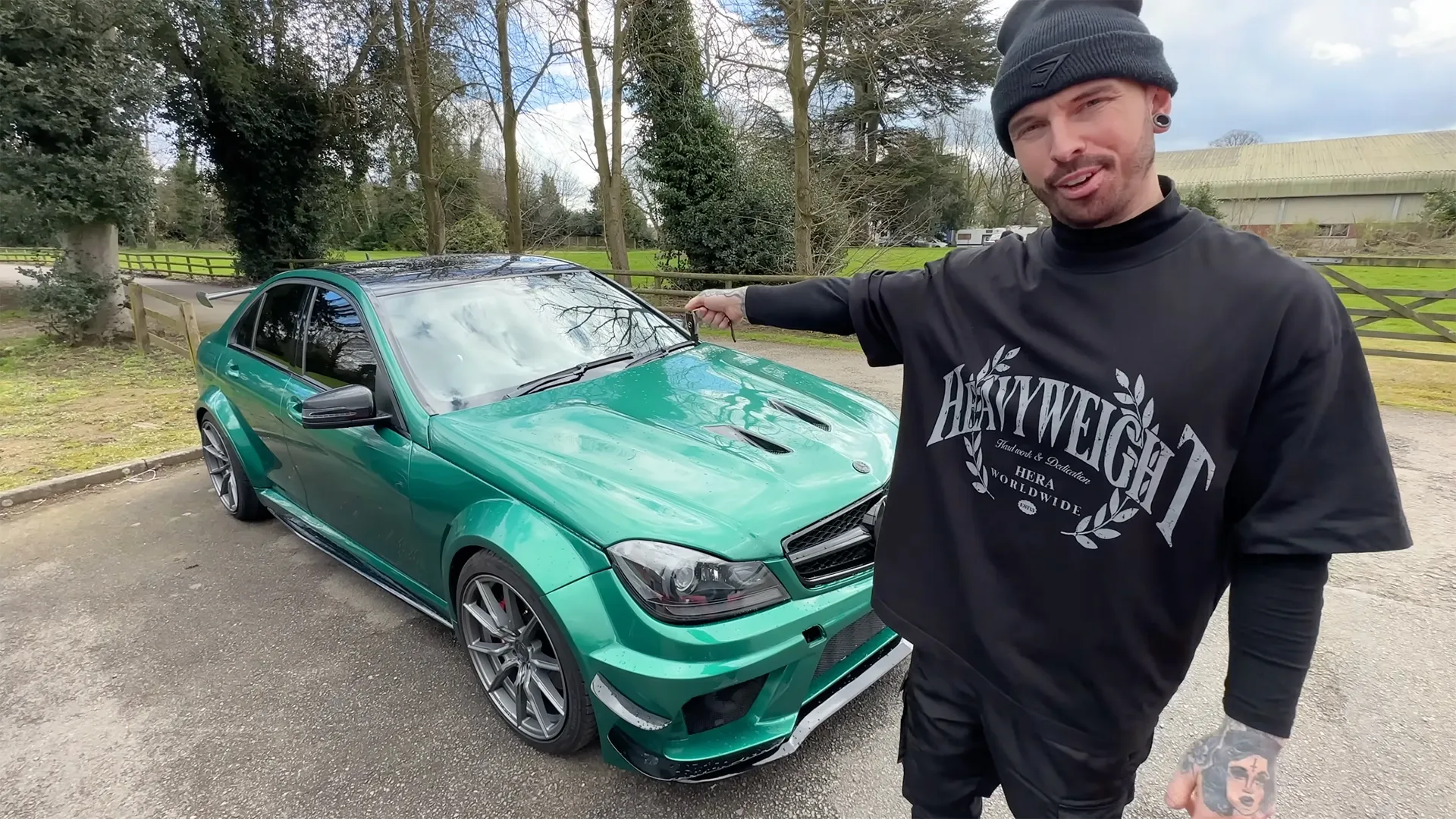
Mat Armstrong is a self-taught mechanic, British YouTuber and former pro BMX rider who rebuilds crashed supercars on camera. His channel passed 6.3 million subscribers in early 2026. He makes salvage rebuilds look easy, and that is exactly the problem for beginners copying him from Australia.
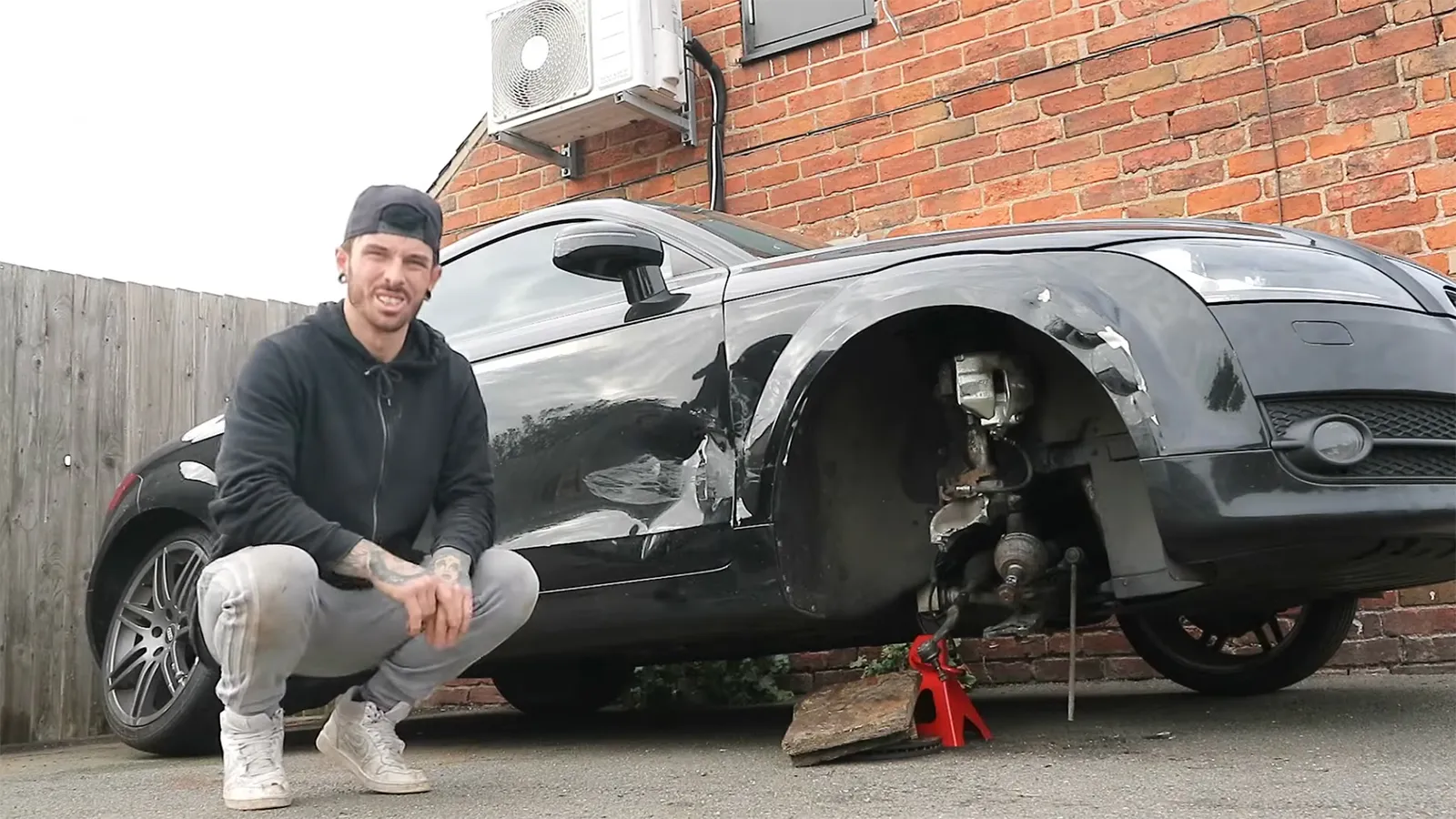
Armstrong started with a wrecked Audi TT bought for a few hundred pounds after his girlfriend crashed it. That origin story is genuine, and it is inspiring. But it happened in the UK, where salvage-title cars flow freely to private buyers and back onto the road.
He also has a commercial workshop, a team, tool budgets most hobbyists dream of, and years of hard-won skill. The camera compresses a three-month rebuild into twenty minutes. What you do not see is the paperwork, the failed inspections, or the jobs that got outsourced off screen.
None of that means the dream is dead in Australia. It just means you are playing a different game, with a different rulebook, and the rulebook changes at every state border.
Statutory vs Repairable: The Two Words That Decide Everything
A written-off car falls into one of two buckets. A statutory write-off can never legally return to the road anywhere in Australia. A repairable write-off can, in some states, if it passes strict identity and safety inspections. Confusing the two can cost you the entire purchase price.
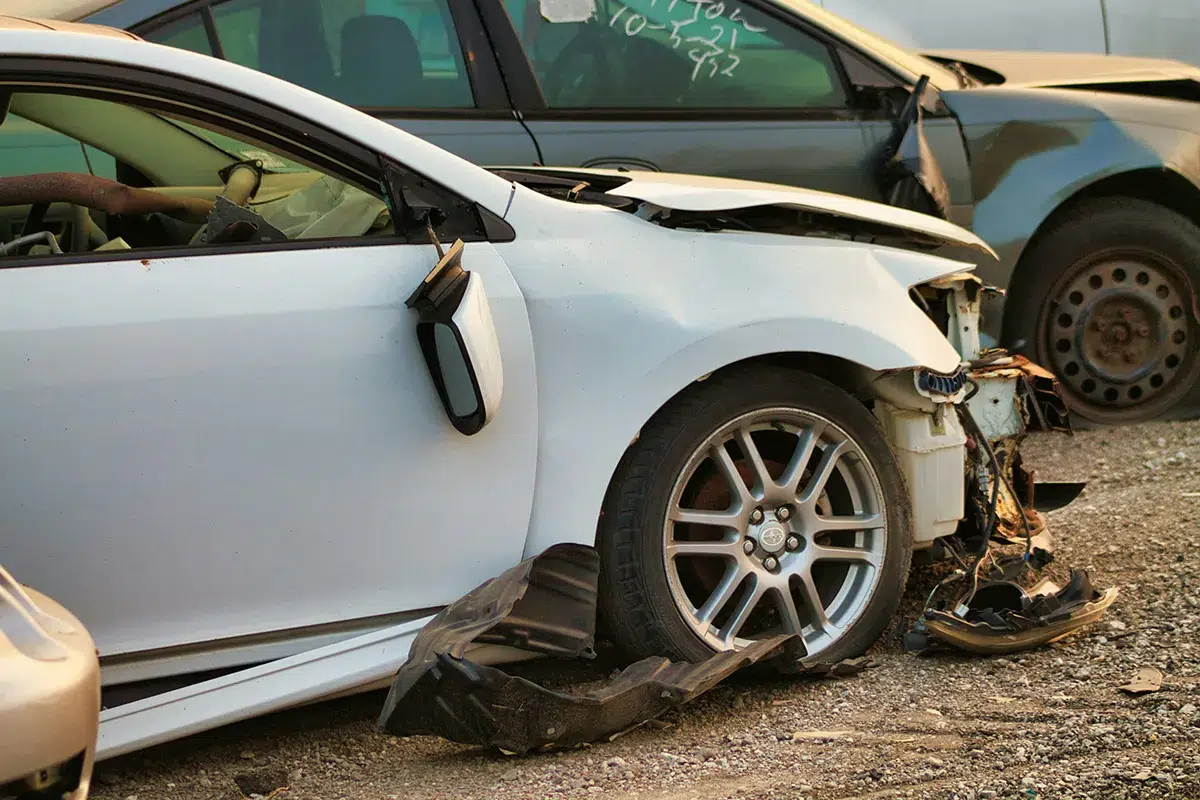
A statutory write-off is damaged beyond the point of safe repair. Think severe structural damage, fire, or deep saltwater immersion. It is fit for parts or scrap only. No inspection, no workshop, and no amount of skill will make it registrable again.
A repairable write-off is a car an insurer decided was uneconomical to fix within its own repairer network. The damage might be a mangled quarter panel and some airbags, not a bent chassis. Repaired properly, it can be roadworthy, which is the whole basis of the salvage rebuild scene.
What is the difference between a statutory and repairable write-off?
In short, permanence. A statutory write-off is banned from the road for life and only good for parts. A repairable write-off carries a path back to registration through inspection, though it stays branded on the written-off vehicle register forever. Always confirm the category before you bid.
Every salvage listing states the category. Read it first, every single time. A cheap statutory write-off is only a bargain if you want a parts donor or a track car that will never need registration.
The State Lottery: Where You Can Actually Do This
This is where the YouTube fantasy meets Australian reality. Whether a private buyer can re-register a repairable write-off depends entirely on your state. New South Wales all but bans it. Victoria, Queensland, Western Australia, South Australia and the Northern Territory allow it through inspection.
New South Wales is the brutal one. Transport for NSW has prohibited re-registration of most repairable write-offs since 2011. It will only consider an application from the vehicle’s prior registered operator in narrow cases: hail-only damage, ownership for more than 28 days before the damage, or an inherited car.
Read that again if you live in Sydney. Buying a repairable write-off at auction as a private punter and re-registering it in NSW is, for practical purposes, not allowed. The scheme is built to stop exactly what Armstrong does for a living.
Victoria is more workable. A repairable write-off can be re-registered once it is repaired to manufacturer standards, passes a Vehicle Identity Validation (VIV) inspection, and earns a roadworthy certificate. Cars over 15 years old that have never failed a VIV can skip the VIV certificate.
Queensland runs a similar path. A repairable write-off needs both a safety certificate and a written-off vehicle inspection (WOVI), which checks the identity of the car and the parts used to fix it. Queensland is also tightening the rules, with a 30-year age limit and a proposed quality-of-repair inspection on the table.
Western Australia and South Australia both allow it too, subject to inspection. WA requires a safety inspection and dealer disclosure via a windscreen form. SA demands an identity and roadworthiness inspection backed by a repair diary documenting every step of the work.
Here is the quick lay of the land. Always confirm the detail with your own state authority before you spend a cent, because these schemes change.
Repairable Write-Offs by State
If you are in the ACT or Tasmania, treat this table as a starting point only and confirm the current rules with your local registry before bidding.
Can you re-register a repairable write-off in NSW?
Only in very limited cases, and not as a private buyer picking one up at auction. Transport for NSW restricts approval to the prior registered operator with hail damage, more than 28 days of ownership before the damage, or an inherited vehicle. For most people in NSW, the answer is effectively no.
That single rule reshapes the whole hobby east of the border. Plenty of NSW enthusiasts buy in Victoria or Queensland instead, but moving a re-registered write-off between states adds its own inspection headaches. Do not assume an interstate purchase sidesteps the problem.
Where the Cars Come From: Salvage Auctions
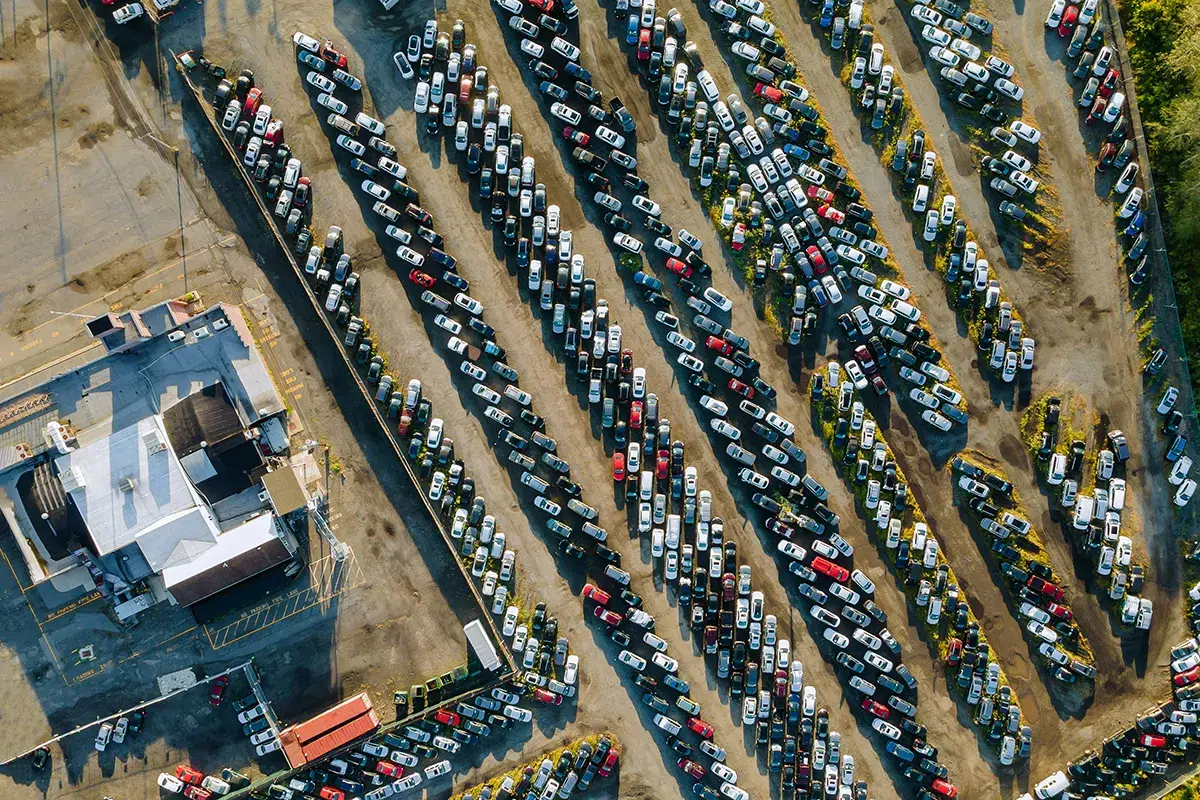
Australia’s salvage cars flow through a handful of auction houses. Pickles, Manheim and Grays are the major players, with thousands of damaged and repairable write-offs listed weekly. IAA joined them in 2025. You bid, often online, and the risk sits with you.
Pickles lists over 5,000 salvage and damaged vehicles weekly through its online platform. The catch that trips up beginners is inspection access. Customer feedback suggests Pickles does not currently allow physical pre-auction inspections, so you are bidding on photos and a damage description.
Manheim generally does allow inspections before you bid, which is a meaningful advantage on a car that could be hiding bent rails or flood damage under clean-looking panels. If you can put eyes and hands on a salvage car before committing, do it.
Grays runs the same inspect-before-you-bid model, with automotive yards you can physically walk. Its Victorian salvage yard sits at Dandenong South, and its Queensland yard is at Pinkenba, both open weekdays for inspections. On a car this risky, that drive is worth taking before you commit a dollar.
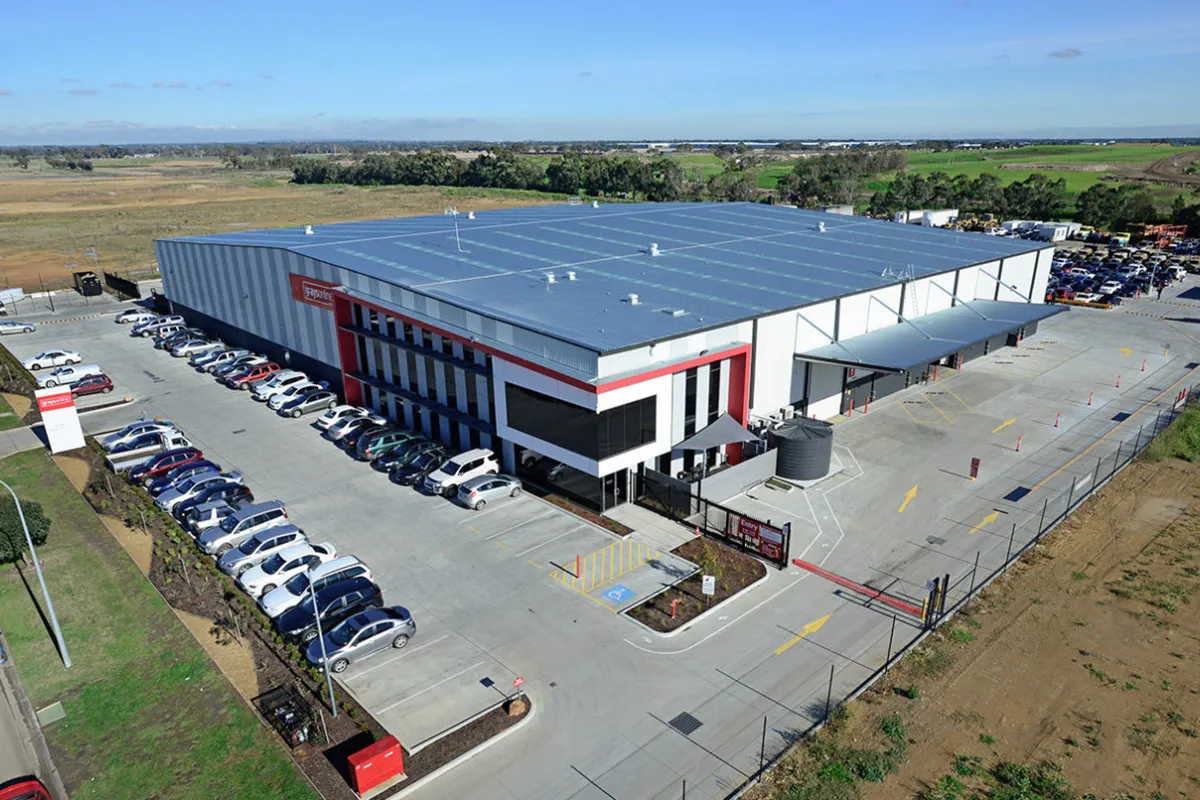
Buying blind is where dreams get expensive. A photo will not show you a cracked subframe, seized brakes, or water that sat in the loom for a fortnight. Treat every listing as worse than it looks, and build that pessimism into your maximum bid.
Before you buy any used car, salvage or not, a pre-purchase check pays for itself many times over. The same discipline you would apply with an OBD2 scanner on a normal used car applies double here.
What It Actually Costs (Prepare to Be Disappointed)
The cheap purchase price is the trap. A salvage car might be a third of clean-market value, but parts, inspections, consumables and your own time close that gap fast. Many first rebuilds cost more than simply buying a clean used version of the same car.
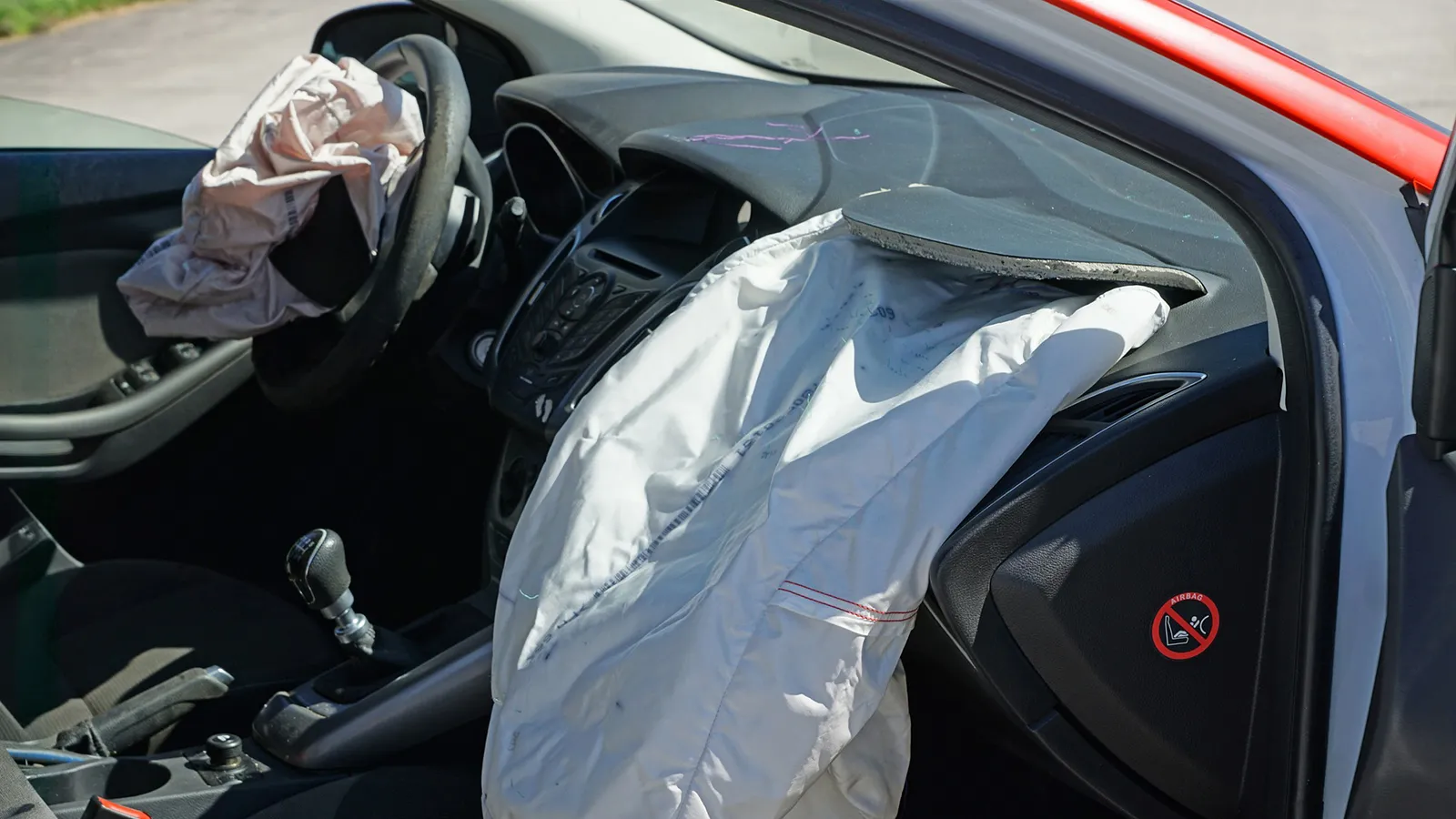
Start with the car. Then add panels, airbags, sensors and trim, which are the exact parts crashes destroy and manufacturers price cruelly. A single airbag module and clockspring can run into four figures. Modern safety gear is the hidden budget killer on late-model salvage.
Then come the mandatory inspections. Queensland buyers face both a safety certificate and a written-off vehicle inspection through Queensland Inspection Services, which runs to several hundred dollars. Victoria and SA layer in their own identity and roadworthy checks. None of it is optional, and none of it is free.
Do not forget the boring costs. Consumables, tool hire, a two-post hoist you did not own, freight on interstate parts, and the hours you will not get back. It is worth reading up on the true cost of owning a car before you convince yourself a rebuild saves money.
The honest maths is simple. If the sums only work when you value your own labour at zero, this is a hobby, not a saving. Go in knowing that, and you will not be blindsided.
The Resale Sting Nobody Mentions
Even done perfectly, a repaired write-off carries a permanent brand. It stays on the written-off vehicle register for life, and every future buyer will see it. That history knocks a lasting chunk off resale value, no matter how clean the finished car looks.
Queensland’s own guidance spells it out. A repairable write-off remains on the register after it passes inspection, so future buyers are aware of the history, and that can affect resale value. Expect the same treatment nationwide. A write-off brand is forever.
This is the part the YouTube edit skips. Armstrong’s cars are content first and transport second. Yours has to be sold one day, to a buyer who will run a history check, spot the brand, and negotiate hard. Bake that discount into your plan from the outset.
Insurance and the Paperwork Maze
Insuring a rebuilt write-off is harder than insuring a normal car. Some insurers decline comprehensive cover outright, others load the premium or demand evidence of repair quality. Sort this out before you buy, not after the car is sitting rebuilt in your driveway.
Compulsory third party cover is tied to registration, so you clear that at the rego stage. Comprehensive cover is the sticking point. Ring around and get it in writing before you commit, because a rebuilt car you cannot insure properly is a rebuilt car you cannot really use.
The paperwork is its own project. Repair diaries, before-and-after photos, parts receipts, structural certifications and a certificate of compliance from a licensed repairer are common requirements. Keep every receipt and every photo. The rebuild is half spanners and half filing.
The Beginner’s Starting Point
If you are still in after all that, start small and start legal. Pick a common, older, lightly damaged repairable write-off in a state that allows re-registration. Avoid late-model cars stuffed with airbags and modules. Your first project should teach you, not bankrupt you.
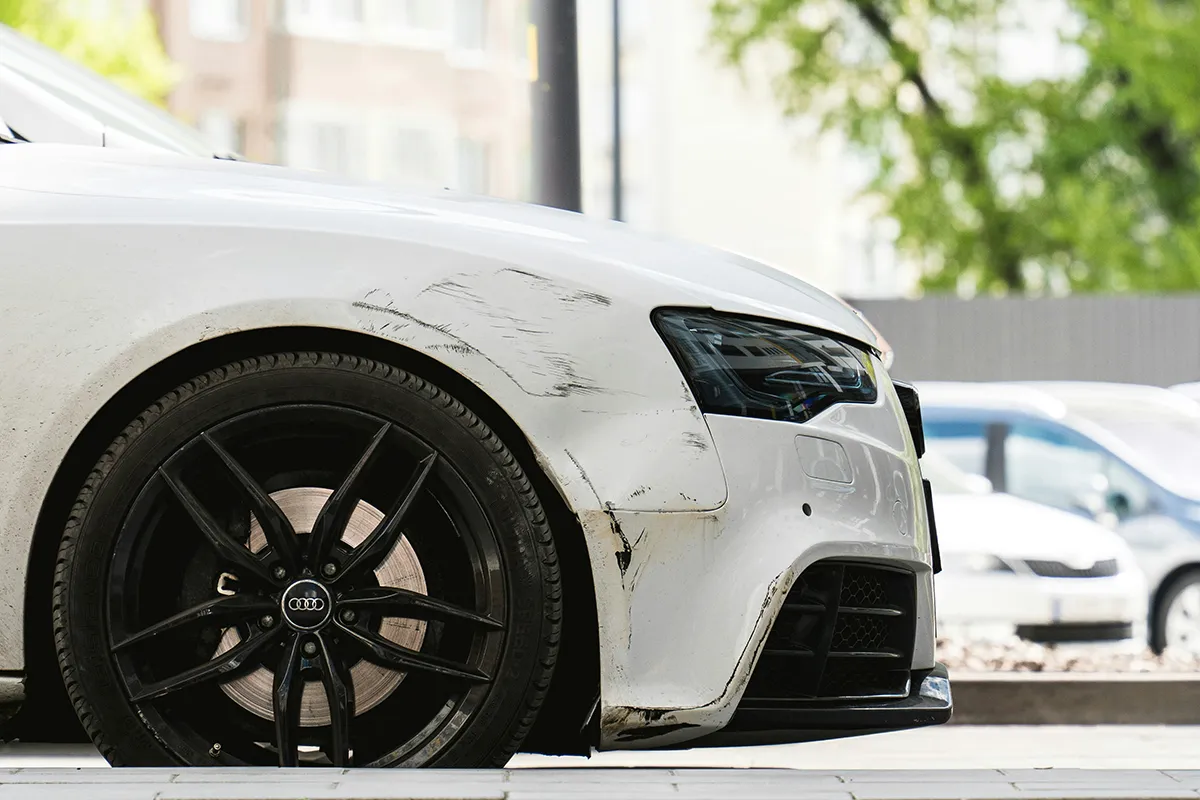
The right first car is boring on purpose. A popular model with cheap, plentiful parts and simple mechanicals. Cosmetic or single-corner damage rather than anything near the structure. Something a licensed repairer can realistically certify without a forensic rebuild.
Tools do not need to be exotic to begin. A solid socket and spanner set, a torque wrench, trolley jack and quality axle stands, a multimeter, and a basic OBD2 scanner cover most early jobs. Buy the safety gear first, always. Axle stands are not the place to save money.
Skills matter more than kit. Panel alignment, wiring repair, and knowing when a job is beyond you are learned slowly. The enthusiasts who succeed treat their first rebuild as tuition. The ones who fail treat it as a get-rich-quick scheme.
Be honest about whether a project car is even the smart buy. For many first-timers, a tidy, unbranded used car is the better call, and our guide to the best used first cars is a sober counterweight to auction fever.
Should You Actually Do This?
Do it if you want the skills, the challenge, and a project, and you live in a state that allows it. Do not do it if you think it is a shortcut to a cheap supercar. In Australia, the law, the costs and the resale sting all conspire against the fantasy.
If you are in NSW and buying at auction, the honest answer is to reconsider entirely. The re-registration door is closed to you for most cars, and no workshop skill reopens it. Chasing it anyway is how people end up with an expensive ornament on stands.
If you are in Victoria, Queensland, WA, SA or the NT, and you go in clear-eyed, it can be one of the most satisfying things you do with a spanner. Just measure the fantasy against the invoice, the inspection sheet, and the resale check.
Mat Armstrong makes it look easy because it is his job, in his country, with his tools. Copy his enthusiasm, not his shortcuts, and start with a car you can afford to get wrong.


