
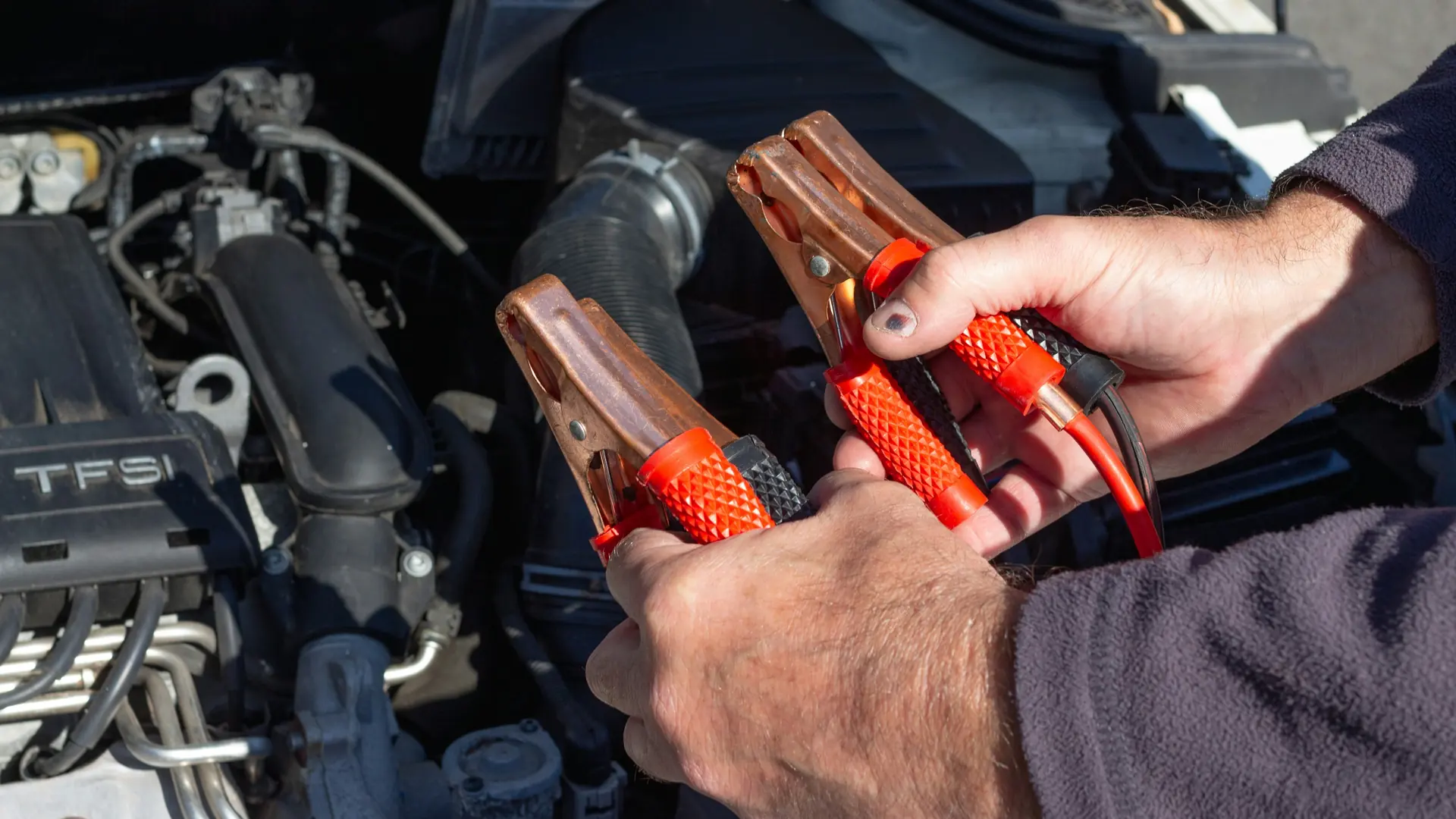

The battery that dies on the first cold morning in June was cooked the previous January. Cold gets the blame because that is when the starter finally gives up, but heat did the damage months earlier. And if the car has idle stop-start, saving $30 by dropping a cheap flooded battery into it is a false economy measured in months, not years.
We look at what a replacement actually costs in 2026, from a shelf battery you fit yourself to a mobile service at the kerb. It also covers the two traps that catch owners out: stop-start cars that need an EFB or AGM battery, and European cars that need the new one registered.
How much does a car battery replacement cost in Australia?
Expect roughly $230 to $500 for the battery alone, depending on size and technology. A conventional flooded battery for a small Japanese car starts in the low $200s at Supercheap Auto. An EFB for a stop-start car runs about $320 to $350, and a premium AGM costs $450 to $500. Fitted mobile service from NRMA starts at $199 for members.
| Battery type | Example (Century) | CCA | Price |
|---|---|---|---|
| Flooded, Japanese size | Hi Performance NS60L | 430 | $229.99 |
| Flooded, European size | Hi Performance DIN65LH | 650 | $319.99 |
| EFB, Japanese size | ISS Active EFB Q85 | 550 | $319.00 |
| EFB, European size | ISS Active DIN65LH EFB | 650 | $349.99 |
| AGM | ISS SmartDrive DIN65LHAGMS | 760 | $449.00 |
| AGM, larger | ISS SmartDrive DIN75LHAGMS | 850 | $499.99 |
Supercheap Auto shelf prices, battery only, checked 29 September 2026. Prices change with promotions. CCA is cold cranking amps.
The table uses Century, the Australian-made brand stocked by Supercheap, so the comparison is like for like. Look at the European-size DIN65LH rows: the EFB version costs $30 more than the flooded one, and the AGM $129 more. Prices move with promotions, so treat them as a guide and check the exact fitment for your car before buying.
What do fitted prices look like?
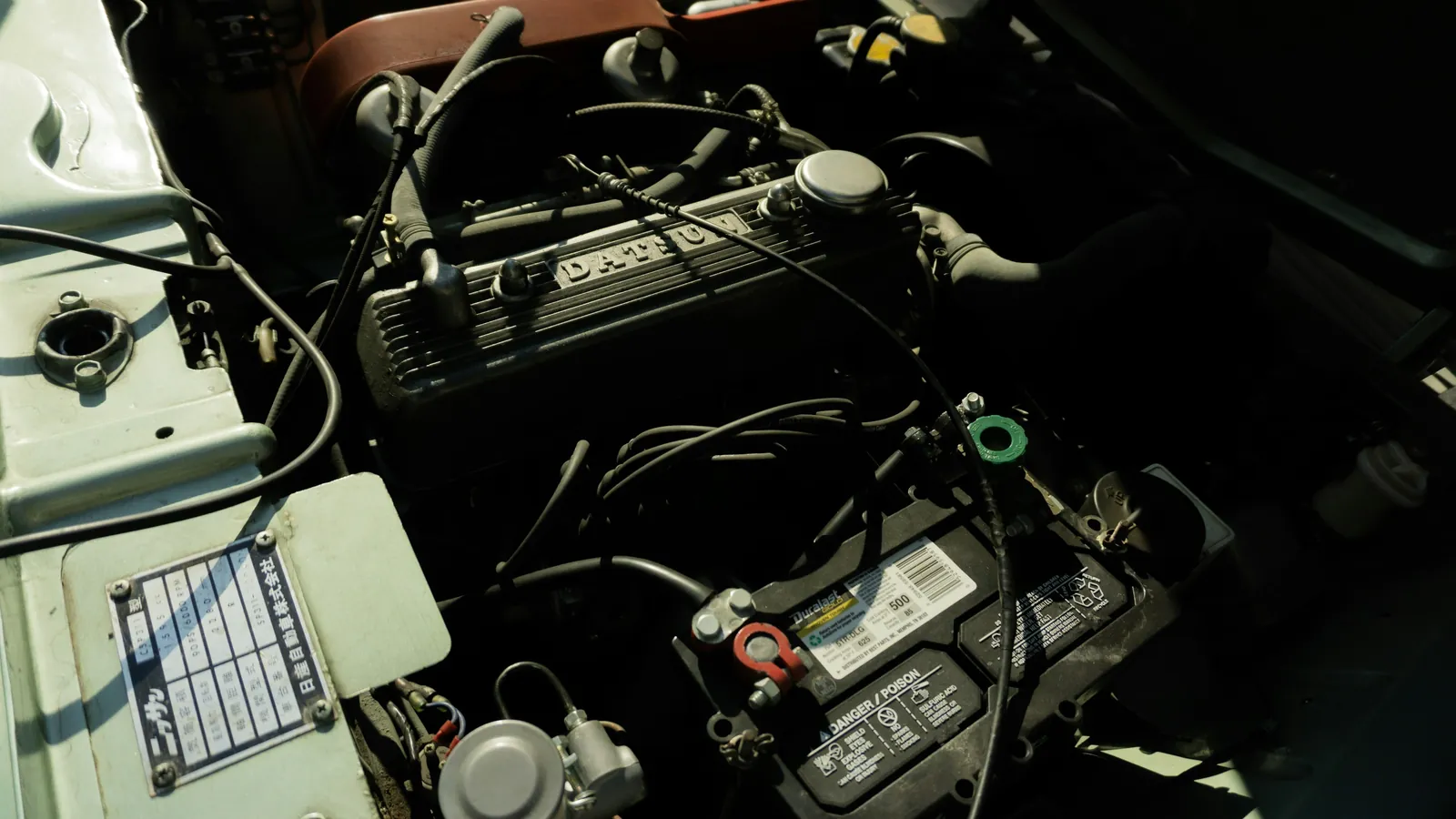
Fitted prices bundle the battery, labour, testing and disposal of the old unit. NRMA quotes from $199 for members and $289 for non-members on a car battery, rising to $299 and $389 for a 4WD. RACV quotes per vehicle and takes $15 off for members, while Sydney specialist The Battery Centre lists EFB from $335 and AGM from $395 fitted.
| Provider | Fitted price | What’s included |
|---|---|---|
| NRMA (NSW, ACT) | Car from $199 members, $289 non-members. SUV from $249 / $339. 4WD from $299 / $389 | Delivery, installation and recycling. Warranty up to 36 months for private use |
| RACV (Victoria) | Quote online by vehicle. Members save $15 | Testing, fitting and any required system resets or registration. Up to 3-year warranty |
| The Battery Centre (Sydney) | EFB from $335. AGM from $395. Large AGM from $490 | Installation, testing and BMS registration at no extra charge |
Prices from each provider’s website, checked 29 September 2026. Sources: NRMA, RACV, The Battery Centre.
Why does Australian heat kill car batteries early?
Heat speeds up the chemistry that wears a lead-acid battery out. Battery-testing company Midtronics says every 8°C rise in average operating temperature above 25°C can roughly halve battery life. Cold doesn’t do the damage. It exposes it, because a weakened battery can’t find the cranking power a cold engine needs, which is why failures cluster in winter.
An engine bay in a Brisbane or Perth summer keeps the battery well above that 25°C baseline for months on end. Water evaporates from the electrolyte and the internal plates corrode faster. Interstate Batteries lab manager Jeff Barron told Consumer Reports that heat shortens life through water loss, and sealed AGM batteries can’t be topped up to make up for it.
The numbers bear it out. AAA data reported by Consumer Reports puts average battery life at more than 58 months in the coldest parts of the US and under 41 months in the hottest. Closer to home, RACQ’s Mark Wessling put the average battery at 38 to 48 months in 2022. Three to four years is a fair expectation in most of Australia.

How do you make a battery last longer in the heat?
Park in shade or a garage where you can, drive the car regularly, and get the battery tested before winter rather than after it fails. RACQ says a car driven only once or twice a week isn’t using its battery enough. Short trips make it worse, because the alternator never gets time to replace what the start used.
Stop-start cars: why a flooded battery is a false economy
A car with idle stop-start needs an EFB or AGM battery, never a conventional flooded one. The engine restarts dozens of times on a normal commute, and a standard battery isn’t built for that cycling. VARTA, one of Europe’s biggest battery makers, says a normal battery in place of AGM or EFB deteriorates rapidly, and that a breakdown “is inevitable”.
The rule only runs one way. VARTA says an EFB car can be upgraded to AGM, but an AGM car should never be downgraded to EFB, and neither should ever get a flooded battery. Japanese stop-start cars often use sizes like the Q85 or S95, while European cars use DIN sizes. Match or upgrade what the factory fitted.
The saving from getting it wrong is tiny. On Supercheap’s current pricing, a flooded DIN65LH is $30 cheaper than the EFB version. The Battery Centre says a standard battery in a stop-start car typically lasts six to 12 months, against three to five years for the correct type. That’s the most expensive $30 an owner can save.
Supercheap also notes that the car’s computer may need a reset before stop-start works again after a battery change. If the system stays disabled after fitting, a missed reset is the likely cause, not a faulty battery. Owners who switch stop-start off every drive should still fit the correct type, because on many cars the charging strategy is built around it.
Do European cars need the new battery registered?
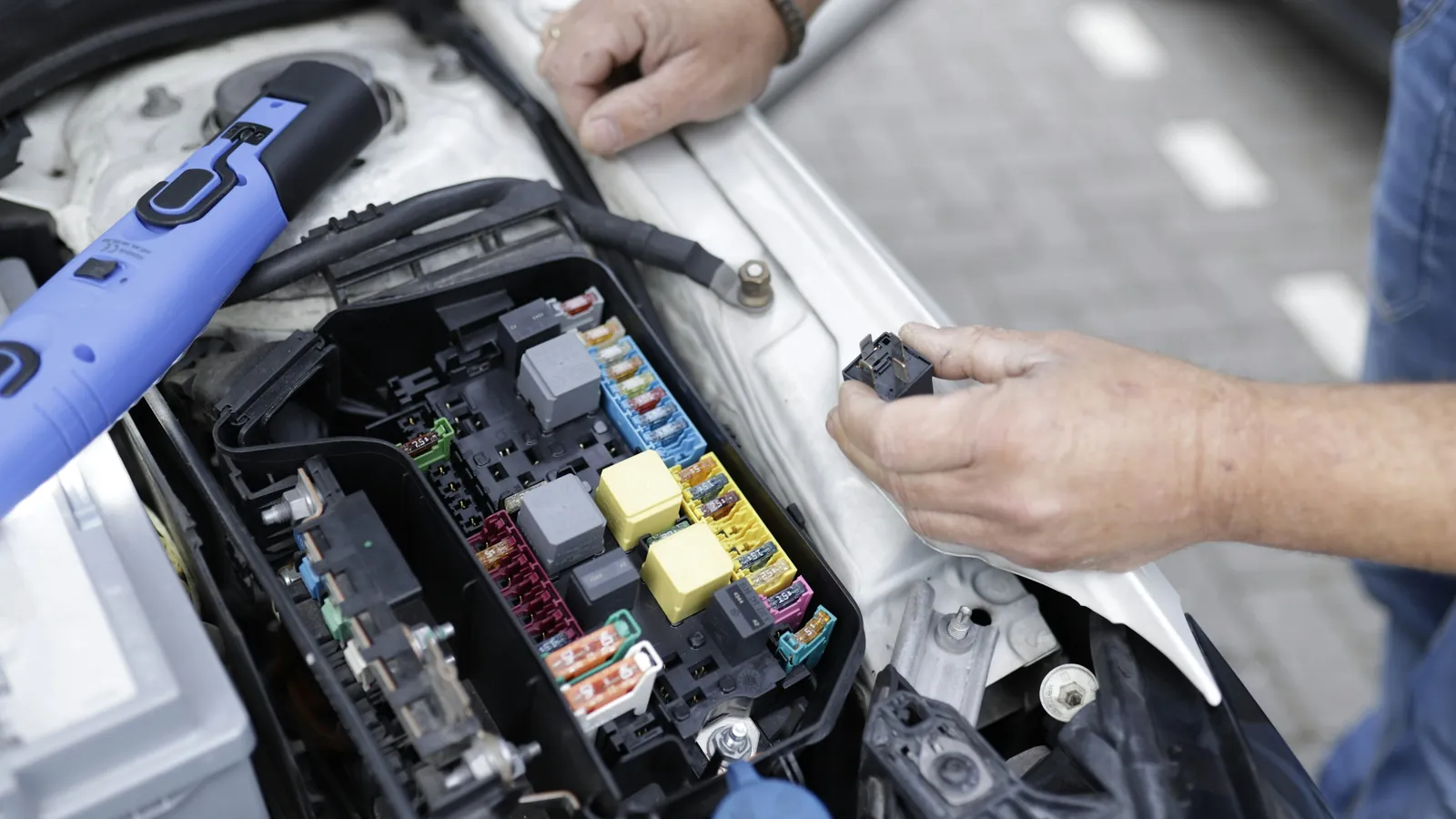
Most do. Battery registration tells the car’s battery management system (BMS) that a new battery is fitted, so it resets its charging strategy instead of treating the fresh battery like the worn one. Midtronics lists BMW, Mercedes-Benz, Audi, Volkswagen, Porsche and Volvo as brands that require it.
Skip it and the car keeps charging the new battery as if it were the old one. Midtronics warns of undercharging, overcharging, stop-start that won’t engage and electrical glitches. Queensland workshop Steve Sorensen Mechanical is more measured. It found no evidence for the rumoured alternator damage, but says power management won’t work properly and warning messages can appear.
The good news is that registration is usually built into the fitted price. RACV says its technicians perform it on applicable vehicles in most instances, and The Battery Centre includes it in every job, quoting $350 to $550 fitted for most BMWs. Confirm it’s included before booking, because a store that only swaps the box hasn’t finished the job.
Confident DIYers on a Volkswagen, Audi or Skoda can register the battery themselves with the right tool. The VCDS vs OBDeleven comparison covers which suits the job on VAG cars, and the guide to the best OBD2 scanners in Australia covers the wider diagnostic picture for other brands.
Where should you get a battery replaced?
For an older car with the battery under the bonnet, buying off the shelf and fitting it yourself is cheapest. For stop-start or European cars, a mobile service that tests the charging system and handles registration is worth the premium. Either way, get the old battery tested first, because a slow crank isn’t always the battery’s fault.
Supercheap only fits batteries at select stores, so check before driving there with a flat one. Autobarn’s stores in Cairns, Smithfield, Mackay and Rockhampton advertise a free five-minute battery health check with no appointment. NRMA’s price includes delivery, installation and recycling of the old battery, with up to 36 months’ warranty for private use. RACV offers up to three years on the same basis.
The warning signs, and what not to do
A starter that sounds laboured, headlights that dim at idle and a battery warning light are the classic signs. RACQ’s advice is simple: if the engine sounds like it’s labouring on start, get it checked. A battery past three years old in a hot state should be tested at every service, not replaced on a guess or left until it strands you.
- Don’t fit a flooded battery to a stop-start car to save $30. It can cost you a second battery within a year.
- Don’t downgrade from AGM to EFB. Match or upgrade what the factory fitted.
- Don’t let anyone fit a battery to a BMW, Audi, Mercedes-Benz or Volkswagen without registering it.
- Don’t buy on price alone. Match the size, terminal layout and CCA to the original.
- Don’t wait for winter. Get a battery over three years old tested in autumn.
A portable jump starter is cheap insurance for any car running an ageing battery, and it turns a flat battery from a tow into a five-minute delay. Battery checks also belong on the first-time owner’s maintenance checklist, right alongside tyres and fluids.
Can you claim a car battery on tax?
Only if the car is used for work, and it depends on the method. Under the ATO’s cents per kilometre method, the rate covers all running costs, so a battery can’t be claimed separately. Under the logbook method, it counts as an actual car expense, claimed in proportion to the car’s work use. Keep the receipt either way.
Batteries are a small line in what it really costs to own a car in Australia, but they’re one of the few you can plan for. Budget for one every three to four years in a hot state, and closer to the top price bands if the car has stop-start. Buy for the summer that does the damage, not the winter morning that exposes it.


