
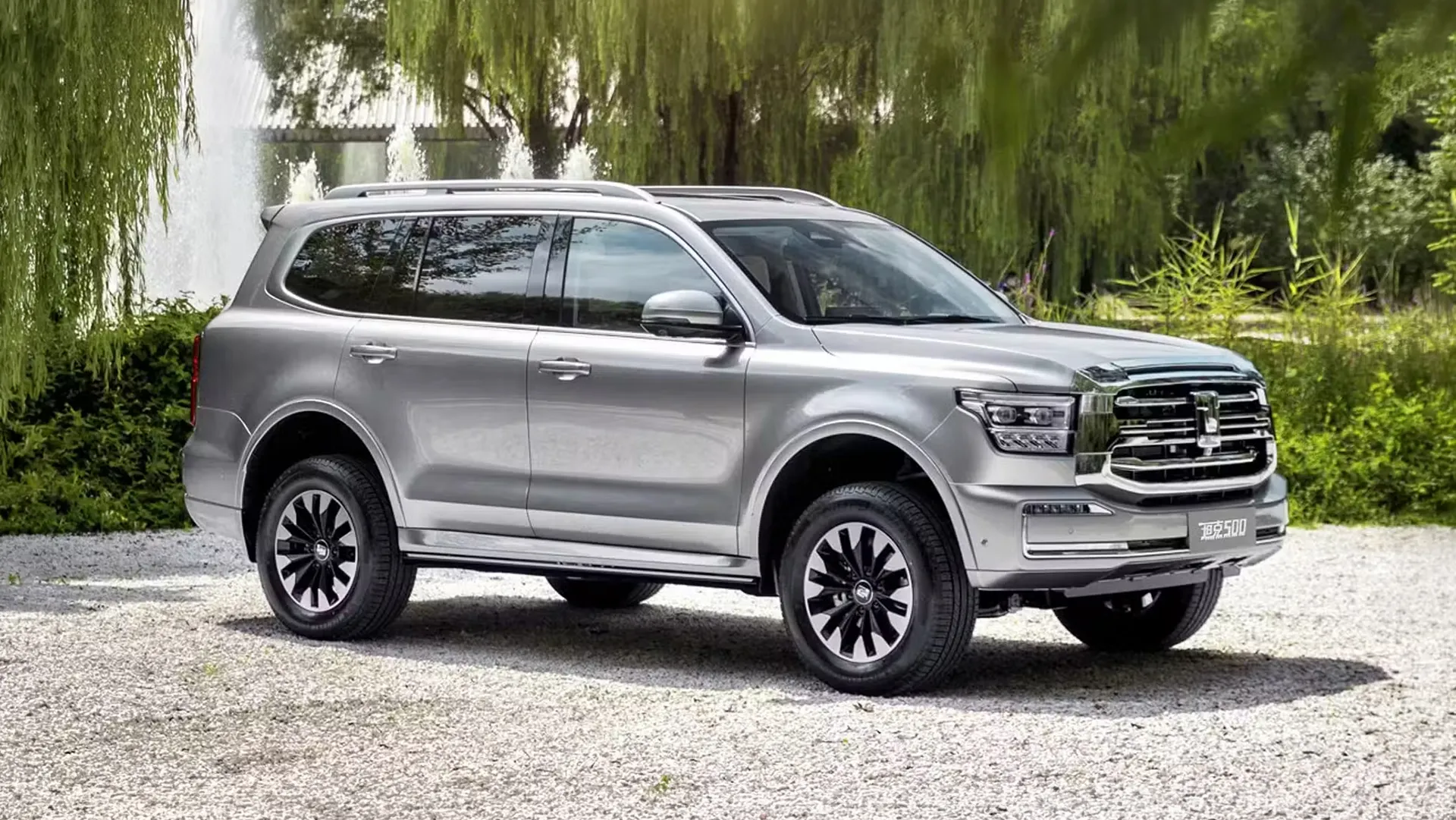

Park a GWM Tank 500 next to a LandCruiser 300 and squint. Same footprint, same seven seats, same slab-sided, ladder-frame, go-anywhere presence. Then look at the price tags, and the illusion cracks in your favour.
Look at a Tank 500 Vanta Hybrid, the last 2.0-litre turbo-hybrid variant you can still order new, priced at $75,990 drive-away. That is roughly half what Toyota asks for a LandCruiser 300 VX.
Half the money for the same size and a nicer cabin sounds like a rort in the buyer’s favour. The catch is that GWM built a very heavy, very complex hybrid, then quietly started winding it down. More on that later.
Where the Tank 500 Wins and Loses
Is the GWM Tank 500 actually worth buying?
For the money, yes, with eyes open. You get genuine LandCruiser-size road presence, a properly plush cabin, and a seven-year warranty. The price you pay is real-world thirst, a 2.6-tonne kerb weight, and a hybrid range GWM is already phasing out.
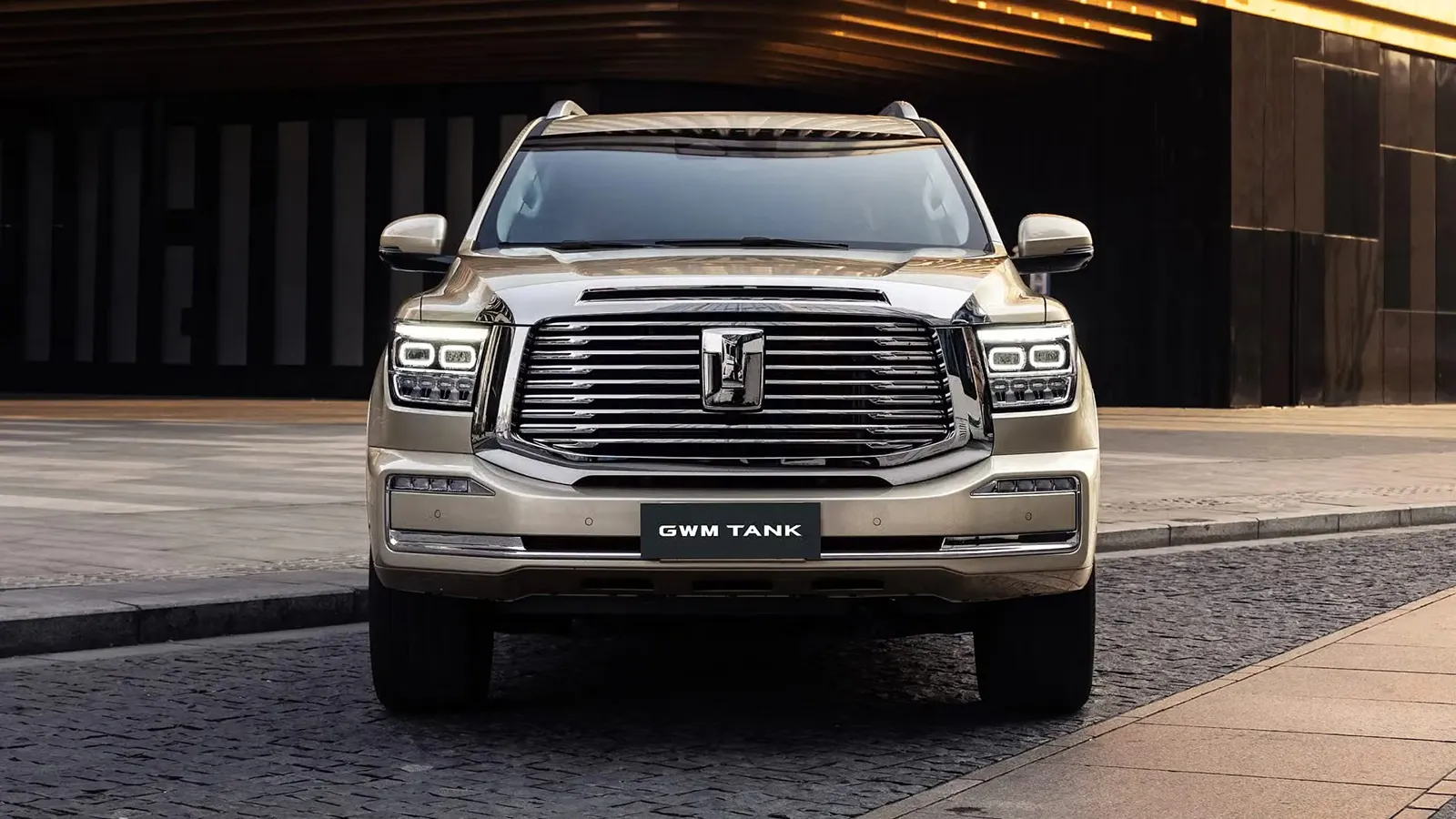
The wins are easy to list. Value is the headline. A cabin that shames cars costing far more sits underneath it. Standard low-range and a rear diff lock mean the off-road hardware is not for show.
The losses are just as clear. Fuel economy nowhere near the hybrid promise. A kerb weight that eats into payload. And the nagging question of long-term support for a drivetrain in runout.
The Cabin Does the Heavy Lifting

Does the Tank 500 interior really feel like a luxury 4WD?
It genuinely does, and this is where your $76,000 works hardest. Nappa leather, ventilated and massaging front seats, a 14.6-inch touchscreen, a 12.3-inch driver display and a 12-speaker Infinity system come standard. It reads like a European SUV brochure, not a budget one.
Step inside and the first impression lands hard. The seats are quilted Nappa leather with heating, ventilation, massage and memory. The driver gets eight-way power adjustment. Soft-touch surfaces, light wood inserts and piano black trim cover almost every panel you actually touch.
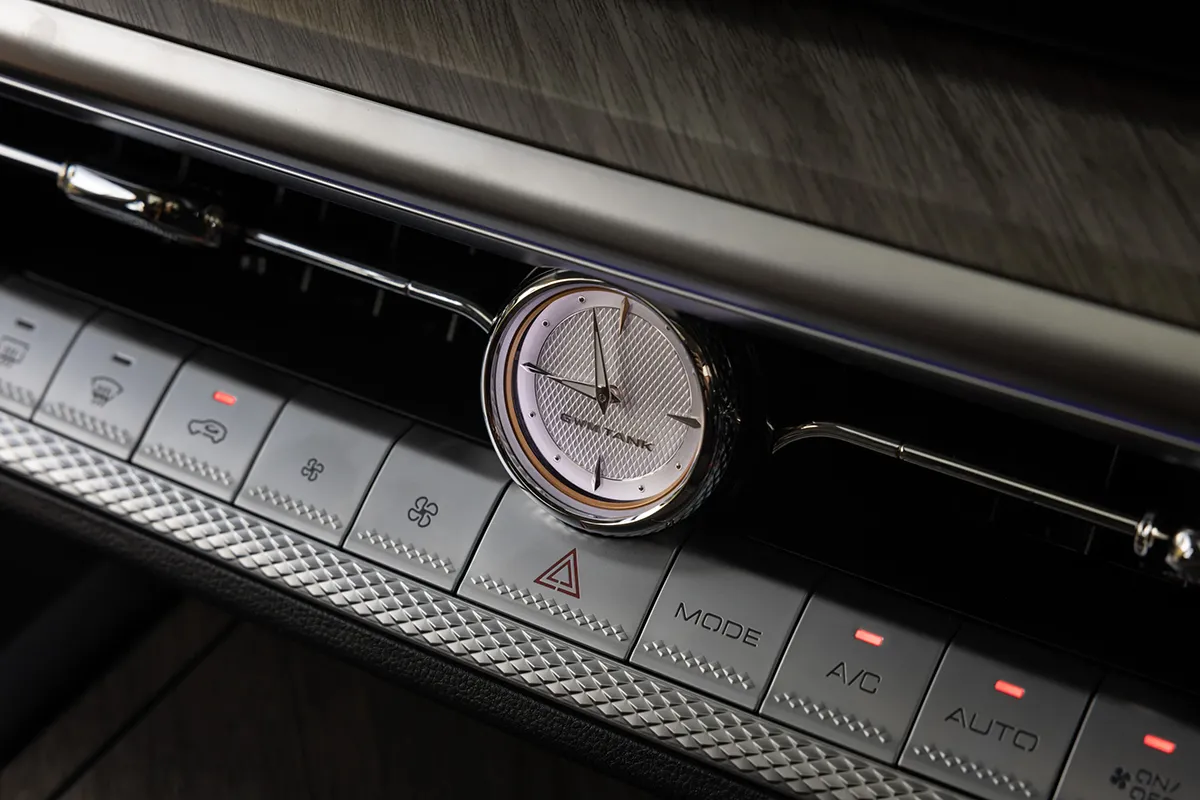
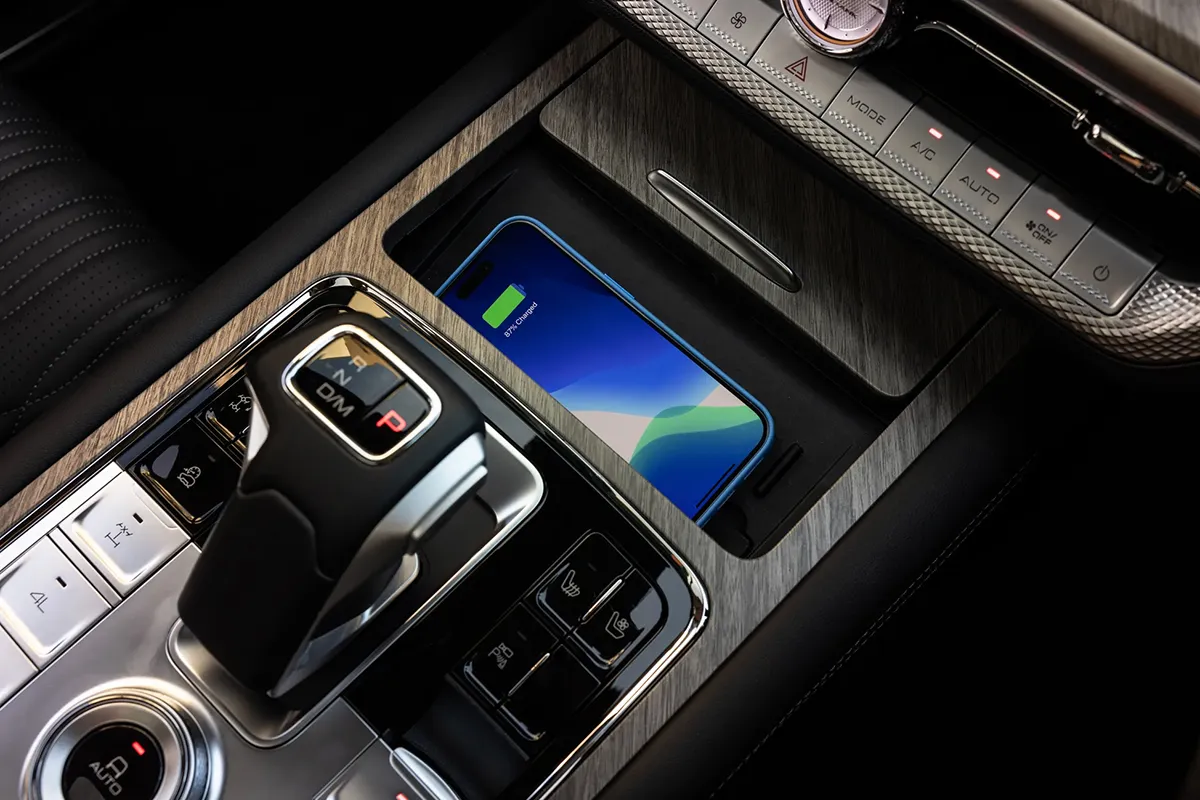
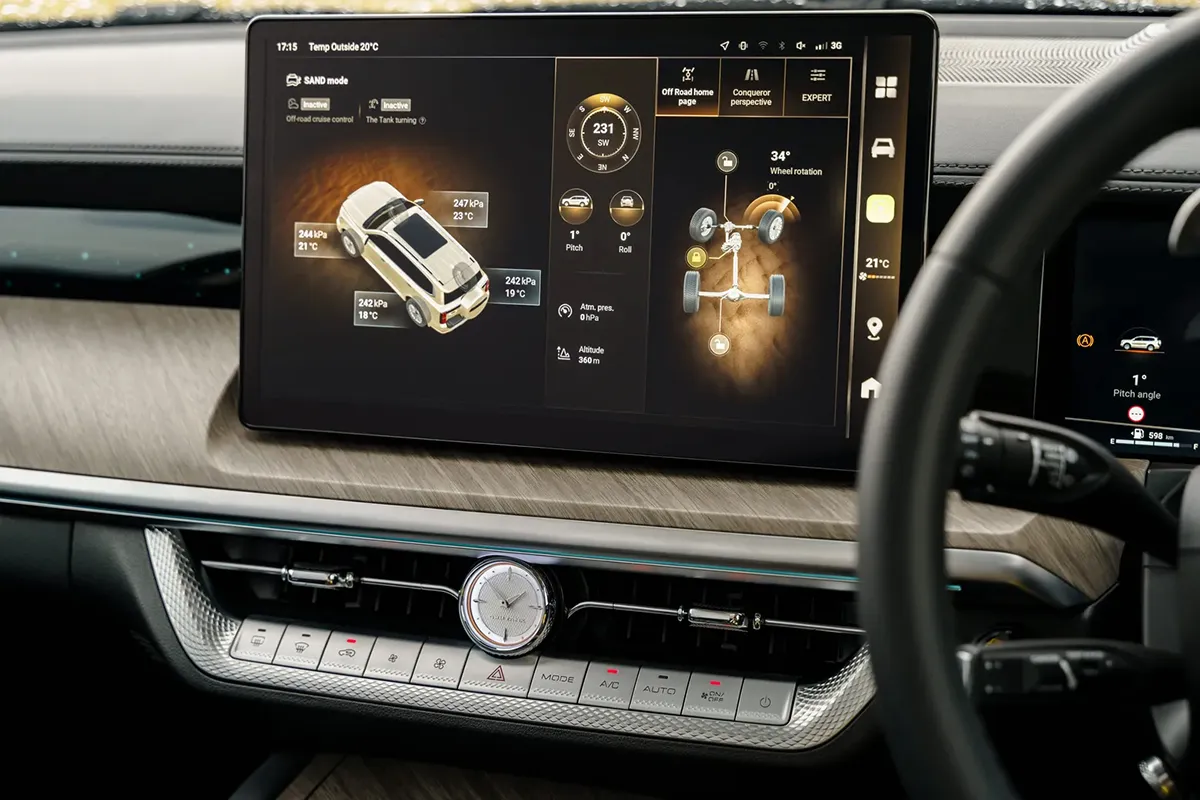
The tech suite is generous rather than clever. The 14.6-inch screen carries wireless Apple CarPlay and Android Auto, embedded navigation, DAB+ and a 360-degree camera with a handy chassis view for rock work. Reviewers note the menus can feel busy, but the hardware is there.
Fit and finish hold up to a squeeze test. Reviewers note even panel gaps, damped switchgear, and doors that shut with a solid thunk rather than a tinny clang. A few lower-dash plastics betray the price point. But nothing here feels like a budget SUV wearing a costume.
Space is the other luxury. Three rows, a flat floor, and rear doors that open wide enough for a child seat without the usual yoga. The third row suits kids and occasional adults. Fold it flat and the boot swallows a big family shop with room over.
There is a scene-tax worth naming. Everest and MU-X owners will tell you those cabins feel sensible. The Tank 500 feels indulgent, closer in mood to a Prado Kakadu than a work truck. For a family buyer, that mood matters more than a spec sheet admits.
How the Hybrid Drives on Road
Is the Tank 500 hybrid quick, and how does it feel?
On paper it is strong. The 2.0-litre turbo-petrol and electric motor combine for 255kW and 648Nm through a nine-speed automatic and full-time four-wheel drive. It moves a 2.6-tonne wagon with real ease. The hybrid here chases smoothness and shove, not fuel savings.
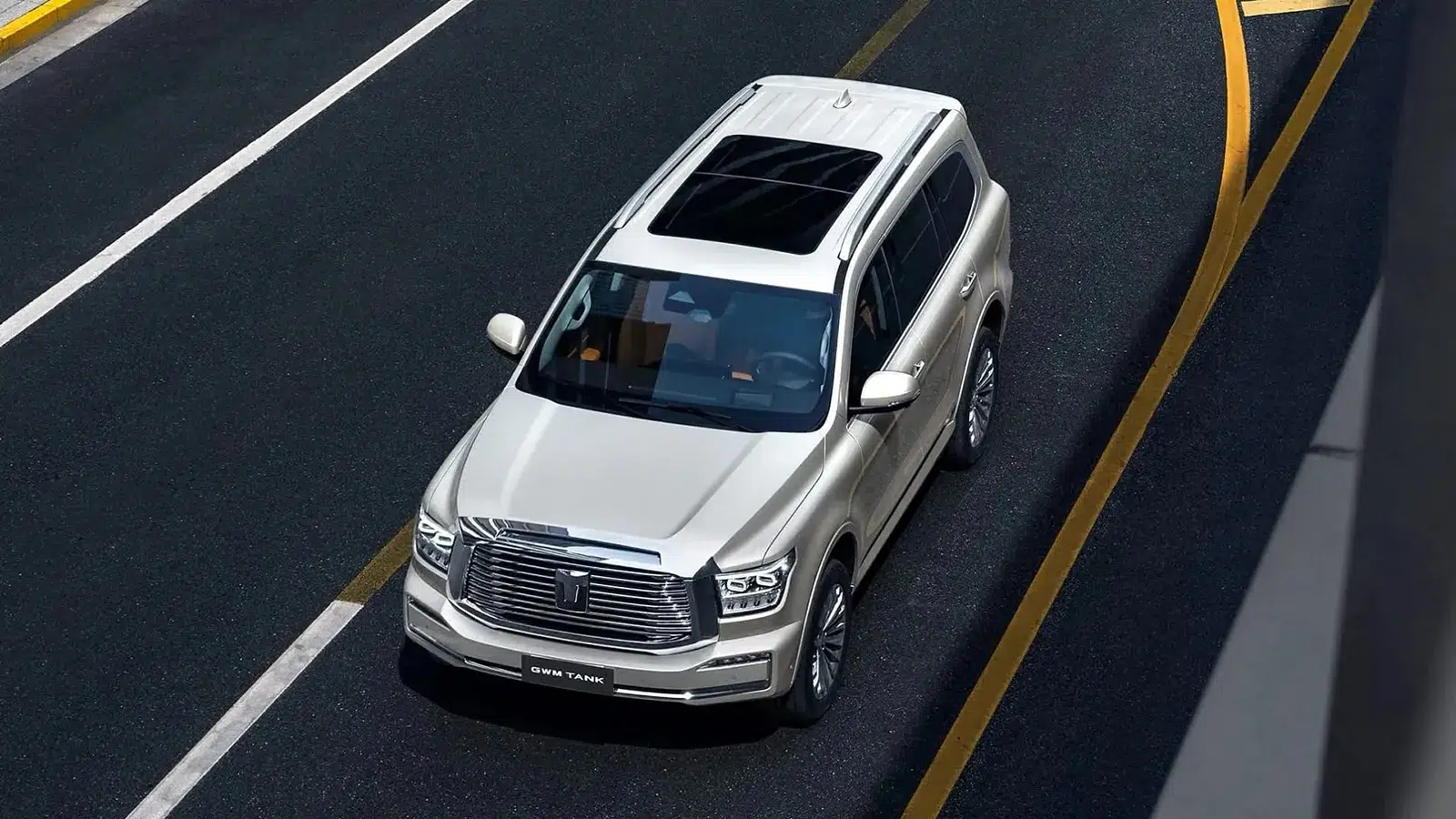
Off the mark, the electric assistance fills the gap before the turbo spools, so there is no diesel-style lag. Reviewers describe the pull as effortless in town and confident at highway speed. This is a hybrid tuned for performance and quiet, not for a frugal number on the dash.
The ride is the surprise. On its ladder-frame chassis you expect a work-truck jiggle, but the Tank 500 settles into a soft, cushioned gait that suits long country runs. Body roll is present, as it is in any tall wagon this heavy. Push into a roundabout and physics reminds you what you are driving.
The nine-speed auto is the weak link in the chain. Reviewers report occasional hesitation and clumsy low-speed shifts as the gearbox and hybrid system negotiate who is doing what. It is not a deal-breaker. It is the tell that this is a first-generation drivetrain still learning its manners.
Can It Actually Go Bush?
Will the complex hybrid handle low-range rock crawling?
The hardware says yes. The Tank 500 runs a BorgWarner transfer case with a 2.64:1 low-range ratio, a locking rear differential as standard, full-time 4WD and eleven terrain modes. Published off-road tests report it climbs and crawls with genuine composure, hybrid system and all.
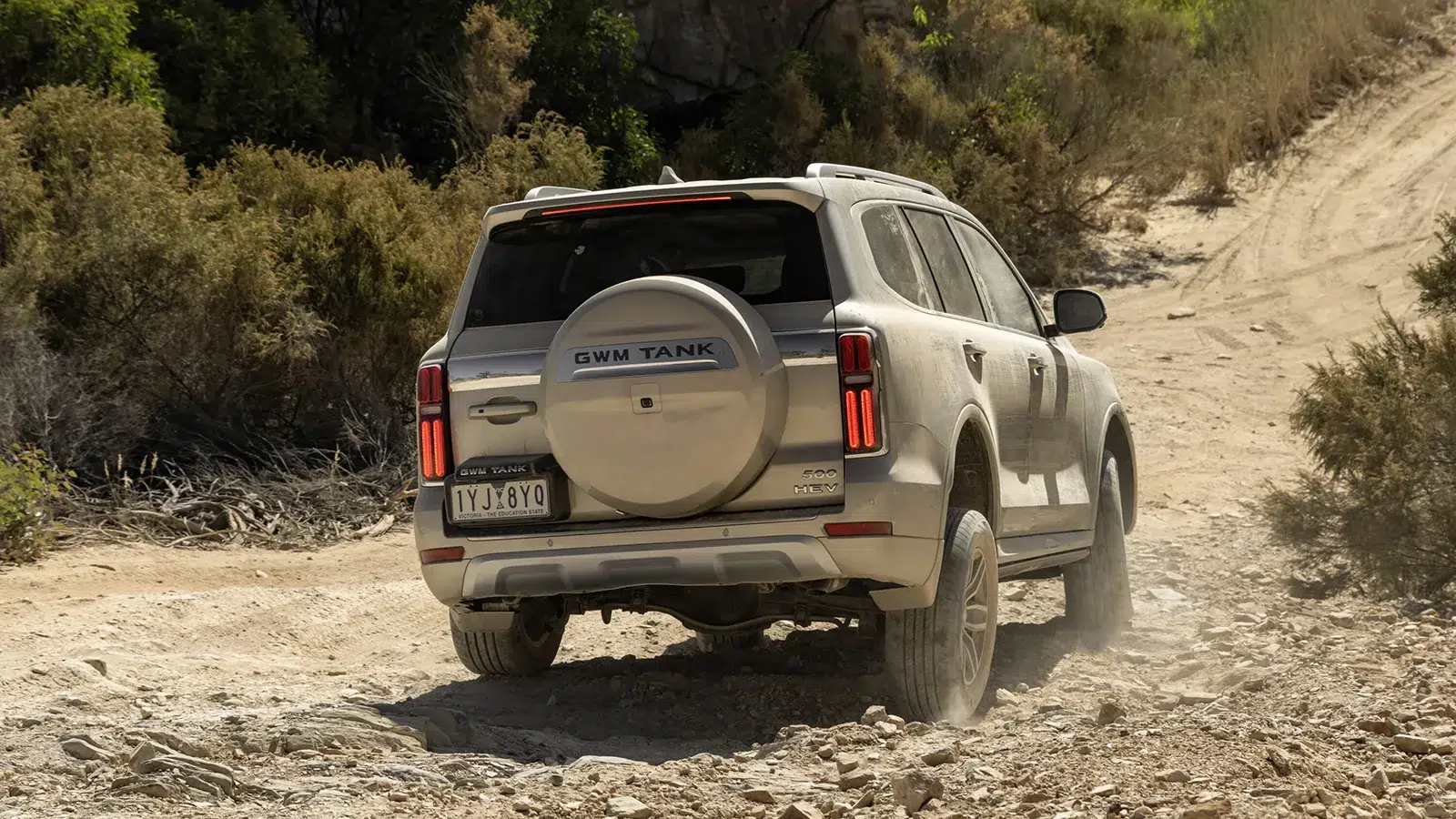
This is where doubters expect the wheels to fall off, figuratively. A battery and electric motor bolted to a serious off-roader sounds fragile. In practice, low-range crawling is exactly where electric torque shines, delivering smooth, instant drive at walking pace without a clutch to ride or revs to manage.
The standard kit is the story. A rear diff lock and low range come fitted, not as a pricey option pack the way some rivals play it. The 360-degree camera with chassis view helps you place a wheel on a rutted track. Ground clearance and angles are competitive with the Everest and MU-X class it targets.
Two honest cautions temper the optimism. First, that 2.6-tonne kerb weight is a lot of mass to haul up a sandy climb, and it will punish tyres and fuel. Second, the aftermarket for GWM is young. Owners fitting bar work, drawers and long-range tanks have fewer off-the-shelf options than a HiLux or LandCruiser buyer takes for granted.
There is a deeper caveat for the truly remote. Taking a hybrid into the outback introduces failure modes a diesel never had, from battery thermal management to stone-strikes on cooling hardware. It is doable with preparation, but it rewrites your pre-trip checklist.
Braked towing is rated at 3,000kg. That covers most family caravans and boats, but it sits below the 3,500kg benchmark a Ranger, Everest or LandCruiser 300 will pull. If you tow at the heavy end every weekend, that 500kg gap is the wrong side of the line.
The Catch Nobody Puts in the Brochure
What is the real cost of running a Tank 500?
Fuel is the sting. Despite the hybrid badge, independent reviews recorded 11 to 12.5L/100km in real driving, well above GWM’s roughly 8.5L/100km lab claim. This hybrid smooths the drive rather than saving fuel. Budget like you bought a big petrol V6, because effectively you did.
The gap between claim and reality is the number to internalise. A LandCruiser 300 diesel will often better it on a long tow or a big country loop, which undercuts one of the Tank 500’s core pitches.
Then there is the elephant in the showroom. The Tank 500 hybrid range is in runout. GWM has already axed the entry Lux Hybrid, leaving the blacked-out Vanta as the last hybrid standing, and a new 3.0-litre turbo-diesel arrives from around the third quarter of 2026.
That does not make the hybrid a bad buy. Parts and warranty support continue. But if you want the newest, most future-proof Tank 500, waiting for the diesel or choosing the continuing Ultra PHEV may serve you better than the runout hybrid.
It is the classic runout dilemma, and whether to grab clearance stock or wait for the update comes down to how long you plan to keep the thing.
Safety, Price and the Verdict
Should you buy a Tank 500 over a LandCruiser 300?
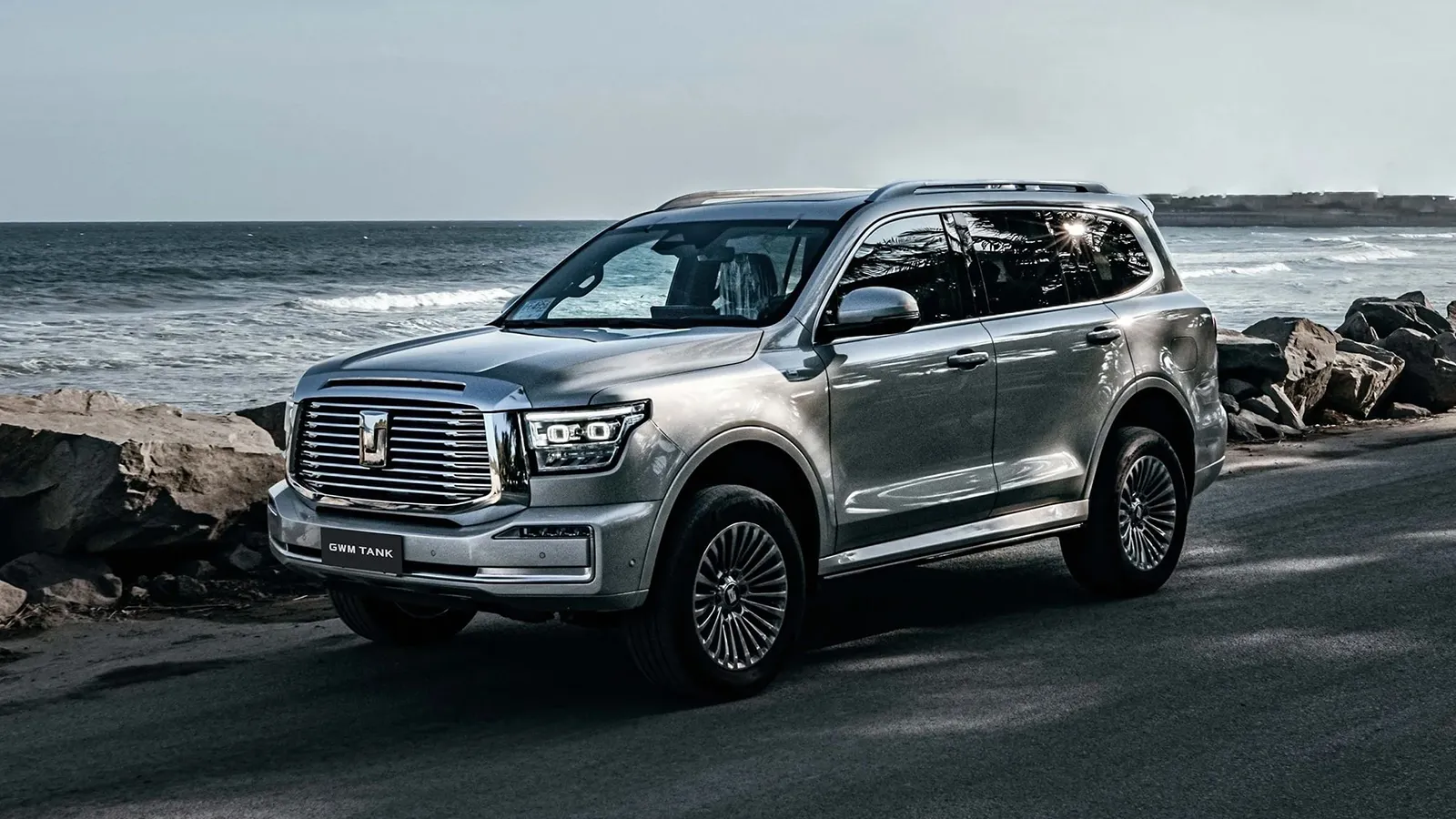
If your budget stops well short of six figures and you tow under 3,000kg, the Tank 500 makes a compelling case. It carries a five-star ANCAP rating, a seven-year warranty, and LandCruiser-grade space for LandCruiser-half money. Just do not expect LandCruiser durability proof yet.
On safety, the Tank 500 wears a five-star ANCAP rating with seven airbags, autonomous emergency braking and adaptive cruise as standard. The driver-assist tech can be over-eager, a common trait in this class, but the fundamentals are sound.
Ownership is where GWM swings hardest. The Vanta Hybrid comes with a seven-year, unlimited-kilometre warranty, seven years of roadside assist and seven years of capped-price servicing. Toyota still stops at five. For a nervous buyer, that extra cover is worth real money in peace of mind.
So who actually buys this? The buyer who wants the big-4WD look and family luxury but cannot stomach a $135,000 LandCruiser or the wait list that comes with it. If that is you, the Tank 500 delivers most of the feeling for half the outlay.
Who should walk away? The heavy-duty tower who needs 3,500kg, the remote traveller who leans on a deep aftermarket, and the buyer chasing genuine hybrid fuel savings. For all three, this is the wrong answer, and honesty saves you the disappointment.
One number to weigh before you sign: resale. Chinese 4WDs are still writing their depreciation story, and early GWM models have shed value faster than the Toyota benchmark. Buy it to keep and the sting stays theoretical. Buy it to trade in three years, and plan for the drop.
The Tank 500 is not a LandCruiser 300, and it never had to be. It is a lot of metal, leather and capability for the money, sold by a brand still proving it can go the distance. GWM is riding the same Chinese-brand surge that pushed BYD into second place nationally, and that momentum buys it a patience most newcomers never earn.
Buy it for what it is today, not for a decade of resale you cannot yet bank on.


