
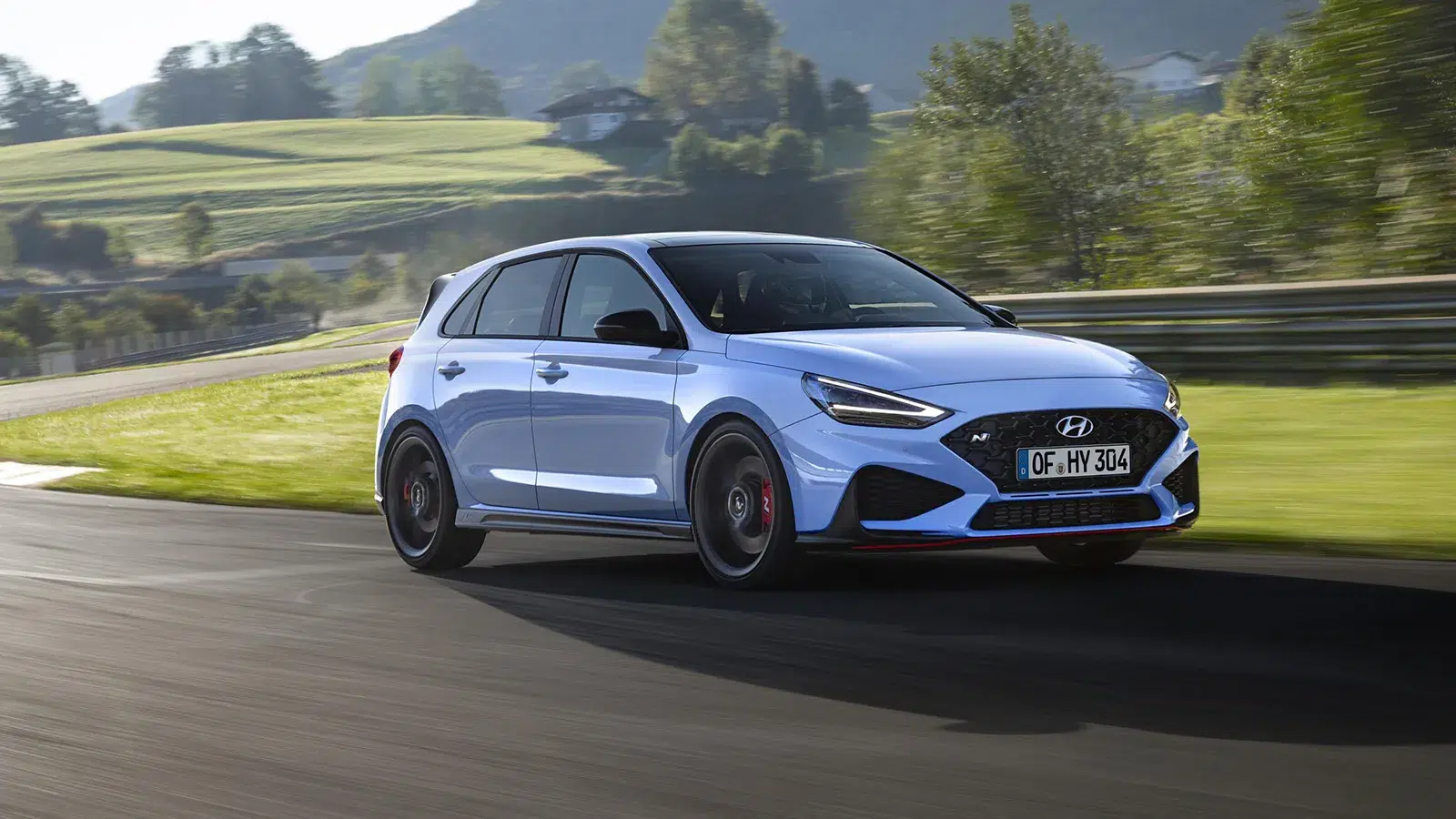

Young drivers are not the ones getting hammered by insurance increases this year. Over-70s are. That single fact upends most of what gets written about hot hatch premiums, and the real story underneath it is far more useful to anyone shopping for an i30 N.
The number that breaks the narrative
CHOICE compared market-representative comprehensive quotes across up to 10,010 scenarios in January 2025 against the same scenarios in January 2026. Prices to new customers rose 4.4 per cent on average. Drivers under 21 copped less than 1 per cent. The 70-plus bracket copped 7 per cent, the largest increase of any age group.
The pattern runs consistently down the age curve, with progressively smaller increases the younger the driver. Female main drivers saw 4 per cent on average against 5 per cent for male main drivers, widening an existing gender gap.
That is the opposite of the story everyone tells about young drivers and insurance. It does not mean young drivers have it easy. It means their premiums were already at the ceiling before this round of increases started.
So why does it still cost so much?
Because there is nothing left to add. CHOICE insurance expert Daniel Graham puts it plainly: “The market for young drivers is very competitive, since under 25s already pay some of the highest premiums in the country.” His read on why the increases landed elsewhere is blunter still.
“Possibly insurers have decided they can’t squeeze any more blood from that stone, and have increased premiums on age cohorts that had lower prices to begin with,” Graham says. It is a rare case of a market being too brutal to get worse.
That competitive pressure is the one piece of good news in the data. Insurers actively fight for under-25 business, which means shopping around genuinely moves the number for a young driver in a way it does not for a 45-year-old in a Camry.
The tax is on the car, not the driver
Here is where the hot hatch part becomes real. Bingle raised new-policy prices 25 per cent on average, the largest rise CHOICE recorded, and the breakdown shows exactly which cars absorbed it: vehicles built after 2020 up 40 per cent, cars worth more than $30,000 up 37 per cent, and electric vehicles up 46 per cent.
Bingle Premium Increases
January 2025 compared with January 2026
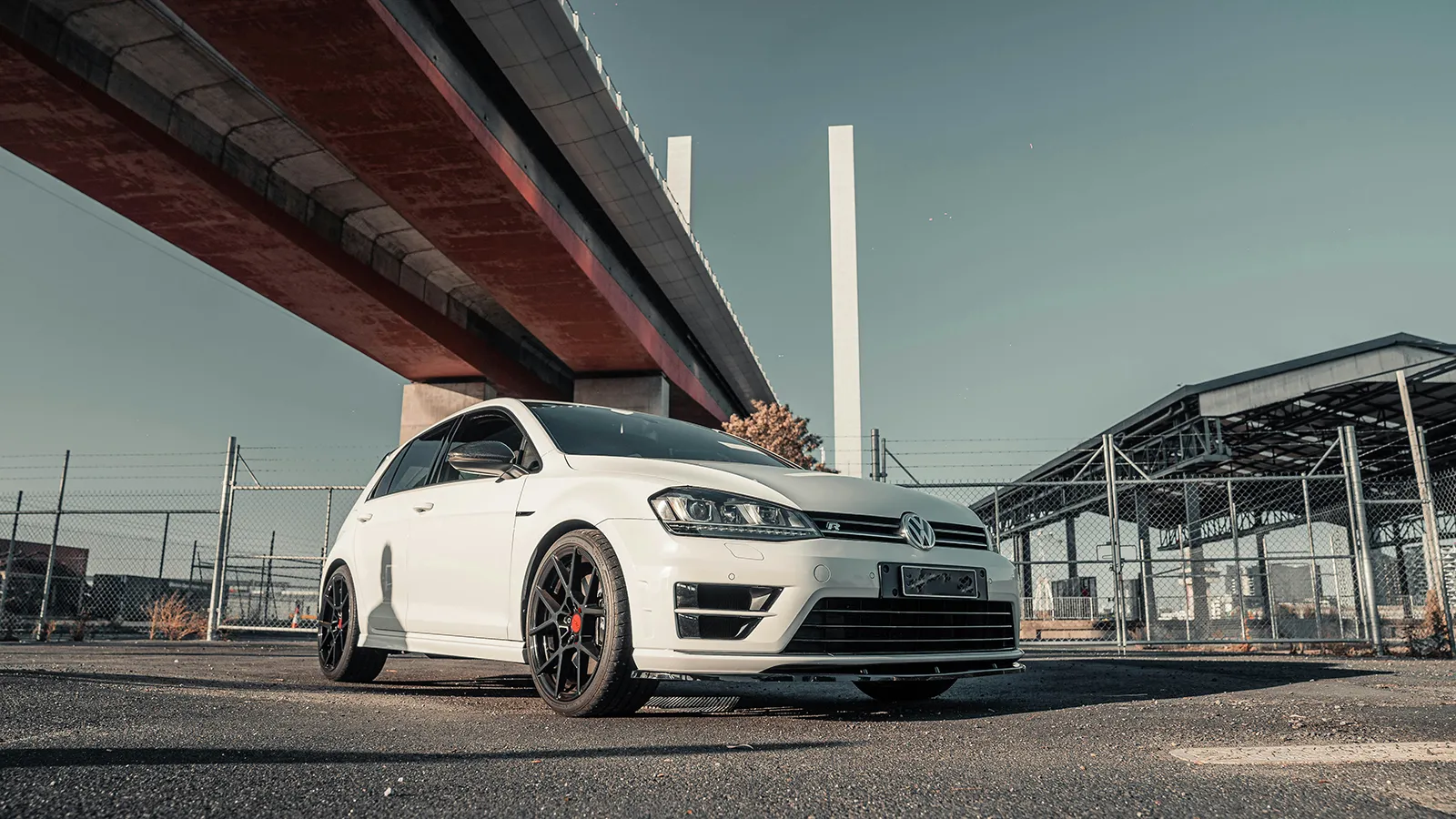
A current i30 N, Golf GTI/R or WRX sits inside two of those brackets at once. Newer than 2020 and worth more than $30,000 is the profile getting repriced hardest, and it has nothing to do with the badge on the bonnet or the driver behind the wheel.
Graham describes the mechanism without any mystique. “Each insurer has a range of levers they can pull to manage risk and improve their profitability, whether that’s changing the price for all automatic SUVs in suburban Perth, or upping the premiums of 23-year-old renters in regional NSW.”
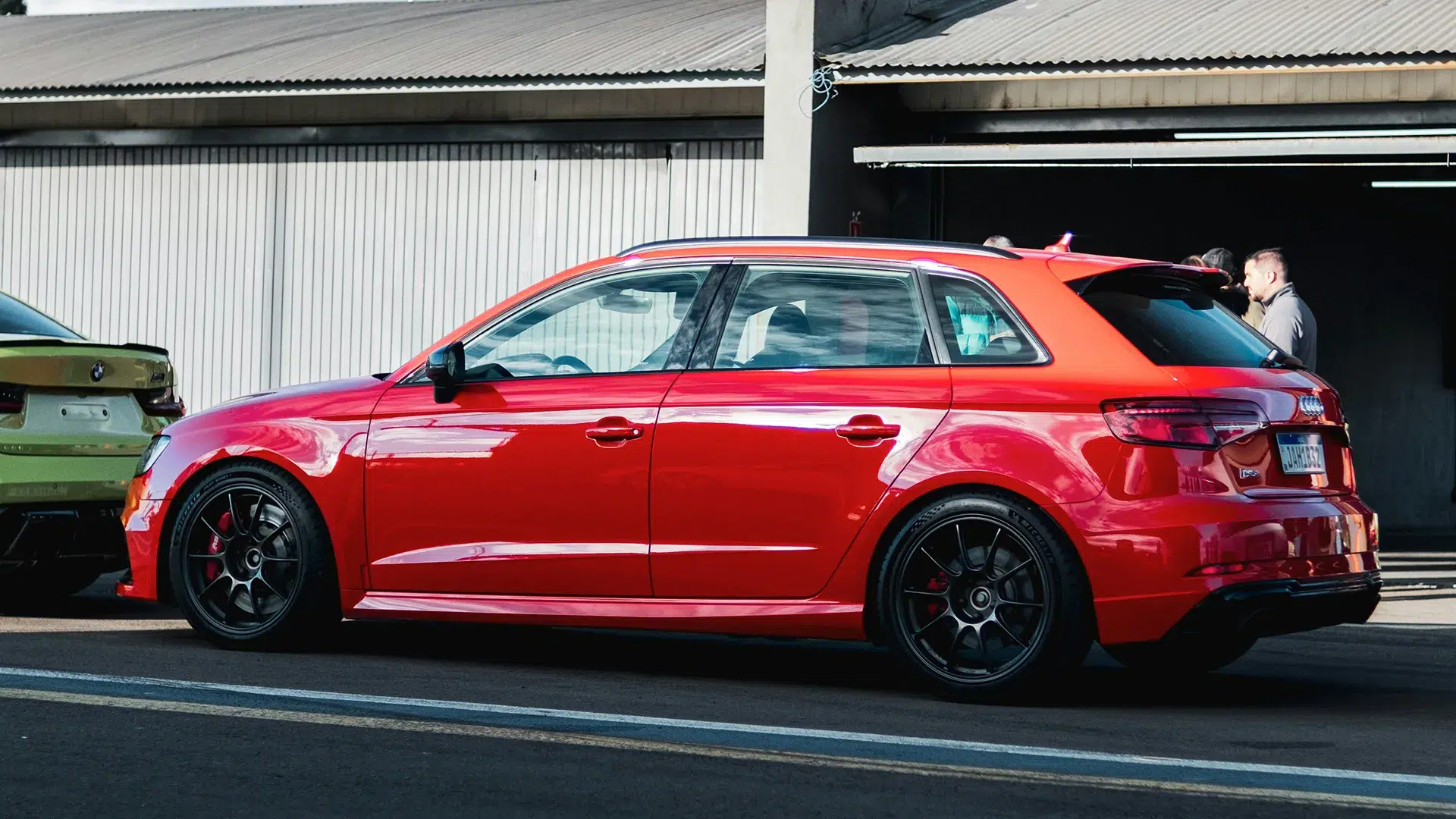
Repair cost is doing most of the work. The Insurance Council of Australia has motor claims costs up 47 per cent since 2020, driven by parts, labour and vehicle complexity. A modern hot hatch is expensive to fix, which is a more honest explanation than any theory about who buys them.
The increase nobody sees coming
The 8 per cent industry-wide rise last financial year did not come from new policies at all. CHOICE found new-policy prices were flat across the same period, meaning the entire increase landed on existing customers at renewal. Loyalty is the most expensive thing in the market.
For a young driver that matters more than for anyone else, because the segment is competitively priced for new business and quietly repriced at renewal. Auto-renewing a hot hatch policy for three years is a costly habit.
Not every insurer moved the same way either. Kogan’s average new-policy prices dropped 31 per cent over the period CHOICE measured, which is the clearest possible argument for getting more than one quote.
What this means if you want one
Get quotes before you buy the car, not after. Premium variation between insurers on the same young driver in the same performance car is now wide enough to change which car is affordable, and finding that out after the deposit is a bad sequence.
Check the power-to-weight rules before the premium, because in New South Wales and Victoria a 206kW i30 N is off-limits on your Ps regardless of what it costs to insure. There is no point pricing a car you cannot legally drive.
Declare everything. Modifications are a material fact, and a tune counts even though there is nothing to see under the bonnet. Anyone considering a Stage 1 flash on a GTI or R should ring the insurer before the tuner, not after.
And if the numbers do not work, they do not work. The duller first-car options are cheaper for exactly the reasons they are duller. EV shoppers should note that 46 per cent figure and read up on where EV premiums are heading.
The hot hatch tax is real. It is just being levied on the repair bill rather than on your age, and the fastest-rising premiums in the country right now belong to someone’s grandfather.


