
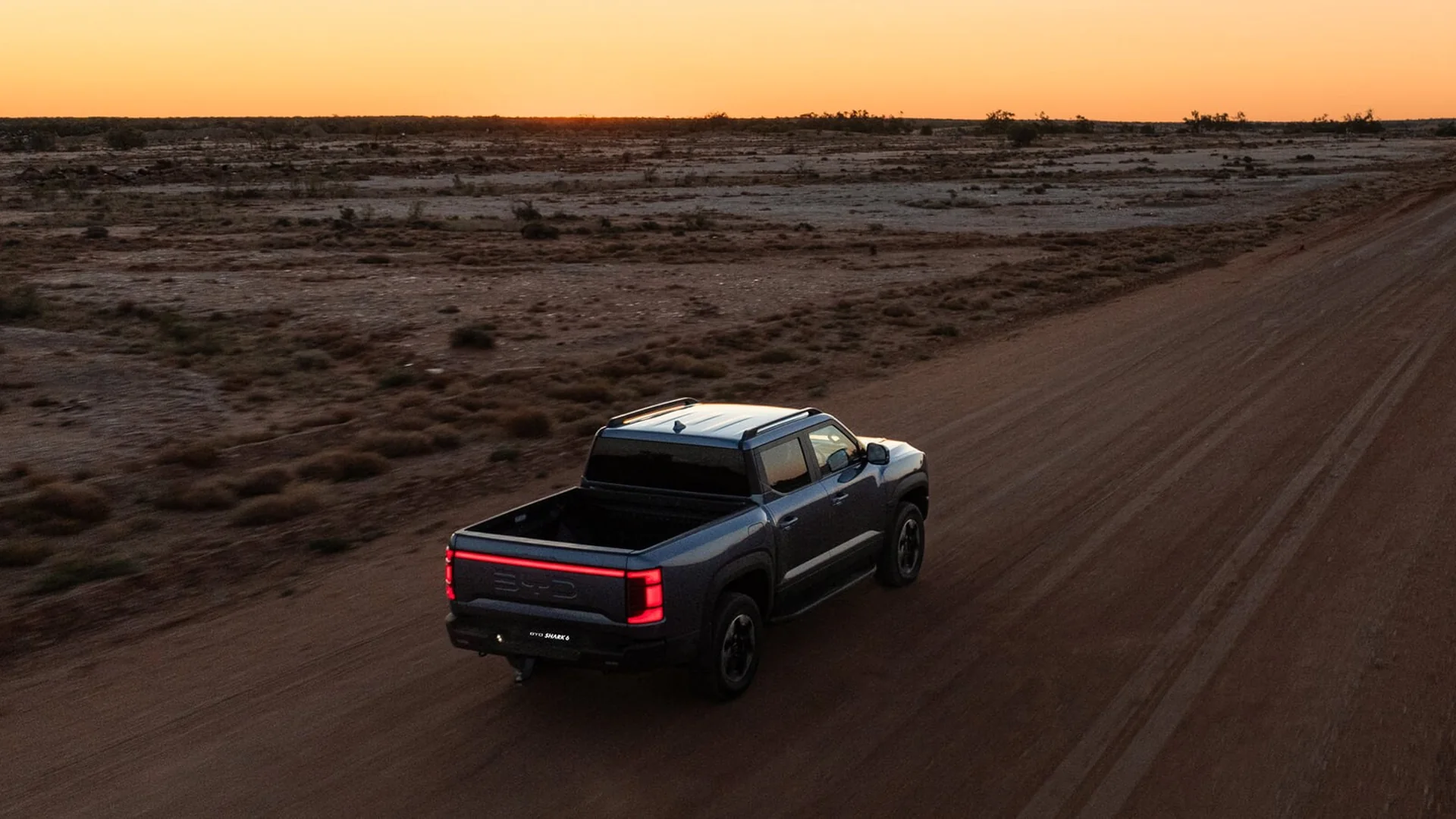

The BYD Shark 6 is the plug-in hybrid ute that turned BYD into a ute brand overnight. Going by the road tests, it’s very good at the school run and the site commute, and ordinary at the thing utes get bought for in Australia: towing a heavy van a long way.
We haven’t driven one. This guide pulls together BYD’s specs and what named Australian testers recorded, with the focus on the Premium pick-up and notes on the Performance and Dynamic where they change the answer.
- 321kW and 650Nm from a 1.5 turbo and two motors
- 100km claimed (NEDC) electric range: most commutes need no petrol
- About 7.2L/100km reported with a flat battery
- 6.6kW V2L through four 230V outlets
- Five-star ANCAP (2025), $57,900 before on-roads
- Premium tows 2,500kg, not 3,500kg
- No low range or locking diffs
- Around 17 to 18L/100km reported when towing
- 790kg payload on a 3,500kg GVM
- Spare wheel recall on 32,009 utes
- No new-car FBT exemption for PHEVs
Which Shark 6 should you look at?
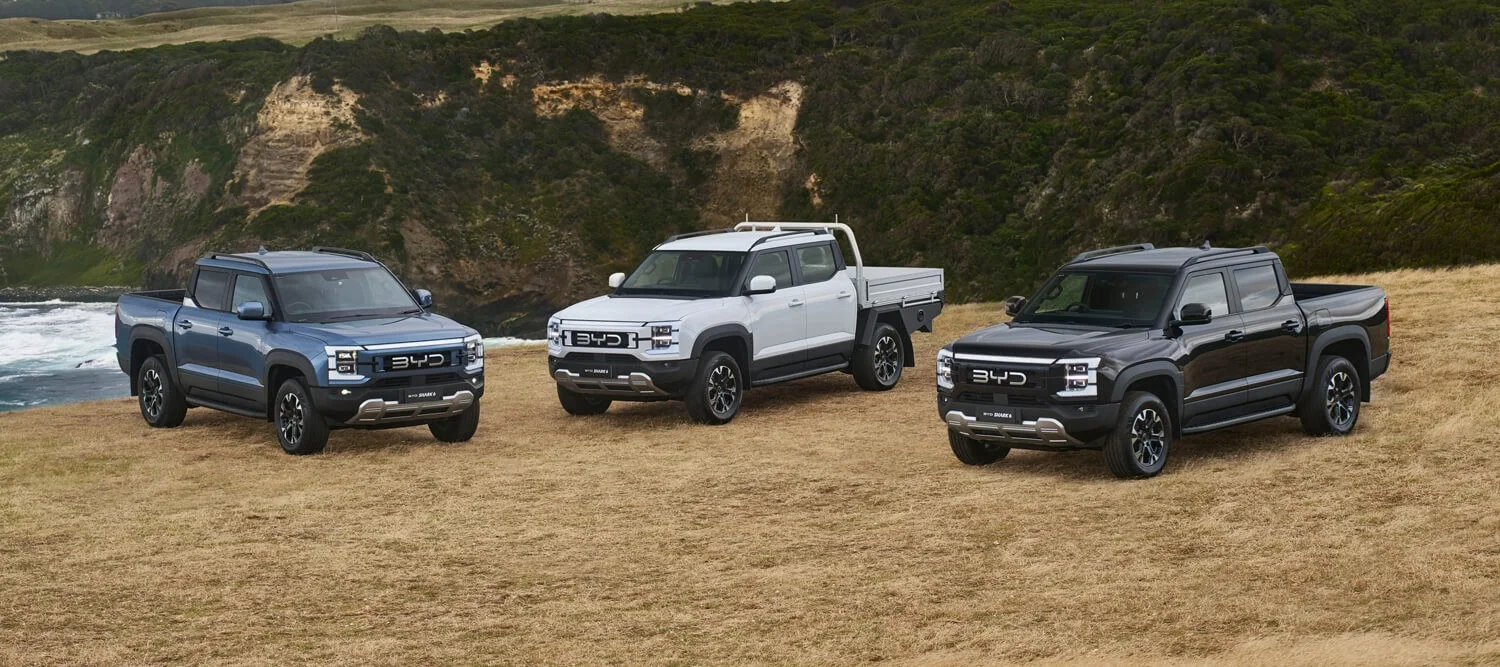
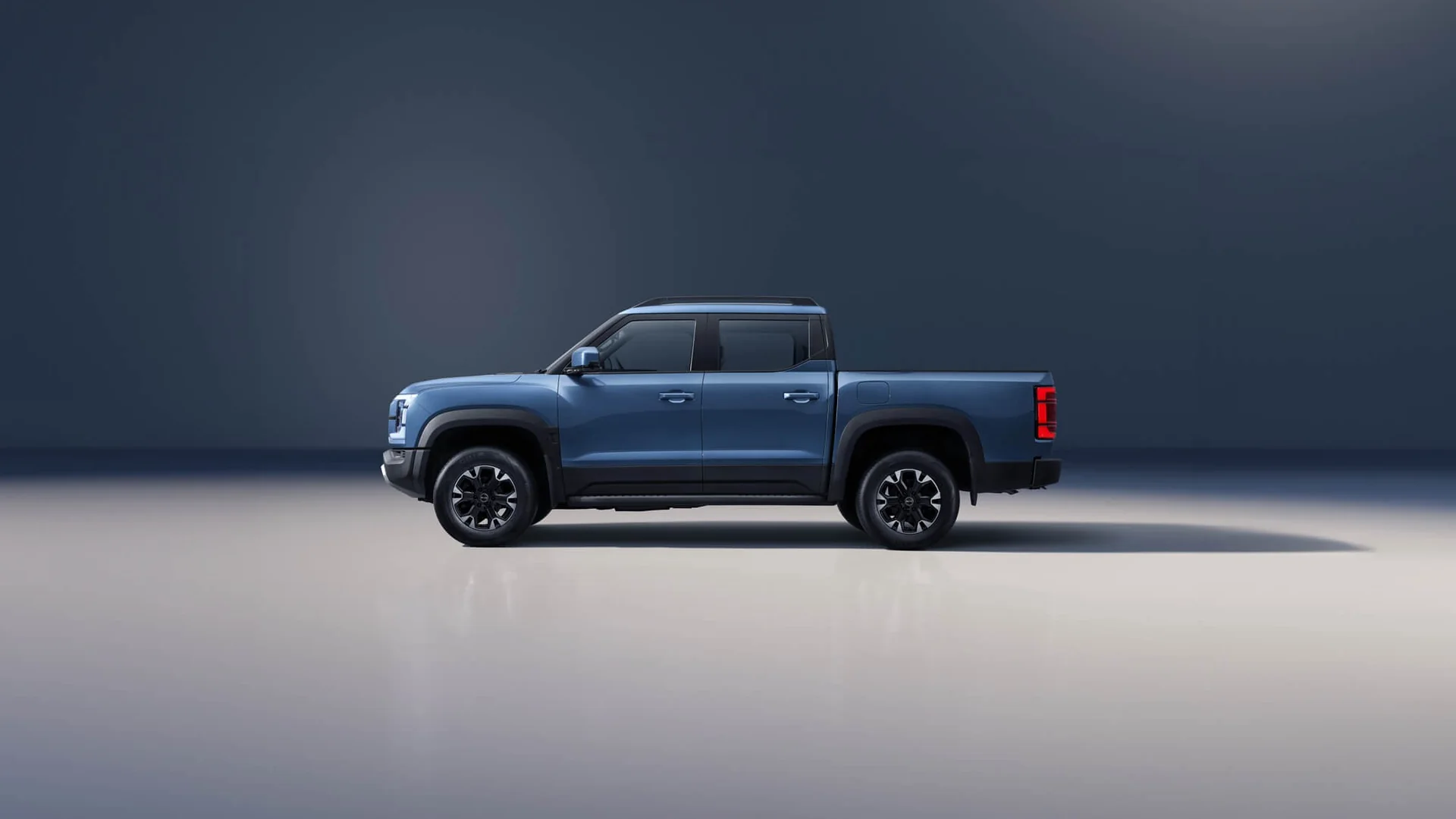
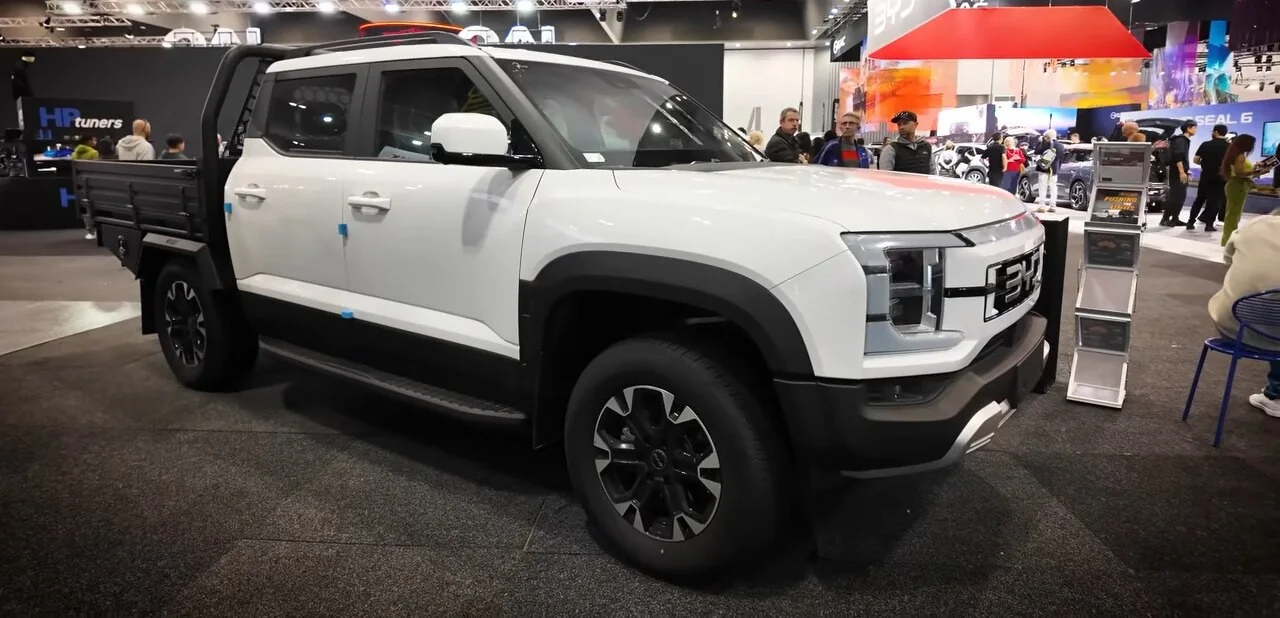
There are now three. The Dynamic Cab Chassis starts at $55,900 before on-roads, the Premium pick-up is $57,900, and the Performance, with a 2.0-litre turbo and 350kW, is $62,900, according to BYD’s configurator in October 2026. BYD is offering $4,000 cashback on all three for orders placed by 21 December and delivered by 31 December 2026, or 0.99 per cent finance as an alternative.
| Dynamic Cab Chassis | Premium | Performance | |
|---|---|---|---|
| Price (before on-roads) | $55,900 (tray extra) | $57,900 | $62,900 |
| Petrol engine | 1.5 turbo, 135kW | 1.5 turbo, 135kW | 2.0 turbo, 180kW |
| System output | 321kW / 650Nm | 321kW / 650Nm | 350kW / 700Nm |
| Battery / claimed EV range | 29.6kWh / 100km (NEDC) | 29.6kWh / 100km (NEDC) | 29.6kWh / 80km (WLTP) |
| Fuel, battery below 25% | 7.9L/100km | 7.9L/100km | 10.5L/100km |
| Braked towing / towball | 2,500kg / 250kg | 2,500kg / 250kg | 3,500kg / 350kg |
| Payload (GVM 3,500kg) | 900kg before tray | 790kg | 725kg |
| GCM | 5,750kg | 5,750kg | 6,650kg |
Source: BYD Shark 6 specification sheet (version 260525) and configurator, checked 23 October 2026. Fuel figures are ADR 81/02 claims.
Read the towing row twice. Much of what ranks online still says the Shark tows 2,500kg, full stop. That’s true of the two 1.5-litre variants. Chasing Cars explains why the Performance gets 3,500kg: its 2.0-litre engine can feed 90kW into the hybrid system, against 70kW for the 1.5, so it can keep the battery topped up under load.
Inside: a big screen and a very quiet cabin
The Premium’s centre screen is 15.6 inches and rotates between landscape and portrait, and the Dynamic makes do with 12.8 inches. NRMA didn’t find the system intuitive and called phone setup frustrating. CarExpert notes that hill descent control sits in a screen menu, not on a button.
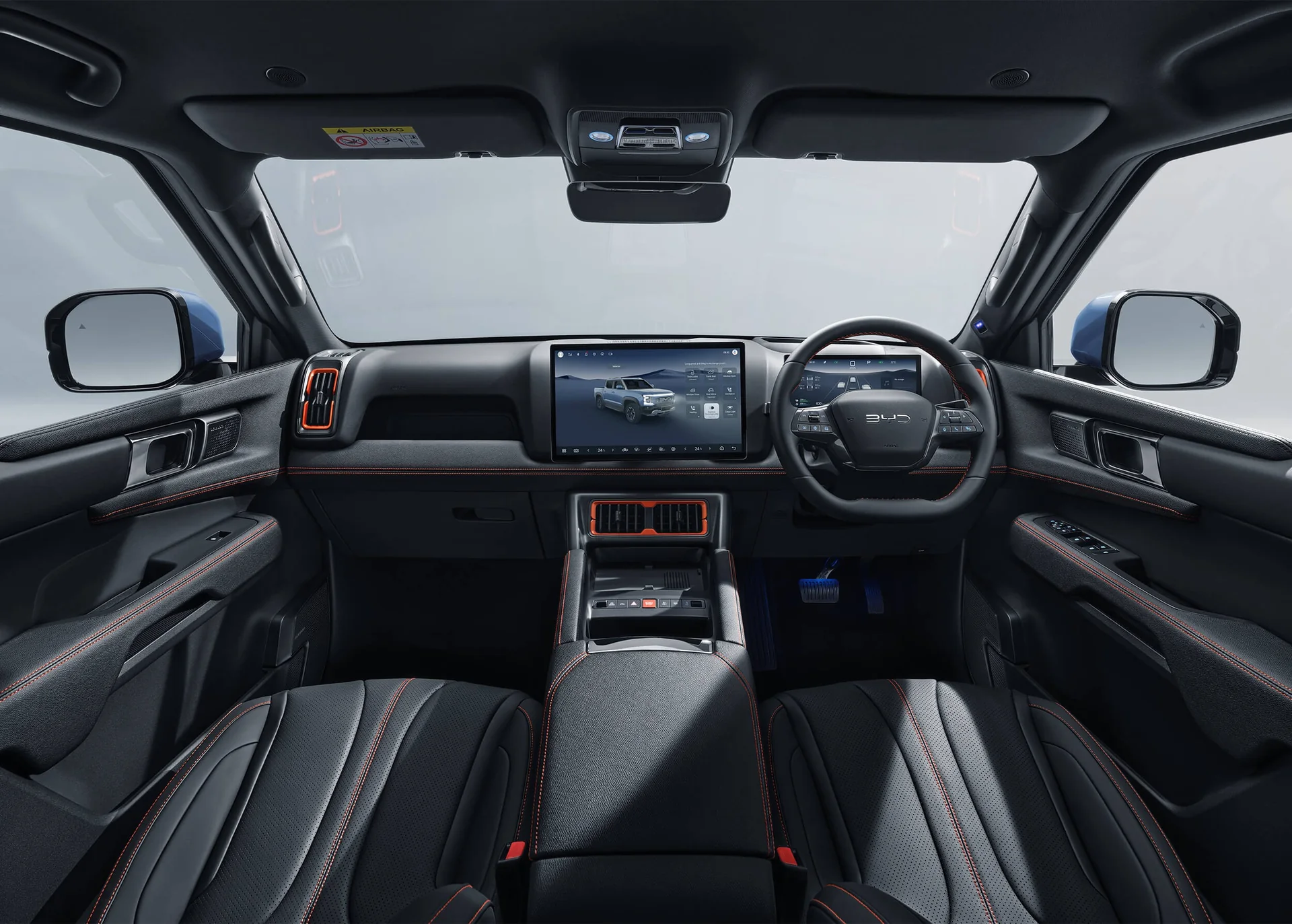
The Performance’s newer cabin brings Google built-in, a fixed screen and a column-stalk shifter. BYD told RACV the Performance’s cabin changes will flow down to the Premium, so check which version you’re being shown.
Then there’s V2L. Every Shark has 6.6kW of vehicle-to-load through four 230V outlets, one in the cabin and three in the tub. That runs power tools on a building site or a camp kitchen without a generator. Charging is 7kW on AC and 55kW on DC, so a home wallbox charger refills the battery overnight.
How does the Shark 6 drive?
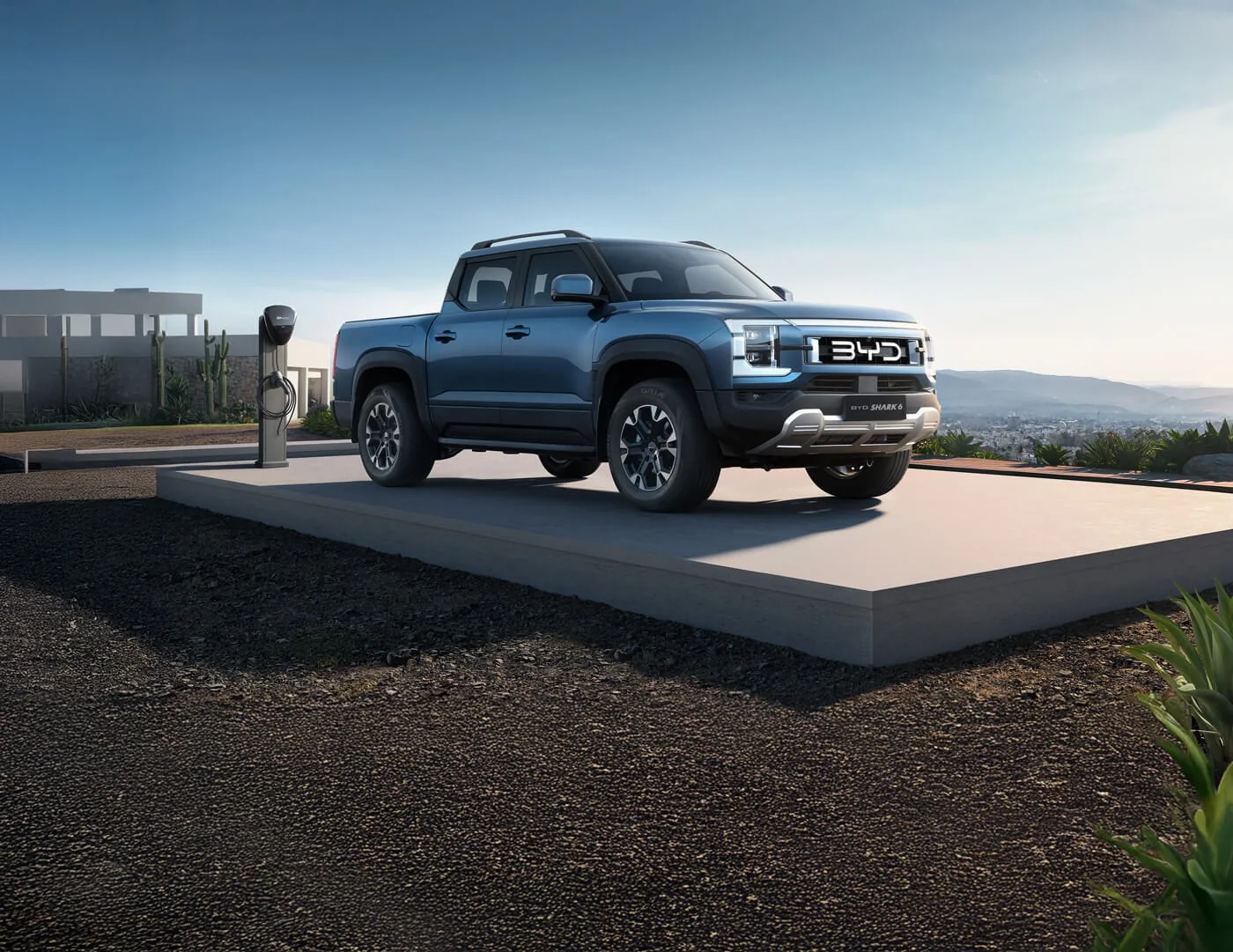
Quickly. BYD claims 5.7 seconds to 100km/h for the Premium, which is sports-car pace in a 2.7-tonne ute. Around town it mostly runs on electricity, with the petrol engine charging the battery or helping out at speed. NRMA found it rides more like a car than rival utes. WhichCar noticed the weight under hard braking and found the suspension sags near maximum payload.
On a 60-litre tank, 17.4L/100km works out at about 345km between fills when towing. carsales put its worst case at 294km. Plan fuel stops like you would in an old petrol V8.
Sources: BYD Shark 6 specification sheet; CarExpert; RACV; carsales; RACV. Figures are each outlet's own, on different variants and routes. Range calculation is ours.
The number to look at is the one with a flat battery. CarExpert recorded 7.2L/100km over a week of Melbourne commuting with less than 25 per cent charge, less than the 8.0L/100km it saw from a depleted Ford Ranger PHEV. With a charged battery, WhichCar routinely got 85 to 90km of electric driving. Charge it nightly and many owners will rarely buy petrol. Skip the plug and it’s a diesel-economy ute running on dearer-than-ever fuel.
Towing and touring: where the Shark comes up short
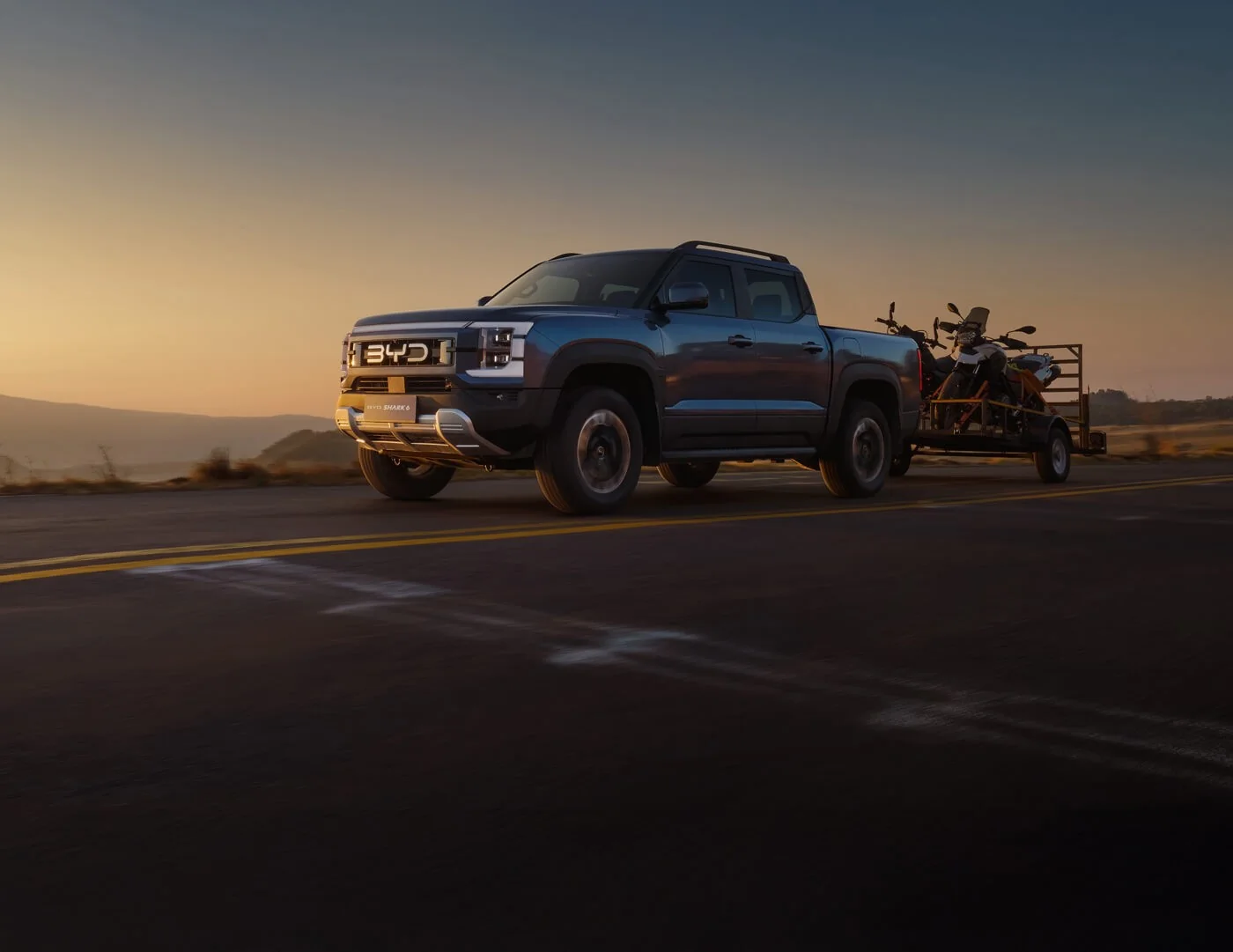
Towing is the Shark’s weak spot. In a carsales tow test, a Premium pulling a 2,400kg caravan averaged about 17 to 18L/100km, which on a 60-litre tank gave a worst-case range of 294km. RACV saw 18L/100km towing a 3.5-tonne van in a Performance. NRMA said the Performance felt barely strained with about 2.7 tonnes behind it, so it will do the job. You’ll just be stopping for fuel a lot on the Hume.
Payload is the other limit. The Premium carries 790kg on a 3,500kg GVM, and the Performance 725kg. Ironman 4×4 offers a GVM upgrade to 3,850kg for $4,190 fitted, lifting Premium payload to 1,140kg, but towing stays at 2,500kg. If you’re towing over 2.5 tonnes or carrying heavy loads daily, a diesel Ranger or HiLux is the better tool.
Off-road, it’s a soft-roader in work boots. There’s no low range, no locking diffs and no mechanical link between the axles, and Crawl Mode is a software feature that limits the ute to 20km/h. It launched on the Performance, with BYD promising an over-the-air update for the Premium and Dynamic. Ground clearance is 230mm and wading depth 700mm. 4X4 Australia rated it competent for light dirt roads.
The recall and the hacking story
In September 2026, BYD recalled 32,009 Shark 6 utes, recall number REC-006728, over the spare wheel. CarExpert reports BYD found incorrect installation, tray positioning or fastening torque could wear the support cable until the spare detaches, a hazard to other road users. The build ranges are Premiums from 29 August 2024 to 12 June 2026, Dynamics to 15 April 2026 and Performance utes to 15 June 2026. BYD says only some vehicles within those ranges are affected, and later builds are outside it.
The fix is a free replacement spare wheel lifter of an updated design, taking about 30 minutes. Until then, BYD advises owners to remove the spare, as described in the handbook. Check your VIN on BYD’s recall page. If you’re buying used, ask for proof the work is done.
Separately, a Four Corners report on 21 September showed researchers accessing a Shark’s location and calls. BYD’s own investigation found a software defect let the researcher install an untrusted app, and said physical access was required. An over-the-air fix was pending validation in October. Install updates as they arrive.
Safety, warranty and running costs
The Shark 6 holds a five-star ANCAP rating from 2025, covering all variants: 85 per cent for adults, 87 for children, 74 for vulnerable road users and 86 for safety assist. It copped the full 8-point penalty in the frontal offset test because it poses a higher risk to occupants of the other car, and AEB Backover scored marginal.
The warranty runs six years or 150,000km, and the battery eight years or 160,000km. Services fall every 12 months or 20,000km; RACV puts the first five at an average of $497.80, or $2,489 in total. Roadside assistance is 12 months from delivery. Twelve-month, 20,000km intervals suit high-kilometre owners.
Can you salary package a Shark 6 tax-free?
Not as a new car. The ATO says plug-in hybrids stopped counting as low-emission vehicles for the fringe benefits tax exemption from 1 April 2025, unless the car was already used or committed to before then. A novated lease still works, but without the EV exemption. Luxury Car Tax doesn’t apply: every Shark sits well under the thresholds.
Price and the rivals
The Shark set the price for PHEV utes, and its rivals have since caught up. It still sells well, with 1,492 delivered in September, though it sits well behind the Ranger and HiLux. The Chery Stockman diesel PHEV is the next one coming.
| Ute | Starting from | Claimed EV range | Braked towing |
|---|---|---|---|
| BYD Shark 6 Premium | $57,900 before on-roads | 100km (NEDC) | 2,500kg |
| BYD Shark 6 Performance | $62,900 before on-roads | 80km (WLTP) | 3,500kg |
| GWM Cannon Alpha PHEV Lux | $57,490 drive-away | 115km (NEDC) | 3,500kg |
| Ford Ranger PHEV XL (MY26) | $59,000 drive-away (introductory) | 49km (NEDC) | 3,500kg |
| Toyota HiLux SR5 diesel | $63,990 before on-roads (manual) | n/a | 3,500kg |
Sources: BYD Australia, CarExpert (Cannon Alpha, Ranger PHEV), Chasing Cars (HiLux). Drive-away and before on-road prices aren't directly comparable; check your state.
Against the HiLux and Ranger, the Shark wins on running costs for anyone who plugs in, and on performance. It loses on towing, payload, off-road hardware and touring range. The Cannon Alpha PHEV matches its price with 3,500kg towing. If you want a diesel dual-cab with full towing for similar money, look at the Kia Tasman.
Who should buy the BYD Shark 6?
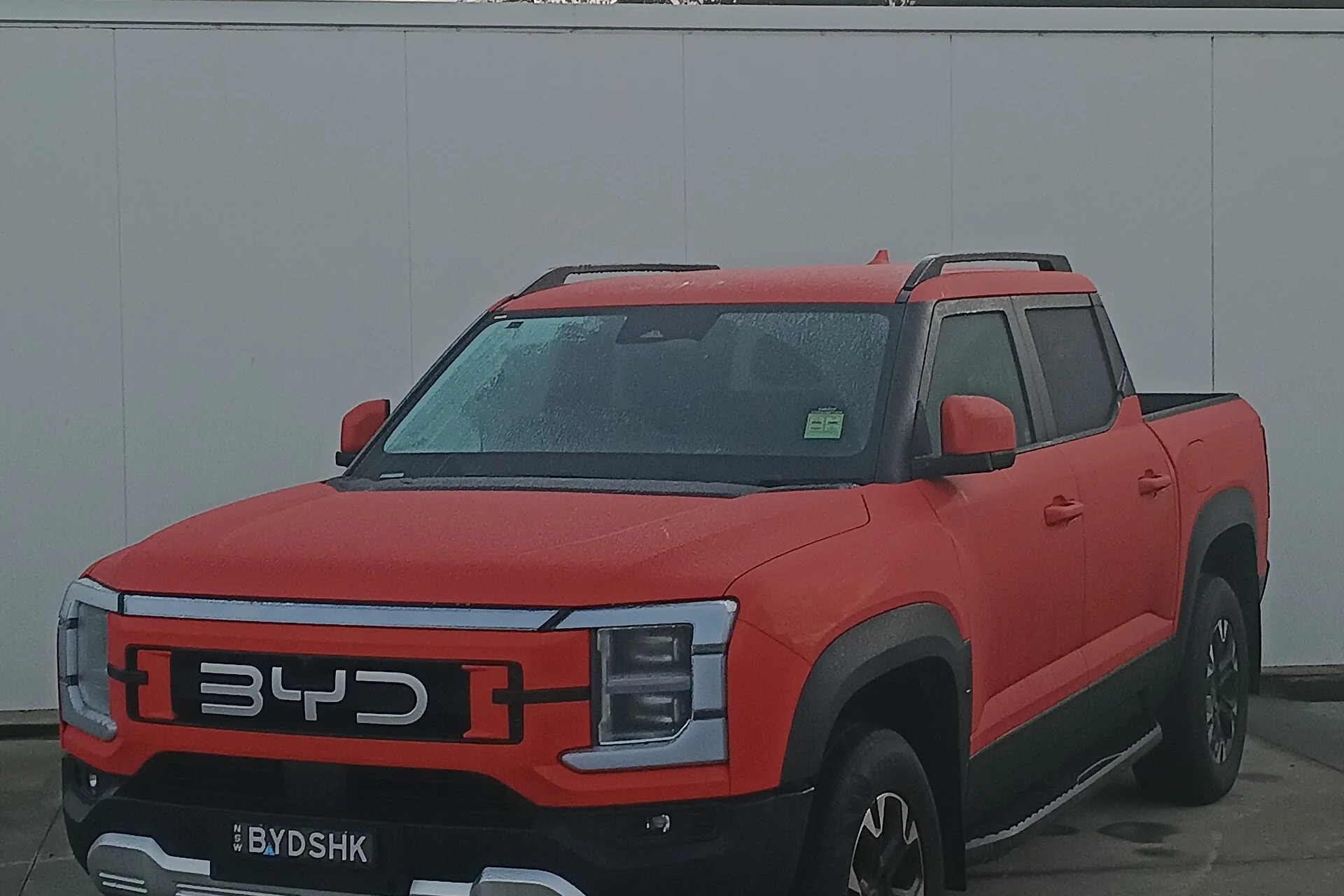
- Buy the Premium if you commute, tow under 2.5 tonnes and can charge at home or work.
- Buy the Performance if you tow up to 3.5 tonnes occasionally and want the PHEV running costs the rest of the week.
- Buy the Dynamic Cab Chassis for a trade tray, and budget for the tray on top.
- Don’t buy any Shark to tow a big van around Australia, or for serious low-range four-wheel driving.
Plugged in every night, the Shark 6 is one of the cheapest dual-cabs to run. Hitch up a big van and leave the charger behind, and it’s a thirsty ute with a short range. Work out which of those owners you are before you sign.


