

Australia's best-selling hybrid SUV still can't tell you how it performs in a crash. The new Toyota RAV4 went on sale in April without an ANCAP rating, it now needs premium fuel, and the front-drive version tows just 800kg. None of that makes it a bad car. It does mean the default choice isn't automatically the right one in 2026.
Buyers are shopping around anyway. Hybrid sales rose 20.7 per cent to 17,843 in September's VFACTS figures. We ranked the seven self-charging medium SUVs worth a place on your shortlist by price, safety, towing, fuel use and five-year running costs, using each maker's own figures. Plug-in hybrids are a different decision, and we deal with them further down.
The short answer: our 2026 ranking
The Kia Sportage Hybrid is the best hybrid medium SUV you can buy in Australia right now. It tows 1,900kg even in front-drive form, runs on regular unleaded, carries a five-star rating that's valid until December 2028, and comes with a seven-year warranty. The Hyundai Tucson Hybrid is the same recipe for less money, with a shorter shelf life.
| Car | From | Best for |
|---|---|---|
| 1. Kia Sportage Hybrid | $44,450 + ORC | Families who tow and want one car to do everything |
| 2. Hyundai Tucson Hybrid | $42,850 + ORC | Short-term owners chasing a runout deal |
| 3. Toyota RAV4 Hybrid | $45,990 + ORC | Lowest running costs, once it's rated |
| 4. MG HS Hybrid+ | $39,990 drive-away | The tightest budget |
| 5. GWM Haval H6 HEV | $40,990 drive-away | The most power for the money |
| 6. Subaru Forester Hybrid | $46,490 + ORC | Gravel roads and snow trips |
| 7. Nissan X-Trail e-Power | $45,990 + ORC | An EV feel without a plug |
Prices are for the cheapest hybrid variant as at October 2026. ORC means before on-road costs. Hyundai's entry Tucson Hybrid has been quoted at both $42,600 and $42,850; check with your dealer.
Read the price column carefully. Toyota, Hyundai, Kia, Nissan and Subaru quote list prices before on-road costs, while MG and GWM publish national drive-away prices. Once stamp duty, registration and dealer delivery are added, the gap between the MG and the Toyota is wider than it looks, often by several thousand dollars depending on your state.
What does a hybrid SUV cost to run for five years?
Over five years and 50,000km, the RAV4 is the cheapest of the seven to run, premium fuel and all, at about $7,155 for fuel and capped servicing. The Forester is the dearest at about $9,417. That spread is smaller than the price gap between most of these cars, so buy on purchase price and suitability first.
Cheapest to most expensive is a spread of $2,262 over five years, or about $38 a month. That's less than the gap between most of these cars' purchase prices, so running costs should be a tie-breaker, not the deciding factor.
Our calculation. Fuel uses each maker's ADR 81/02 combined figure and October 2026 prices of 229.6c a litre for 91 and 245.8c for 95 (Perth averages from FuelWatch, 23 October 2026). Servicing is each brand's published capped price for the first five scheduled services. Excludes insurance, tyres and registration.
Two caveats apply. Lab figures flatter some cars more than others: in the AAA's real-world testing the Forester Hybrid used 5.5L/100km, 12 per cent better than its lab figure, while the MY25 Tucson Hybrid used 5.7L/100km, 8 per cent worse. There's more on that gap in our real-world fuel economy investigation.
Mileage matters too. The Sportage and Tucson are serviced every 12 months or 10,000km, whichever comes first, while the RAV4, Forester, H6 and HS run to 15,000km. Drive 15,000km a year and the Kia and Hyundai need roughly half as many visits again, which pushes the Sportage from mid-table to near the bottom on running costs.
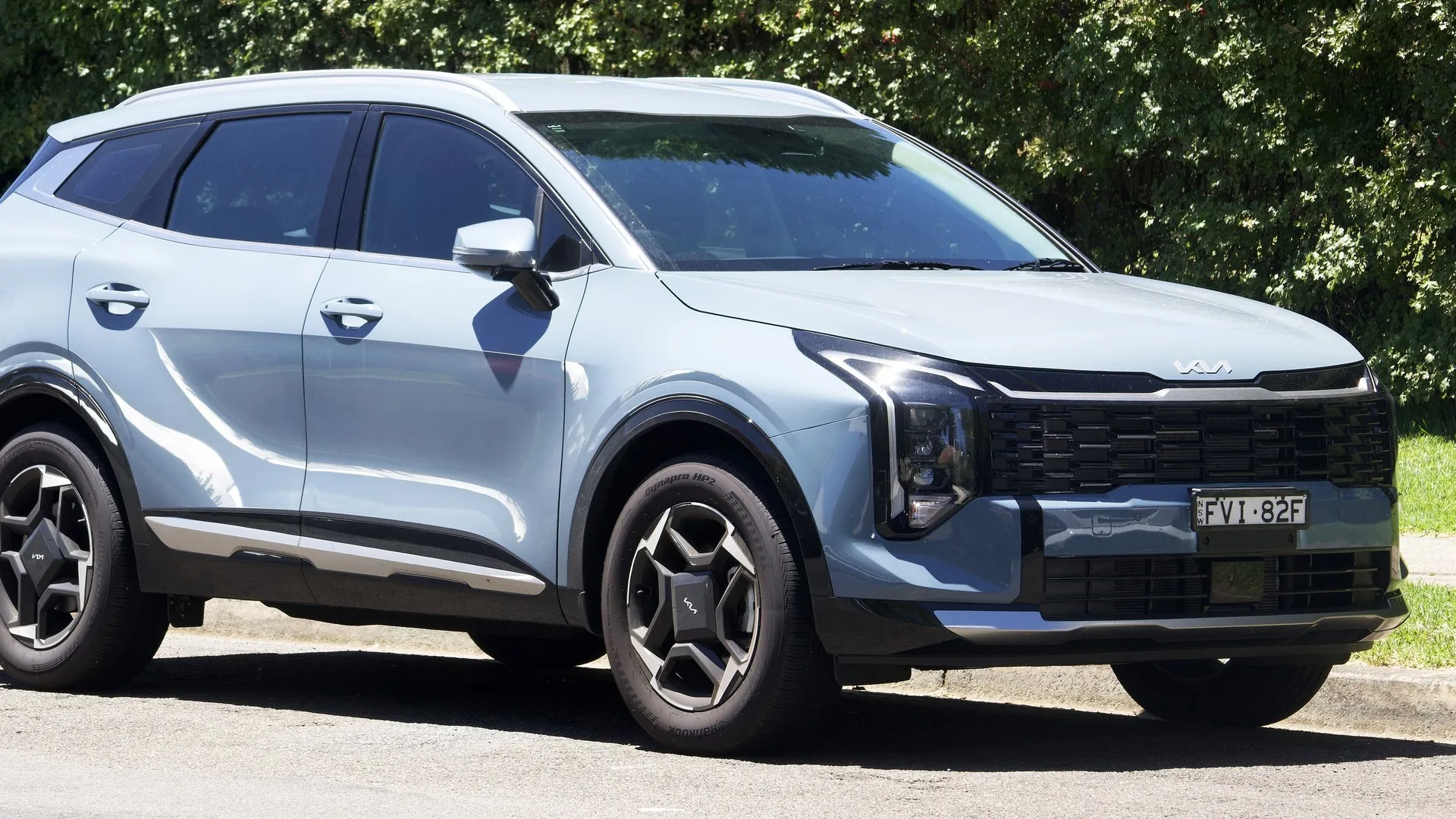
1. Kia Sportage Hybrid: the one with no weak spot
The Sportage wins because nothing about it is a deal-breaker. Its 1.6-litre turbo hybrid makes 173kW and 367Nm, claims 4.9L/100km in front-drive form on regular 91, and tows 1,900kg braked whether you pick FWD or AWD, according to Kia's MY27 specifications. Only its Hyundai cousin matches that towing figure among self-charging hybrids.
The 586-litre boot (VDA) is generous, and the seven-year unlimited-kilometre warranty is the longest here that doesn't depend on where you service. The catch is servicing: $2,613 for the first five visits, the dearest in this group. The MY27 HEV S starts at $44,450 before on-roads, and a new-generation Sportage is expected in late 2027.
2. Hyundai Tucson Hybrid: the runout bargain
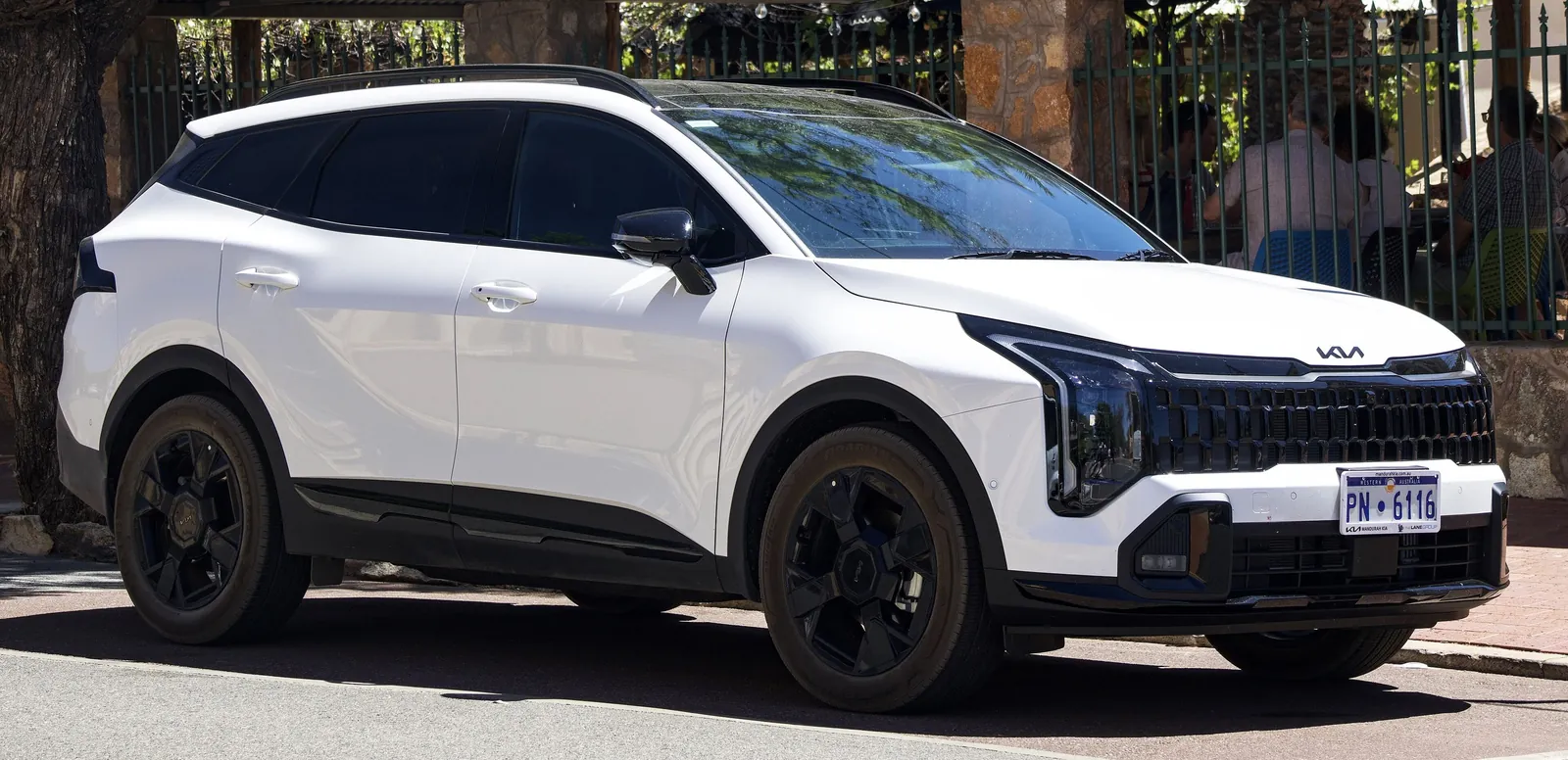
Mechanically, the Tucson Hybrid is the Sportage's twin: 172kW and 367Nm by Hyundai's figures, 1,900kg towing, 91 RON and a 582-litre VDA boot. It's also cheaper, from about $42,850 before on-roads, and five services cost $2,040. Hyundai covers the hybrid battery for eight years or 160,000km. So why second? Timing.
Its five-star rating dates from 2021 and expires in December 2027, and a new-generation Tucson is due around mid-2027. Hyundai also recalled 36,496 Tucsons built in 2025 and 2026 for an AEB software fault. If you change cars every three years, a well-negotiated runout is excellent value. If you keep them for ten, buy the Kia.
3. Toyota RAV4 Hybrid: cheapest to run, with an asterisk
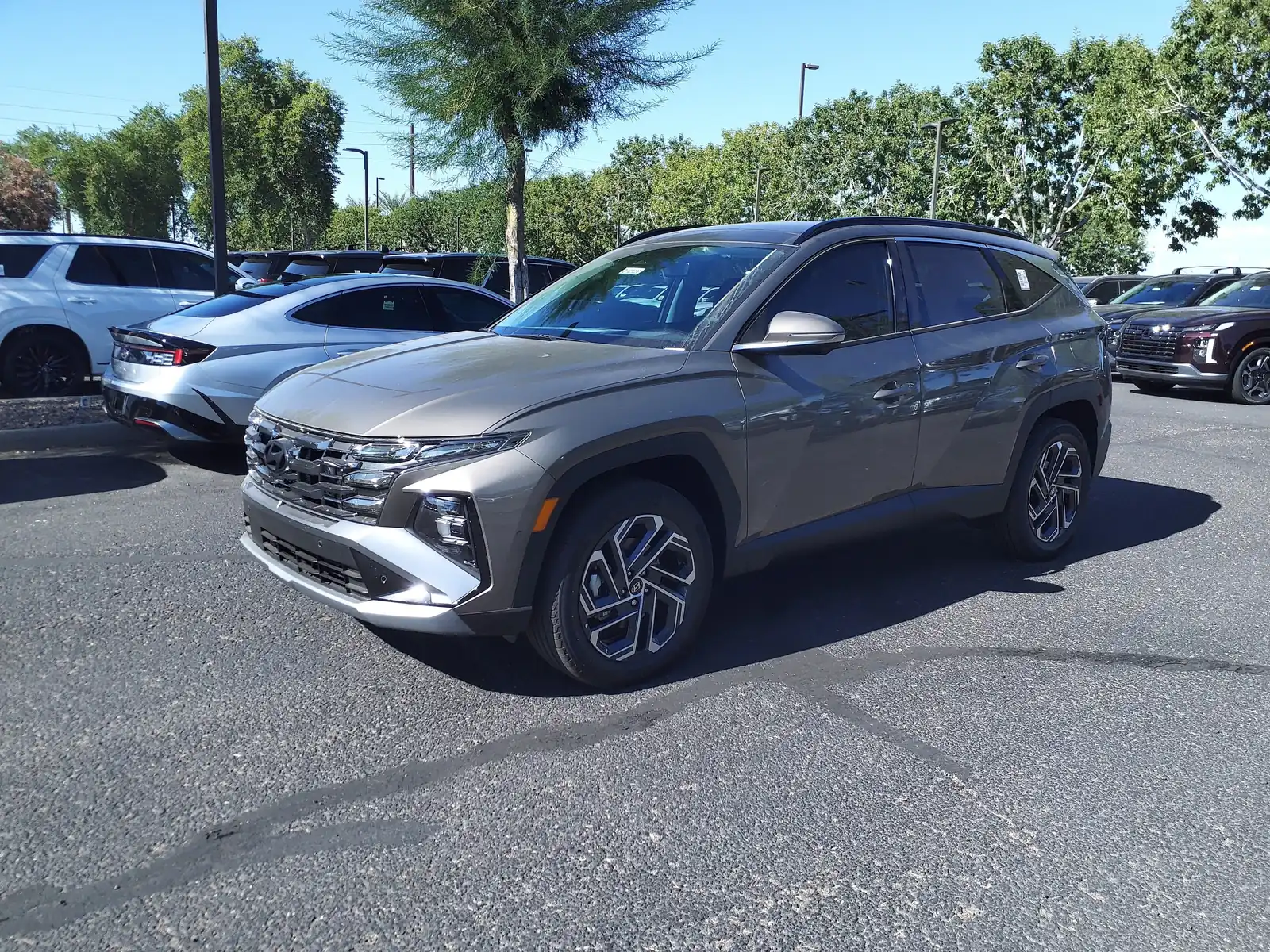
On running costs alone, the RAV4 wins. Its 2.5-litre hybrid claims 4.5L/100km in front-drive form, servicing is $325 a visit at 15,000km intervals, and Toyota extends hybrid battery cover to 10 years if you keep up an annual health check. It's also the default choice: 31,209 RAV4s, hybrid and plug-in combined, were sold to the end of September.
Three things hold it back. ANCAP lists the new model as unrated, and Toyota has said testing is scheduled for the last quarter of 2026. It needs 95 RON premium. And system output has dropped to 143kW, with front-drive versions towing only 800kg (1,500kg AWD). Unrated doesn't mean unsafe, but if five stars land, it climbs this list.
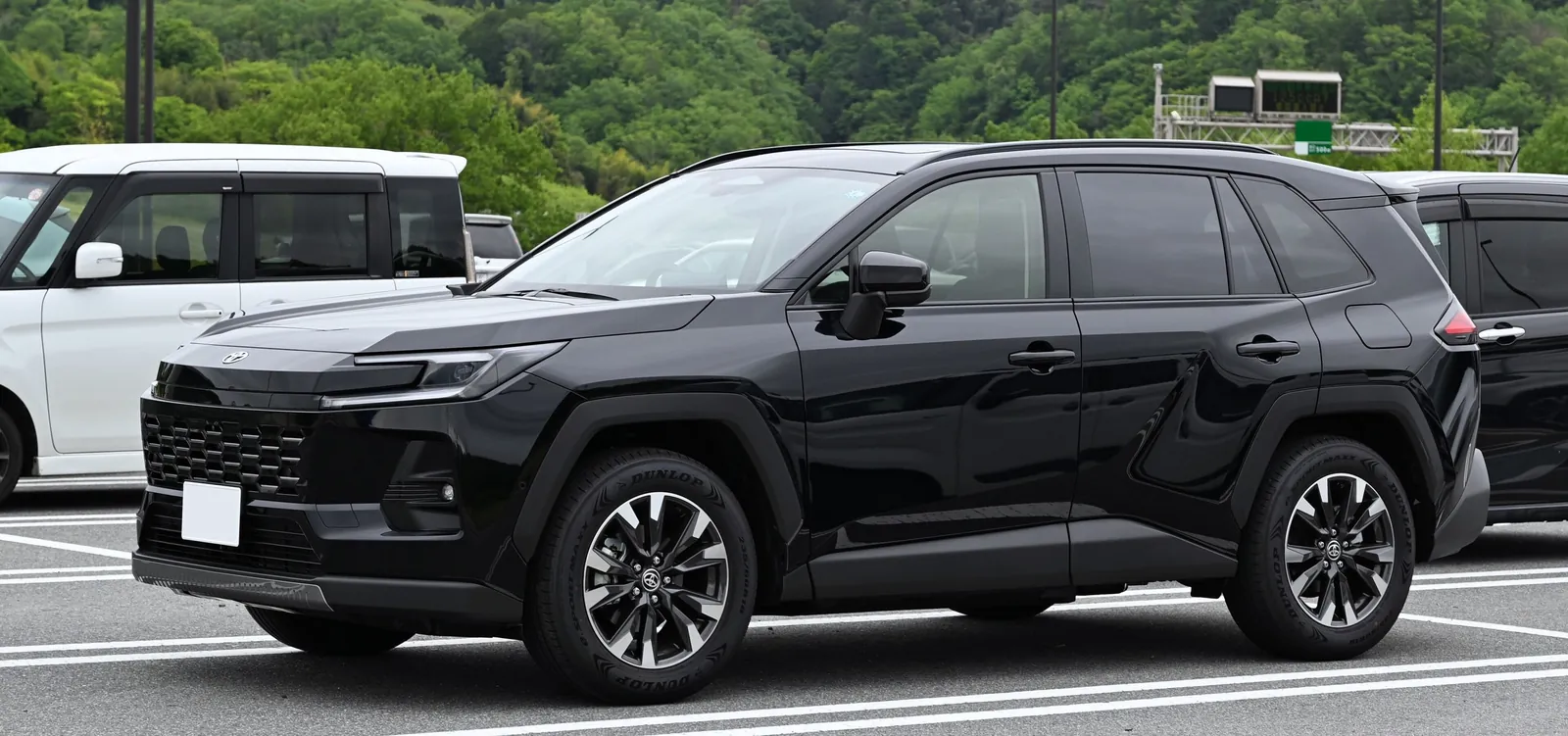
If the RAV4 and Sportage are your final two, our RAV4 Hybrid vs Sportage Hybrid comparison goes deeper on cabins and equipment. For now, the short version is that the Toyota saves you around $1,083 over five years of running costs, and the Kia gives you a current safety rating, cheaper fuel and more than double the front-drive towing.
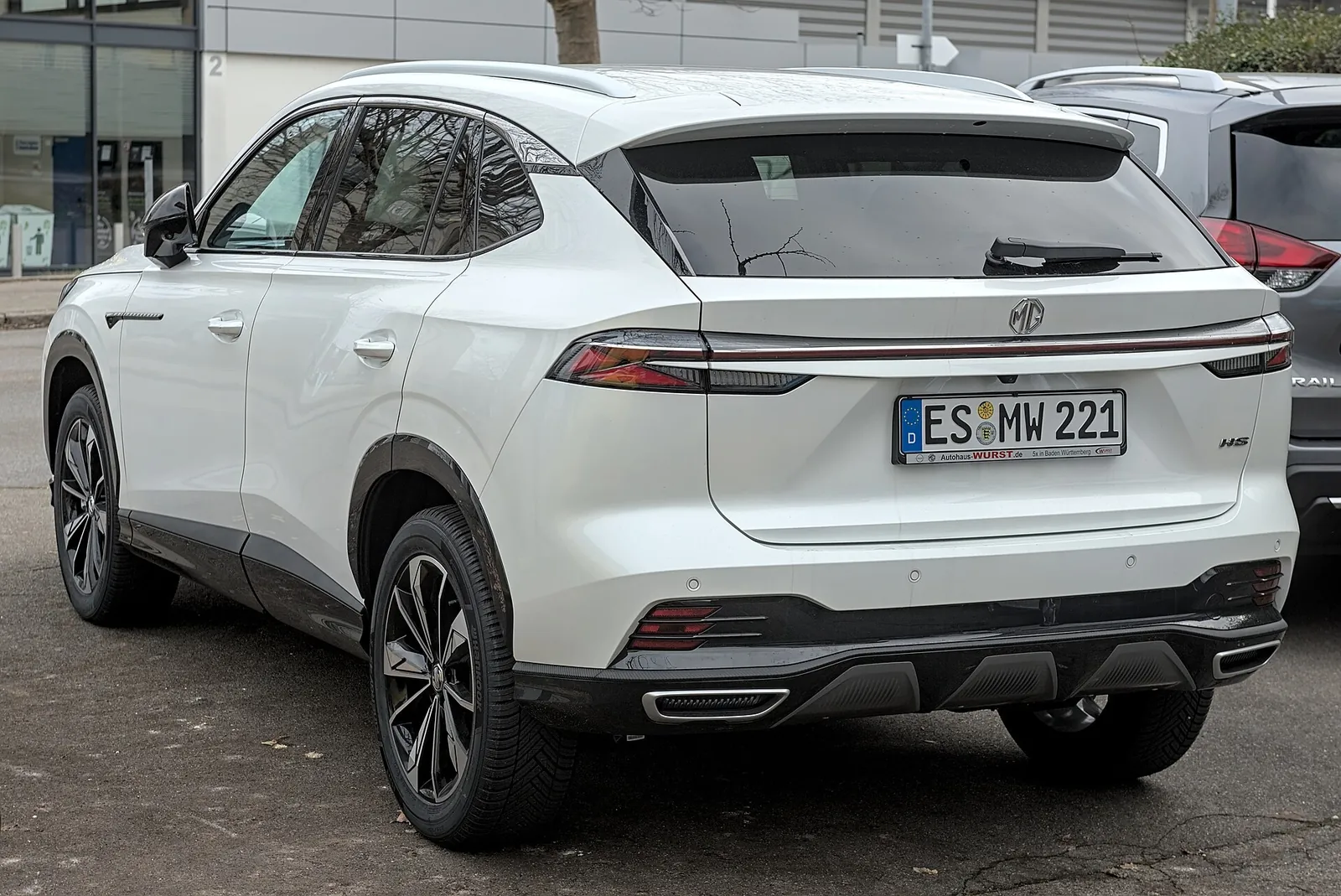
4. MG HS Hybrid+: the budget pick that isn't a compromise
At $39,990 drive-away for the Excite, the HS Hybrid+ is the cheapest way into this class, and it isn't a penalty box. A 1.5-litre turbo and 146kW motor make 165kW and 340Nm combined, it carries a 2024 five-star rating valid until 2031, and it tows 1,500kg. That's more than a front-drive RAV4 can pull, for at least $6,000 less.
The warranty runs 10 years or 250,000km if you service at MG (seven years otherwise), and five services cost $2,166. It's front-drive only, needs 95 RON premium and quotes the second-smallest boot here at 507 litres. Spend $44,990 drive-away on the Essence if you want the better-equipped version.
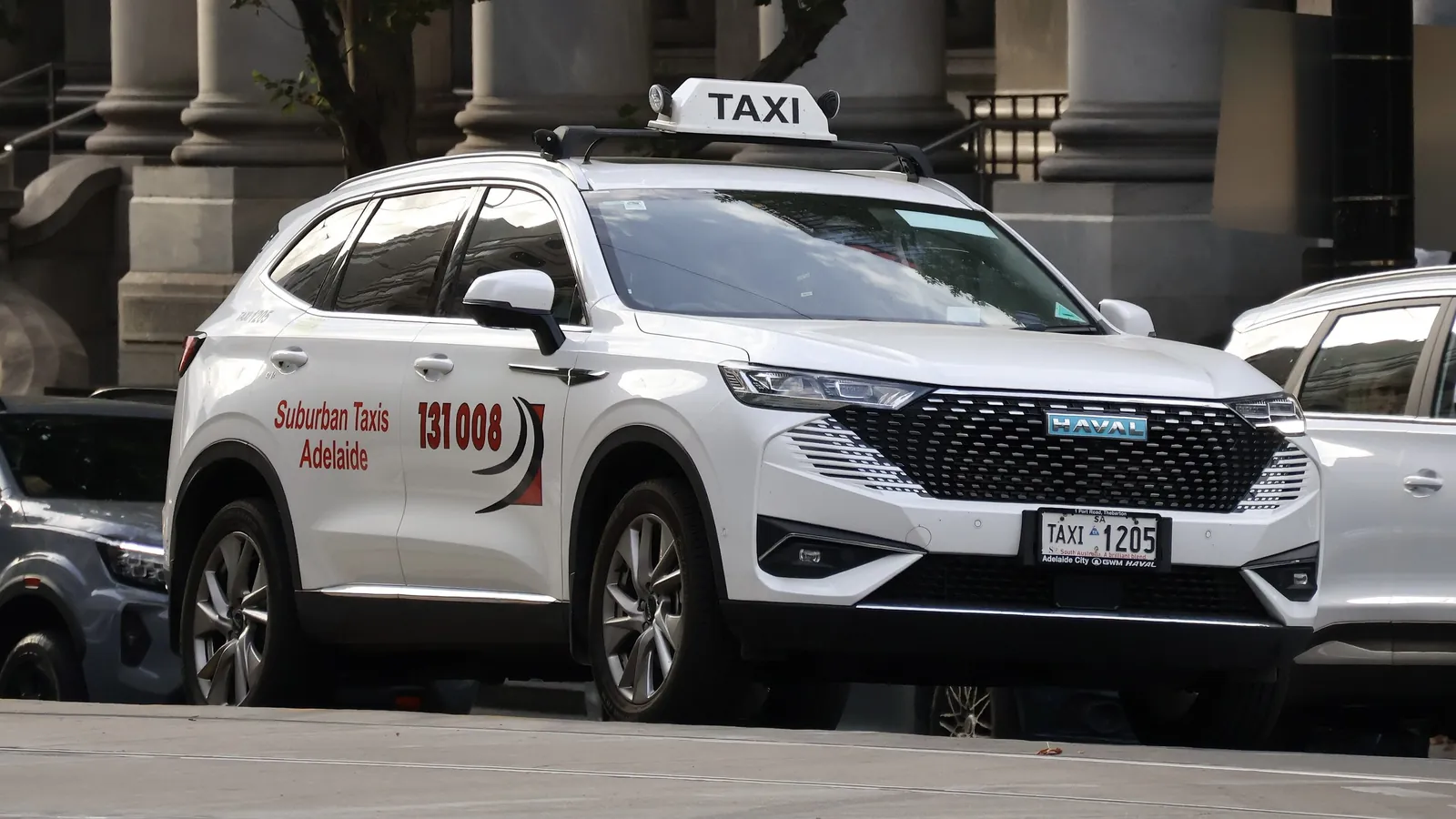
5. GWM Haval H6 HEV: the most power per dollar
The H6 HEV starts at $40,990 drive-away and makes 179kW and 530Nm in front-drive form, more than any car ranked above it. The Ultra AWD, at $47,490 drive-away, combines two motors with a 1.5-litre turbo for 268kW and 760Nm. That makes it GWM's first all-wheel-drive hybrid that doesn't plug in,, and the strongest car here by a distance.
It runs on regular unleaded, tows 1,500kg, and GWM quotes a 560-litre boot. The warranty is seven years with unlimited kilometres, the hybrid battery is covered for eight years, and five services cost $2,065. The rating is from 2022. Weigh up resale too, because Chinese brands have far less used-market history here than Toyota or Kia.
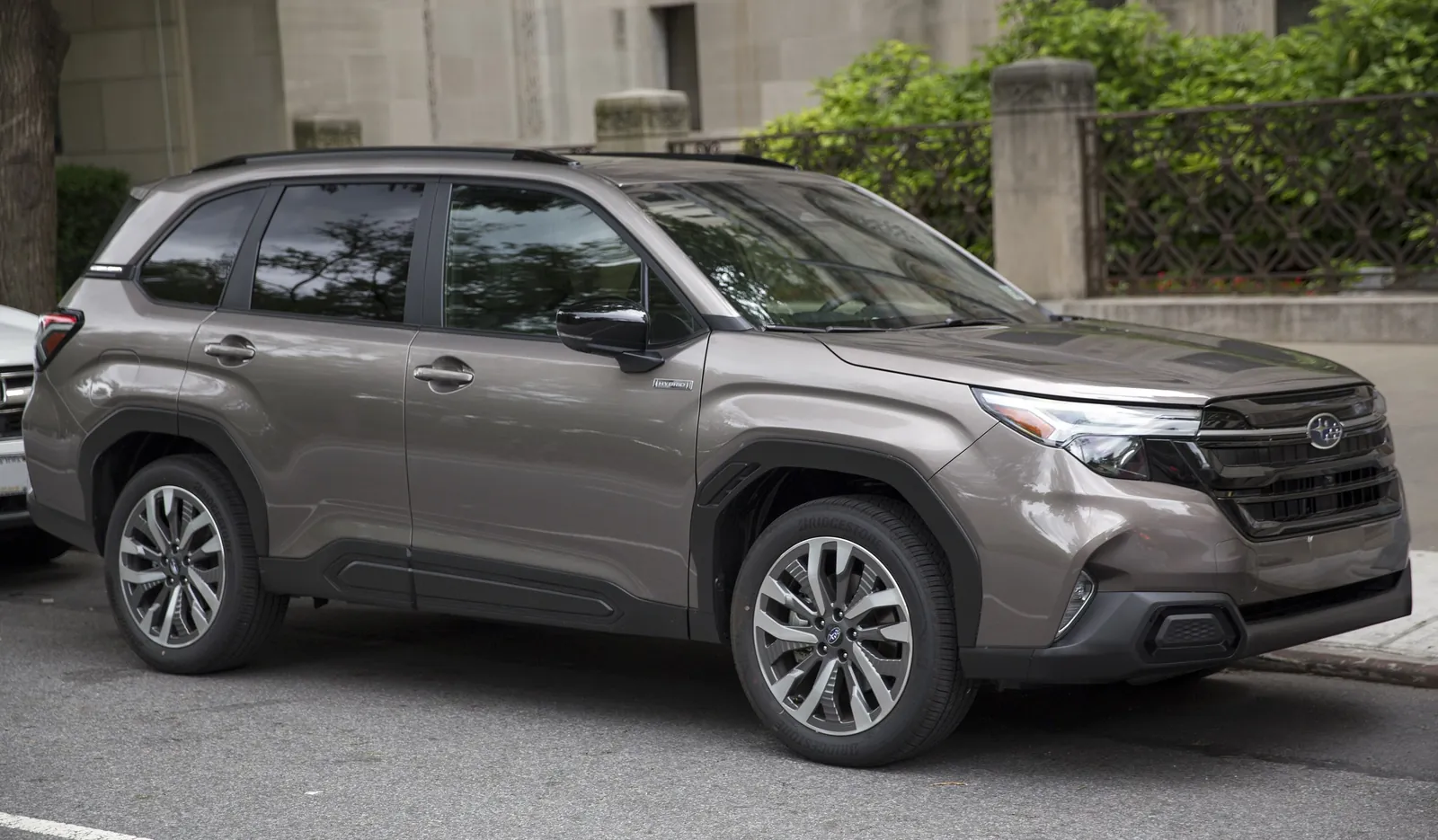
6. Subaru Forester Hybrid: built for gravel, not for towing
The Forester is the only car here with all-wheel drive across the range, and it has 220mm of ground clearance, so it's the one to buy if your weekends involve gravel roads or snowfields. Its Toyota-derived hybrid makes 145kW. The lab figure is a thirsty 6.2L/100km, but the AAA's real-world result of 5.5L/100km closes most of that gap.
The trade-offs are real. The quoted boot is the smallest here at 484 litres, braked towing is 1,200kg, and there's no spare tyre, only a repair kit. Prices run from $46,490 to $55,990 before on-roads, and Subaru's capped servicing totals $2,299 for five visits. Skip it if you tow anything bigger than a small camper.
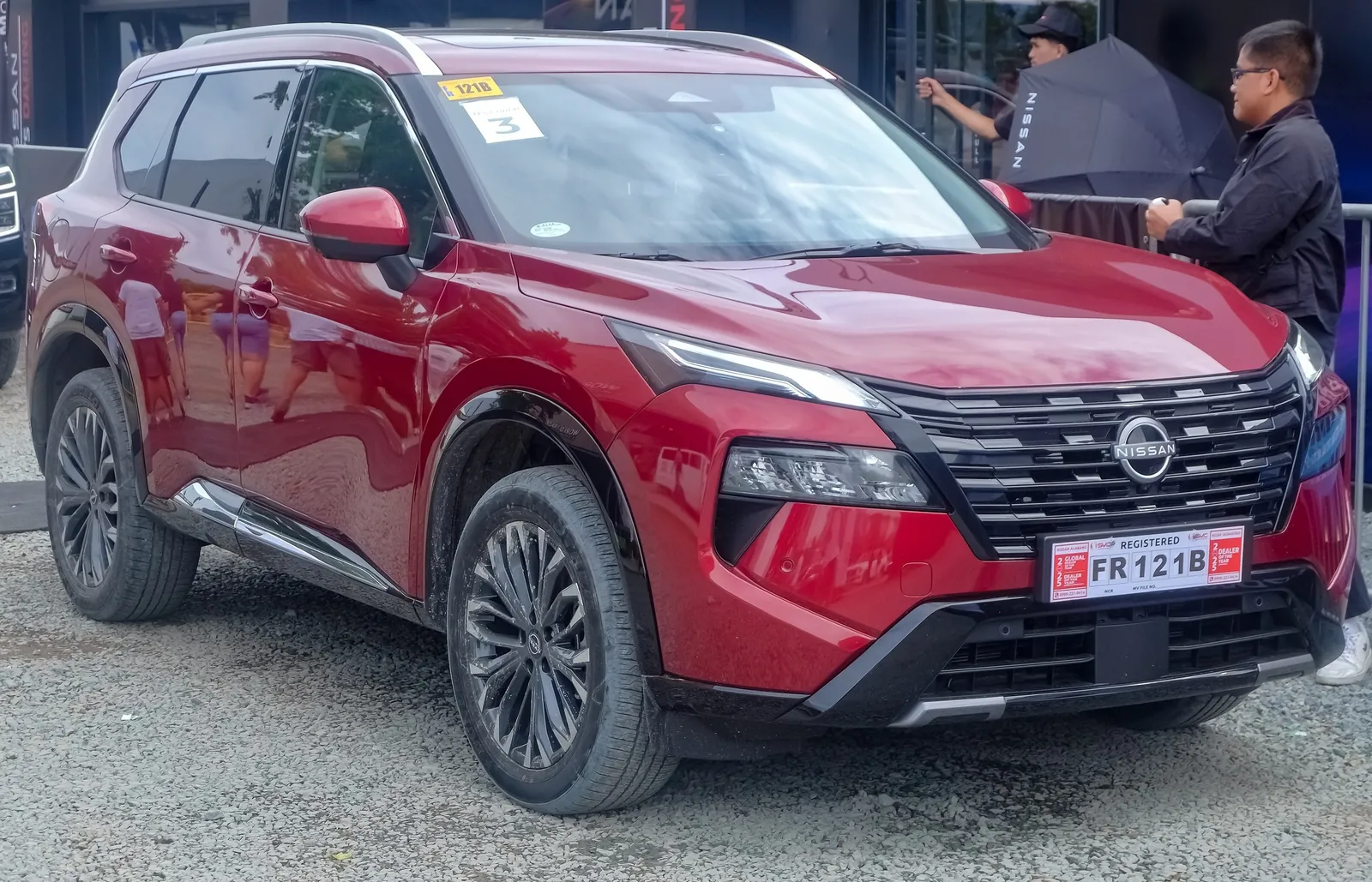
7. Nissan X-Trail e-Power: an EV feel without the plug
The X-Trail e-Power works differently from everything else here. Its 1.5-litre turbo never drives the wheels; it only generates electricity for the motors, so the car drives like an EV. The new 2WD version, from $45,990 before on-roads, makes 150kW and claims 5.4L/100km, and the warranty runs 10 years or 300,000km if you service at Nissan.
Then comes the fine print. The 2WD tows just 670kg braked (AWD 1,650kg), Nissan recommends 95 RON, and the AWD claims 6.1L/100km. Its five-star rating expires in December 2027, and 13,795 e-Power models built from 2022 to 2026 were recalled this year for battery-controller software that can cause loss of drive. Check that any car you buy has had the recall work done.
Three traps hidden in the brochures
Spec sheets in this class aren't written to be compared with each other. Three differences catch buyers out: the fuel each car needs, how each maker measures its boot, and how long each safety rating lasts. None of them shows up on a test drive, but all three affect what you pay and what the car is worth later.
Premium fuel adds up
The RAV4 and HS require 95 RON, and Nissan recommends it for the X-Trail. At current prices, 95 costs about 16 cents a litre more than 91. That's roughly $80 a year at 10,000km in a car using 5L/100km: small, but it eats into the RAV4's economy lead. Our guide to 91, 95 and 98 petrol explains why filling a 95 car with 91 is a false saving.
Boot sizes aren't like for like
Toyota quotes 705 litres for the RAV4 and Nissan 575 for the X-Trail, both measured to the roof. Kia and Hyundai quote VDA figures, which use standard blocks and usually produce smaller numbers. On paper the RAV4 looks 119 litres bigger than a Sportage. In practice, take your pram, golf bag or esky to the dealer and try it.
Check when the stars expire
ANCAP ratings now carry a use-by date. The Tucson and X-Trail ratings expire in December 2027, the Sportage and H6 in December 2028, and the Forester, HS and CR-V in December 2031. A car isn't less safe the day its rating lapses, but it can matter to fleet buyers and at resale. Here's what an expired rating means.
Left off the list, and why
The Honda CR-V e:HEV is the obvious omission. It's refined, and even after Honda raised capped servicing to $279 a visit in October, it's the cheapest here to service at $1,395 for five visits. But it has four ANCAP stars, not five, tows 750kg and starts at $49,900 drive-away. That's too much money for too many compromises.
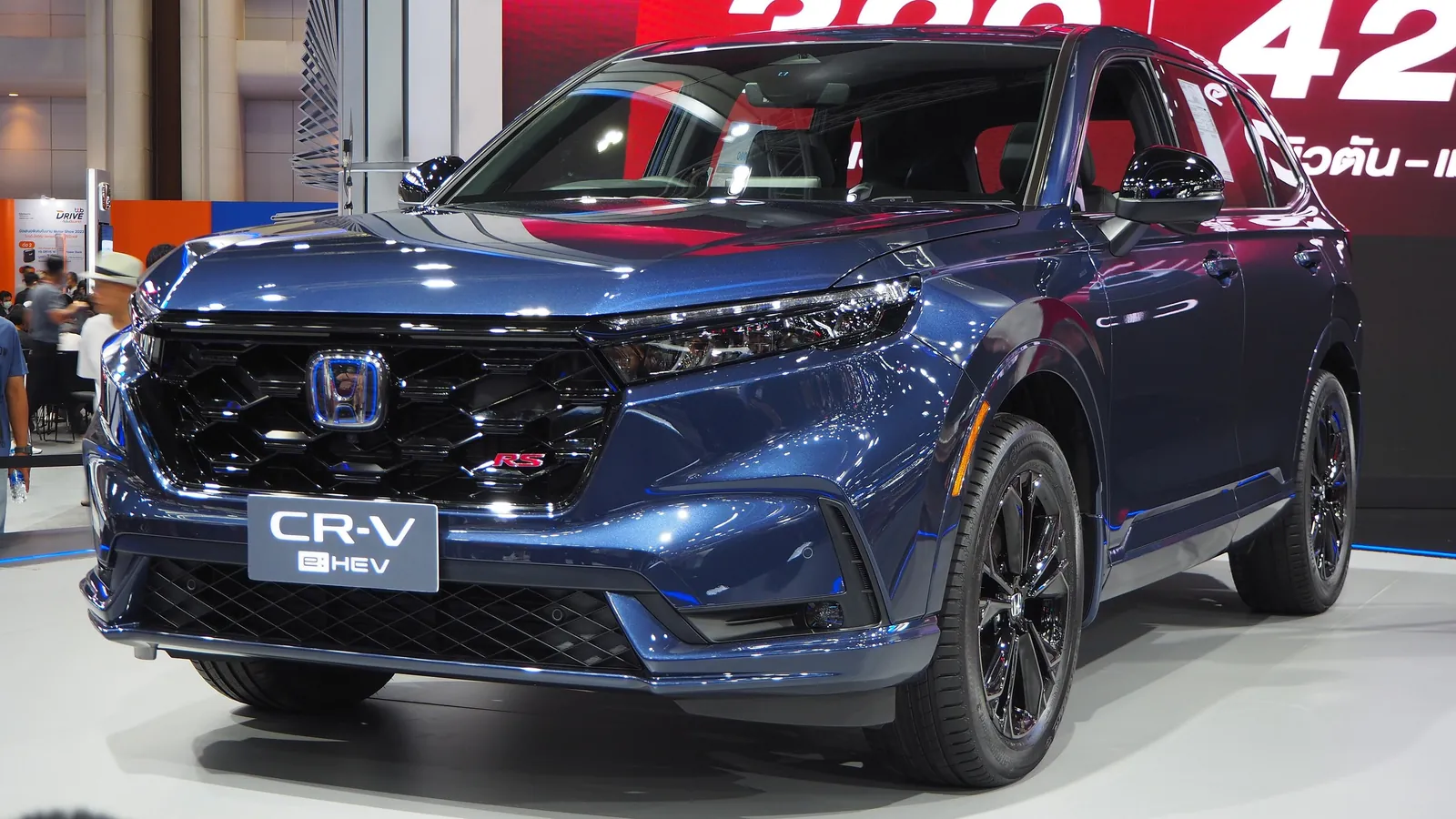
The Mazda CX-5 misses out because there's no hybrid yet; the new generation launched in June as petrol only. The Ford Escape has recorded no new sales this year. If you can charge at home, a plug-in hybrid such as the Geely Starray EM-i or Mitsubishi Outlander PHEV changes the maths. Avoid the BYD Sealion 5 for now: it earned three ANCAP stars.
Do hybrids get the novated lease tax break?
No. The fringe benefits tax exemption that makes novated leases attractive applies to battery-electric cars, and plug-in hybrids lost it from 1 April 2025 unless the lease was already in place. A self-charging hybrid is taxed like any petrol car. If you're salary packaging, price these against a similar EV first. Our novated lease explainer runs the numbers.
Which hybrid SUV should you buy?
For most families, buy the Kia Sportage Hybrid. It's the only car here that combines a five-star rating valid to 2028, 1,900kg towing, regular unleaded and a seven-year warranty, and nothing else on the list beats it on all four. The answer changes only if one need outweighs the rest. For seven-seaters and bigger budgets, see our best family cars.
- Towing a camper or boat up to 1,900kg: Sportage or Tucson Hybrid, in either drivetrain.
- Lowest running costs: Toyota RAV4 Hybrid, once it has an ANCAP rating.
- Tightest budget: MG HS Hybrid+ Excite at $39,990 drive-away.
- Performance: GWM Haval H6 Ultra HEV AWD, 268kW for $47,490 drive-away.
- Gravel roads and snow: Subaru Forester Hybrid.
- Keeping it three years or less: a runout Tucson Hybrid, negotiated hard.
- Don't buy: a front-drive RAV4 or 2WD X-Trail if you plan to tow more than a box trailer.
| Car | Output | Fuel use (ADR) | Fuel grade | Braked towing | ANCAP |
|---|---|---|---|---|---|
| Kia Sportage Hybrid | 173kW / 367Nm | 4.9 to 5.3L | 91 | 1,900kg | 5 stars (2022), to Dec 2028 |
| Hyundai Tucson Hybrid | 172kW / 367Nm | 4.9 to 5.3L | 91 | 1,900kg | 5 stars (2021), to Dec 2027 |
| Toyota RAV4 Hybrid | 143kW | 4.5 to 4.6L | 95 | 800kg FWD, 1,500kg AWD | Unrated |
| MG HS Hybrid+ | 165kW / 340Nm | 5.2L | 95 | 1,500kg | 5 stars (2024), to Dec 2031 |
| GWM Haval H6 HEV | 179kW FWD, 268kW AWD | 5.2 to 5.4L | 91 | 1,500kg | 5 stars (2022), to Dec 2028 |
| Subaru Forester Hybrid | 145kW | 6.2L | 91 | 1,200kg | 5 stars (2024), to Dec 2031 |
| Nissan X-Trail e-Power | 150kW 2WD, 157kW AWD | 5.4 to 6.1L | 95 recommended | 670kg 2WD, 1,650kg AWD | 5 stars (2021), to Dec 2027 |
| Honda CR-V e:HEV | 135kW / 335Nm | 5.5 to 5.7L | 91 | 750kg | 4 stars (2024), to Dec 2031 |
Sources: manufacturer specifications (Kia, Hyundai, Nissan, GWM) and ANCAP, October 2026. Fuel use is litres per 100km, combined cycle. Fuel grade is the minimum RON unless noted.
Toyota will keep outselling everything here, and if the RAV4 earns five stars this quarter, the choice narrows to lower running costs against stronger towing. Until then, the smarter buy wears a Kia badge, costs less to fuel than you'd expect, and will still pull the camper when a front-drive RAV4 can't.
Prices and specifications as at October 2026. Header image: LuvsMG481, CC BY-SA 4.0, via Wikimedia Commons (cropped).


