

Prices are Australian RRP before on-road costs as of 6 October 2026, unless marked drive-away. Fuel, range and boot figures are manufacturer claims unless stated.
Most test drives happen with nobody in the back. Then the second child seat goes in, the pram won’t fit with the third row up, and the “seven-seater” turns out to have nowhere to anchor a child seat behind row two. Four of the nine six-plus-seaters below have exactly that problem.
So the ranking starts where family life does: the anchor points, the boot behind the last row and the date on the ANCAP rating. Budgets split at $40,000 and $60,000, seats at five or seven-plus, and every figure was checked with the makers and ANCAP on 6 October 2026. Each pick for the best family car in Australia comes with its catch.
The Best Family Car for Every Budget
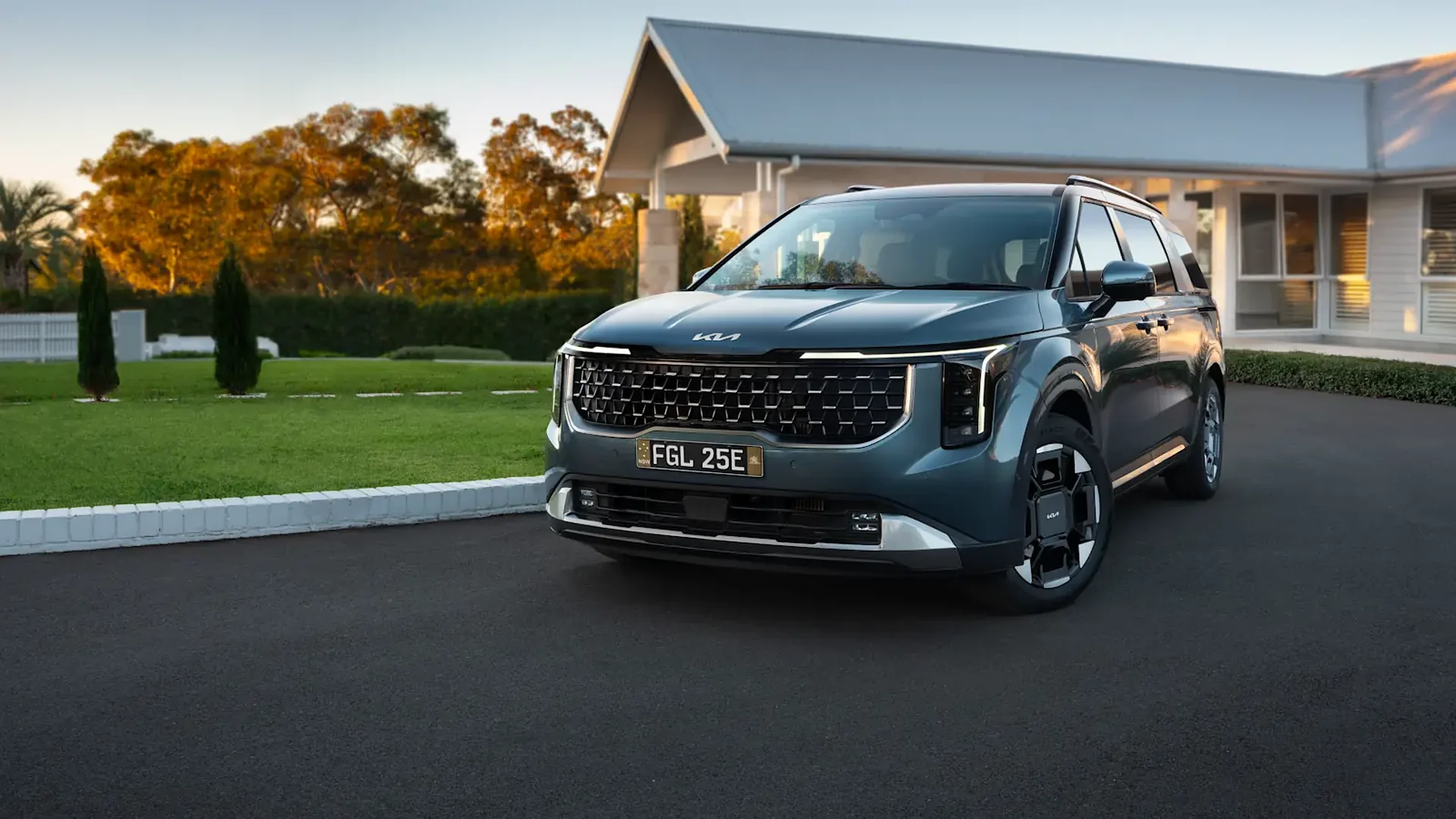
The Kia Carnival is the best family car in Australia for 2026. From $54,560, it seats eight, takes five top-tethered child seats and keeps a 627-litre boot with every seat filled. Under $40,000, the Toyota Corolla Cross Hybrid is the smart five-seater. Above $60,000, the Ford Everest is the seven-seater for towing families.
TorquePress recommendations. TorquePress receives no payment from any carmaker for coverage. Prices from manufacturer sites, price lists and launch releases; full sources in the spec table at the end.
Two cells in that grid are deliberately awkward. There’s no seven-seater under $40,000 worth recommending to a growing family, and there’s little reason to spend more than $60,000 on a five-seater when the $58,900 Model Y already has the biggest boot here. Both calls are explained below.
Do You Need Seven Seats or Just a Bigger Five?
Most families with two or three children need a bigger five, not a seven-seater. Fill the third row of the seven-seat SUVs in this guide and the boot shrinks to between 117 and 338 litres, less than a Corolla Cross offers with five seats up. If the extra seats are for grandparents twice a year, buy the five.
Sources: manufacturer specifications and owner's manuals; Geely EX5, Ford Everest and Isuzu MU-X figures as reported by Drive, CarExpert and RACV where the maker doesn't publish one. VDA marks figures the maker says are VDA-measured. Methods differ, so treat small gaps as noise.
The Carnival is the exception that proves the rule. Its 627-litre boot with all eight seats up beats every five-seat SUV in the chart except the Model Y, because a van shape puts the space behind the last row instead of under a sloping roof. If you genuinely fill seven or eight seats every week, that’s the shape to buy.
Be honest about the third child, too. Three child seats across a second row depends on the restraints’ widths as much as the car, and ANCAP’s checks show some restraints won’t fit some centre seats. In the Model Y, a capsule and one booster couldn’t be correctly installed in the centre rear. Take your own seats to the test drive.
Count the Top Tethers Before the Cupholders
Every five, seven and eight-seater here has three top tethers across the second row. The third row is where they split. The Carnival, Sorento, Everest and Ioniq 9 each take five tethered child seats. The Outlander, Tiggo 8, Kluger and MU-X take three, because they have no child-seat anchorages behind the second row at all.
Sources: ANCAP technical reports and manufacturer specification sheets. Price per tethered seat is a TorquePress calculation (price divided by tethered positions). Isuzu MU-X and Toyota Kluger prices are approximate, from 2025 and 2026 launch coverage. Anchorage counts don't guarantee every restraint fits every seat: see ANCAP's notes for each car.
ANCAP’s reports are blunt about it. For the current Outlander, it says installing child restraints in the third row is “not recommended”, and the Tiggo 8 report says the same. The Kluger and MU-X have neither tethers nor ISOFIX in the back row. Those seats suit adults and older kids who’ve outgrown restraints, not toddlers.
Even the five-tether cars carry fine print. ANCAP couldn’t correctly fit a Type A capsule in the Everest’s second-row centre or either third-row seat. In the six-seat Model Y L, the twin-strap tether webbing couldn’t be supported by the second-row seat backs, so many restraints couldn’t be correctly installed there. Read the report for your shortlist.
What is a top tether and why does it matter?
A top tether is the anchor point for the strap that stops a child seat pitching forward in a crash. Australian capsules and convertible seats are built to use one, and ISOFIX lower anchors work alongside the tether, not instead of it. No tether anchor means no tethered child seat in that position, whatever the brochure says about seat count.
Under $40,000: The Best Family Cars
Under $40,000, buy a well-rated small hybrid SUV and skip the seven-seat temptation. The Corolla Cross Hybrid gives you Toyota’s running costs, a current five-star rating and a usable boot. The seven-seaters at this money look like a bargain until you try to fit a third child seat behind the second row.
Toyota Corolla Cross Hybrid: the smart small-family buy
The Corolla Cross Hybrid GX is the best family car under $40,000. It costs $37,440 before on-roads, Toyota claims 4.2L/100km, and its five-star ANCAP rating from 2022 runs to December 2028. The 2WD offers 425 litres of boot and a temporary spare, and two ISOFIX points and three tethers cover the back seat.
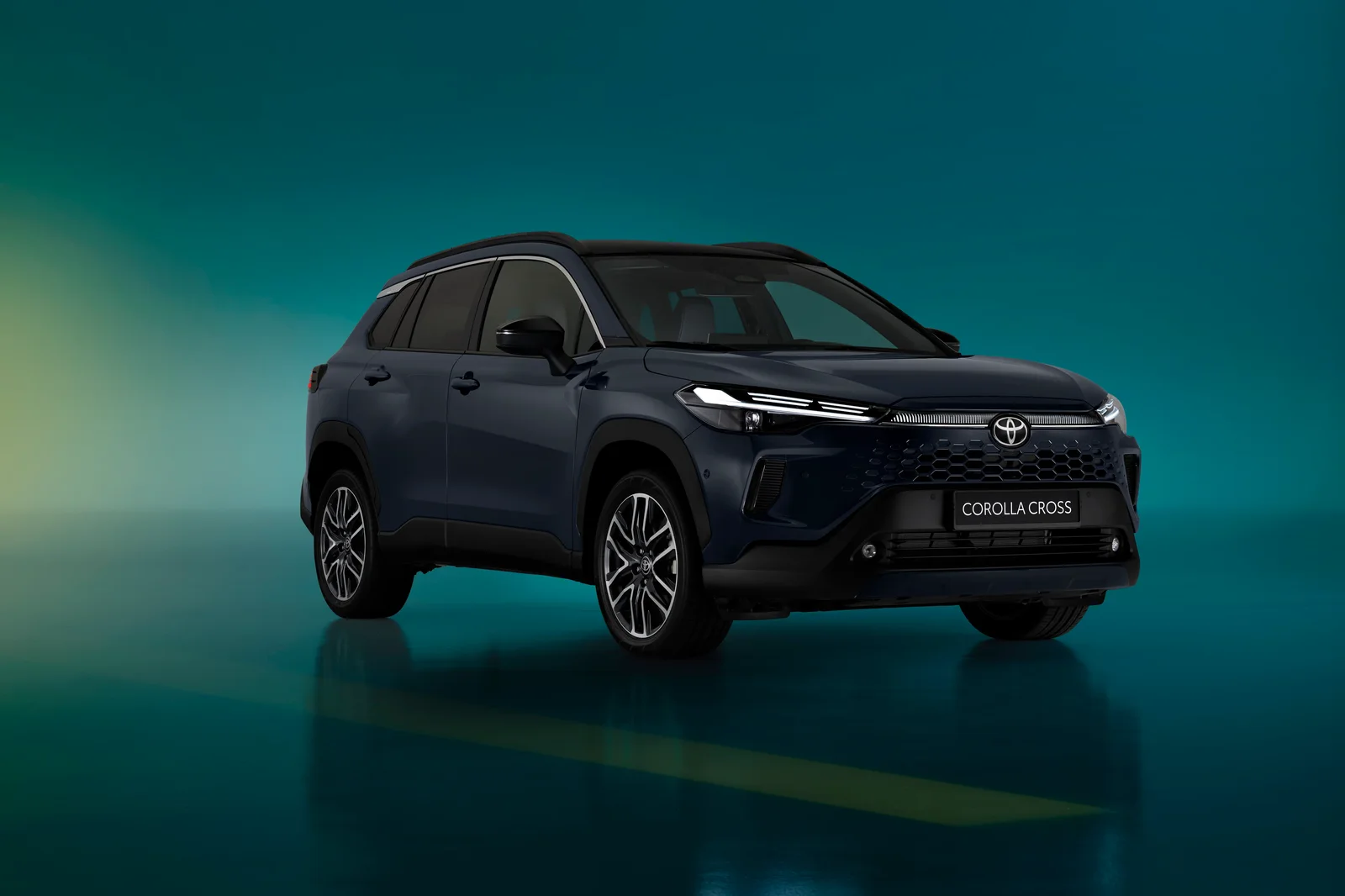
Stick with the 2WD. Choosing AWD drops the boot to 390 litres in the GXL and 380 in the Atmos, and deletes the spare wheel, all on Toyota’s own spec sheet. The GR Sport flagship isn’t covered by the ANCAP rating at all. And this is a small SUV: tall parents sitting behind a rear-facing seat will feel it.
Is there a good seven-seater under $40,000?
Not one to recommend for young children. The Chery Tiggo 8 Pro Max Urban is the obvious candidate at $38,990 drive-away for cars ordered and delivered by 31 December 2026, with a 2025 five-star rating. But it has no third-row tethers, no third-row vents on the Urban, and a 117-litre boot with seven seats up.
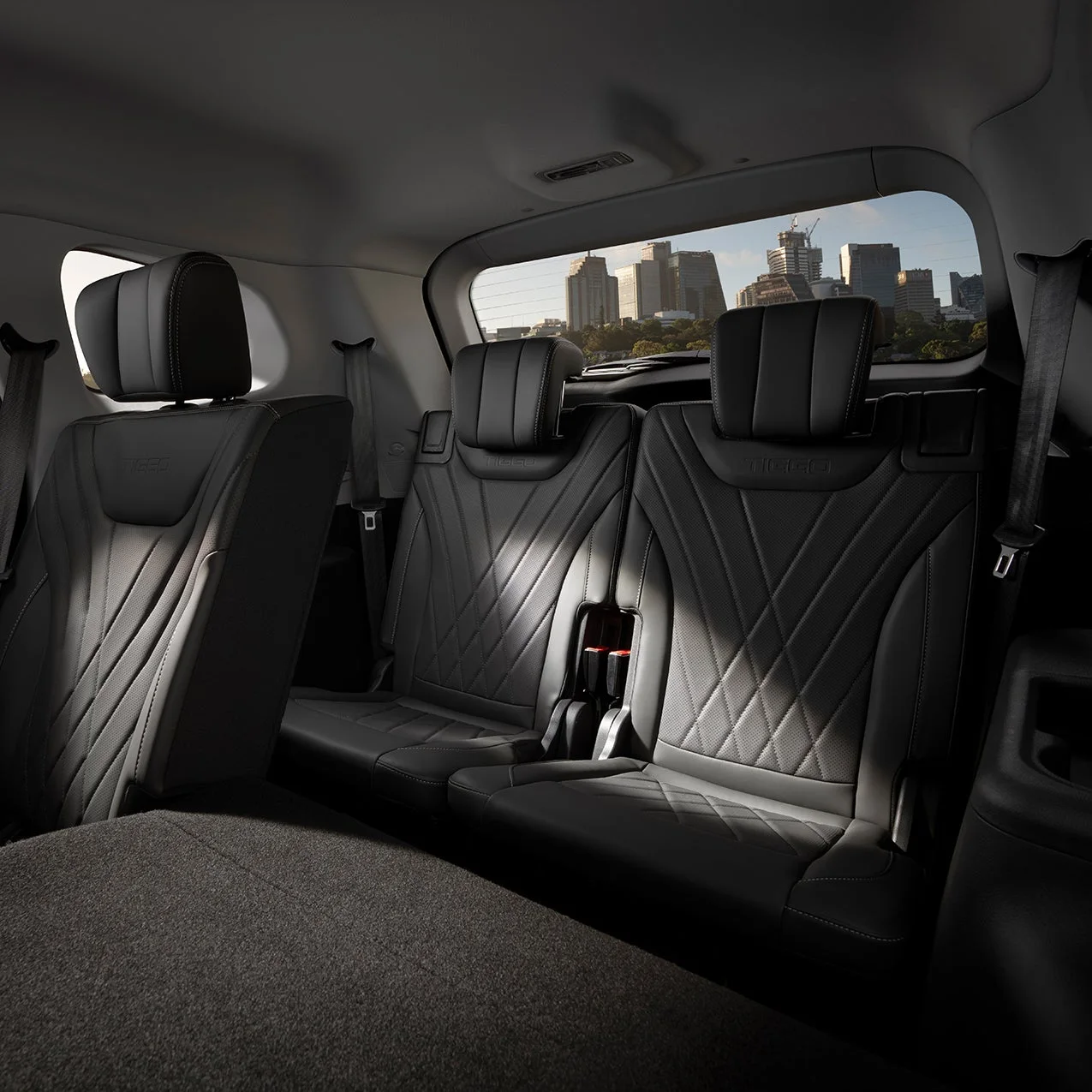
Mitsubishi’s Outlander ES 5+2 misses the bracket at $42,540 and shares the problem: ANCAP’s 2025 rating comes with a note that third-row child restraints are not recommended, and the boot is 163 litres with seven seats up. Both are five-seaters with a fold-out sofa bed in the back. If that’s all you need, fine. If not, stretch to a Carnival.
$40,000 to $60,000: Where Most Families Should Shop
This bracket holds the best family car in the country and the best family EV. The Kia Carnival leads for three or more kids. The Tesla Model Y Premium RWD leads for families of four with a driveway charger. The Zeekr 7X, Geely EX5 and Kia Sorento each suit a narrower brief, and each comes with a catch worth knowing.
Kia Carnival: the best family car in Australia
The Carnival S costs $54,560 with a 2.2-litre diesel or $56,310 as a hybrid, and Kia is running drive-away deals of $58,890 and $59,990 until 31 October. Every grade seats eight. Its ANCAP rating dates from 2021 and runs to December 2027, with the hybrid added after extra tests in 2025.
The anchorage count seals it. Kia’s spec sheet lists five top tethers and five ISOFIX points: all three second-row seats plus the third-row outboard pair. Curtain airbags cover all three rows, which the Sorento can’t claim. Sliding doors on both sides make tight school car parks and kids with flailing elbows far less stressful.
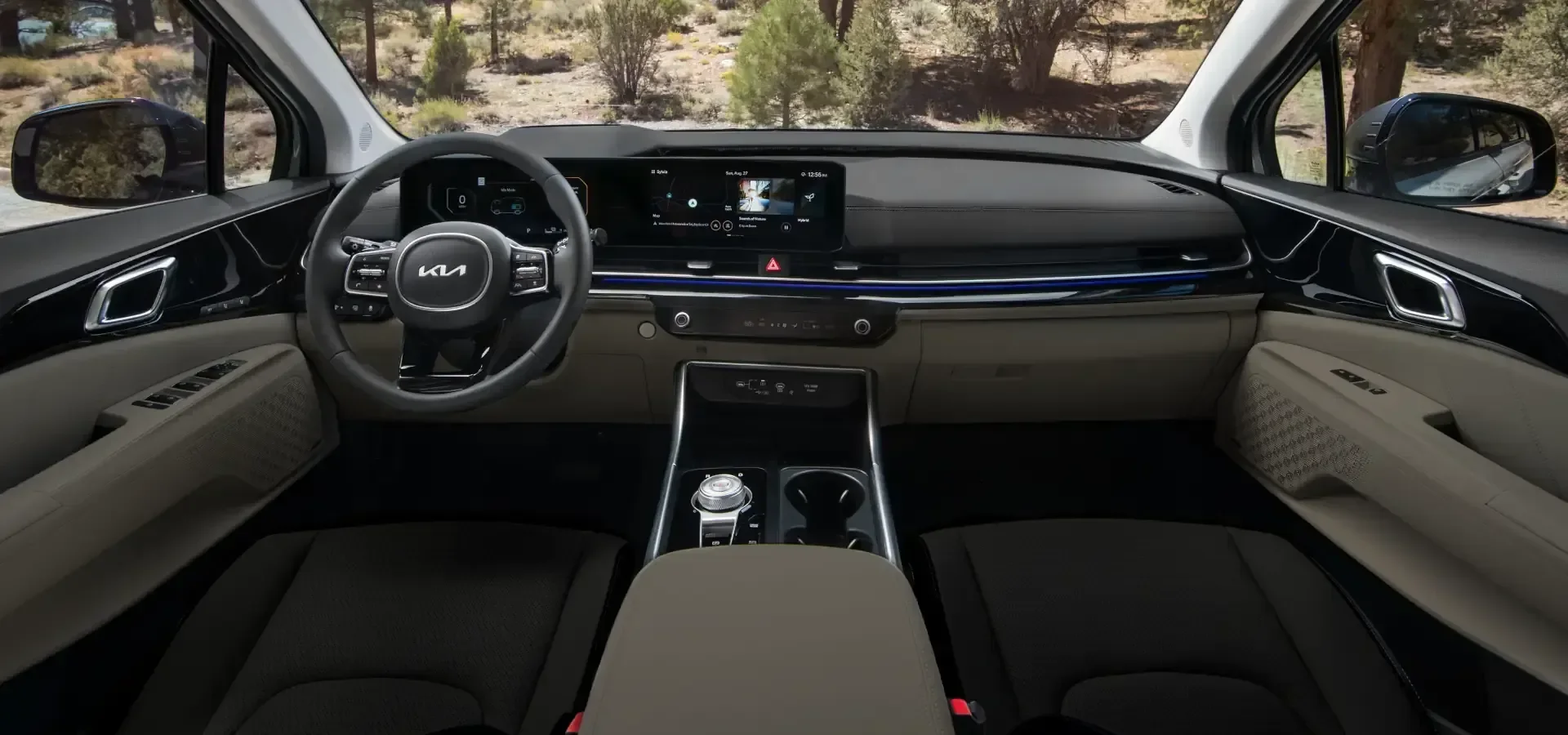
Choose the drivetrain by trailer. The diesel tows 2,000kg braked on a claimed 6.5L/100km. The hybrid trims that to 5.8L/100km, but its braked towing halves to 1,000kg and it carries a tyre repair kit instead of a spare. The S also misses power sliding doors. A people mover still isn’t cool. It doesn’t need to be.
Tesla Model Y Premium RWD: the best five-seat family EV
At $58,900, the Model Y carries the strongest overall ANCAP scores in this guide: 91 per cent adult, 95 per cent child, 86 per cent vulnerable road user and 92 per cent safety assist, all from 2025. Tesla’s owner’s manual lists 822 litres behind the rear seats plus a 116-litre front boot. Range is 466km WLTP.
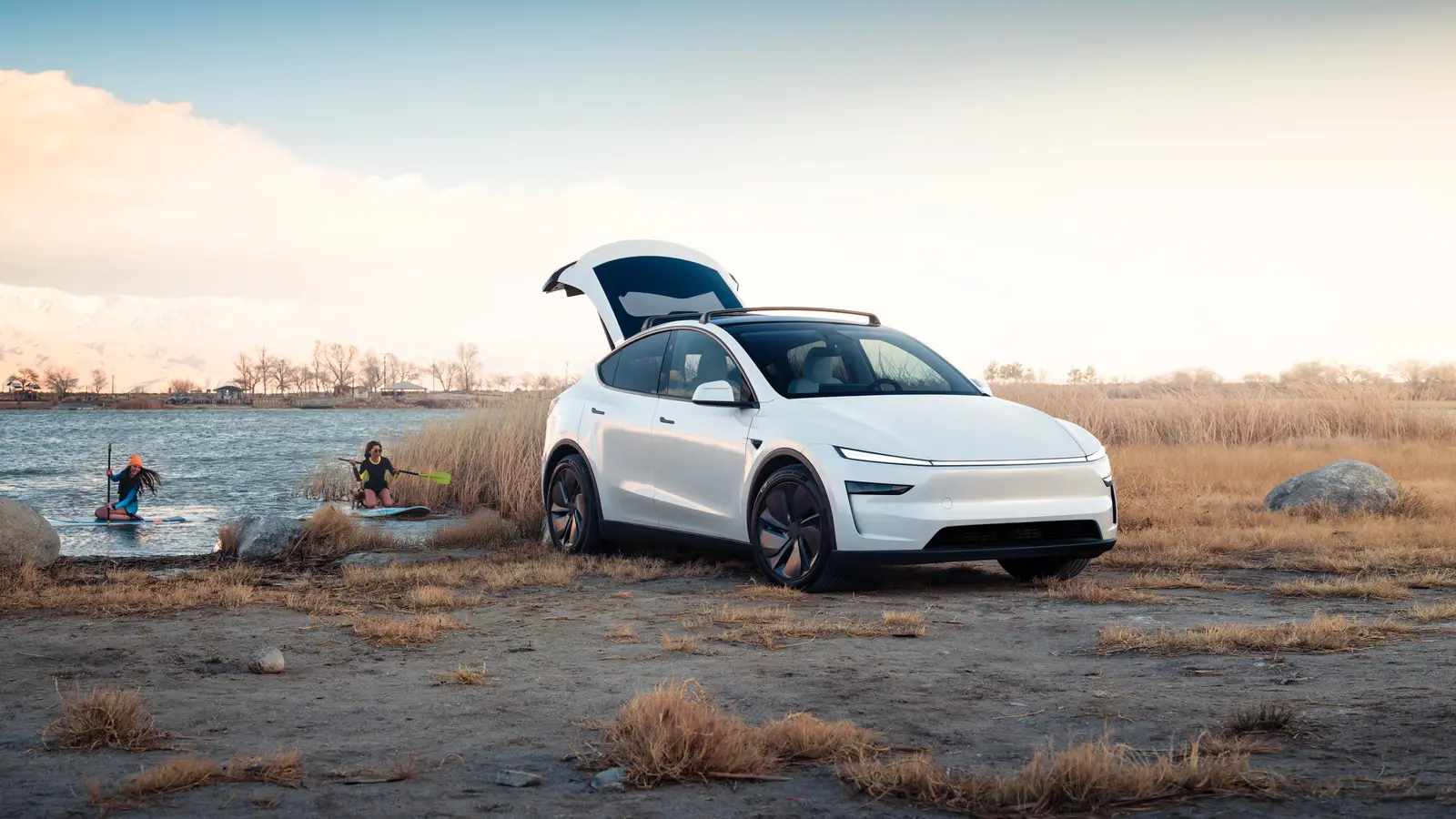
The fine print is the centre seat, where ANCAP couldn’t correctly fit a capsule or one booster. There’s no Apple CarPlay or Android Auto, and almost everything runs through the touchscreen. The case against the cheaper BYD is in the Model Y vs Sealion 7 comparison. Don’t buy any EV here without somewhere to charge at home.
Zeekr 7X and Geely EX5: the electric alternatives
The Zeekr 7X RWD ($57,900) is the EV that fitted every child restraint ANCAP tried in every rear seat, scoring full points for installation. It offers 539 litres of boot, a 62-litre front boot and a 2,000kg braked tow rating. Its 78 per cent safety assist score trails the Tesla’s, and there’s no child presence detection. The Zeekr 7X review covers the rest.
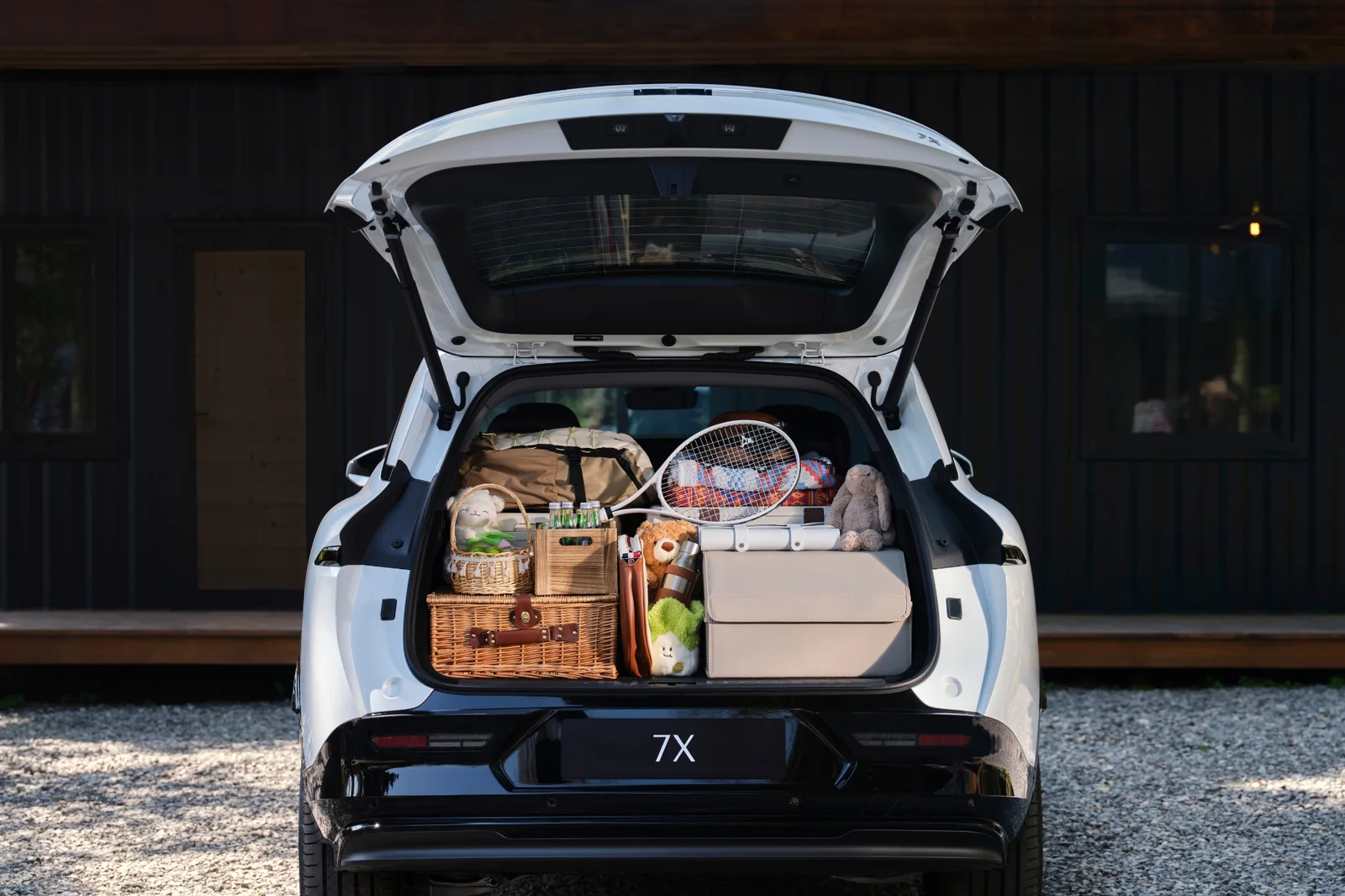
The Geely EX5 Complete is the cheap way into a family EV at $41,990, with a 2025 five-star rating, 475km WLTP range and a seven-year warranty. The catch is the boot: 302 litres above the floor, small-hatch territory, and no front boot. Read the Geely EX5 review before you assume it will swallow a pram and the shopping.
Kia Sorento: good car, ticking clock
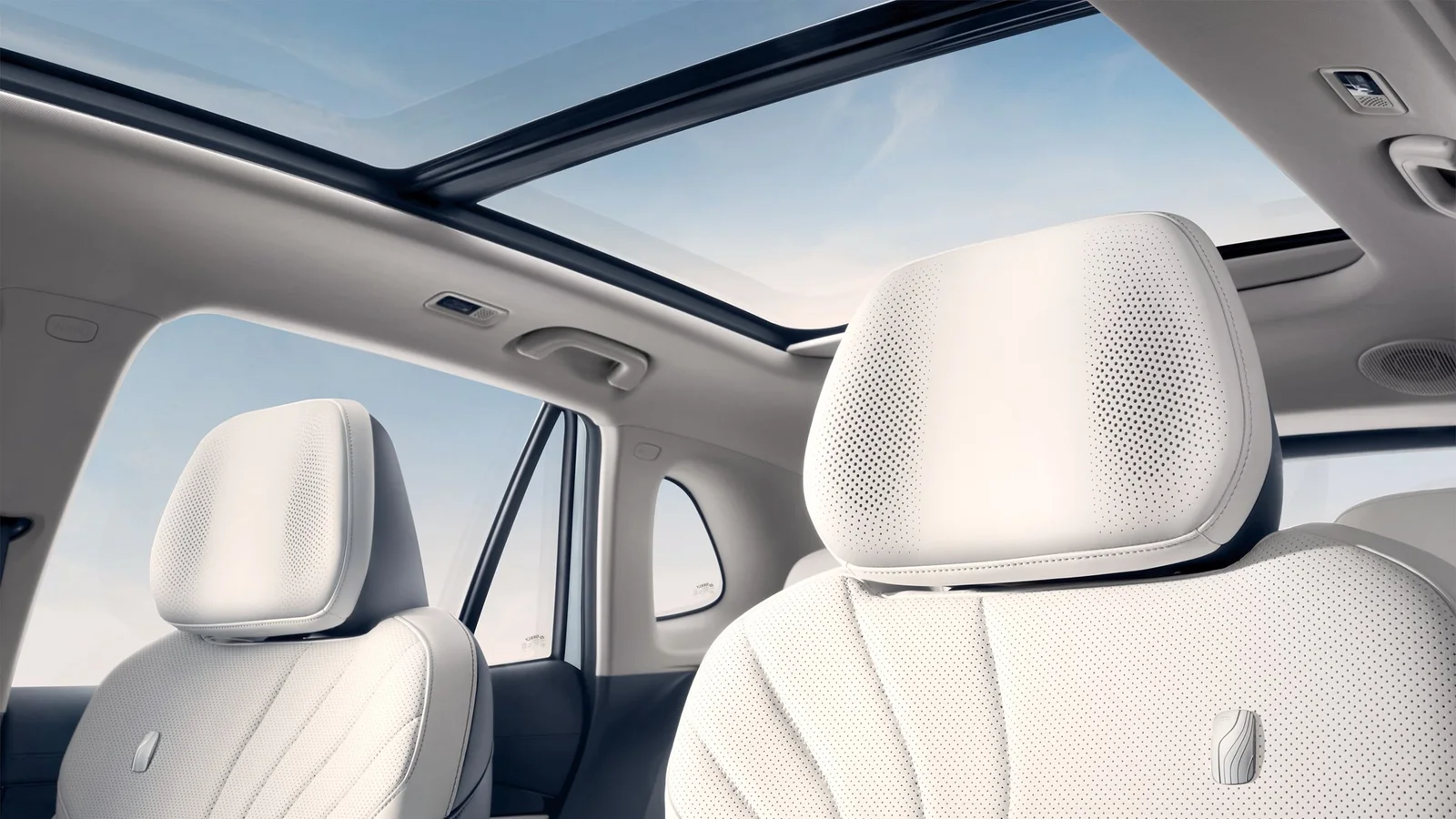
The Sorento S costs $54,380 as a diesel and $56,630 as a front-drive hybrid. Kia lists four ISOFIX points and five tethers, two of them in the third row, and a one-touch walk-in seat that slides the second row out of the way. On paper, it’s the Carnival’s SUV-shaped twin, with all-wheel drive on the diesel.
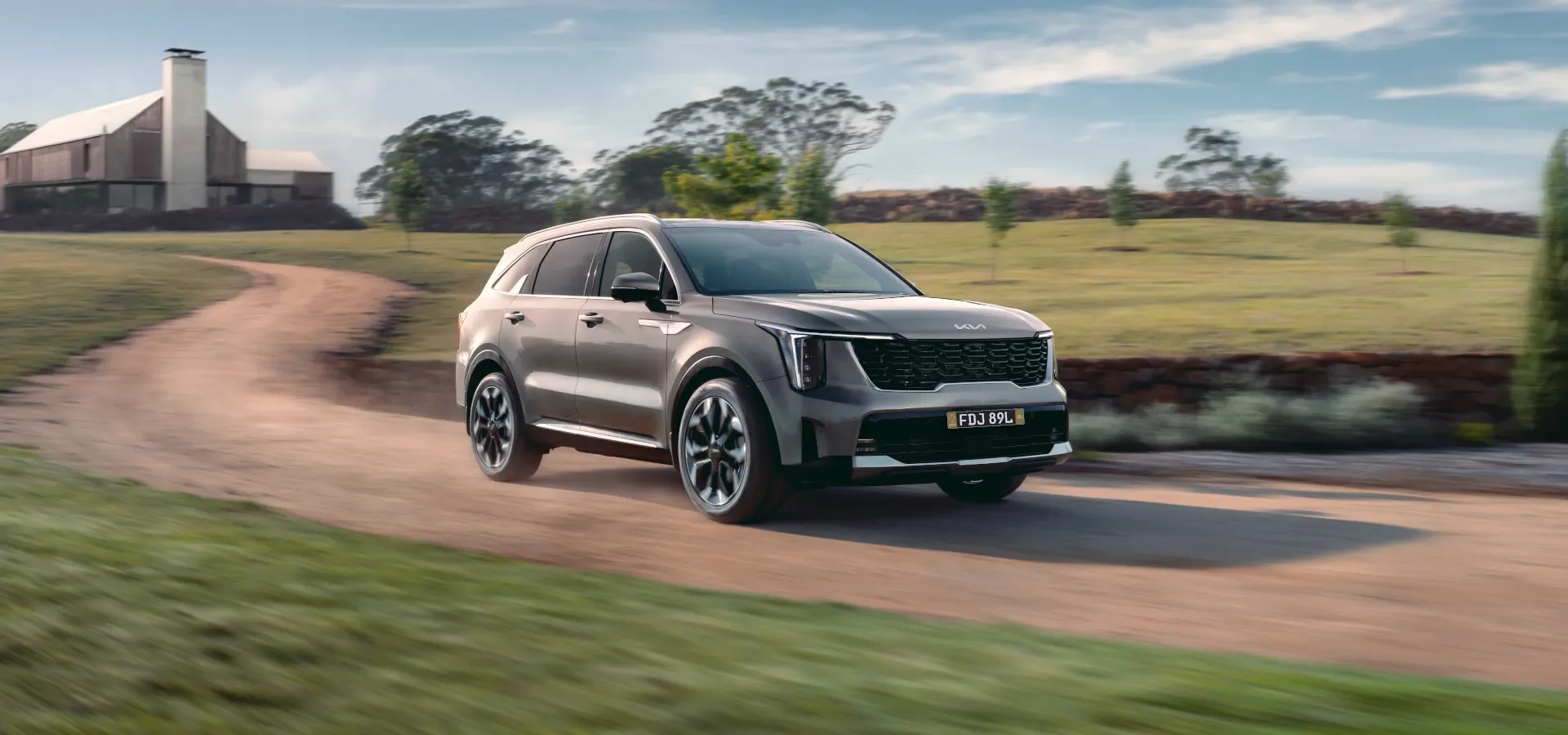
Two things stop it being a recommendation. Its ANCAP rating dates from 2020 and expires in December 2026, less than three months away, unless Kia has it retested. And its curtain airbags cover only the first and second rows. Add a 179-litre boot with seven seats up and no third-row vents on the S.
Over $60,000: Towing, Space and Big Batteries
Above $60,000, buy for a job the Carnival can’t do. The Ford Everest is for families who tow a big van or leave the bitumen. The Hyundai Ioniq 9 is the seven-seat EV with the most child-seat anchorages. The six-seat Tesla Model Y L sits between them on price, with one important warning attached.
Ford Everest: the diesel seven-seater for towing
The Everest Sport 2.0 costs $68,990 with seven seats standard, and Ford advertises it from $70,000 drive-away. Every Everest tows 3,500kg braked with the tow pack, and its ANCAP rating from 2022 runs to December 2028. It has three tethers in the second row and two in the third, but ISOFIX only in the second-row outboard seats.
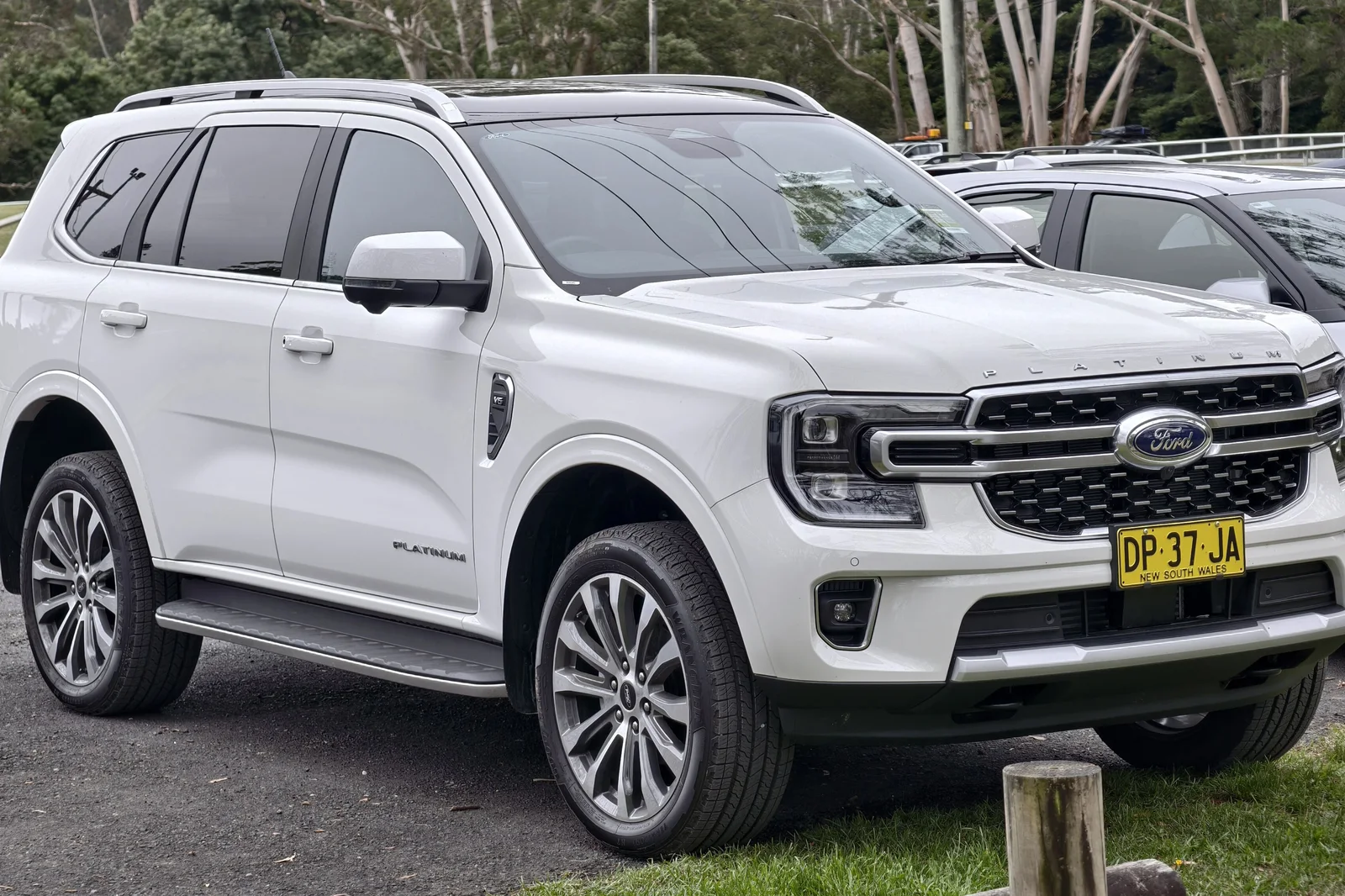
Ford reshuffled the range for MY27, so the Trend is gone. The cheaper Active 2.0 starts at $58,990 as a five-seater, with third-row seats a $1,350 option at the last update. A claimed 7.1L/100km and 259 litres of boot with seven seats up are the price of a ladder-frame wagon. Buy one only if something heavy lives behind it.
Hyundai Ioniq 9: the seven-seat EV
The Ioniq 9 Calligraphy costs $119,750 as a seven-seater and $121,750 with six seats. Hyundai’s spec sheet lists 600km WLTP from a 110.3kWh battery, four ISOFIX points and five tethers in the seven-seat layout. Its 2025 five-star rating covers both layouts, it tows 2,500kg braked, and the curtain airbags reach the third row.
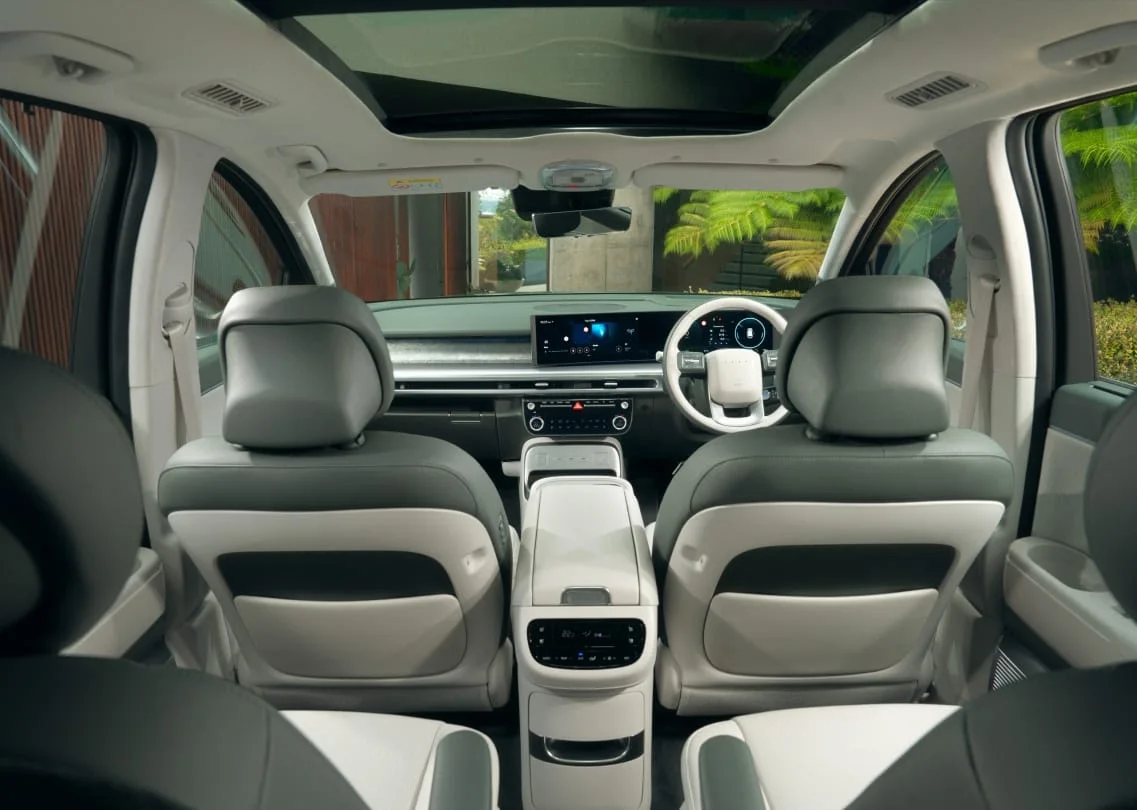
That price buys a lot of Carnival. The Ioniq 9 costs more than twice as much as a Carnival S for the same five tethered seats and a smaller 338-litre boot behind the third row. Buy it if you want electric, seven seats and silence, and the budget doesn’t flinch. The Ioniq 9 review has the full story.
Tesla Model Y L: six seats, one warning
The six-seat Model Y L costs $74,900, carries a 2025 five-star rating and lists 420 litres behind the third row. Every rear seat has a tether and ISOFIX. But ANCAP found the twin-strap tether webbing couldn’t be supported by the second-row seat backs, so many child restraints couldn’t be correctly installed there. Test your own seats first.
Why Isn’t the New RAV4 on This List?
Because it has no ANCAP rating. The sixth-generation RAV4 Hybrid went on sale in Australia this year from $45,990, and ANCAP lists it as unrated for builds from March 2026. Drive reported in April that Toyota expects upgraded cars to be rated later in 2026. Until then, a family pick needs a current date stamp.
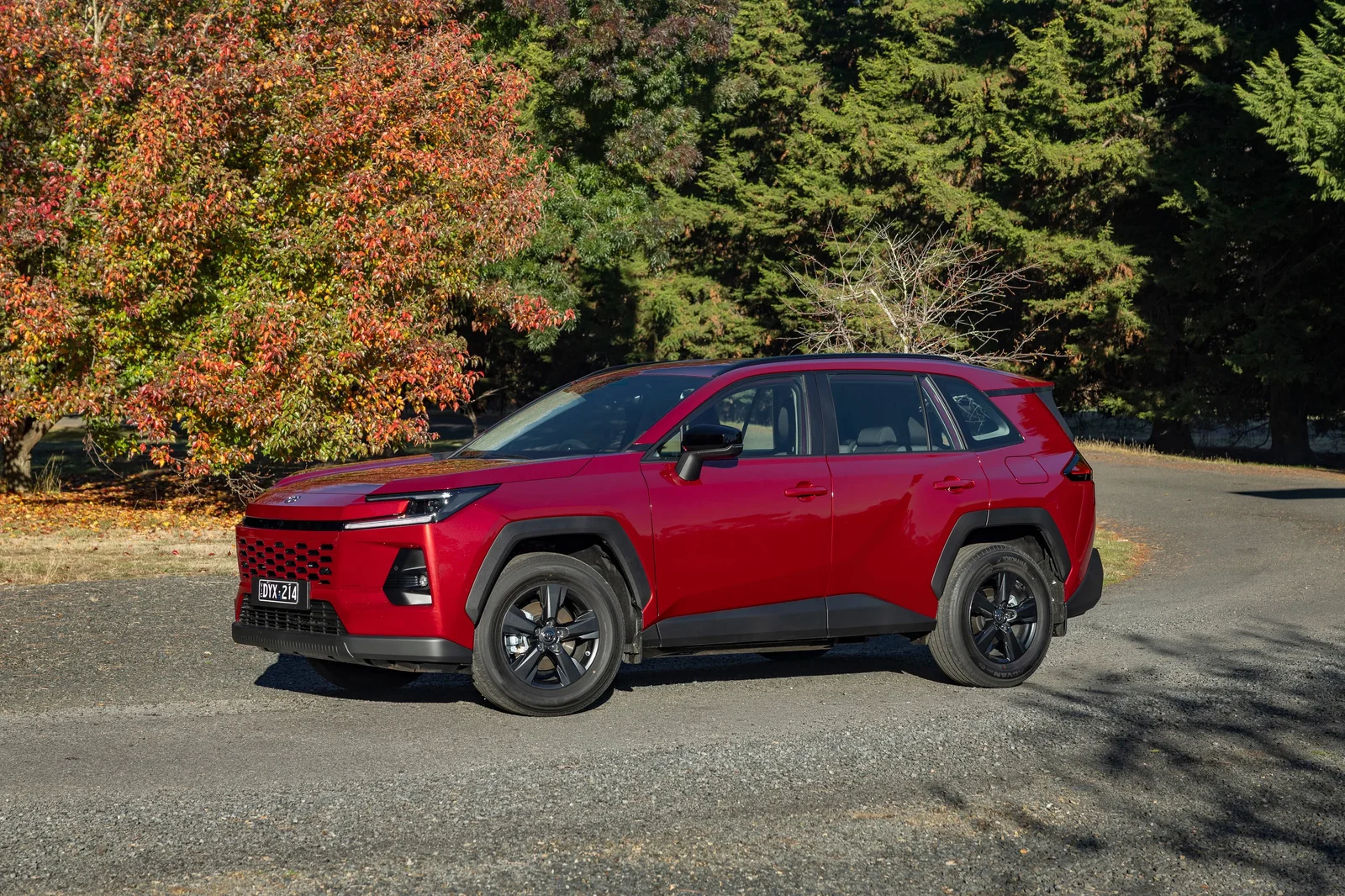
It’s otherwise easy to like: a claimed 4.5L/100km, three tethers, two ISOFIX points and Toyota resale. The front-drive hybrid tows only 800kg braked, though. The Kia Sportage Hybrid holds a five-star rating from 2022, although ANCAP couldn’t correctly fit a Type A capsule in its rear seats. The RAV4 Hybrid vs Sportage Hybrid comparison weighs them up.
Check the ANCAP Date Stamp, Not Just the Stars
ANCAP ratings now carry a date stamp and expire after six years. The Sorento’s 2020 rating lapses in December 2026. The Carnival’s and Kluger’s 2021 ratings run to December 2027, and the Everest, Corolla Cross and MU-X hold 2022 ratings that last until December 2028. The 2025-rated cars here are covered until December 2031.
Scores aren’t comparable across years either, because ANCAP keeps tightening its tests. An 85 per cent from 2022 and an 85 per cent from 2025 weren’t earned against the same yardstick. The TorquePress investigation into expired ANCAP ratings explains why a five-star badge can mean less than it looks, even on a car still in the showroom.
Hybrid, Diesel or Electric for a Family?
Hybrid suits most families, diesel suits towing families and electric suits families with a driveway. Claimed fuel use in this guide runs from 4.2L/100km in the Corolla Cross Hybrid to 8.1L/100km in the Tiggo 8. The diesel Carnival and Everest tow 2,000kg and 3,500kg. The EVs are cheapest to run when you charge at home.
Claims aren’t reality, and big SUVs tend to stray furthest from their labels, as the TorquePress look at real-world fuel economy found. Insurance, servicing and depreciation matter as much as fuel, so run your shortlist through the true cost of owning a car in Australia before you settle on a drivetrain.
The Family Car Verdict
Buy the Kia Carnival if you have three kids or a third on the way. Buy the Model Y if you have two, a driveway and no trailer. Buy the Corolla Cross Hybrid if the budget stops at $40,000. Don’t buy a seven-seat SUV until you’ve counted the third-row tethers, and don’t buy a Sorento without reading its expiry date.
The people mover was never the problem. The badge on the tailgate was. A family car is judged by where the child seats go and what still fits behind them, and on both counts the humble Carnival beats SUVs costing twice as much. Swallow the pride, keep the change, and let the sliding doors do the school run.
Every Family Car Compared: The Full Spec Sheet
| Car | Price | Seats | Powertrain | Fuel or energy | ANCAP | Boot, all seats up | ISOFIX / tethers |
|---|---|---|---|---|---|---|---|
| Toyota Corolla Cross Hybrid GX | $37,440 | 5 | Hybrid, 2WD | 4.2L/100km | 5 stars (2022) | 425L | 2 / 3 |
| Geely EX5 Complete | $41,990 | 5 | Electric, FWD | 16.0kWh/100km | 5 stars (2025) | 302L | 2 / 3 |
| Tesla Model Y Premium RWD | $58,900 | 5 | Electric, RWD | 15.3kWh/100km | 5 stars (2025) | 822L + 116L frunk | 2 / 3 |
| Zeekr 7X RWD | $57,900 | 5 | Electric, RWD | 14.7kWh/100km | 5 stars (2025) | 539L + 62L frunk | 2 / 3 |
| Kia Carnival S | $54,560 diesel, $56,310 hybrid | 8 | Diesel or hybrid, FWD | 6.5 / 5.8L/100km | 5 stars (2021) | 627L | 5 / 5 |
| Kia Sorento S | $54,380 diesel, $56,630 hybrid | 7 | Diesel AWD or hybrid FWD | 6.0 / 5.4L/100km | 5 stars (2020, expires Dec 2026) | 179L | 4 / 5 |
| Ford Everest Sport 2.0 | $68,990 | 7 | Diesel, 4×4 | 7.1L/100km | 5 stars (2022) | 259L | 2 / 5 |
| Hyundai Ioniq 9 (7-seat) | $119,750 | 7 | Electric, AWD | 20.6kWh/100km | 5 stars (2025) | 338L + 52L frunk | 4 / 5 |
| Tesla Model Y L | $74,900 | 6 | Electric, AWD | 14.6kWh/100km | 5 stars (2025) | 420L + 116L frunk | 4 / 4 |
| Chery Tiggo 8 Pro Max Urban | $38,990 drive-away | 7 | Petrol turbo, FWD | 8.1L/100km | 5 stars (2025) | 117L | 2 / 3 |
| Mitsubishi Outlander ES 5+2 | $42,540 | 7 | Petrol, FWD | 7.6L/100km | 5 stars (2025) | 163L | 2 / 3 |
| Isuzu MU-X LS-M 4×2 | About $49,900 | 7 | Diesel, RWD | 6.7L/100km | 5 stars (2022) | 311L | 2 / 3 |
| Toyota Kluger GX | About $62,410 | 7 | Hybrid, AWD | 5.6L/100km | 5 stars (2021) | 241L | 2 / 3 |
| Toyota RAV4 Hybrid GX 2WD | $45,990 | 5 | Hybrid, 2WD | 4.5L/100km | Unrated | Up to 705L (VDA, to roof) | 2 / 3 |
Prices before on-road costs as of 6 October 2026 unless marked; MU-X and Kluger prices from launch coverage. Energy use from the Green Vehicle Guide (Tesla, Zeekr) and makers (Hyundai); EX5 from CarExpert. Boot figures use different methods by brand. ANCAP ratings expire six years after the rating year, in December.


