
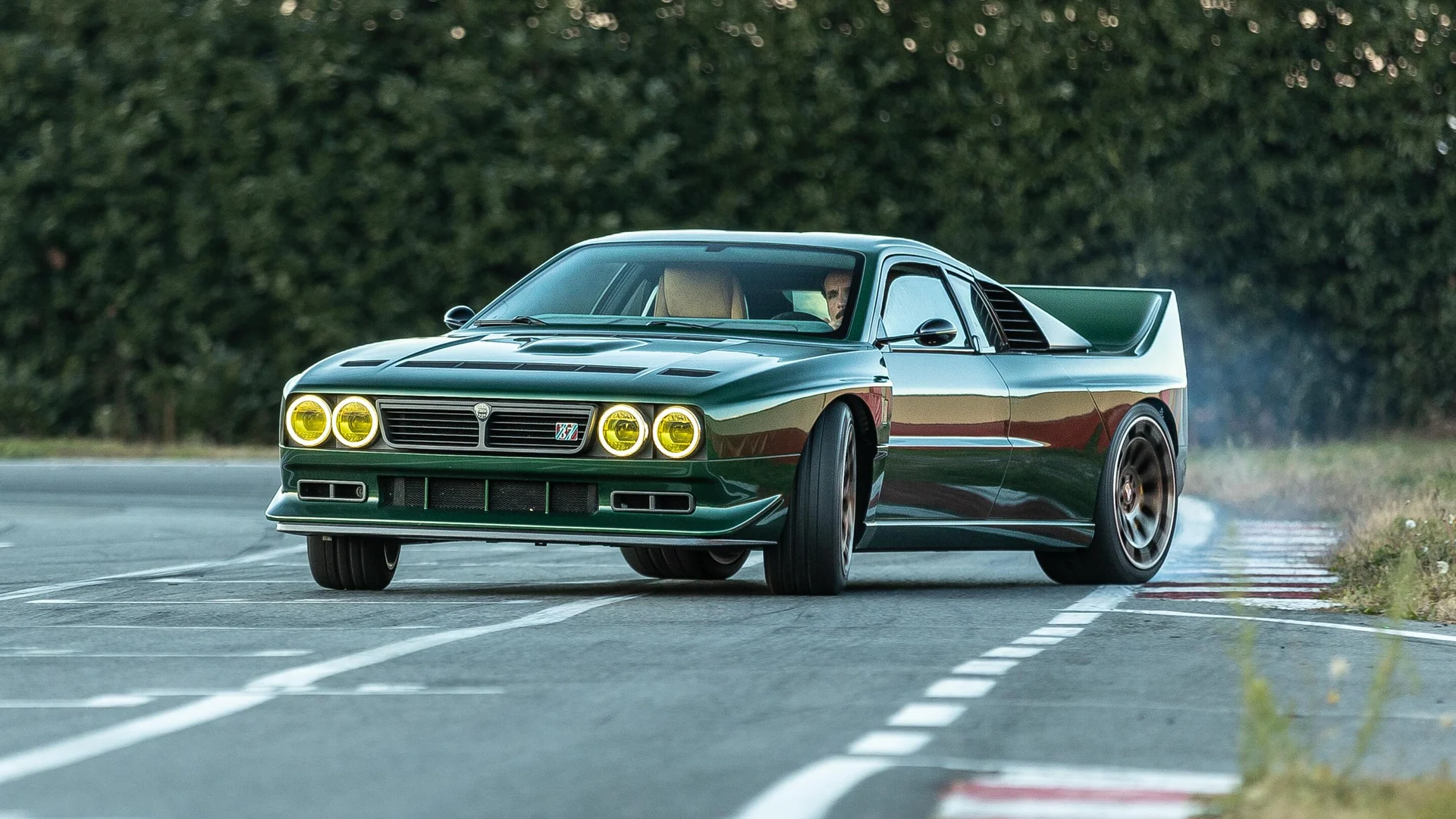

Lancia never sold a 037 with a turbo. The Delta S4 got that trick in 1985: a supercharger for low-down shove and a turbo for the top end. Nearly four decades later, a small Italian firm bolted it to the 037’s body, and hired the engineer who did it the first time.
That firm is Kimera Automobili, and the car is the EVO37. It’s a restomod in the strictest sense: the shape the Group B crowd remember, rebuilt by people who were in the room when Lancia did it. Here’s what’s in it, how many exist, and what one costs now.
What Is the Kimera EVO37?
A carbon-bodied, twin-charged reinterpretation of the Lancia Rally 037, built by Kimera Automobili in Italy. Kimera revealed it in May 2021, quoting 505PS (371kW) and 550Nm from a 2.1-litre four, according to Carscoops’ launch coverage. The price was €480,000, and the plan was 37 cars.
The original it honours carries real weight. Stellantis Heritage records that the 037 won the 1983 World Rally Championship for manufacturers, with Walter Röhrl and Markku Alén finishing one-two at Monte Carlo. Kimera calls it the last two-wheel-drive car to take the world title against four-wheel-drive opposition.
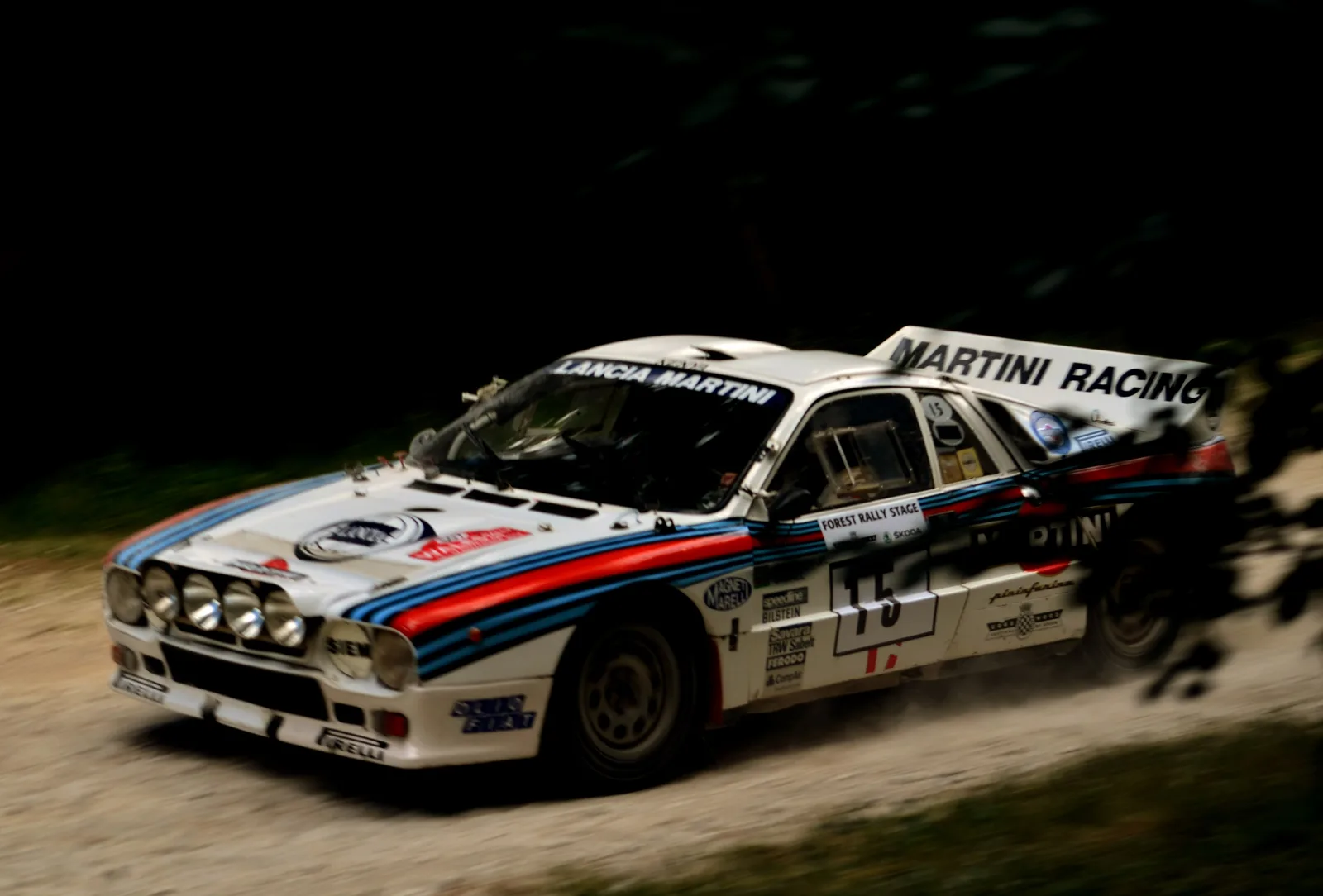
| Rally 037 Stradale (1982) | Rally 037 Evo 2 | Kimera EVO37 (2021) | |
|---|---|---|---|
| Engine | 2.0-litre four, Volumex supercharger | 2,111cc four, supercharged | 2.1-litre four, supercharger plus turbo |
| Power | 205hp | 310hp | 505PS (371kW), claimed |
| Weight | 1,170kg | Not quoted | About 1,000 to 1,080kg (claims vary) |
| Body | Pininfarina design, fibreglass panels | Pininfarina design | Carbon fibre panels on the original lines |
| Numbers | 200 built for Group B homologation | Works rally cars | 37 in the core run |
Sources: Stellantis Heritage (037 figures); Carscoops (2021); Autocar and Motor1 (EVO37 weight claims).
Built by the People Who Built the First One
This is the part that separates the EVO37 from a tribute kit. Kimera signed up Claudio Lombardi, Lancia’s powertrain chief in the Group B years, to run the engine. Sergio Limone, who developed the original 037, approved the chassis layout, and two-time world champion Miki Biasion helped tune the dynamics, according to Top Gear’s 2024 review.
Sources: Kimera Automobili; Top Gear (2024); Stellantis Heritage. Roles as described at the car's launch and in later coverage.
Biasion has history with the shape. Stellantis Heritage notes he won the 1983 European championship in a 037 before joining the works Martini team. After the first EVO37 test, Kimera quotes him saying “I went back 40 years!!” It’s a manufacturer quote, so read it as such, but it’s hard to imagine a better-qualified tester.
Inside the Build
Engine and drivetrain
The 2.1-litre four is based on the original Lancia block, redesigned by Italtecnica, and pairs a supercharger with a turbocharger. On Kimera’s own engine page, Lombardi explains the logic: the supercharger fills the low-rev hole and the turbo makes the big numbers up top. It’s the Delta S4 recipe, applied to the car that never got it.
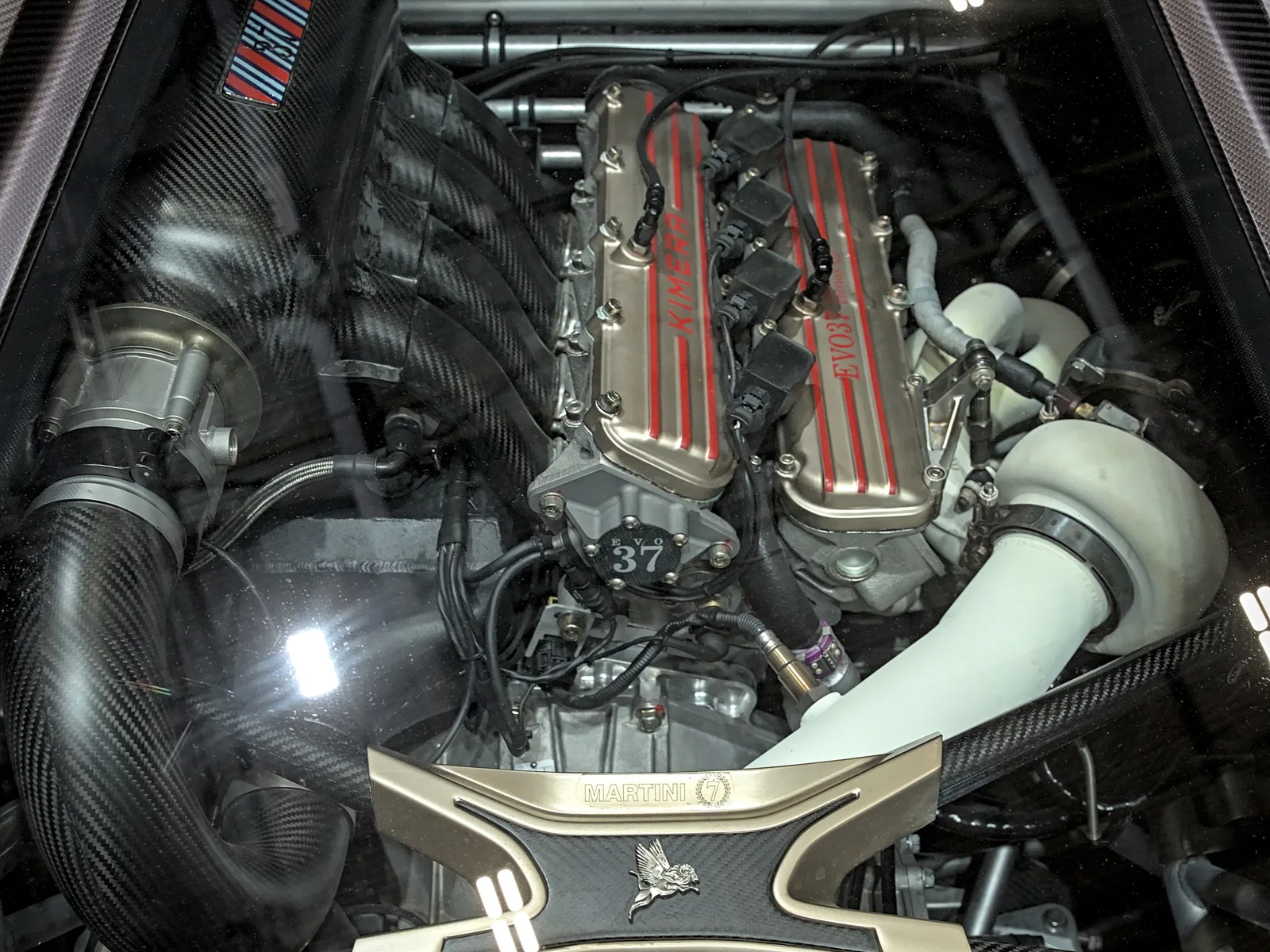
Coverage disagrees on how the supercharger is driven. Autocar and Top Gear describe it as electric, while Motor1 calls it mechanical. Either way, drive goes to the rear wheels through a Graziano six-speed manual, per Motor1, and Autocar reports a paddle-shift sequential alternative for buyers who want one.
Chassis, suspension and brakes
Like the original, the EVO37 starts with a production central cell, from a Lancia Beta Montecarlo, with tubular structures front and rear. Kimera says the difference is that its tubular frame is now self-supporting. The old cell becomes the shell around the cage, which Kimera says gives greater torsional rigidity.
Kimera keeps the original layout of double wishbones, coil springs and twin rear dampers, now with Öhlins units and Brembo brakes, with carbon-ceramic discs optional. The wheels are 18 inches up front and 19 at the rear, on 245/35 and 295/30 Pirelli tyres, per the launch specification.
Body and cabin
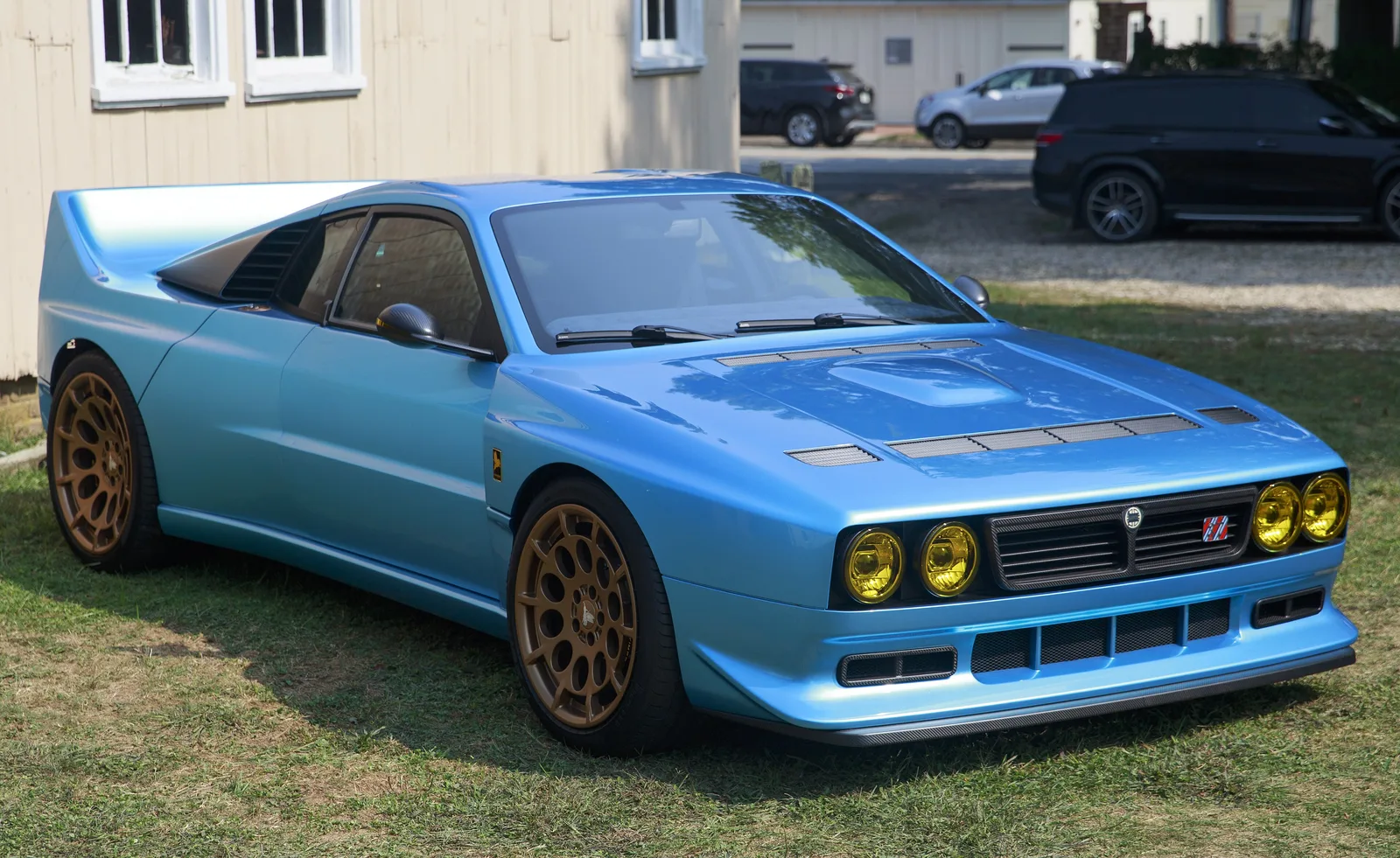
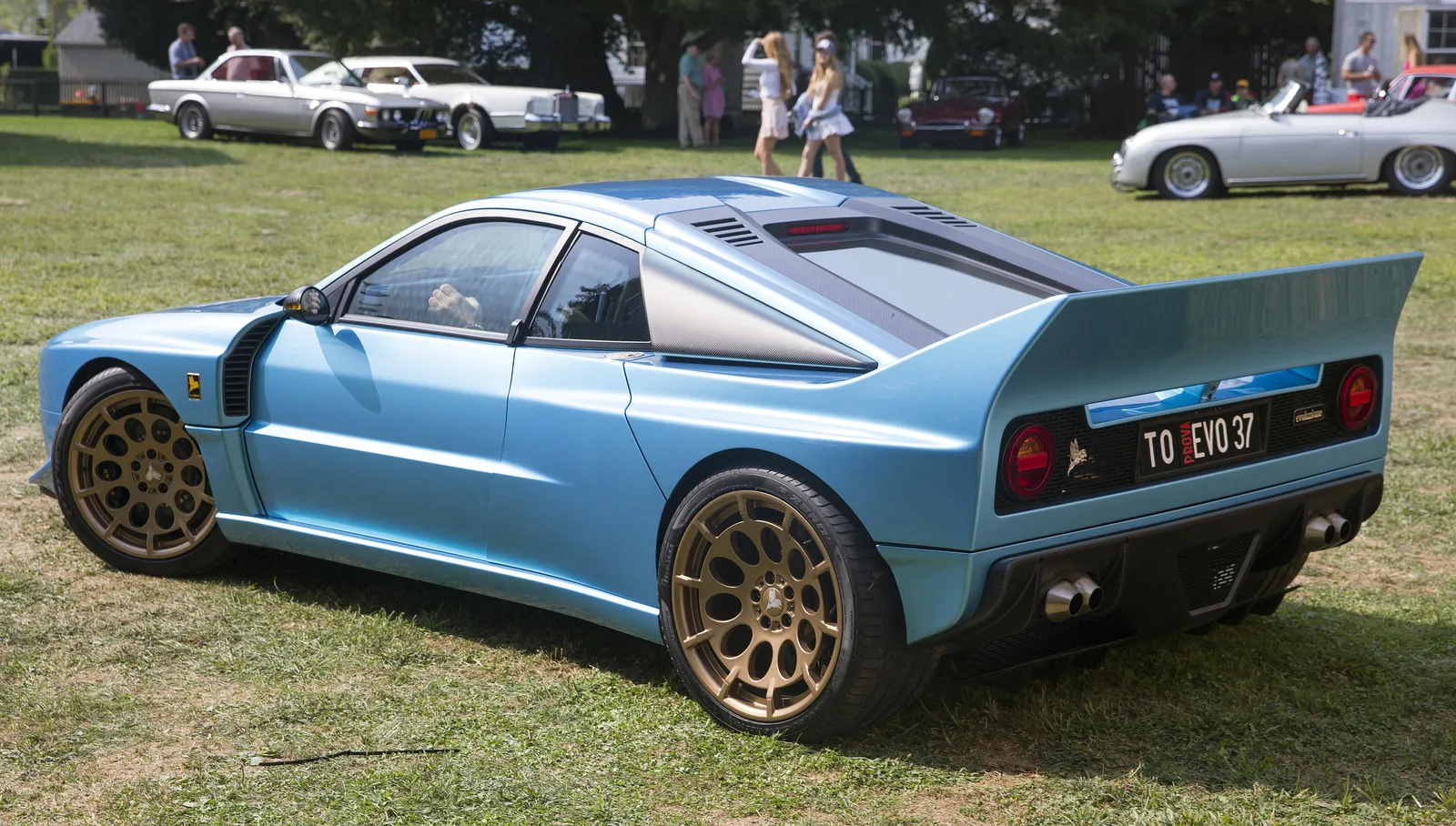
Carbon fibre replaces the original’s fibreglass panels, and launch coverage lists Kevlar and titanium elsewhere in the build. The line is unchanged on purpose. Kimera’s stated aim was to evolve the 037 without distorting it, and that restraint shows in the proportions: no bloated arches, no oversized splitter, no wing bolted on for the sake of it.
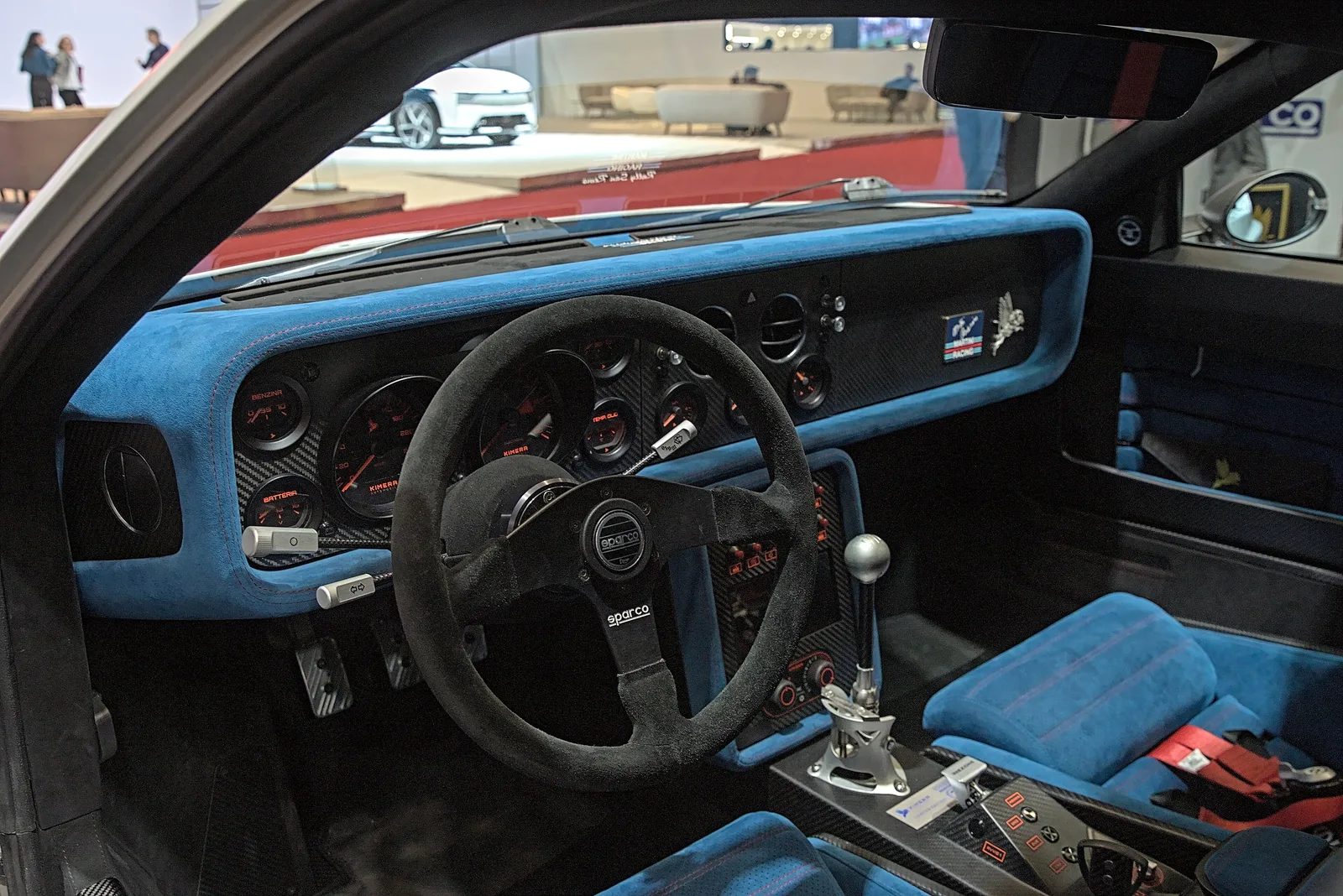
Inside you get exposed carbon, Alcantara, analogue dials, a hydraulic handbrake and four-point harnesses. It’s the kind of cabin mainstream makers are rediscovering now that physical buttons are making a comeback. Weight claims run from about 1,000kg at launch to 1,078kg in Motor1’s 2025 figure, all lighter than the 1,170kg road 037.
How Many EVO37s Will Exist?
Thirty-seven, plus a couple of extra series. Carscoops reported in November 2023 that all 37 planned cars were sold. Kimera has since listed a 10-car Martini 7 tribute series, and Top Gear reported a six-car San Remo series at €840,000. The four-wheel-drive EVO38 is a separate model with its own run.
Sources: Carscoops (2023), Kimera Automobili, Top Gear (2024). Extra series may overlap with announced totals; Kimera has not published a single combined figure.
You’ll often see a figure of 60 attached to the car. Nothing Kimera has published supports it, and neither does the period coverage. Until Kimera confirms a combined total, the honest answer is 37 core cars plus the tribute series. That scarcity is part of what buyers are paying for.
What Is an EVO37 Worth Now?
Roughly double its launch price, if the next sale goes to estimate. Carscoops reported in September 2026 that Broad Arrow is offering car 18 of 37, finished in early 2025, with an estimate of US$1.081 million to US$1.309 million. At the early October 2026 exchange rate, that’s about A$1.56 million to A$1.88 million.
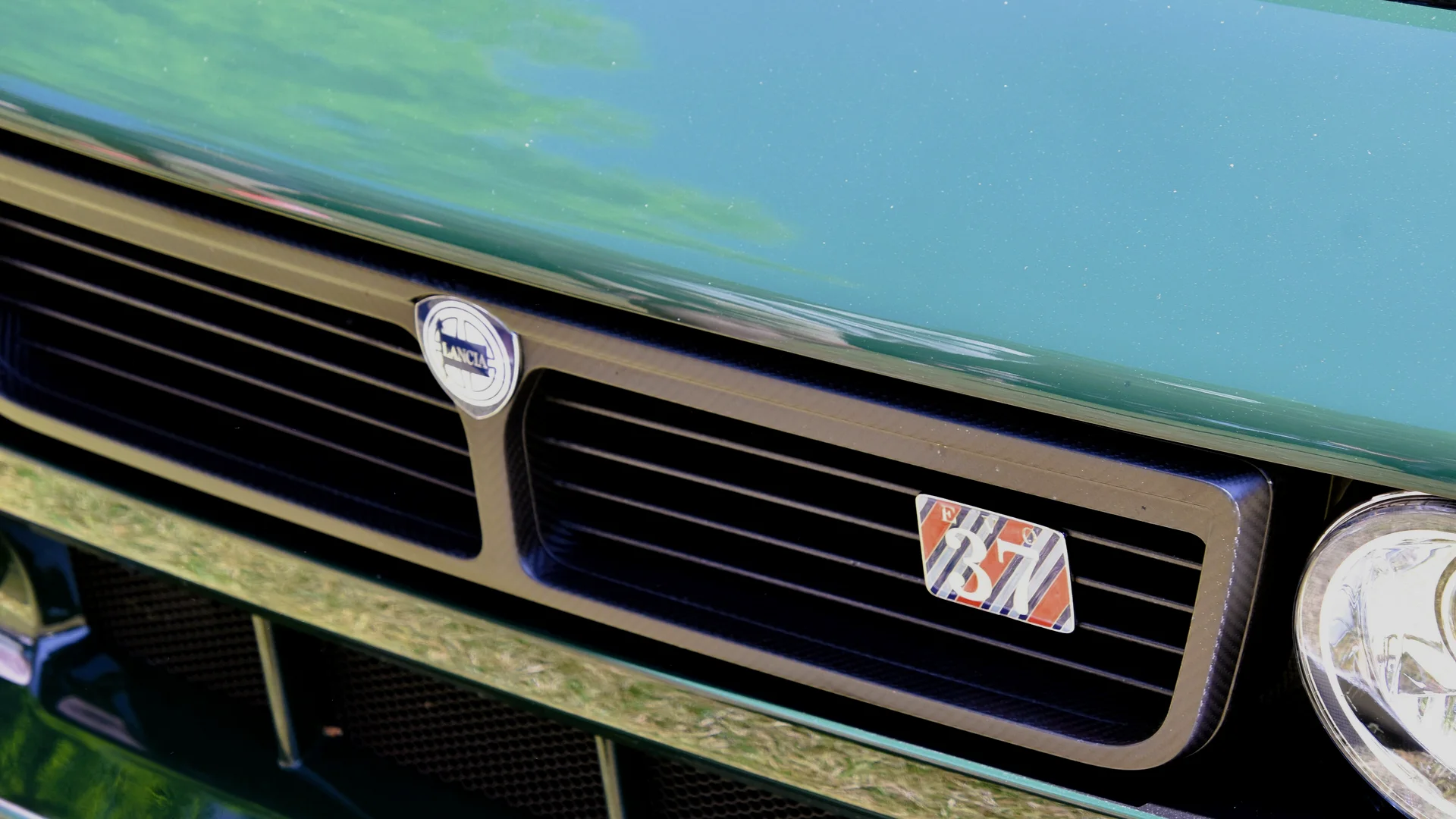
Treat that as a target, not a result. Estimates aren’t sales, and a Martini 7 was listed at £1.17 million in 2024 without a public sale price. If you’re tempted, look at what the hammer price is in October, not the estimate. Restomods this young haven’t been through a down market yet.
Can You Register One in Australia?
Not easily, and probably not at all as a 25-year-old car. The federal import guidance says significant modifications, including body, chassis, drivetrain and braking changes, must also be more than 25 years old. The Montecarlo cell may date from the 1970s, but the EVO37’s re-engineering is from 2021 onward.
The department says such vehicles may qualify through another pathway, but won’t be eligible for general registration. So don’t buy one expecting to drive it up the Gillies Range. Talk to a licensed import compliance specialist first, and treat this as general information rather than legal advice.
If what you actually want is light, rear-drive, manual fun on Australian roads, the honest answer costs a tiny fraction of the price. A Toyota GR86 won’t give you Group B history, but it will give you number plates. The EVO37 is for the collector who wants the story as much as the drive.
Why the EVO37 Gets It Right
Plenty of restomods confuse more with better. The EVO37 doesn’t. It keeps the 037’s length, stance and spirit, adds the one engineering idea Lancia ran out of time to give it, and leaves the rest alone. That’s a harder discipline than it looks, and it’s why the car reads as a continuation rather than a costume.
It helps that the people holding the pen were the ones who drew the original. Lombardi on the engine, Limone on the chassis and Biasion behind the wheel isn’t a marketing line. It’s the old Lancia band reunited. The result is the 037 that Abarth might have built for 1987, had Group B survived.
Source: Kimera Automobili, with history from Stellantis Heritage and build details from Top Gear and Autocar.
Via: Photos via Wikimedia Commons: Charles from Port Chester, New York (CC BY 2.0), Alexander-93 (CC BY-SA 4.0), Mr.choppers (CC BY-SA 3.0), Gnmrc (CC BY-SA 4.0) and Nic Redhead (CC BY-SA 2.0).


