
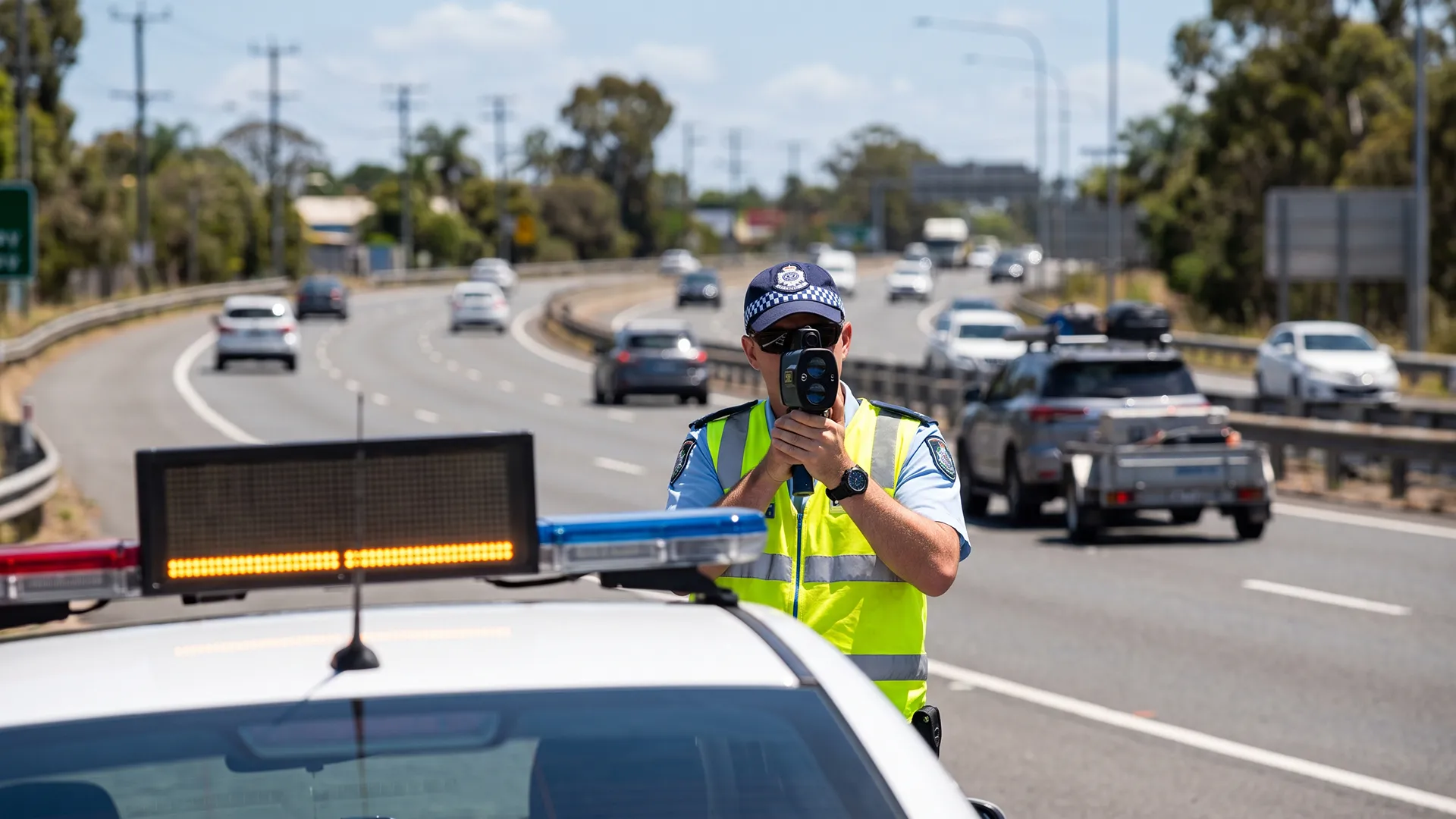

Double demerits are a New South Wales invention that half the country thinks applies to them. It doesn’t. Cross the Murray into Victoria over Christmas and the rule vanishes. Drive into Queensland and it turns into something else entirely. Drive into Western Australia and it starts on Friday 18 December, nearly a week before the eastern states join in.
Here’s what applies where over the 2026–27 summer holidays, what it costs in points, and the one number every P-plater in Sydney or Canberra needs to hear before the Christmas road trip. Dates and figures are current as of October 2026 and come from each state’s road authority.
Which states have double demerits over Christmas?
Three. Western Australia runs double demerits from Friday 18 December 2026 to Sunday 3 January 2027. New South Wales and the ACT follow from Thursday 24 December 2026 to Sunday 3 January 2027. Victoria, South Australia, Tasmania and the Northern Territory have no double demerit scheme at all, and Queensland’s version has nothing to do with the calendar.
That WA start date is the one that catches people. The WA Road Safety Commission’s published calendar opens the summer period on the Friday a week before Christmas, so a Perth family heading south for the school holidays is already inside it. NSW and the ACT run the shorter window, which Transport for NSW lists as 24 December to 3 January inclusive.
The spring long weekends are done. WA’s King’s Birthday period ran from 25 to 28 September 2026, and the NSW and ACT Labour Day period from 2 to 5 October. That makes Christmas the next doubled period anywhere in the country, and the longest of the year for WA drivers.
The 2026 to 2027 double demerit calendar
Only the Christmas period remains in 2026, and both NSW/ACT and WA have published their dates. WA’s summer period runs 18 December 2026 to 3 January 2027. NSW and the ACT run a shorter window, 24 December 2026 to 3 January 2027. Australia Day 2027 dates had not been published by either state at the time of writing.
Double Demerits Periods
Sources: Transport for NSW and the WA Road Safety Commission, both checked September 2026. The NRMA maintains a running list of NSW and ACT dates that is worth bookmarking, because the periods shift by a day or two each year with the calendar.
What actually gets doubled in NSW and the ACT?
Four things. Speeding, illegal mobile phone use, seatbelt offences (including unrestrained passengers) and riding without a motorcycle helmet. That’s the full list in NSW. Running a red light, tailgating, an illegal U-turn: normal points, normal fine. The ACT doubles the same four offences, then adds one extra demerit point to every other traffic offence committed during the period.
The fine does not double. Transport for NSW puts it plainly: double the points, not double the fine. The mobile phone penalty is the one that hurts, because it already sits at five points. During a doubled period it becomes ten points and a $423 fine, a figure the NRMA confirms for 2026, rising to $562 in a school zone.
Double Demerits Breakdown
Those are the NSW demerit schedule figures for cars, as published by Transport for NSW. The ACT’s bands sit at slightly different speed thresholds (up to 15km/h over is one point, 15 to 30 is three, 30 to 45 is four), but the doubling works the same way. Cameras count. A phone-detection camera or a seatbelt camera on the M1 issues doubled points exactly as a highway patrol officer would.
Why the P-plater maths is brutal
A P1 licence in NSW carries four demerit points. One phone offence during a doubled period is ten. One 10 to 20km/h speeding offence is six. Either one, alone, ends the licence in a single stop. A P2 driver on seven points survives the speeding ticket and loses the licence to the phone. Transport for NSW’s thresholds: 13 unrestricted, 7 for P2, 4 for P1 and learners.
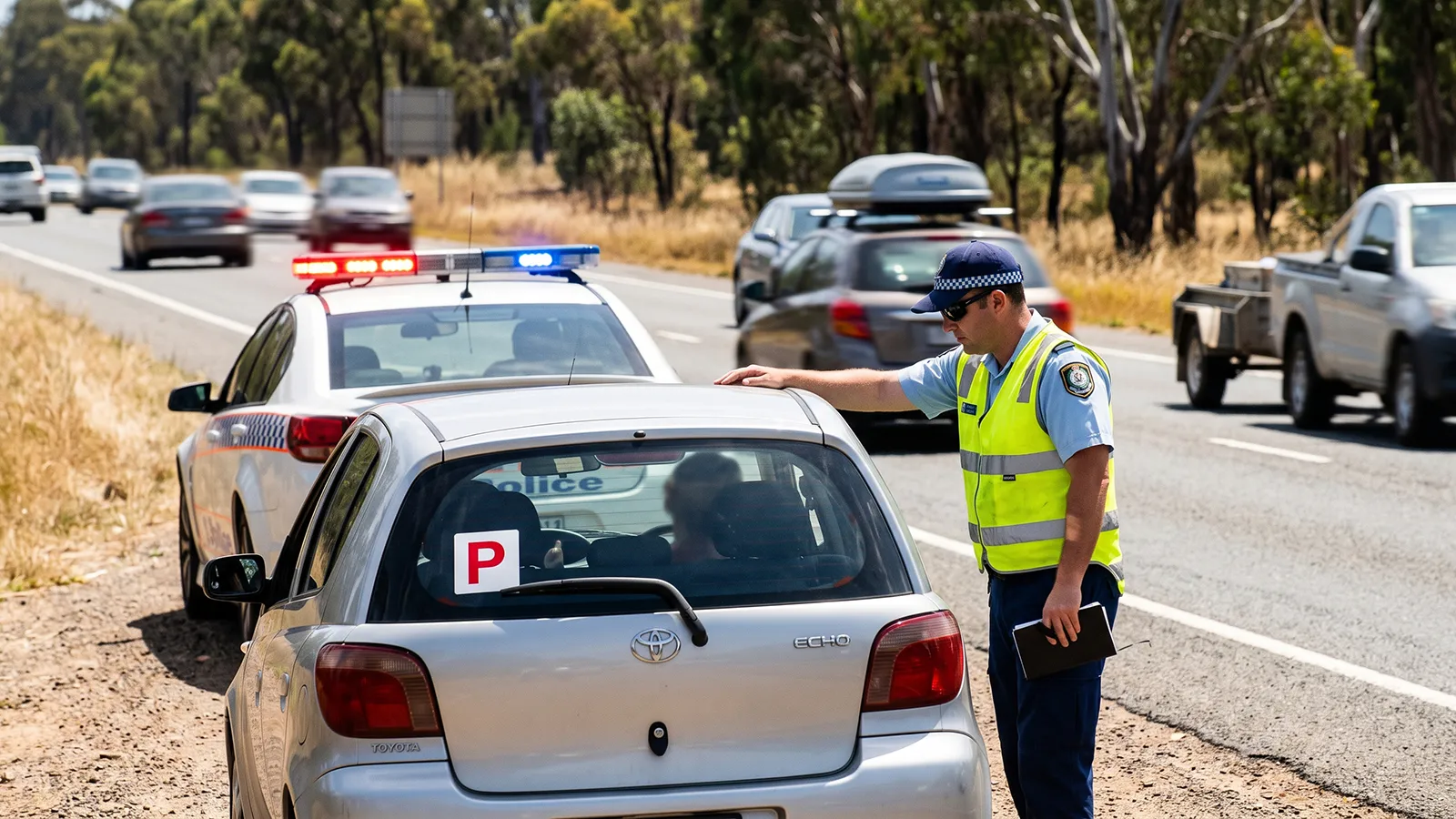
The ACT is tighter still for full licence holders, who work off 12 points rather than 13, and provisional drivers there also sit on four. The Access Canberra demerit page spells out the thresholds and the suspension periods that follow.
This is the conversation to have before the keys go out the door. A young driver in a sensible car is still one glance at a phone away from three months off the road, and the insurance premium after a suspension lasts for years. Still choosing that first car? Start with the safest used first cars under $10,000, and check the P-plate power rules before anything else.
Western Australia doubles more than the east coast
WA’s list is longer. Speeding, drink or drug driving, seatbelt and child restraint offences, running a red light and illegal mobile phone use all attract double points during the declared periods. Two speed-camera evasion offences, including using a radar detector, carry 14 points during a doubled period, which is enough to remove a full licence in one go. NSW does not double red lights or drink driving.
The practical difference is the red light. In Sydney, a red light camera on a long weekend costs the same three points it always did. In Perth it costs six. Drivers heading down to Margaret River or out to the goldfields these holidays are also driving into the state’s heaviest long-weekend enforcement, and the Road Safety Commission publishes the dates months ahead for exactly that reason.
Queensland: double points all year, but only if you reoffend
Queensland has no holiday double demerits. Instead, the Queensland Government applies double points to a second or subsequent offence within 12 months of an earlier one in the same group: speeding by more than 20km/h, mobile phone use, driver seatbelt, unrestrained passengers under 16, and motorcycle helmets. Get caught on the phone twice in a year and the second offence is eight points instead of four.
So Boxing Day in Brisbane is an ordinary enforcement day on paper. In practice, long weekends are when police run the blitzes that generate the first offence, and the double points arrive on the second one, possibly at Easter. Queenslanders heading up Mt Glorious or Mt Nebo on a holiday morning should treat the mobile speed camera trailers as the start of a 12-month clock, not a one-off.
Victoria, SA, Tasmania and the NT: no doubling, no discount
None of the four runs a double demerit scheme. Points and fines on the Grand Final weekend or the Labour Day Monday in Adelaide are exactly what they are on a Tuesday in March. What changes is the enforcement. Every state runs a named holiday operation with extra highway patrol and mobile cameras, and the absence of doubling has never made a Victorian long weekend a quiet one for police.
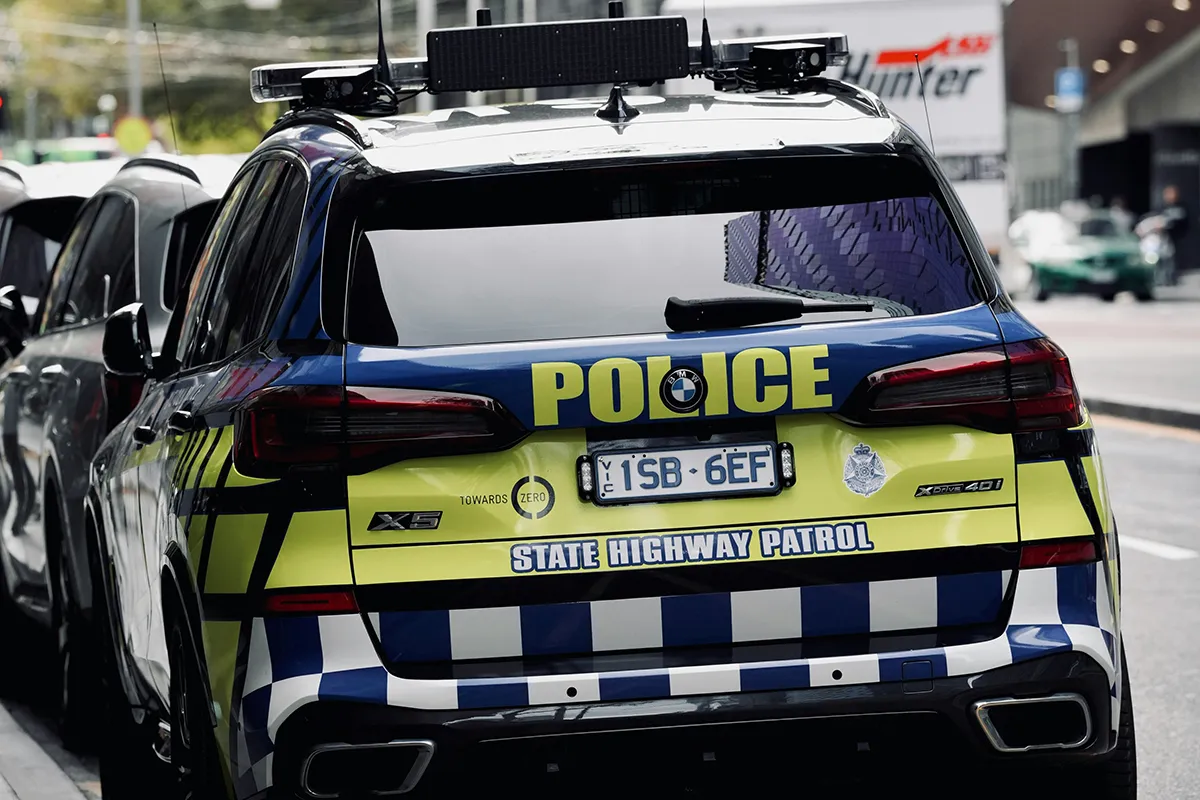
This is the trap for interstate drivers. A Melburnian who does the Great Alpine Road on Saturday and crosses the Murray into NSW on Sunday has driven into a doubled period without a sign to say so. Points follow your licence home, and the demerits are set by the state where the offence happened, so the doubled figure is the one that gets sent.
What not to do on a double demerit weekend
The mistakes that cost licences are boring ones, and the same three come up every year. Don’t touch the phone, not even at the lights, not even in a cradle if you’re a learner or P-plater (NSW bans all phone use for them). Don’t let a passenger ride unbuckled for the last two minutes of a trip. Don’t assume the 110 zone has started because the traffic did.
- Set navigation and music before the car moves, then leave the phone in the console. A doubled phone offence is ten points in NSW, more than a P2 licence holds.
- Check the towing speed limit for the state you’re in. WA caps a vehicle towing a caravan at 100km/h whatever the sign says, and speeding points double for caravanners like everyone else.
- Expect the exhaust to be noticed. Holiday operations routinely pull modified cars, and a defect notice for an exhaust is a long way to spend a Saturday even without points attached.
- Know your route’s state. The Hume, the Newell and the Pacific all change jurisdiction, and the doubled zone starts at the sign.
Who double demerits actually hurt
Double demerits don’t make the roads safer by themselves; the enforcement blitz that comes with them does. What the doubling changes is the arithmetic for one specific group. An unrestricted driver on a clean licence can absorb a doubled speeding ticket and drive home annoyed. A P-plater cannot. Ten points against a four-point licence isn’t a fine, it’s three months of Ubers and a hard conversation with an insurer.
If you’re in WA from 18 December, or NSW and the ACT from Christmas Eve, the rule is simple. Drive like the points are doubled, because they are. If you’re anywhere else, drive like the police are doubled, because they are too. Bookmark this page; it will be updated when the 2027 dates are published.


