
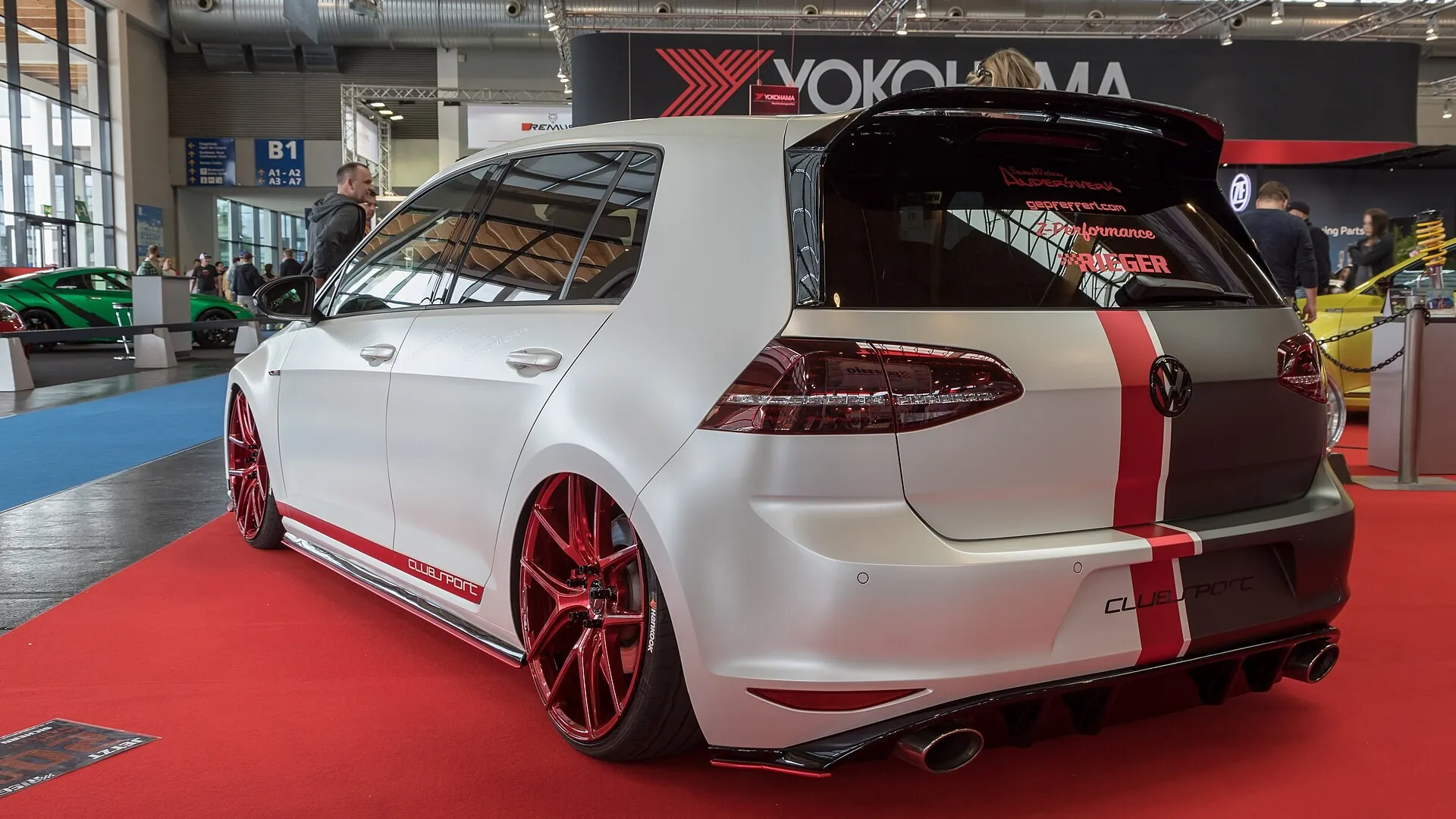

How low is legal? In most of Australia, about one third of your suspension travel, which on many modern cars is less than the 50mm everyone quotes. NSW wrote that into law this July. Go lower, or lower the wrong way, and you're looking at a defect notice, a fine or an insurer that won't pay.
The short answer
- National rule (VSB 14): lower by no more than one third of the original suspension travel, keep the front-to-rear attitude, and keep legal ground clearance.
- NSW from 1 July 2026: the lesser of one third of working travel or 50mm without a certificate. Coilovers on factory mounts are fine within that limit.
- Queensland and Tasmania: more than one third of travel lost, cut or heated springs, or under 100mm of clearance is a defect.
- WA: even a small spring drop needs an inspection and a paid modification permit.
- Everywhere: tell your insurer before you lower the car.
What does the national code say?
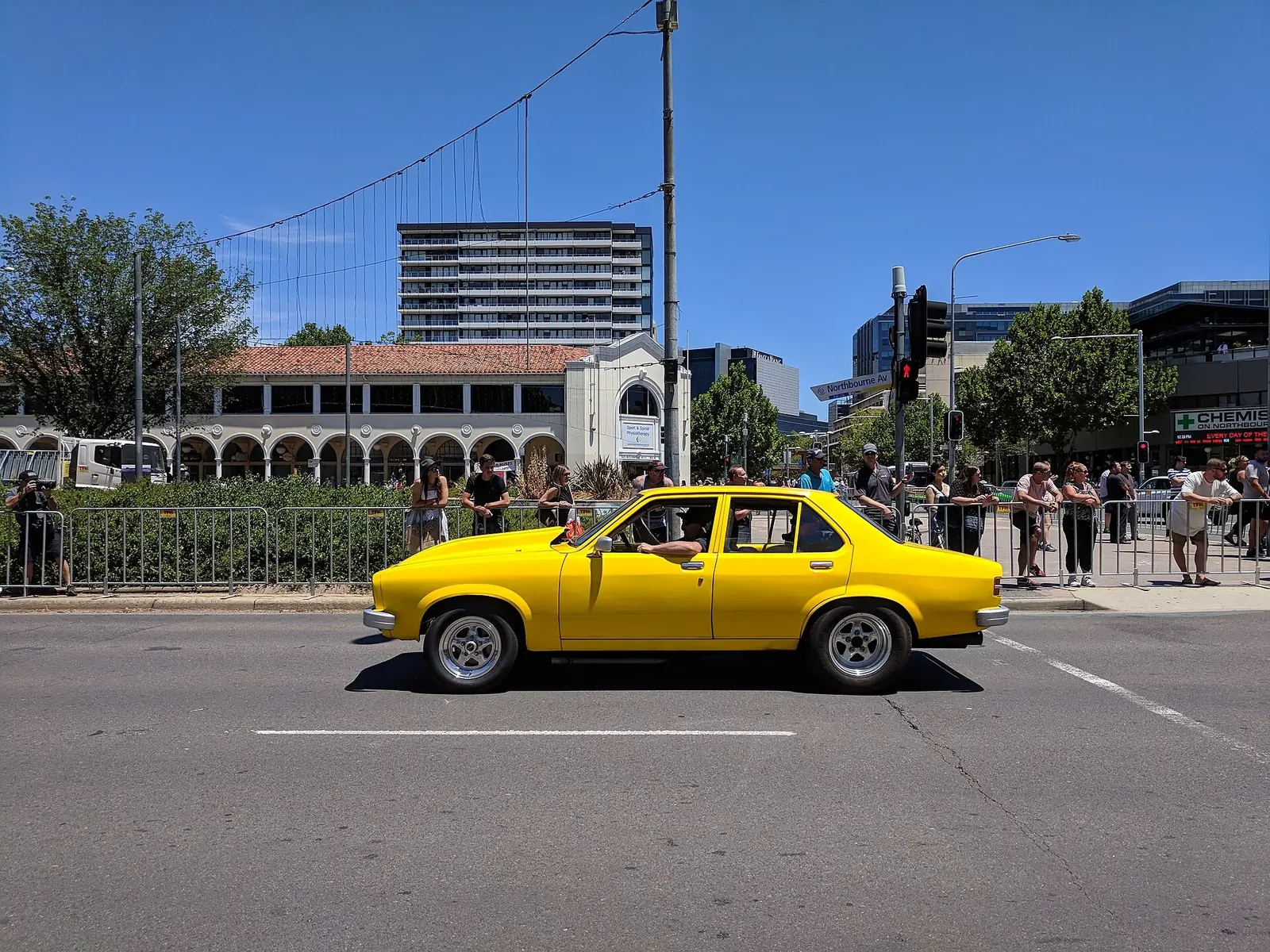
The starting point is VSB 14, the national code of practice for light vehicle modifications. Its suspension section allows lowering without certification by not more than one third of the original suspension travel, with a total height change of no more than 50mm. Front and rear must drop by the same amount, keeping the car's original attitude.
The code also sets the rules most owners forget. Lowered coil springs must have the same end shape as the originals, keep some pre-tension at full droop and not coil-bind at full bump. Lowering blocks must be steel or aluminium and positively located. Bump stops must stay where the suspension could bottom out. Driver-adjustable suspension isn't covered at all.
NSW changed the rules on 1 July 2026
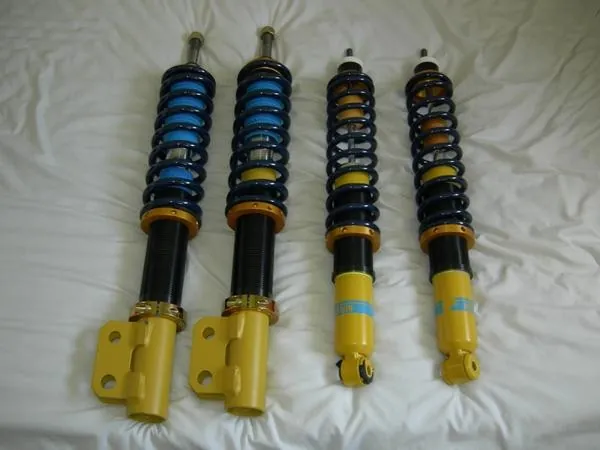
NSW now requires a certificate from a licensed certifier if you lower a car by more than one third of its working suspension travel, or more than 50mm, whichever is less. That comes from Transport for NSW's VSI 06 vehicle modification guide, revised on 1 July, and the 2026 Declaration of Modification Order. The old NSW manual allowed a flat 50mm.
Transport for NSW's own example shows a BRZ can legally drop only about 27mm at the front without a certificate. Plenty of lowering spring kits drop a car further than that, so check your kit's stated drop and measure before you buy.
Formula and BRZ example from Transport for NSW's VSI 06, Rev. 4 (1 July 2026), Item 13. Check your car's own figures.
Working travel is measured from the wheel centre to the top of the wheel arch, from the unladen height to full bump, using the maker's specifications. The new rules are friendlier on one point: adjustable coilovers on unmodified factory mounts no longer need a certificate, as long as they're set within the same limit. Wheels and tyres more than 25.4mm wider than the placard do.
Cars that fail minimum ground clearance can't be registered in NSW. If you've lowered beyond the limit, a certifier's compliance certificate goes to Service NSW with your paperwork, according to the modified vehicles page. Air suspension conversions generally need certifying too, except rear helper airbags and air systems that change ride height by up to 50mm.
Queensland: the inspection manual is the law
Queensland's Light Vehicle Inspection Manual, in a new edition from 7 July 2026, is a prescribed standard under the state's vehicle regulation. That makes its reasons for rejection enforceable on the road, not just at an inspection. A car fails if bump-stop clearance or rebound travel has been cut by more than one third.
Cut or heated coil springs are an automatic fail, as are lowering blocks made of anything other than steel or aluminium. Non-standard air suspension needs approval, although airbag helper springs can be added to the original suspension. Ground clearance under 100mm fails, excluding wheels and hubs, flexible mudflaps and flexible aero or undertrays.
What does 100mm ground clearance actually mean?
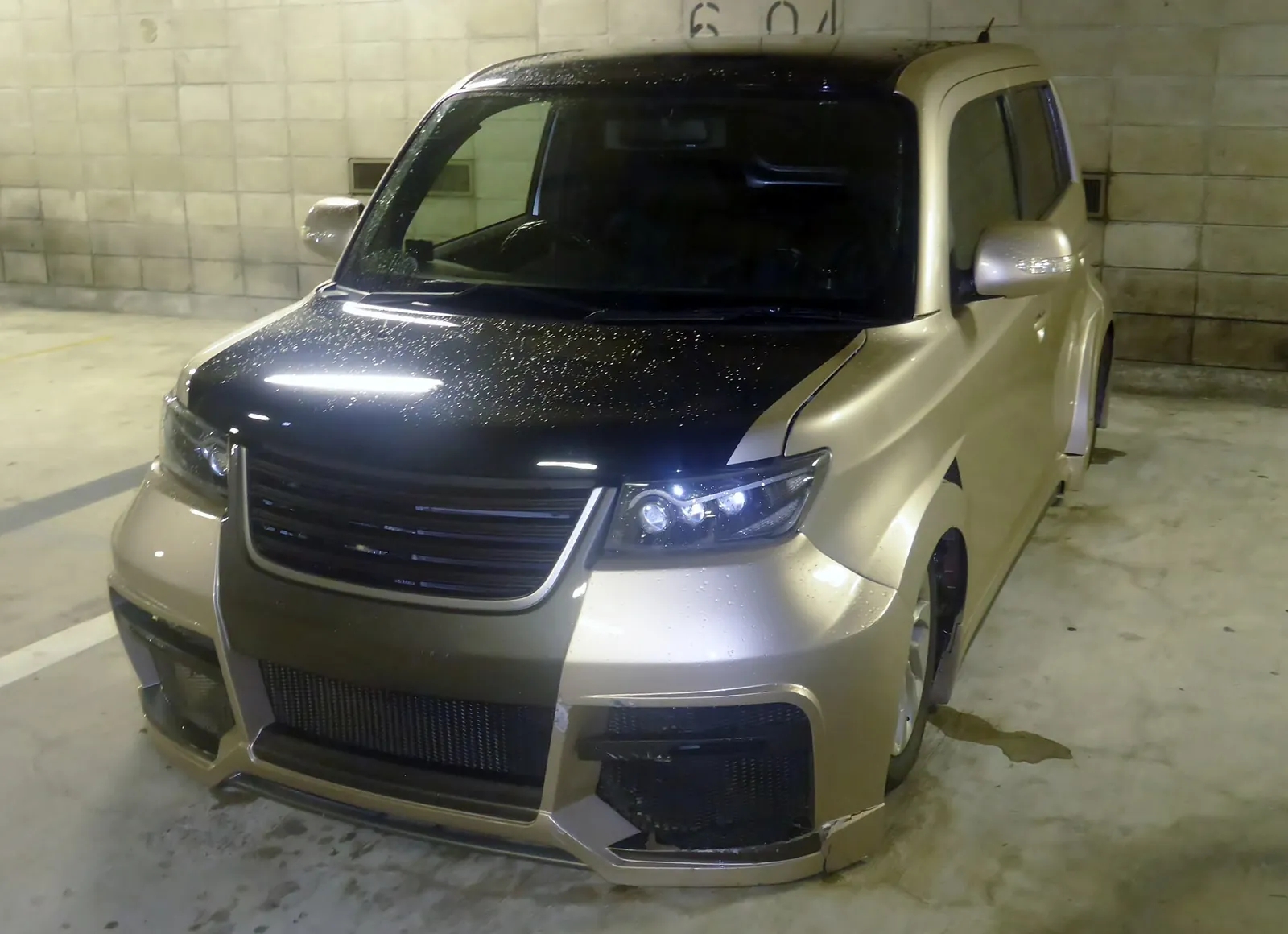
It depends on the rule, and that trips up a lot of owners. New cars are built to ADR 43/04, which sets a 100mm running clearance measured unladen. Queensland's regulation, Tasmania and VSB 14 use 100mm within one metre of an axle, one-thirtieth of the wheelbase at the midpoint, and the ability to cross a 1:15 peak.
On most modern cars, the one-third-of-travel limit runs out well before you reach 100mm, so the clearance rule is a backstop rather than the main limit. Front lips and splitters are where low cars usually fail in practice; if yours scrapes, read our guide to speed bump heights before you go lower.
Victoria, WA and the other states
Victoria treats lowering within VSB 14's limits as an approved modification, according to its VSI 8 modification guide. Ride height is measured unladen on level ground, and changes from new wheels and tyres count toward the total. Airbag suspension needs a VASS certificate, must keep two thirds of the original travel and 100mm of running clearance at every setting.
Western Australia is the strictest. Lowering by springs within 50mm is a simple modification, but it still needs an inspection at an authorised station and a paid modification permit, according to the Department of Transport. Coilovers are treated the same way, provided travel isn't cut by more than one third.

| State | Lower without certification | Clearance and other limits | Beyond the limit |
|---|---|---|---|
| NSW | Lesser of 1/3 working travel or 50mm; coilovers OK within limit | Must meet minimum ground clearance to register | Licensed certifier (VSCCS) |
| Vic | Within VSB 14: 1/3 travel, 50mm total, attitude kept | Ground clearance to registration standards; air suspension 100mm running clearance | VASS certificate |
| Qld | Basic modification within manual limits | Fail: more than 1/3 travel lost, cut springs, under 100mm | Approved person or TMR approval |
| WA | No: springs within 50mm need inspection and a permit | Coilovers: travel not cut by more than 1/3 | Engineering certification and approval |
| Tas | Up to 1/3 of original travel | Fail: under 100mm within 1m of an axle | Approved vehicle certifier |
| ACT | Owner-certified modifications within the national code | National code limits apply | Engineer certificate and inspection |
| SA, NT | Approval generally needed; check with the regulator | Minimum ground clearance applies | Engineering signatory or formal assessment |
Sources: TfNSW VSI 06, Transport Victoria VSI 8, Queensland inspection manual, Transport WA, Transport Tasmania, Access Canberra, SA Government and NT Government pages, checked 27 October 2026.
Tasmania's inspection manual fails a car lowered by more than one third of its original travel. The ACT lets owners self-certify modifications within the national code, and anything bigger needs an engineer and an inspection. South Australia requires approval to modify light vehicles, and the NT's modification bulletin doesn't list lowering as a basic change, so ask the regulator before you start.
Defect notices and fines
A lowered car that doesn't comply can be defected on the spot. In Queensland, a defect notice isn't a fine, but it brings a $57.40 inspection fee, or $116.75 for an unsafe vehicle, according to the state government. On current penalty unit values, driving a defective car carries a $172.70 fine, or $345.40 if it's unsafe.
Victoria's major and minor defect notices give you 28 days to fix the car before your registration is suspended, says VicRoads. Police are checking. In a late-2025 operation around St Kilda and Prahran, a lowered Ford Falcon failed ground clearance, was grounded, and its driver was fined $814 for an unsafe vehicle.
NSW works the same way: repair by the due date or your registration can be suspended, and some repairs must be cleared by an inspector, according to Transport for NSW. NSW Police and Transport for NSW ran joint operations in 2025 and 2026 that grounded modified cars with red labels, with altered ride heights among the defects found.
Do you have to tell your insurer?
Yes. Lowering is a modification, and insurers want to know. AAMI defines modifications as changes to the standard body, engine, suspension, wheels or paintwork and asks to be told as soon as possible. Queensland's modification handbook warns that an undeclared or illegal modification can see an insurer cancel the policy or refuse a claim.
The risk is bigger than a higher premium. Budget Direct warns that illegal modifications, including non-compliant suspension, could see a claim denied even if they didn't cause the accident. The same logic applies to other modifications, from window tint to a louder exhaust.
Before you lower your car
- Find the maker’s unladen and full-bump heights, then work out one third of the travel.
- Check your spring or coilover kit’s stated drop against that number, front and rear.
- Keep the car’s attitude: drop front and rear by the same amount.
- Never cut or heat springs. Fit kits that keep pre-tension and bump stops.
- Check the wheels don’t rub at full lock and full bump, and that headlight height still complies.
- Get a wheel alignment afterwards; our alignment cost guide explains what to expect.
- Tell your insurer and, if you’re over the limit, get it certified before you drive it.
Choosing between springs and coilovers? Our coilovers vs lowering springs explainer covers the trade-offs, and our low-profile trolley jack guide covers lifting a low car safely. Lower it within the rules and you'll keep the look, the registration and the insurance. Go further without paperwork, and you're one roadside check away from losing all three.
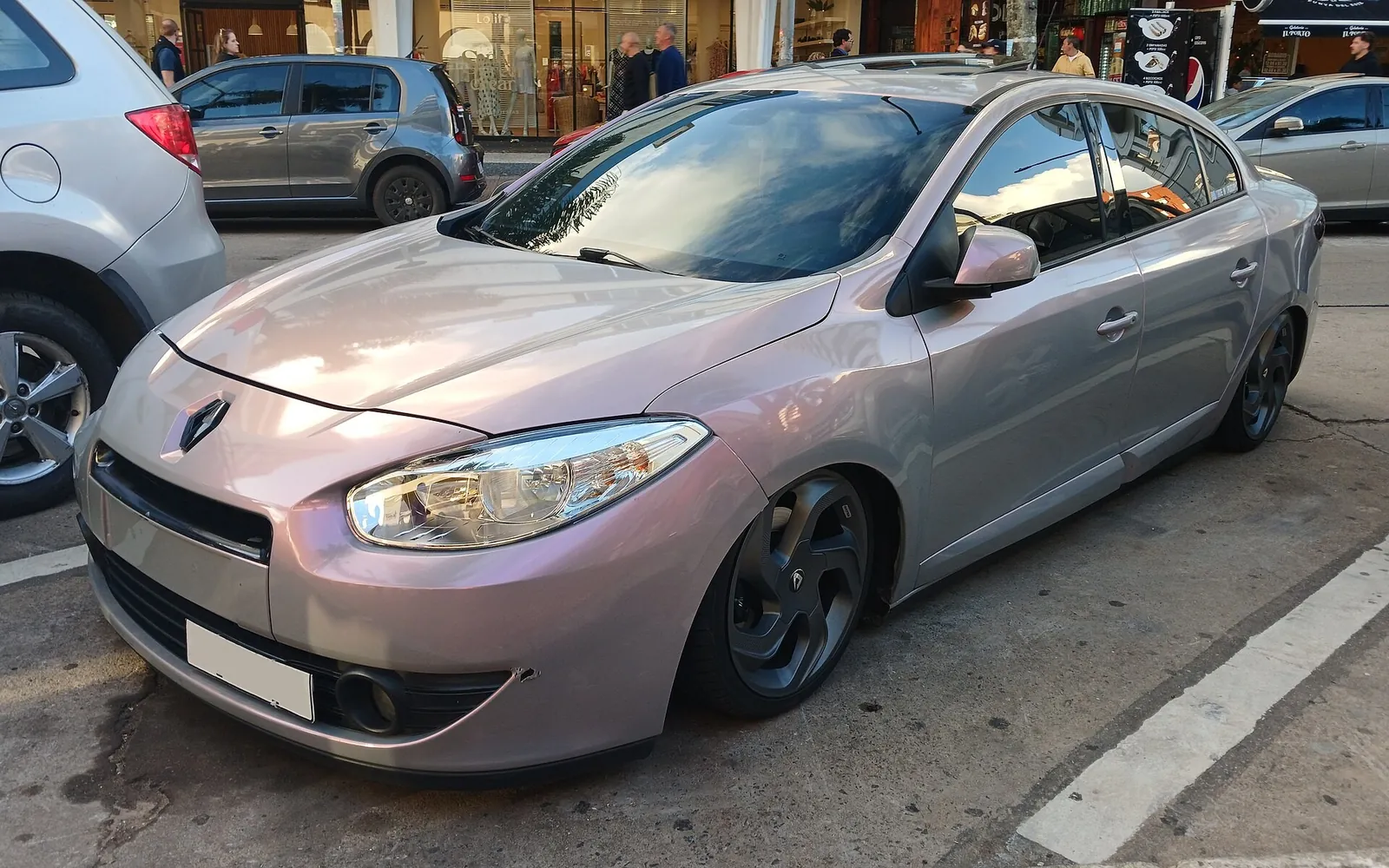
Header image: Matti Blume, CC BY-SA 4.0, via Wikimedia Commons (cropped).


